An engineering enquiry may start with planned building work, a defect you want to understand or ongoing works that need organisation and technical support. Identifying that need helps define the service, the supporting documents and the people who should be involved.
Describe your objective and the current condition of the property or stage of the works. The proposal should explain the included services and how they relate to the people already involved, distinguishing design, construction, assessment and site support roles.
Make an engineering enquiryStart with the decision you need to make
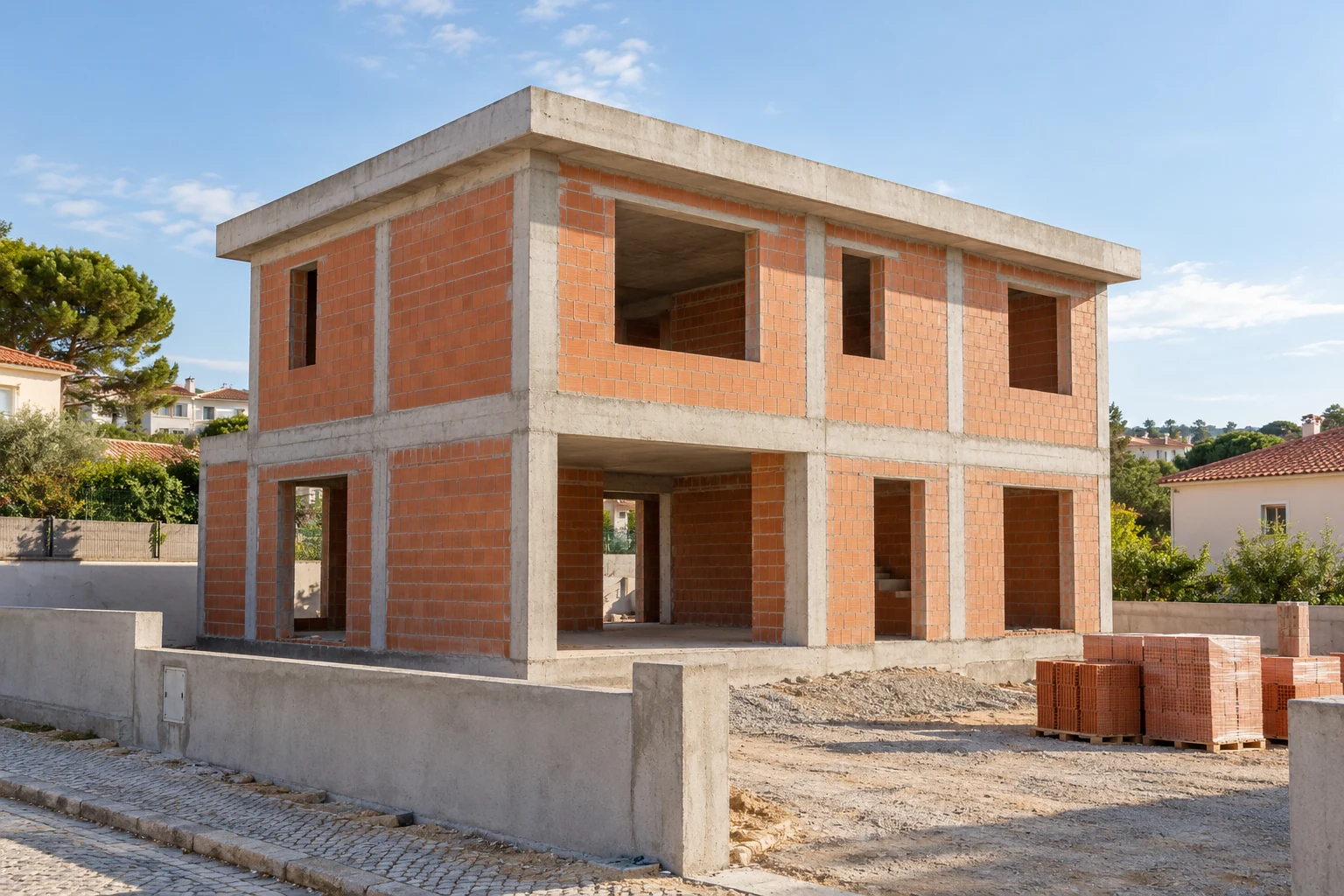
If you intend to build or alter a property, your enquiry may involve developing technical solutions and coordinating them with the architectural design. If your concern is a crack, water ingress or the condition of an existing element, describe what you have observed and what you need to understand. If works are being organised or are already underway, the need may concern checking the work, planning or communication between those involved.
These situations can overlap, but they call for different responses. You do not need to know the exact name of the engineering discipline before making contact: explain the issue, the stage you have reached and the outcome you need, such as design documents, a documented assessment or help with organising the works.
Engineering design and coordination between disciplines
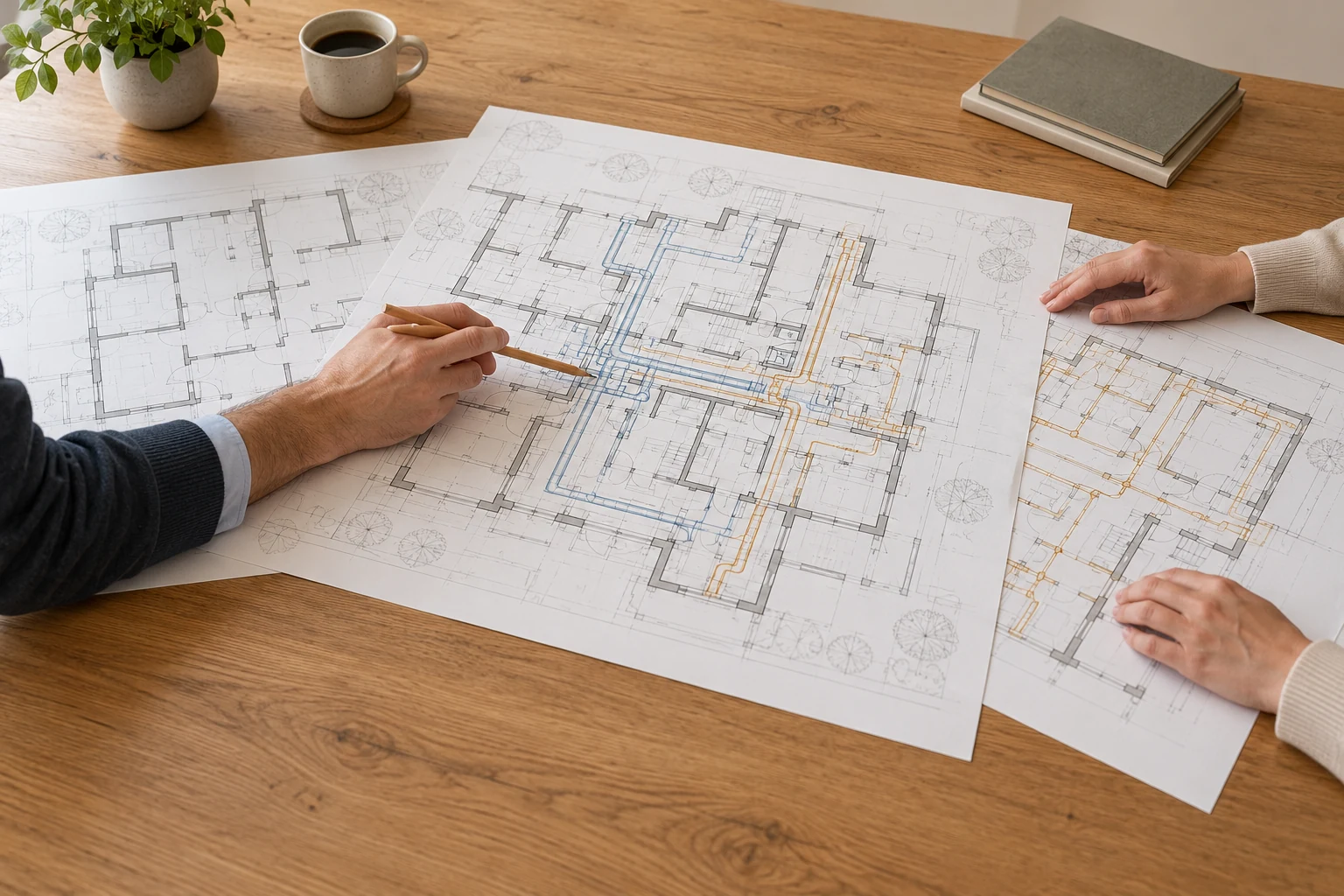
Design involves defining and documenting the technical solutions proposed for the works. An enquiry may concern the structure and foundations, water and drainage networks or other building services and performance requirements. The scope should identify the disciplines needed, the information already available and the interfaces with the architectural design.
Design coordination addresses how these elements fit together: for example, the relationship between spaces, service routes and building elements. The proposal should identify the designs and documents covered, the stage to be developed and how changes will be handled. Each discipline is explained in its own service; commissioning a design does not automatically include constructing the solutions or supervising the works on the client’s behalf.
Diagnosing, inspecting and assessing an existing building
When you need to understand a building’s condition, start by identifying the area concerned, what can be observed, when it was noticed and whether previous work or assessments have taken place. Photographs, plans and reports can help explain the enquiry without assuming a conclusion about the cause or extent of the problem.
The assessment scope should explain which elements will be examined, the access available, the documents to be reviewed and the record to be delivered. Conclusions should distinguish verified findings, limitations in the information and questions that remain unresolved. Tests, further studies, repair design and construction are tasks to identify where needed; an initial observation does not mean they have already been completed.
Choosing the right role during construction
Construction supervision on the client’s behalf
Construction supervision covers checking the works on the client’s behalf, with a defined scope for attendance and reporting. The enquiry should identify the works being carried out, the reference documents and the people already involved. This role has its own service in the catalogue.
Technical direction, construction management and coordination
Technical direction of the works and the day-to-day organisation of construction need to be distinguished in the enquiry. Construction management and coordination may cover planning, liaison between those involved, tracking decisions and reporting on progress, within the defined scope. A contact person for planning should not be presented as responsible for every technical role.
Health and safety coordination
Construction health and safety coordination has its own scope. When preparing the enquiry, identify who is carrying out the work and how this role is addressed, alongside supervision and management. The arrangement of these services should respect the responsibilities applicable to the works and should not treat required roles as optional extras.
Define the scope and the deliverables
The proposal should connect the need to an identifiable outcome: design documents, an assessment report, site records or planning tools, depending on the service. It should clarify the starting documents, any missing information, the proposed stages and how questions and decisions will be communicated.
Design, construction and site support may be included in one proposal with their respective scopes identified. That commercial arrangement does not make the roles equivalent or replace the need to identify who is responsible for each. The proposal should also explain when each service ends and what subsequent support is included, without assuming permanent attendance on site or unlimited revisions.
Information to include in your enquiry
Give the location, property type, current use and the planned work or issue under consideration. Explain whether you are exploring an option, preparing to appoint contractors or dealing with works already underway, and identify the professionals and companies already involved.
Share any available plans, designs, reports, photographs and other documents, noting their date or version where known. Add the decisions you need to make, access constraints and your preferred timing. If you have no documentation, say so: the information needed to define the scope will be considered from the actual starting point of your enquiry.
Related services
Areas we serve
We welcome enquiries in Lisboa, Oeiras, Cascais, Sintra, Amadora, Odivelas and Loures. Availability and the feasibility of the work are assessed for each enquiry.
View the areas we serveFrequently asked questions
Can I make an enquiry without knowing which engineering discipline I need?
Yes. Describe the property, the issue and what you want to decide or carry out. Include the stage you have reached and any available documents. This information helps establish the context before defining the disciplines or support required.
I already have an architectural design. What should I send?
Send the available version, any existing engineering designs and the questions still to be resolved. Explain whether you want to develop one discipline, coordinate solutions between designs or arrange support during construction. The enquiry should identify the remaining work and the interfaces with the designers already involved.
Should a crack or water ingress be submitted as a repair enquiry?
You can describe the repair you are seeking, but distinguish what you have observed from what you believe caused it. Share the location, photographs and any known history. The enquiry should establish whether assessment is needed before the repair design or works can be defined.
Does engineering design include construction and supervision?
Those scopes need to be identified in the proposal. They may form part of the same overall process, but commissioning a design does not automatically include construction, supervision on the client’s behalf or management. The roles and the people responsible for them should be clear.
Can I request engineering support after construction has started?
You can make an enquiry describing progress, the documents being used and the people currently involved. Whether support can be provided, and its scope, depend on the available information and the circumstances. The proposal should clarify when the service begins and what can be observed or assessed at that stage.
What technical question do you need to resolve?
Describe the property, the stage of the work and the decision you need to make. Include the available documents and identify who is already involved so the enquiry and proposal scope can be defined.
Request an engineering proposal