In a south- or west-facing apartment, summer discomfort often begins before the air conditioning is switched on: sunlight enters through the glazing, heats floors, walls and furnishings, and remains indoors well into the evening. External shading is especially effective because it intercepts solar radiation before it passes through the window. In an apartment building, however, a sound thermal idea must also be a sound decision for the condominium, safety and maintenance.
A well-chosen awning can make a balcony usable and reduce solar load in the adjoining room. A poorly planned solution can damage finishes, trap water, perform badly in wind or create a mismatched appearance across the building. This guide separates genuinely reversible options from interventions that need technical review and prior approval, particularly in Lisbon.
Start with the source of heat, not with a product catalogue
Before selecting a fabric, colour or operating system, spend a few days observing when and where the sun enters. An east-facing façade receives early sun; a south-facing façade receives it for much of the day; west-facing rooms are often the hardest to manage in late afternoon, once the home has already stored heat. Note which windows become hottest and whether a balcony, overhang, neighbouring building or trees already provide useful shade.
The aim is not to darken the home permanently. It is to control solar gains at the critical time while keeping useful daylight. ADENE identifies shading as a key summer-comfort strategy for limiting solar gains, together with natural ventilation when outside temperatures fall at night. Read ADENE’s guidance on summer comfort, shading and ventilation before deciding whether the problem calls for sun protection, window upgrades, ventilation or a combination of measures.
There is another important distinction: a room made hot by direct sun needs a different response from one made hot by an uninsulated roof, heat-producing appliances or poor ventilation. An awning may be highly effective, but it does not replace a straightforward assessment of the whole situation.
Retractable awnings: the most flexible option where there is a balcony
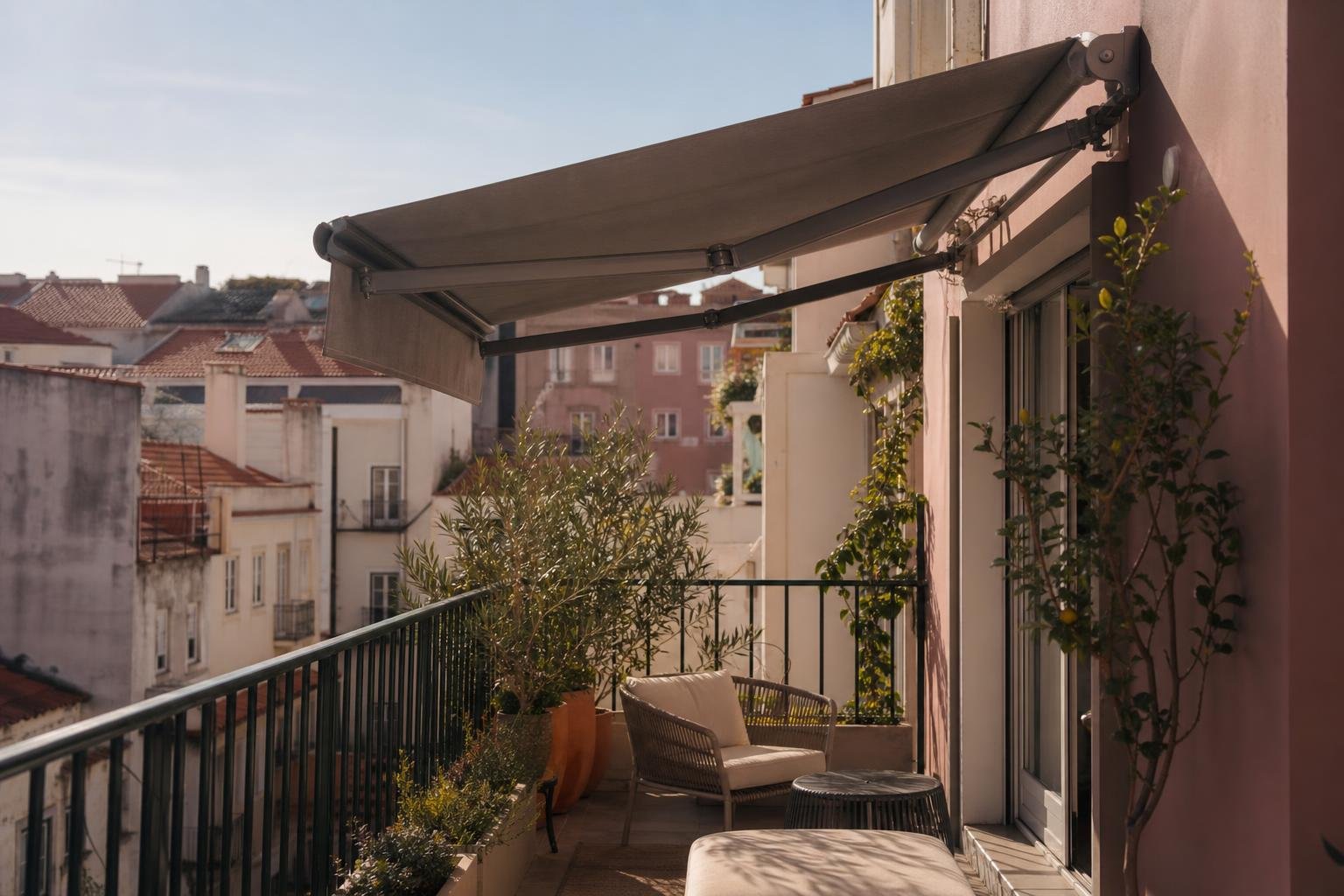
For an uncovered balcony, a retractable awning is often the most adaptable choice: it opens when sunlight is needed, retracts in wind or rain, and leaves the façade clearer in winter. A folding-arm model creates horizontal shade; a drop-down front or side screen can help with low-angle sun, although it requires greater attention to stability and visual impact.
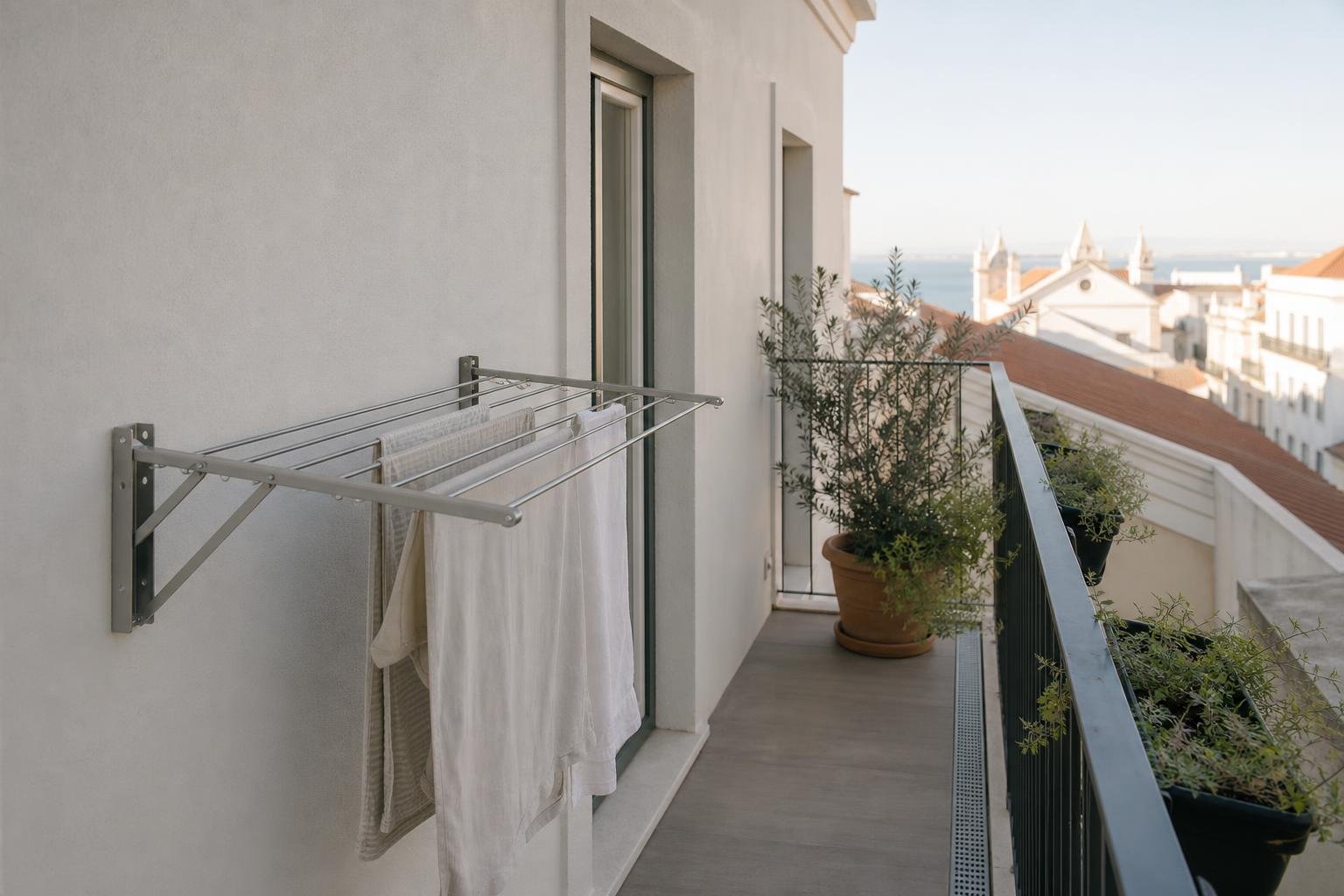
Size the awning around the area you need to protect, rather than simply the width of the opening. An awning that is too shallow may shade a balcony table while leaving the glazing exposed; one that projects too far can reduce views, conflict with available space or become more vulnerable to wind. Check doors, windows, clothes lines, lights, downpipes and drainage points before placing an order.
In Lisbon, the Municipal Urbanisation and Building Regulation states that removable awnings in non-rigid materials may project up to 3 metres beyond the façade plane, subject to the stated boundary and height conditions. Review the RMUEL rules for removable façade elements; this does not remove the need to verify the specific property, condominium requirements and any local restrictions.
Light, reversible options: where they make sense
Not every balcony needs a permanent structure. A parasol with a suitable base, a shade sail fixed entirely within a private perimeter, or a temporary exterior screen can work for occasional use, provided they cannot fall, block drainage or remain exposed when conditions change. These options are useful in rented homes, in buildings where a shared solution has not yet been agreed, or when residents want to test the practical effect of shade before investing.
Reversible should not be confused with risk-free. A lightweight item can become hazardous on a windy day. Portugal’s Directorate-General of Health notes that structures such as awnings can be affected by strong winds. Establish a simple routine: when to retract or remove it, where it will be stored, and who checks fixings, seams and hardware. The DGS guidance for keeping homes cooler during hot weather also recommends closing shutters or blinds during the hottest period and airing the home in the evening when outside air is cooler.
Avoid attaching shade sails to weak railings, pipes, window frames or elements whose capacity has not been confirmed. If a solution needs improvisation to stay in place, it is not a safe solution to leave installed.
Façade and condominium: agreement comes before installation
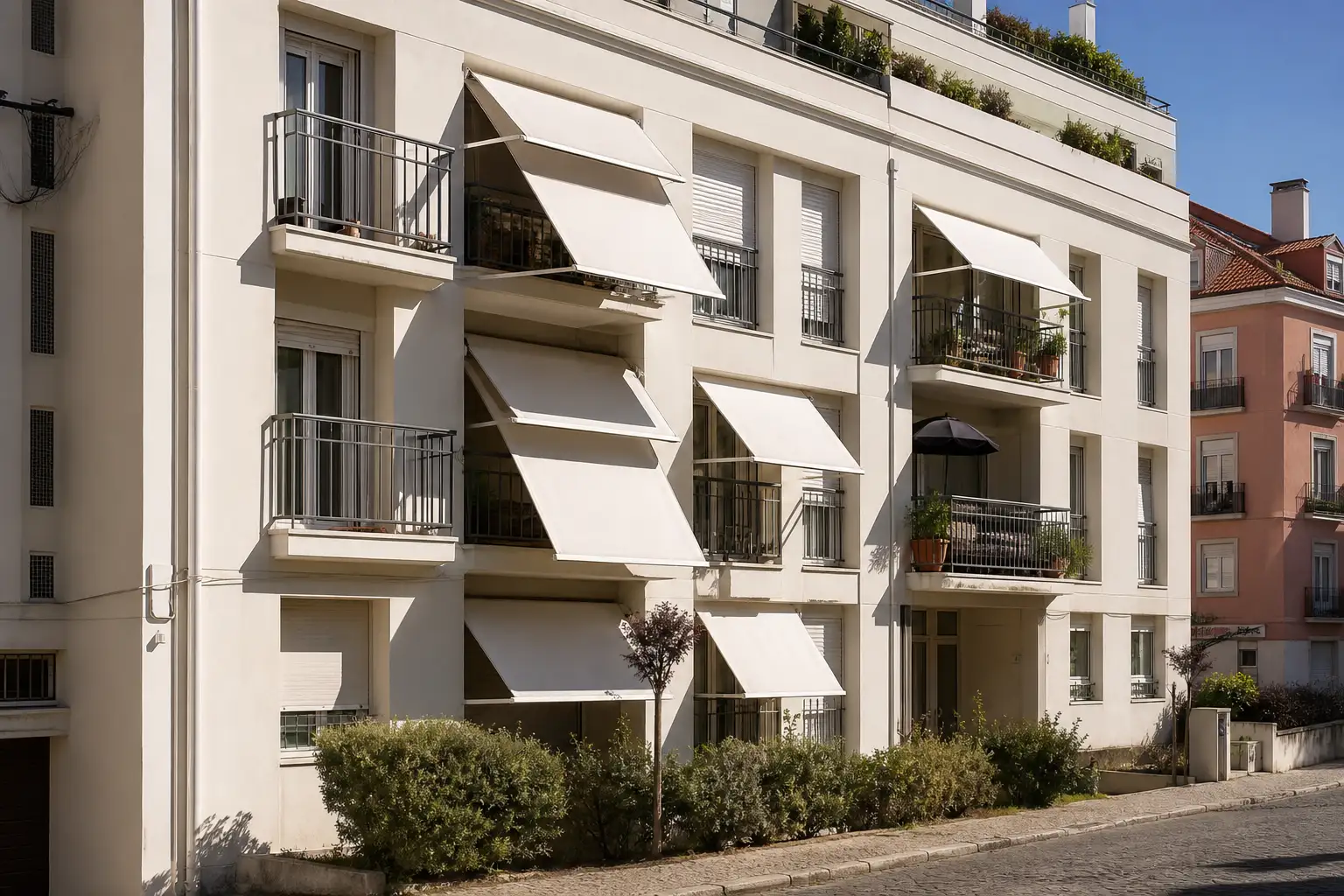
The façade, railings, roof and many external elements are normally common parts of an apartment building. Even where a balcony is for exclusive use, fixing an awning, changing a colour visible from outside or adding a new structure may affect the architectural line, waterproofing and overall appearance of the block. Before accepting a quotation, request the building’s constitutive title, condominium rules and relevant meeting minutes; check whether approved models, colours or positions already exist.
The strongest outcome is usually a coordinated one: a consistent fabric range, compatible dimensions, discreet hardware and clear maintenance rules. This protects the building’s appearance, reduces future conflict and makes replacement easier. In buildings with tiles, stone, ageing render or external insulation systems, the choice of fixing point deserves particular technical care.
If the work changes the exterior, or if the property is listed, within a protection area or subject to special rules, do not assume that verbal condominium approval is enough. Lisbon City Council explains that certain external alteration works are subject to licensing, including cases involving listed buildings or protection areas. Check the municipal service for building-work licensing and seek guidance for the specific address before proceeding.
Fixings, water and wind: details that prevent repairs
A durable installation depends less on the chosen fabric than on the base to which it is fixed. The installer should identify the actual substrate — concrete, masonry, steelwork or an insulation system — and specify compatible anchors. Drilling only into the finish without reaching a sound base is an error; penetrating waterproofing without proper sealing can create leaks that are difficult to trace.
Ask for the fixing locations, anchor type, assumed wind load, retraction instructions and warranty in writing. For upper-level balconies, confirm that the projection does not interfere with doors, windows, guardrails or escape routes. Also check that water cannot discharge onto the balcony below, the façade or the pavement.
A good specification provides access for cleaning, fabric replacement and arm inspection. This approach of planning maintenance from the outset mirrors the principles in our article on building maintenance: elements exposed to sun, moisture and wind should be inspected before they fail, rather than only after damage is visible.
A practical sequence: shade first, cooling equipment afterwards
In an overheated apartment, the immediate instinct is often to select air-conditioning equipment. Yet reducing direct sun, closing awnings or shutters during critical hours, and ventilating once outdoor temperatures drop can reduce the demand placed on any cooling system. This improves comfort quietly and can prevent mechanical cooling from being oversized.
There is no universal answer. A deep balcony may suit a retractable awning; a window without a balcony may need an external shutter or shutters; a heavily protected façade may first require an internal solution and a fuller review during a future renovation. Where several windows, delicate materials or a heritage façade are involved, it is worth incorporating the decision into a coordinated design process.
Request at least two quotations based on the same brief: dimensions, colour, operation, sensors, fixings, removal process and warranty. That way, you are comparing equivalent solutions rather than prices alone. For a wider renovation, see how an architect adds value to a project, particularly where small external decisions affect comfort, permissions and long-term durability.
Planning to improve the comfort of a balcony or a room exposed to strong sun? Obra Lisboa can help place the solution within the wider renovation, coordinating practical needs, finishes and careful execution.
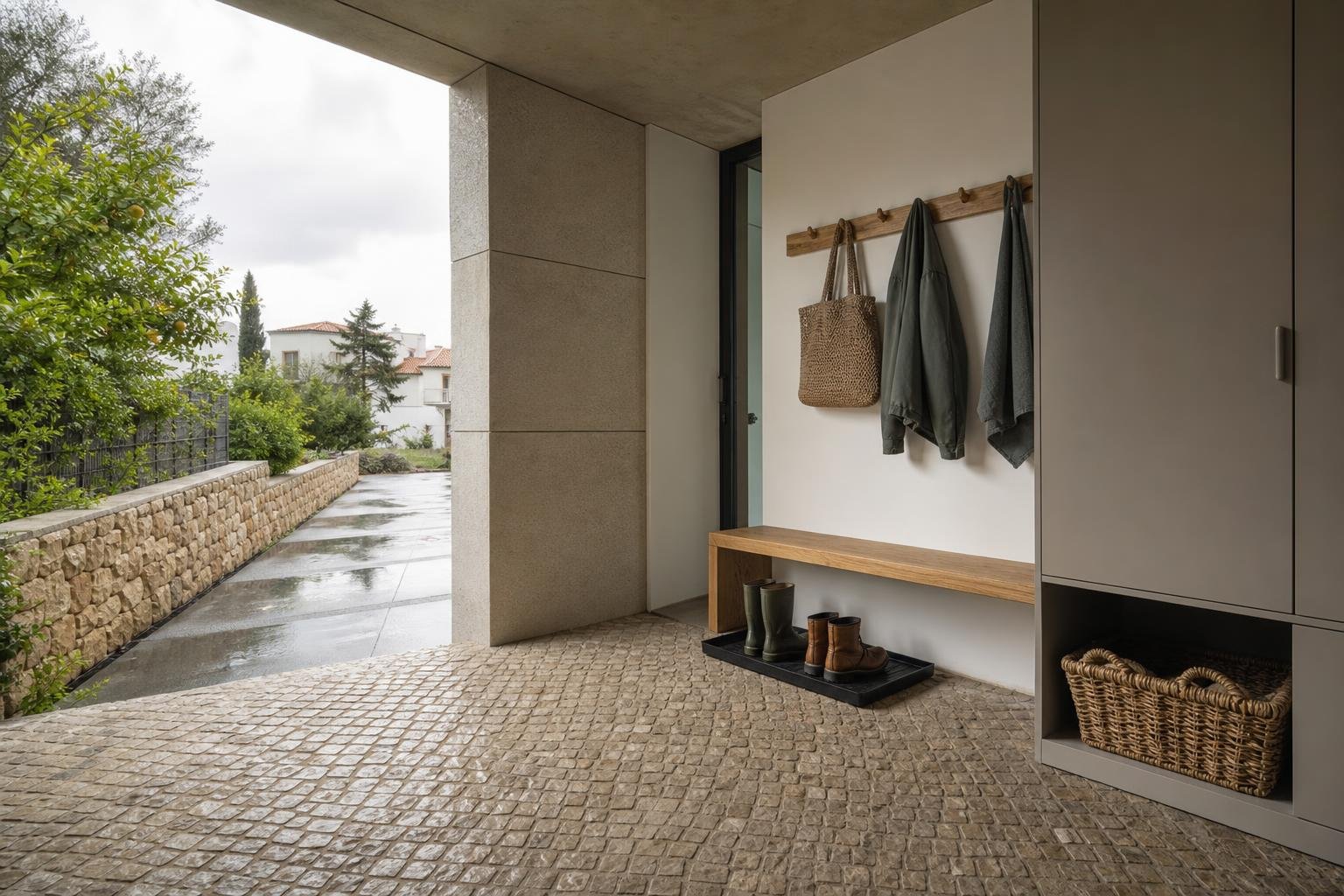
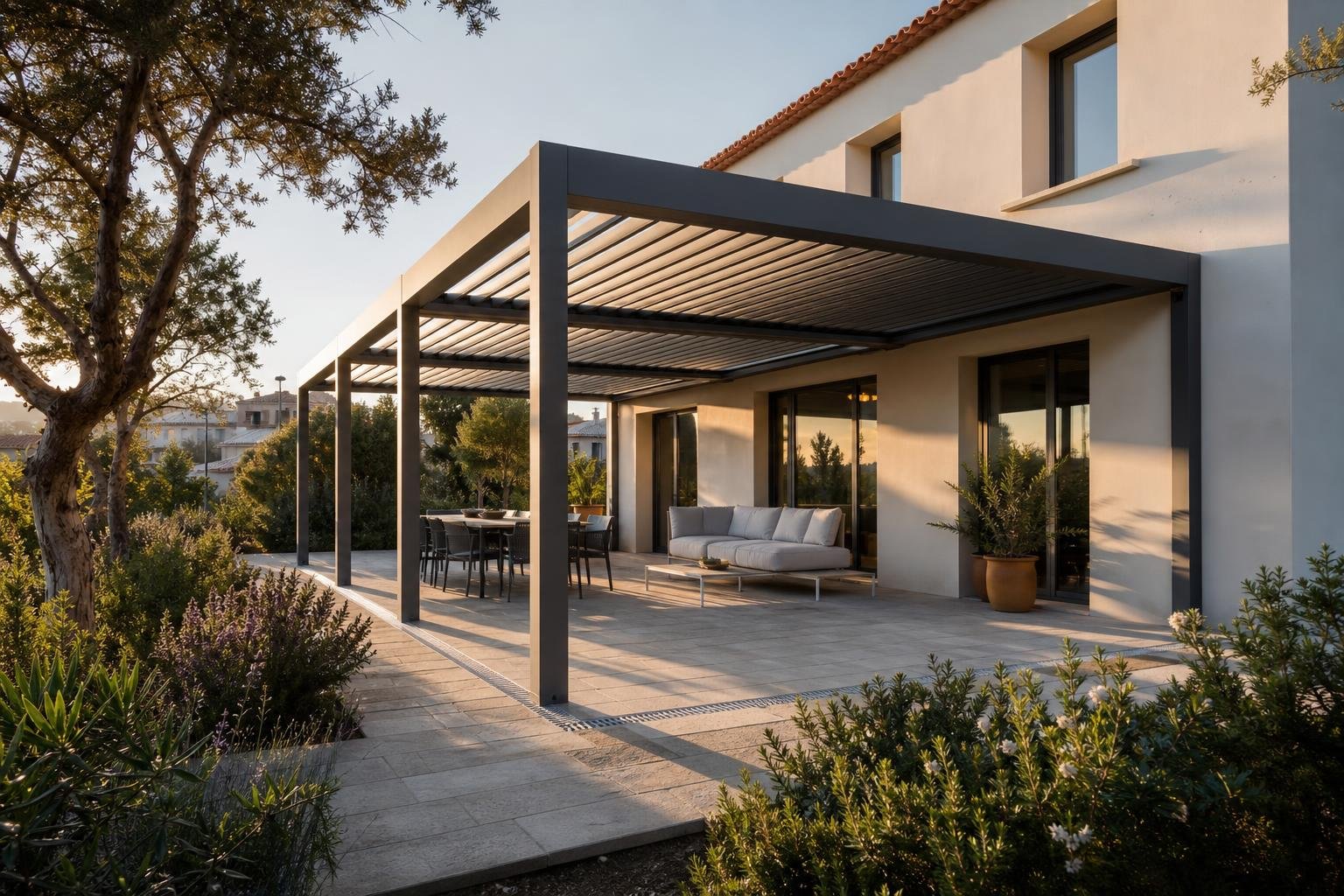
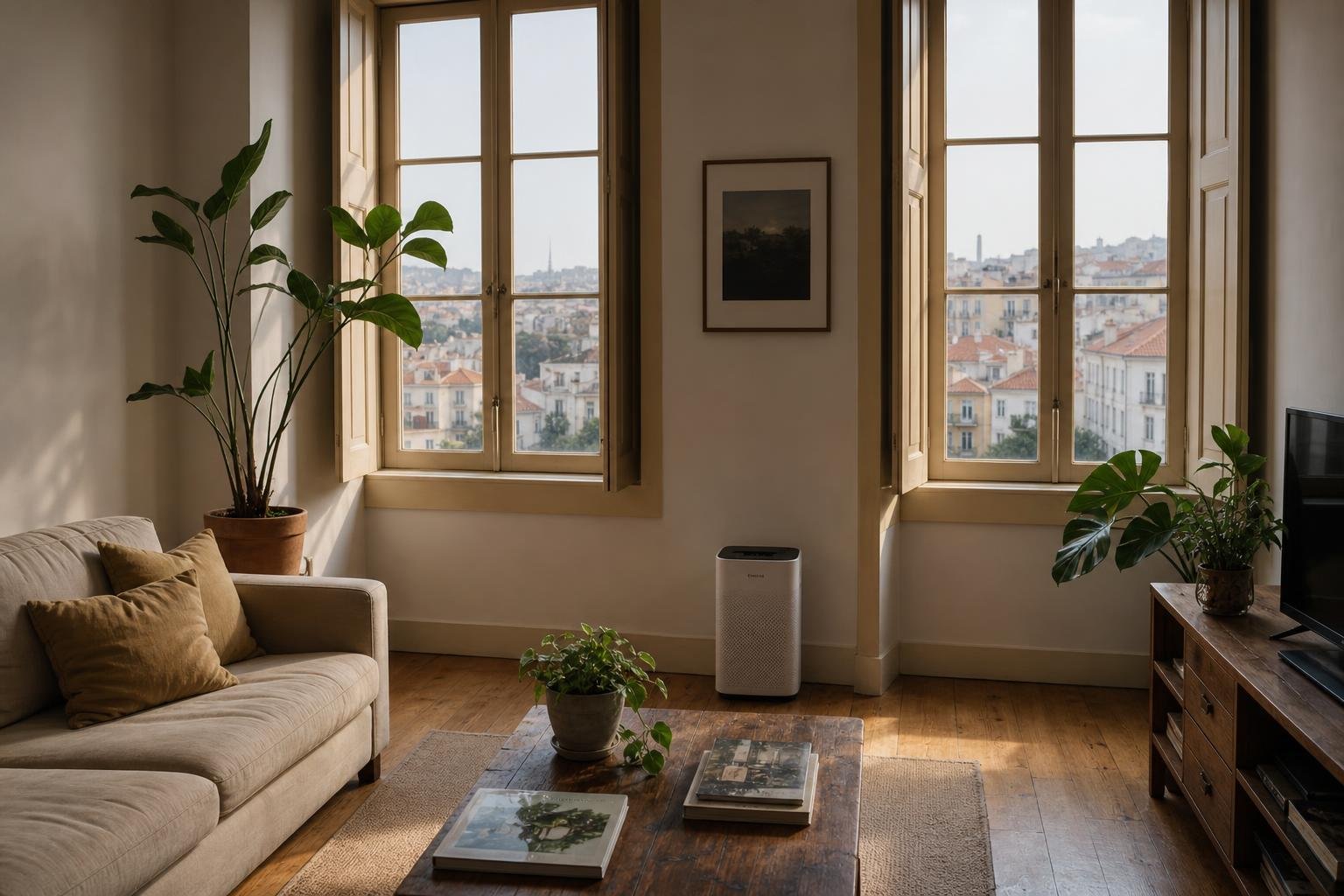
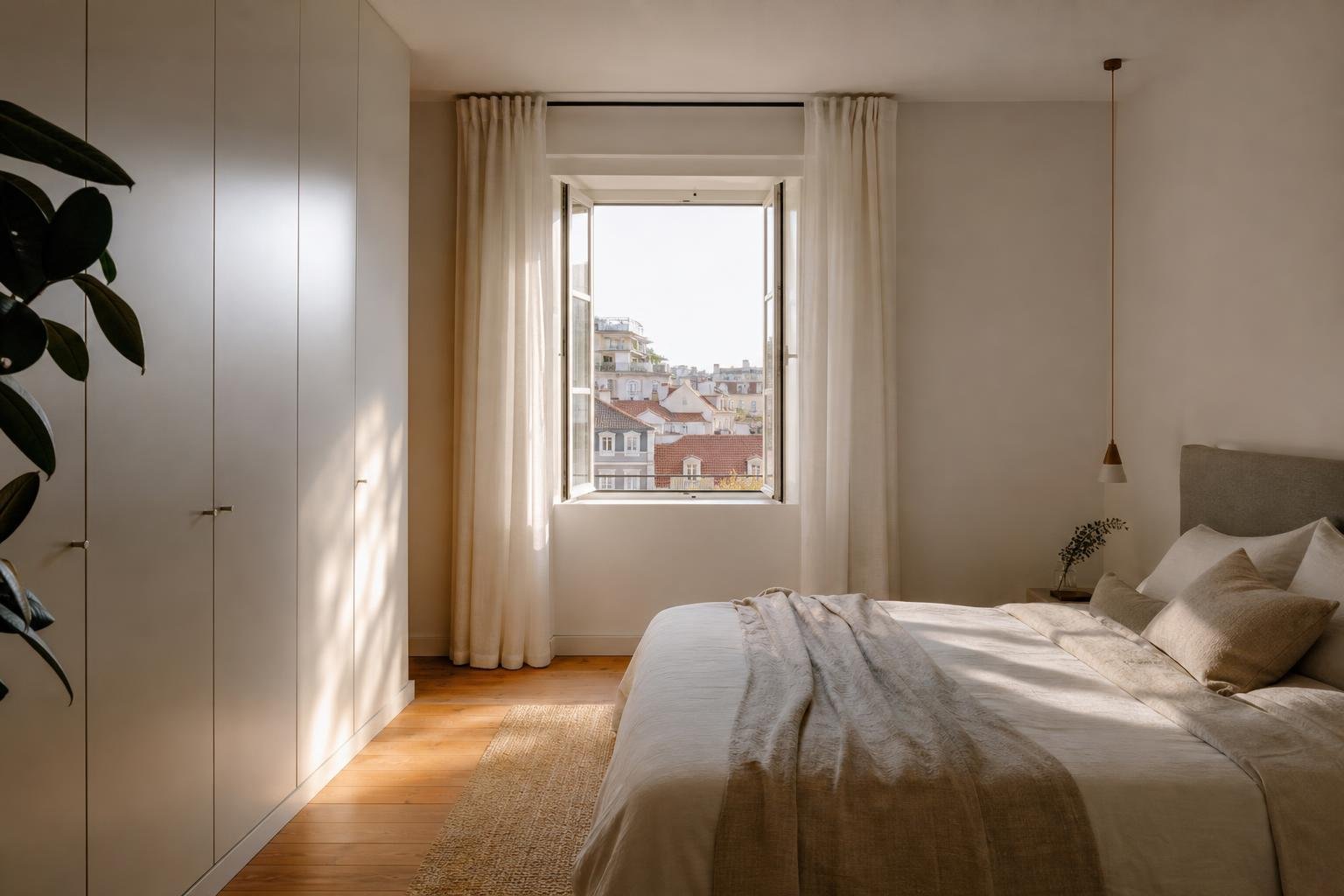
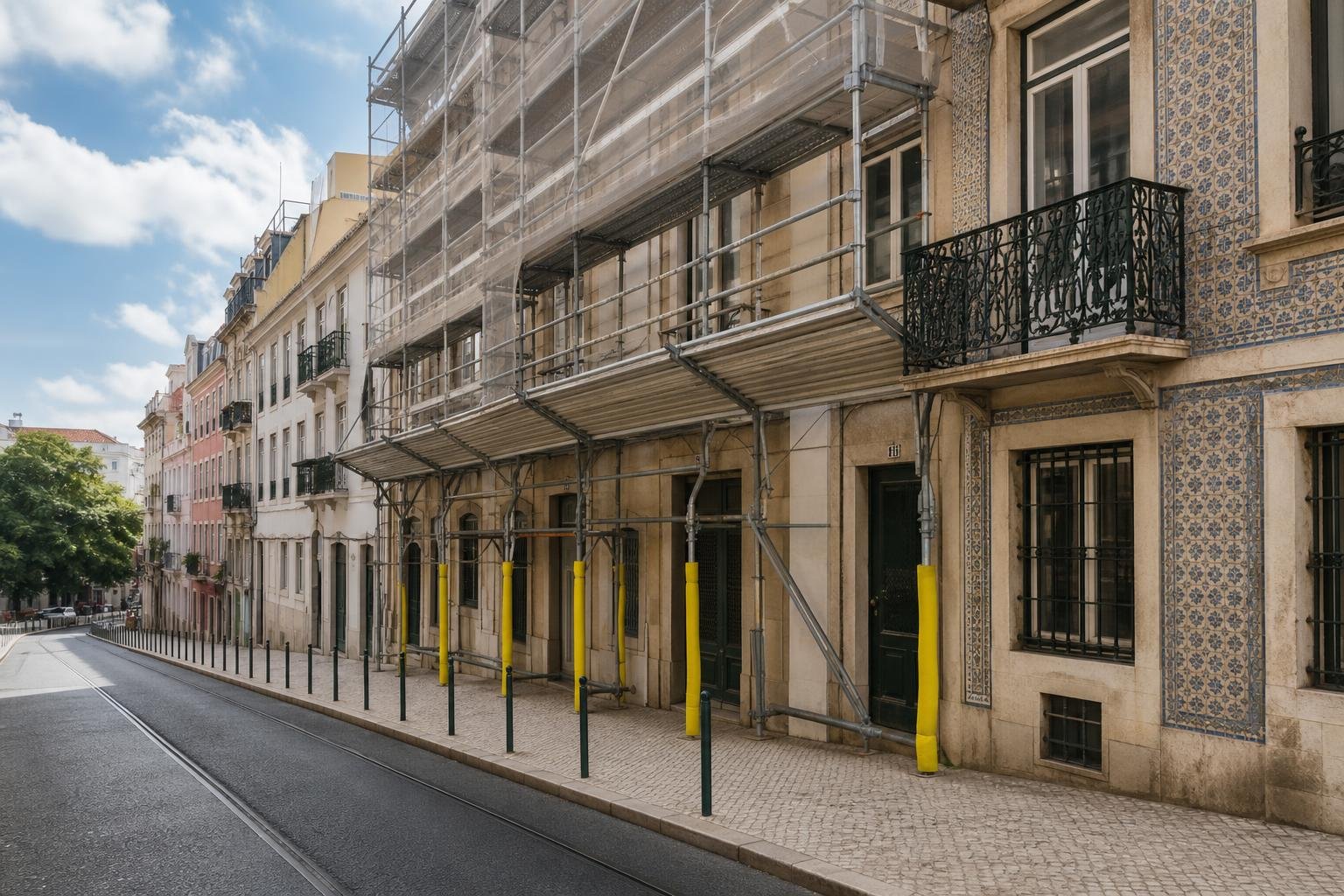
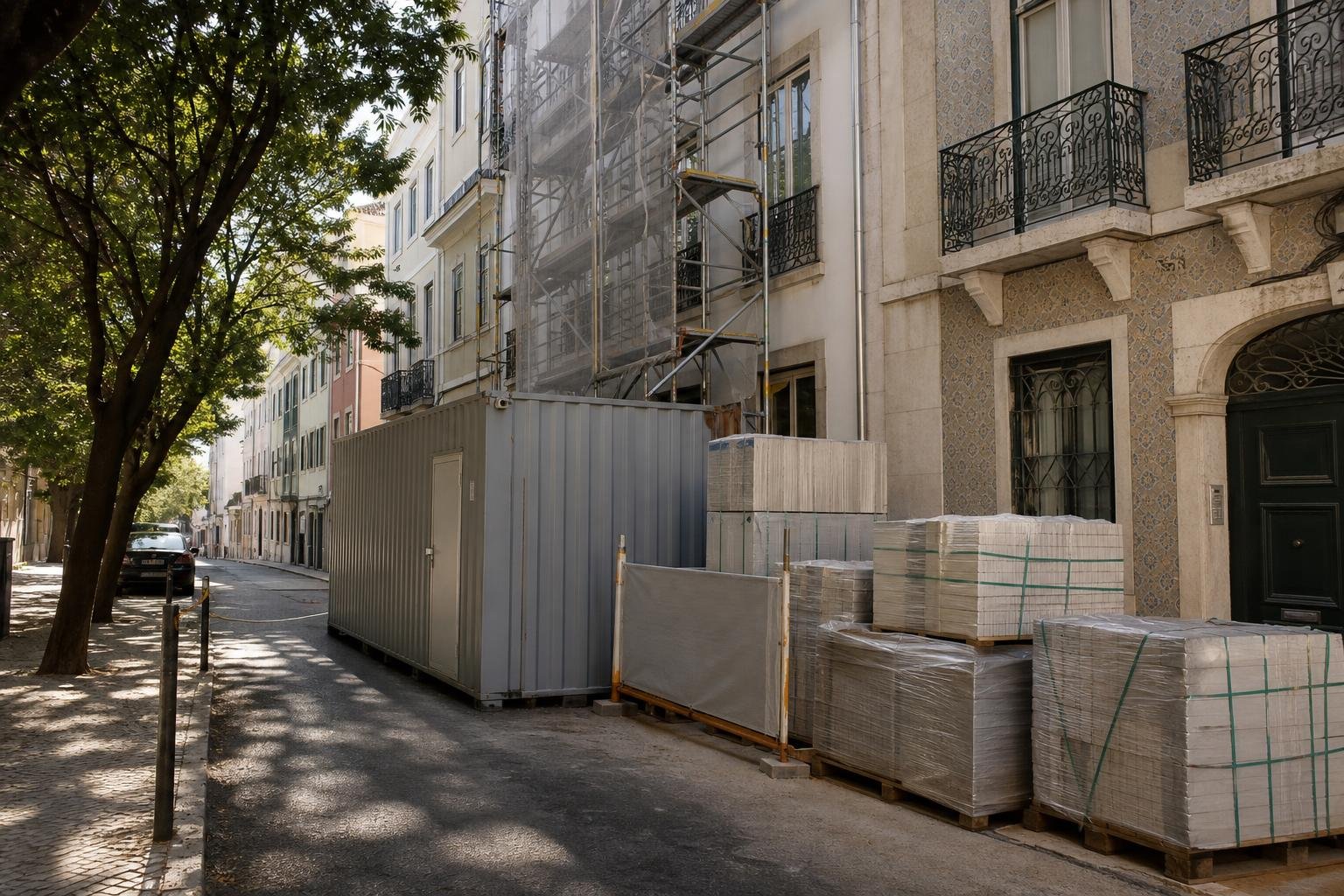
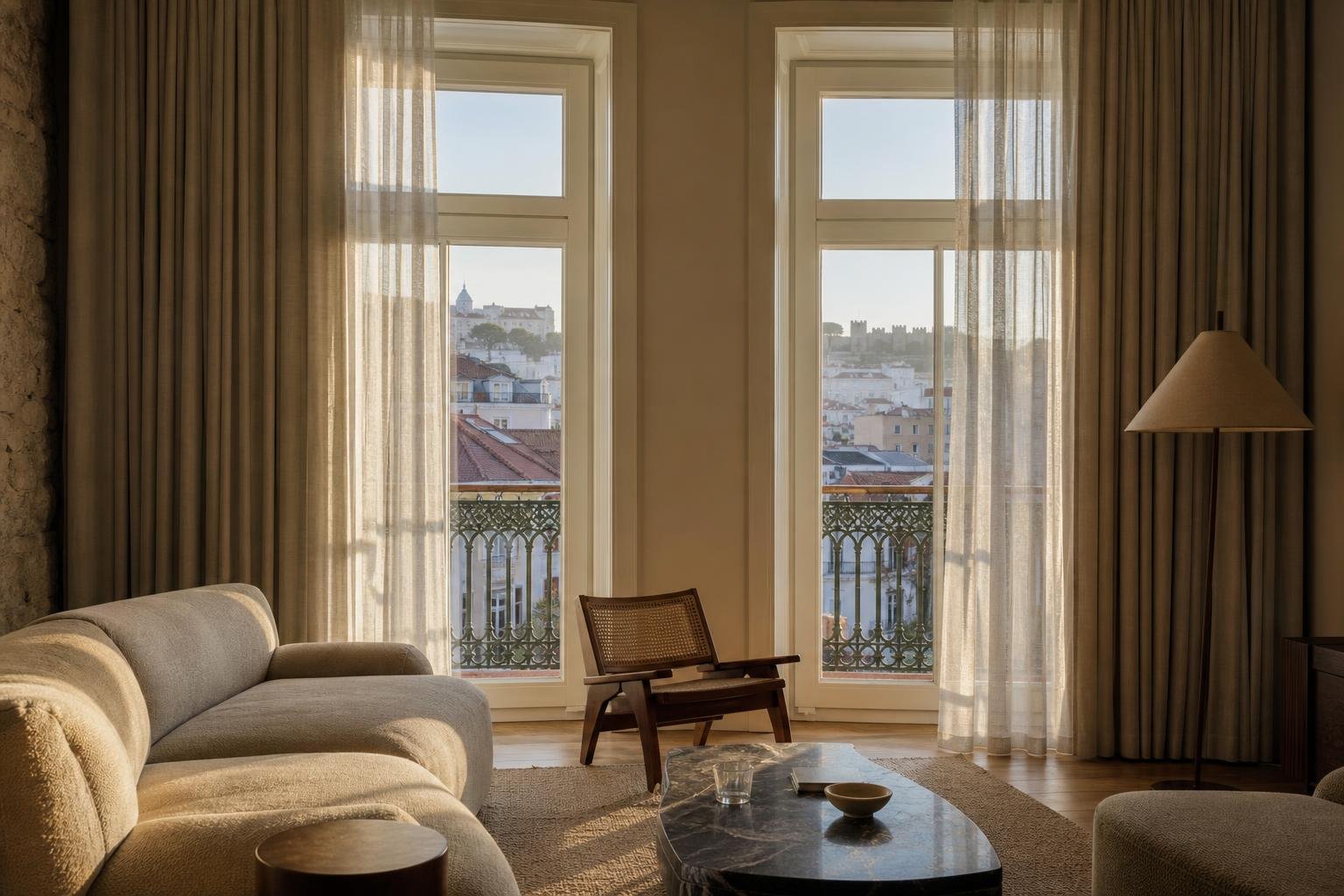
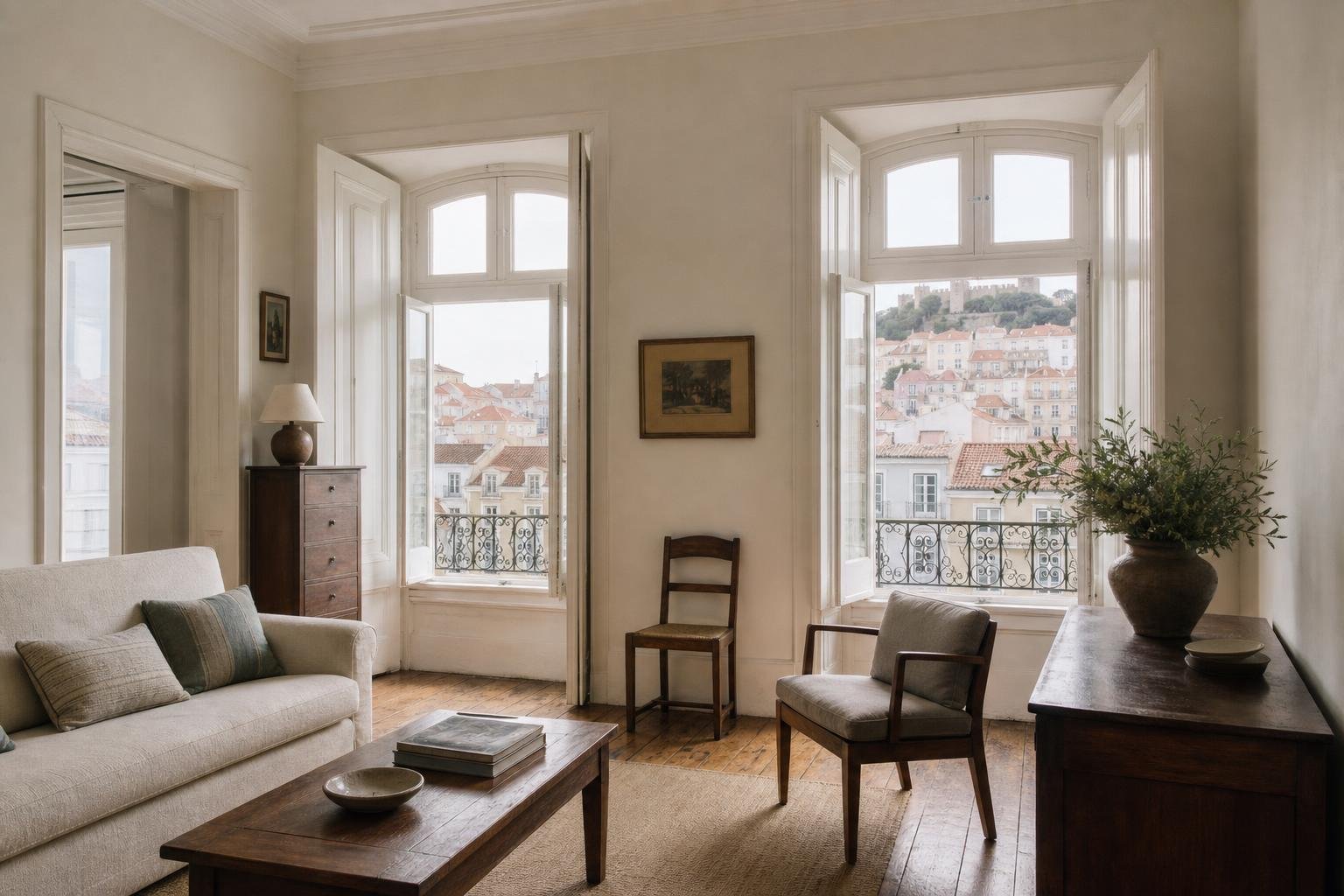
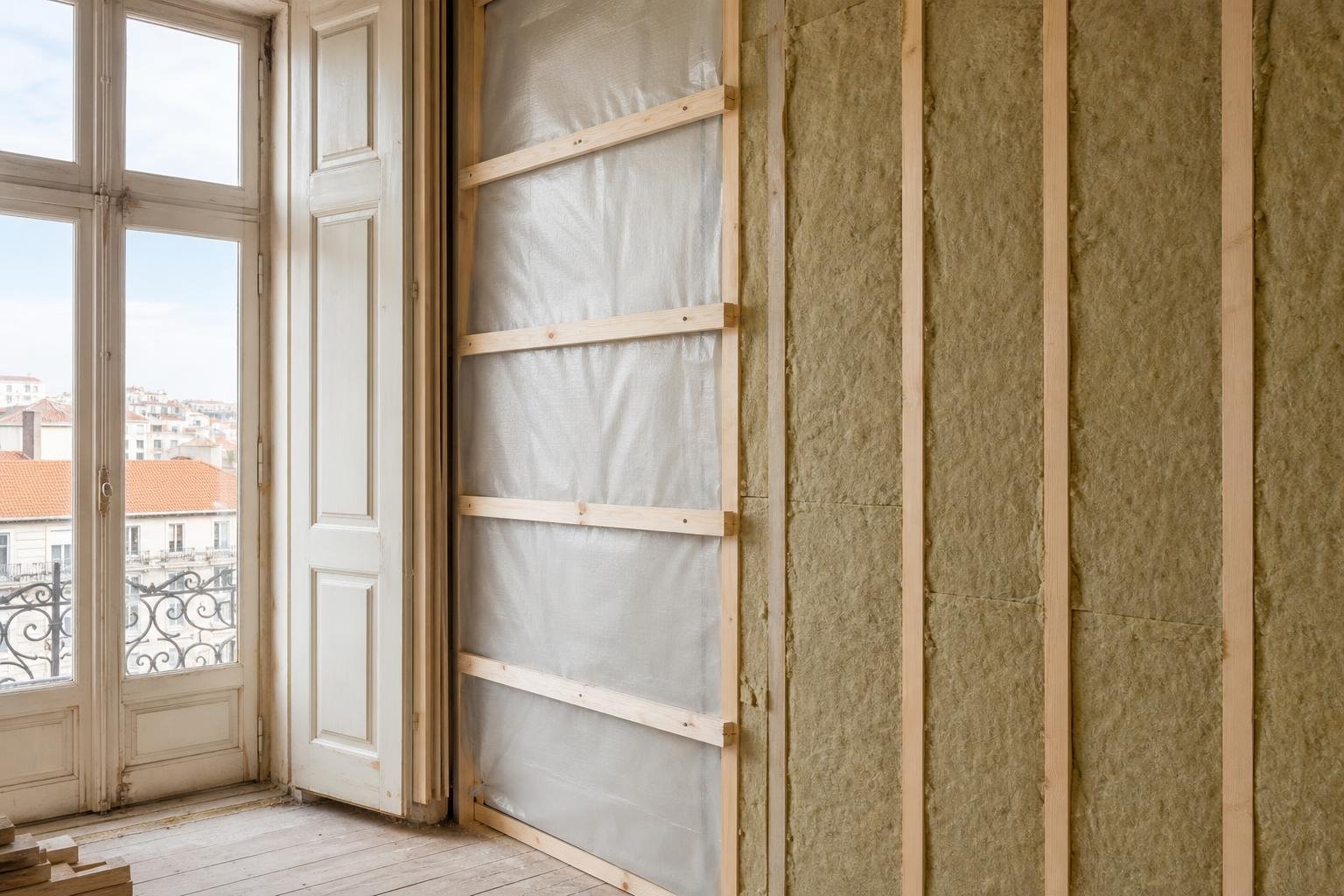
AI-generated editorial image; it does not depict an Obra Lisboa project.

Obra Lisboa