
What construction can learn from a professional kitchen
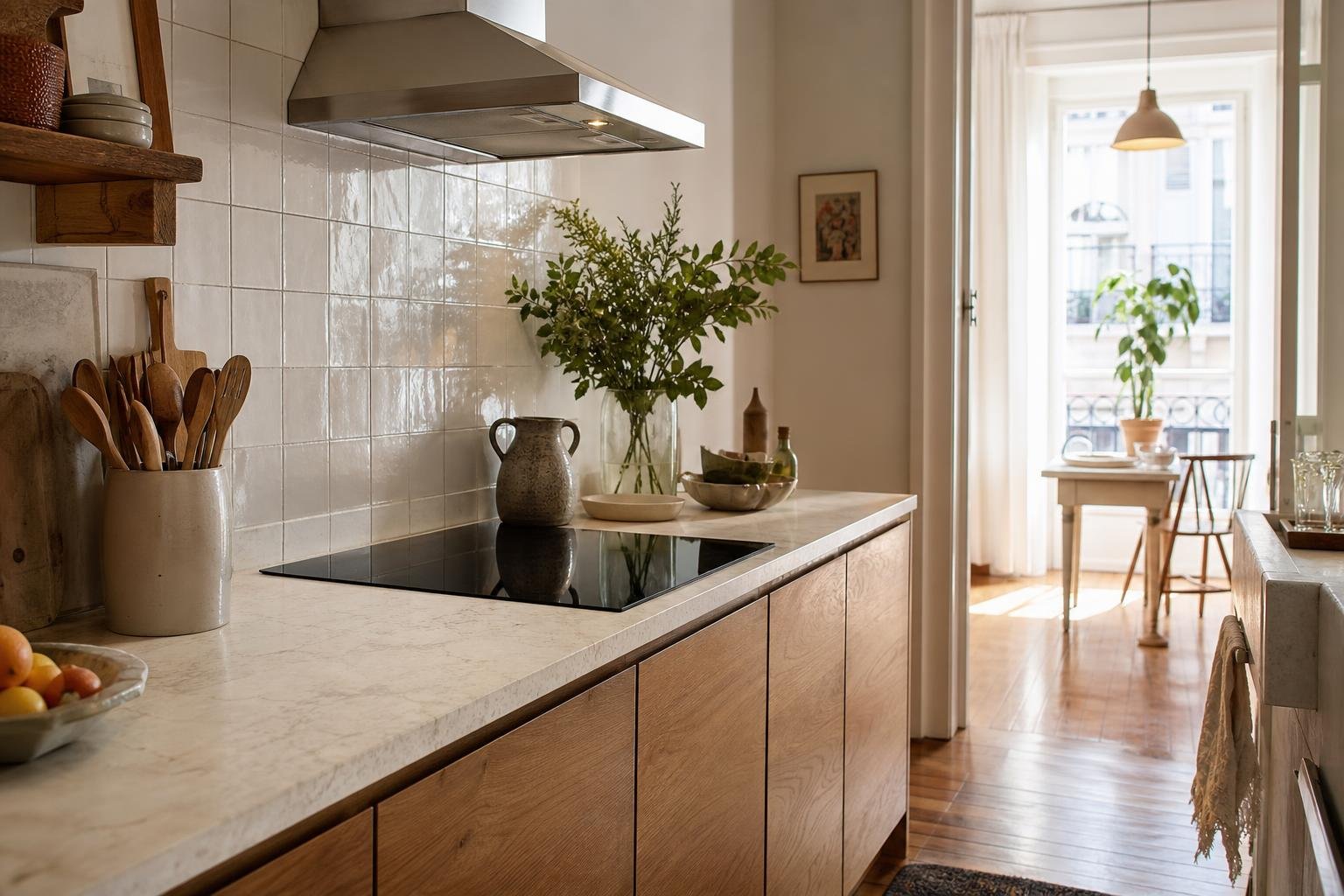
A building site and a professional kitchen appear very different, but both depend on preparation, sequence, communication and consistent quality under time pressure.
Prepare before production starts
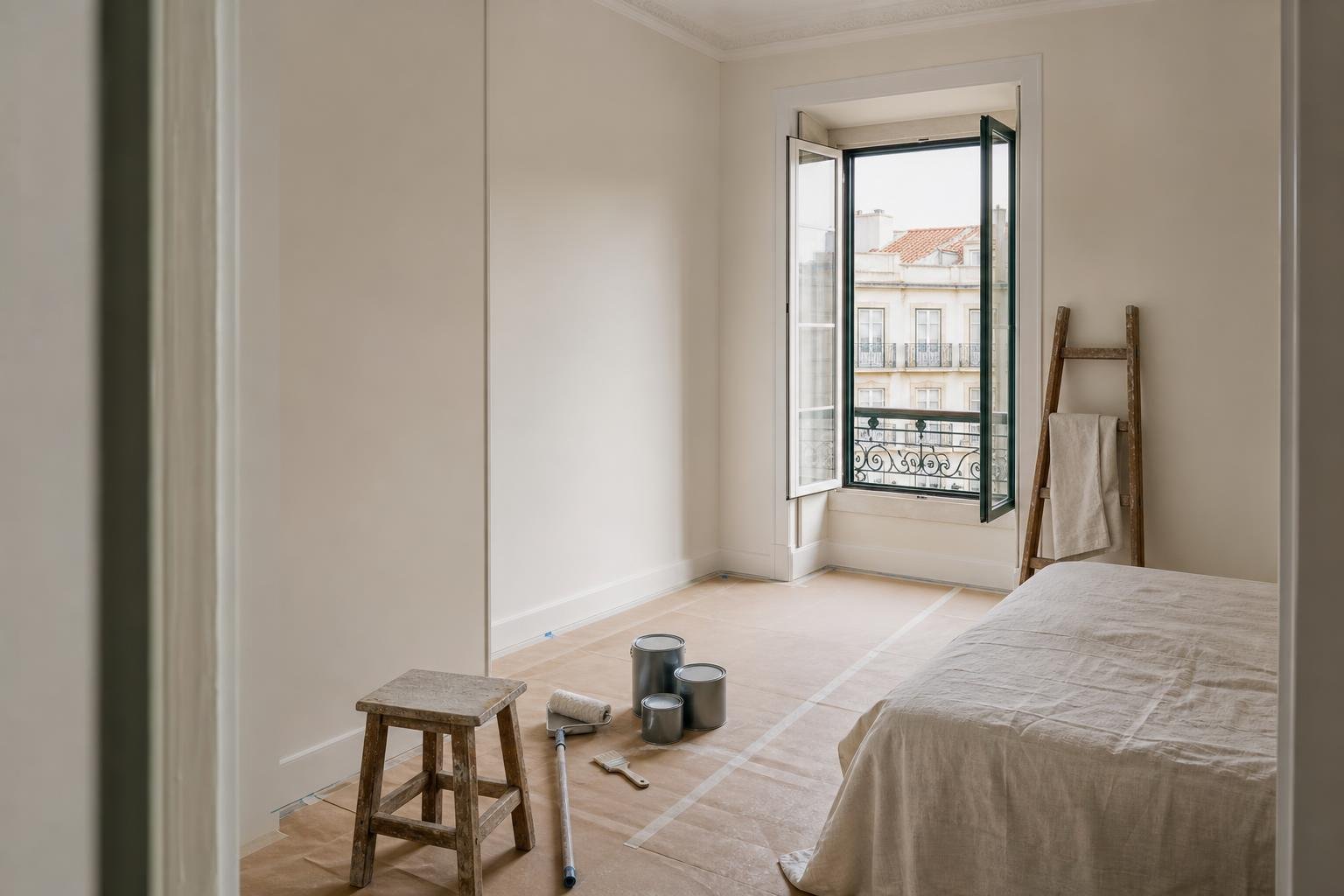
In a kitchen, ingredients and tools are prepared before service. Construction needs the same discipline: approved information, available materials, clear access and completed preceding work before a trade starts.
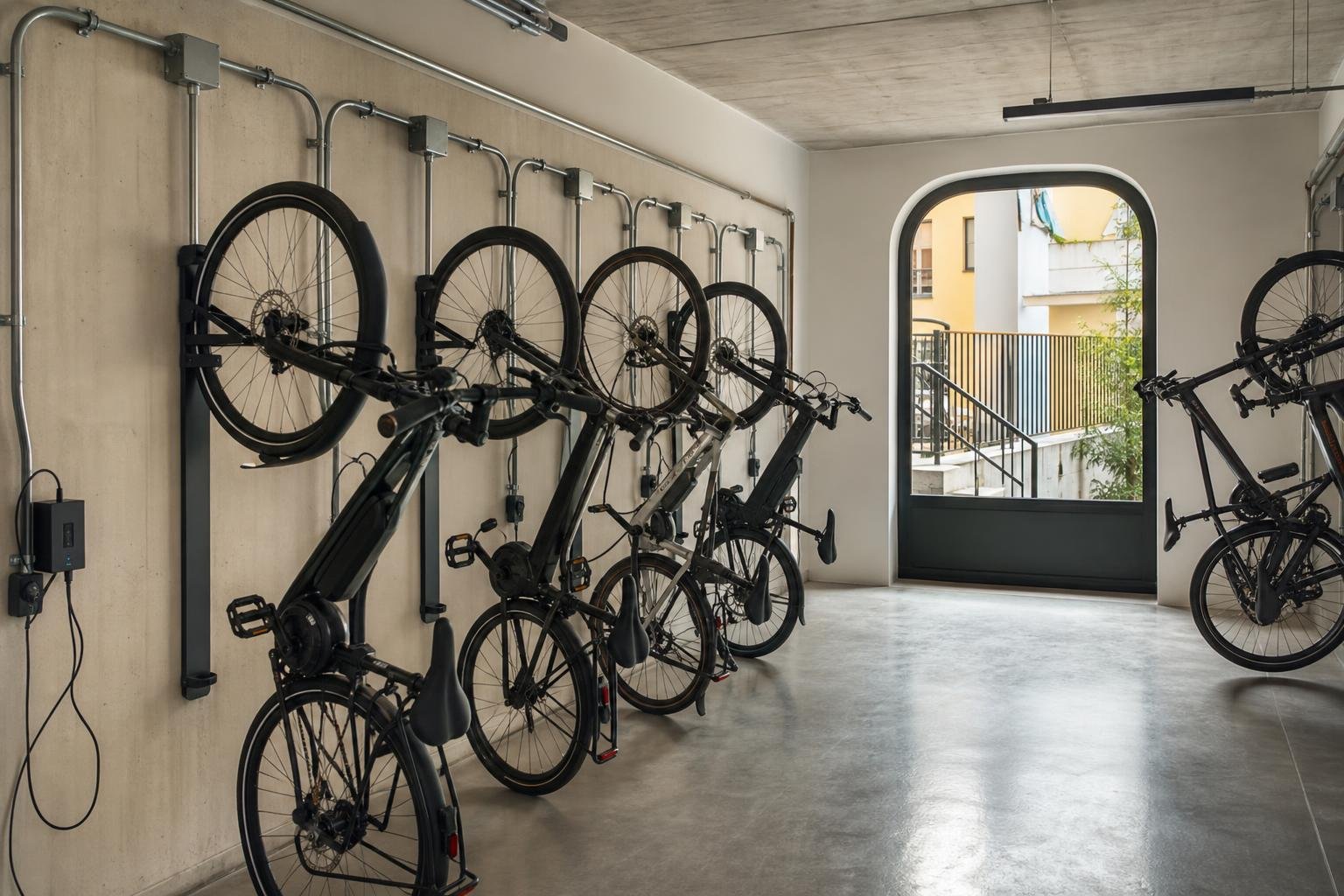
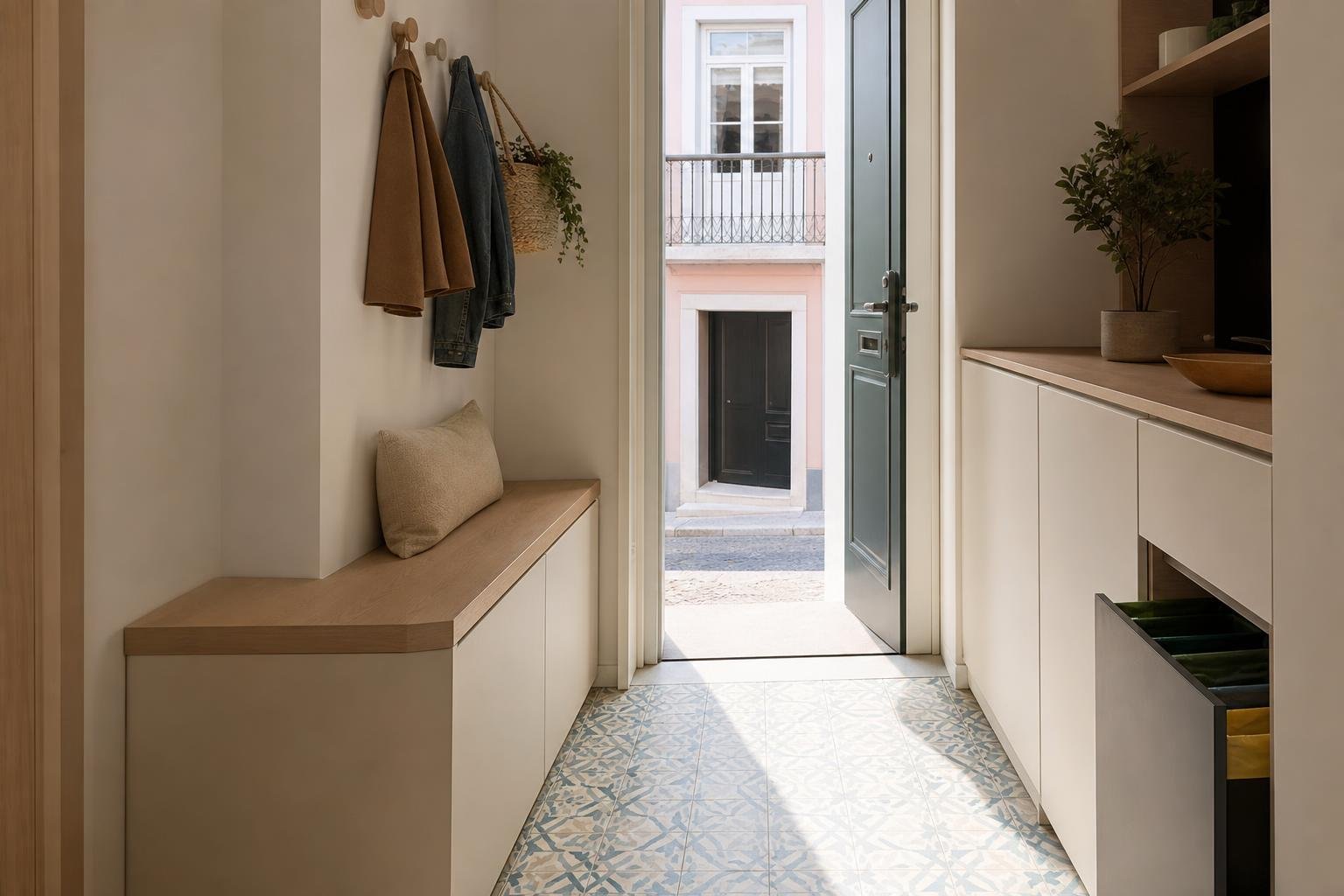
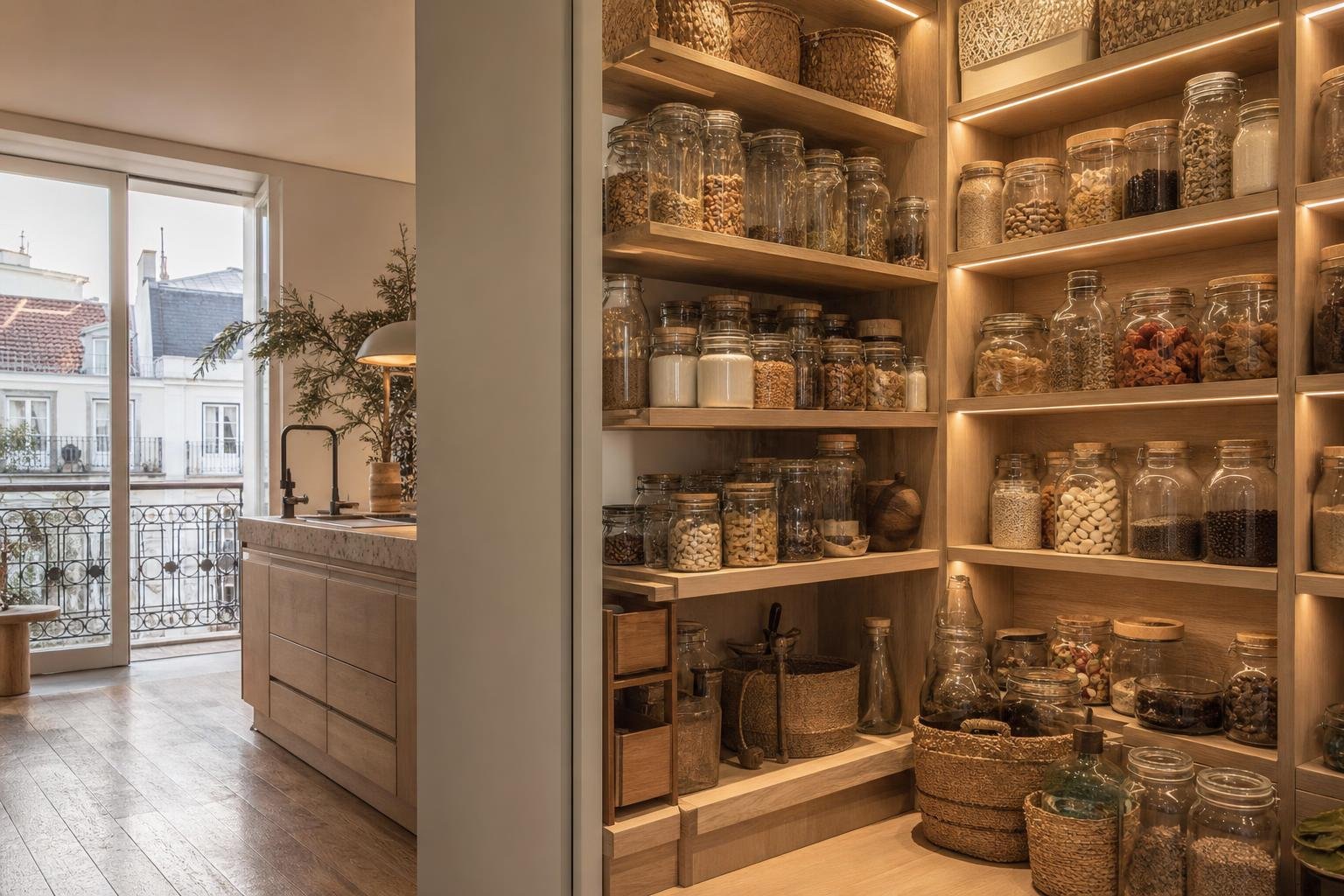
Give every item a place
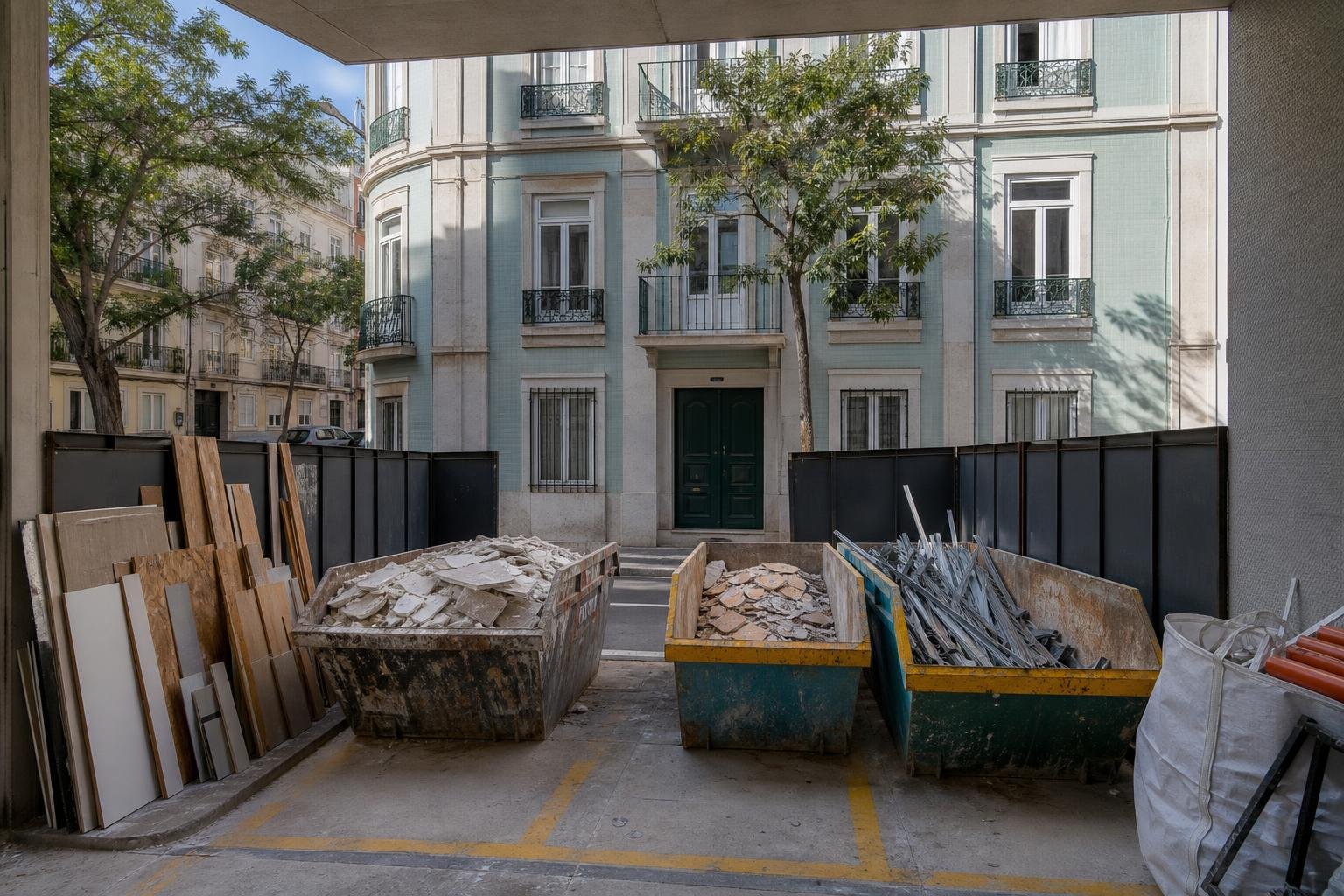
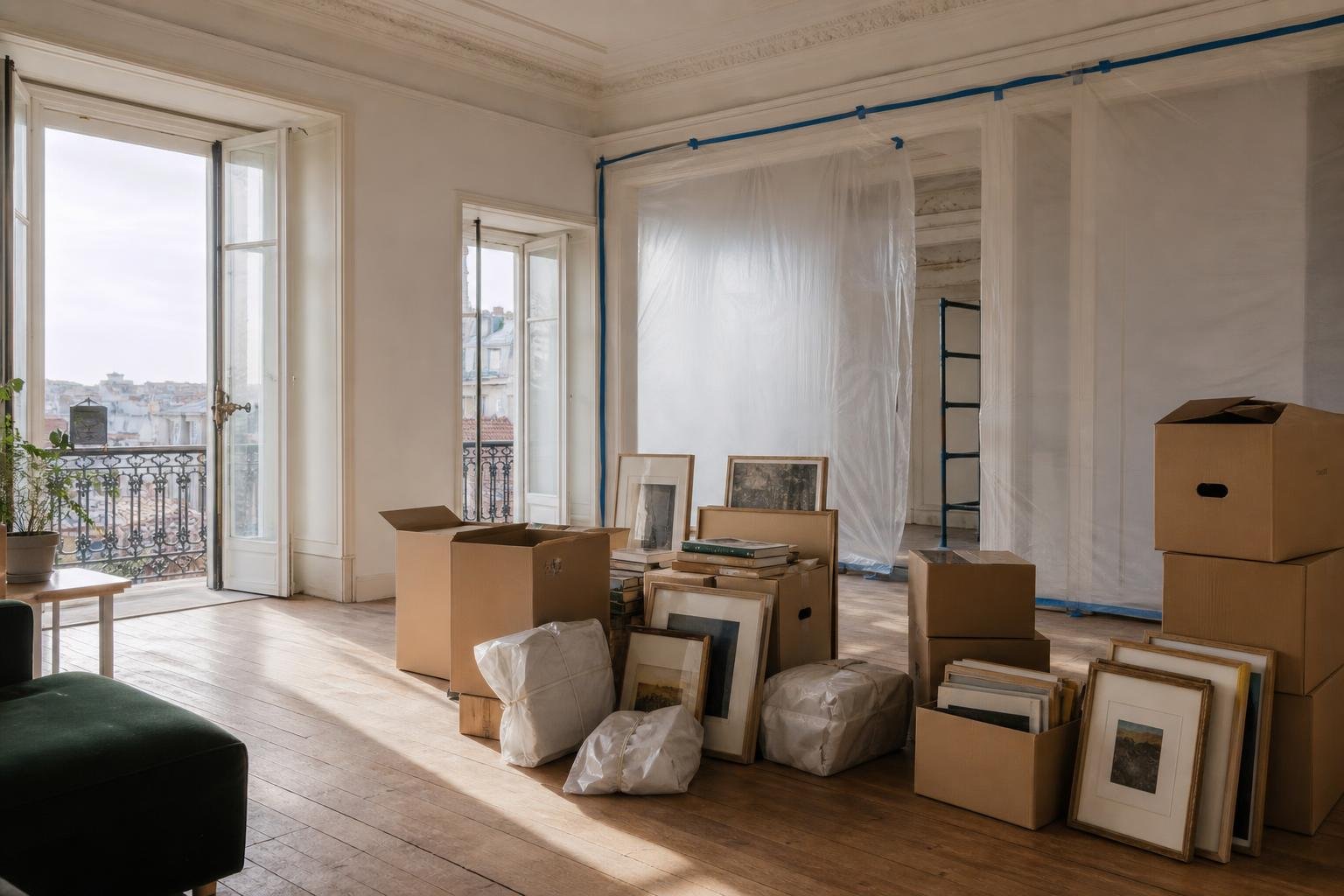
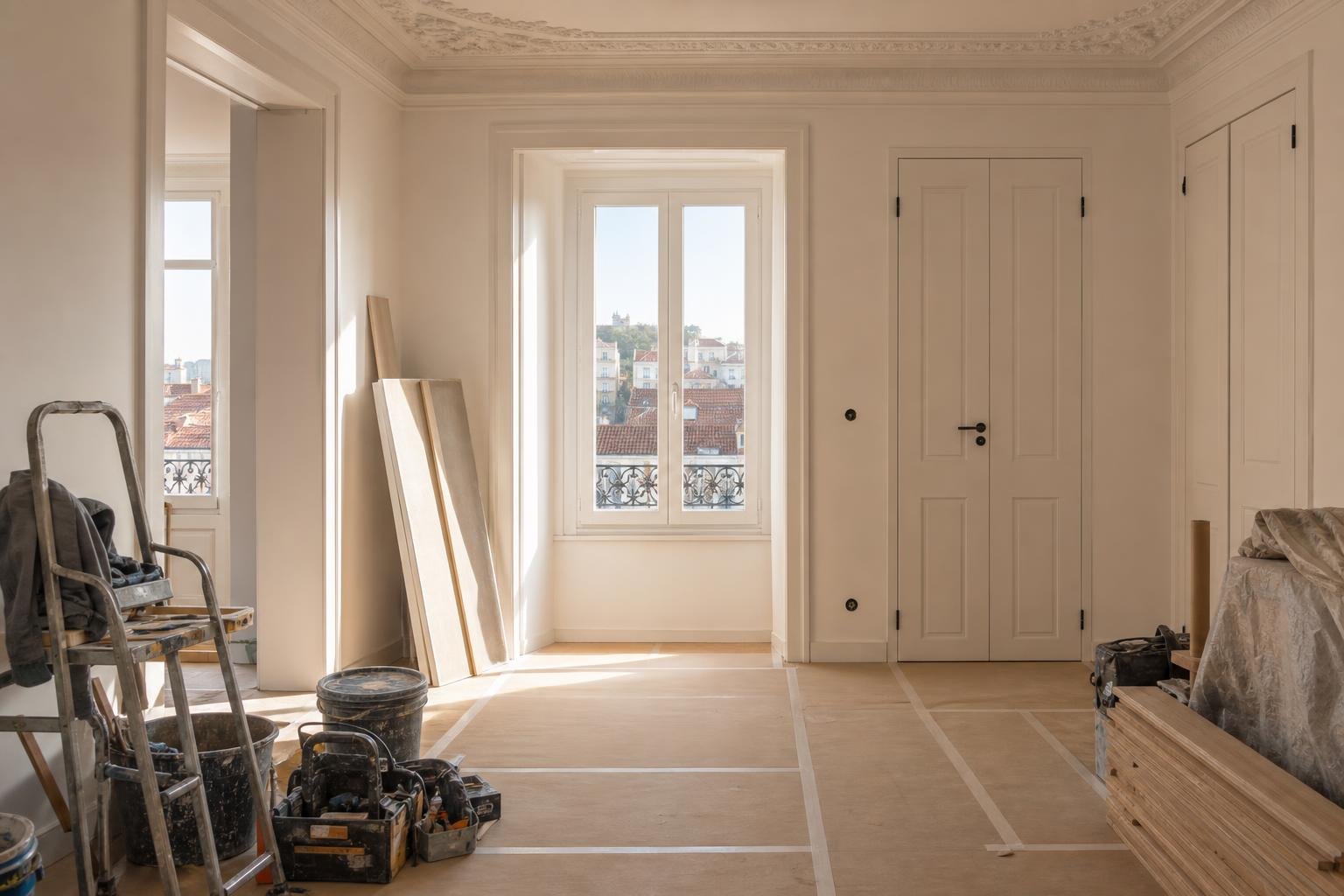
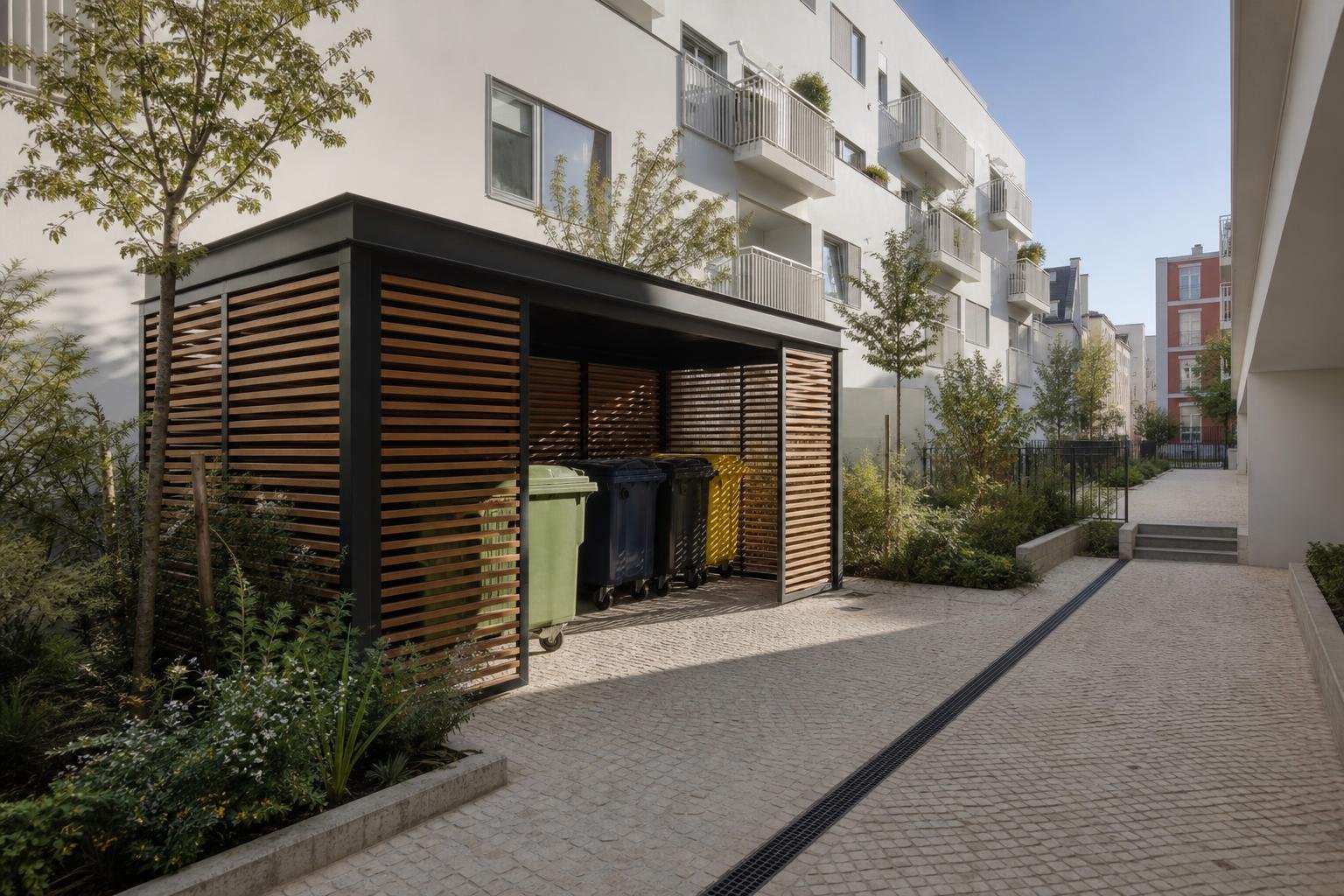
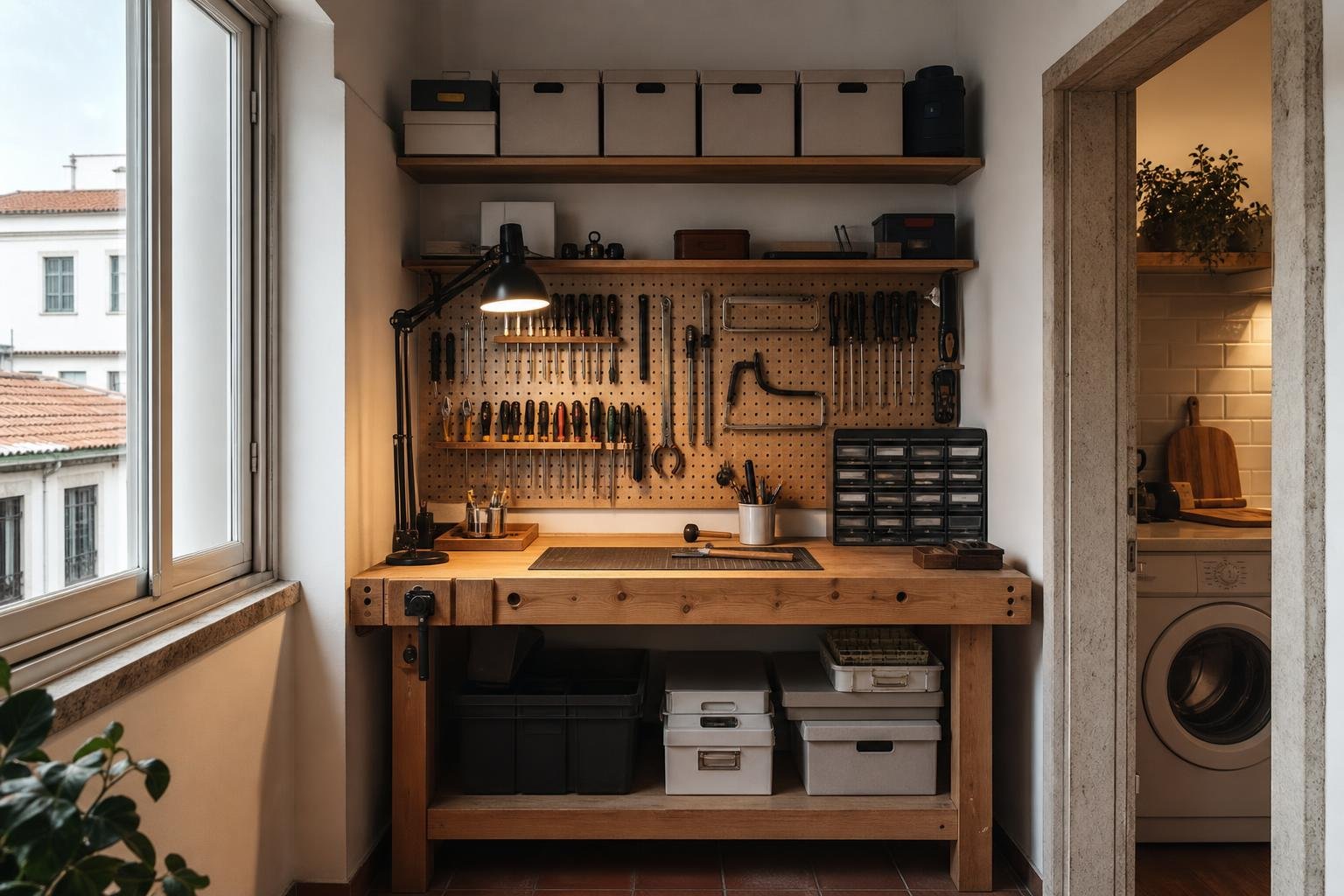
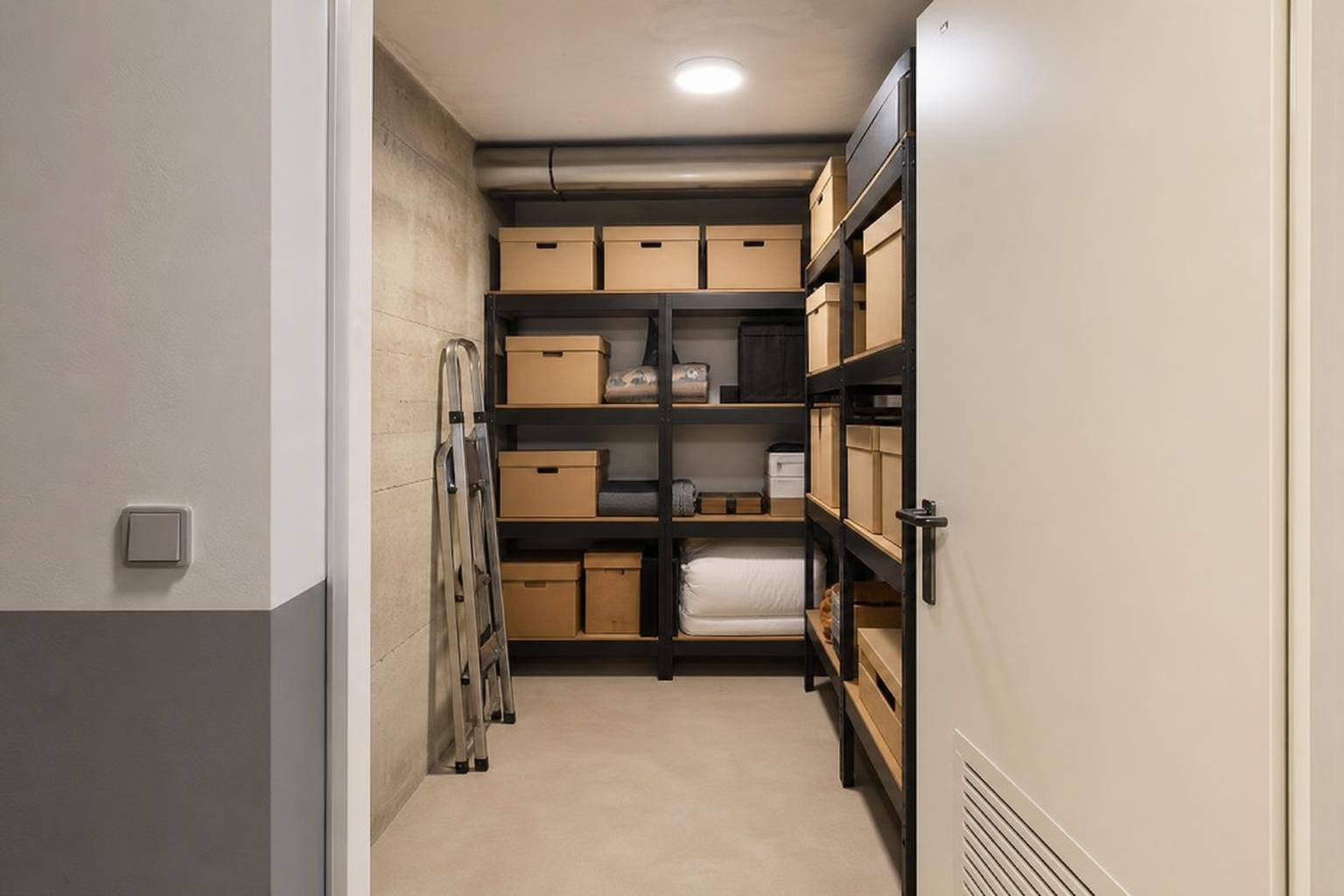
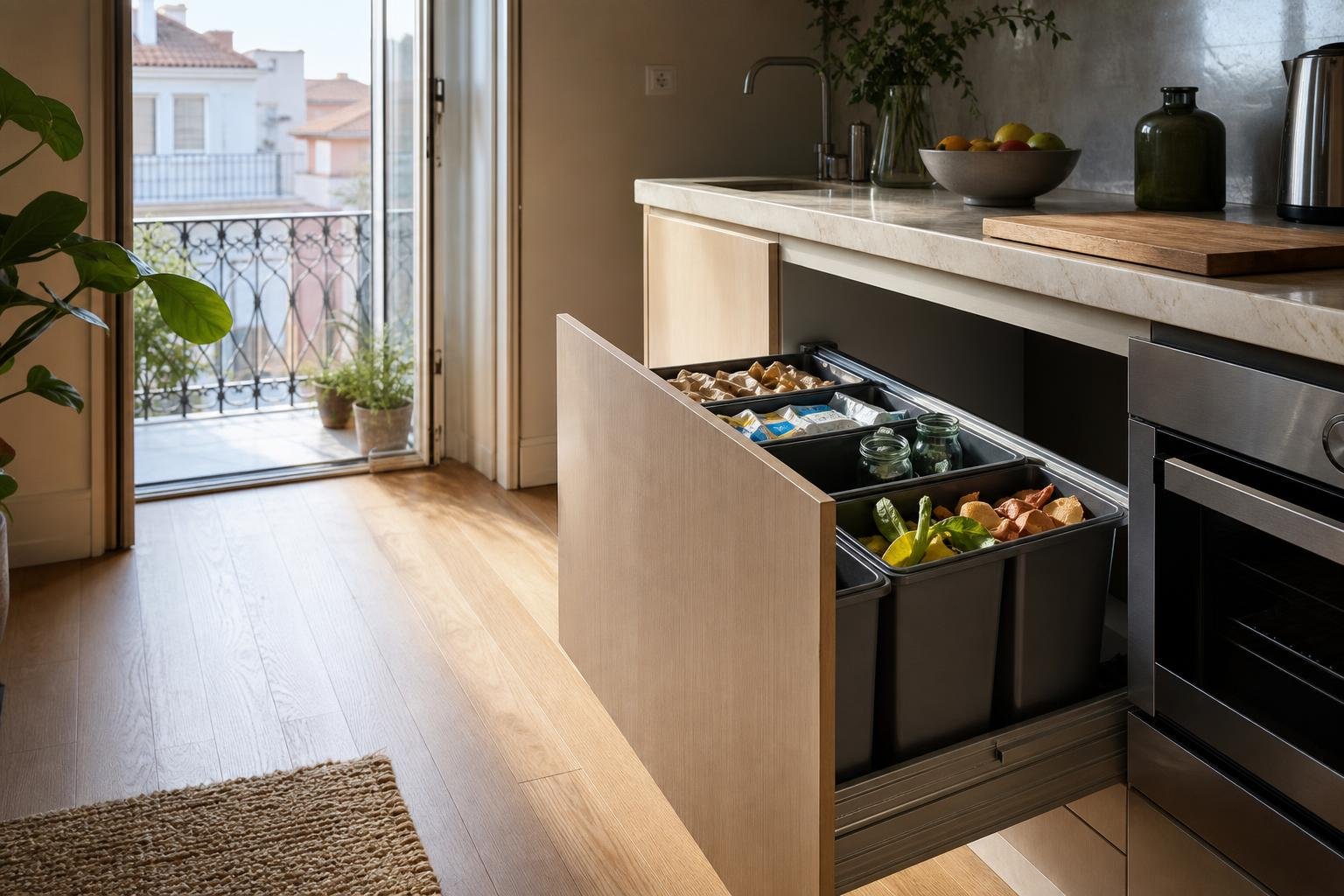
Well-organised kitchens reduce unnecessary movement. On site, labelled storage zones, protected materials and clear waste routes help teams work safely and avoid time lost searching for tools or components.
Respect the sequence
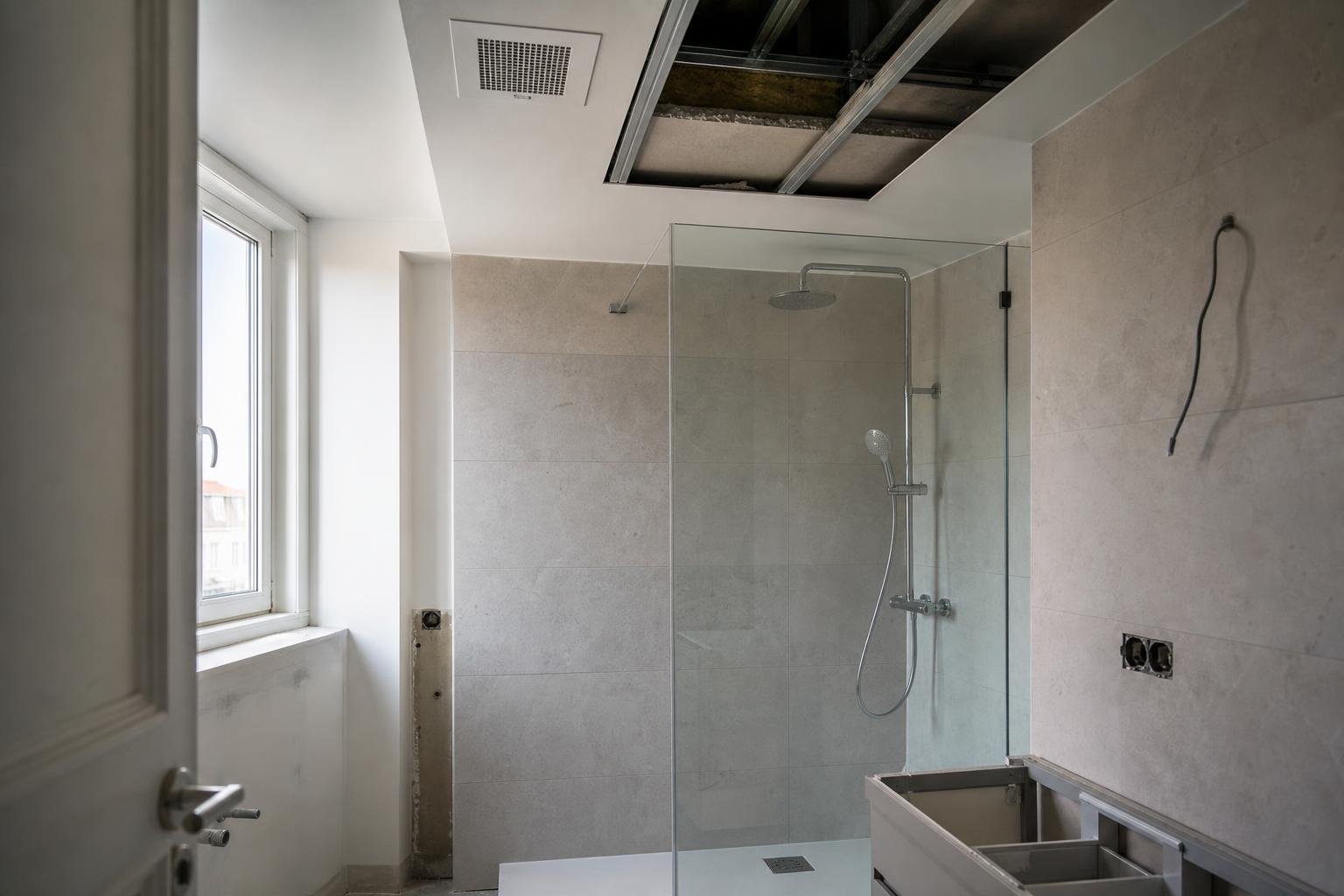
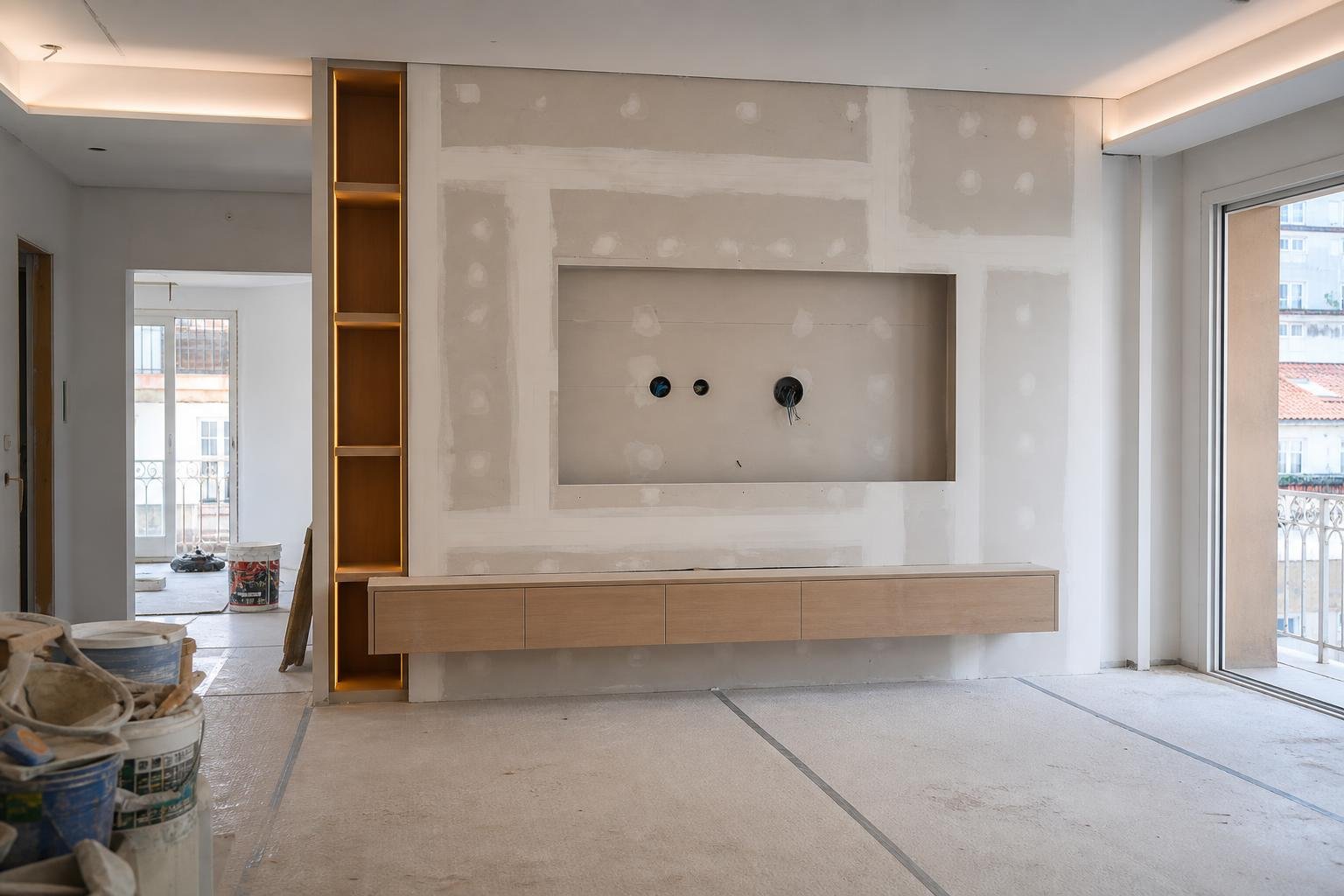
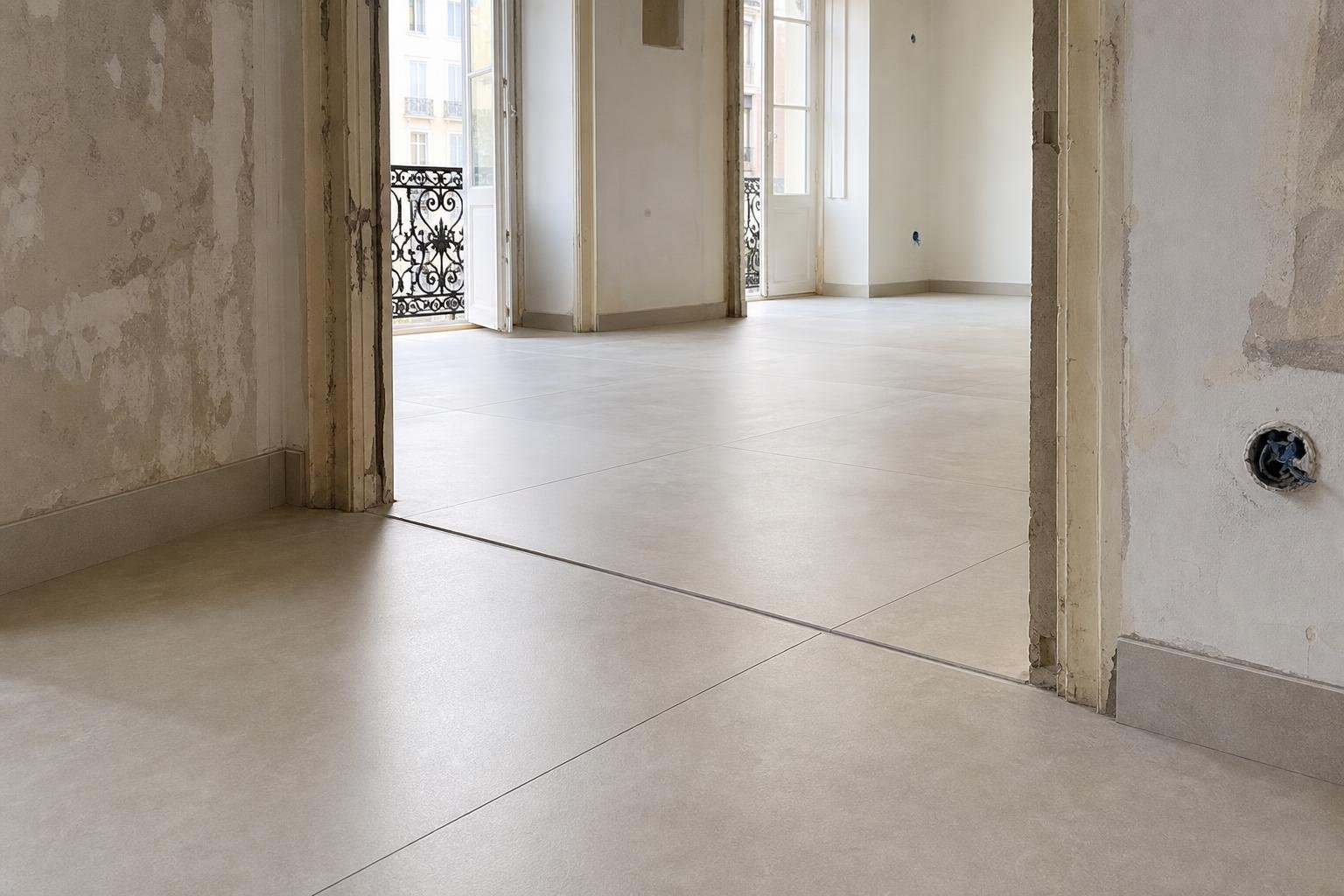
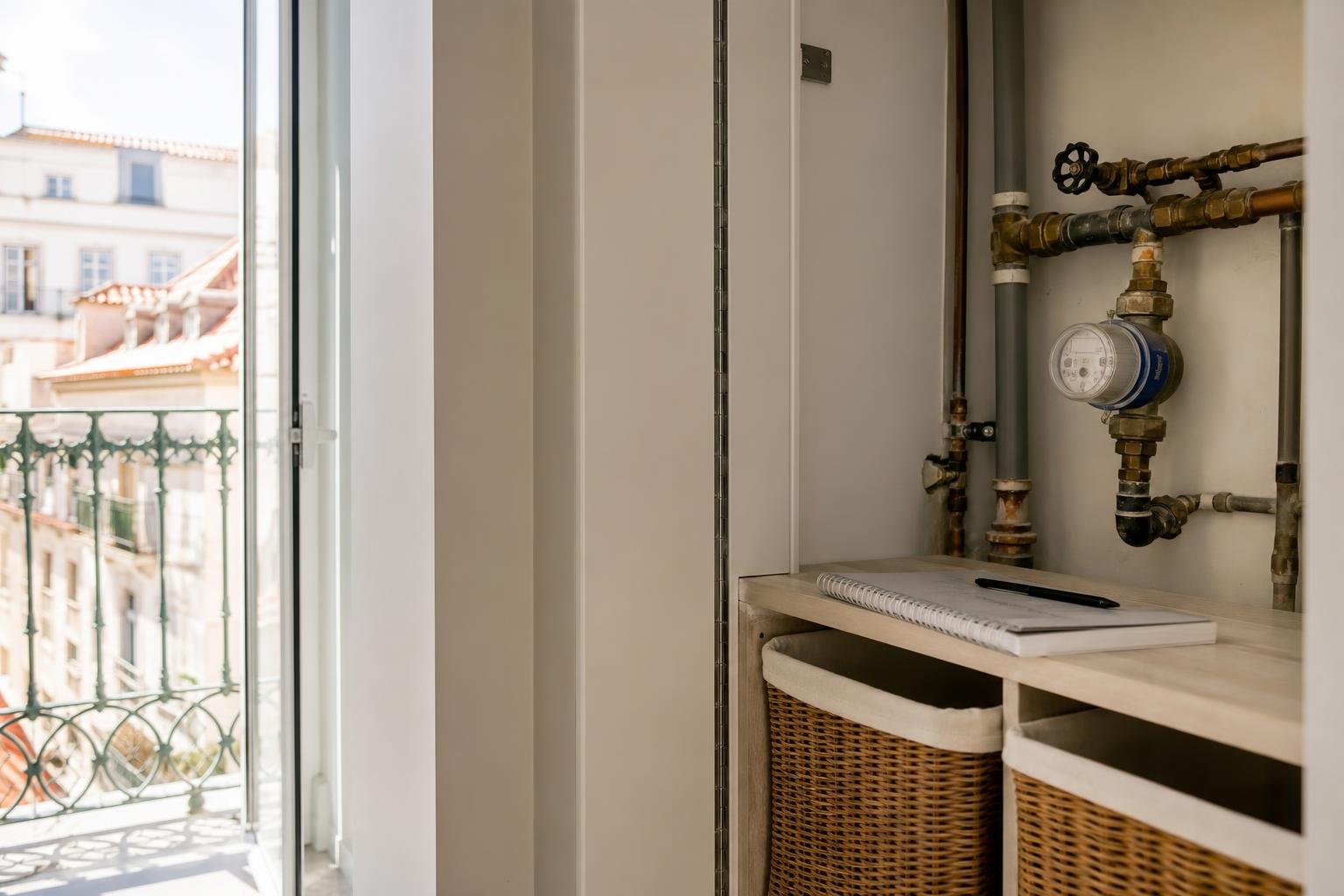
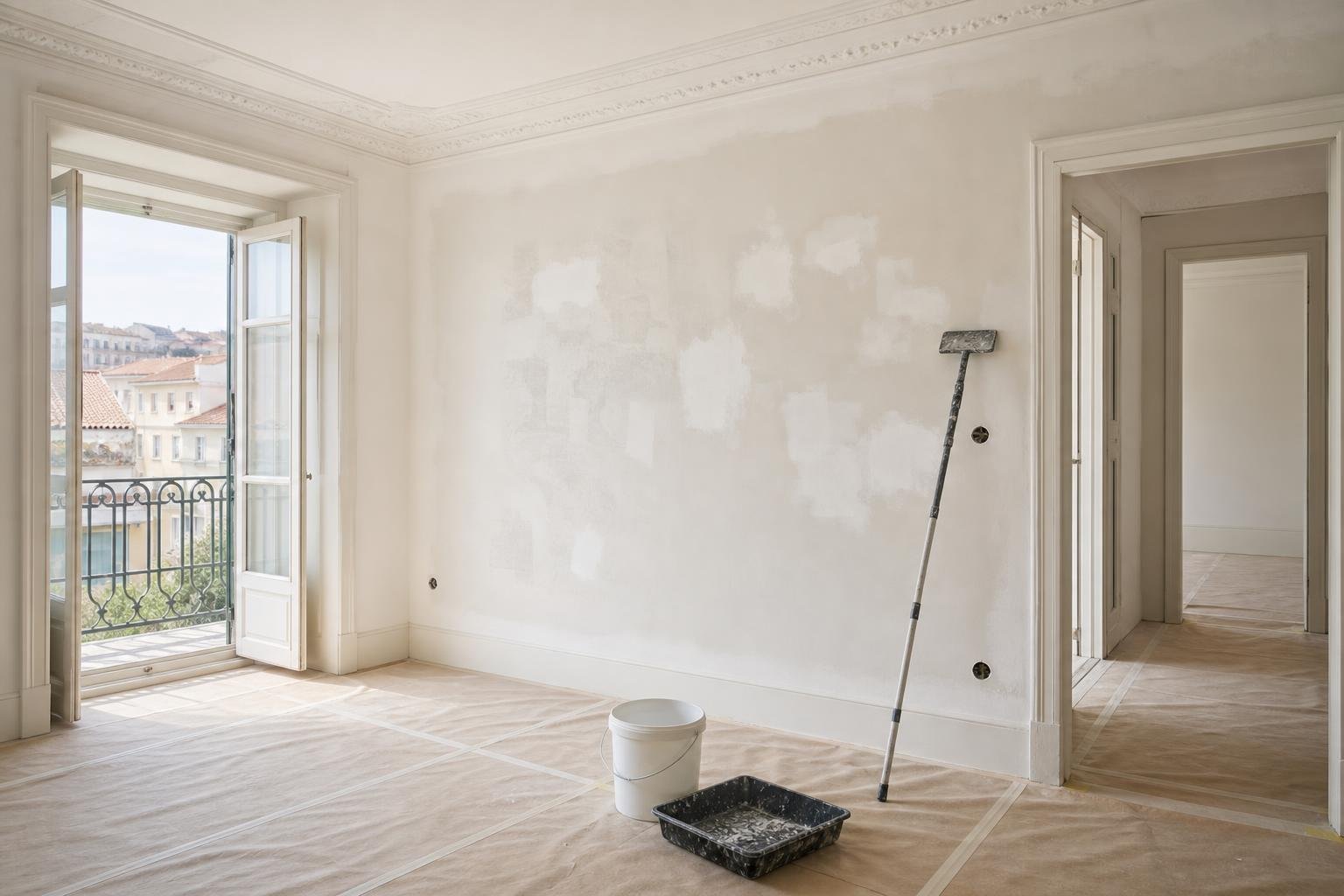
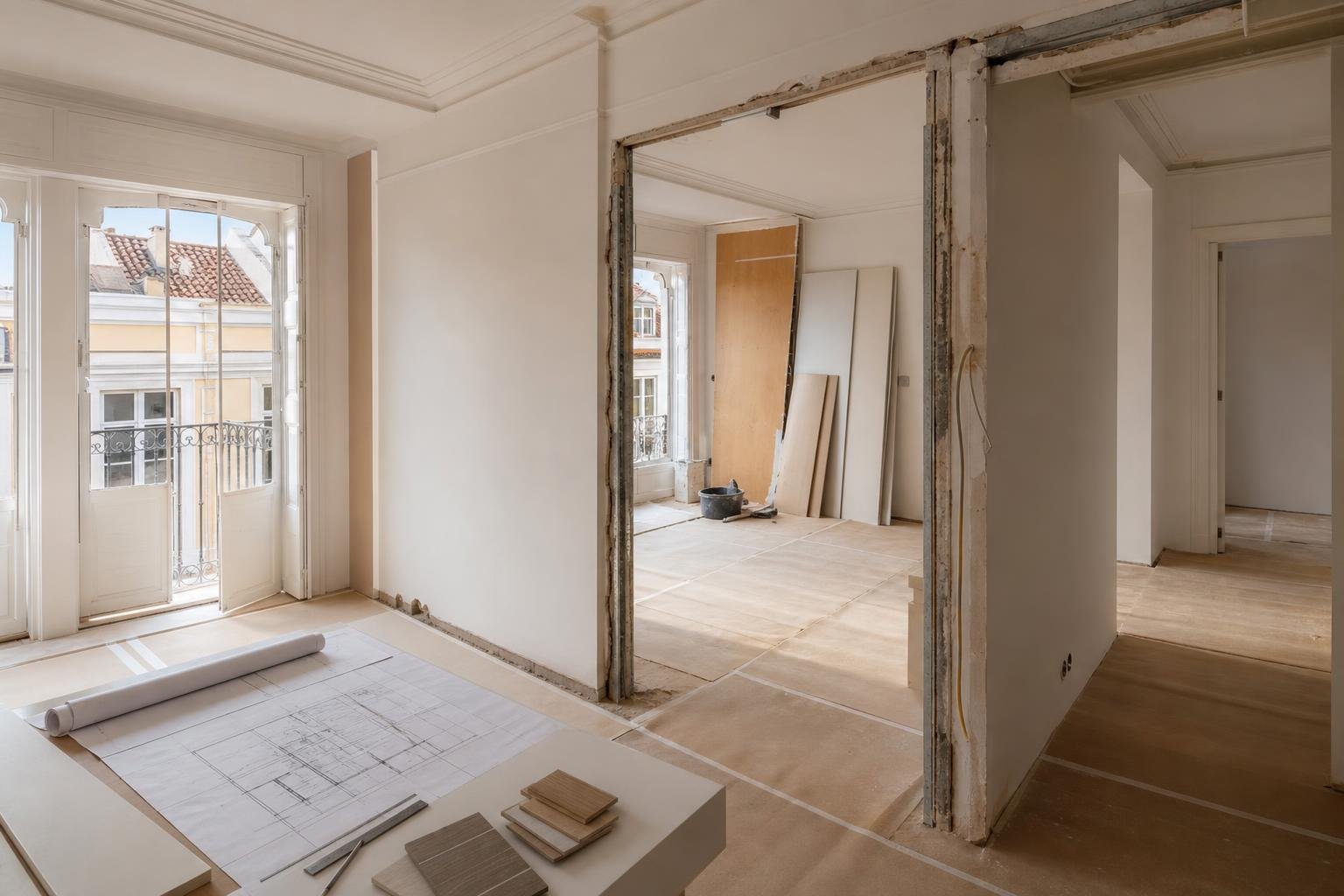
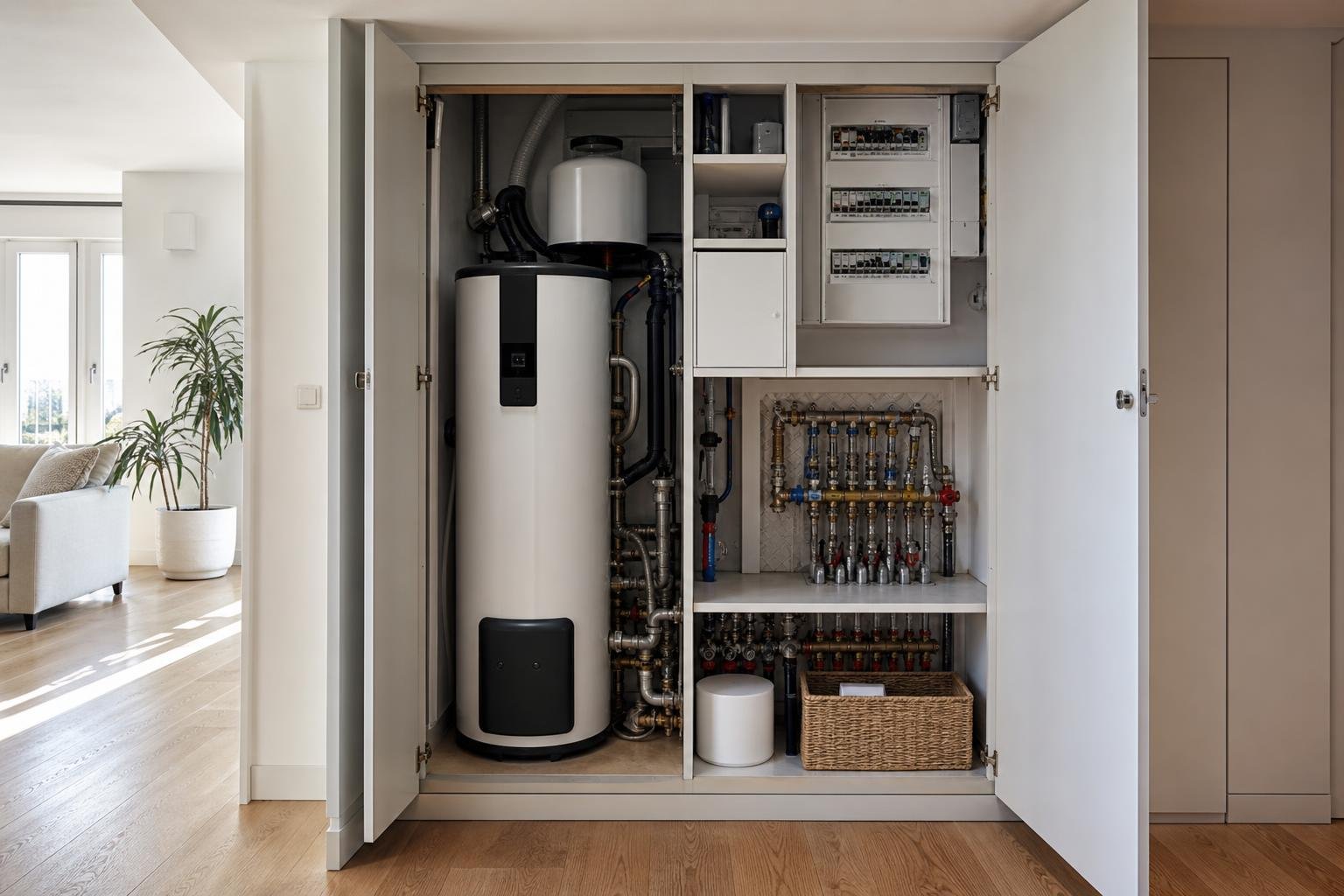
A dish is assembled in an intentional order. Renovation work also has dependencies. Waterproofing must be tested before finishes cover it; concealed services must be checked before walls close; substrates must be ready before flooring begins.
Communicate in short, useful cycles
- Confirm the day's priorities before work starts.
- Identify constraints and missing information early.
- Record decisions that affect other trades.
- Review quality at the end of each stage.
Quality is built into the process
A chef does not wait until a dish reaches the table to check every element. Construction quality should also be verified throughout the work. Stage inspections catch problems while they are still accessible and less expensive to correct.
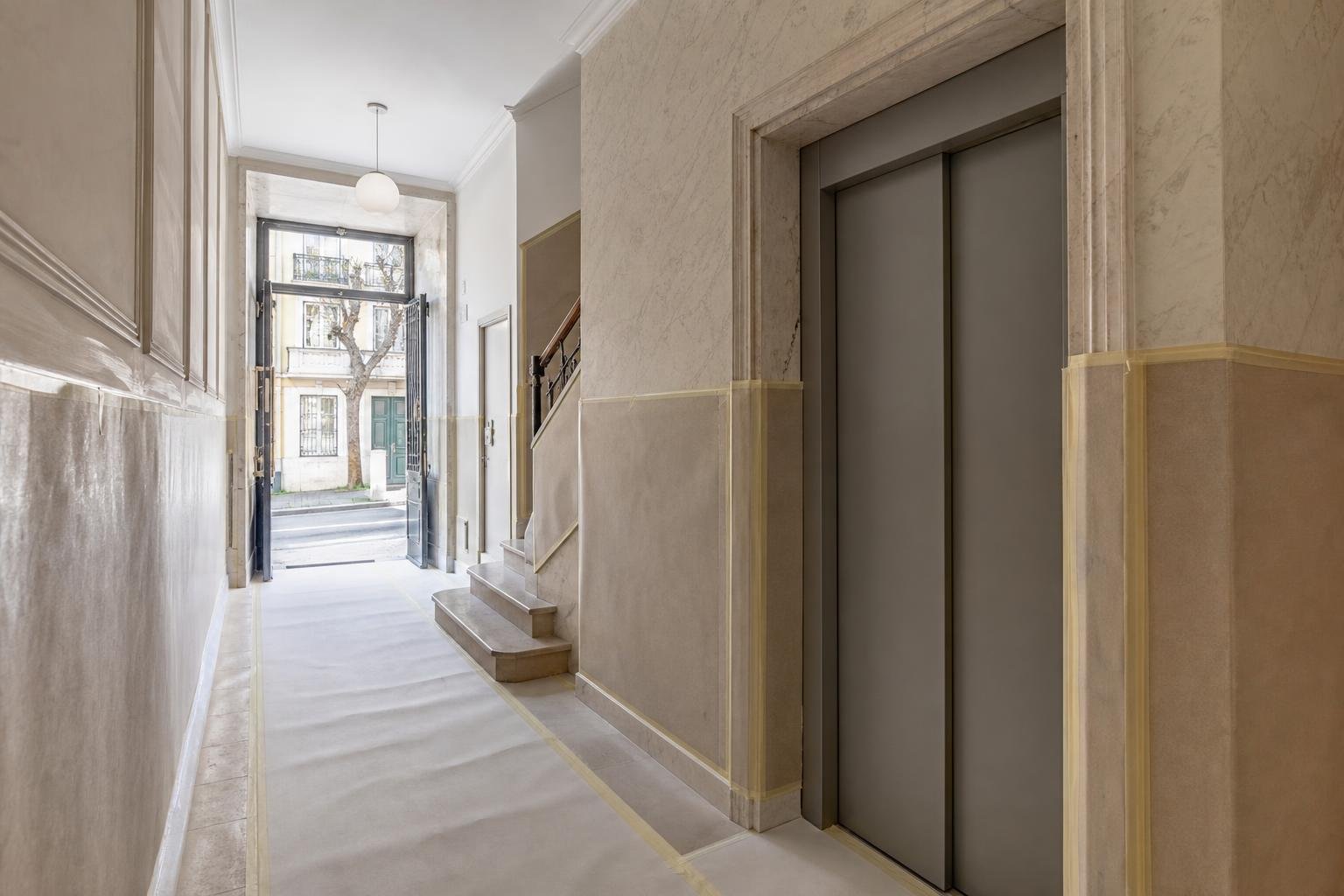
Clean as the work progresses
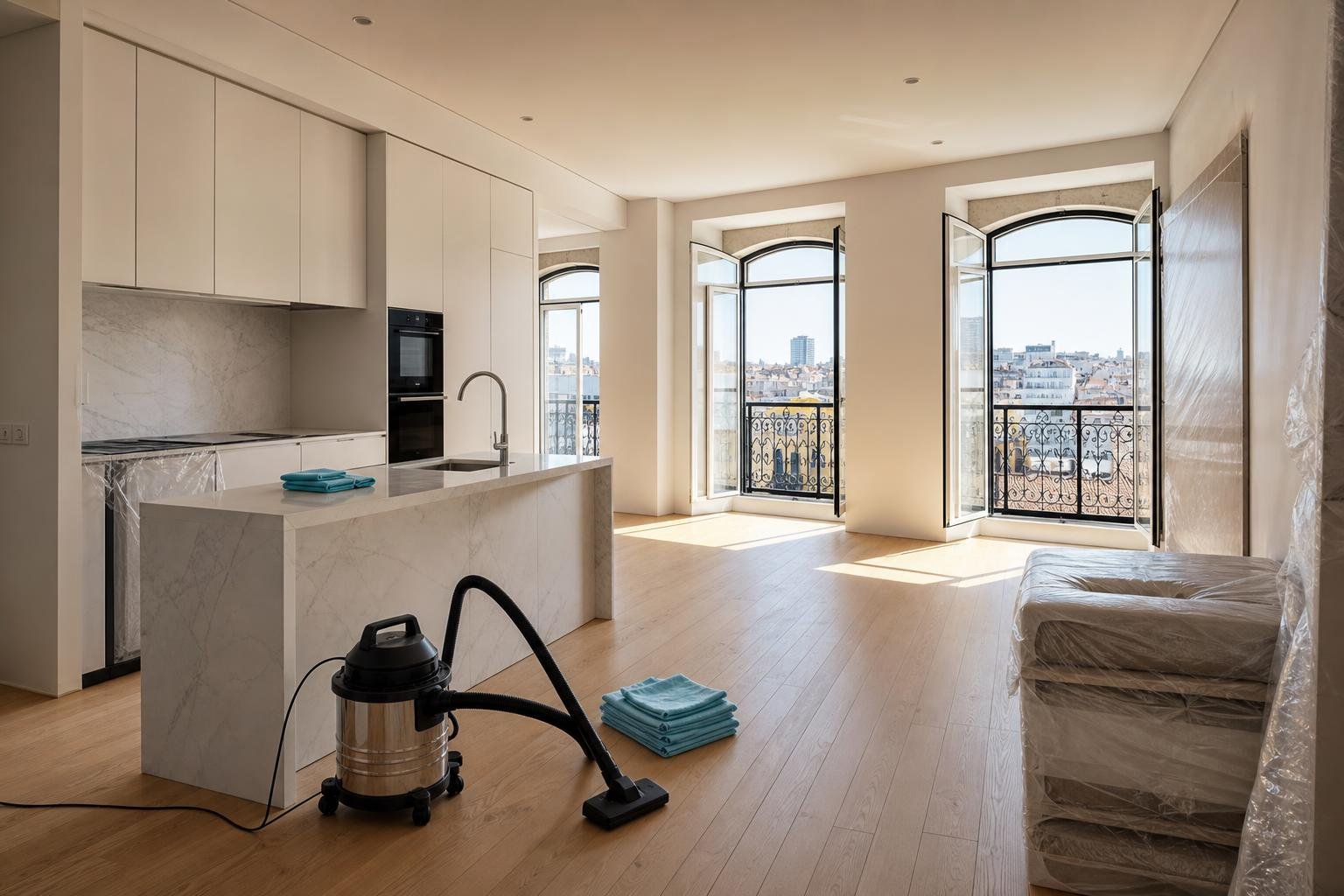
Continuous cleaning improves safety, protects finished surfaces and makes defects easier to see. It is part of production, not a separate task reserved for the final day.
Plan for the unexpected
Both environments face late changes and supply problems. A good team maintains clear priorities, approved alternatives and enough flexibility to respond without losing control of safety or quality.
The main lesson is simple: reliable results come from a repeatable system. Skill matters, but preparation and coordination allow that skill to produce consistent work.

Obra Lisboa