
The Impact of Works on the Community and How to Reduce It
Construction plays a key role in the development of cities, but can cause negative impacts on the local community. Among the main disorders are noise, dust, traffic congestion and interference in the routine of residents and traders. Fortunately, there are effective strategies to minimize these problems and make the construction process more sustainable and harmonious.

1. Strategies to Minimize Traffic and Noise Disorders
Intelligent Work Planning
- Before construction begins, an impact study is essential to anticipate challenges.
- Planning should include working hours that reduce impacts on longer periods of movement.
- The execution of noisy works must be carried out at times permitted by local legislation.
Traffic Management and Alternative Accesses
- In urban works, the closure of roads should be well signalled and communicated in advance.
- The creation of temporary deviations or alternative corridors can help prevent congestion.
- Partnerships with local entities can ensure a more efficient traffic flow, avoiding significant impacts.
Noise and Vibration Reduction
- The installation of temporary acoustic barriers can significantly reduce the impact of sound.
- The use of quieter machines and modern constructive techniques minimizes excessive noise and vibrations.
- Night work should be avoided whenever possible, especially in residential areas.
2. Sustainability and Measures to Reduce Waste During Construction
Efficient Waste Management
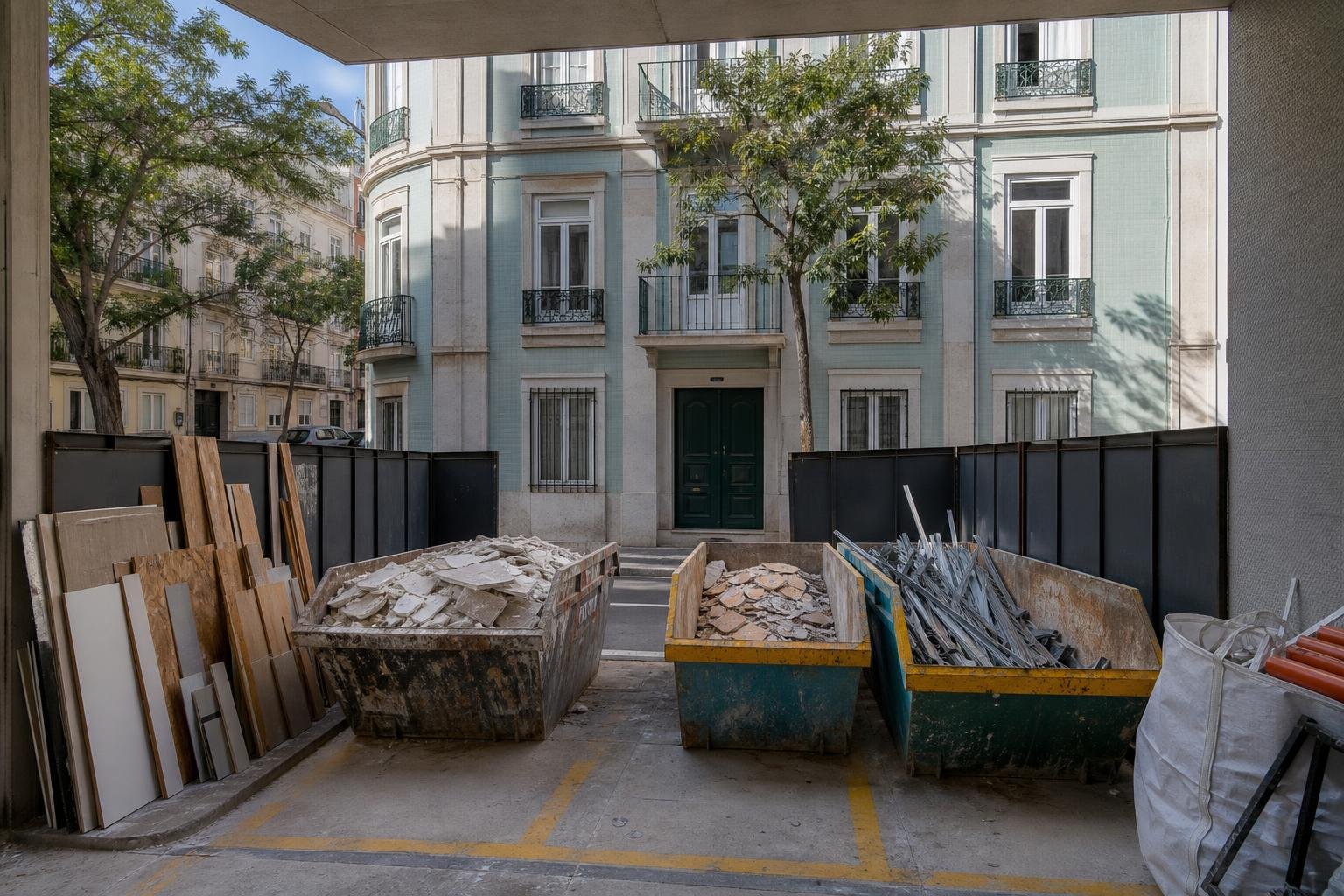
- The separation and recycling of construction and demolition waste (RCD) avoids waste and reduces environmental impacts.
- The reuse of materials such as wood, metal and concrete contributes to the circular economy.
- The use of specific containers for each type of waste facilitates recycling and the correct destination.
Use of Sustainable Materials
- Opting for ecological materials with low environmental impact reduces the carbon footprint of the work.
- The use of recycled concrete, certified wood and ecological paints are good alternatives to make the project more sustainable.
Ecological Footprint Reduction
- Techniques such as modular construction and the use of prefabricated reduce waste and accelerate the work.
- The implementation of rainwater capture systems and solar panels in the construction site improves energy efficiency.

3. Communication with Population During Large Urban Projects
Clear and Transparent Information
- The population should be informed about the deadlines, stages and benefits of the project in advance.
- The creation of communication channels, such as a website or social networks, allows regular updates on the progress of the work.
- Distribution of newsletters and holding public meetings can help to clarify doubts and calm concerns.
Partnerships with the Community
- Involving local residents and traders in decision making helps reduce the social impact of the project.
- Creating compensation, such as tax discounts or business incentives affected by the work, can generate greater acceptance of the population.
Monitoring and Adjustments
- During the execution of the work, it is essential to monitor the impact on the community and make adjustments as necessary.
- The existence of a channel of complaints and suggestions allows a quick response to problems and improves the relationship between the builder and the population.
Although the works are essential for the growth and modernization of cities, the impact on the community may be significant. With careful planning, the use of sustainable techniques and effective communication, it is possible to minimize disorders and ensure that projects are well accepted by the population. The balance between progress and well-being of the community should be a priority for any constructor or entity responsible for major urban works.

Obra Lisboa