A functional kitchen is not defined only by clear worktop space or the number of cabinets. It is also defined by how easily it lets you cook, clean and sort waste without visible bags, unpleasant smells or constant trips across the room. During a renovation, creating an integrated recycling zone is a small design decision with a major effect on everyday use.
The aim is not to fit as many bins as possible. It is to create a simple system suited to the waste your household actually produces, the collection service available locally and the route between food preparation, washing-up and leaving the home. In Lisbon, food waste includes peelings, vegetable trimmings, bread and coffee grounds; depending on the building and area served, collection may be door-to-door or through nearby street containers. Check the local rules before setting capacities and routines. Lisbon City Council information on food-waste collection.
This guide shows how to turn an often improvised corner into a discreet, hygienic and durable solution.
Start with habits, not a catalogue of bins
Before choosing pull-out units, observe what goes into the rubbish for a week: packaging, paper and cardboard, glass, food waste, general waste, coffee capsules, used cooking oil or batteries. A household that cooks daily will need more room for organic waste; a household that often orders takeaway may produce mainly packaging. This review prevents two common mistakes: fitting containers that are too small and overflow, or giving an entire cabinet to waste streams used only occasionally.
Arrange streams by frequency. Everyday waste should be within easy reach of the preparation area or sink. Occasional items can sit in a tall cabinet, pantry or utility area. Portuguese waste rules provide for source separation and recycling solutions for biowaste, including home or community composting and separate collection. It is therefore sensible to allow for this stream from the outset where the local service exists. Legal framework for biowaste separation.
If the kitchen is being redesigned, this is also the right moment to review kitchen planning as a complete system: storage, preparation, washing-up, appliances and circulation should work in sequence.
Choose a location that reduces steps and conflicts
The most effective location is often the base unit immediately beside the sink or beneath the preparation area. There, peelings can be discarded while cooking and packaging can be emptied after rinsing. Yet using the first available gap is not enough: check that opening the drawer will not block the dishwasher, a door, a narrow passage or another person using the kitchen.
In a small single-wall kitchen, a wide drawer with internal dividers can accommodate four streams. In an L-shaped kitchen, the unit beside the sink is generally more practical than a deep corner. If there is an island, do not automatically assume it is the best place: carrying wet scraps through the main circulation route can cause drips and interruptions. For glass containers, reducing the route to the exit also matters because weight builds up quickly.
Leave clear floor space to open the system fully and remove containers without excessive bending. This attention to movement aligns with the principles of a more accessible kitchen: controls, handles and heavy loads should be straightforward to reach and use.
Size usable capacity, not just advertised litres
The litre figures stated by manufacturers are only a starting point. Usable space depends on the shape of each container, the bags used, handles, dividers and the clearance needed to remove every bin. Rather than searching for a universal solution, establish an emptying routine: daily for organics in summer, as needed for general waste and packaging, and less often for clean paper or glass.
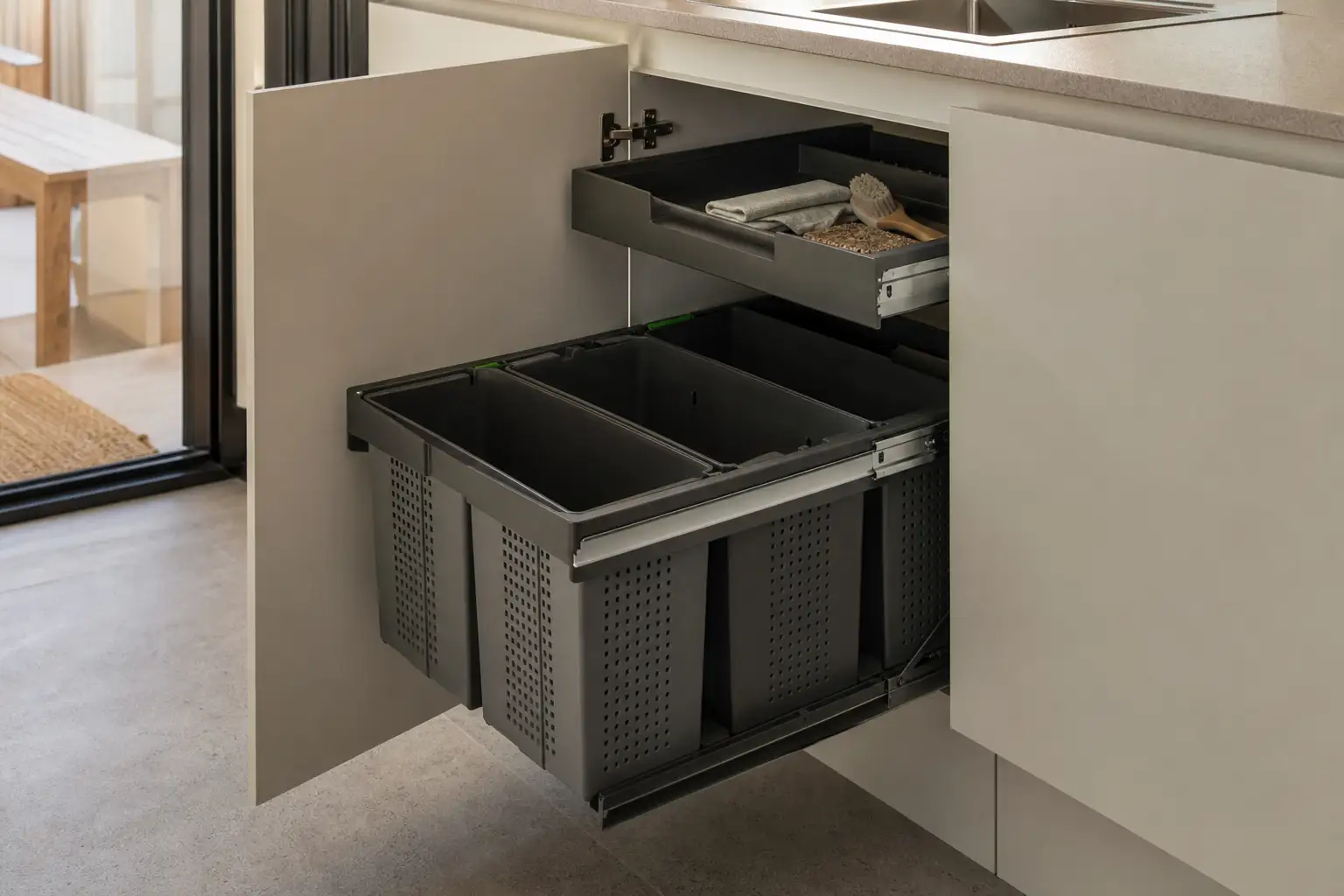
A balanced setup may combine two medium containers for packaging and general waste, a smaller one for organics and a removable basket for clean paper. Glass may need a separate, sturdier solution closer to the exit, especially where cabinet hardware is lightweight. Also reserve a small tray for batteries, lamps or other items that must not enter general waste; these should leave the kitchen as soon as there is enough to take to an appropriate collection point.
When selecting capacities, check the facilities and schedules available along your normal route. Lisbon’s waste-deposit information page provides operational information and delivery alternatives, helping you avoid a design that relies on unrealistic journeys.
Plan for hygiene, ventilation and washable surfaces
A waste zone does not need to be on display, but it should not be airtight. Food scraps and wet packaging release moisture; inside a closed, poorly cleaned cabinet, that combination encourages odours and grime. Choose containers with well-fitting but easy-to-wash lids, and include a removable base or protective tray beneath the bins. A spill can then be contained rather than reaching the cabinet floor.
The most effective habit starts before storing anything: drain packaging, remove excess liquid and, where necessary, give it a quick rinse. This reduces drips and keeps temporary storage cleaner. Do not leave food waste loose inside drawers; use bags compatible with the local collection system or containers that can be washed easily.
Materials matter too. Properly edged melamine or laminate, quality runners and easy-clean fronts withstand repeated use better than improvised solutions. Overall kitchen ventilation remains important for managing steam and humidity; see further guidance on ventilation in renovated homes.
Keep special waste separate from recyclable packaging
Recycling properly does not mean putting everything into an ecopoint. Used cooking oil, electrical equipment, batteries, medicines, paint and small objects require their own routes. In the kitchen, keep these items out of the everyday bins: for example, a closed, clearly designated bottle for used cooking oil prevents spills and stops oil being poured into the sink.
In Lisbon, Lumiar Ecocentre accepts, among other materials, used cooking oil, electrical and electronic equipment, and paper/cardboard. Always confirm acceptance conditions and opening times before travelling. Check Lumiar Ecocentre details.
It is equally important to explain the system to everyone in the household. A small label inside the cabinet door, using simple symbols or colours, can help without turning the kitchen into a noticeboard. The principle is to remove uncertainty at the moment the waste is created, rather than asking someone to search for instructions afterwards.
Build the solution into the cabinetry and test it before handover
A good recycling zone is part of the cabinetry design, not an accessory bought at the end. During design, confirm internal width, depth, clear height below the sink, the position of traps, sockets, pipes and hinges. A unit that looks generous on a drawing can lose a great deal of volume through poorly coordinated plumbing.
Ask the supplier for technical dimensions for the bins and hardware, not just catalogue images. Check runner load capacity, cleaning access, opening angle and whether a damaged container can be replaced in future. If you choose automatic opening, retain a simple manual alternative: technology should not prevent use when it fails.
Before accepting the kitchen, carry out a practical test with real bags and packaging. Open the drawer with the dishwasher open, remove every bin and simulate cleaning. This final check follows the same logic as effective construction supervision: identify incompatibilities while they are still easy to correct.
Renovating a kitchen in Lisbon and want every cabinet to have a clear purpose? Obra Lisboa can help coordinate layout, cabinetry, services and finishes to create a kitchen that works well every day without wasting space.
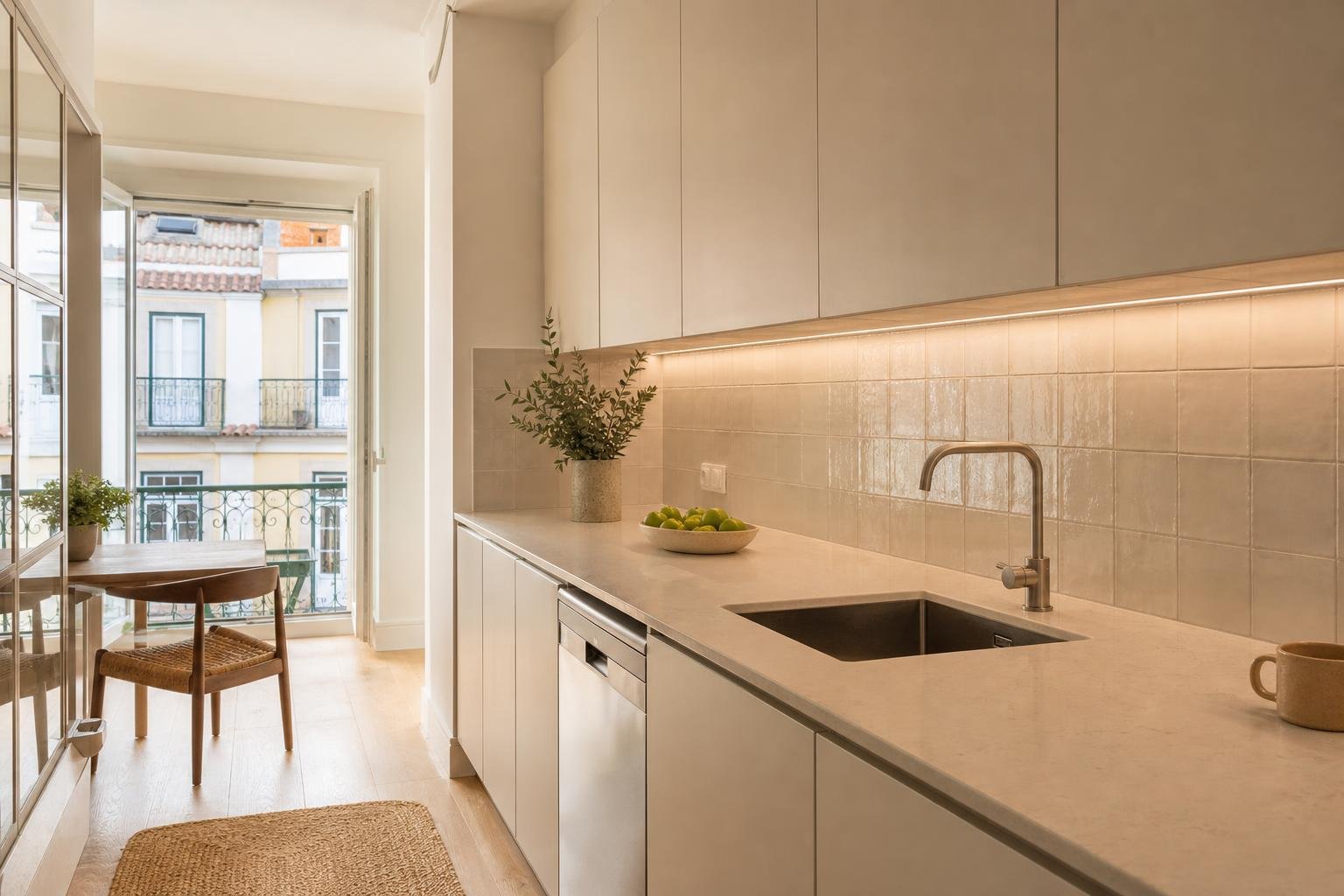
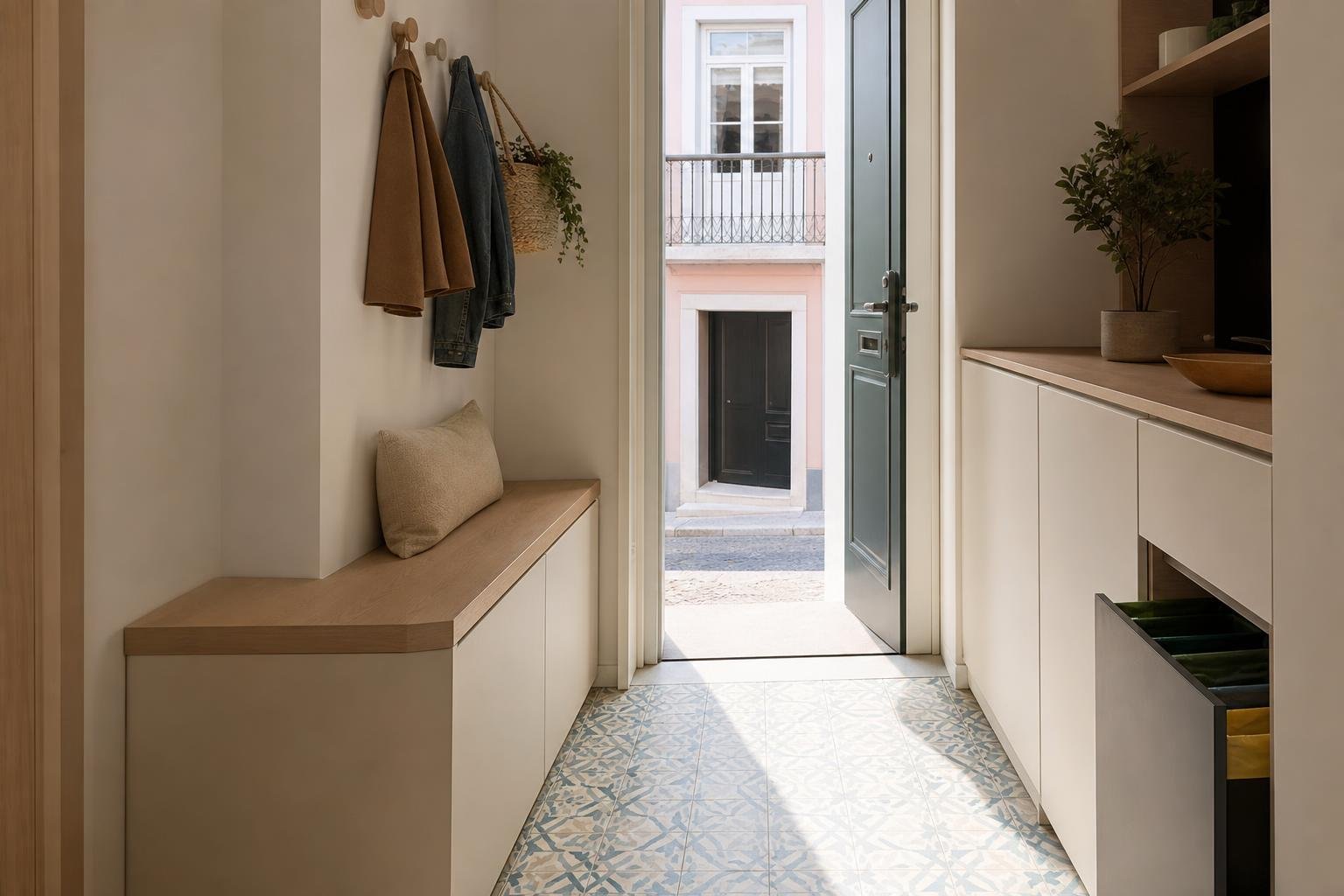
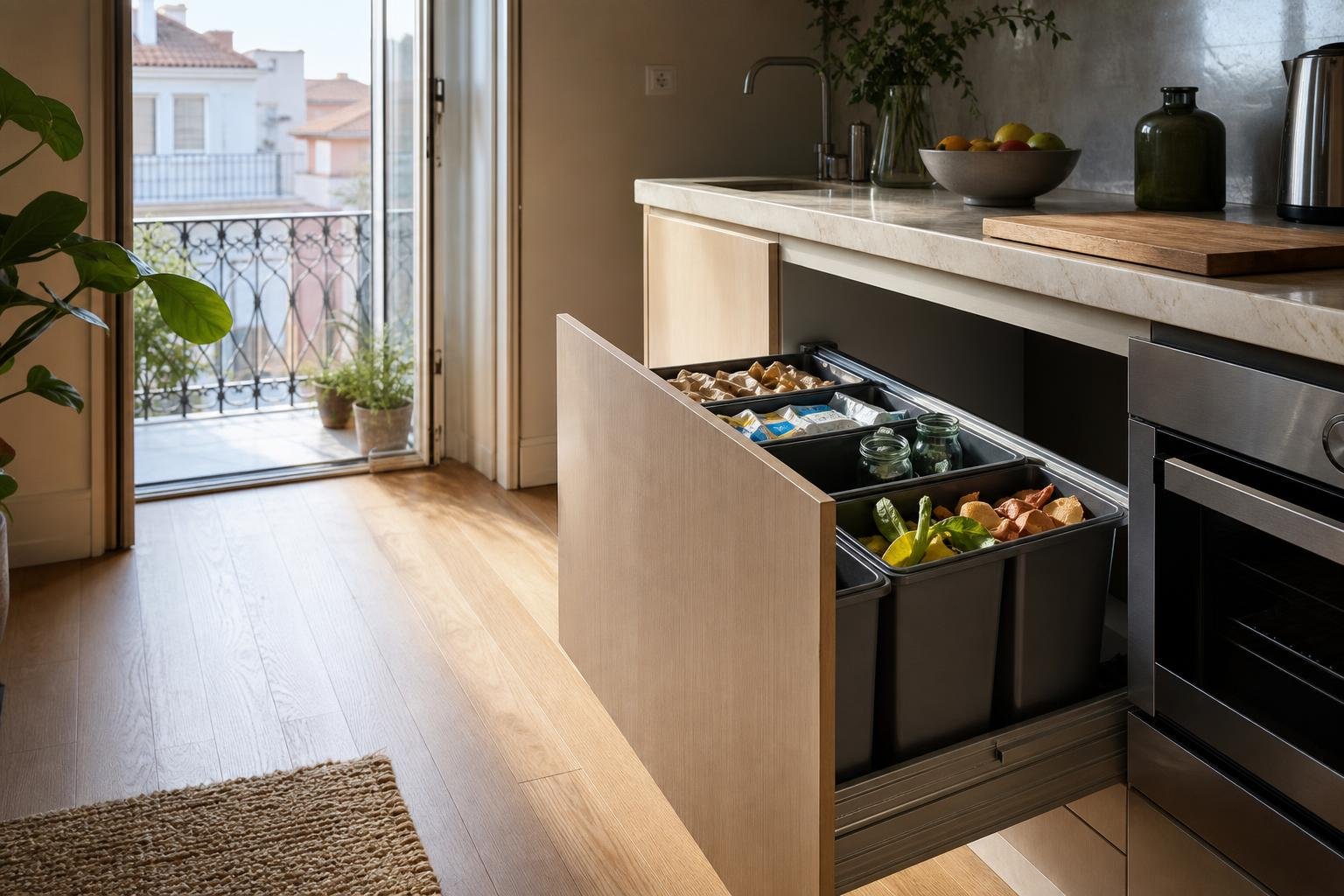
AI-generated editorial image; it does not depict an Obra Lisboa project.

Obra Lisboa