How to reuse construction materials at home
Renovation often produces materials that still have practical or decorative value. Reuse can reduce waste and create distinctive pieces, provided every item is assessed for safety, condition and suitability.
Start with a careful inventory
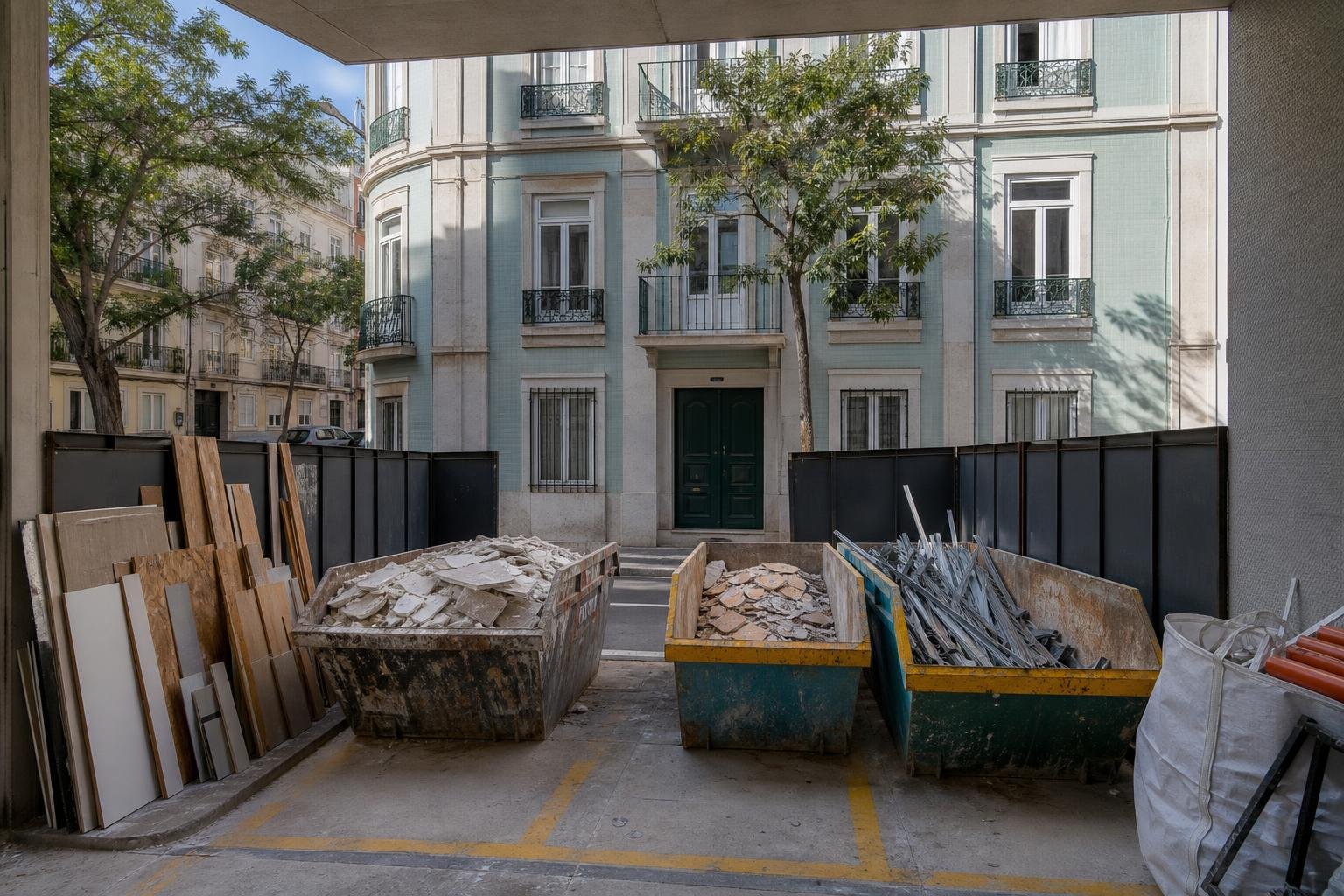
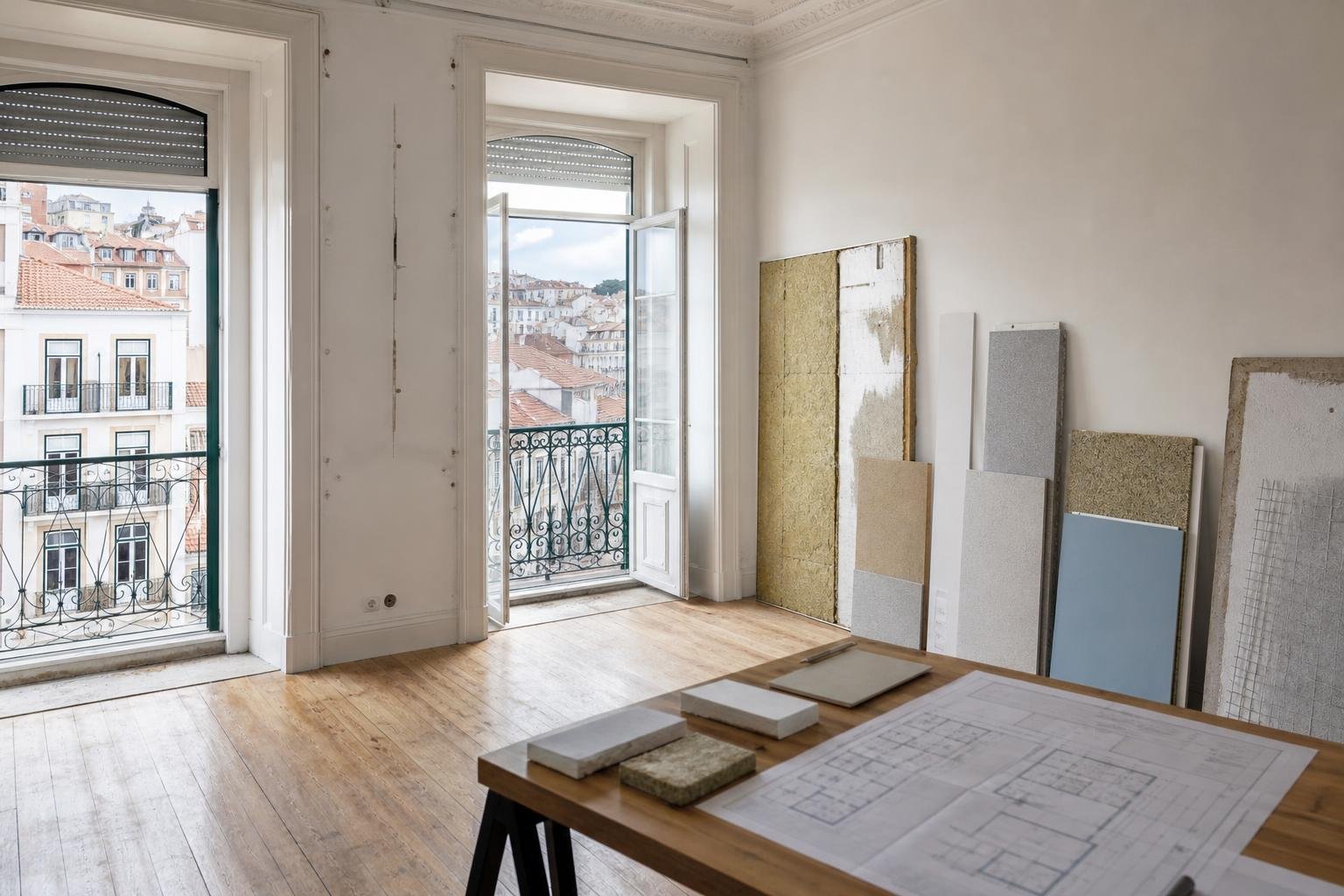
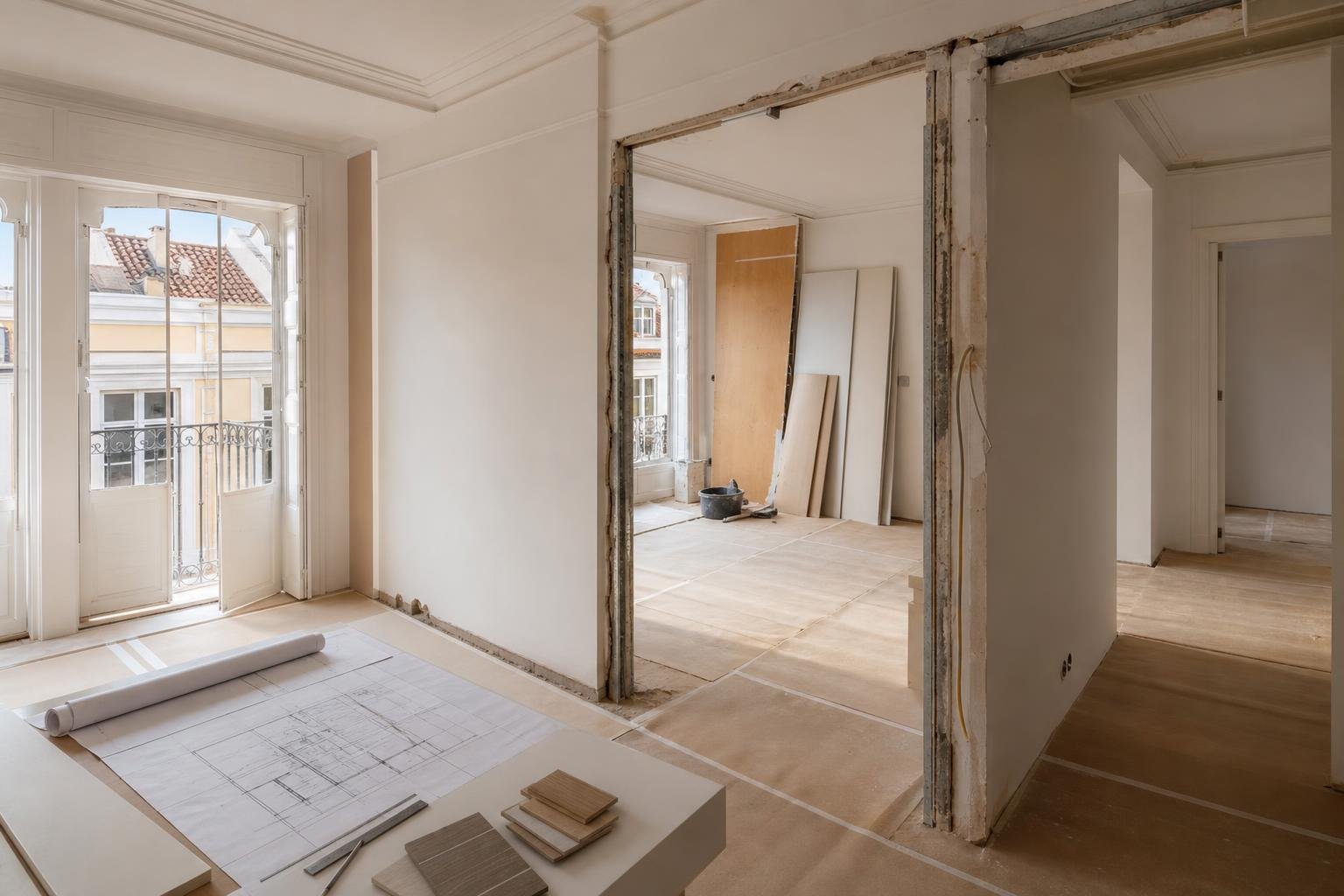
Before demolition, identify elements worth removing intact. Timber boards, doors, tiles, stone, metal frames and sanitary fittings may be reusable, but removal must be planned to avoid damage.
Ideas for common materials
- Timber: shelving, bench tops, headboards or wall panels.
- Old doors: tables, sliding panels or decorative screens.
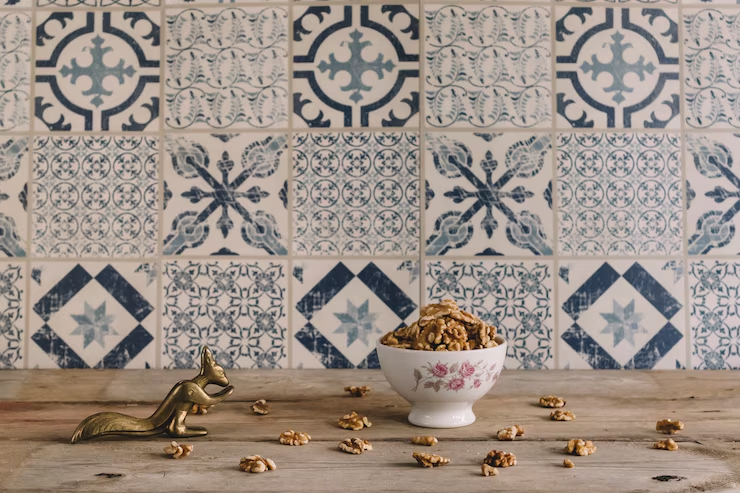
- Tiles: splashbacks, small feature panels or tabletops.
- Stone: thresholds, shelves, garden edging or side tables.
- Metal: table bases, supports, rails or planters.
- Bricks: garden borders or non-structural decorative features.
Check condition before reuse
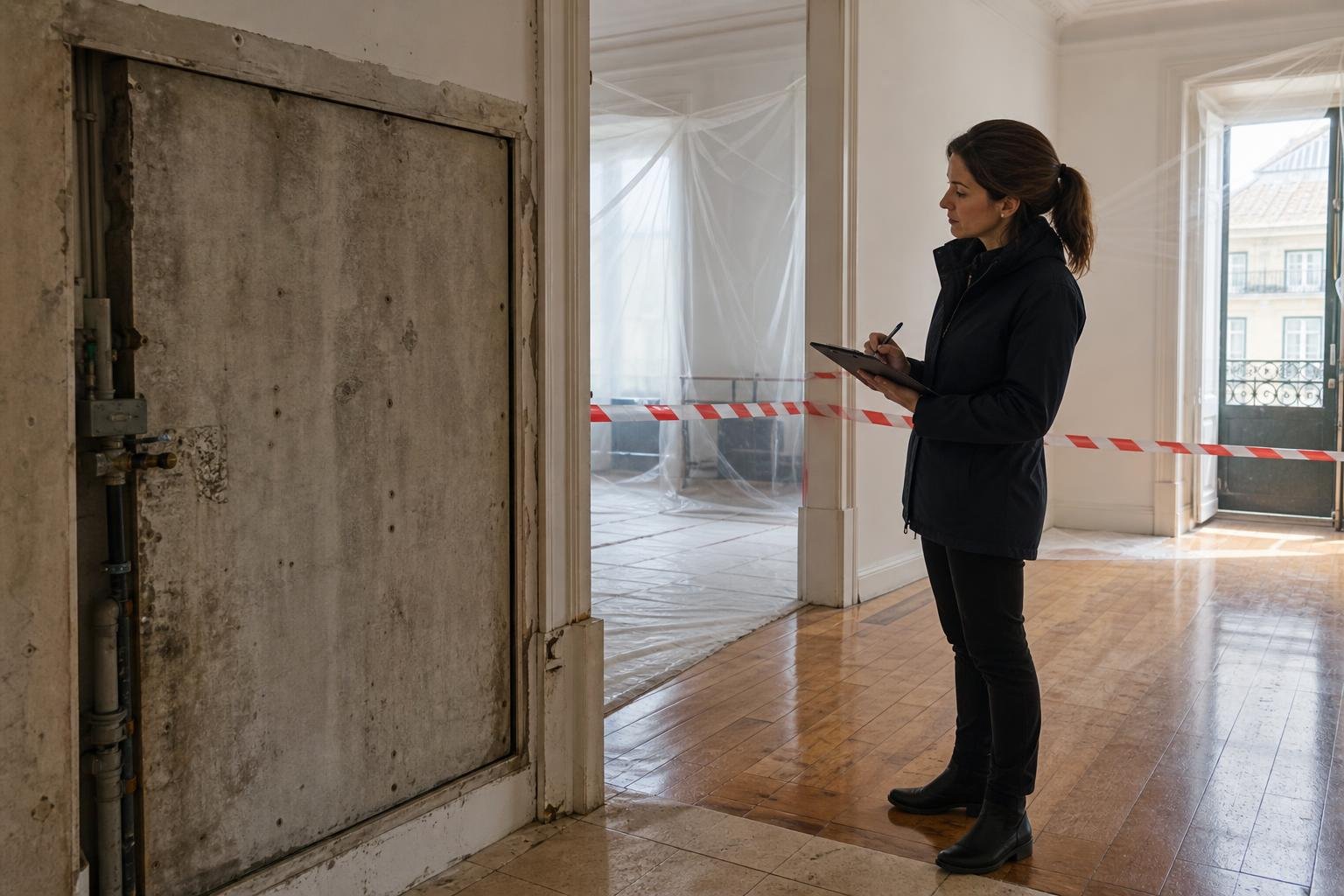
Look for rot, corrosion, cracks, contamination, sharp edges and previous coatings. Older painted timber may require specialist assessment before sanding or cutting. Structural materials should never be reused in a load-bearing role without appropriate technical verification.
Clean and prepare correctly
Remove fixings carefully, clean the material using a method suited to its surface, allow it to dry and repair minor defects. Seal porous or exposed materials where necessary, especially in kitchens, bathrooms or outdoor areas.
Design around the material
Reclaimed pieces are rarely perfectly uniform. Their dimensions, marks and colour variations should inform the design rather than be treated as defects. A simple, well-detailed use often works better than forcing the material into an unsuitable shape.
Reuse only when it makes sense
Some items consume more energy and labour to recover than they are worth, while others cannot meet hygiene, fire or technical requirements. Reuse should support a safe and durable result, not compromise it.
With early planning and careful selection, materials from a renovation can become useful objects with a direct connection to the history of the property.

Obra Lisboa