Material trends from 2025 that remain useful for renovation
Material trends change, but the best choices are not defined by fashion alone. Durability, maintenance, installation quality and suitability for the space should guide every renovation.
Microcement and continuous finishes
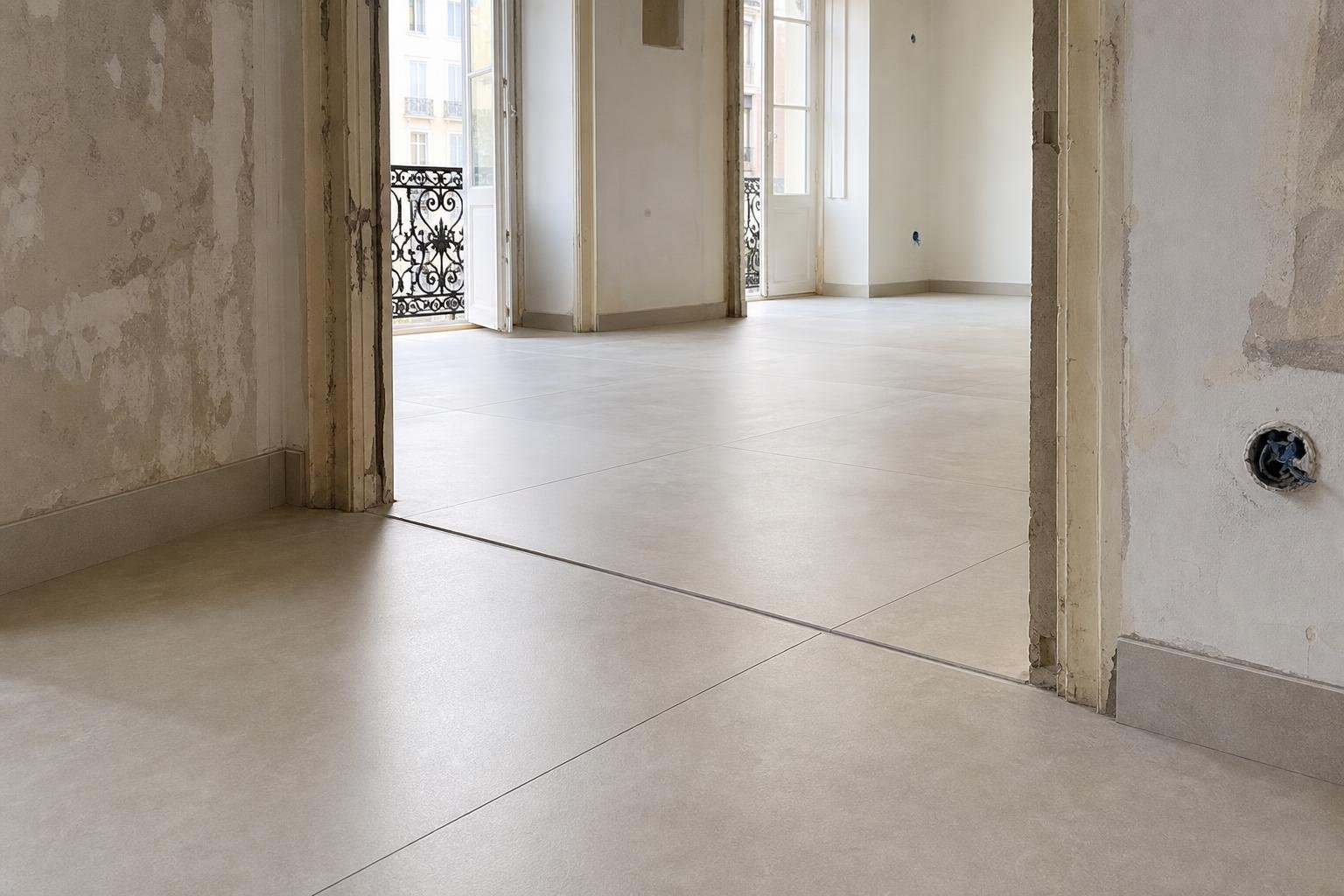
Continuous finishes became popular for their calm appearance and reduced visual interruption. They can work on floors, walls and selected wet areas, but substrate preparation, movement joints and the correct system are essential.
Timber slats and textured surfaces
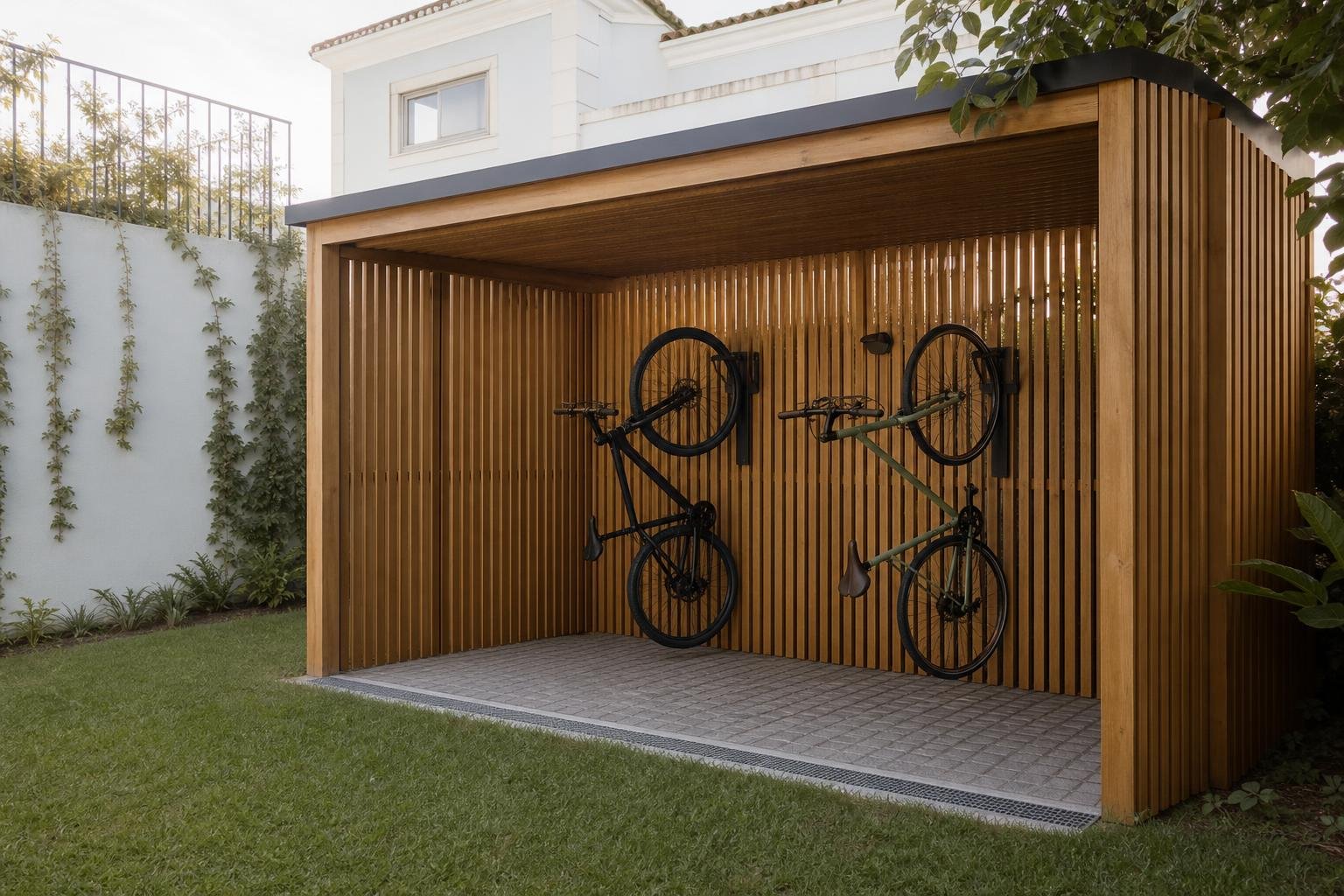
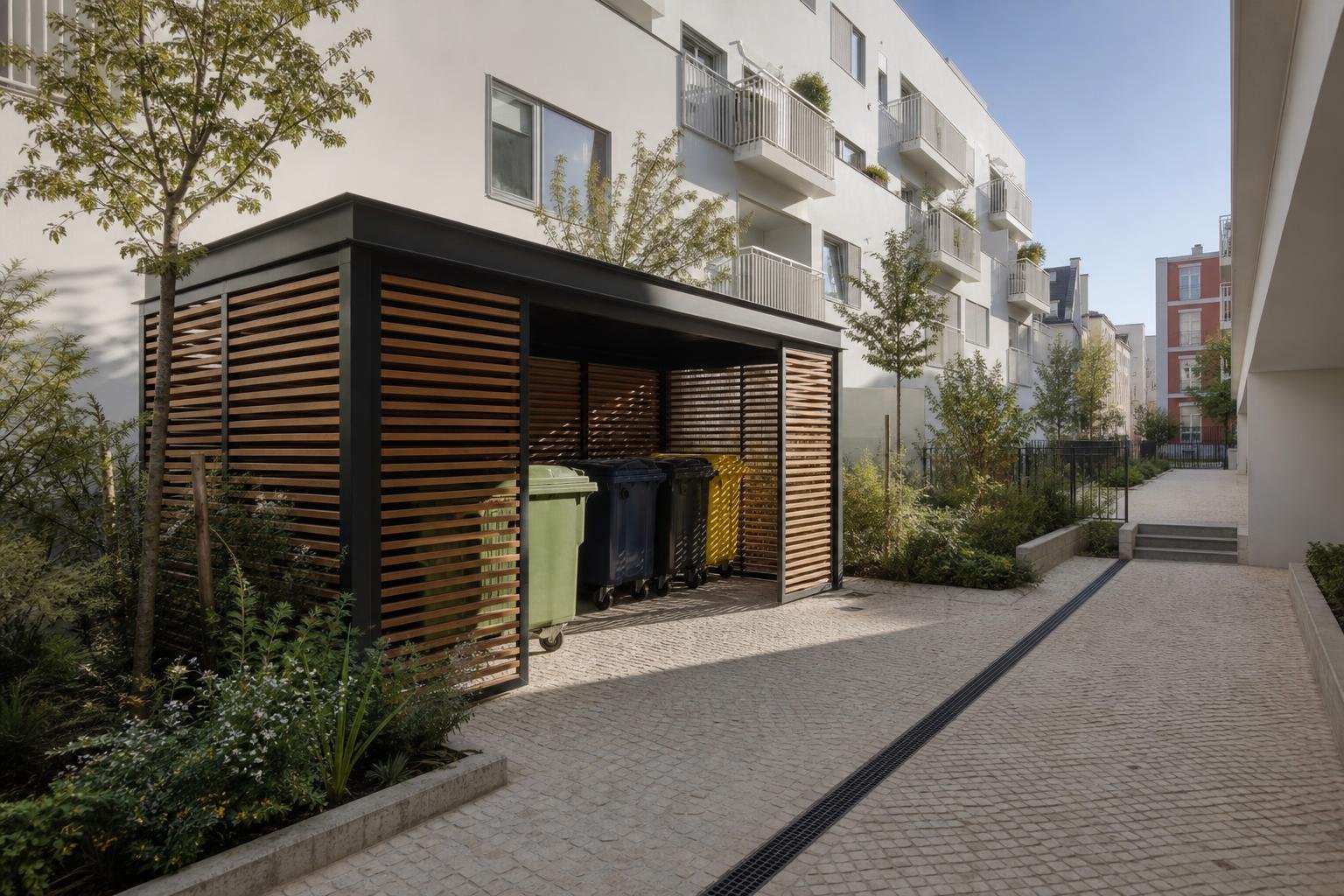
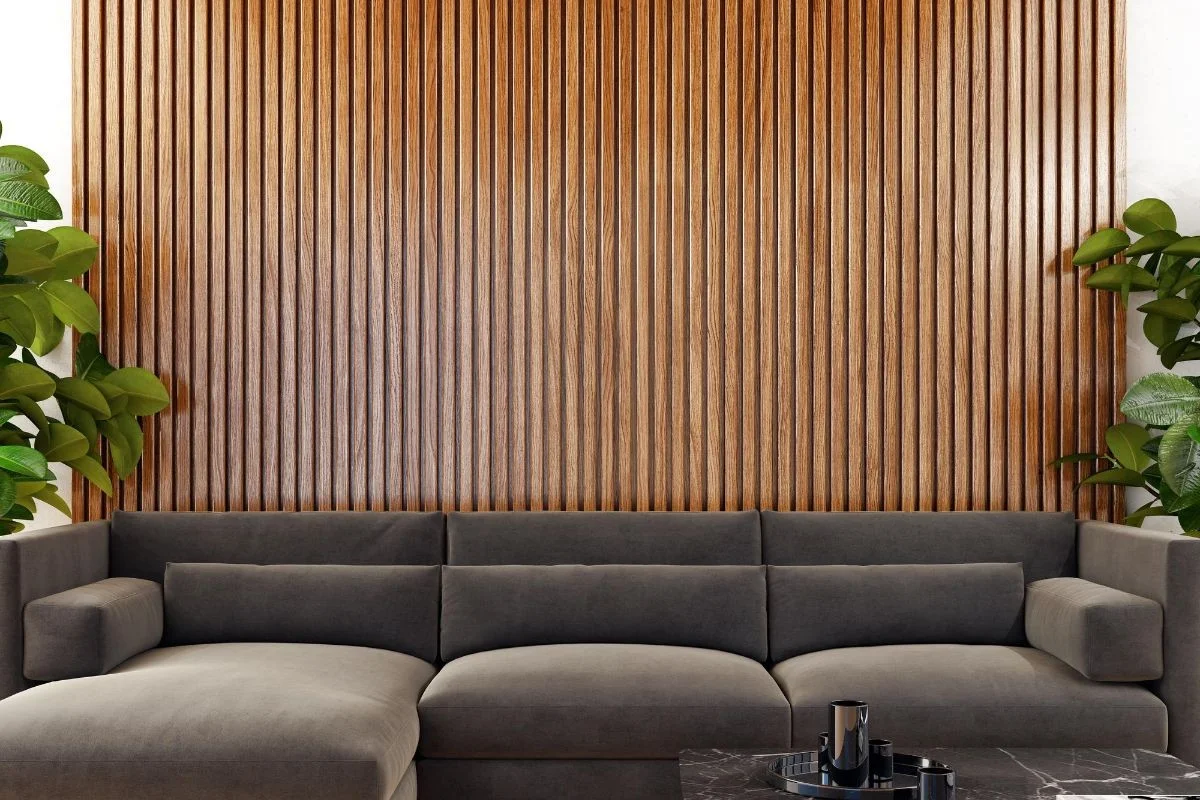
Timber slats add rhythm, warmth and acoustic texture. They are often used on feature walls, ceilings and bespoke furniture. Proportion and restraint matter: excessive coverage can make a small room feel busy and may complicate cleaning.
Large-format ceramic surfaces
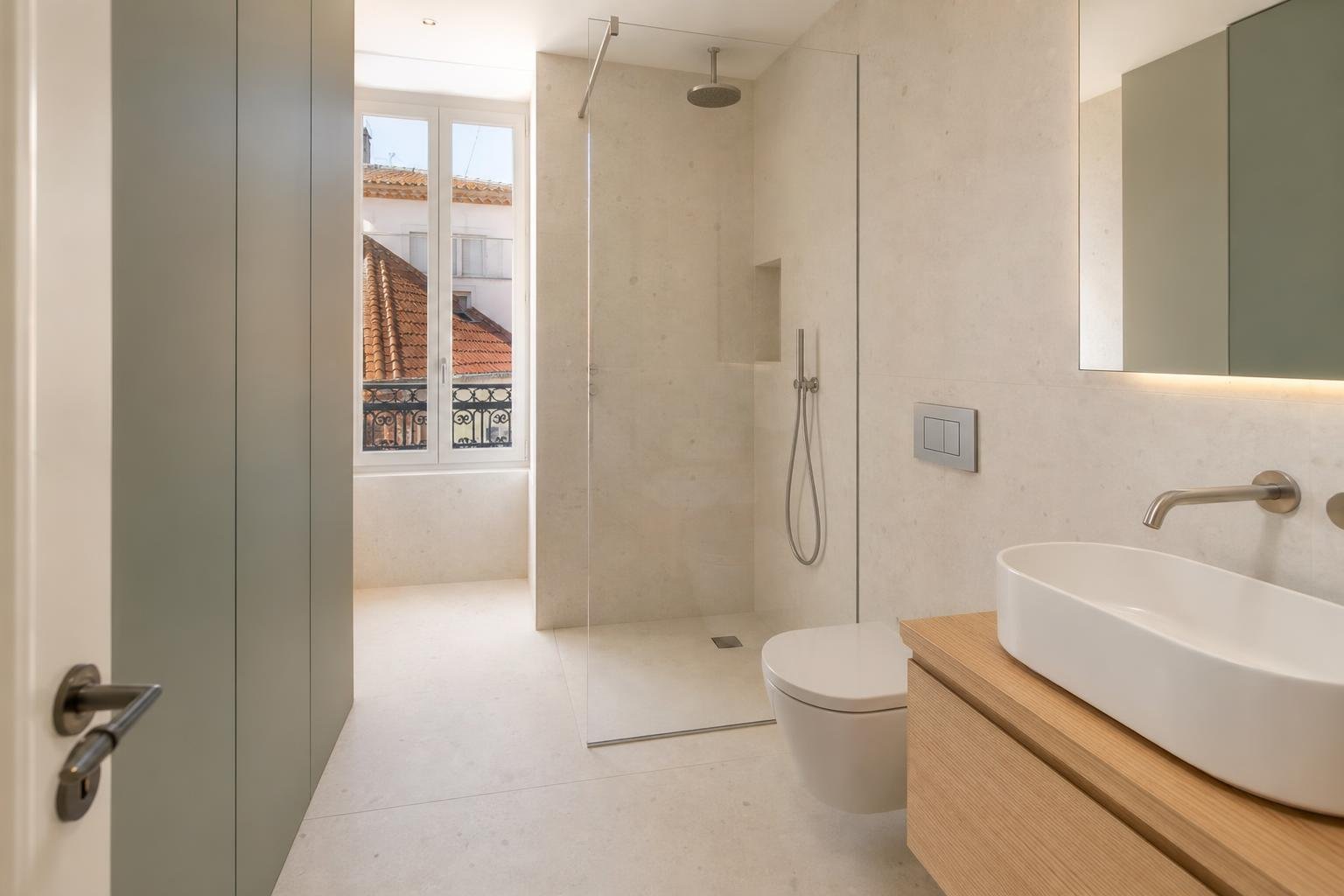
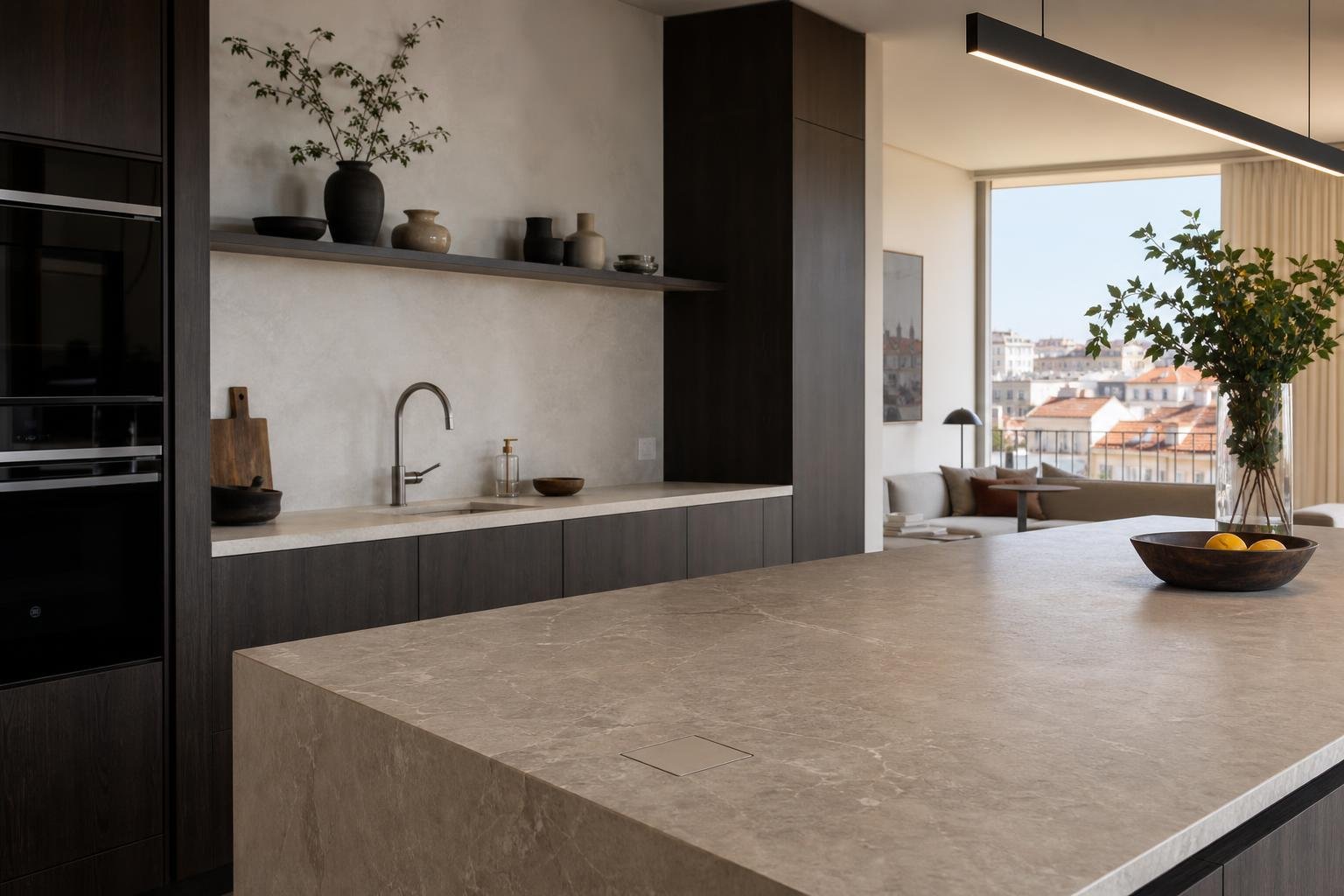
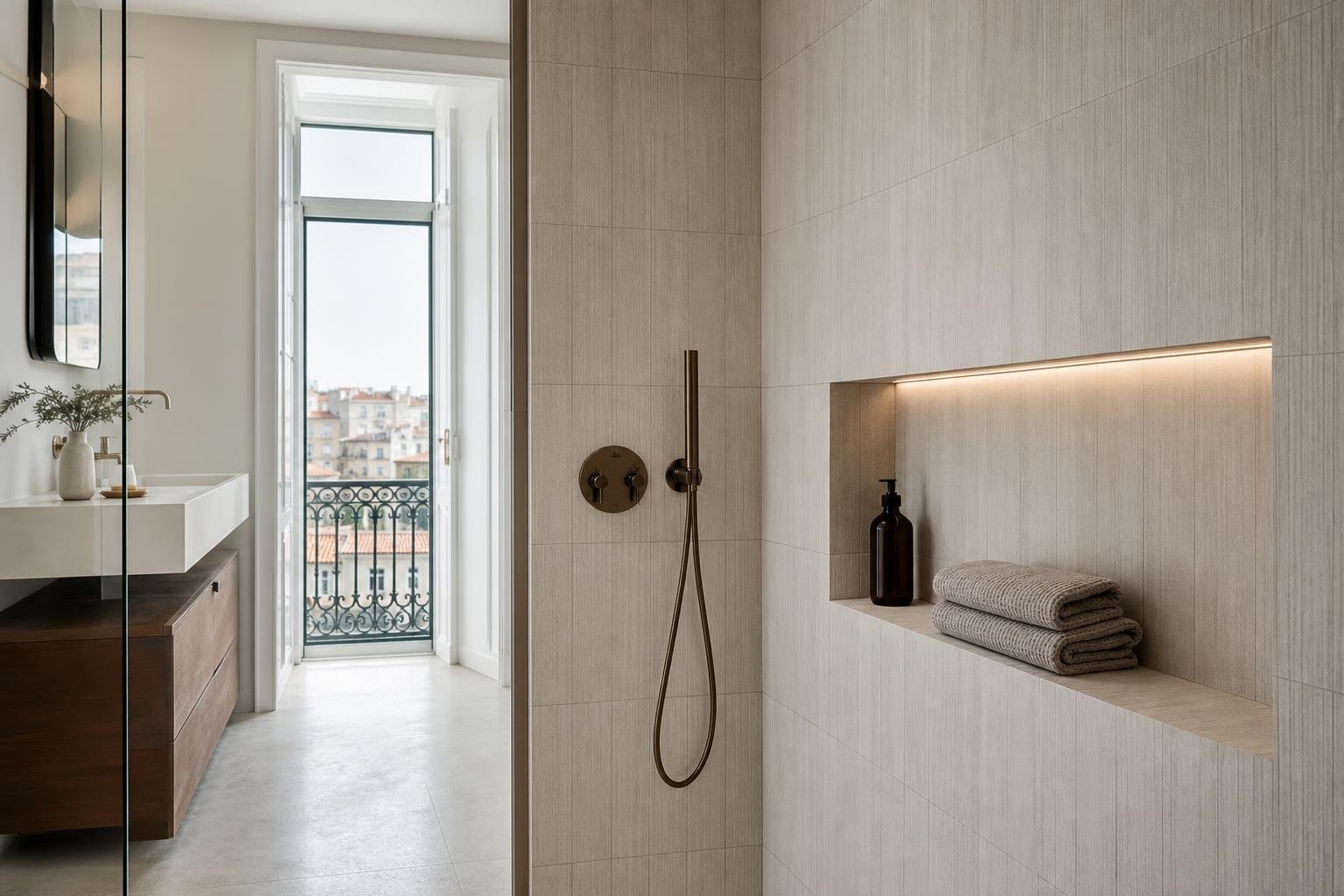
Larger tiles can reduce the number of joints and create a more continuous look. They require flat substrates, careful handling and an installation method suited to their dimensions.
Natural and mineral finishes
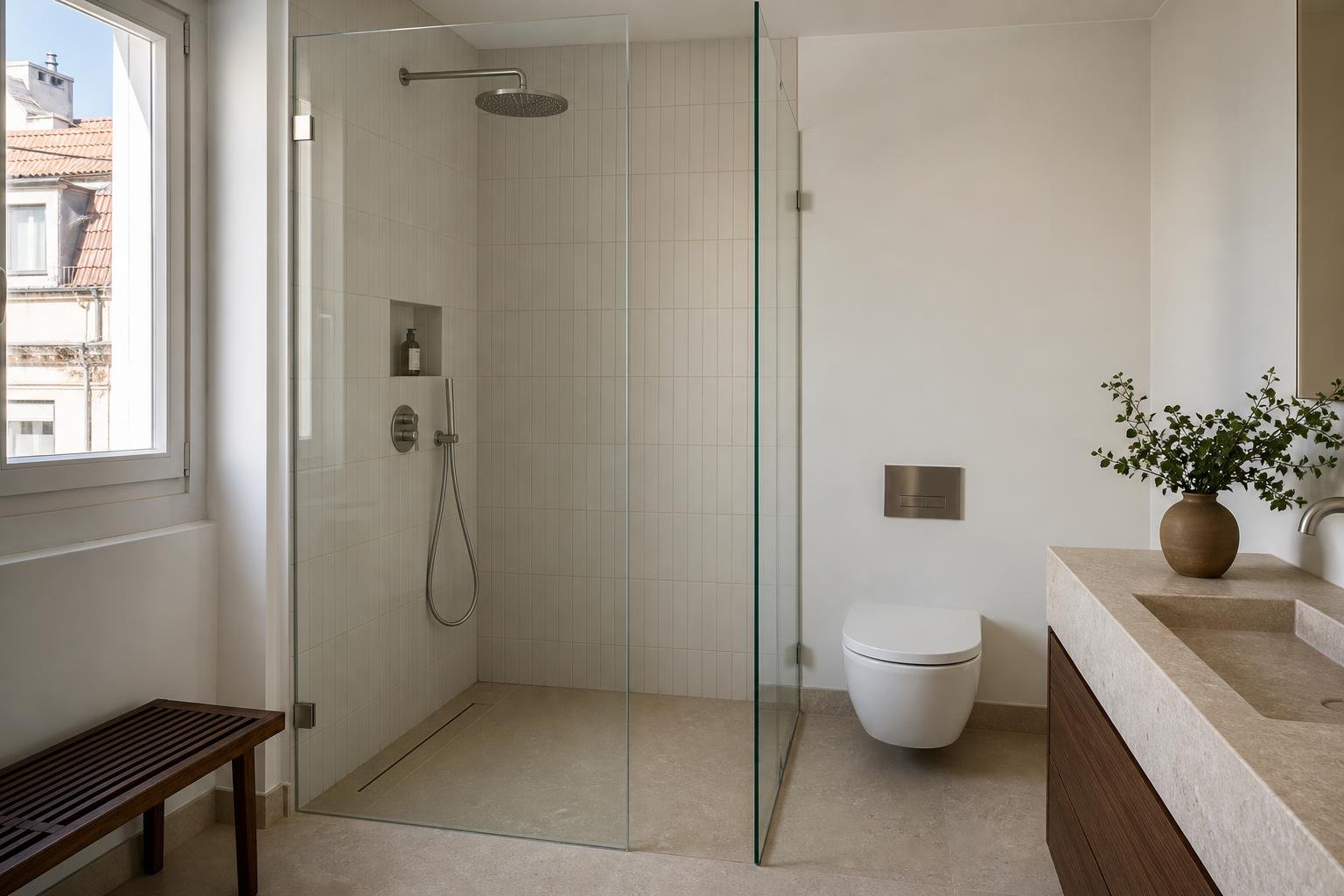
Lime-based coatings, stone and other mineral surfaces offer depth and a tactile character. Their performance varies by location, so moisture exposure, maintenance and compatibility with the existing wall build-up must be considered.
Warmer metals and restrained colour
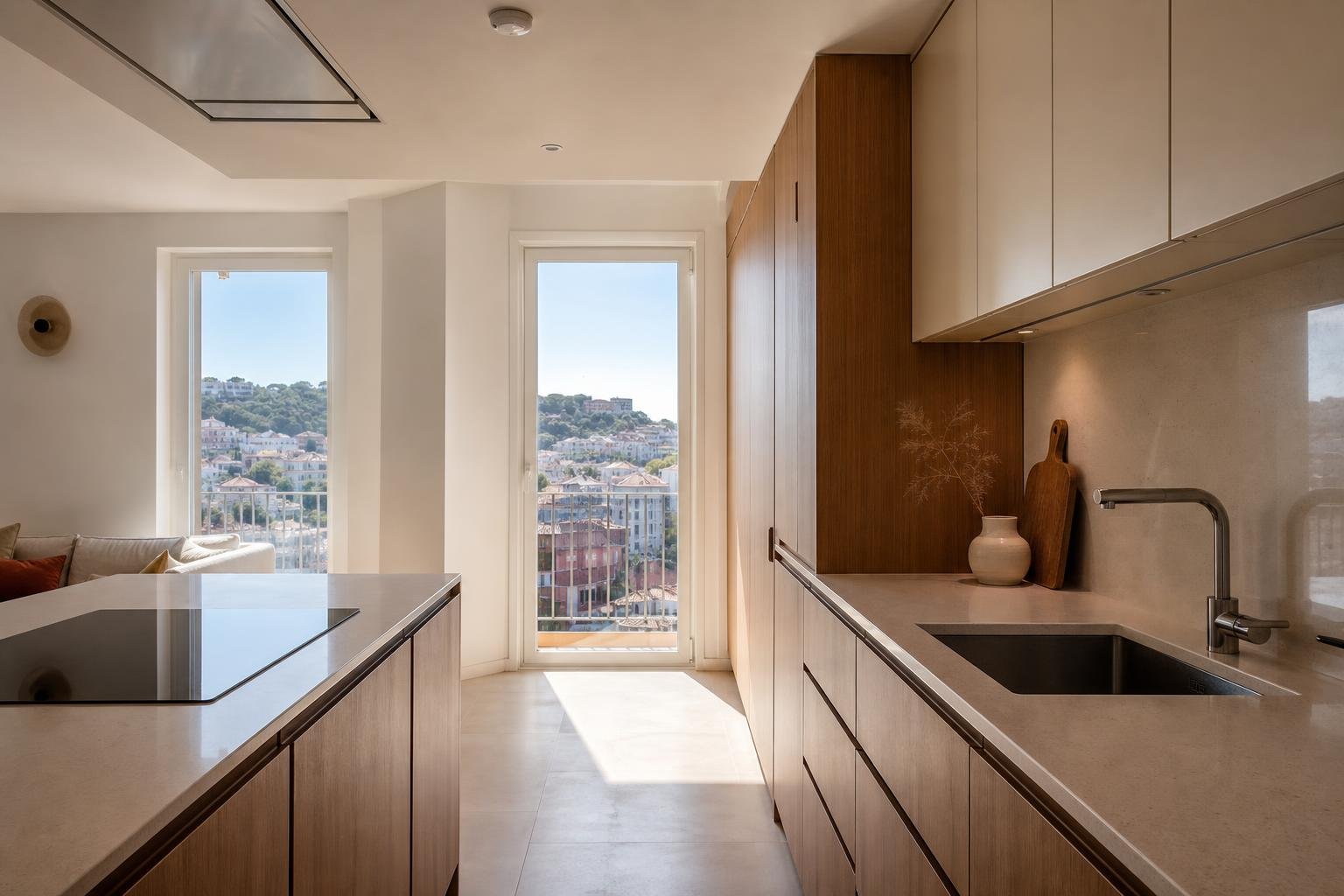
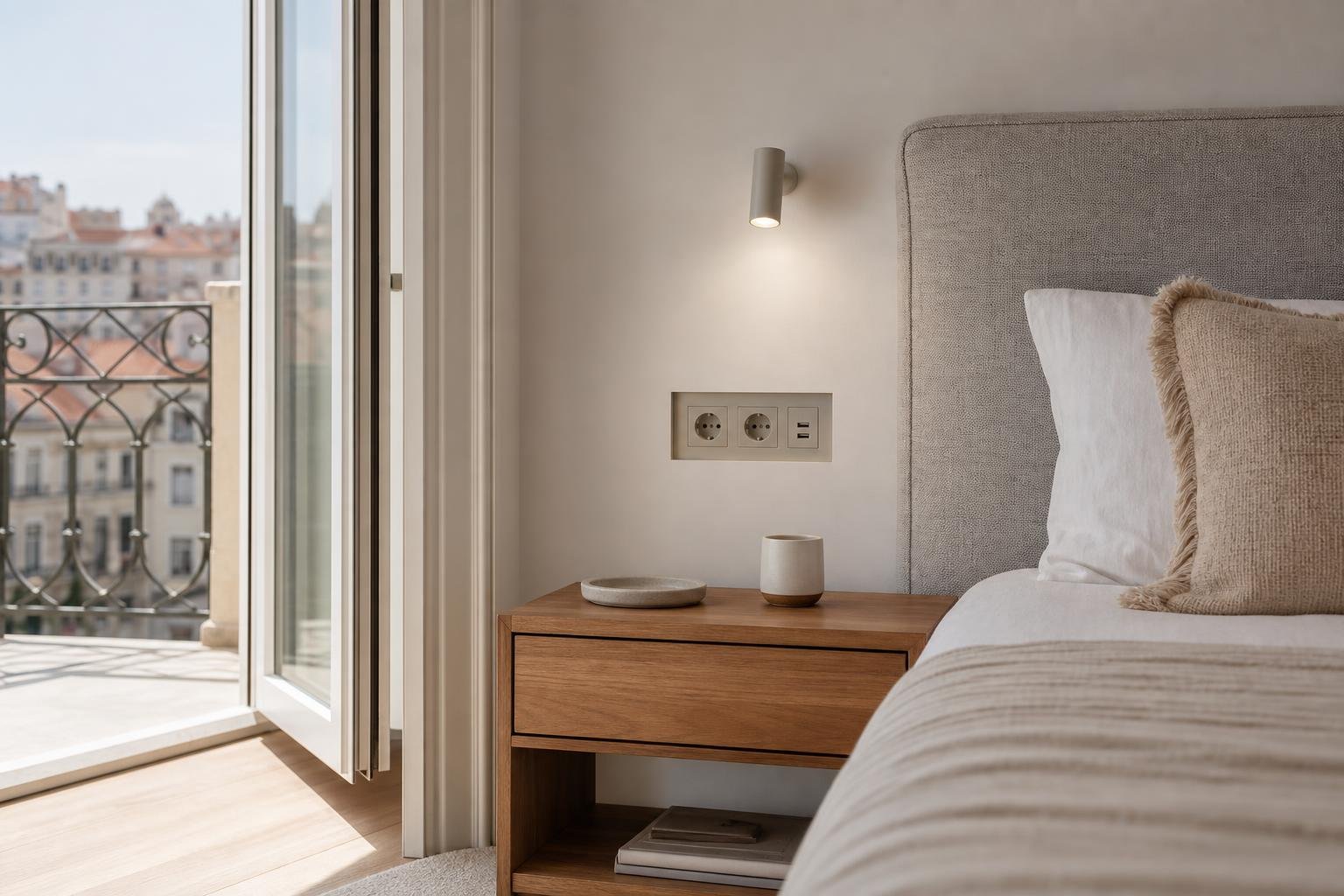
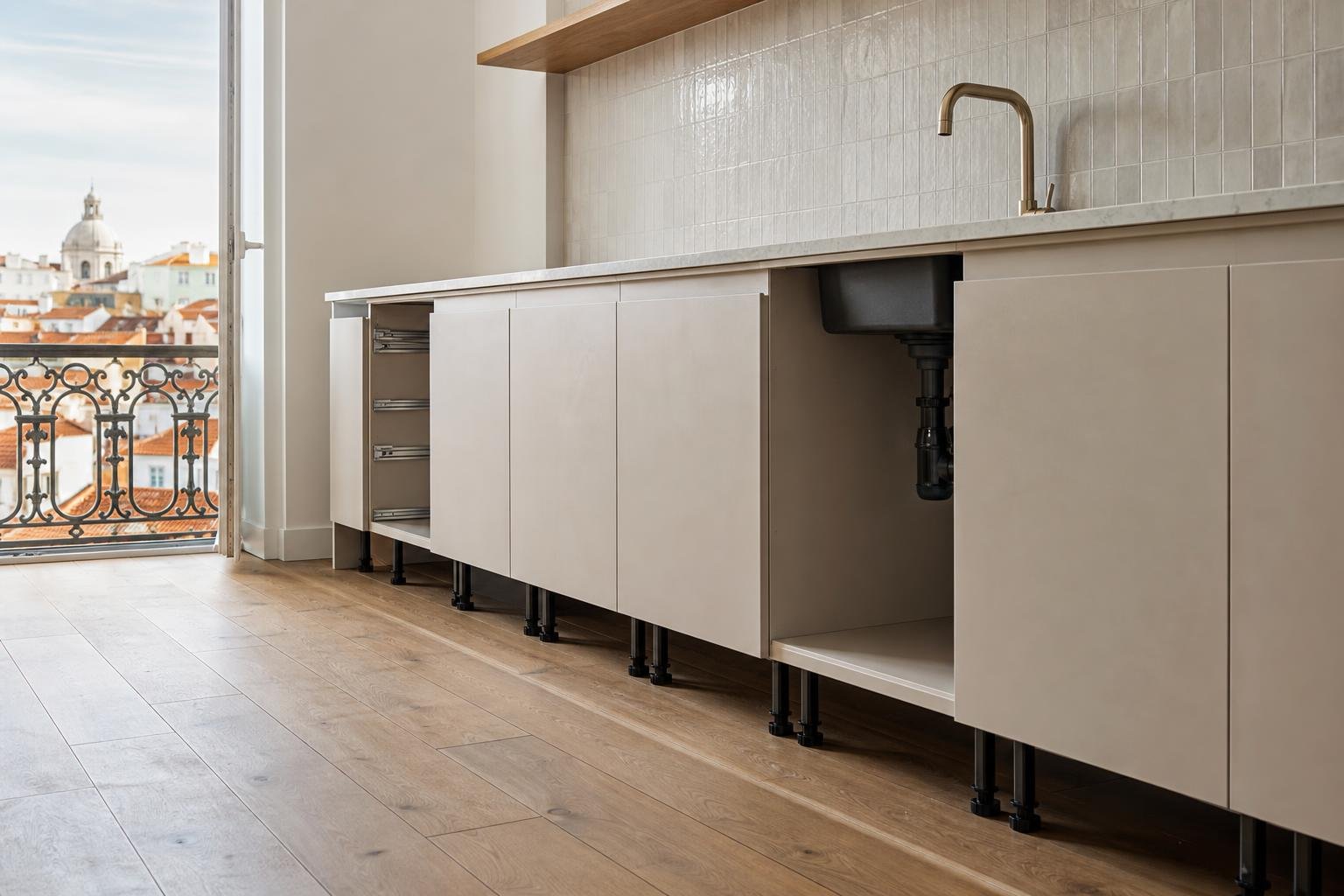
Brushed metals and warm neutral tones can create a softer interior than high-gloss finishes. Consistency across taps, handles, lighting and joinery details usually produces a stronger result than mixing many finishes.
Materials with lower impact
Clients increasingly ask about recycled content, local sourcing, repairability and product life. Environmental claims should be checked against technical documentation rather than accepted as marketing language.
How to choose well
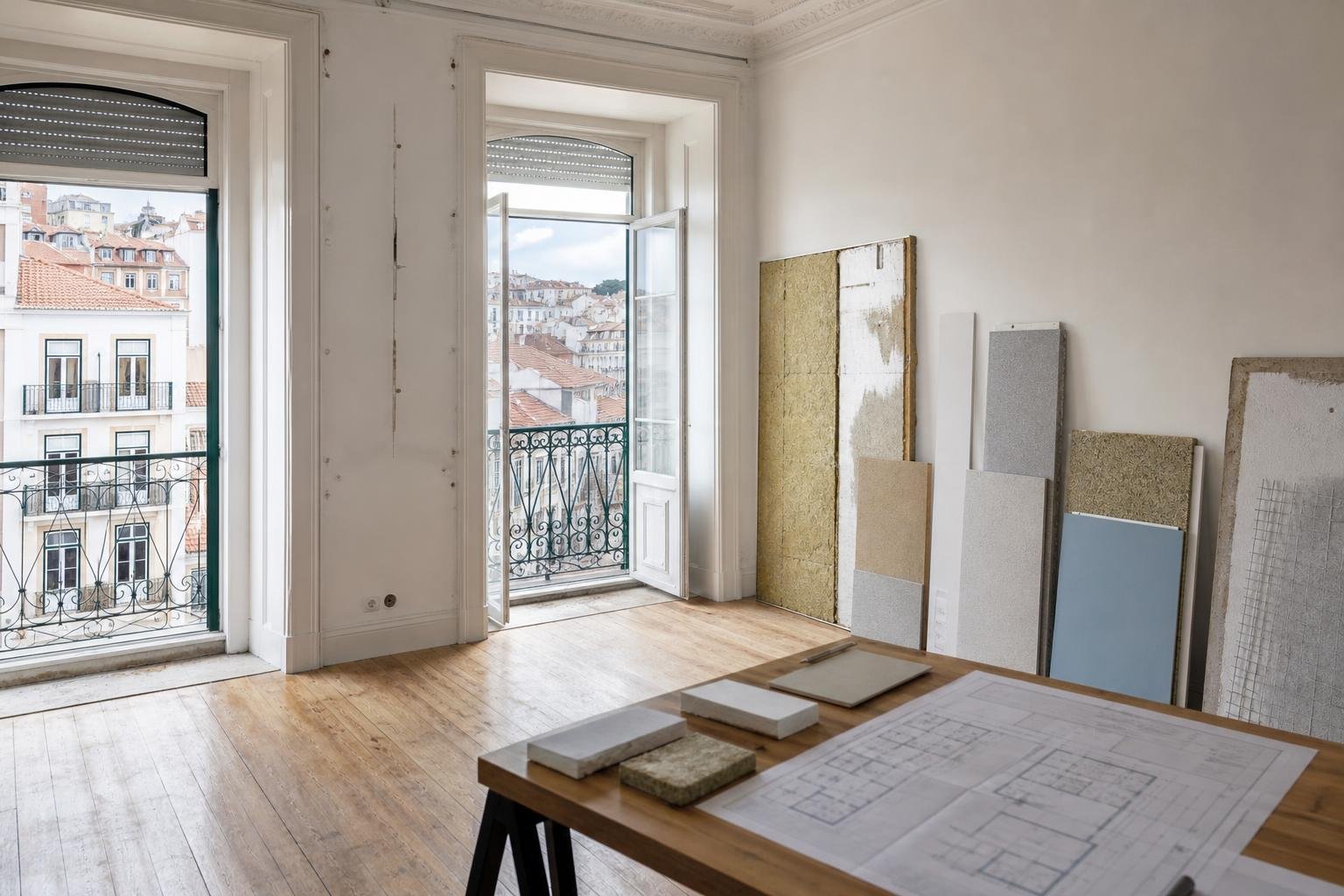
- Request samples and view them in the actual light.
- Confirm slip resistance, water resistance and cleaning requirements.
- Check compatibility with underfloor heating or wet areas.
- Review installation tolerances and lead times.
- Use trends selectively, especially on difficult-to-replace surfaces.
A successful material palette is coherent, technically appropriate and easy to maintain. A fashionable finish only adds value when it continues to perform after the photographs are taken.

Obra Lisboa