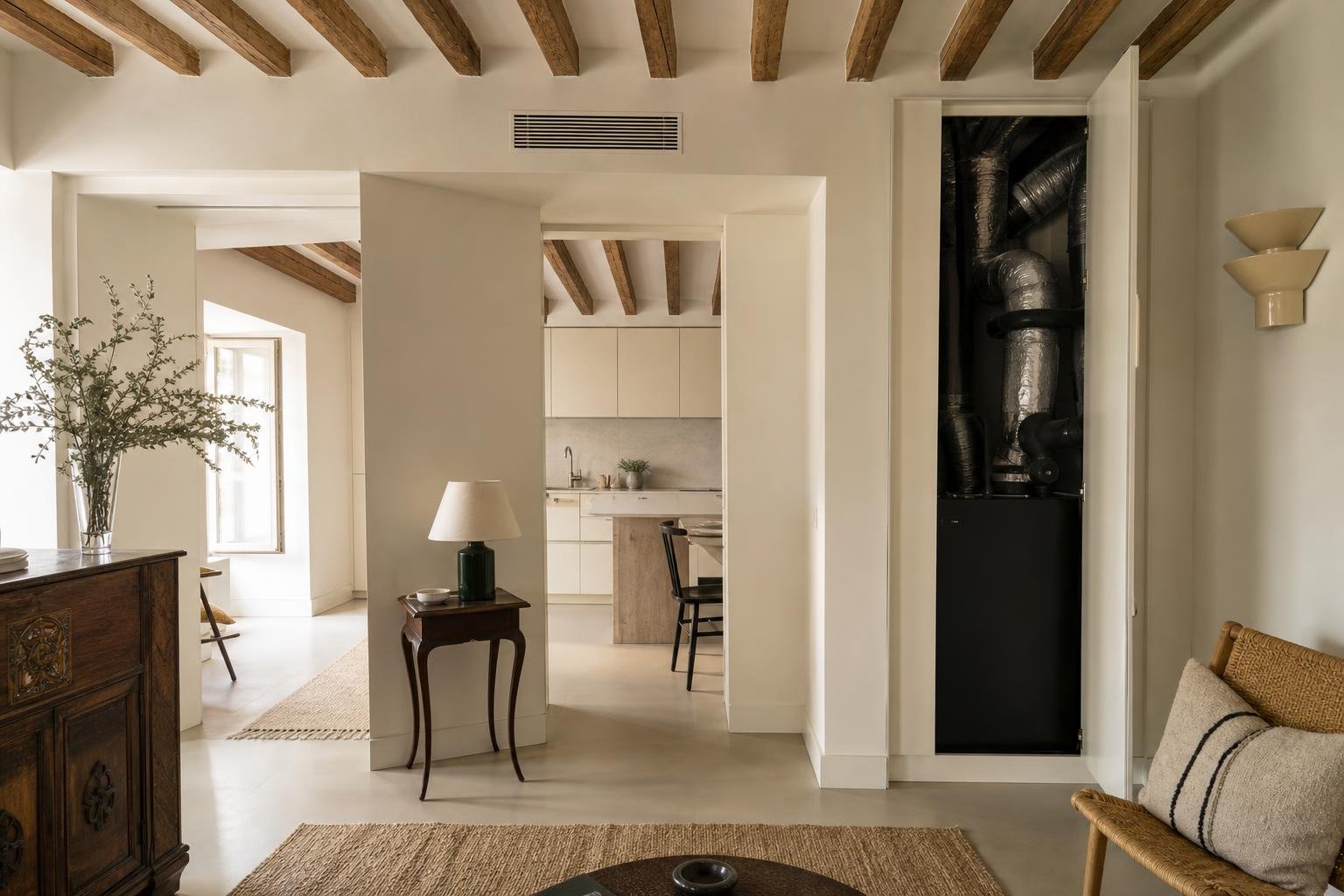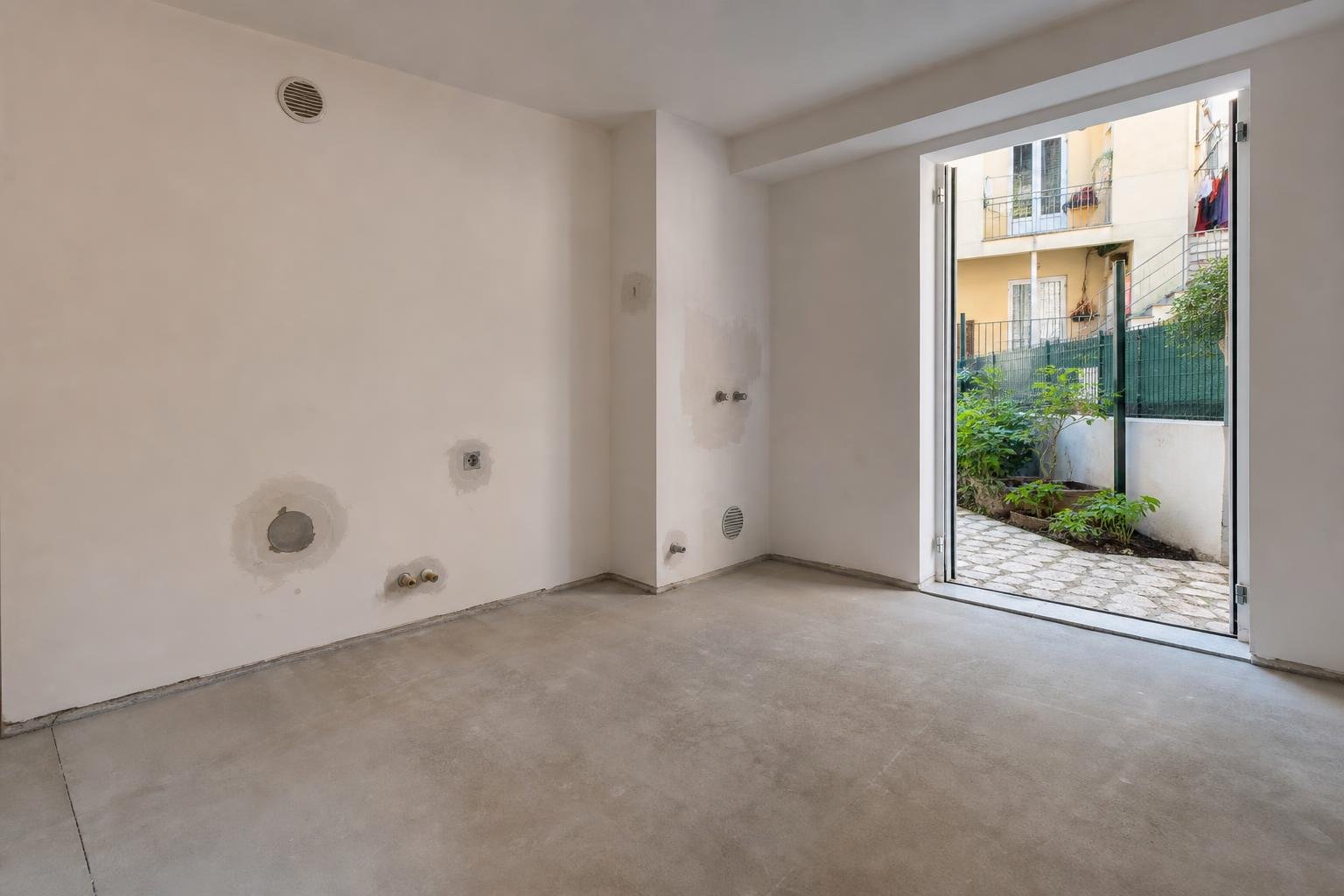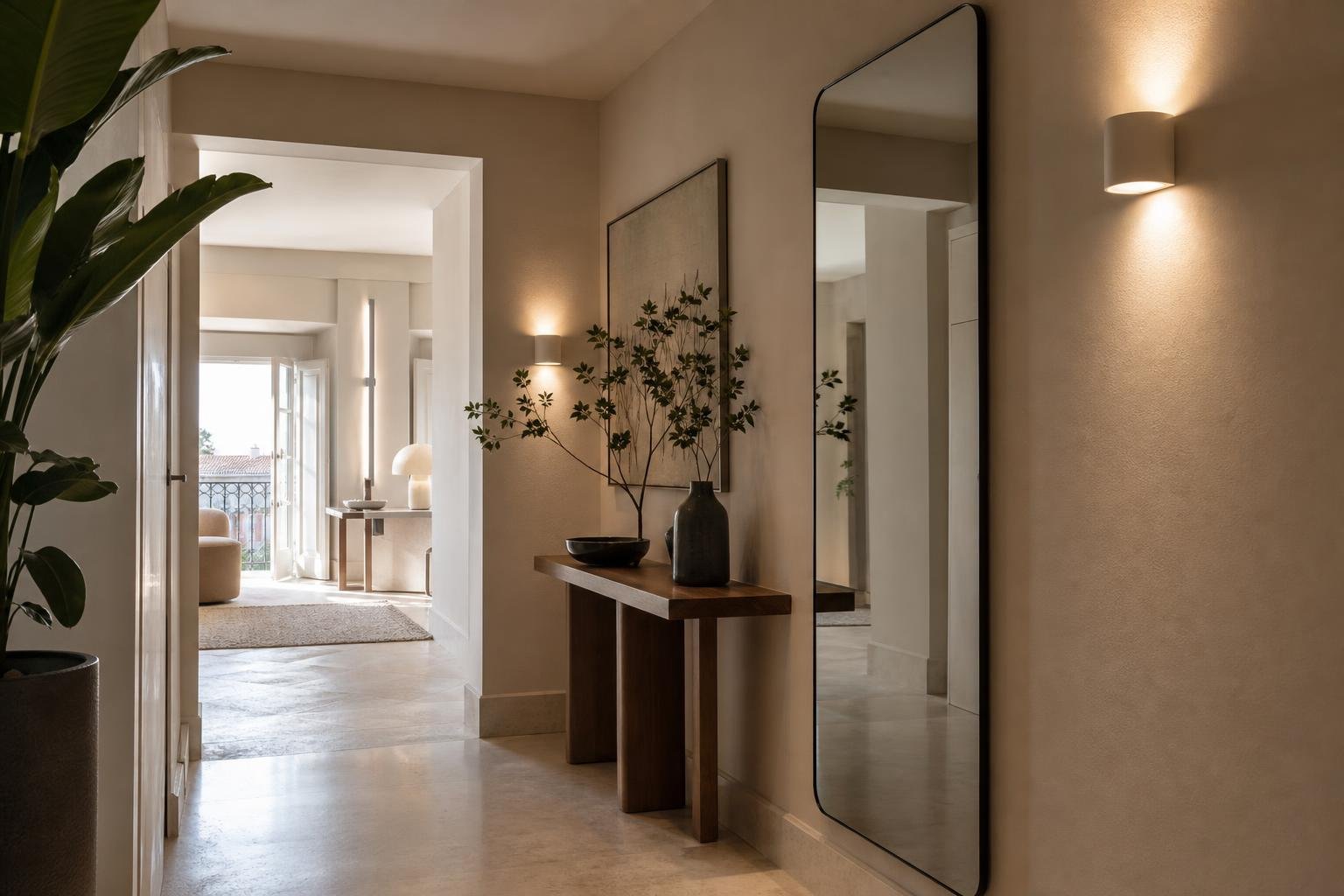
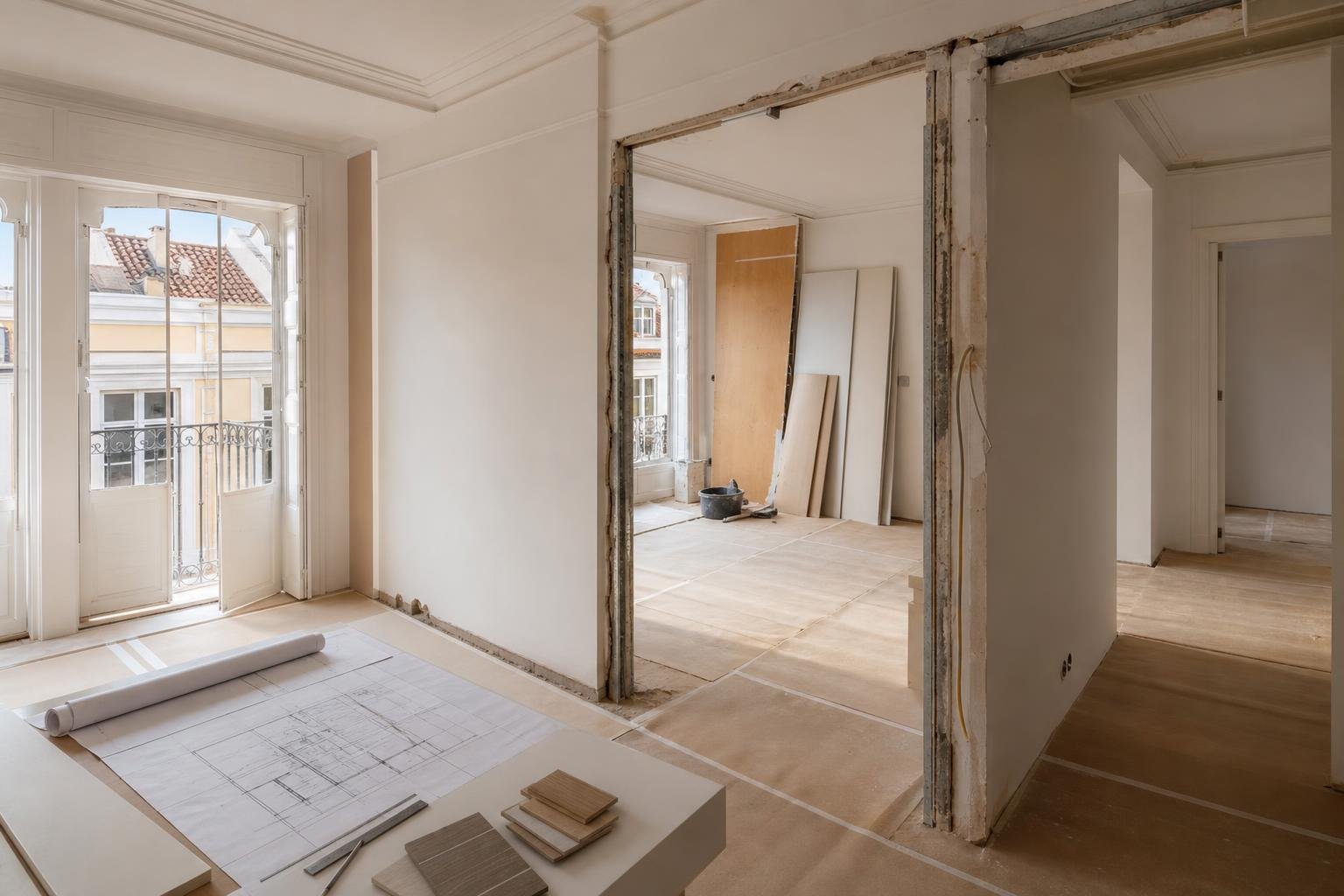
Removing a wall to connect the kitchen and living room, combining two rooms or making space for a home office are common decisions in Lisbon apartments. Yet interior demolition should never begin with a sledgehammer. Behind a wall there may be structural elements, ducts, service risers, electrical cables, ventilation routes or construction details that affect the entire project.
The right question is not simply “does this wall look lightweight?”. It is to understand what the wall does, what runs inside it and how the change will affect the building, neighbours and future use of the home. Lisbon City Council explains that certain internal alterations may be exempt from prior planning control when they do not harm structural stability or alter façades, roofs or other relevant elements; however, intervention in or added load on the structure calls for suitable technical assessment. Read the Council’s urban planning FAQs before assuming that a project is merely minor work.
This guide sets out the key checks to make before changing walls in an apartment, helping to reduce surprises, delays and expensive remedial work.
First, distinguish a partition from a structural or technical wall
An internal partition often separates rooms and may be built in lightweight masonry, blockwork, plasterboard or other systems. But its thickness, the sound it makes when tapped or its location are not reliable proof that it can be removed. Loadbearing walls, columns, beams, bracing walls and other structural elements contribute to a building’s stability; removing or weakening them without a designed solution can create serious risk.
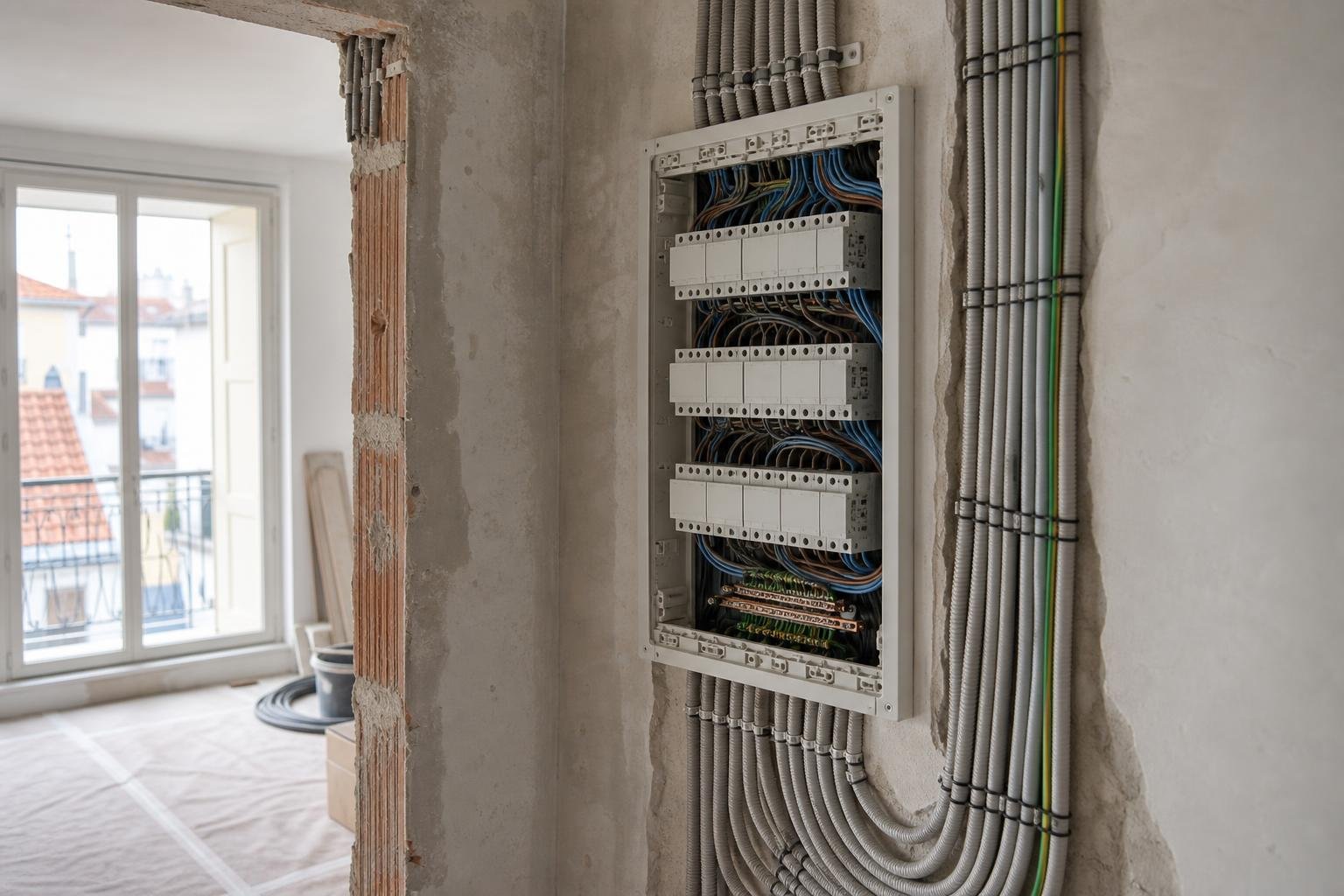
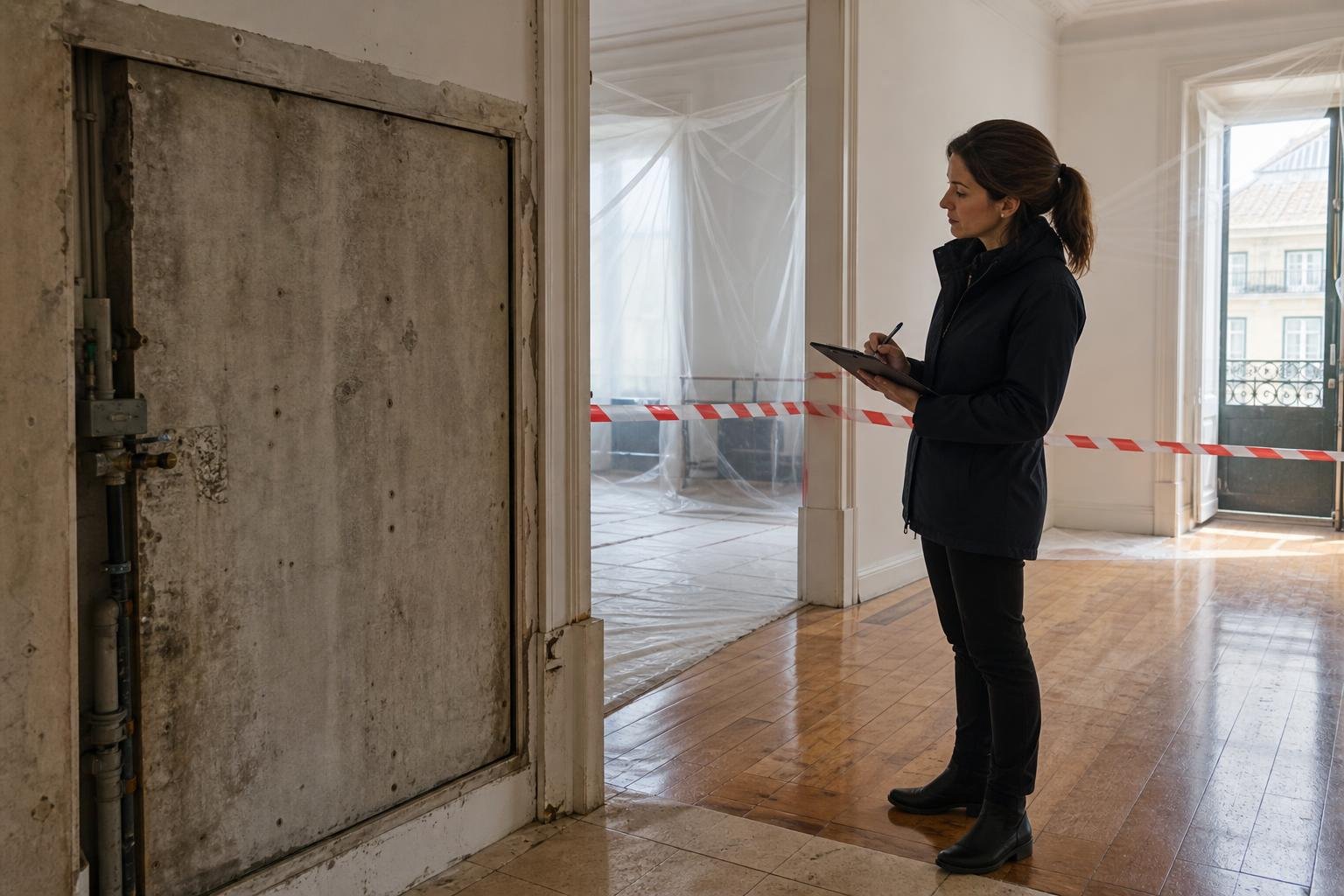
Some walls carry no load but conceal important services: water and drainage risers, kitchen and bathroom ventilation, technical shafts, gas pipes, consumer units, cabling or air-conditioning ducts. Before committing to the final layout, arrange a technical inspection, review available drawings and scan for services where appropriate. A seemingly simple opening may require the redesign of installations across several rooms.
If the change affects structural stability, it should not be decided on site. The municipal guidance specifically highlights the need for technical responsibility where works involve intervention in, or additional load on, the structure. Demolition should follow a verified decision, not become the way of discovering how the building was made.
Read the building, not only the apartment plan
In an older building, the same apartment type may have been altered several times over decades. A sales plan or an old drawing may not show later reinforcements, added ducts, disused flues or changes made by previous owners. Compare the documentation you have with what is actually present, and treat every difference as something to clarify.
Look at the relationship with neighbouring flats as well. Vertical risers frequently serve several floors; moving a kitchen or installing a bathroom where there was once a bedroom may require falls, ventilation and service routes that cannot fit within the existing floor build-up. Before relocating fittings, see Obra Lisboa’s guide to sewer and plumbing systems before renovation.
In a condominium building, check the building rules and notify the management early about work that could affect common circulation areas, lifts, noise, safety or utility supplies. Clear information before work begins is usually far more effective than trying to settle disputes once demolition is under way.
Check the planning position and avoid automatic assumptions
Not every internal project requires the same procedure, but work inside a home is not automatically free from checks. Lisbon City Council states that alterations within buildings or individual units may be exempt where they improve, do not harm or do not affect structural stability, and do not modify building height, façades, roofs, coverings or façade tiles. Every part of that test matters.
A project may cease to be purely internal if it needs a new extraction outlet, an outdoor unit, a window alteration, a visible façade route or use of public space. In protected properties, areas with specific restrictions or buildings with unusual construction, extra care is appropriate. Consult Lisbon’s official urban planning information and obtain professional advice to interpret the specific case.
The purpose is not to make renovation needlessly bureaucratic. It is to establish from the outset what may be built, which disciplines need coordination and which documents should support the work. That preparation protects the budget and helps prevent a completed solution from having to be removed.
Plan electrics, water, ventilation and comfort before closing walls
Once a partition has gone, new practical requirements emerge. A larger living room may need more lighting points, sensibly positioned sockets, dedicated circuits and task lighting. An open kitchen needs an extraction approach that does not carry moisture, grease and odours throughout the home. A new bedroom or office needs power, data, lighting and thermal comfort designed around the real furniture layout.
Create a use plan, not just a demolition plan. Mark door swings, wardrobe depths, sofas, beds, tables and appliances. This makes it possible to decide on switches, sockets, water points, radiators and equipment before chases and finishes are closed. For this stage, read how to plan sockets and switches before walls are closed.
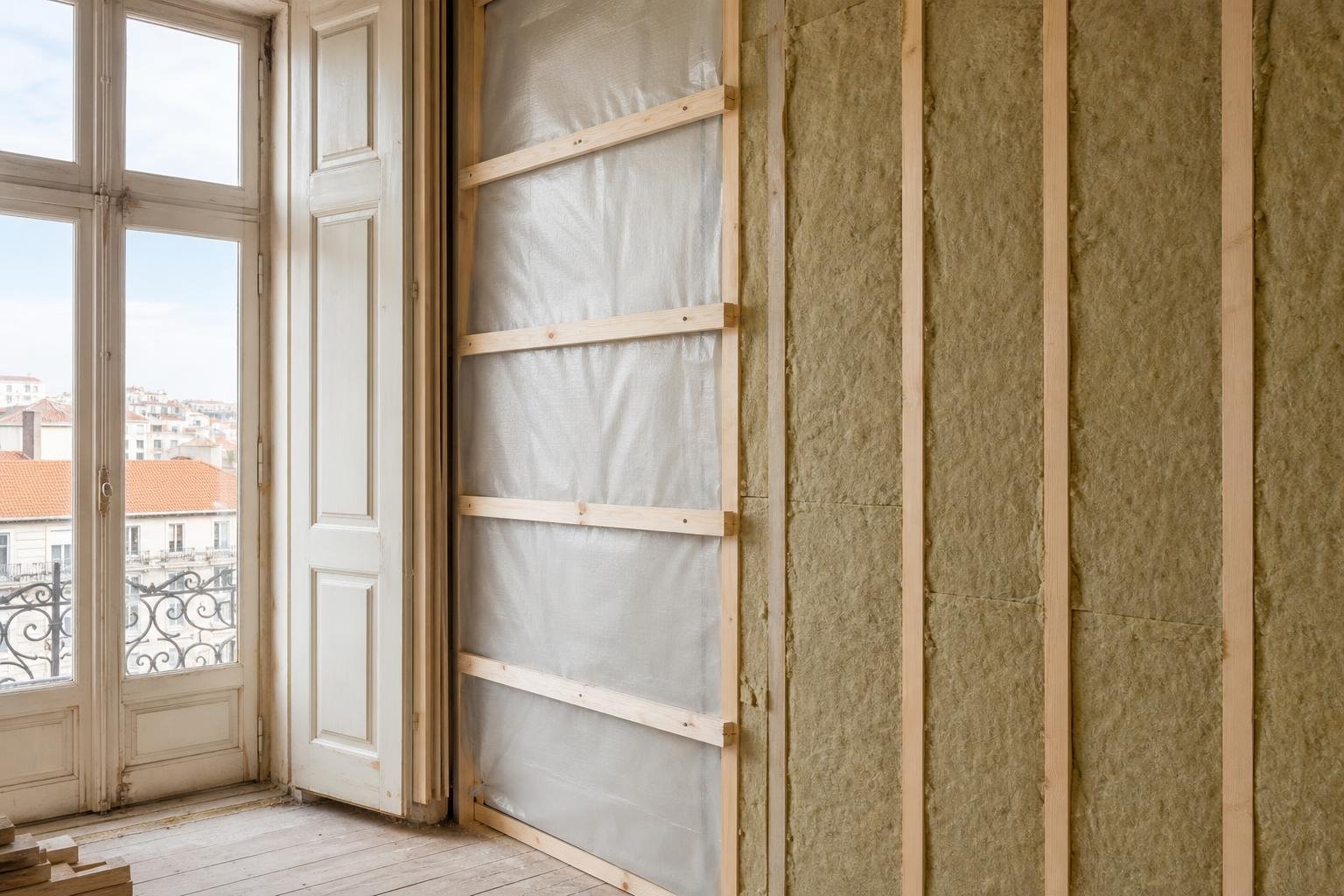
Do not overlook acoustics. When spaces open up, sound travels differently; when a lightweight room is created, privacy may be inadequate. Selecting the right door, mineral wool insulation or sealing approach early is much easier than correcting the issue after the home has been painted.
Organise waste, lift access and public-space use
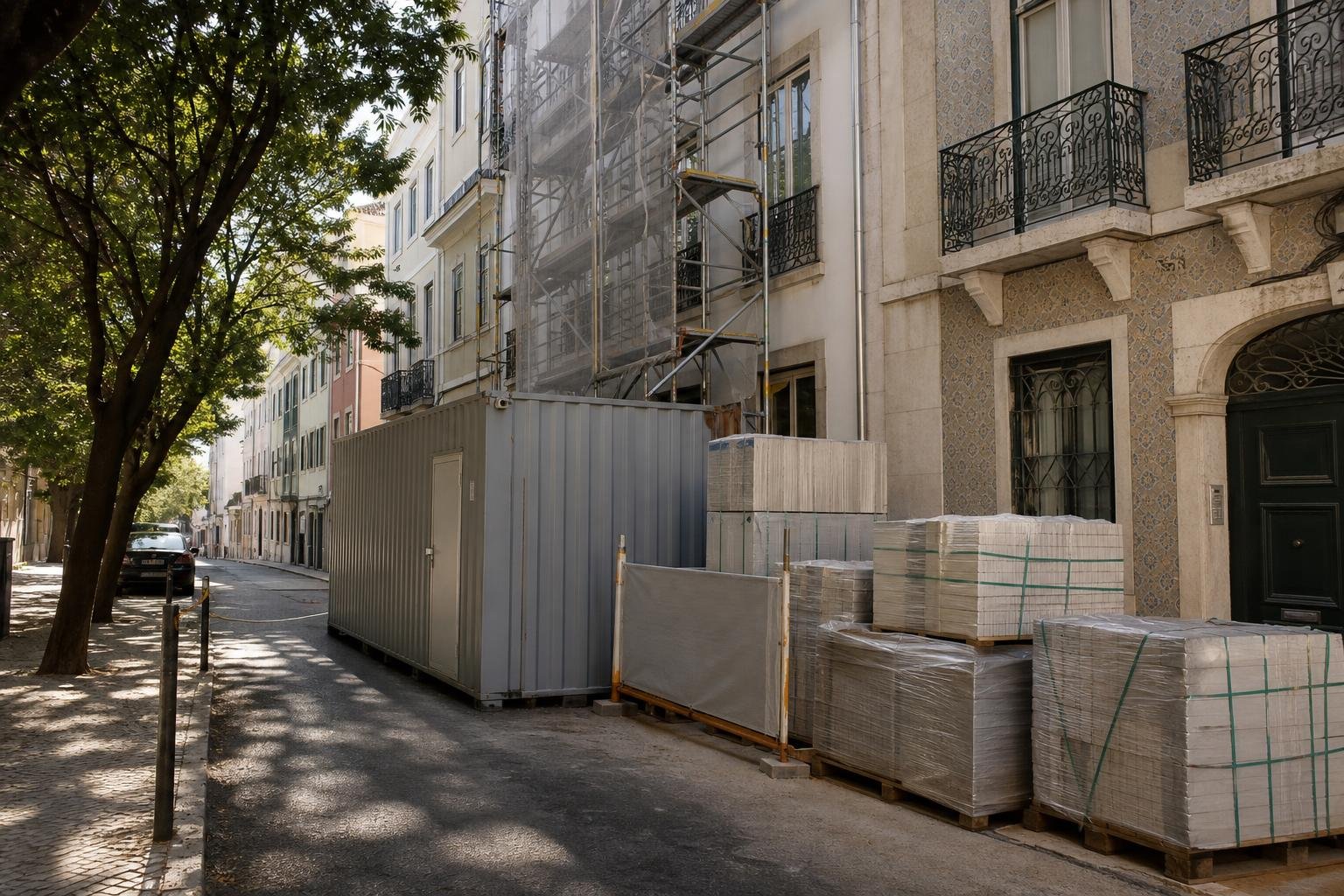
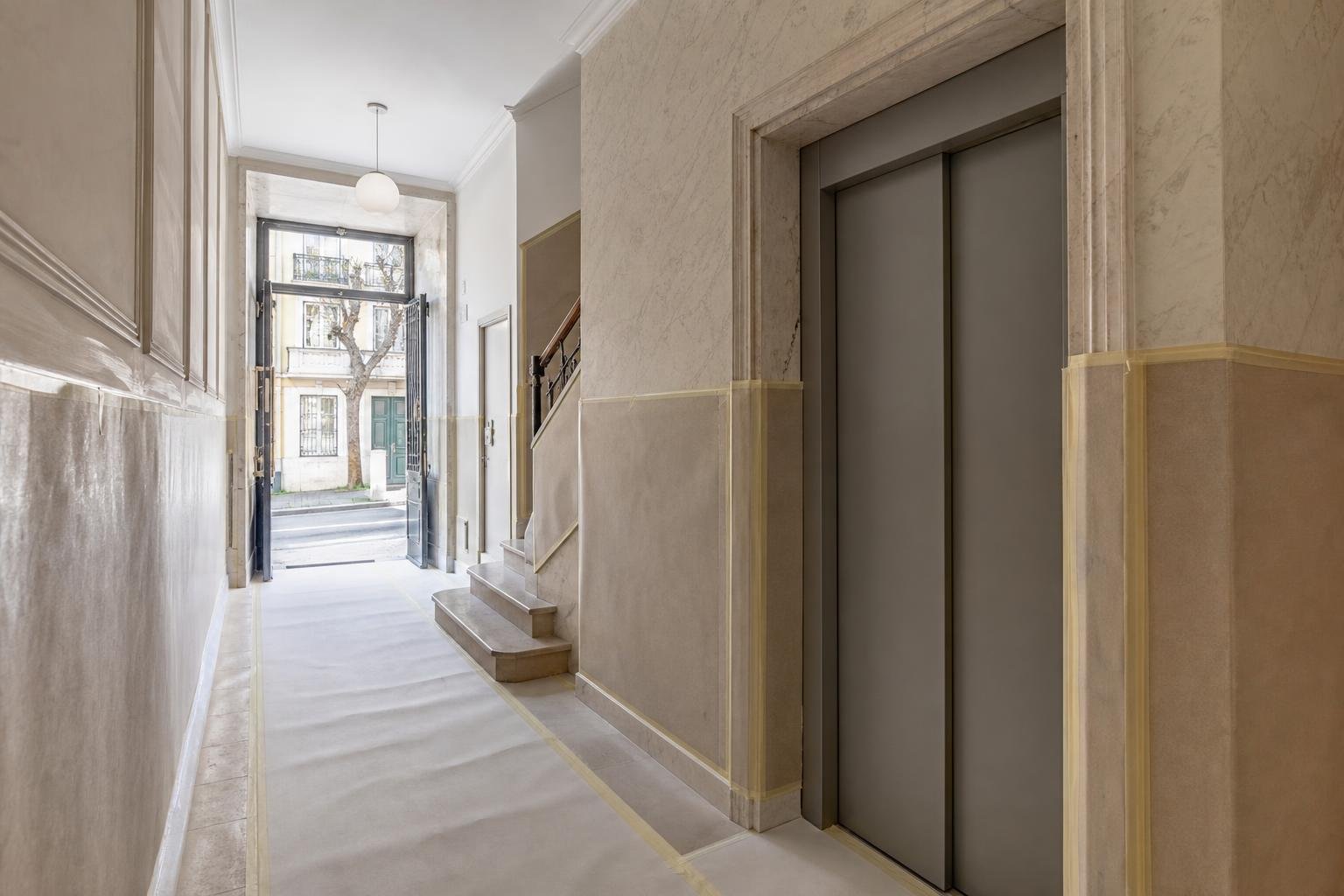
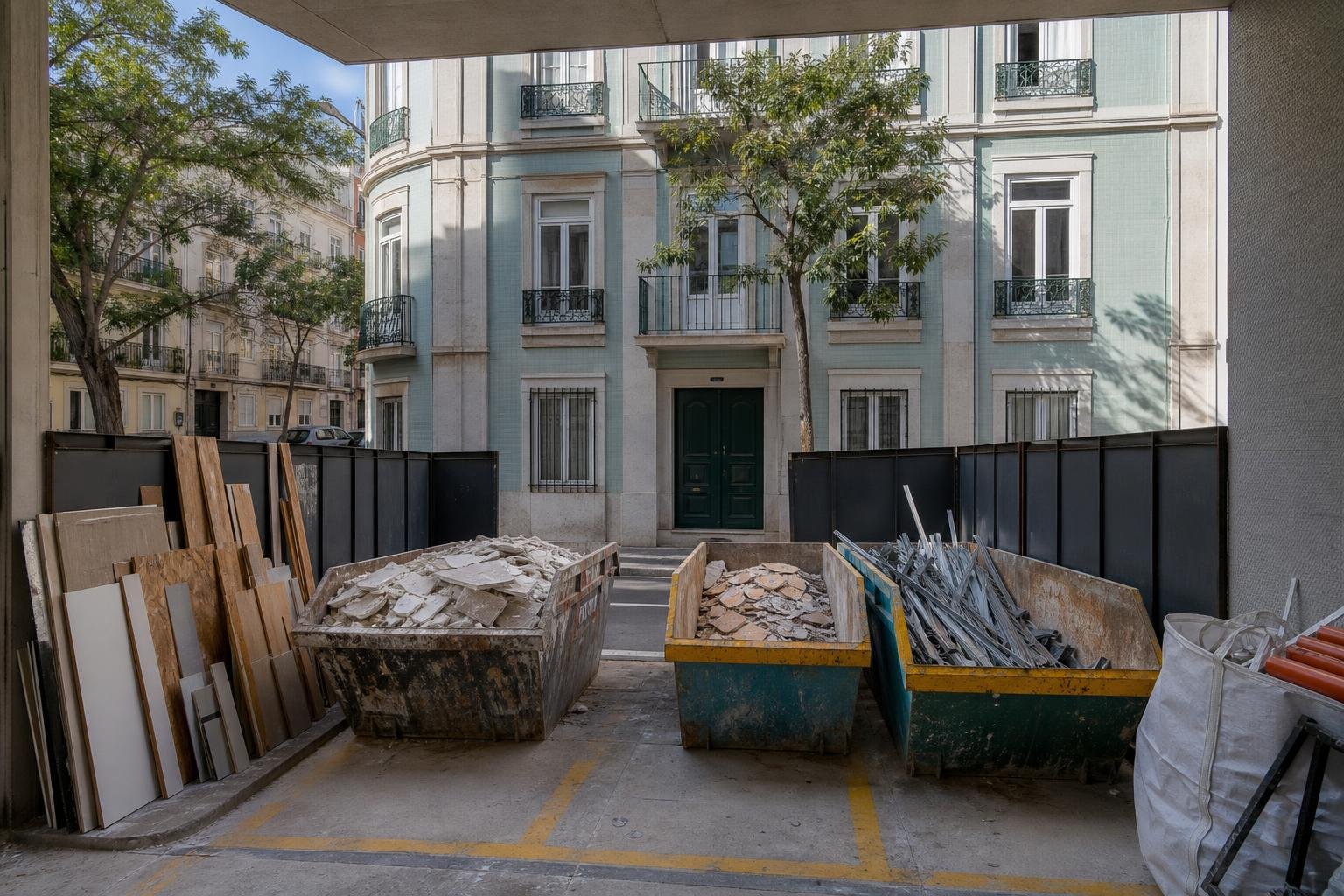
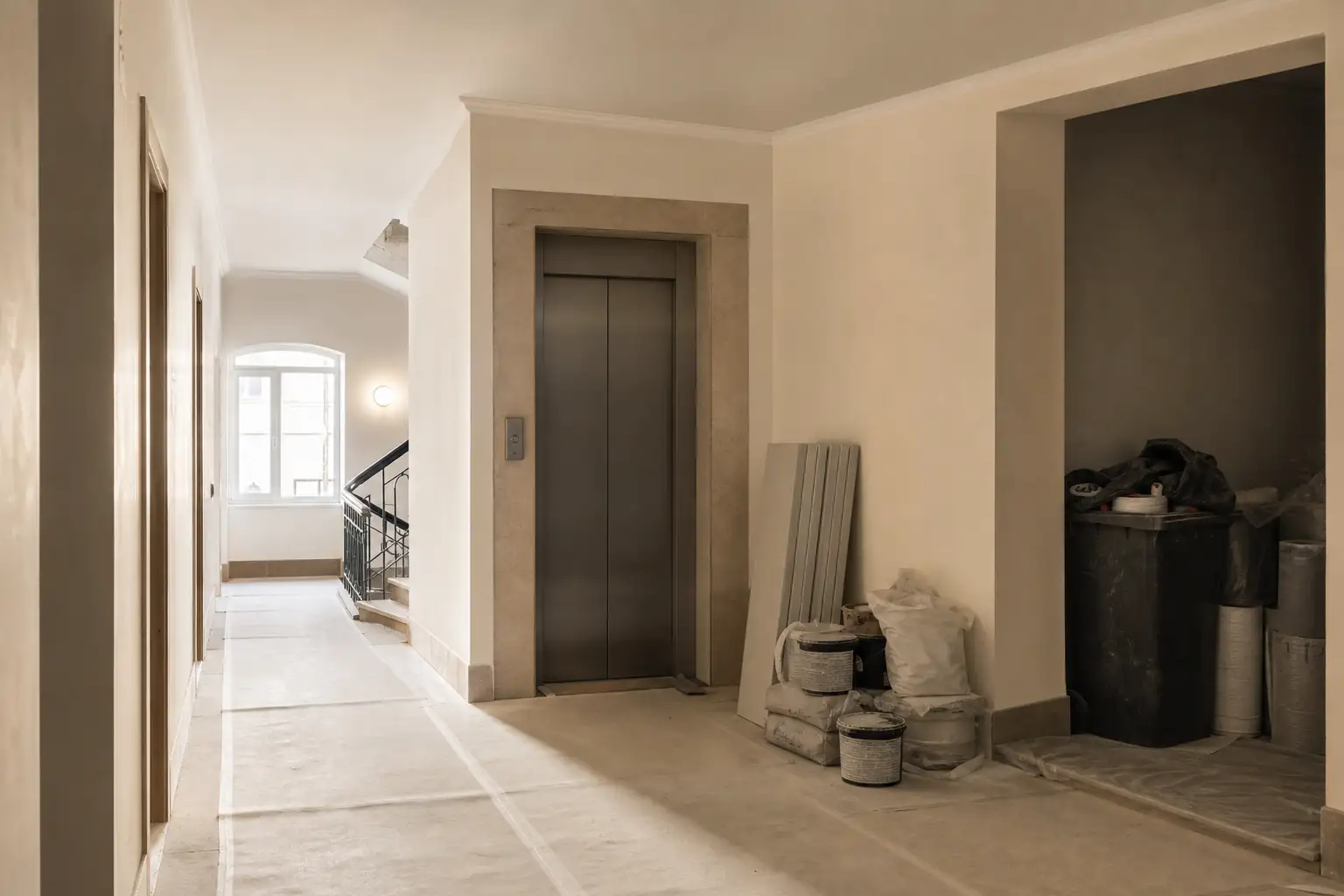
The success of apartment demolition also depends on the route materials take. How will waste leave the flat? Is there a service lift? What protection will be used in the entrance hall, stairwell and lift? Where can vans stop? Who cleans common areas each day? These answers should form part of the plan rather than being left to the team to improvise.
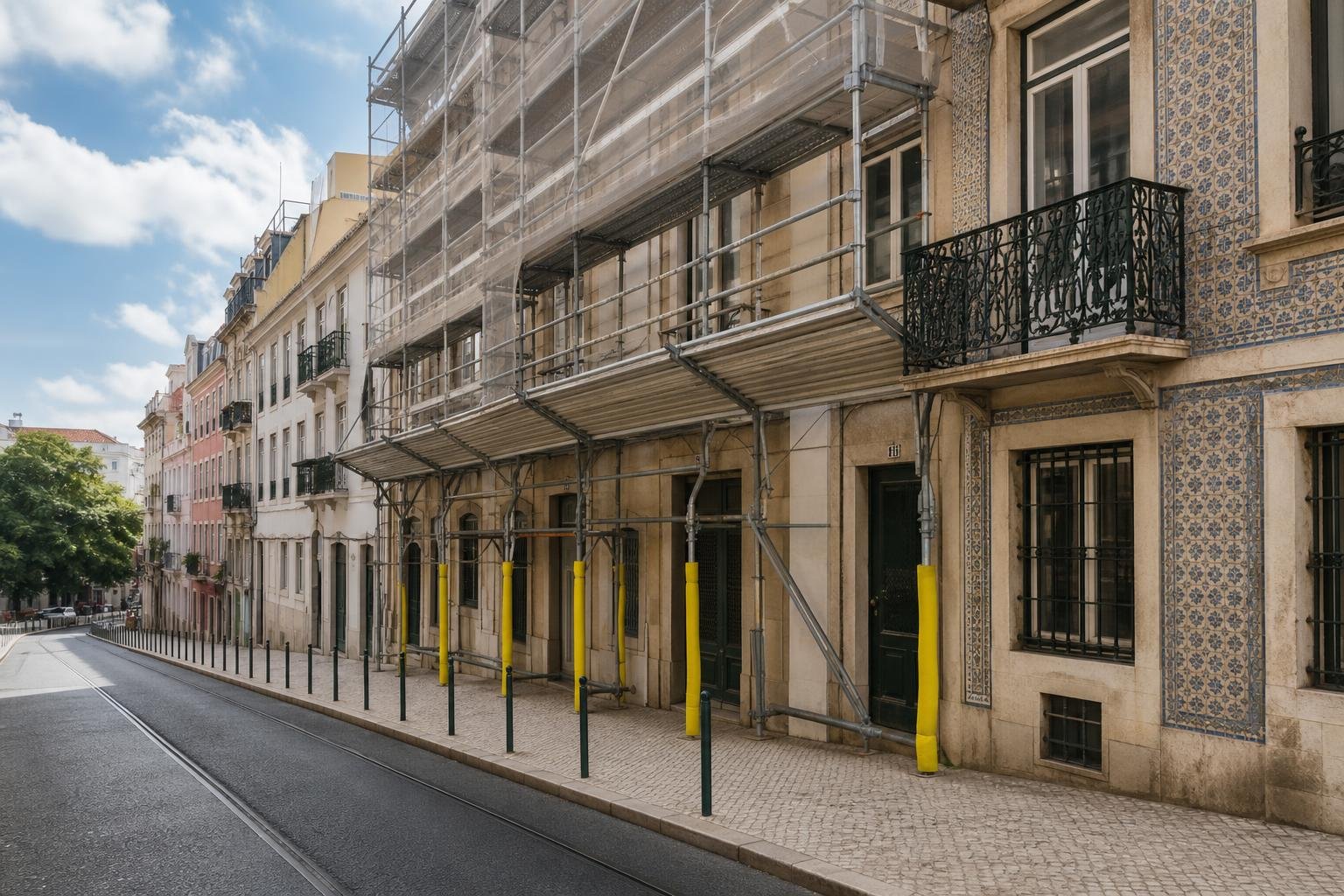
Where the project needs a skip, scaffold, material storage, hoarding or another use of the street, public-space occupation may be required. The municipal page on public-space occupation for works exempt from prior control describes the occupation plan and relevant situations. Check lead times, site conditions and the pedestrian route before ordering equipment.
Well-defined logistics reduce damage, complaints and idle time. They also improve safety: materials can be protected, routes kept clear, waste separated and work sequenced in a way that respects the building’s rules.
Choose a qualified team and record decisions in writing
Changing walls brings together several disciplines: controlled demolition, structure where relevant, plumbing, electrical work, ventilation, finishes and making good. Choose professionals with experience of this type of intervention and check the company’s status through official channels. The IMPIC consultation portal provides areas to check authorisations and other relevant information about construction firms.
Before work starts, request a clear description of what will be removed, retained, reinforced, made good and tested. Agree who may approve changes, how additional work will be recorded, which protections will be used and how handover will take place. Photos of the initial condition and records of services before they are covered are valuable for future maintenance.
Noise deserves the same attention. In Lisbon, construction work is treated as a temporary noisy activity; the municipal information on the special noise licence explains the framework for situations requiring authorisation. Even where a special licence is not needed, notify building management and neighbours about working hours, the noisiest phases and a contact person.
Want to open up your home without creating hidden problems? Obra Lisboa can help assess the intervention, coordinate the required disciplines and plan a renovation around clear technical decisions from day one. You can also learn why construction supervision matters for quality, sequencing and delivery.
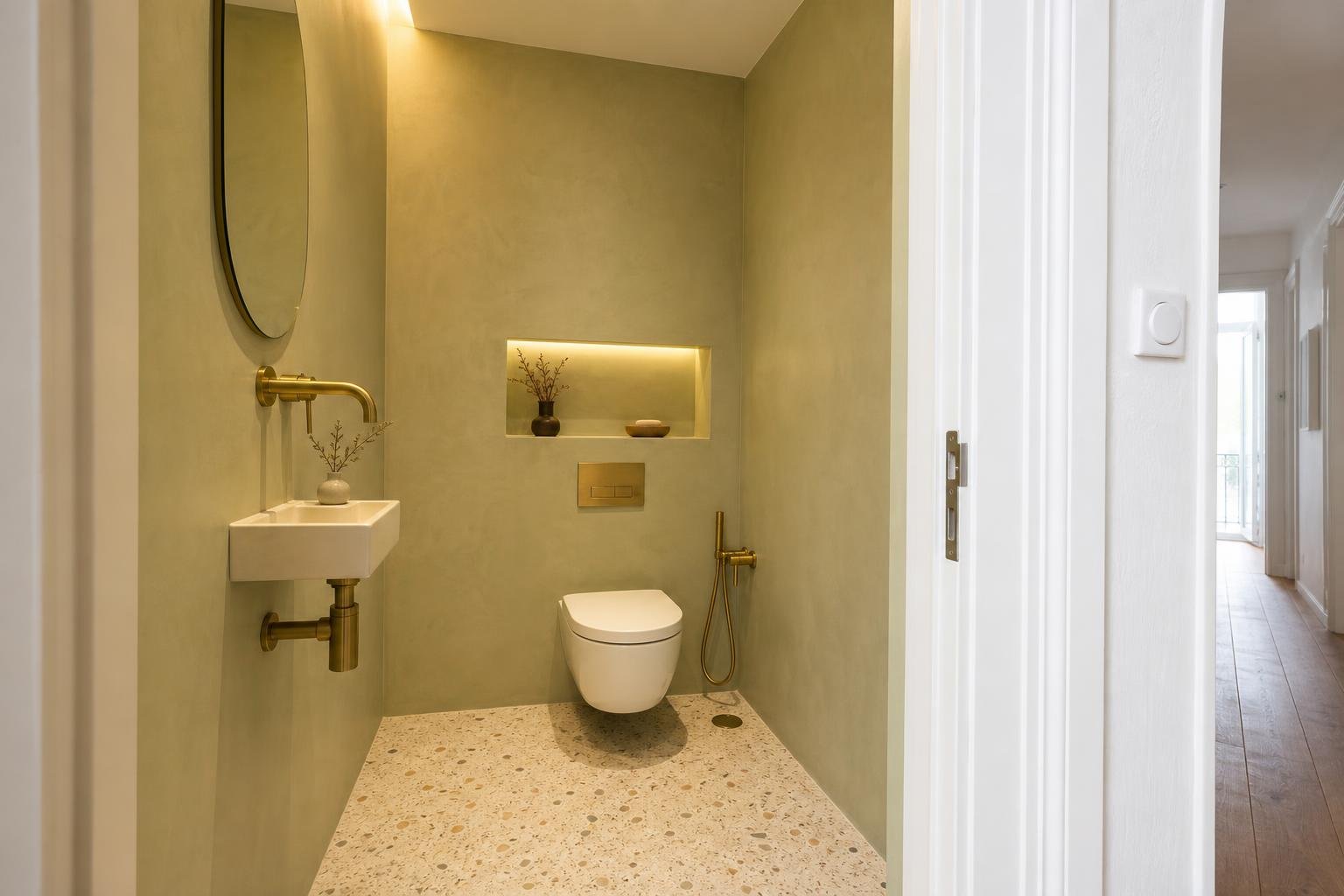
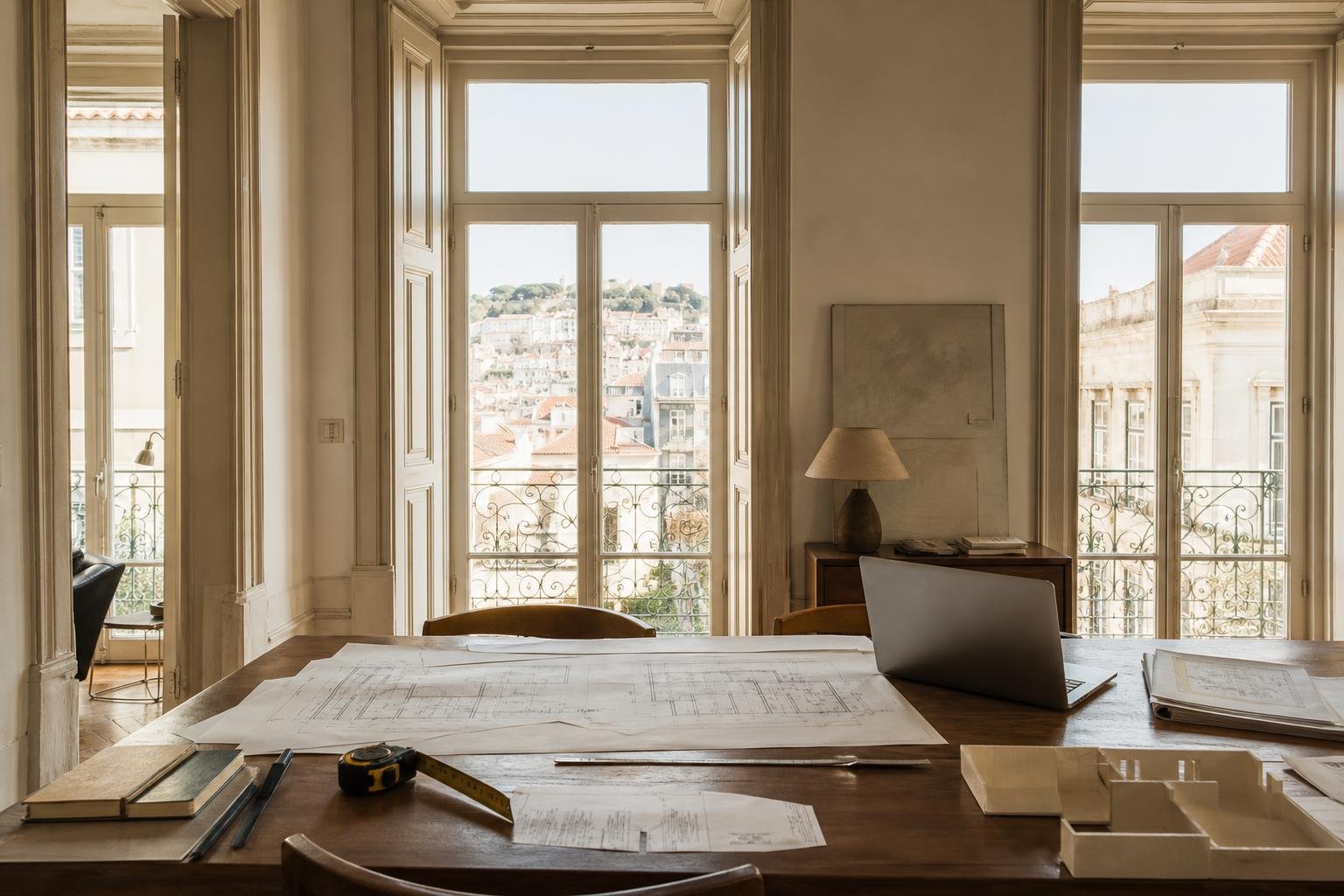
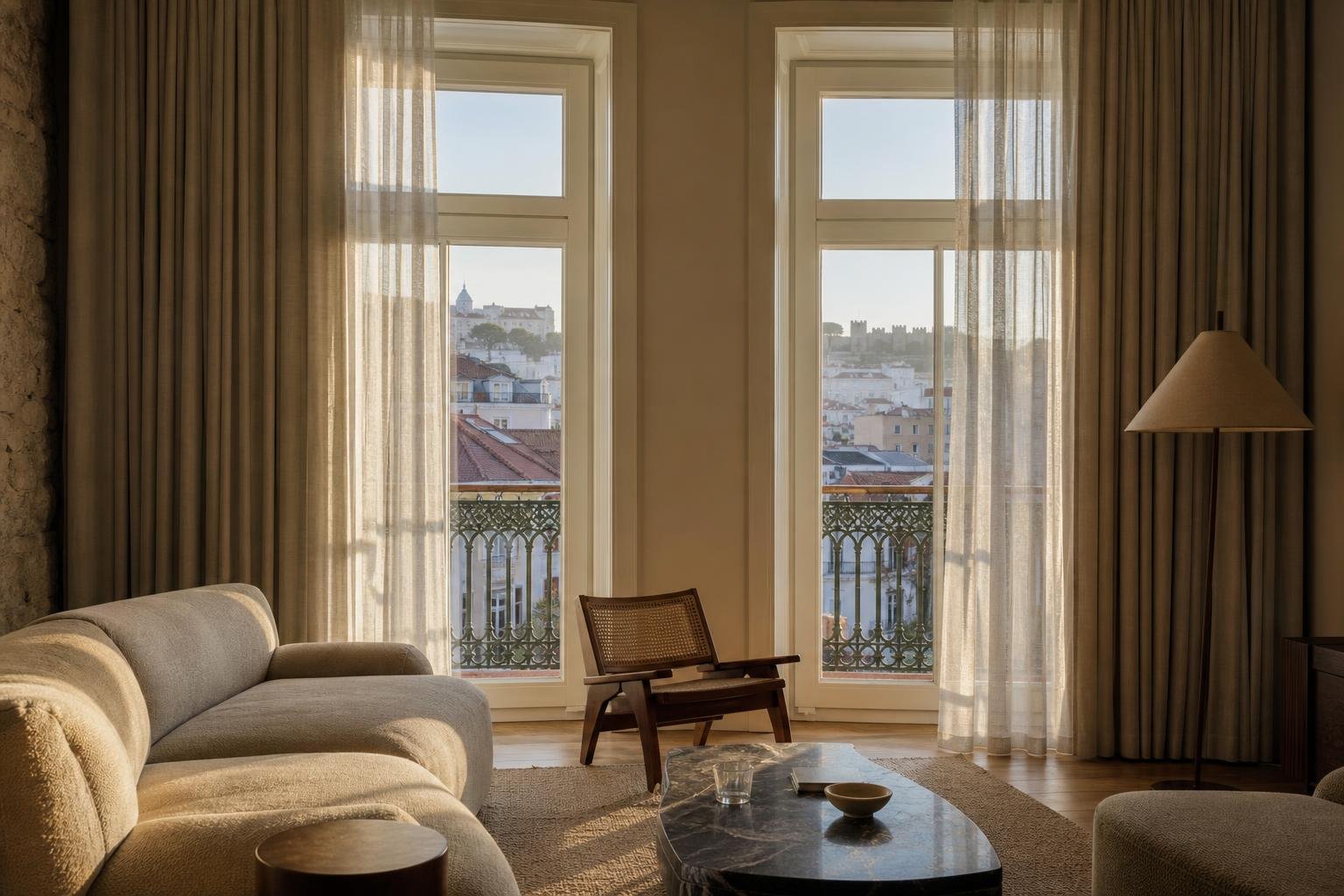
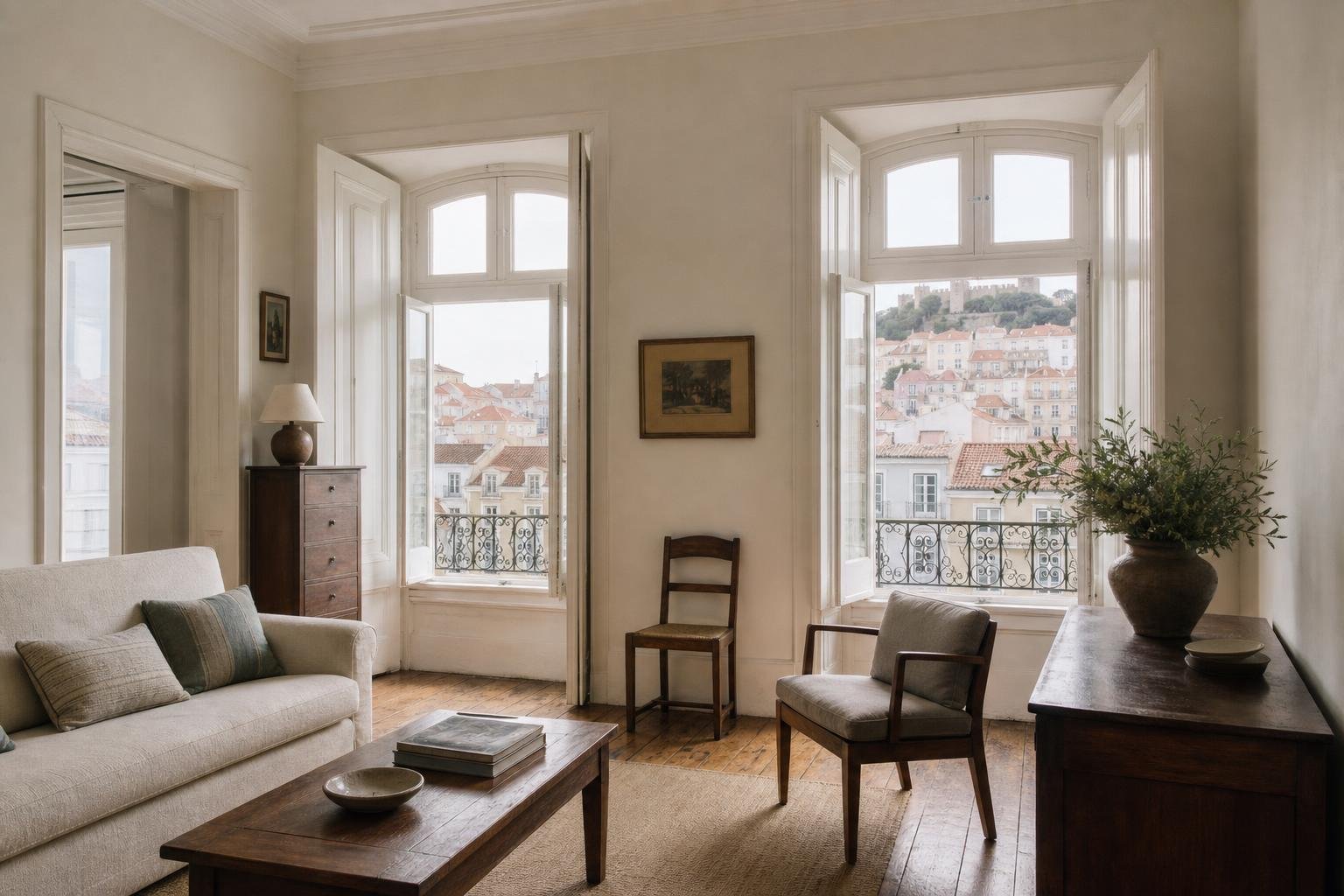
AI-generated editorial image; it does not depict an Obra Lisboa project.

Obra Lisboa