Building rehabilitation: preserving character while improving performance
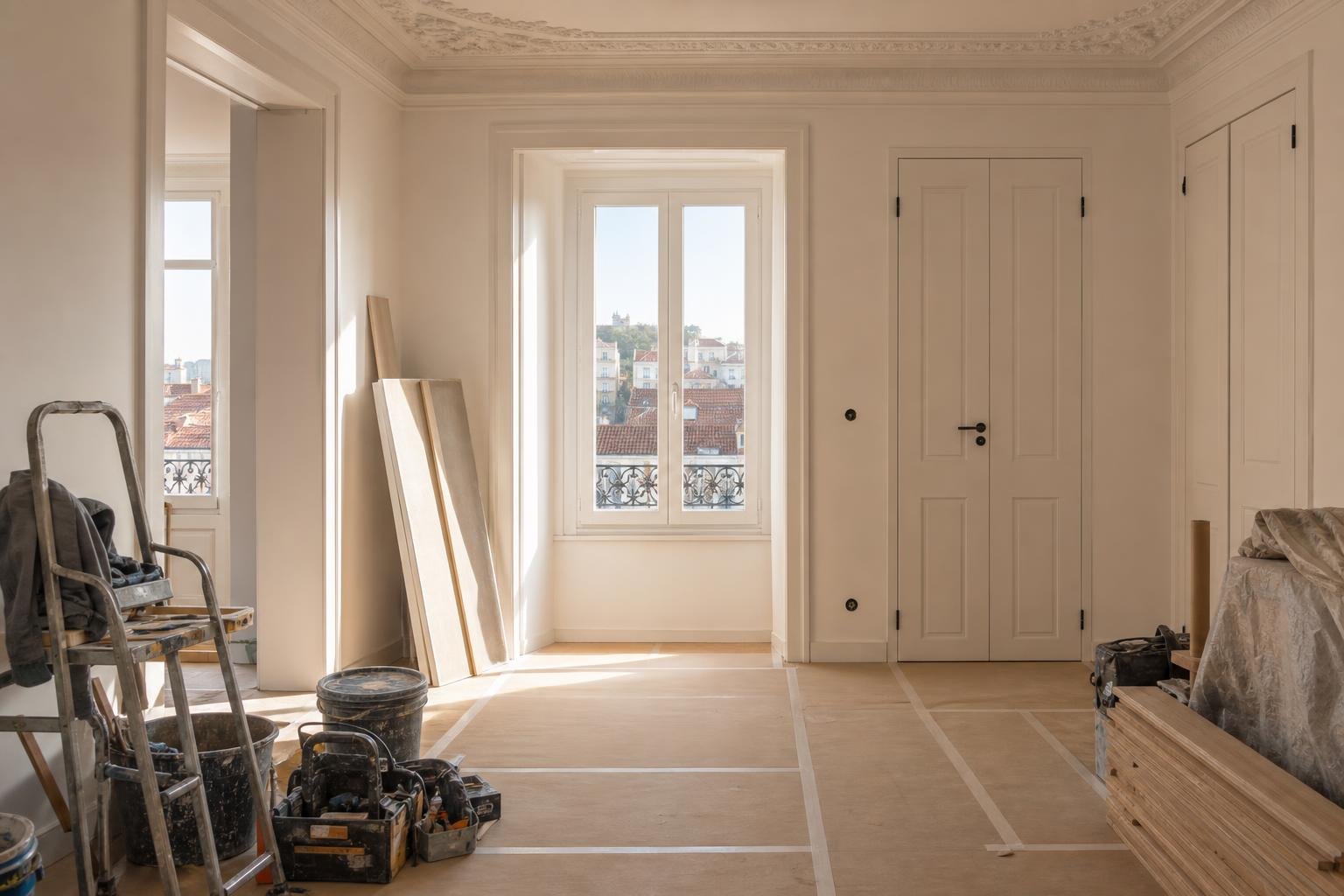
Rehabilitating an older building requires more than replacing finishes. The project must understand how the existing structure was built, why defects developed and which elements carry architectural or cultural value.
Begin with evidence
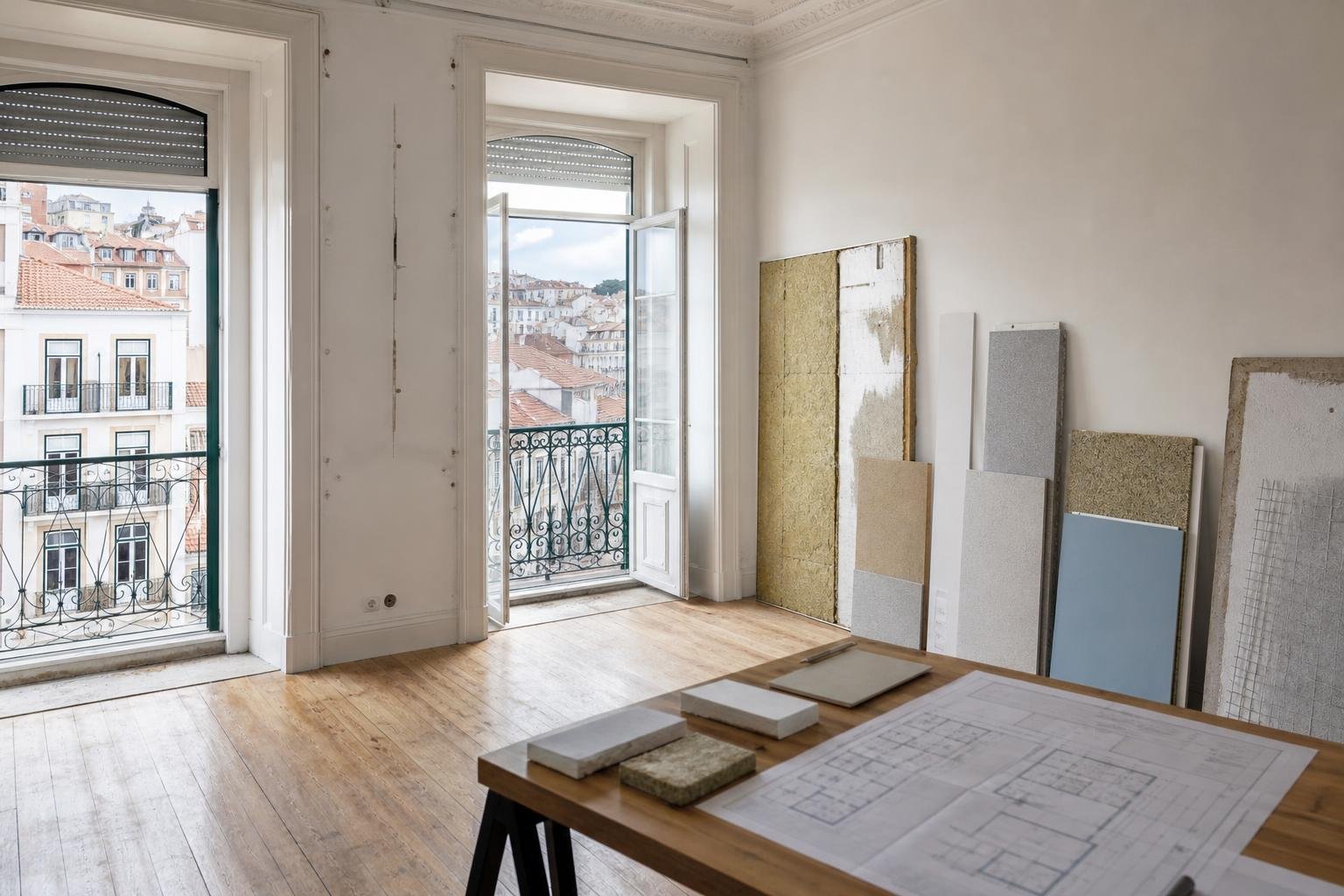
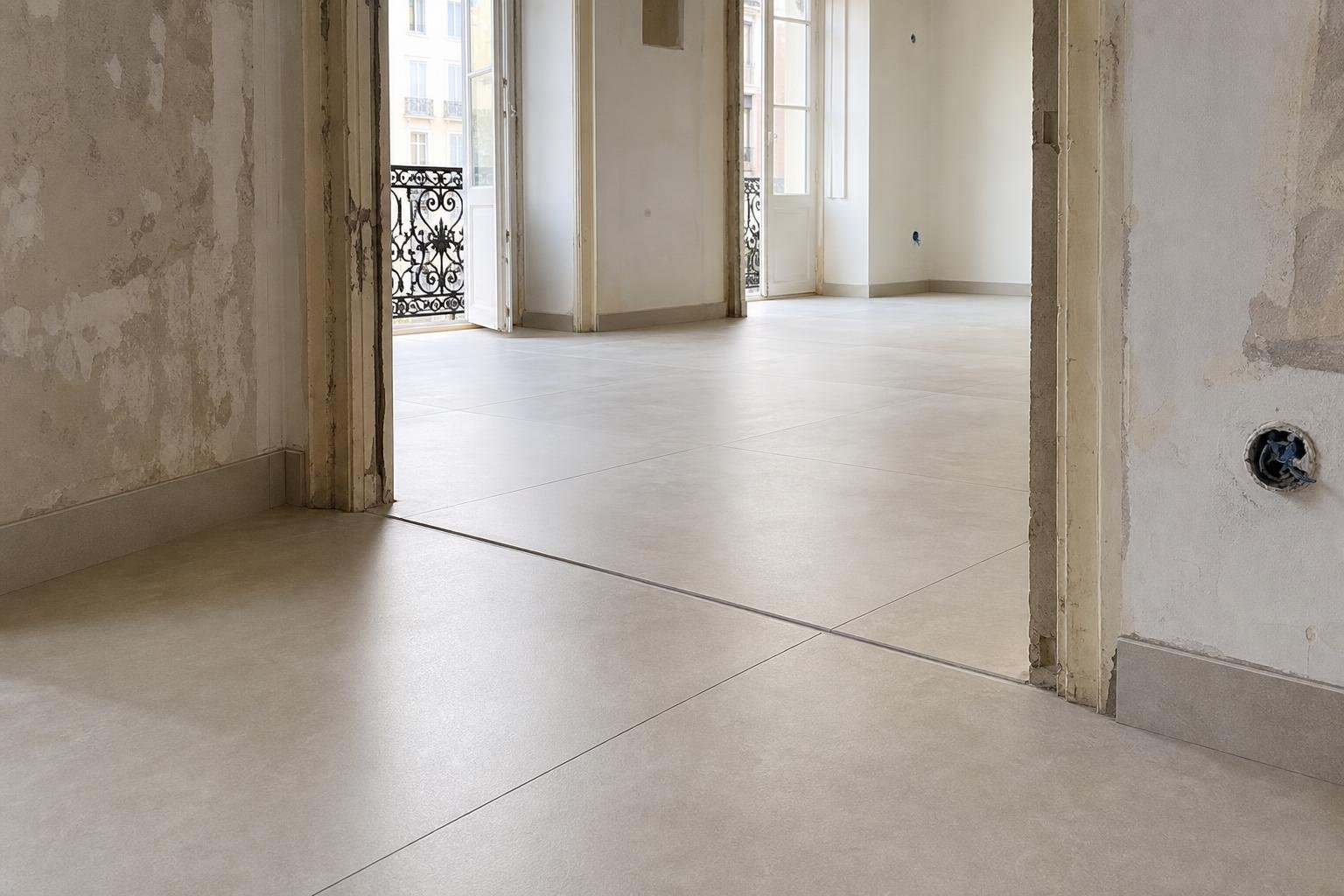
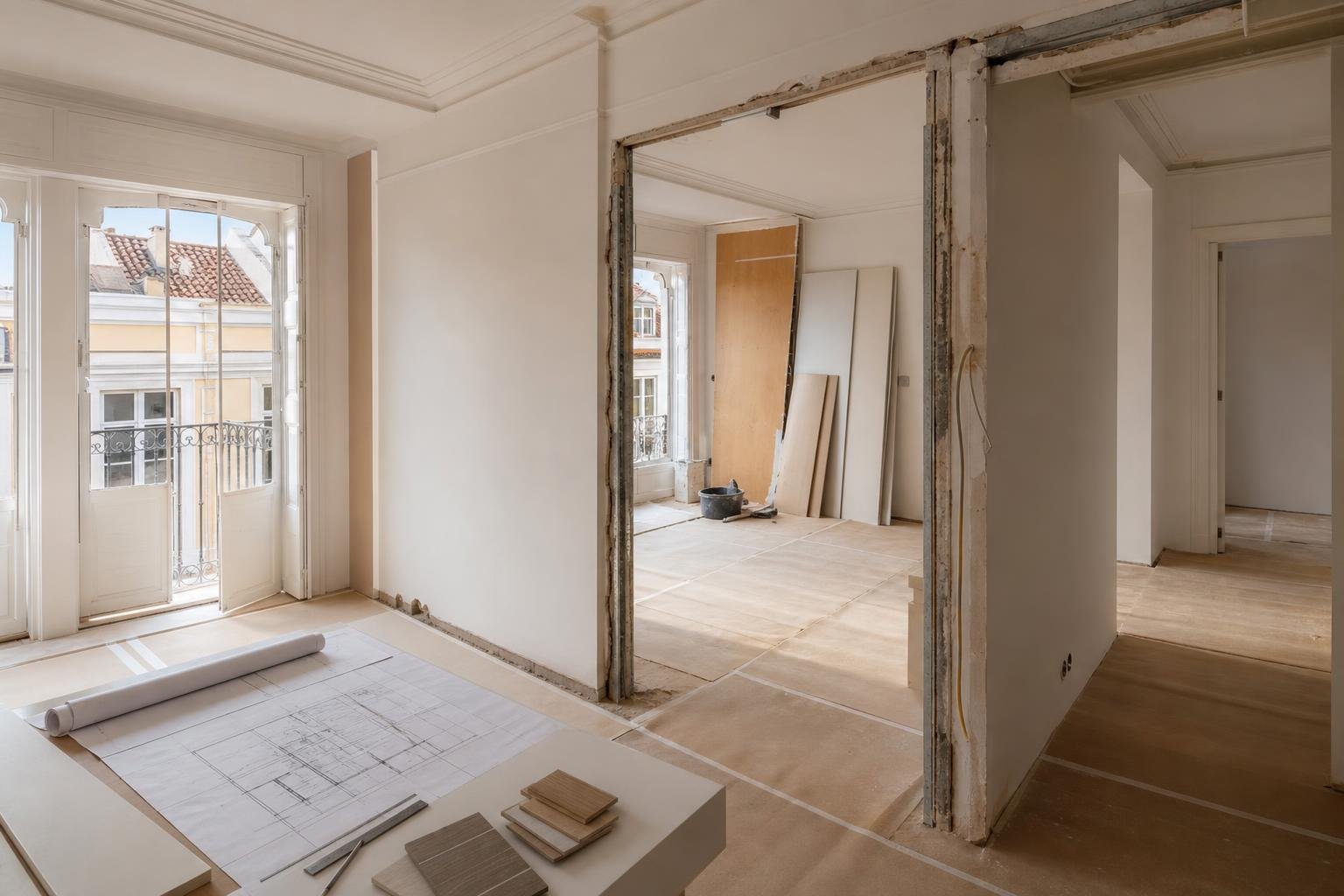
A measured survey, condition inspection and review of available records help distinguish superficial damage from structural, moisture or service-related problems. Opening-up work may be needed before the final design is confirmed.
Work with the existing building
Traditional walls, timber floors and roofs often behave differently from modern construction. An incompatible coating or insulation build-up can trap moisture and accelerate deterioration. New systems should be selected with the existing materials in mind.
Prioritise repair over replacement
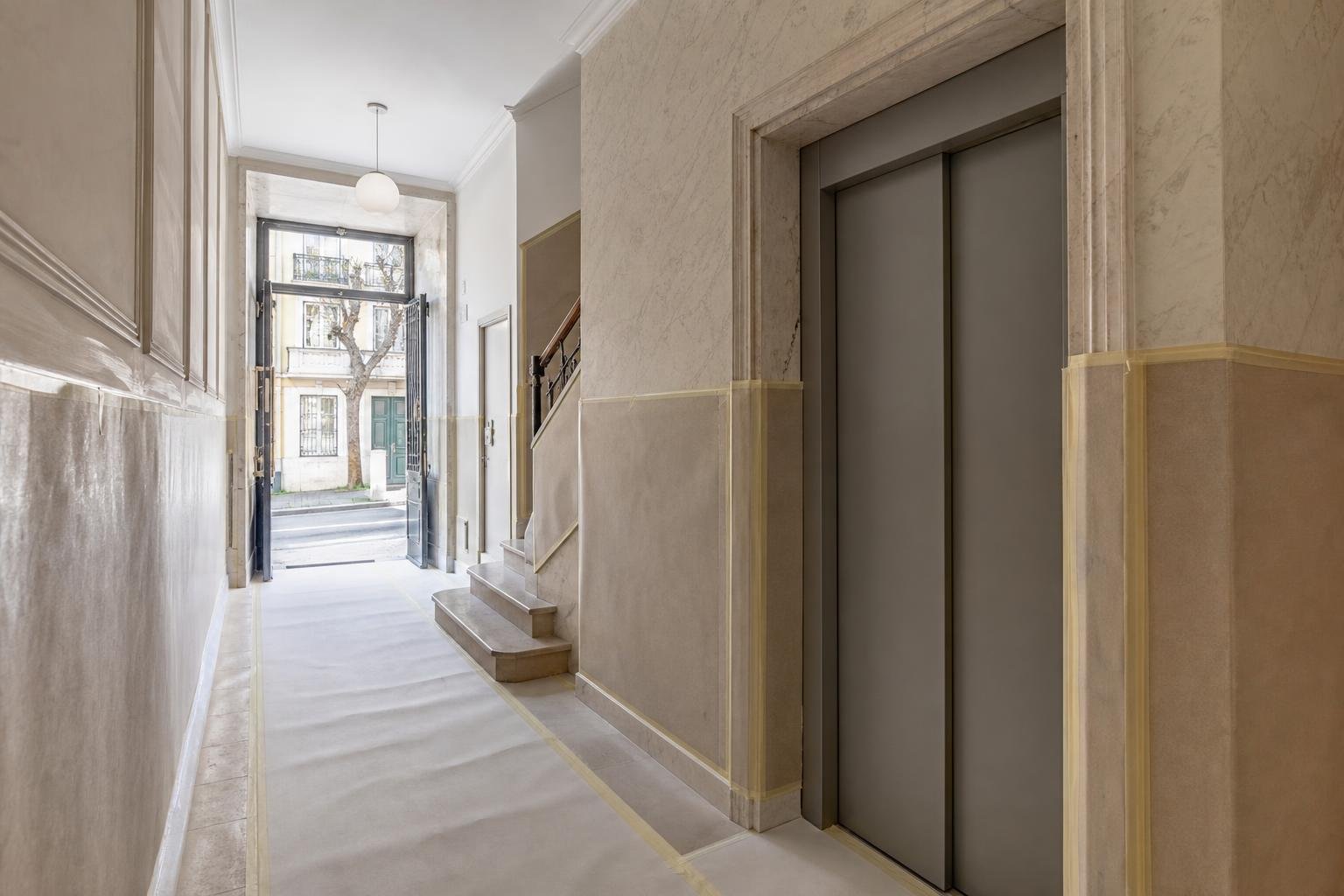
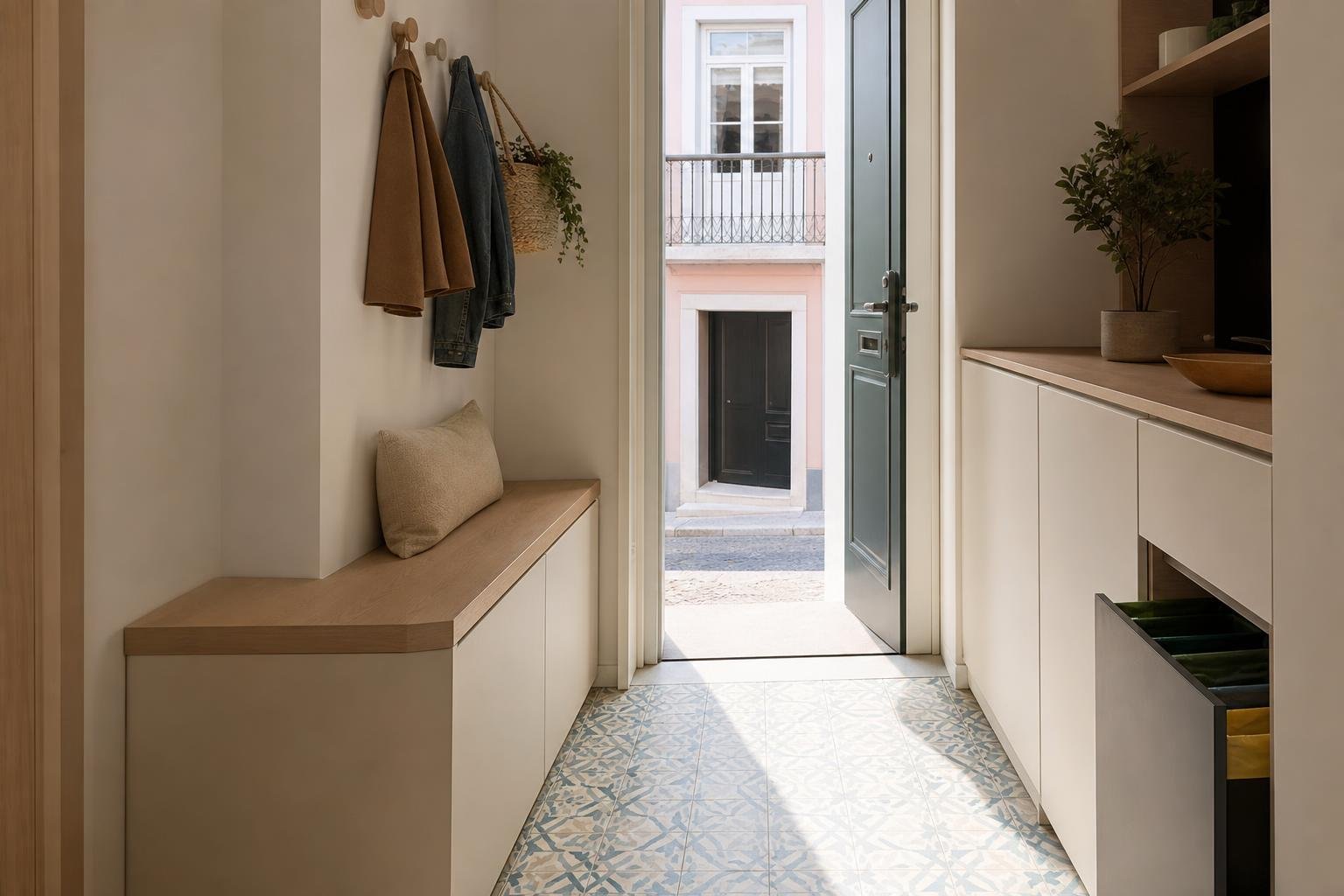
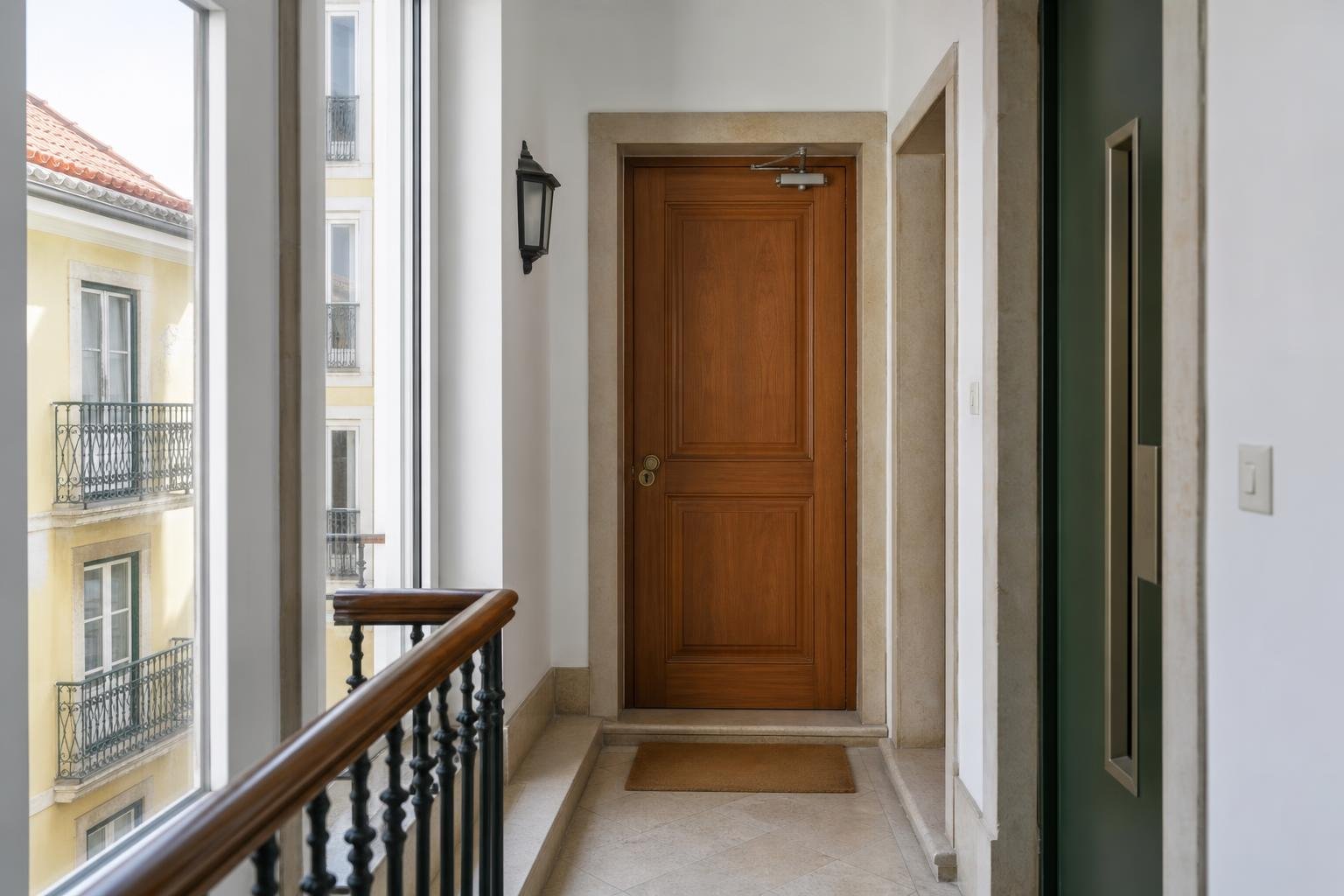
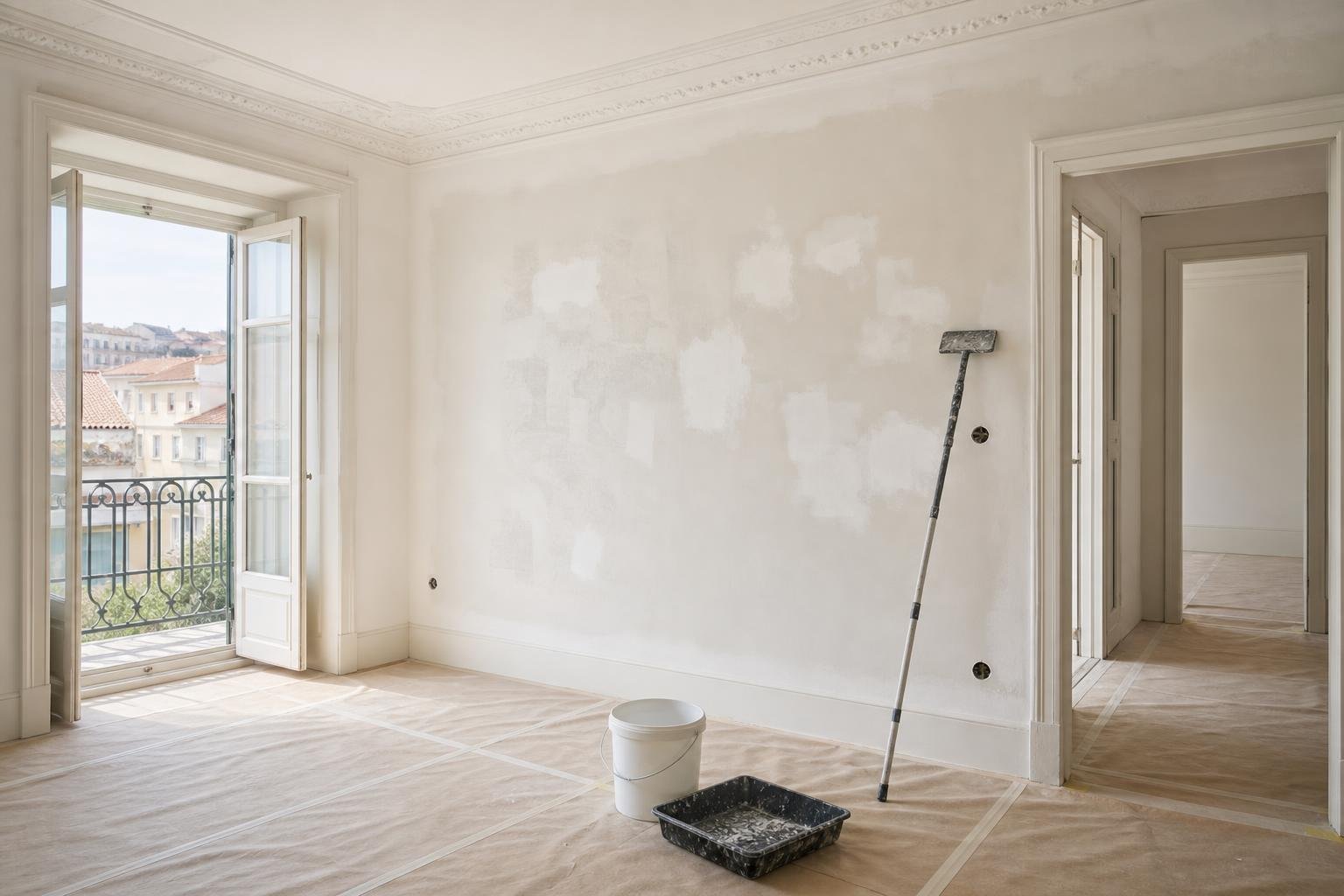
Doors, stonework, tiles, plaster and timber elements can often be repaired. Retaining sound material preserves character and may reduce waste, but the decision should follow a technical assessment rather than appearance alone.
Coordinate modern requirements carefully
- Structural safety and stability.
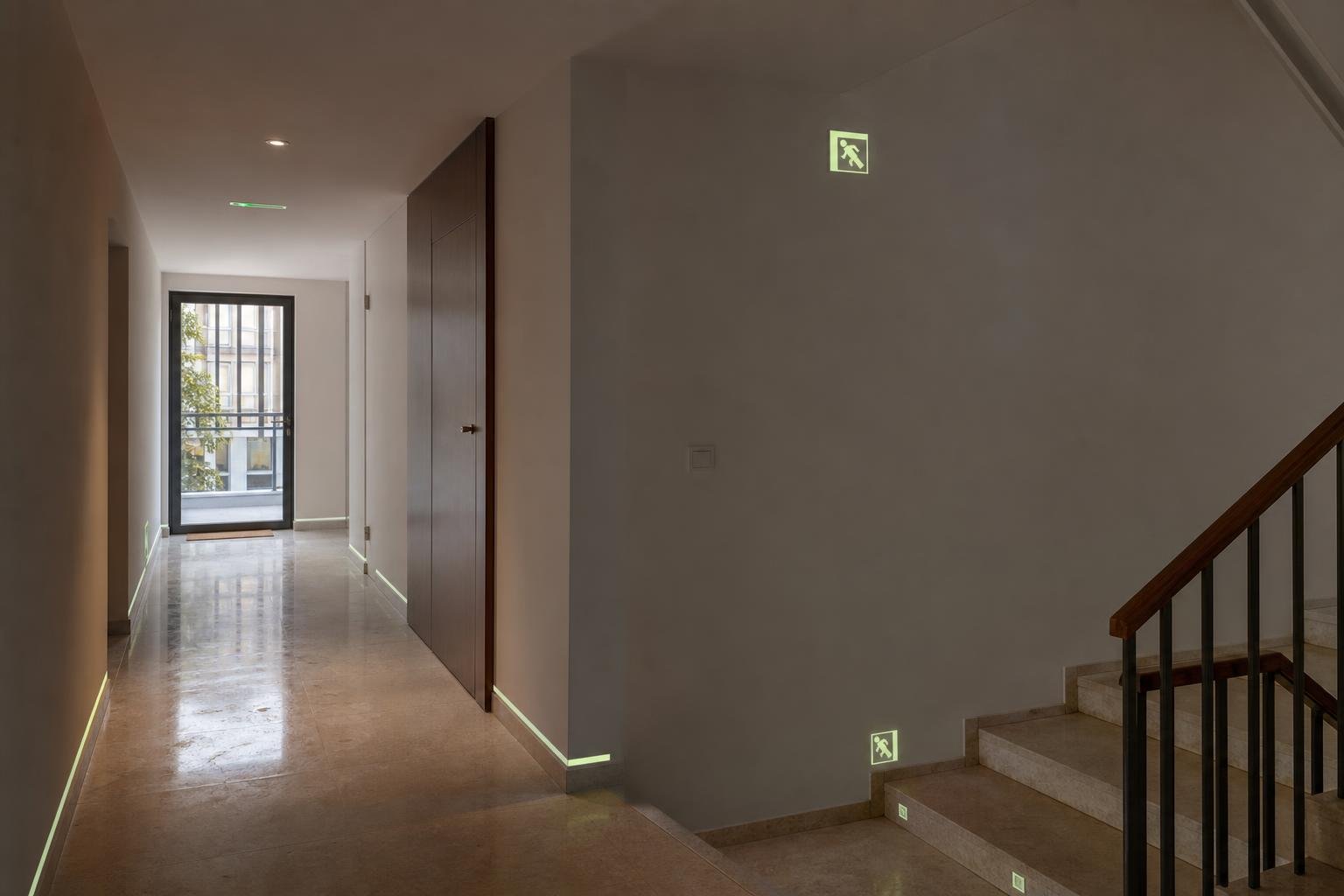
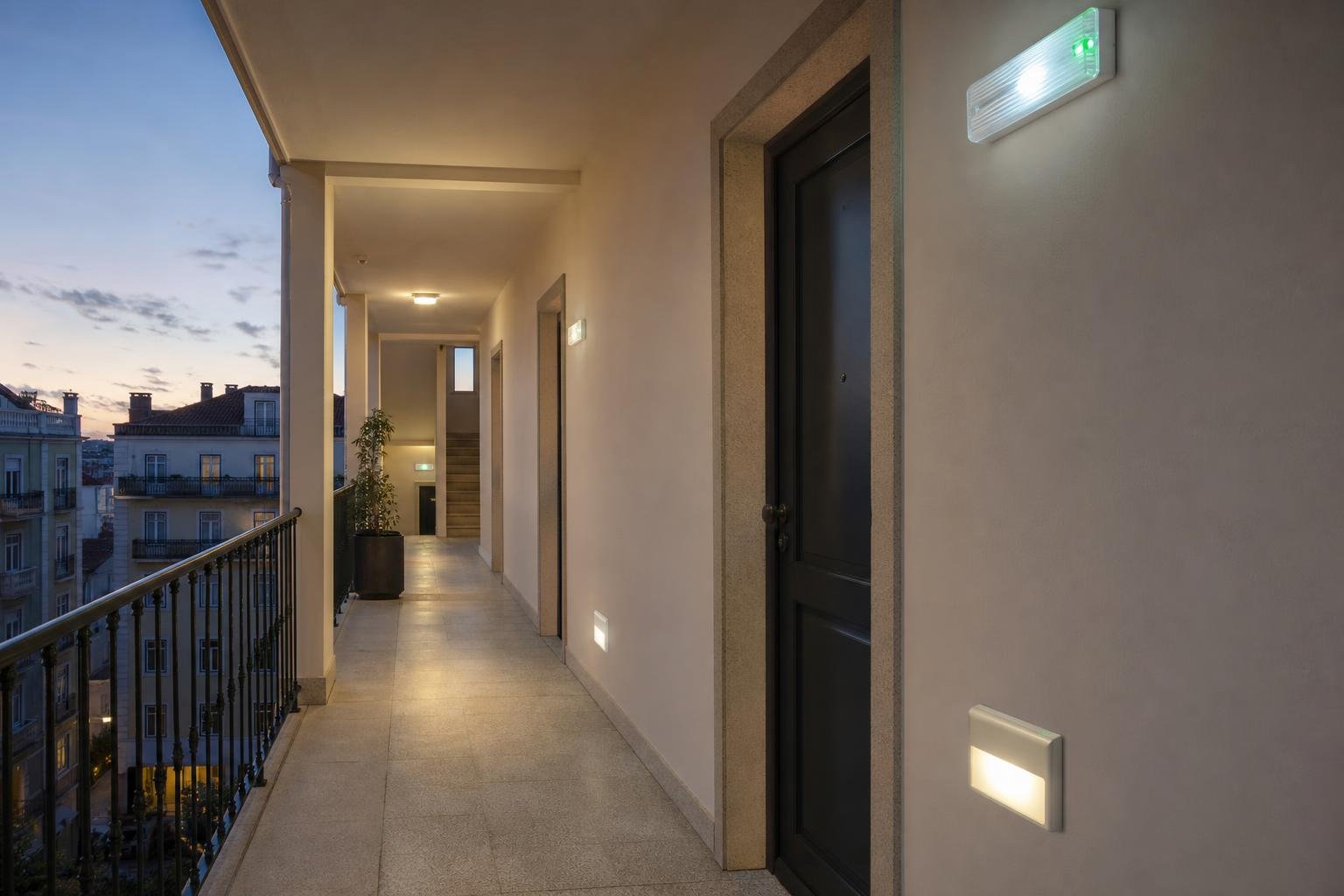
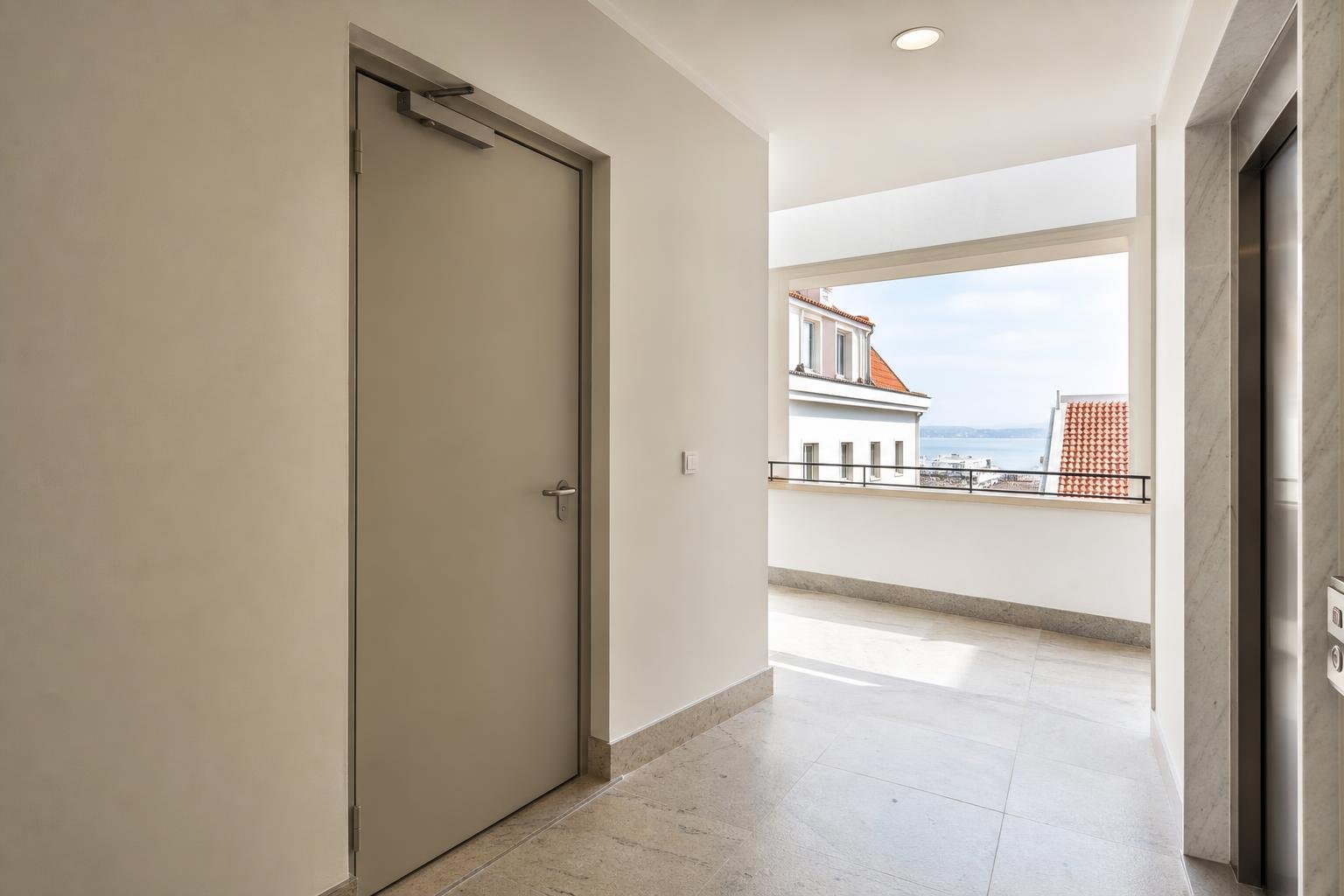
- Fire performance and safe escape.
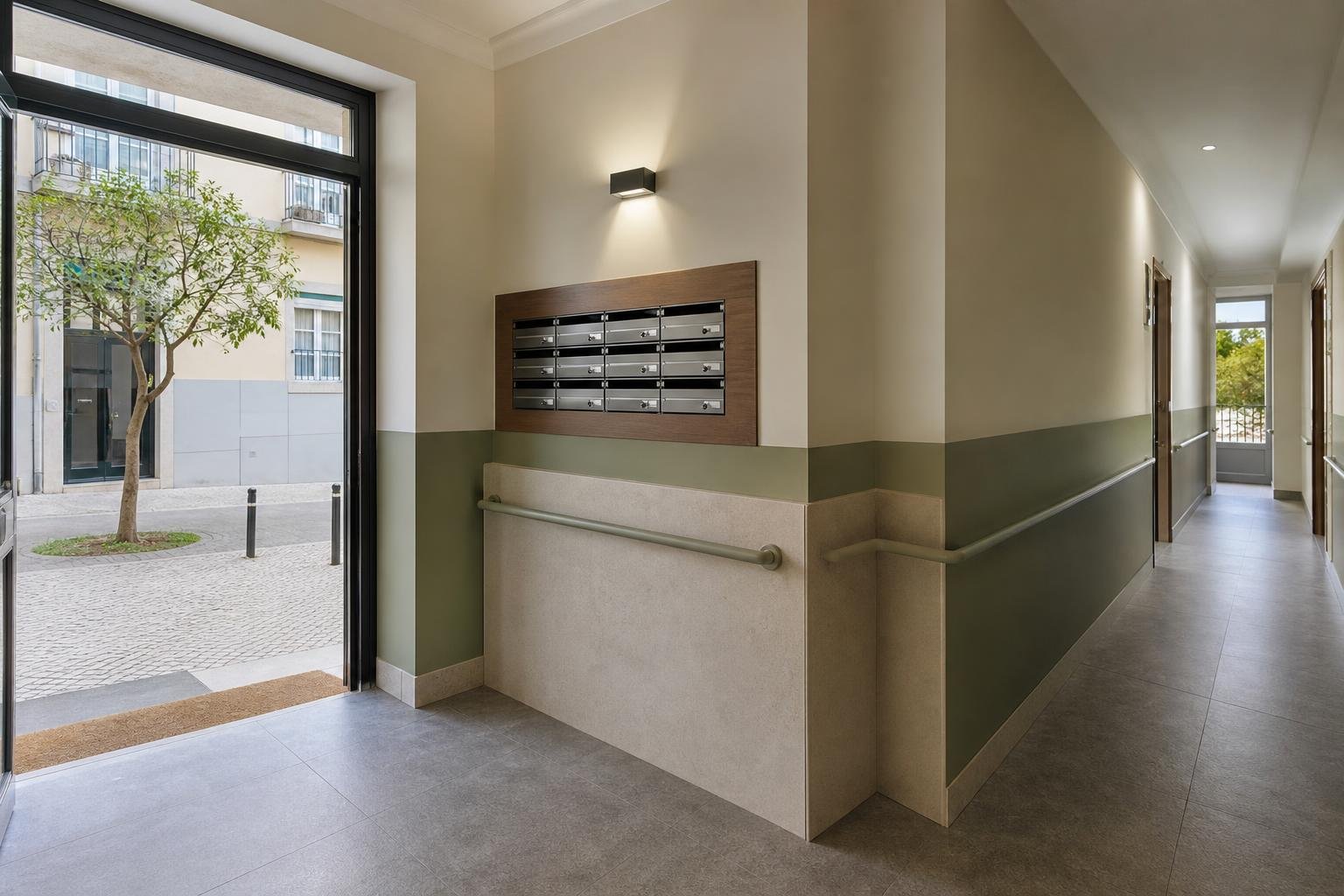
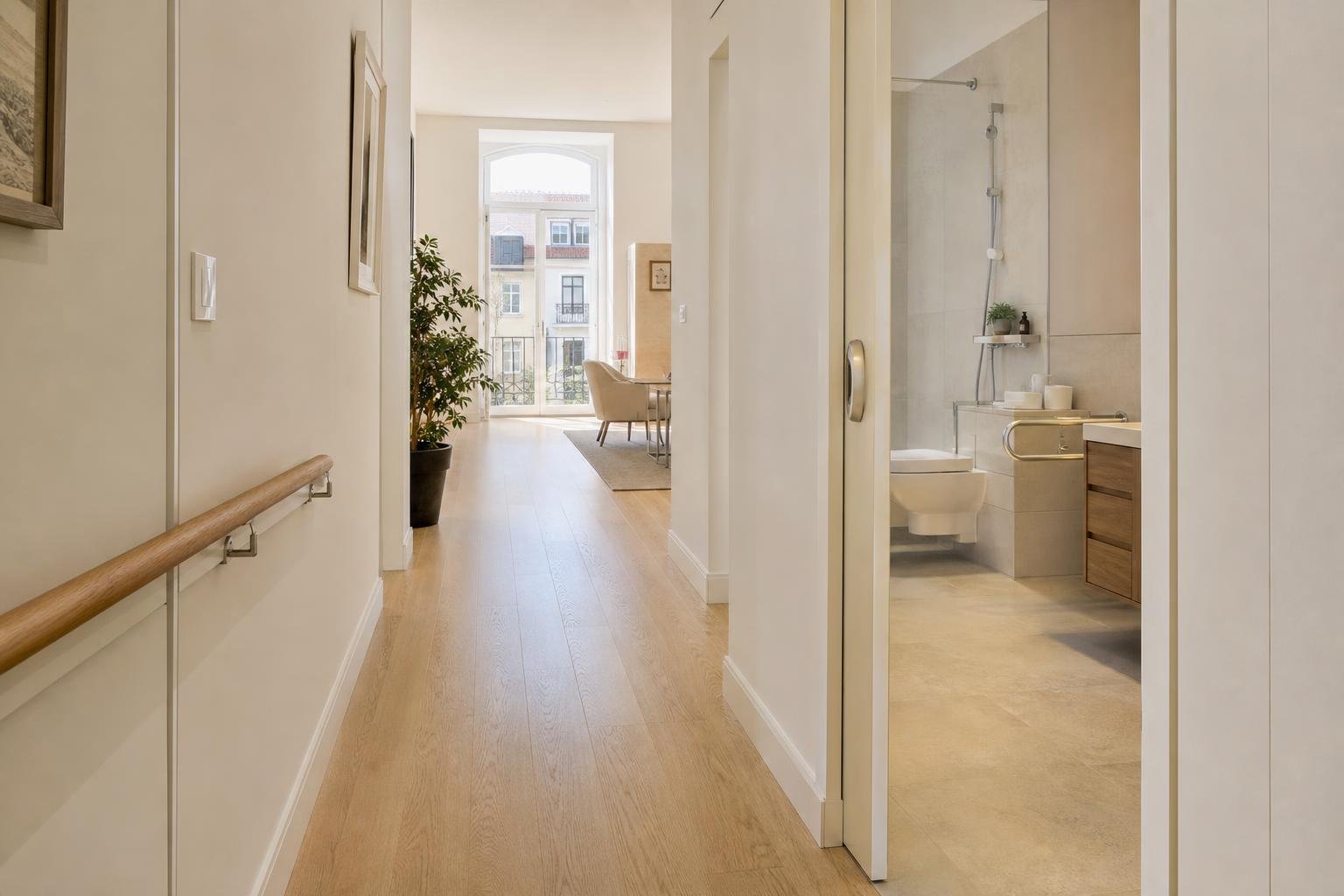
- Accessibility where applicable.
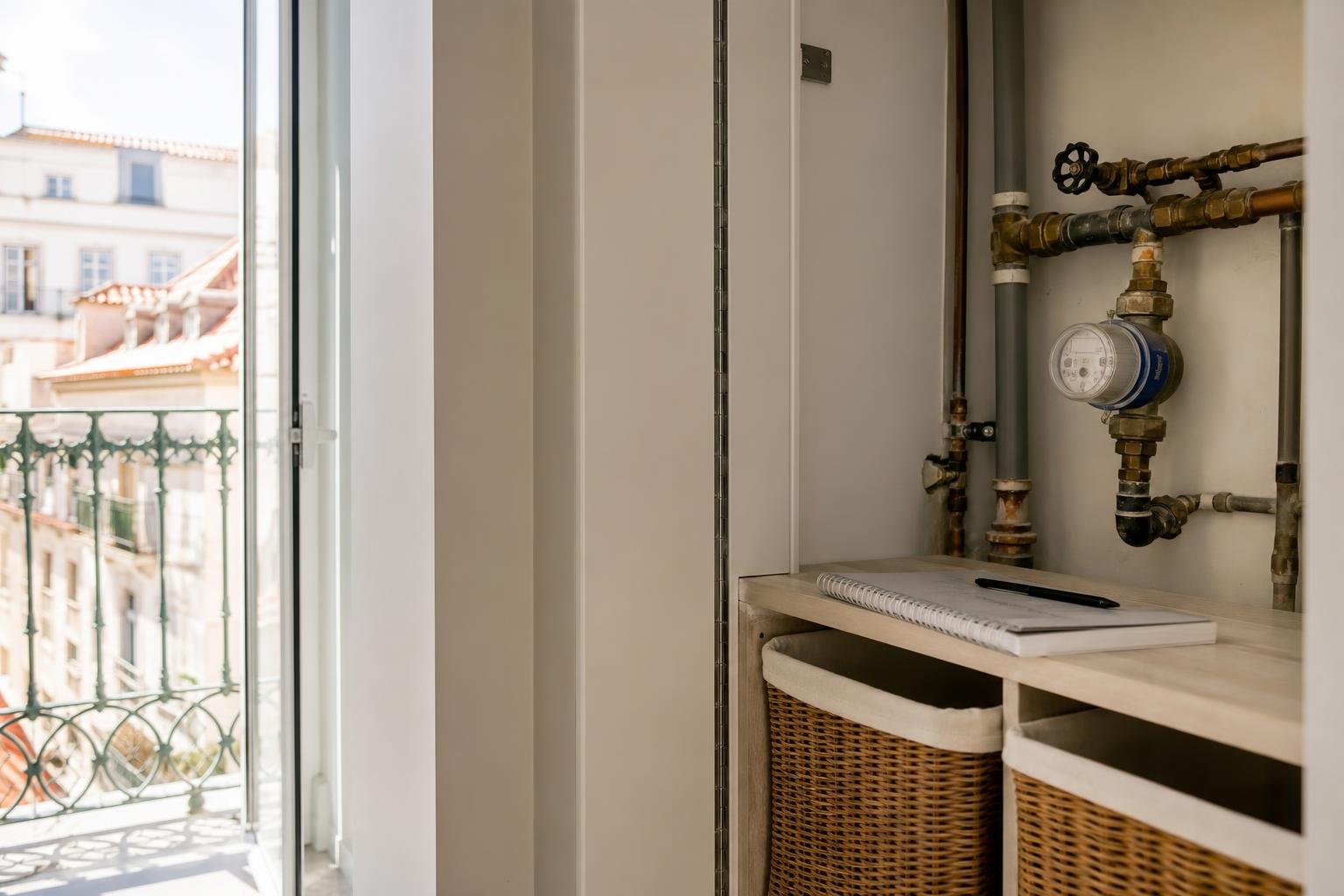
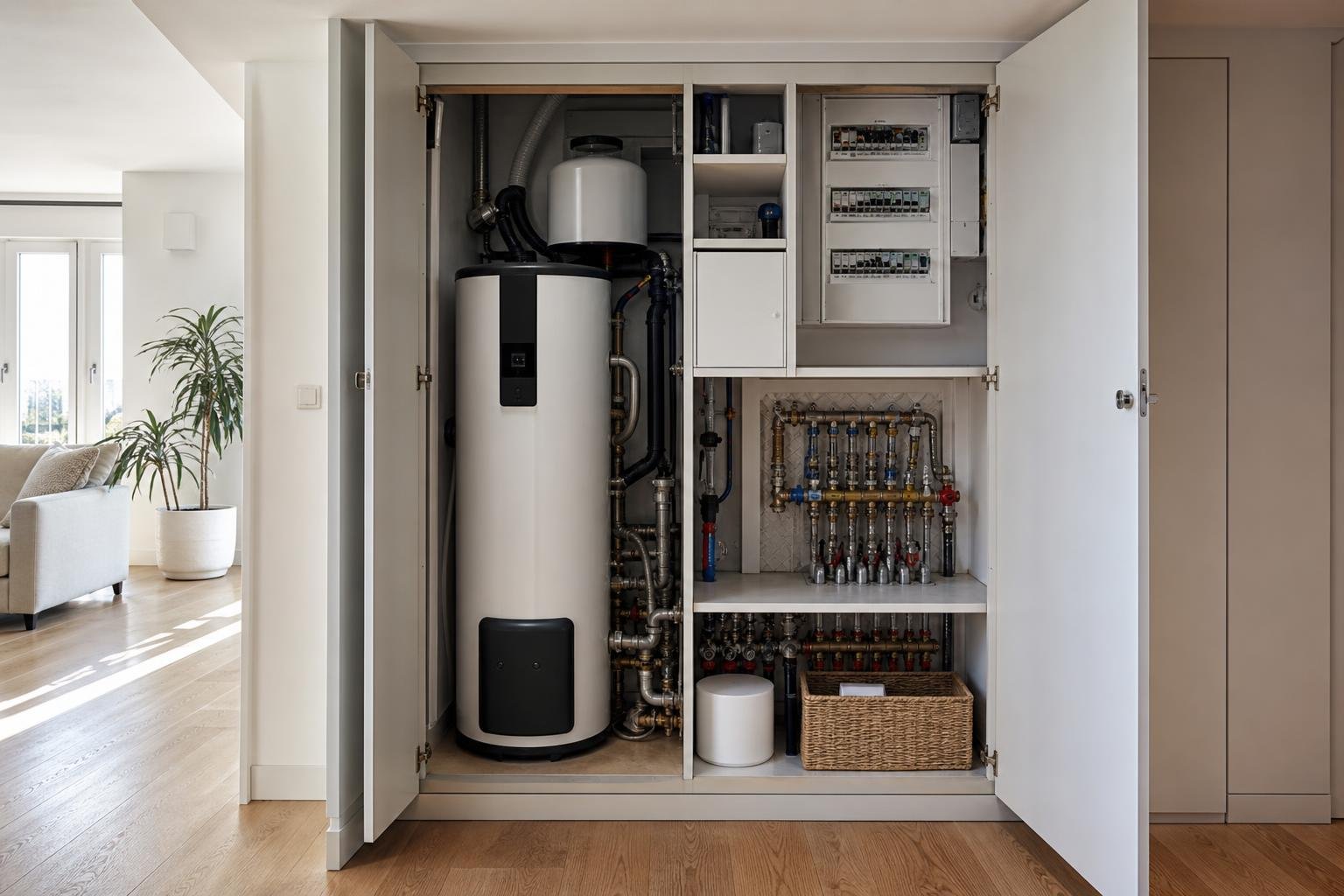
- Electrical, plumbing and ventilation upgrades.
- Thermal and acoustic comfort.
- Planning and heritage constraints.
Control moisture before finishes
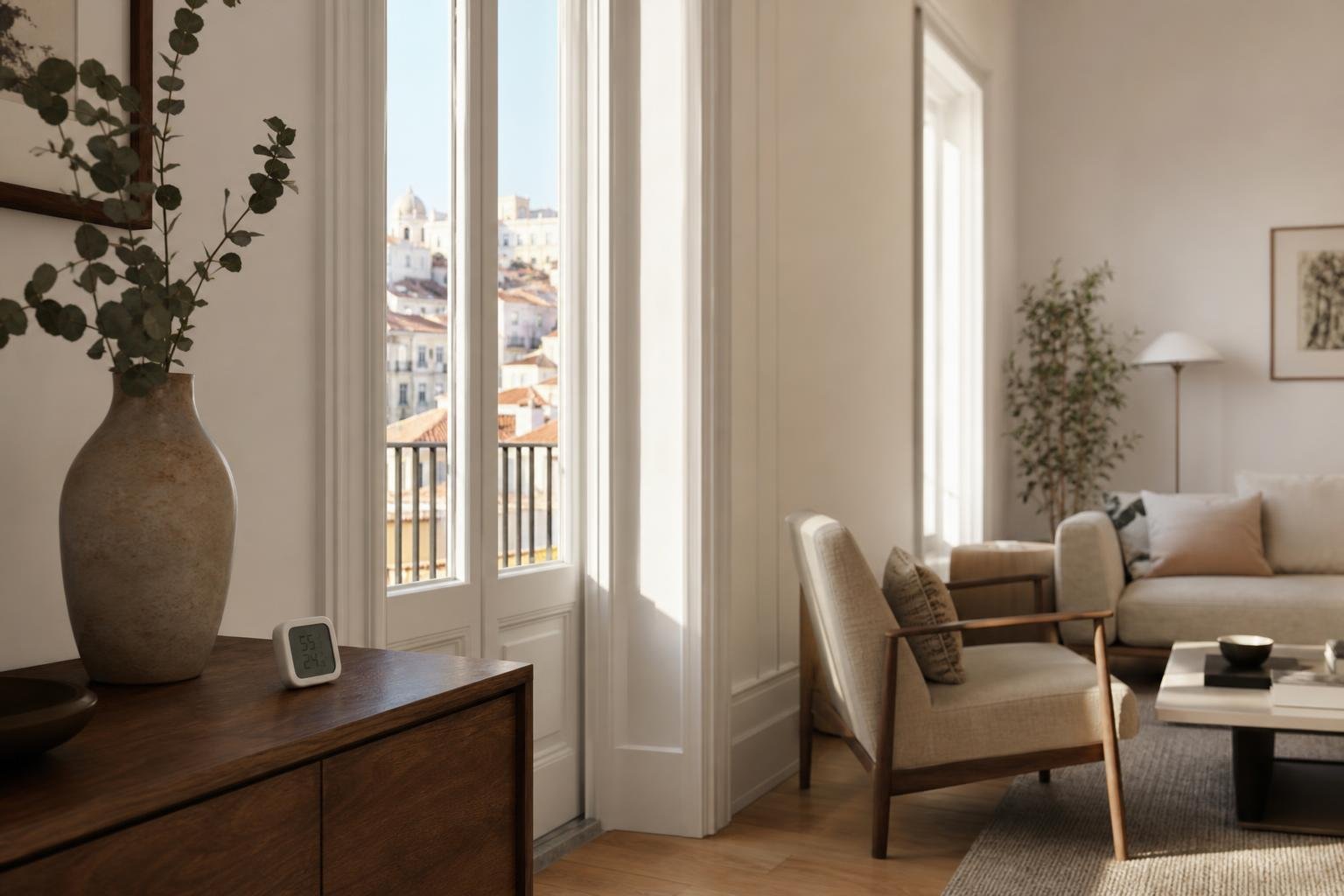
Water ingress, rising damp, leaking services and insufficient ventilation are common causes of decay. Applying a new finish without resolving the source usually hides the problem temporarily rather than repairing it.
Improve energy performance proportionately
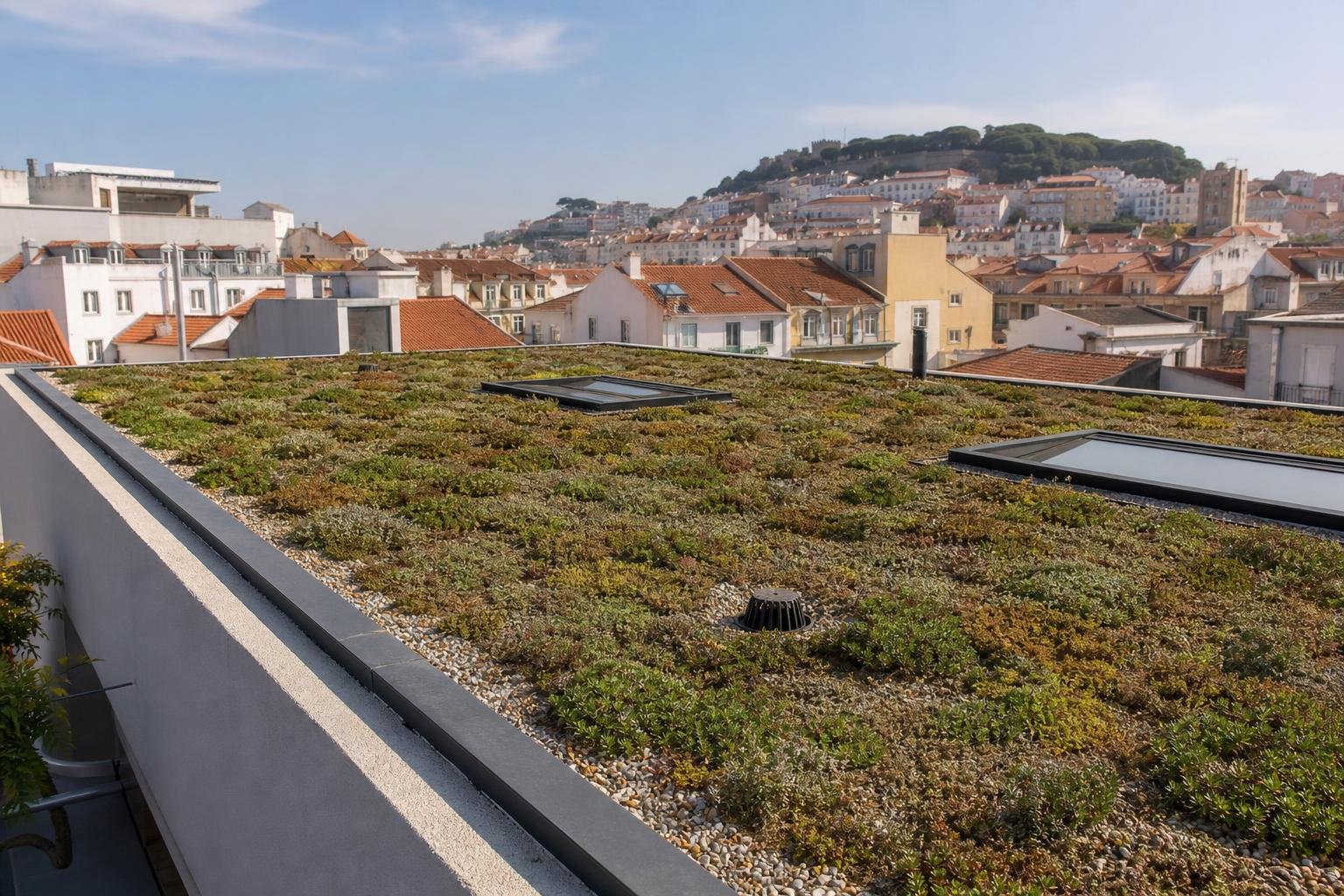
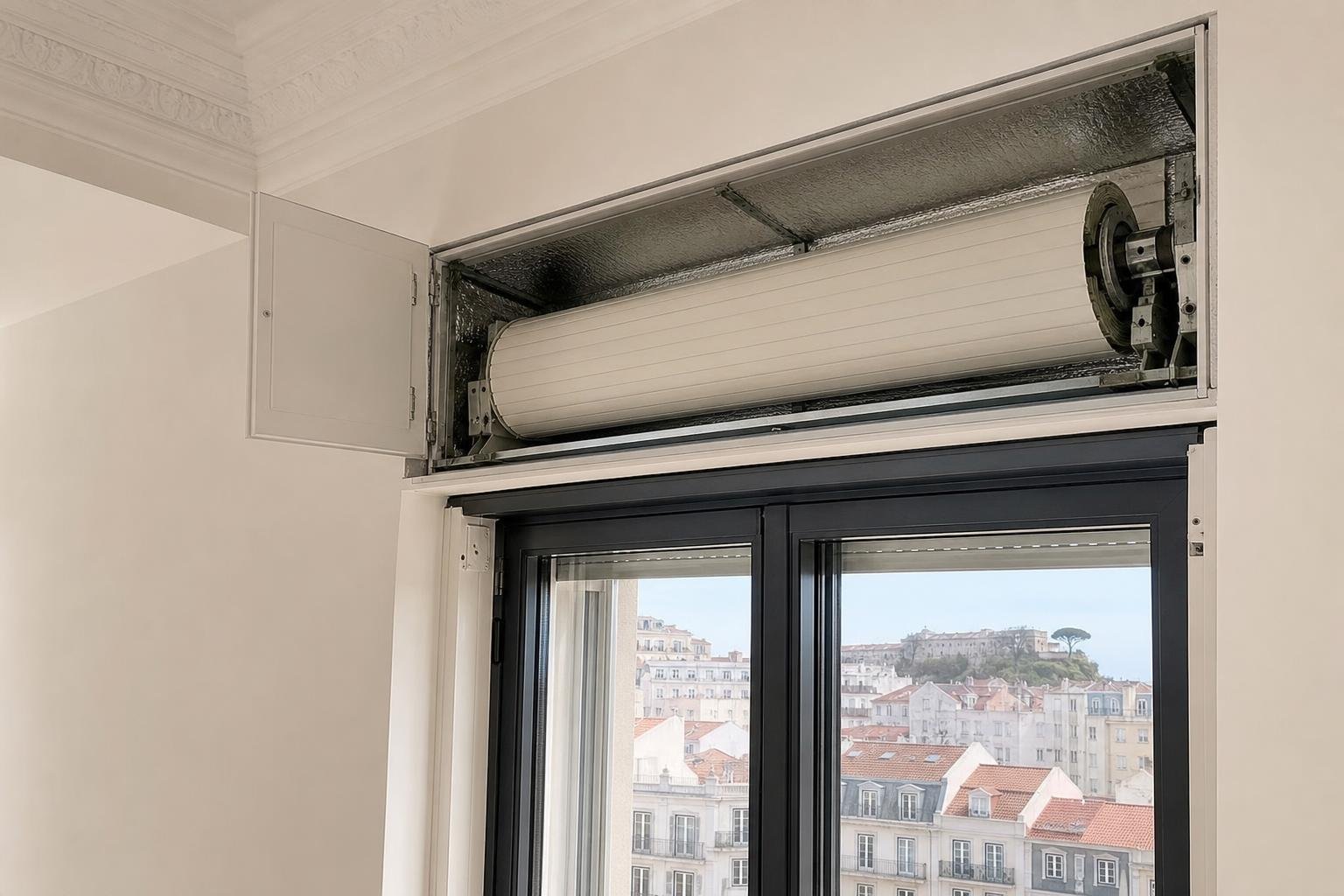
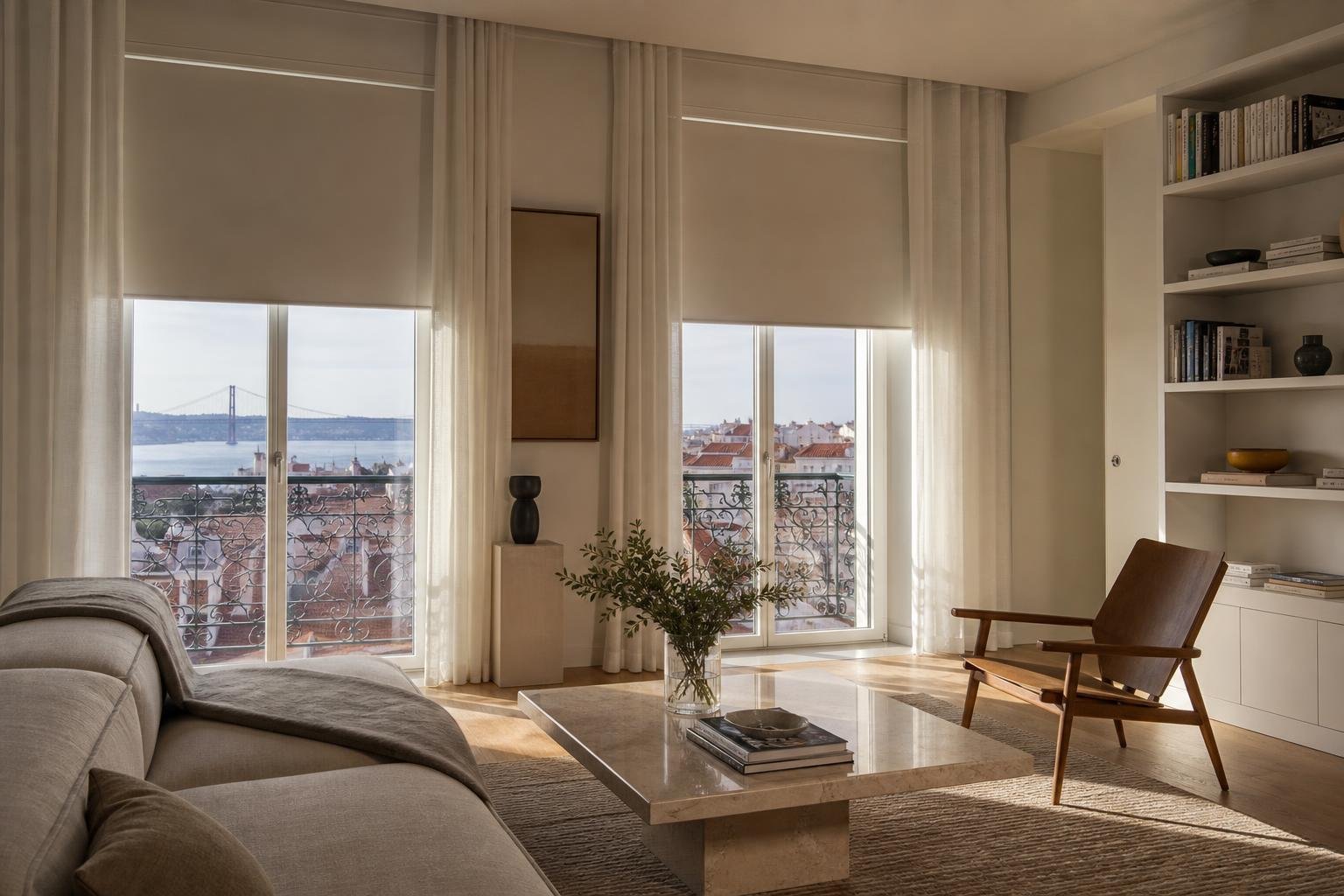
Windows, roofs, air leakage, shading and building services should be considered together. The best solution balances comfort, moisture safety, heritage value, usable area and budget.
Document what is discovered
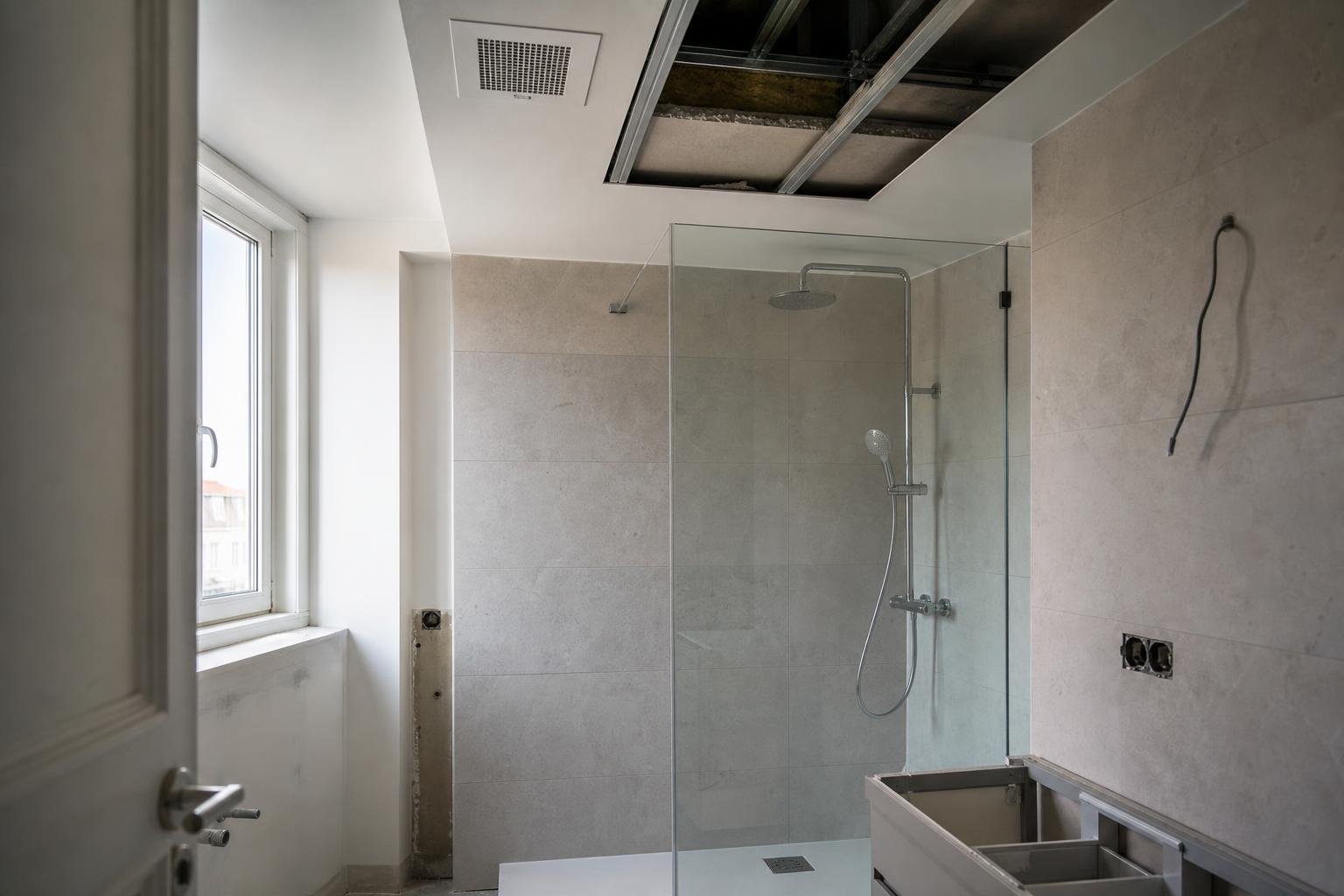
Older buildings often reveal unexpected conditions during construction. Recording changes, retained elements and concealed services gives the owner a more useful basis for future maintenance.
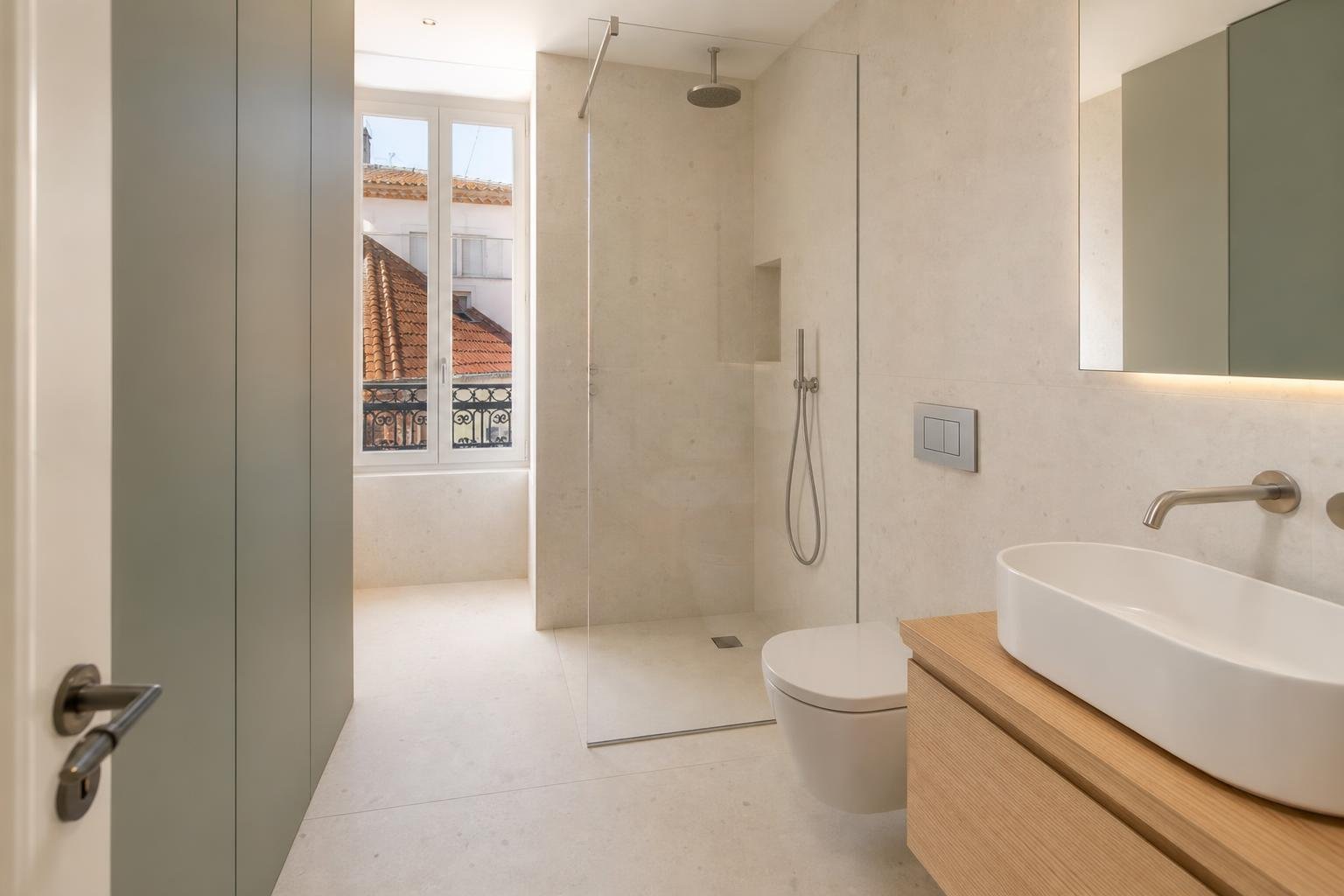
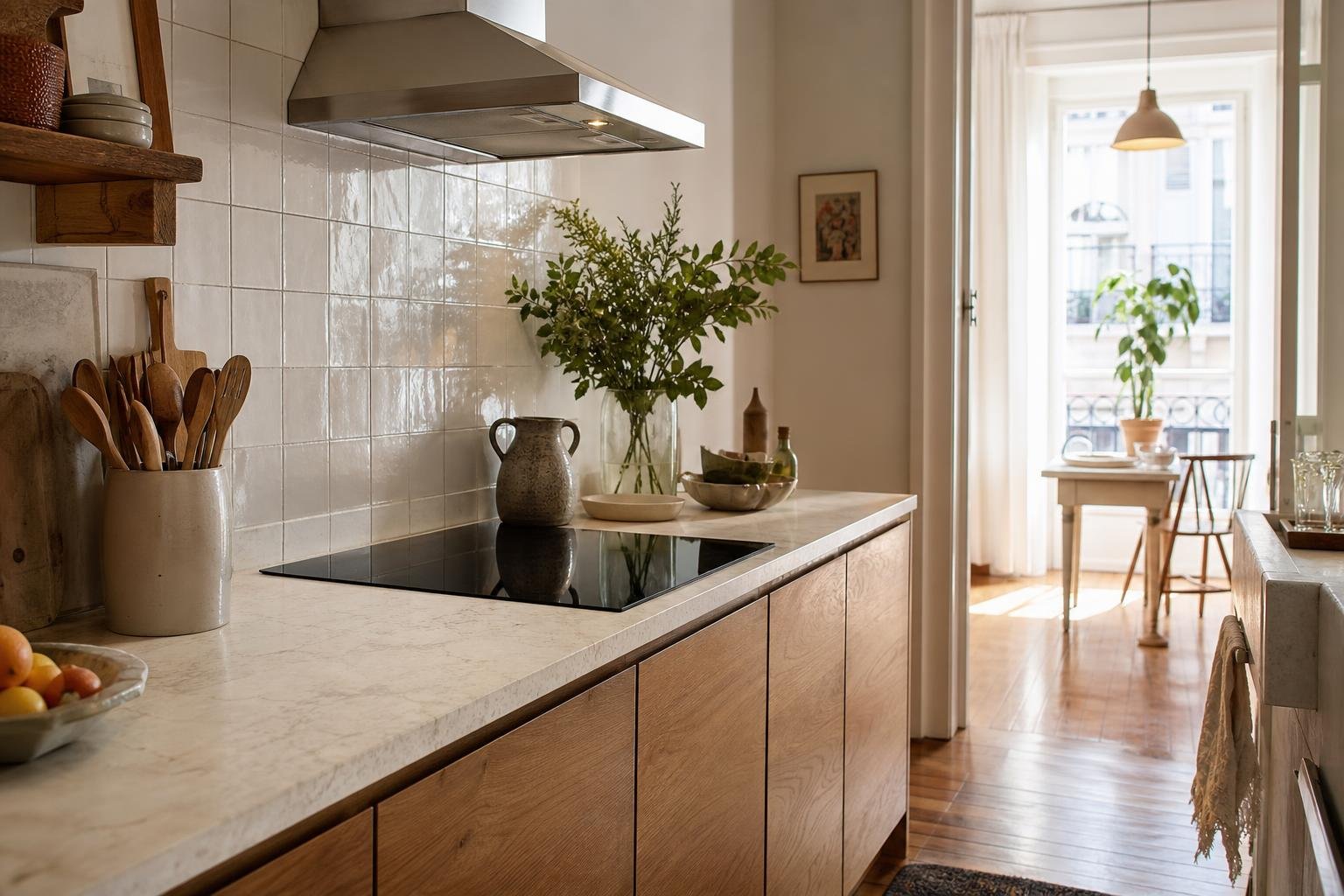
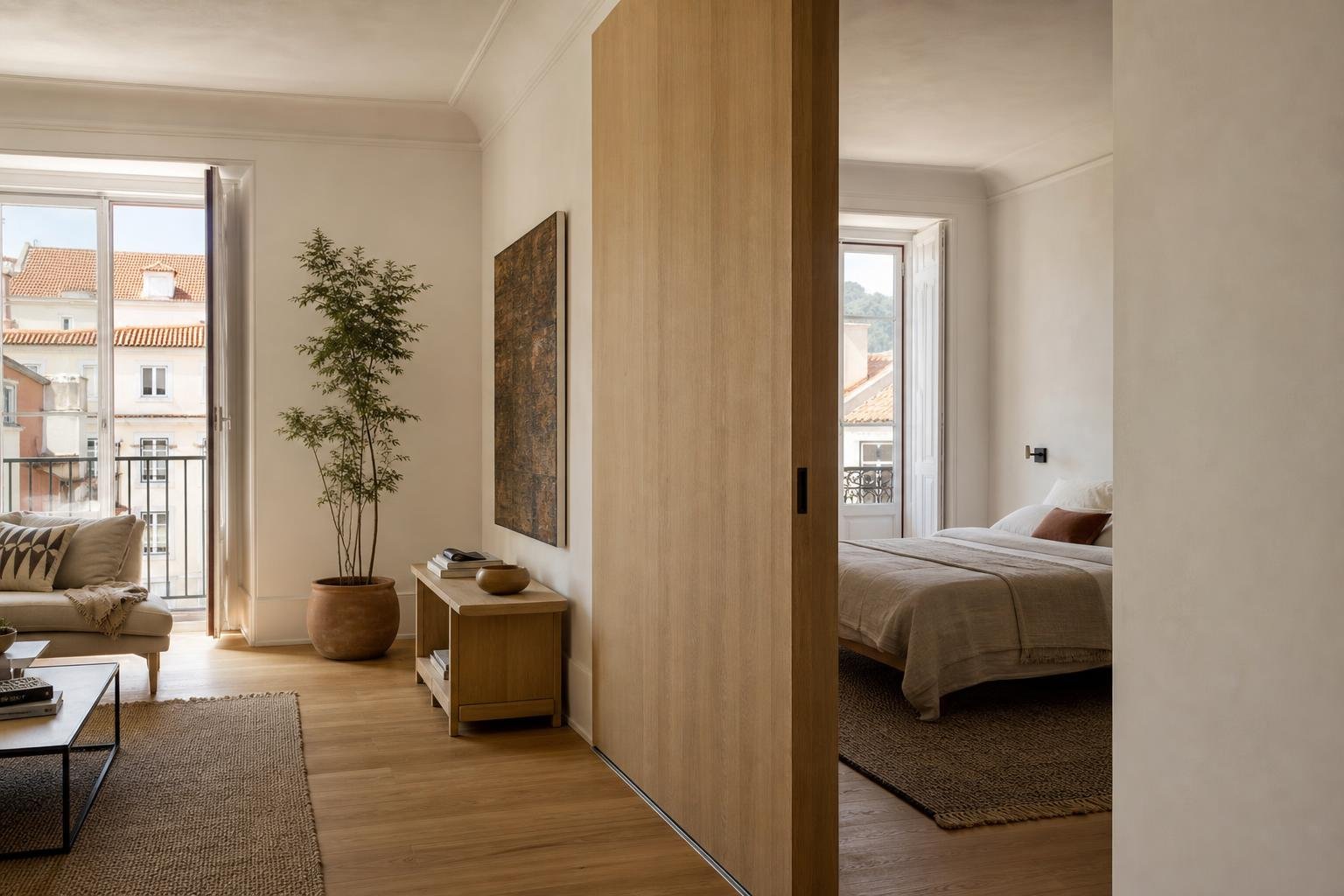
Successful rehabilitation combines investigation, design and skilled execution. The aim is not to freeze a building in time, but to extend its useful life without erasing the qualities that make it distinctive.

Obra Lisboa