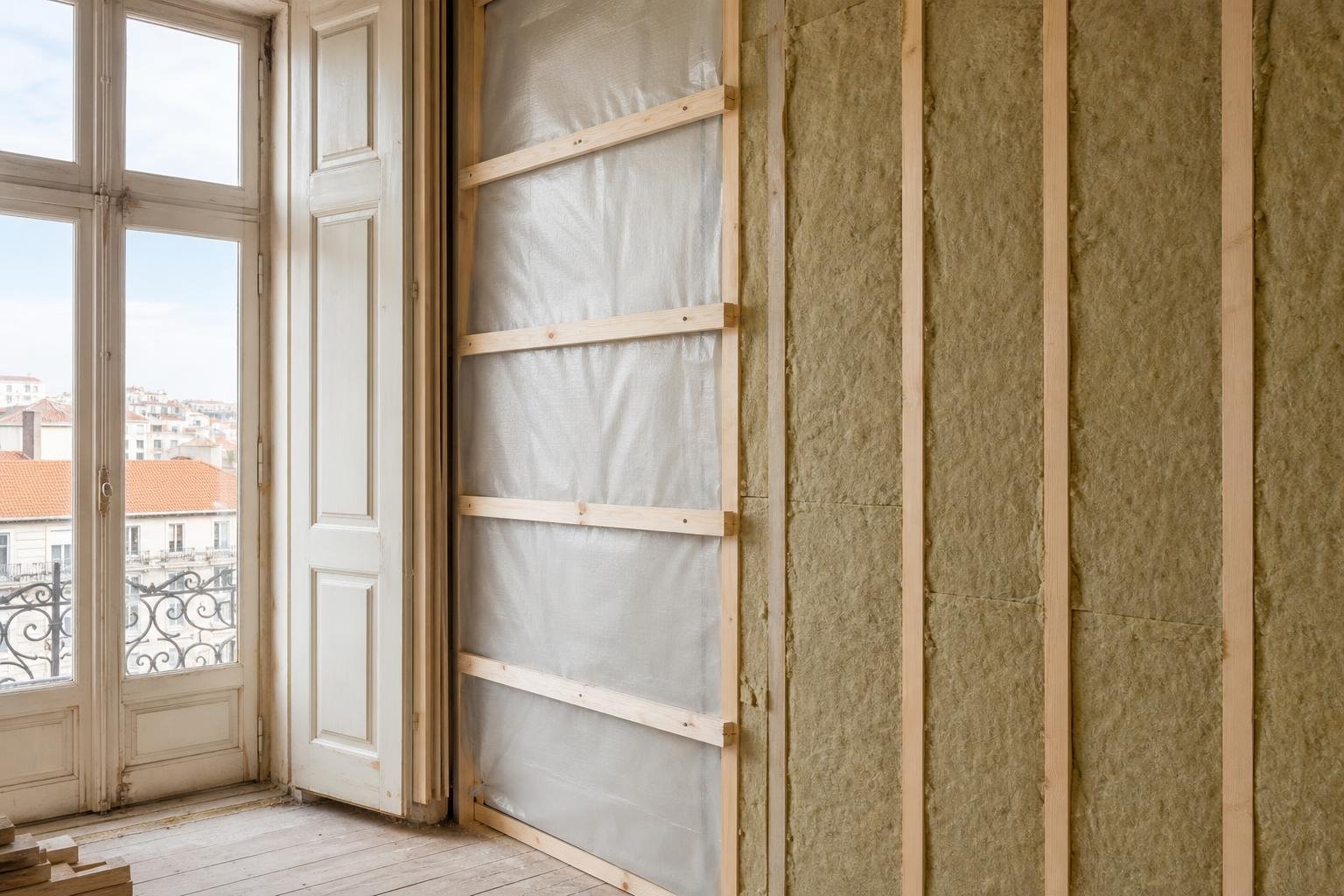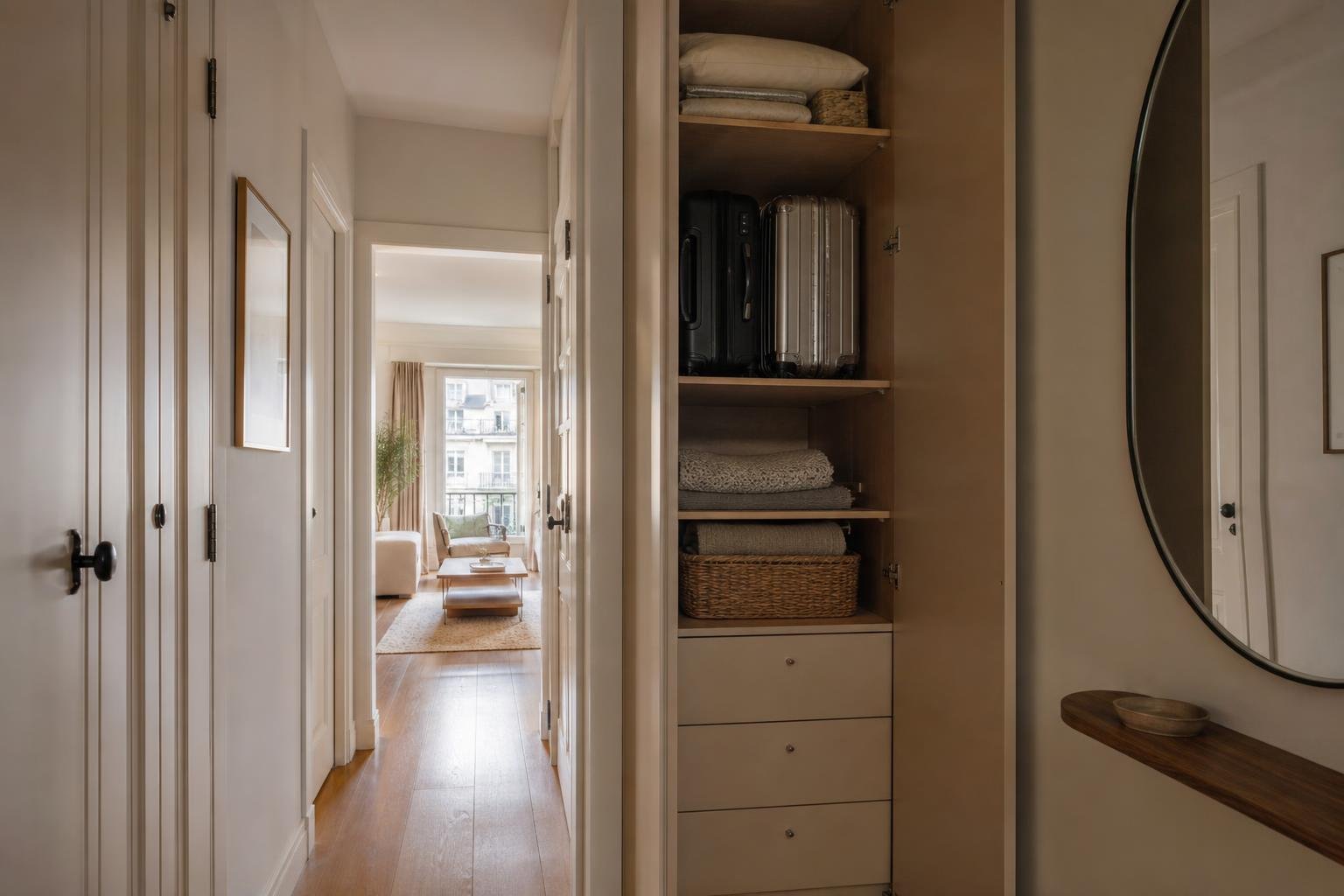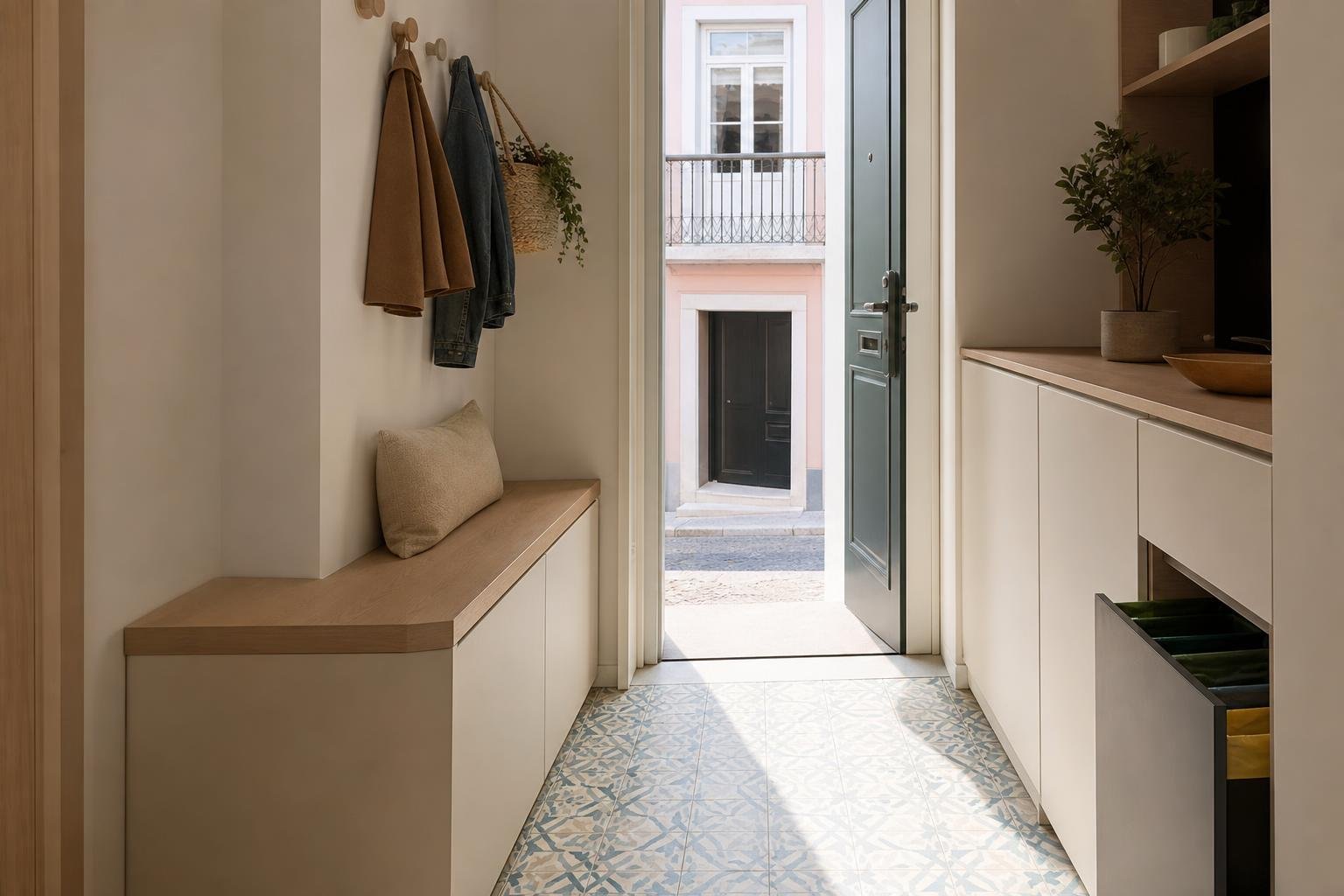
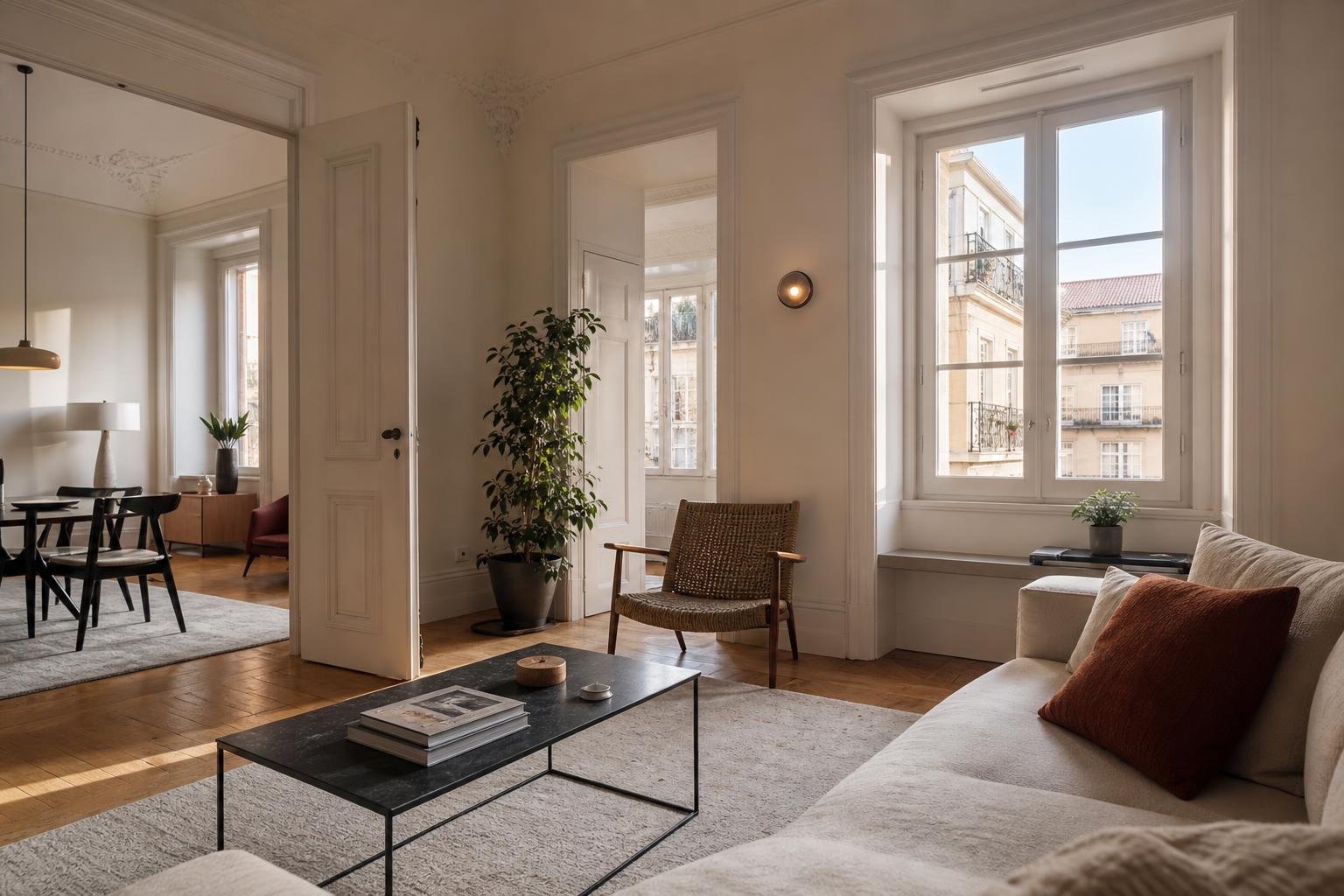
New windows, insulation and carefully sealed junctions can make a renovated home quieter and more comfortable. They can also make it far more airtight. If the moisture created by showers, cooking, drying clothes and everyday occupancy has no controlled route out, it eventually condenses on the coldest surfaces. The familiar results are misted glazing, dark marks near corners and cupboards, a stale smell and mould.
The answer is not to leave a window open all day, or to overheat the home. It is to create a reliable airflow path: air enters dry rooms, moves through the home and is extracted from wet rooms. Portugal’s energy performance rules for residential buildings include ventilation requirements and aim to reduce condensation risk. In an existing home, however, the right approach always depends on the moisture source, orientation, thermal bridges and how the household uses each room.
Diagnose the cause before reaching for anti-mould paint
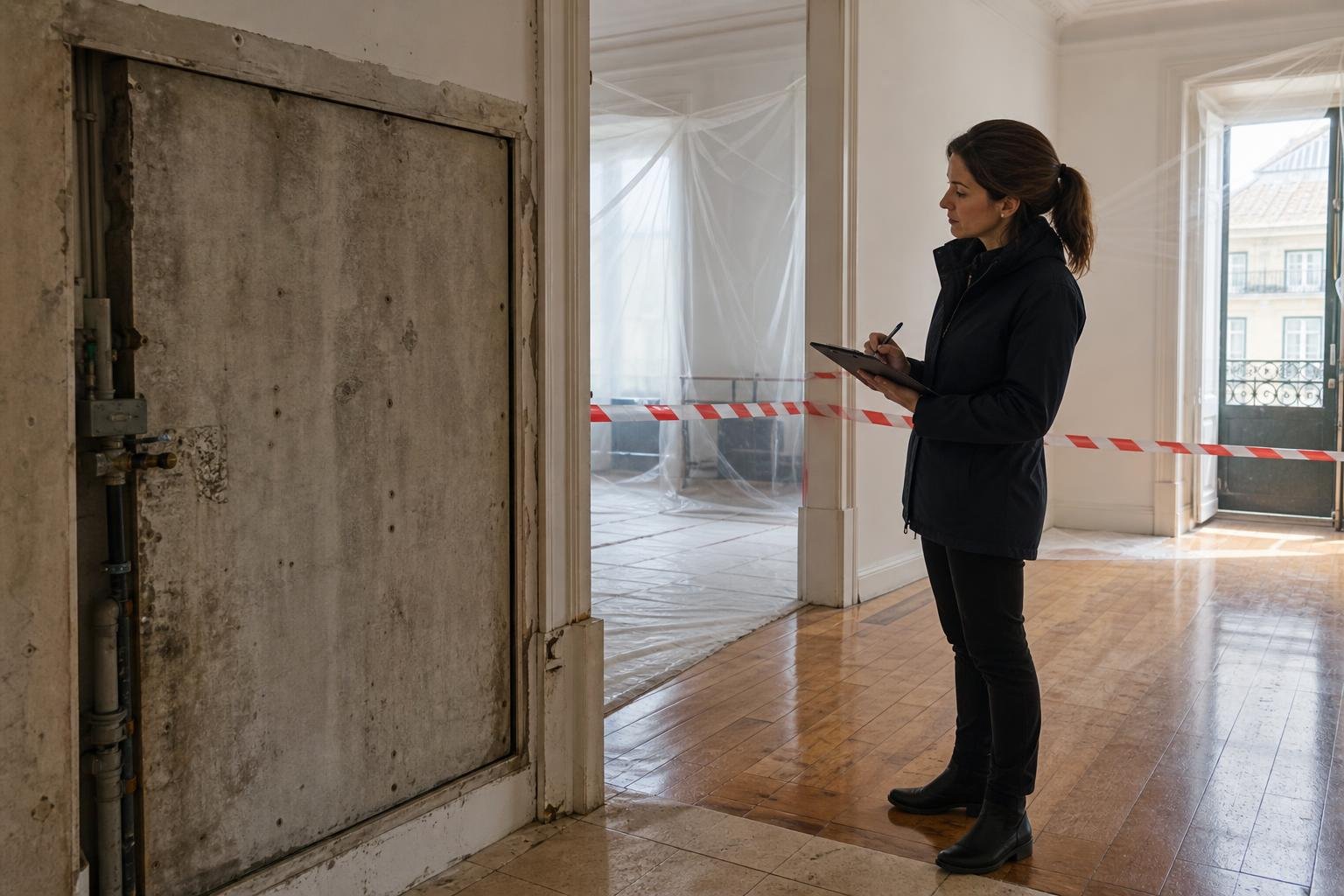
Mould is a symptom, not simply a failed finish. Before repainting, establish whether you are dealing with rainwater penetration, a plumbing leak, rising damp, surface condensation or more than one issue at once. A patch that grows after rain calls for an inspection of the roof, façade, window junctions or balcony. A patch behind a wardrobe on an external wall often points to a cold surface, poor air movement and indoor water vapour.
Watch the pattern for two or three weeks: wet windows in the morning, a musty smell, peeling paint, black marks on sealant or moisture appearing after showers and meals. Portugal’s health authority explains that excessive humidity can condense on cold surfaces and encourage mould. It also notes that indoor CO₂ is a useful indicator of ventilation and occupancy. See the DGS guidance on indoor air for the wider health context.
A basic hygrometer will not replace a professional inspection, but it can turn vague impressions into useful evidence. If there is suspected active leakage, salt deposits, widespread material damage or respiratory symptoms, finding and correcting the cause must come before repeated cleaning.
Keep moisture sources separate from fresh-air entry rooms
A home generally works best when outdoor air enters mainly through living rooms and bedrooms, passes through halls or gaps beneath internal doors, and is extracted from kitchens, bathrooms and utility areas. This arrangement prevents moisture created by a shower or cooking from being carried into sleeping areas. Fully sealed internal doors, blocked vents and unused extract fans break that route.
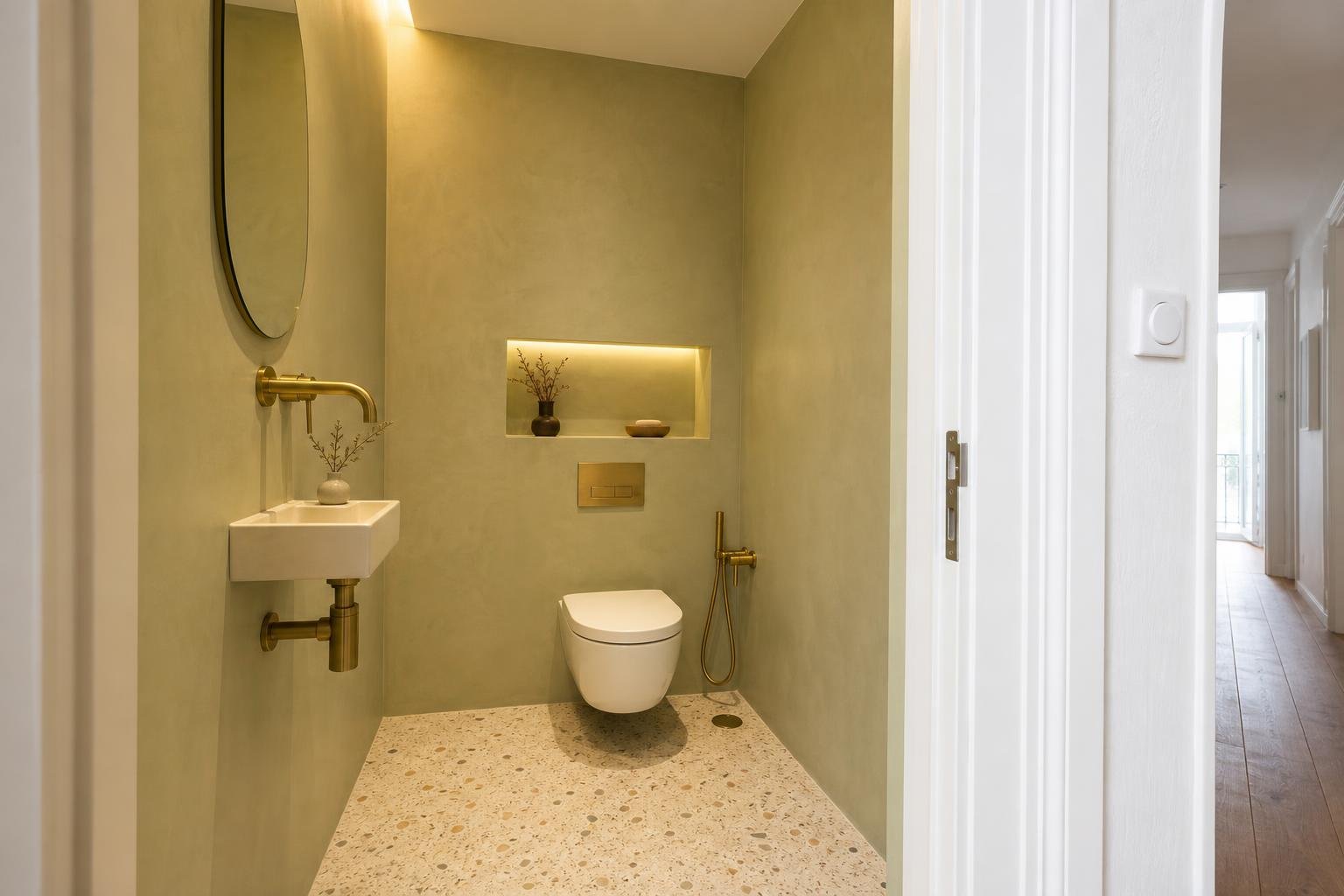
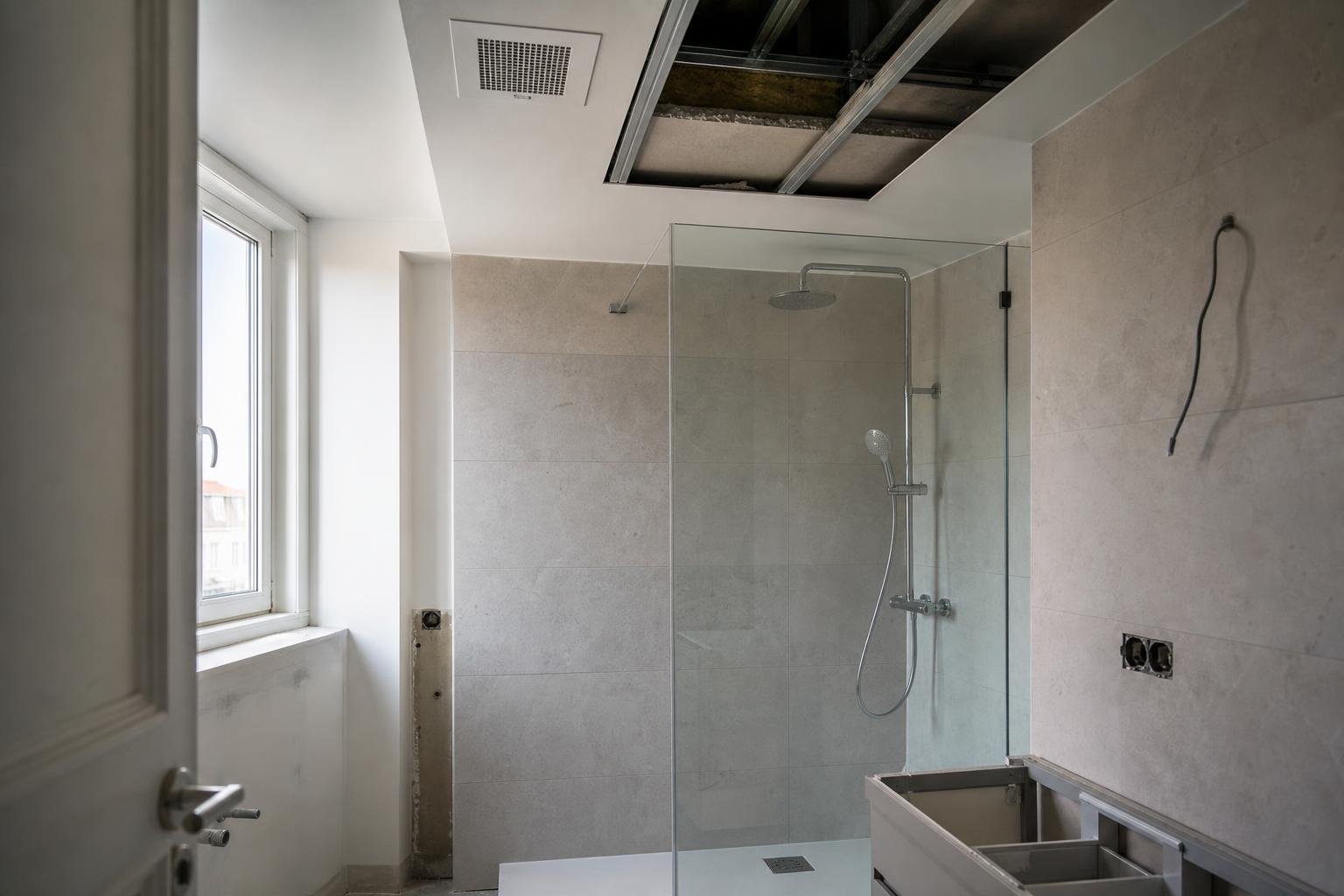
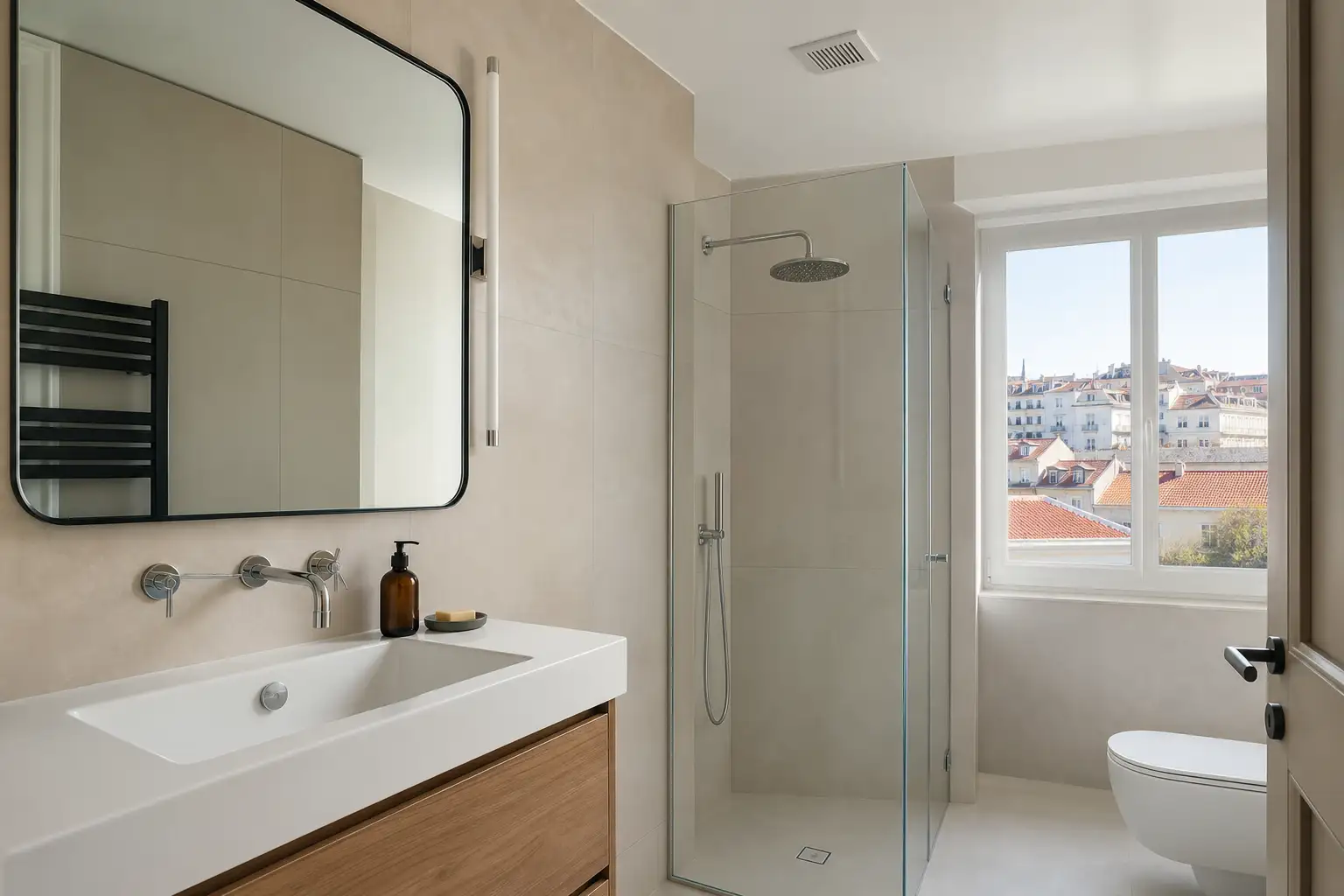
In the kitchen, switch on the cooker hood at the start of cooking and leave it running for several minutes afterwards. Where possible, choose a hood that exhausts outdoors rather than one that only recirculates air. A carbon filter may reduce smells, but it does not remove moisture outdoors in the same way. In bathrooms, the fan should continue extracting after bathing; a timer or humidity sensor makes the routine more dependable.
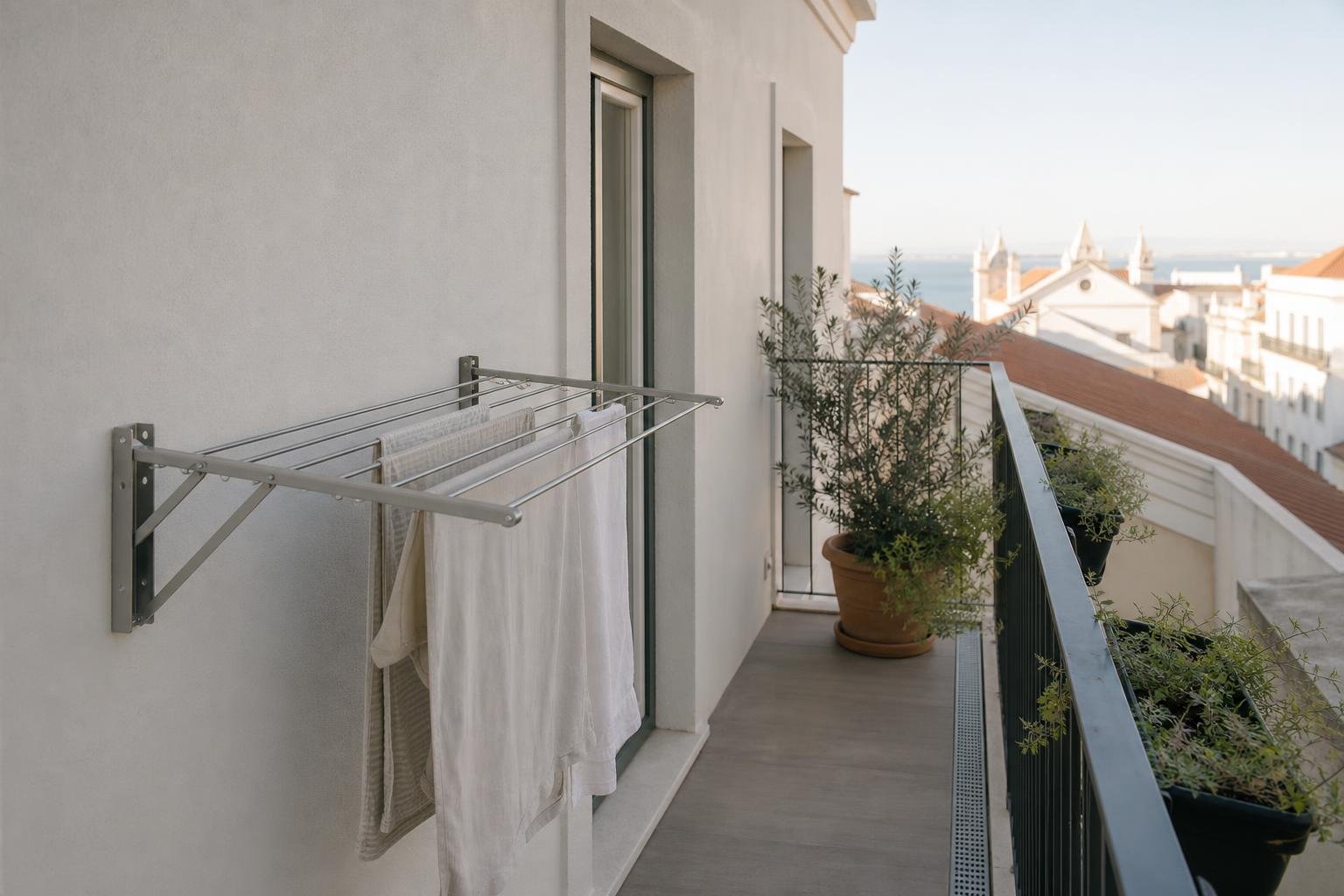
Avoid drying clothes in closed bedrooms. If there is no alternative, use a ventilated room, temporarily increase extraction and do not place the drying rack against a cold external wall. These modest habits reduce the moisture load before it reaches vulnerable surfaces.
Air the home daily without cooling it unnecessarily
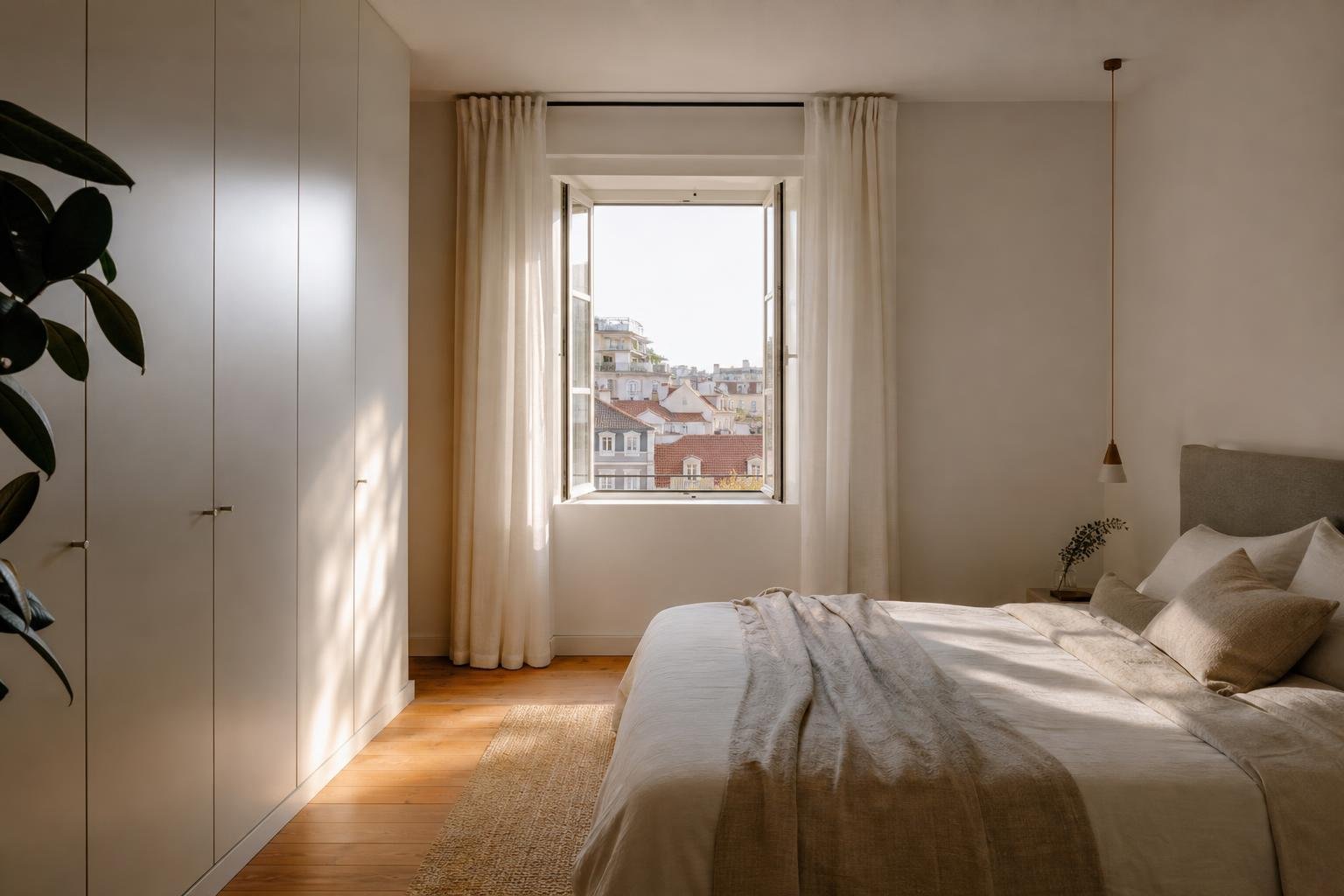
Natural ventilation is still valuable, but it should be deliberate. Rather than leaving a window slightly open for hours in winter, use short, effective airing periods: open windows on opposite sides of the home where possible to create cross-ventilation. This replaces indoor air quickly without cooling walls, floors and furniture as much — materials that would otherwise take longer to warm up again.
In Lisbon, the wetter period broadly overlaps with the rainier months. The IPMA 1991–2020 climate normal for Lisbon/Instituto Geofísico records higher average monthly rainfall from October to March, including 133.9 mm in November. The IPMA Lisbon climate normal is useful context for strengthening drying and ventilation routines in autumn and winter.
Do not open windows indiscriminately when outside air is very damp or rain is being driven directly indoors. At those times, prioritise mechanical extraction in wet rooms and air the home when conditions are more suitable. Ventilation should not mean inviting discomfort in; it means renewing air in a controlled way.
Choose an extraction system that suits the renovation
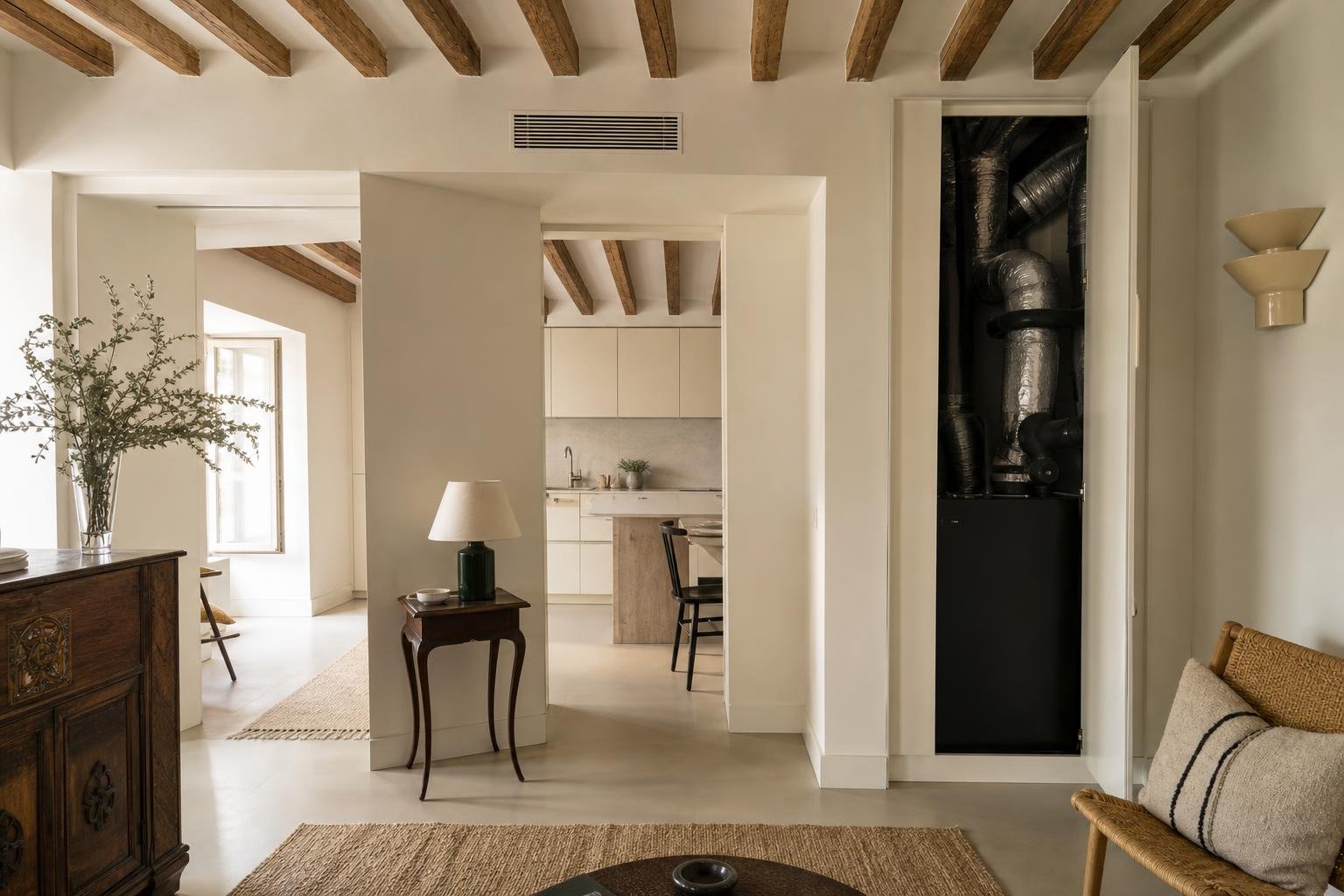
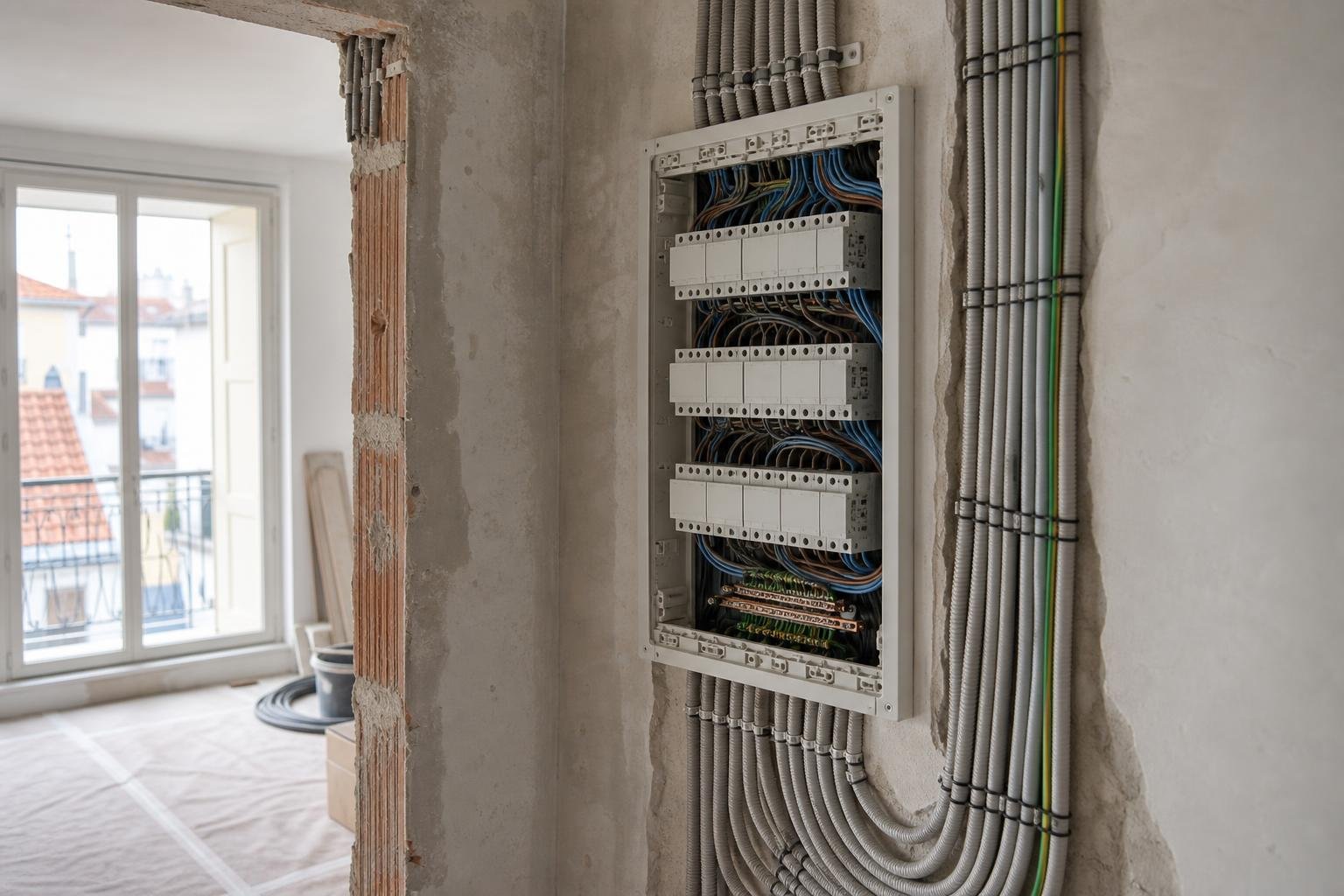
For modest interventions, bathroom extract fans and effective kitchen extraction may be enough, provided there is an air inlet and ducts discharge correctly outdoors. For deep renovations, it is worth assessing mechanical ventilation, whether centralised or decentralised, especially where highly airtight replacement windows and new insulation are planned.
Decentralised units can be a practical option where opening ceilings or installing extensive ductwork is not feasible. A centralised system needs more coordination but can serve several rooms through one coherent strategy. In either case, the design should allow access for cleaning, short duct runs, carefully positioned grilles and acceptable bedroom noise levels.
The residential building rules cover ventilation requirements for both new homes and interventions in existing buildings. That is why ventilation should be discussed at design stage alongside windows, insulation and heating or cooling, rather than treated as an afterthought when the only remaining option is drilling through a finished wall.
Do not confuse ventilation with heating or dehumidification
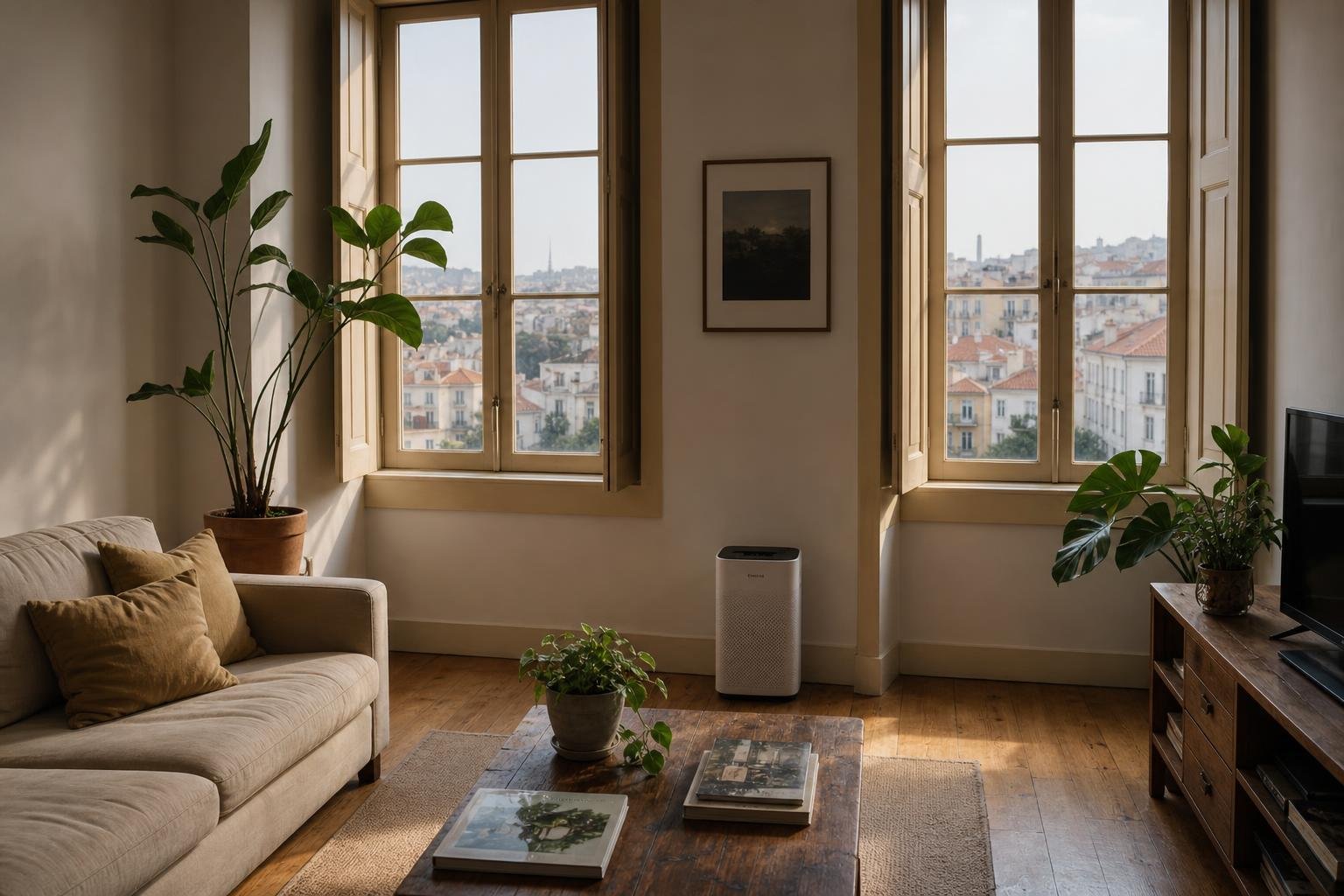
Heating, ventilation and dehumidification solve different problems. Heating raises surface temperatures and may reduce the chance of condensation, but it does not remove the water vapour produced indoors. A dehumidifier removes water from air and can be helpful for short periods, but it does not replace the removal of odours, CO₂ and other pollutants through air renewal.
Use a dehumidifier as support while the underlying cause is being addressed: after a repair, while new materials are drying, or in a room with a temporary moisture spike. Empty the tank, clean the filter and keep doors and windows aligned with the overall strategy; running it in a space permanently open to outdoors wastes energy.
Nor should combustion appliances be used without proper ventilation. The DGS general recommendations for indoor air highlight ventilation, indoor pollution sources and the bathroom as an important source of household moisture.
Address thermal bridges and hidden details
If ventilation is sound but mould returns in exactly the same corner, there may be a thermal bridge: a part of the building envelope where heat escapes faster and the inside surface becomes colder. Common locations include columns, beams, shutter boxes, wall-to-slab junctions, uninsulated walls and areas hidden behind furniture placed tightly against the wall.
In these situations, simply increasing ventilation may not be enough. The answer may involve external insulation, carefully justified internal insulation, improved shutter boxes, replacement windows or moving a wardrobe away from the wall to restore air circulation. Avoid improvised layers that trap even more moisture inside the wall.
A well-coordinated renovation links such details to overall building performance. For guidance on coordinating materials, trades and work sequencing, read our article on quality and durability in construction. The surface needs to be warmer, but it also needs to be able to dry safely.
Build a routine that still works after the project ends
The best system will fail if it is never used or maintained. Keep routines simple: run extraction during bathing and cooking, air rooms briefly in the morning, allow internal air transfer, clean filters and grilles regularly, and inspect accessible ducts annually. Do not block air inlets to reduce noise or draughts without finding a suitable alternative.
Monitor the home through its first winter after renovation. Note where condensation appears and test small changes: move furniture five centimetres away from cold walls, alter the extraction run-on time, repair an external joint or improve air movement between rooms. If you are planning wider work, our guide on avoiding common problems during construction work can help structure decisions before walls and ceilings are closed.
The goal is neither a home left permanently open nor one dependent on appliances running all day. It is fresh air, dry surfaces and stable temperatures delivered by a solution that matches the property and the way it is lived in.
Planning a renovation and want ventilation, insulation and windows to work as one system rather than separate decisions? Obra Lisboa can help assess the work sequence and turn comfort requirements into a coherent construction solution.
AI-generated editorial image; it does not depict an Obra Lisboa project.

Obra Lisboa