
Architecture is one of the world's oldest professions
People have always shaped places for shelter, work, gathering, ceremony and defence. Architecture developed from this practical need, but it also became a way to express culture, power, identity and technical knowledge.
From shelter to planned space
Early structures used available materials and knowledge of local climate. Over time, settlements required more deliberate decisions about streets, water, communal buildings and construction methods.
Architecture combines several disciplines
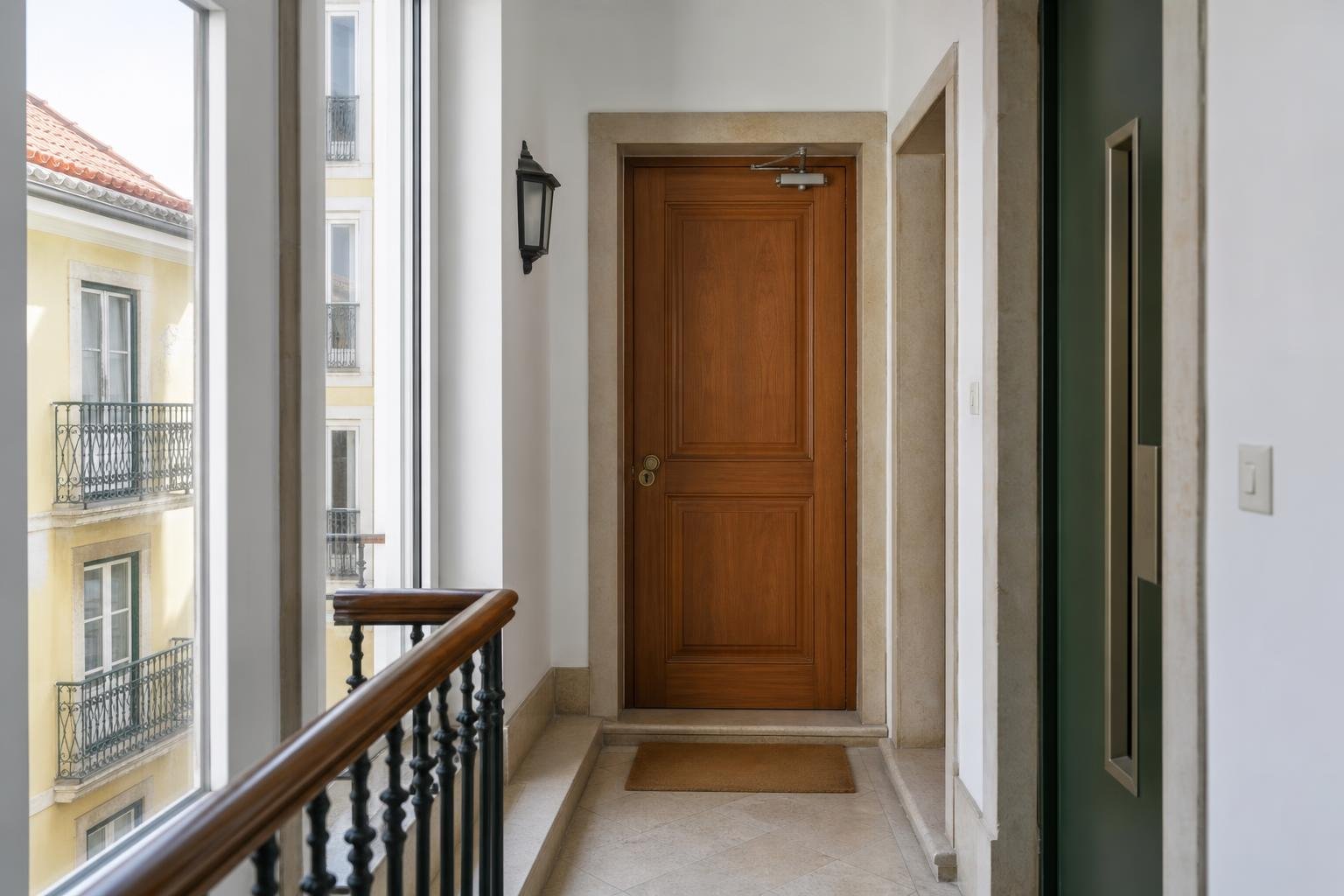
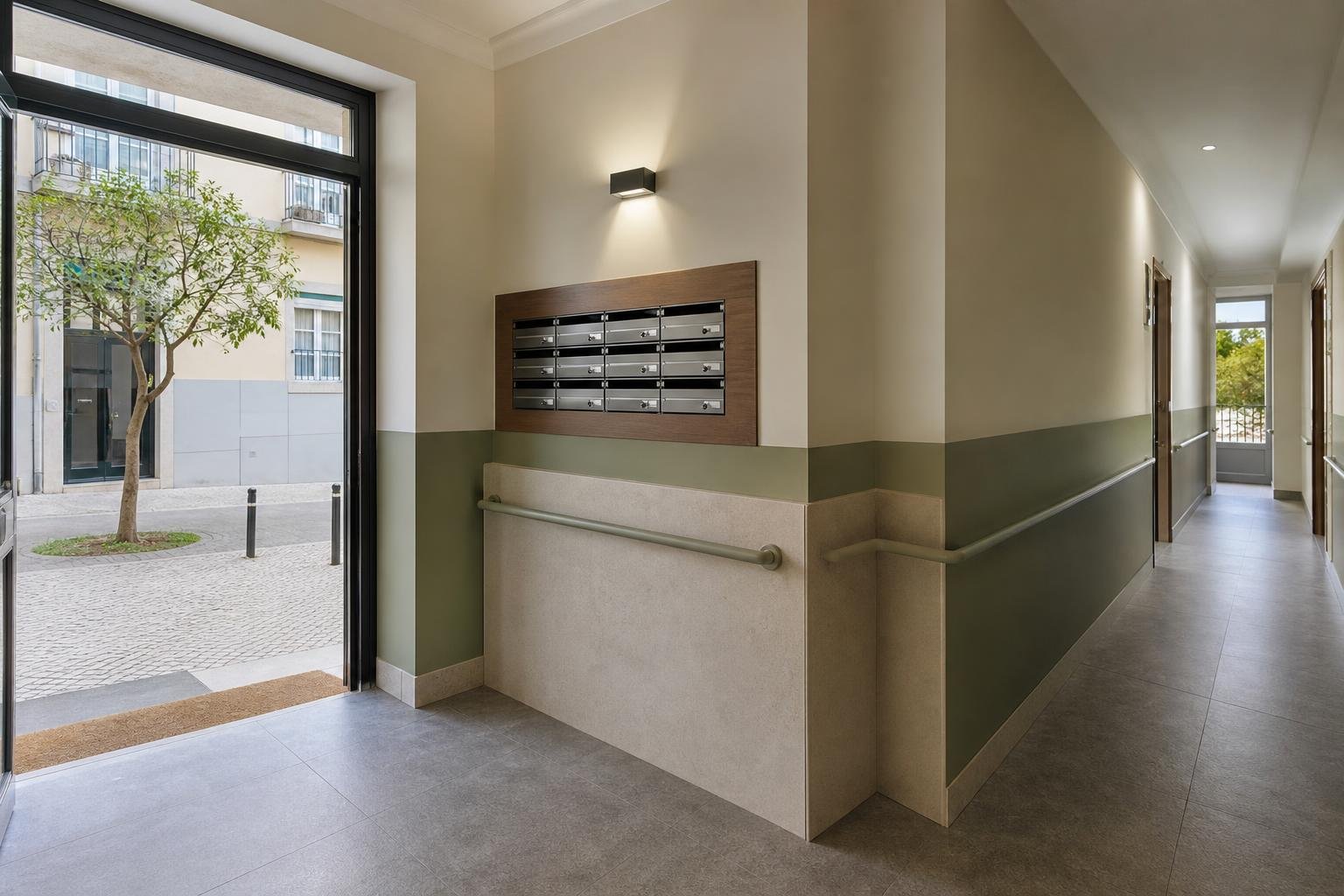
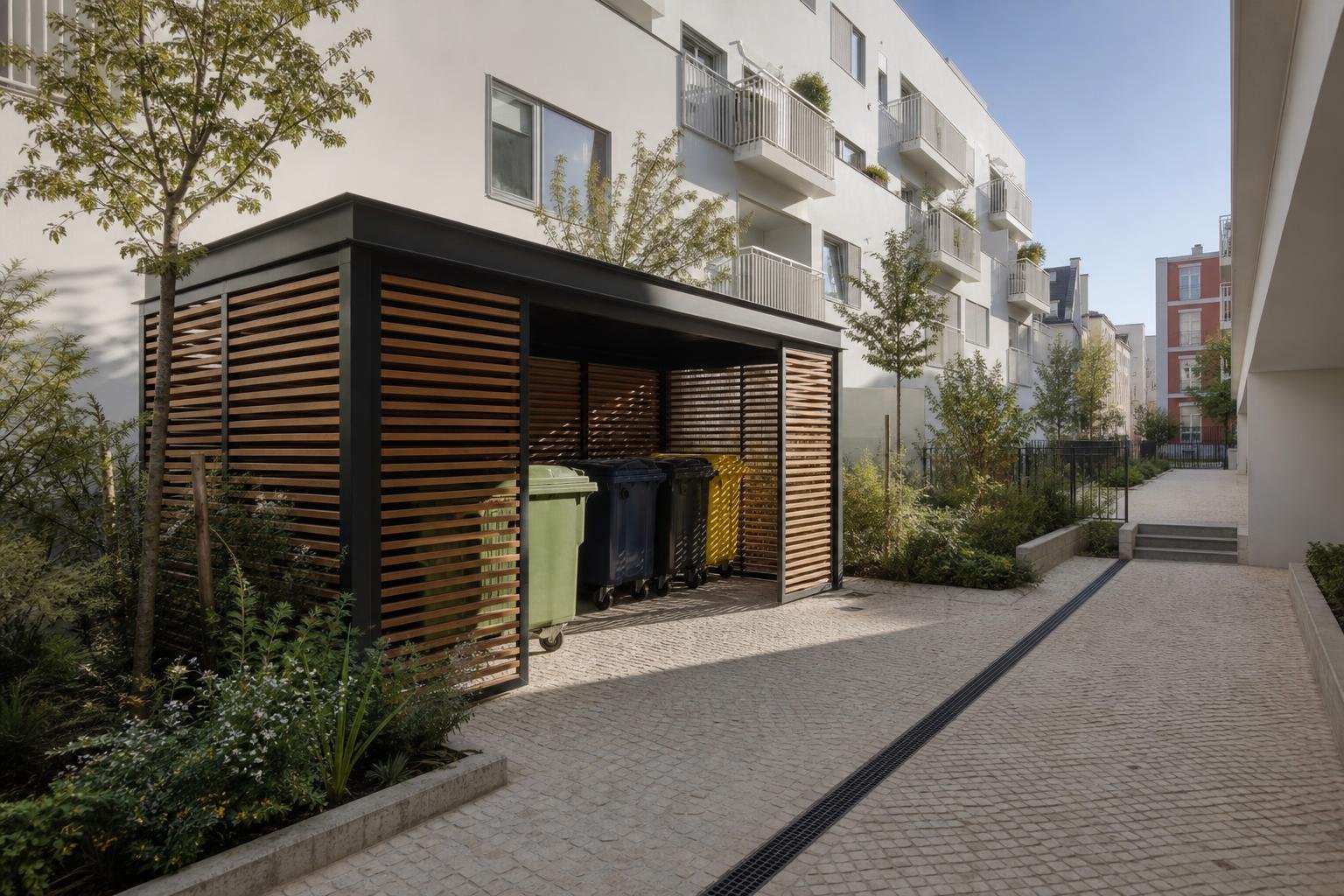
An architectural project connects human needs with structure, materials, light, climate, regulation and cost. It must communicate an idea clearly enough for many specialists to design and build it together.
What architects consider
- How people enter, move through and use a space.
- Orientation, daylight, shade and ventilation.
- Relationship with the site and neighbouring buildings.
- Structure, building services and material performance.
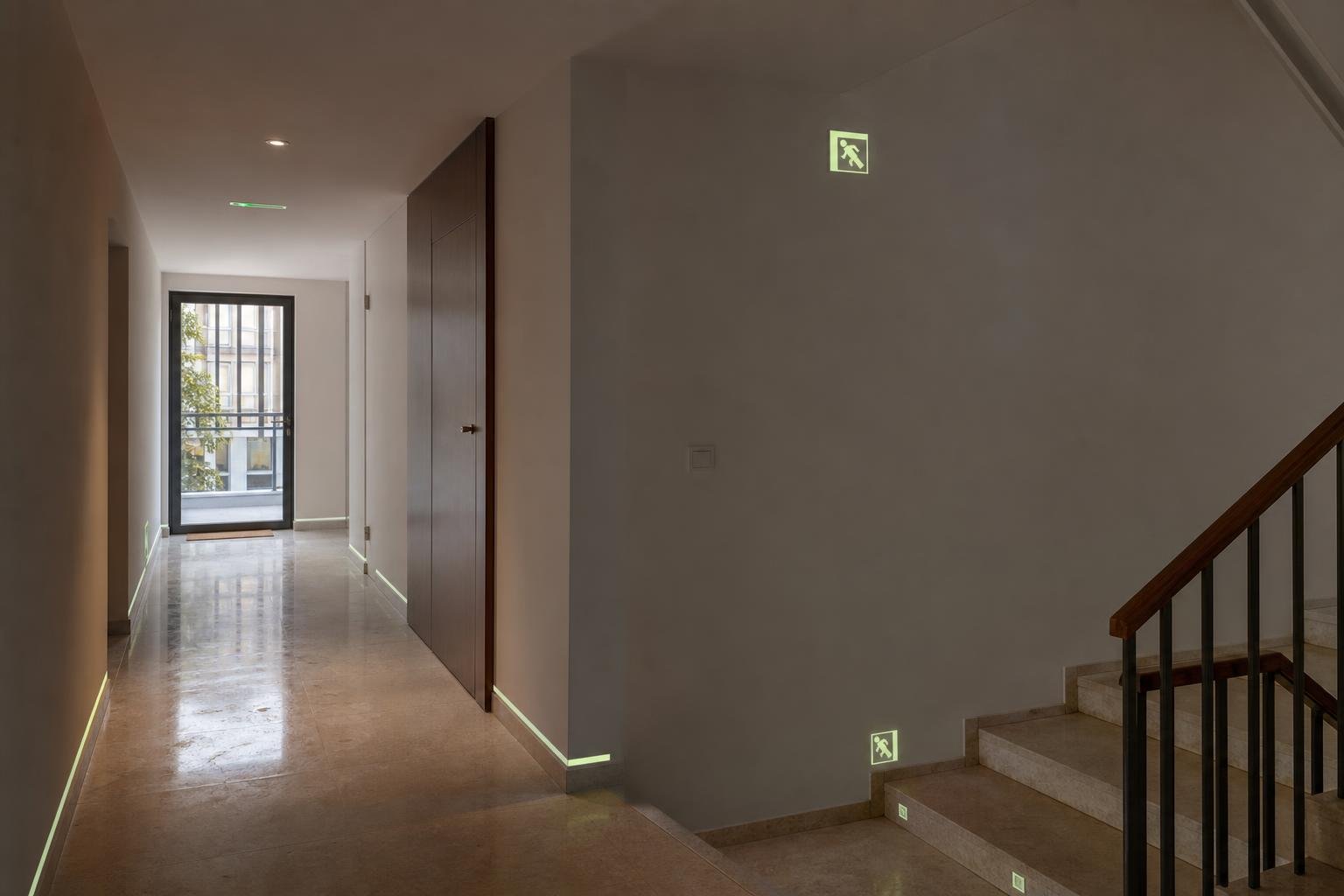
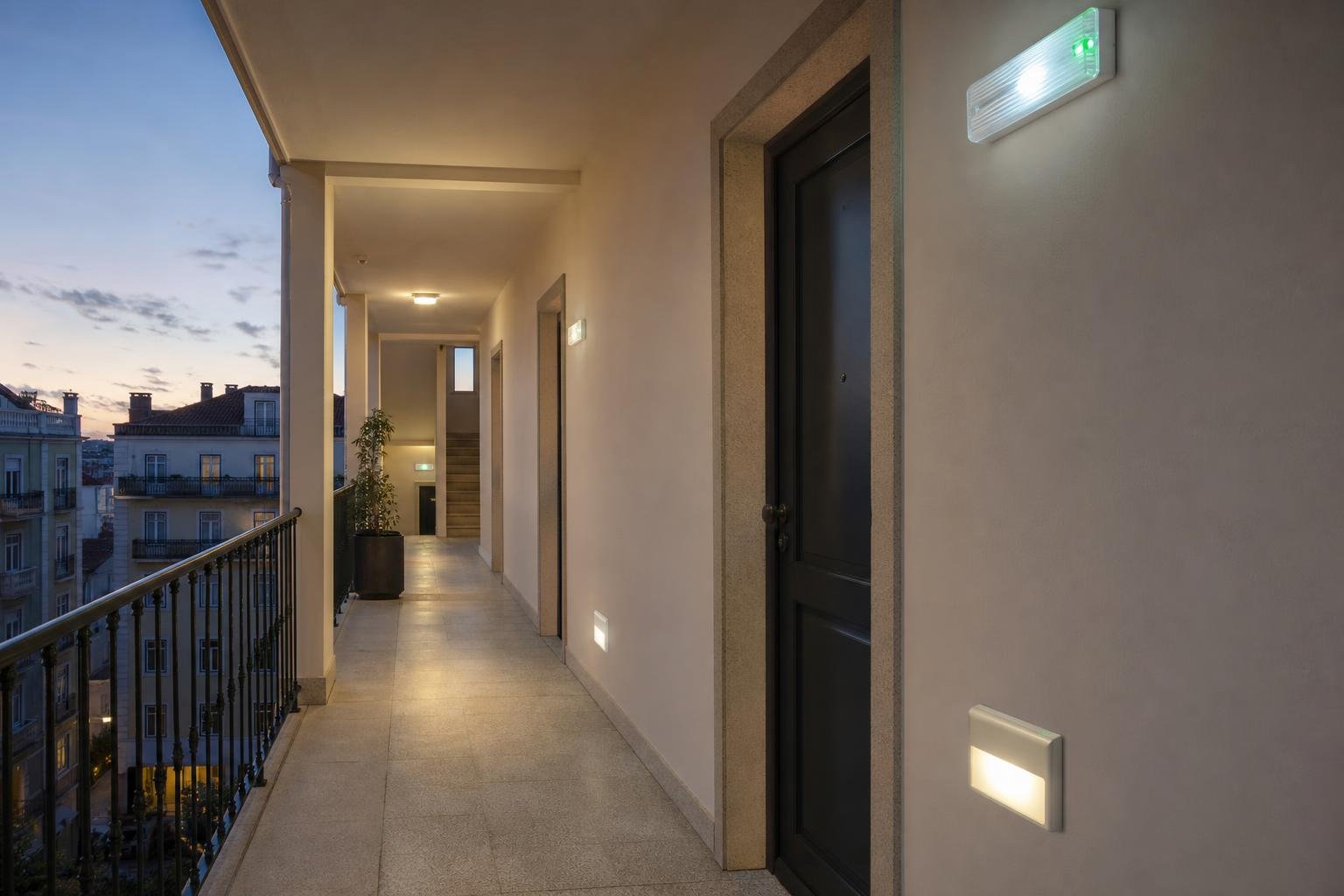
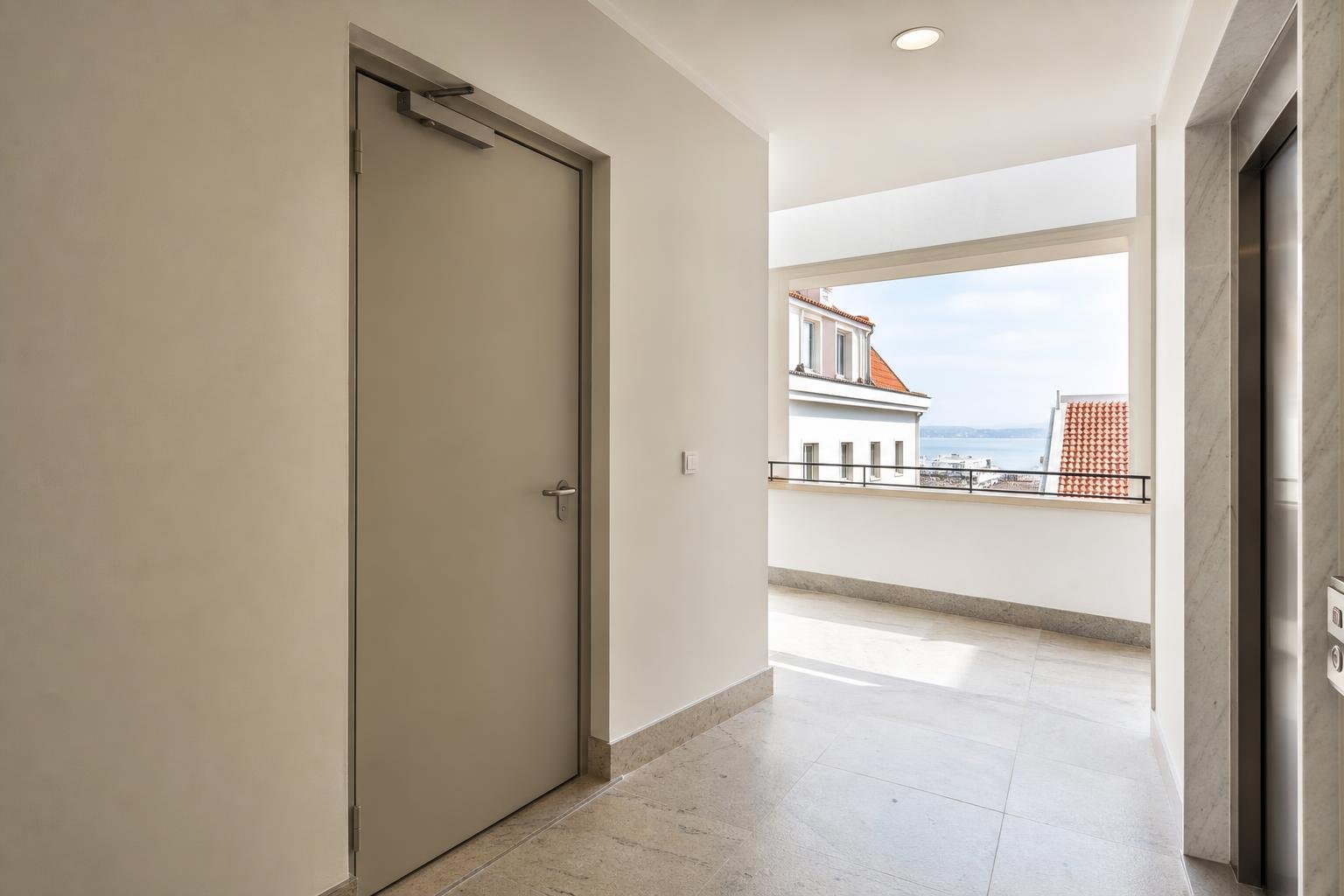
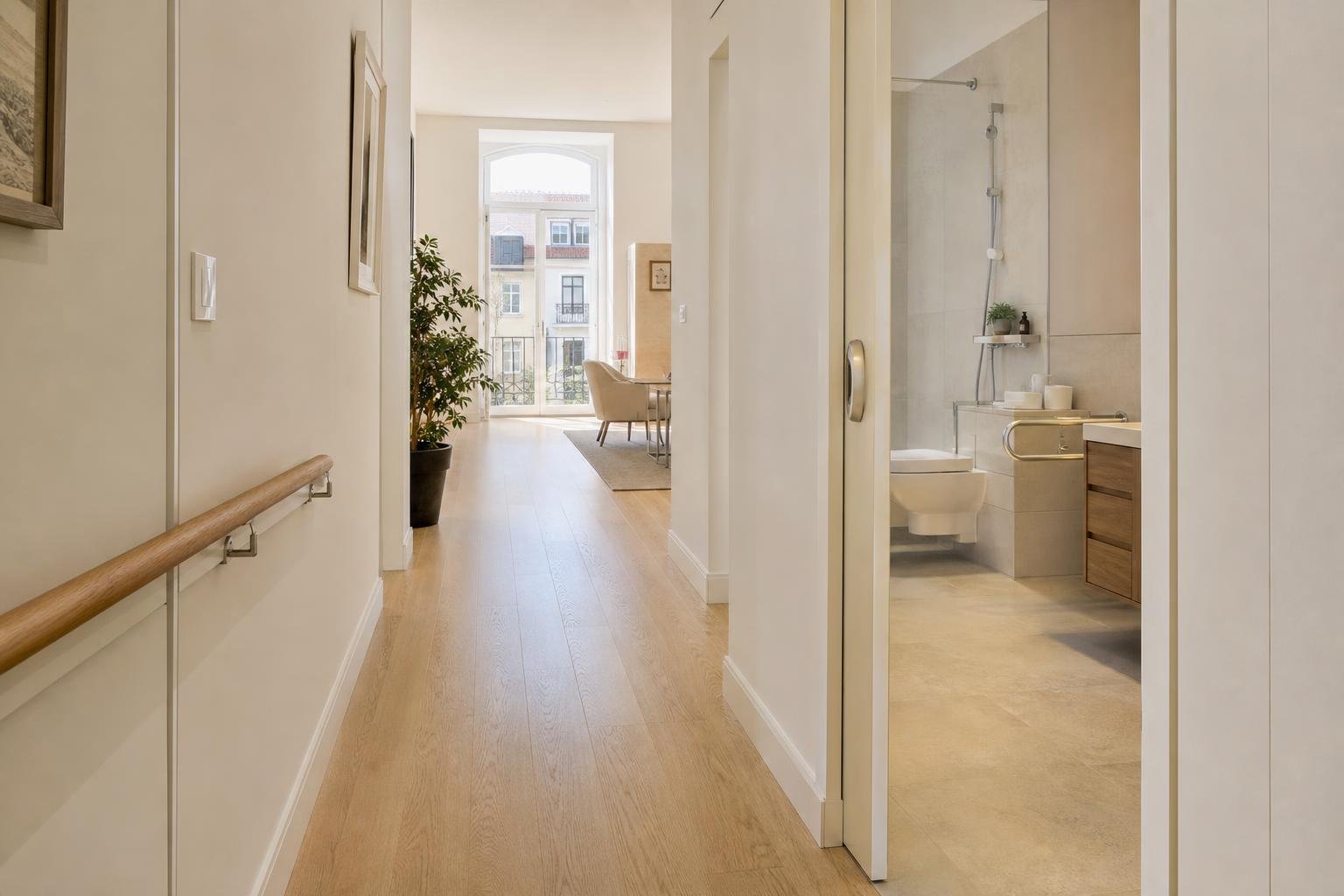
- Accessibility, safety and applicable planning requirements.
- Adaptability, maintenance and long-term value.
Renovation requires a different kind of judgement
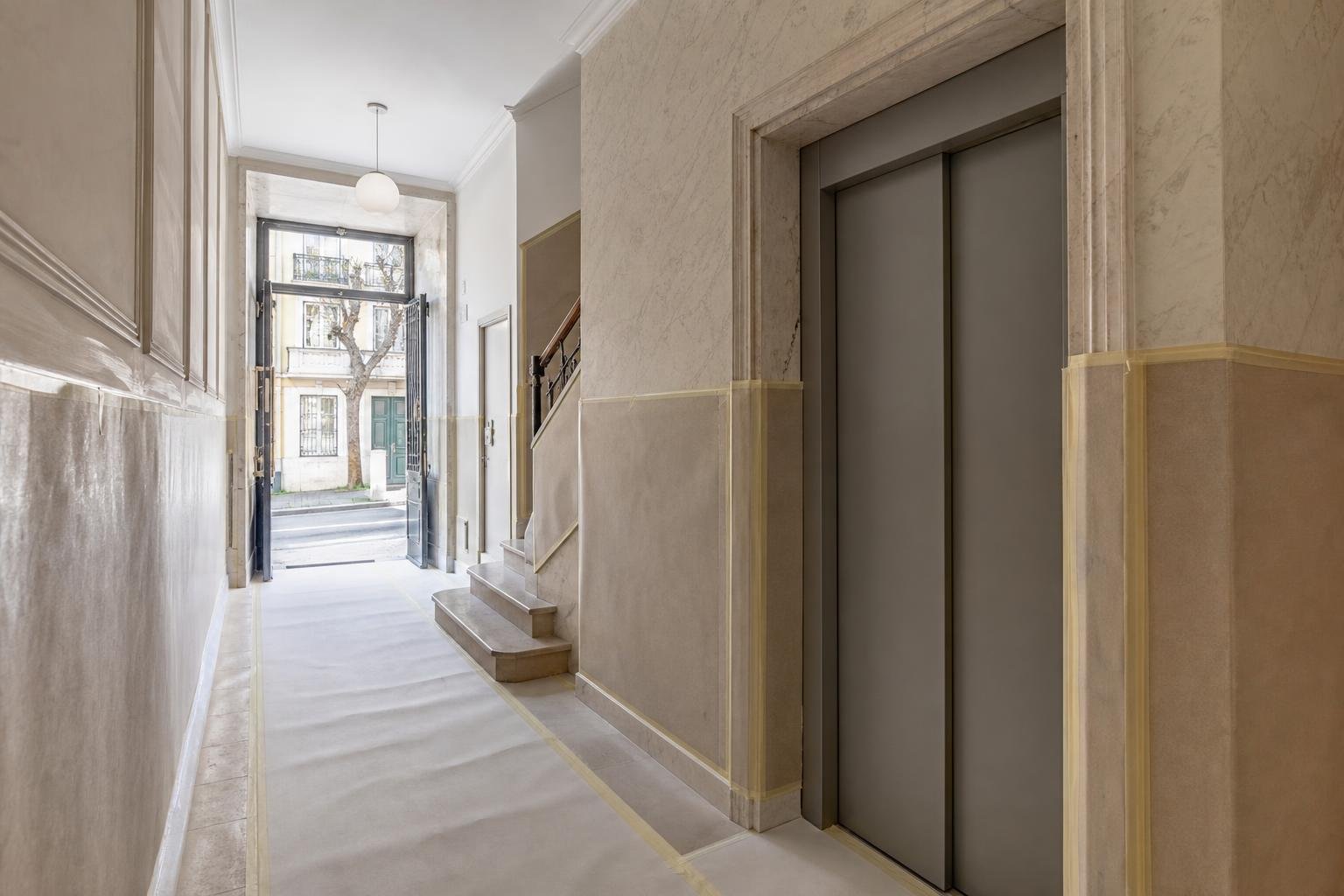
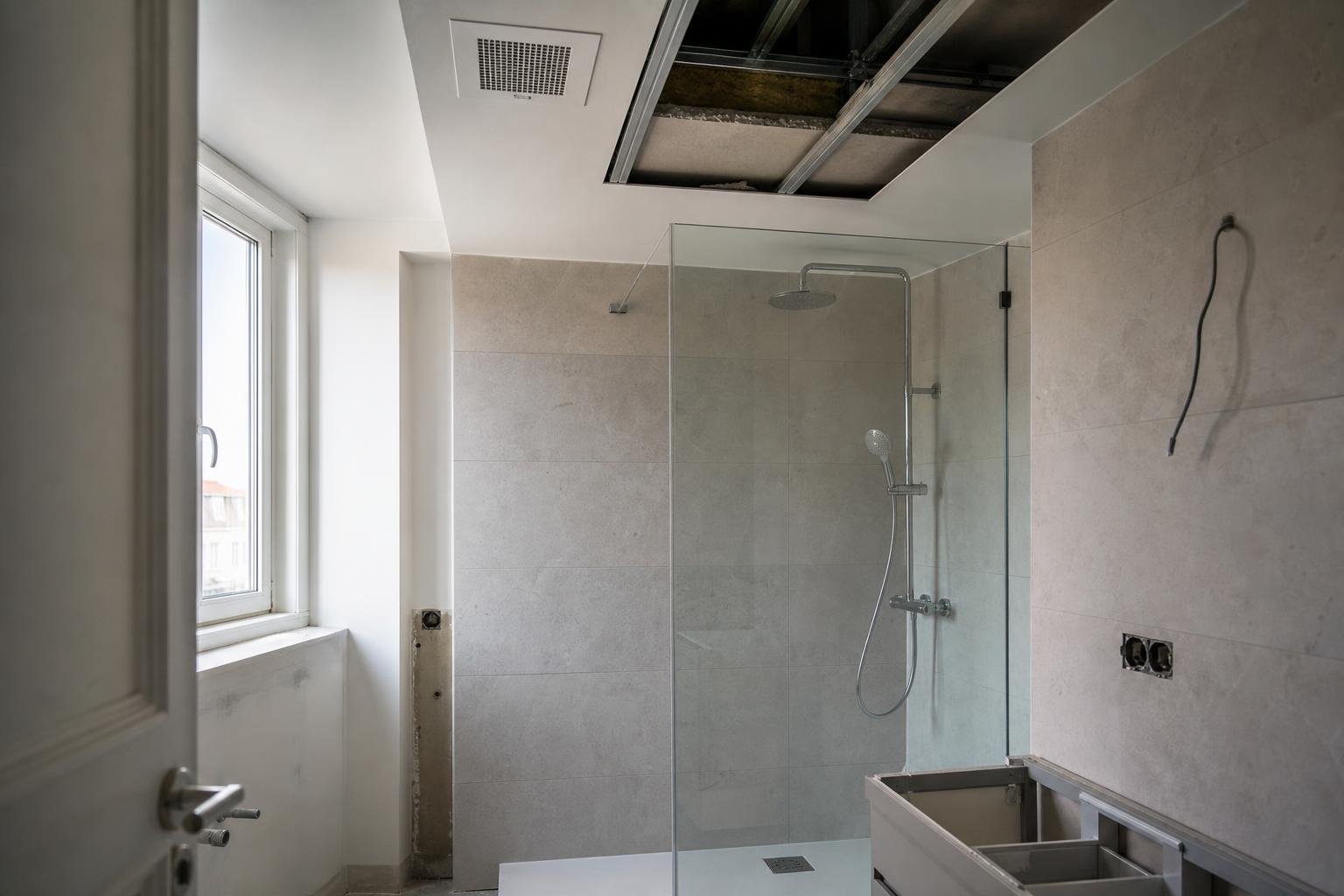
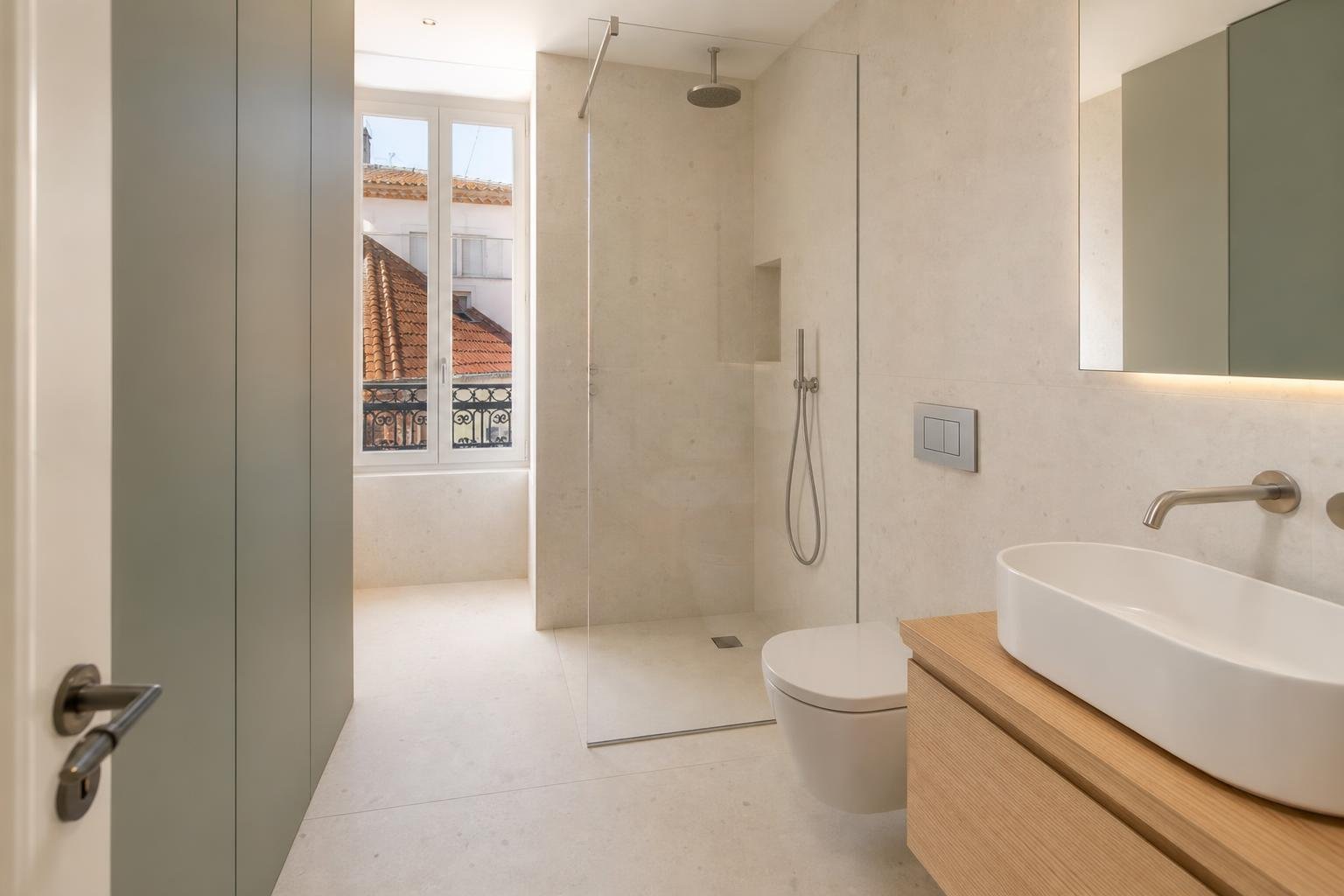
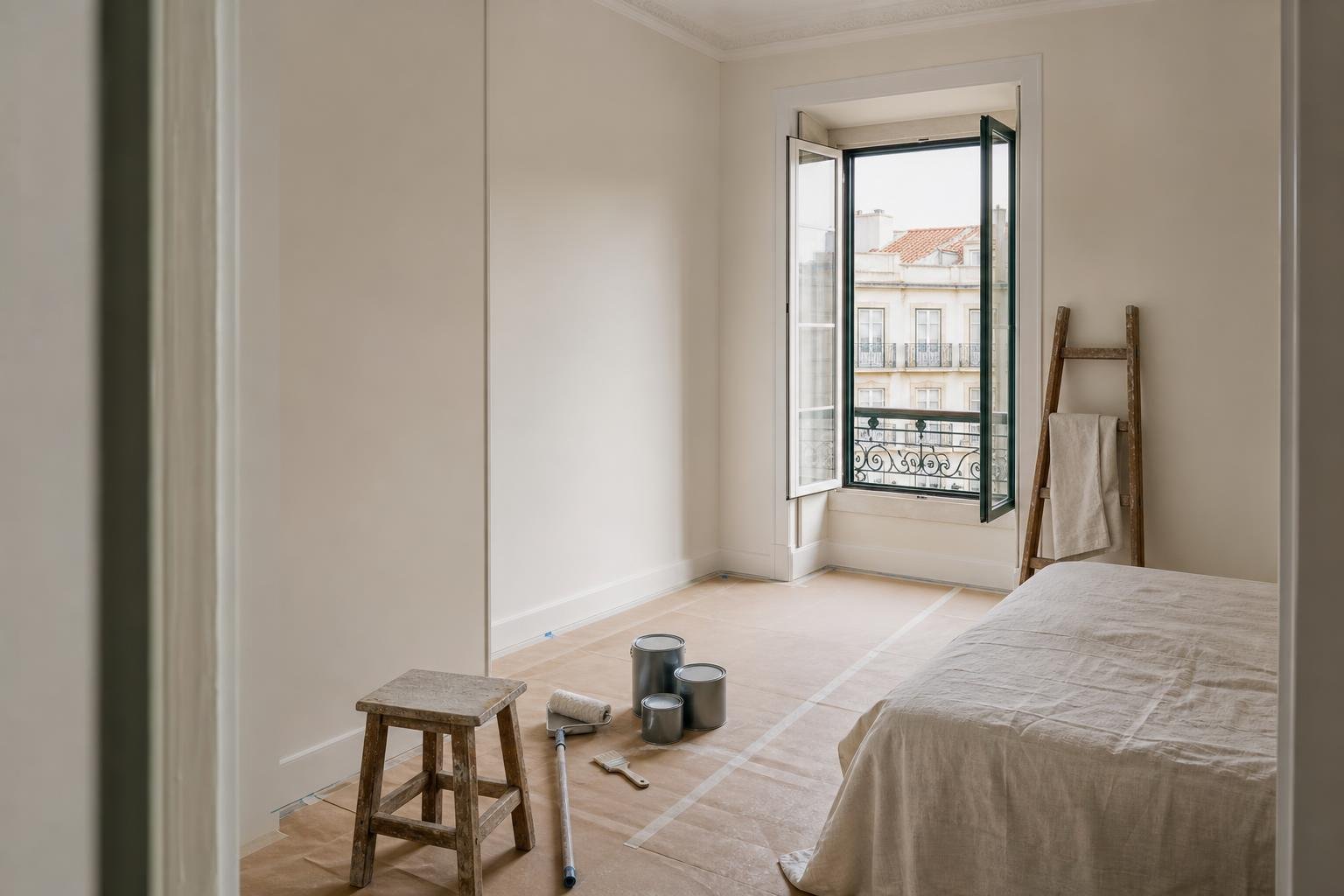
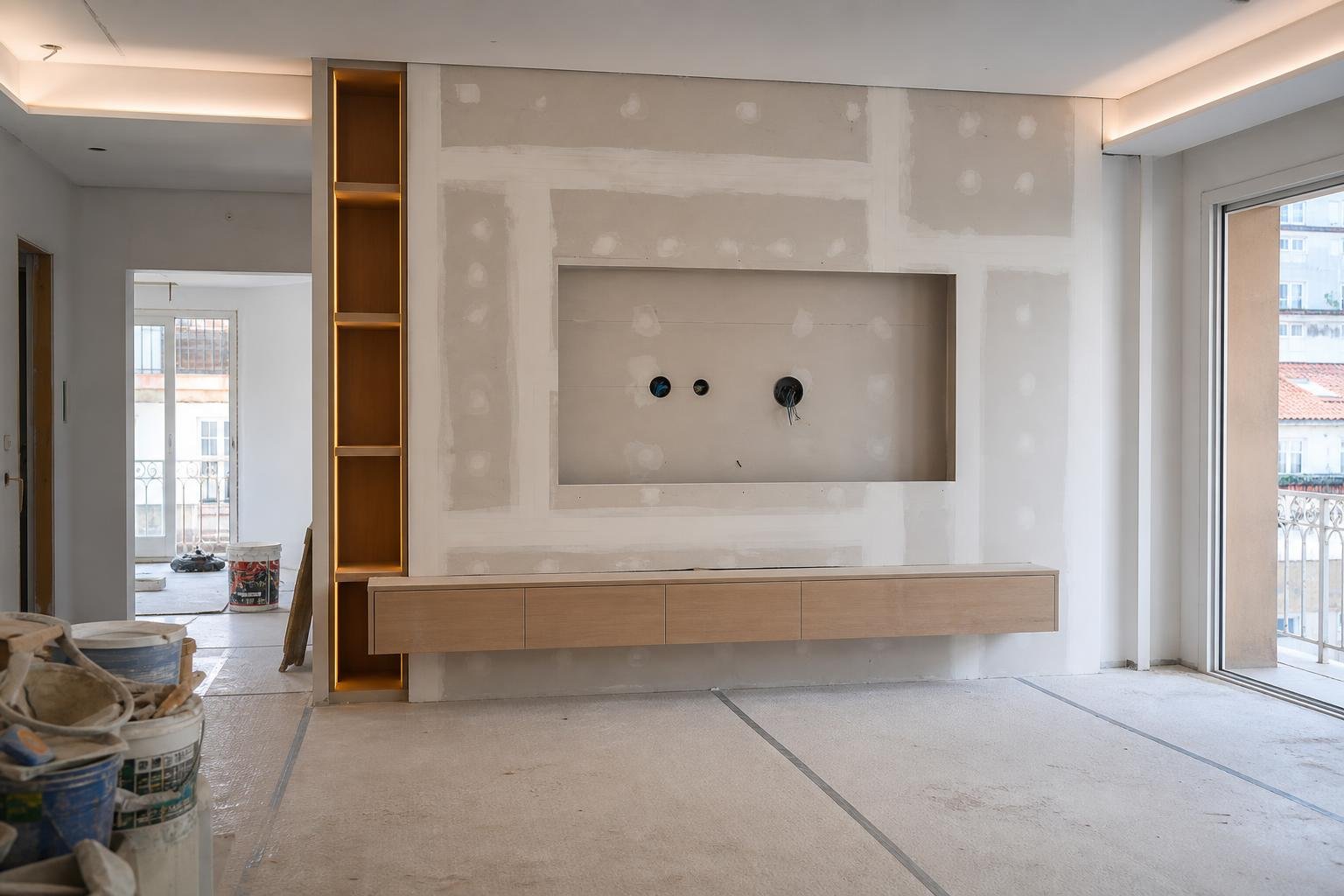
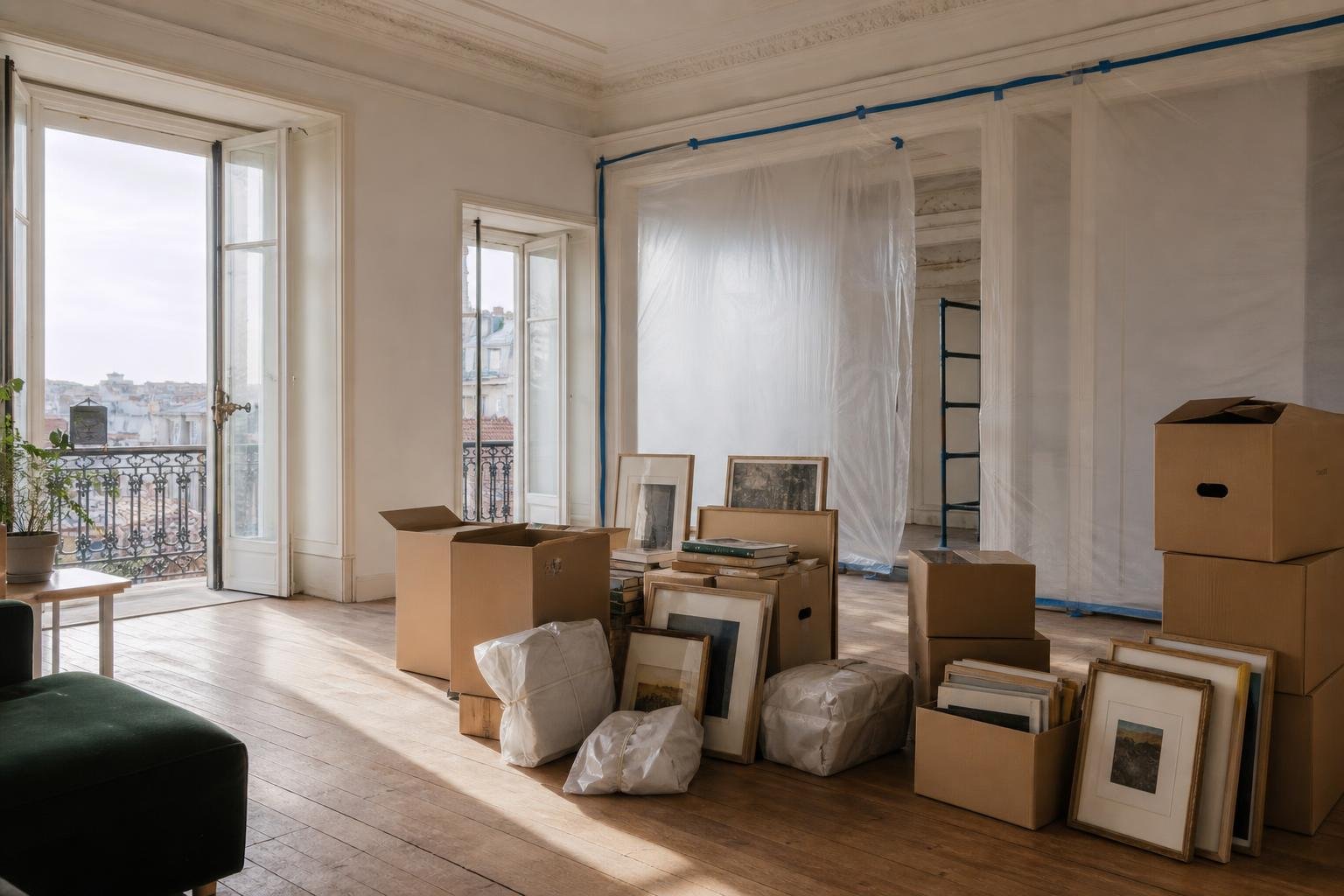
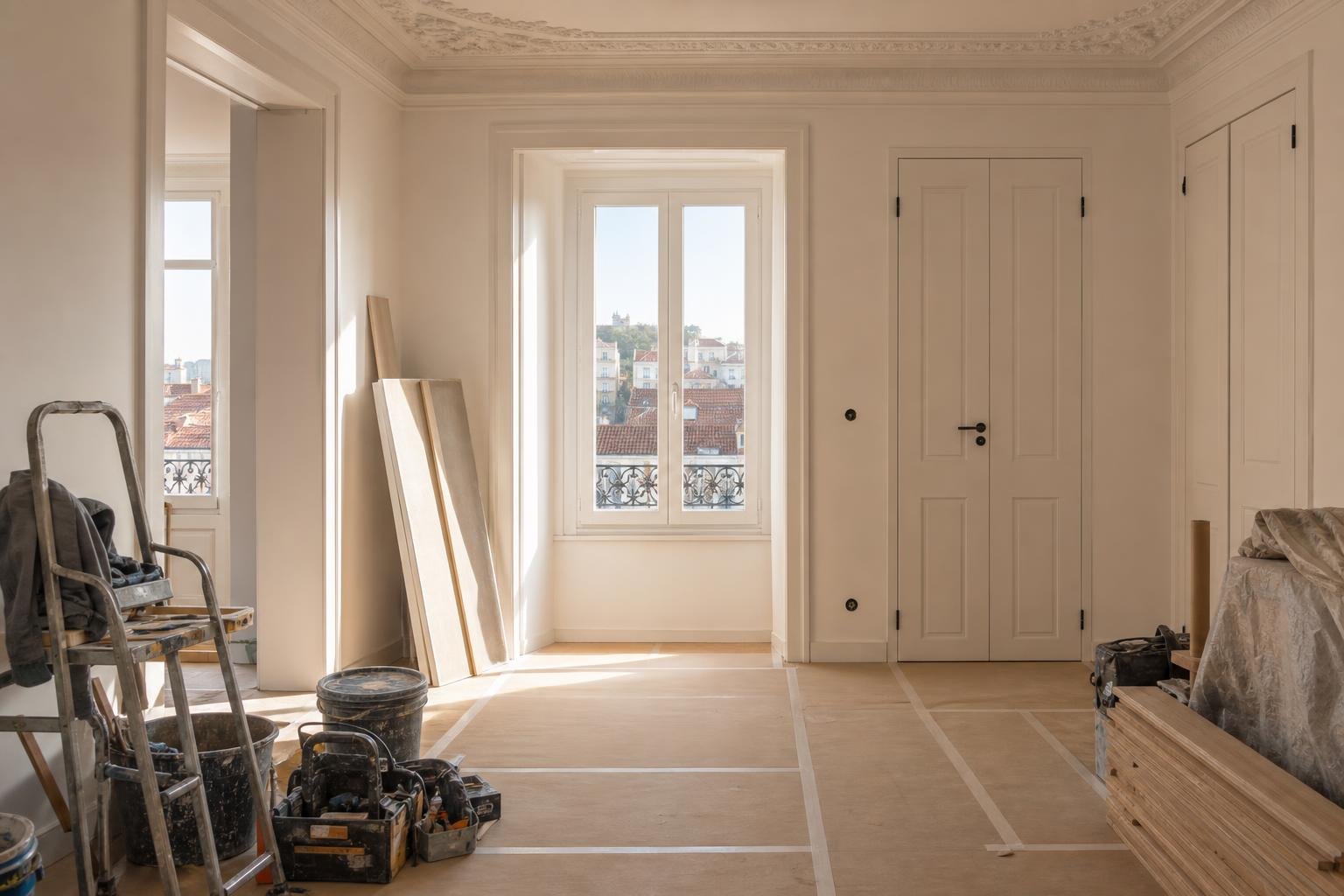
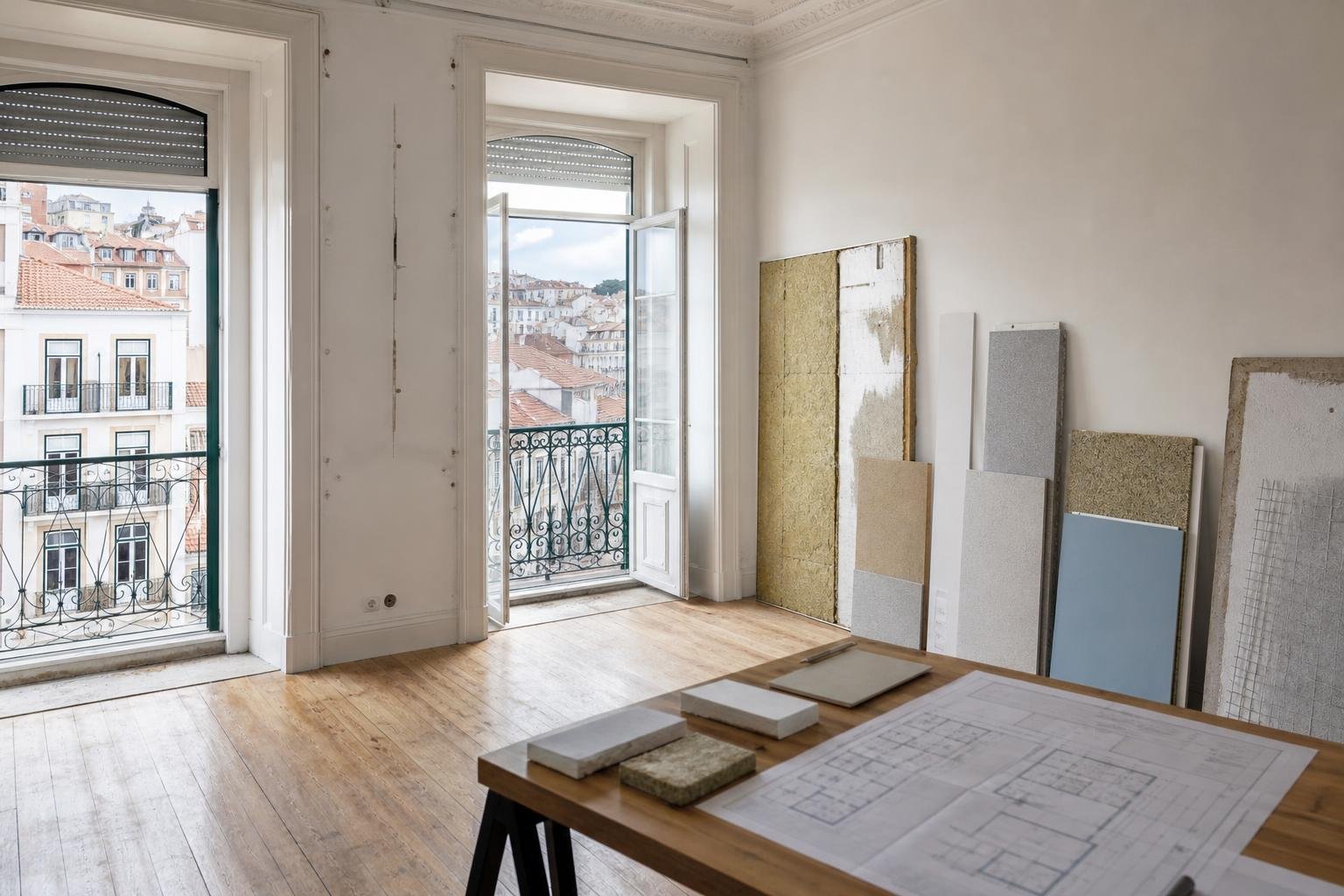
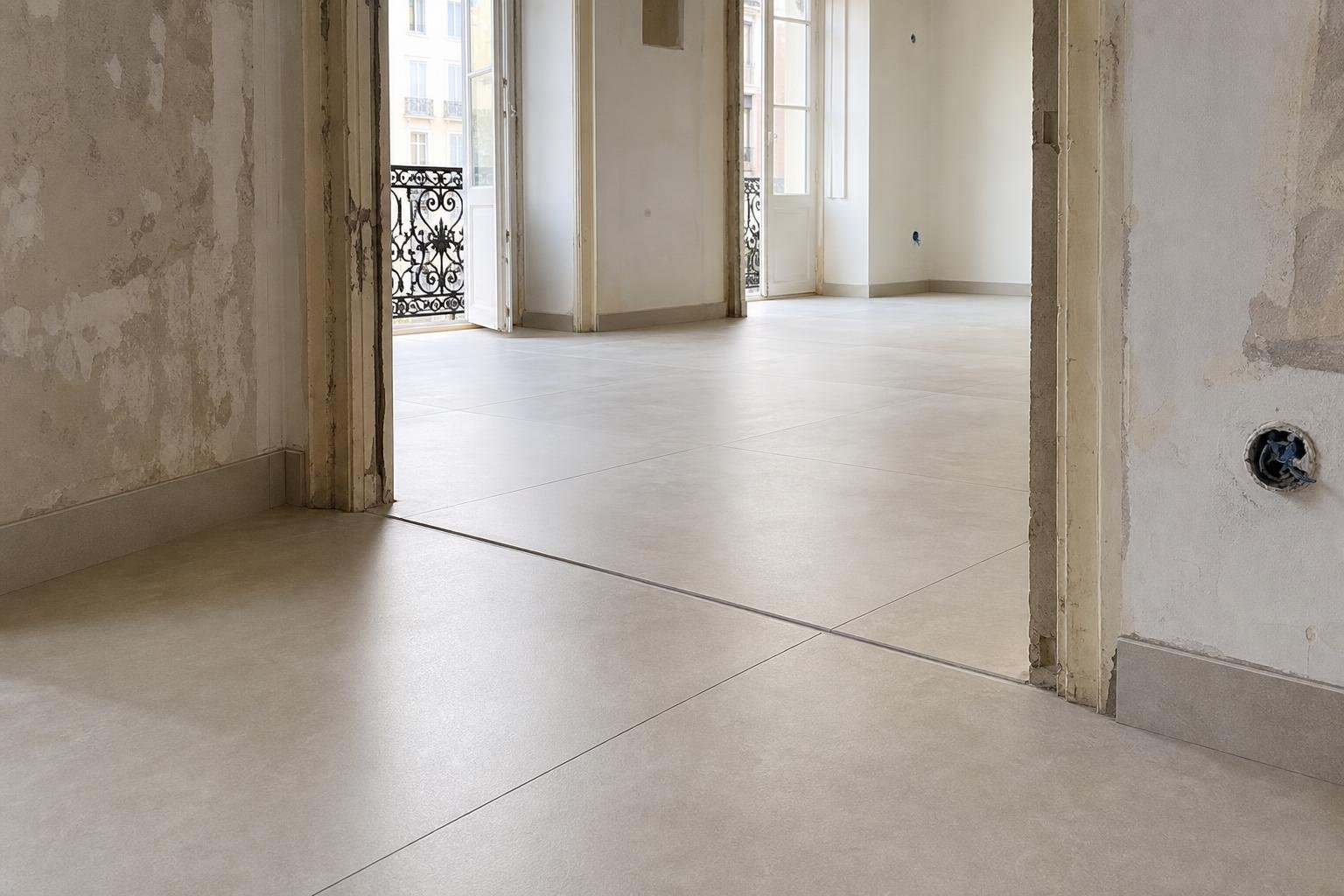
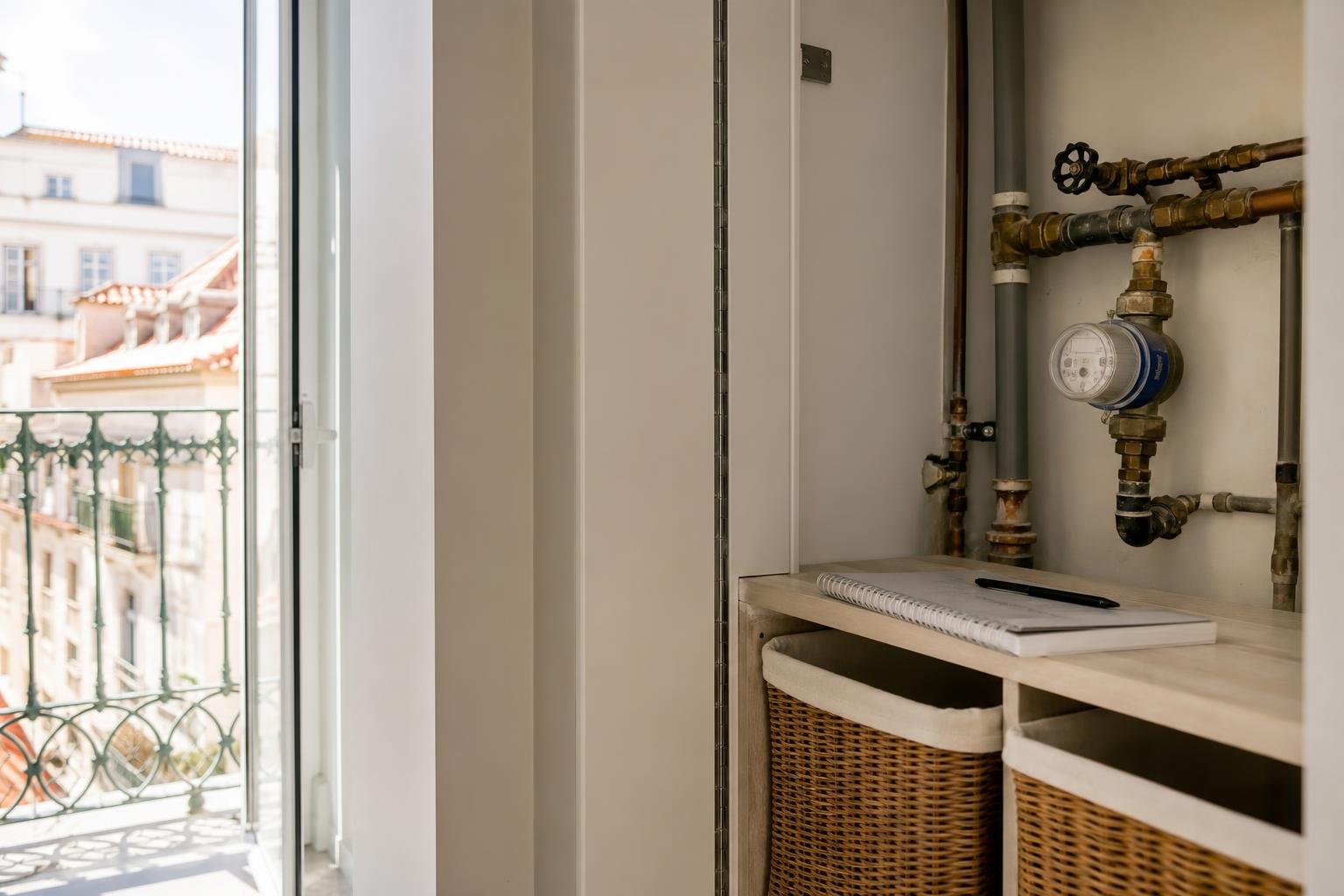
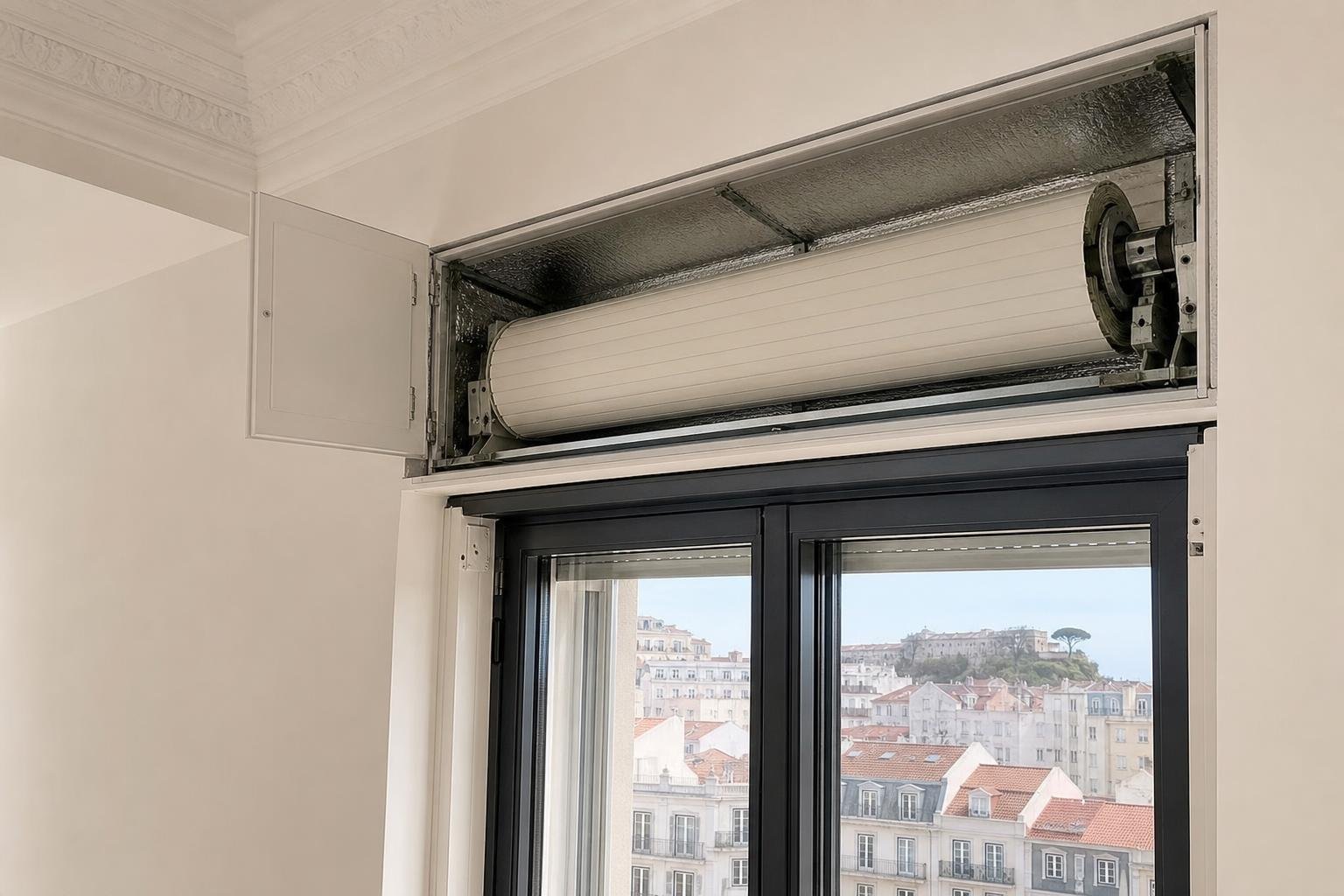
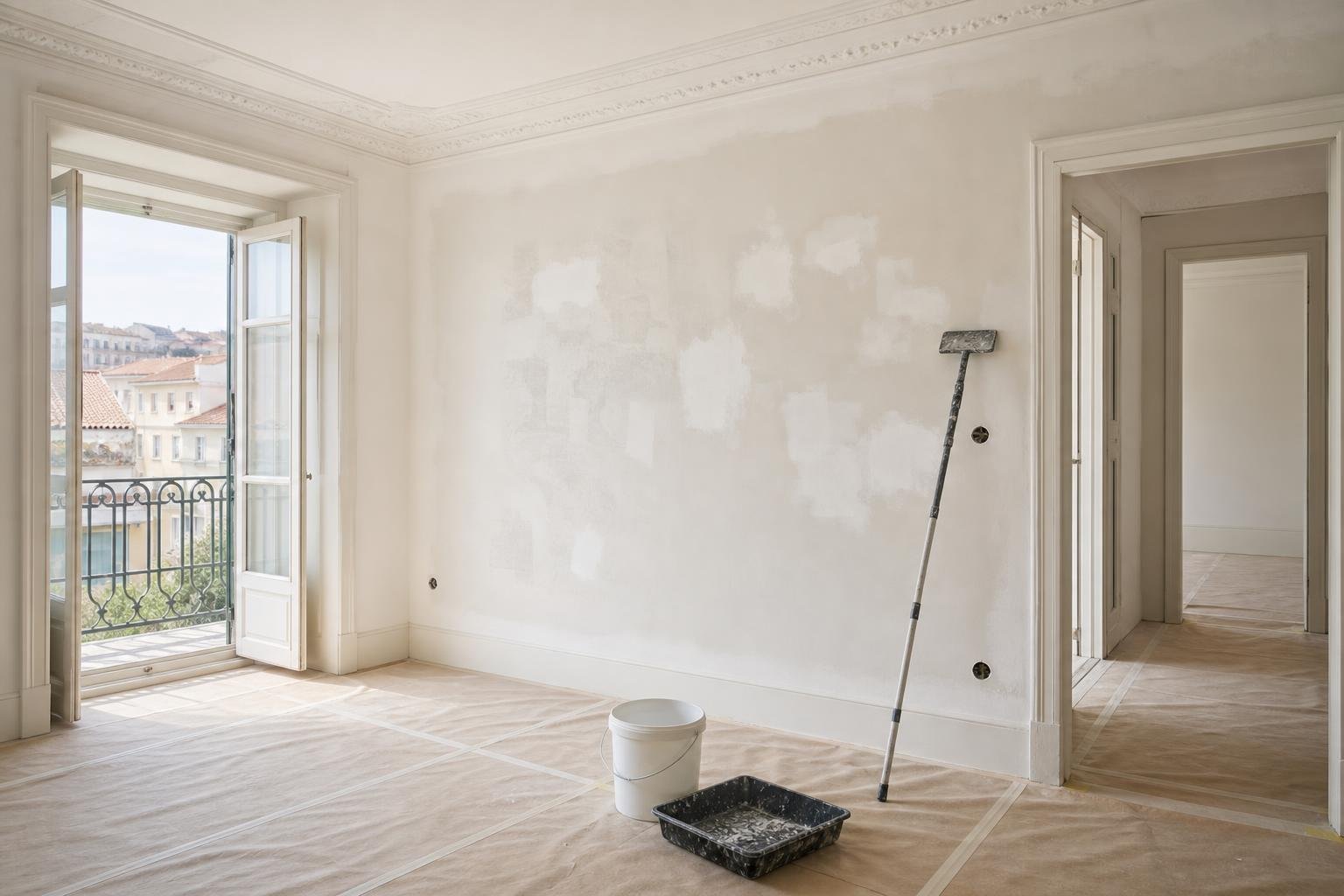
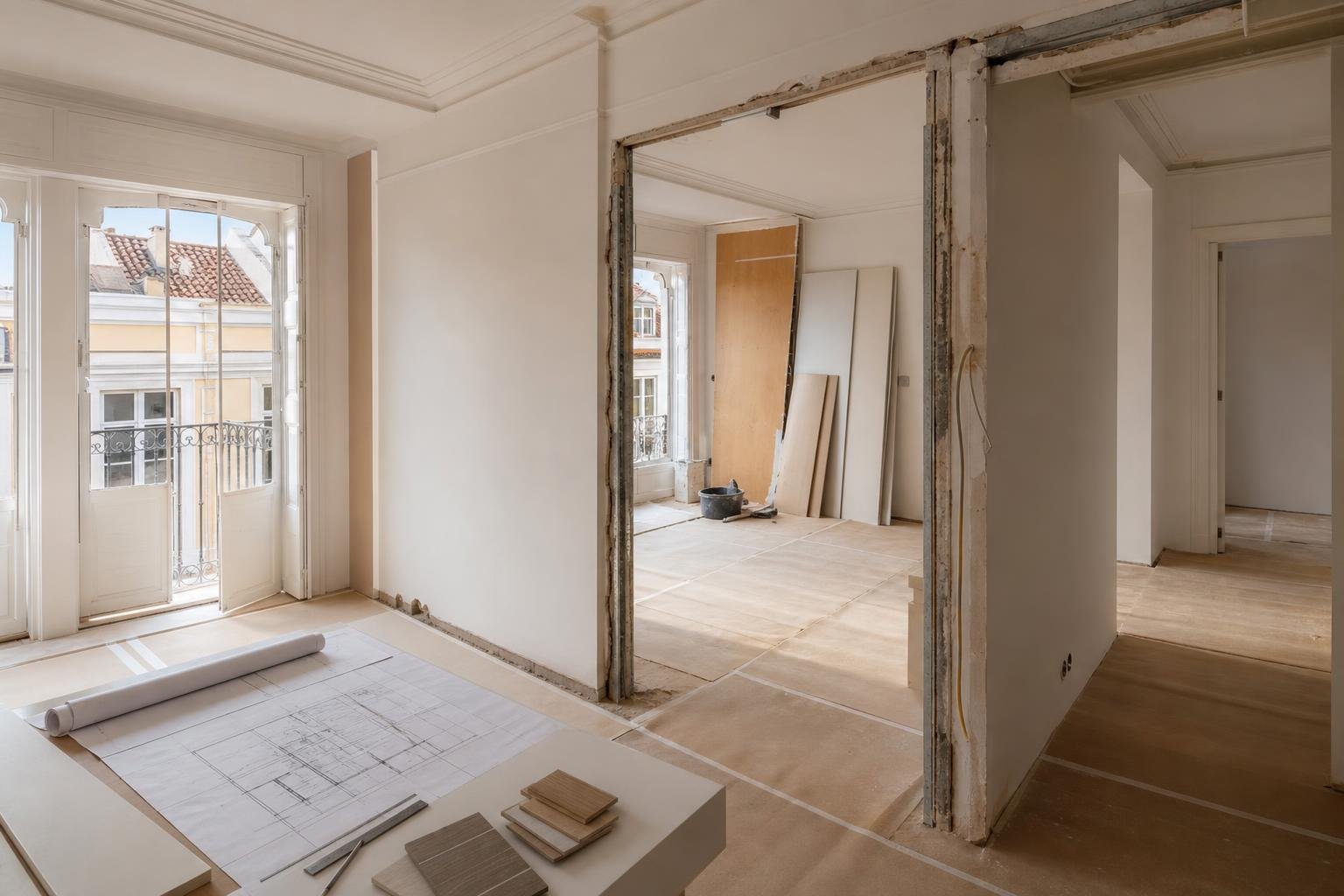
Working with an existing building means interpreting what is already there. The designer must identify valuable elements, understand defects and decide where to retain, repair, adapt or replace.
Drawings are only part of the service
Architecture also involves briefing, surveys, coordination, approvals, specifications, review of alternatives and clarification during construction. The exact scope depends on the project and should be agreed at the start.
Technology changes the tools, not the purpose
Digital modelling and visualisation help teams test options and coordinate information. They do not replace the need to understand users, context and construction.
Architecture remains relevant because buildings are long-term decisions. A well-considered design can improve comfort, resource use and everyday life while giving construction teams a clear basis for execution.

Obra Lisboa