Creative ideas for a small balcony
A compact balcony can support dining, reading, planting or occasional work when every element has a clear purpose. The first step is to understand the available area, exposure and building rules.
Measure before buying furniture
Record the usable width, door swing, drainage points and required circulation. Furniture should allow the balcony door to open fully and should not block rainwater outlets or maintenance access.
Choose flexible furniture
- Folding tables can be stored when not in use.
- Stackable or lightweight chairs make the layout adaptable.
- A narrow built-in bench can combine seating and storage.
- Wall-mounted shelves keep the floor clear.
Use planting vertically
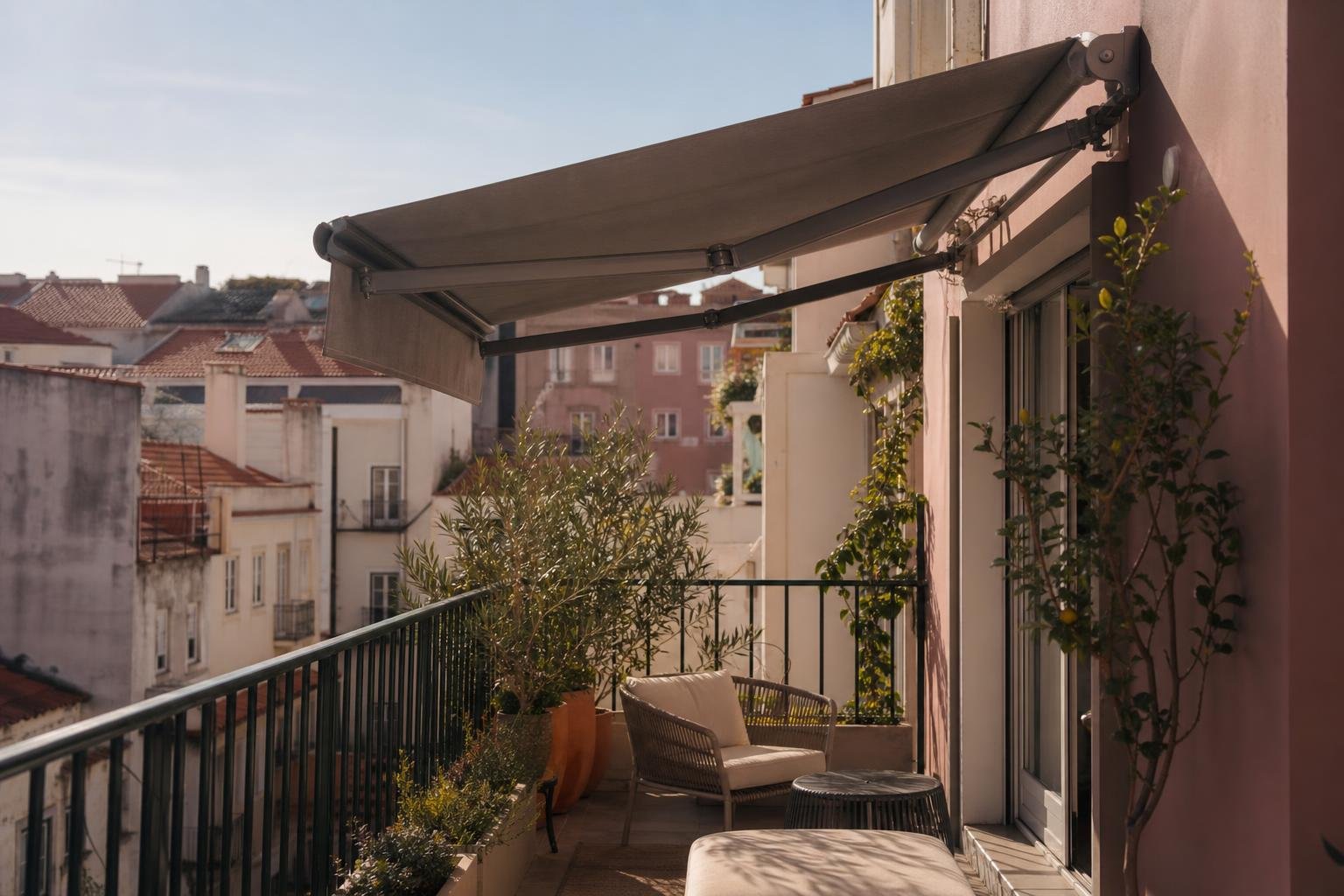
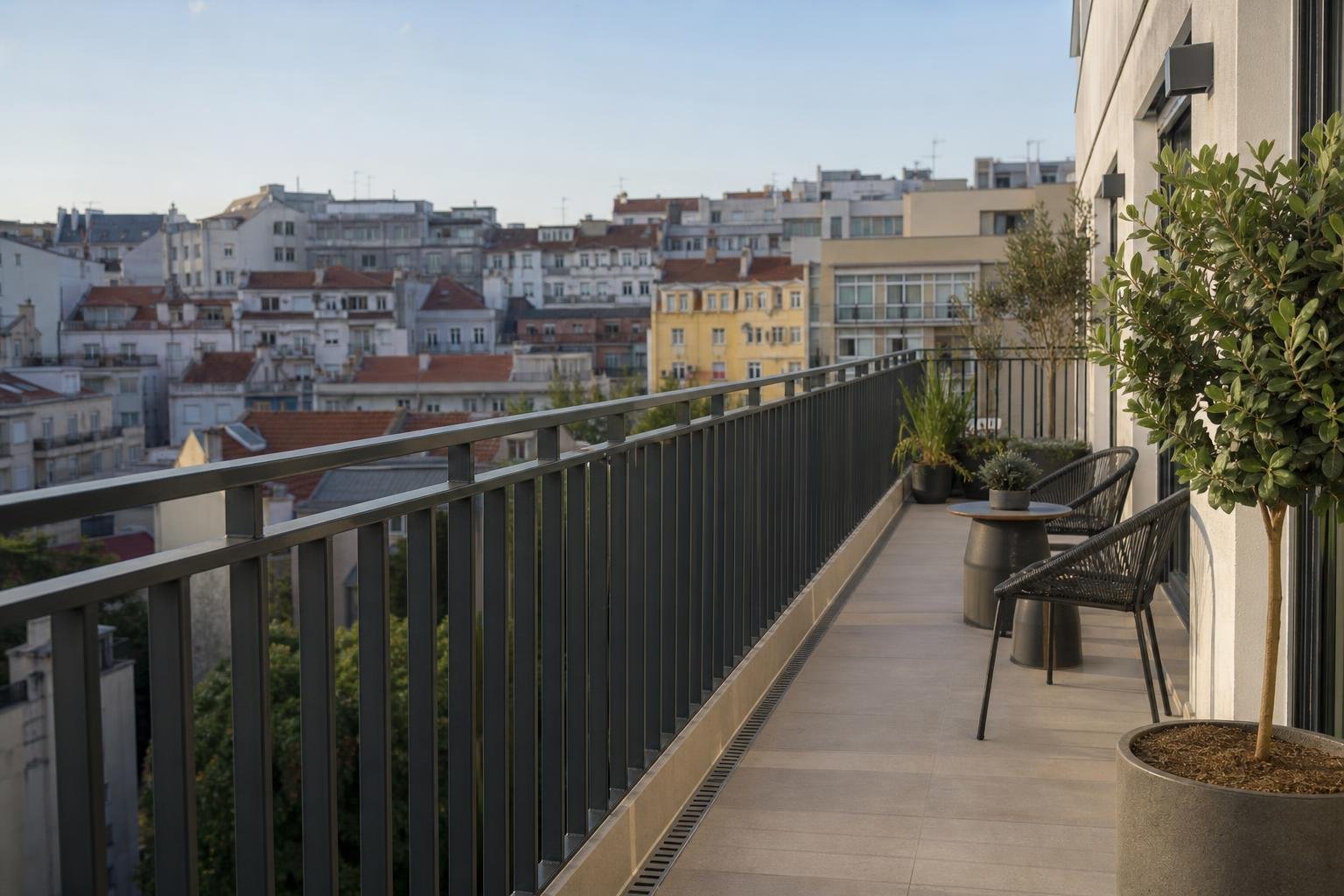
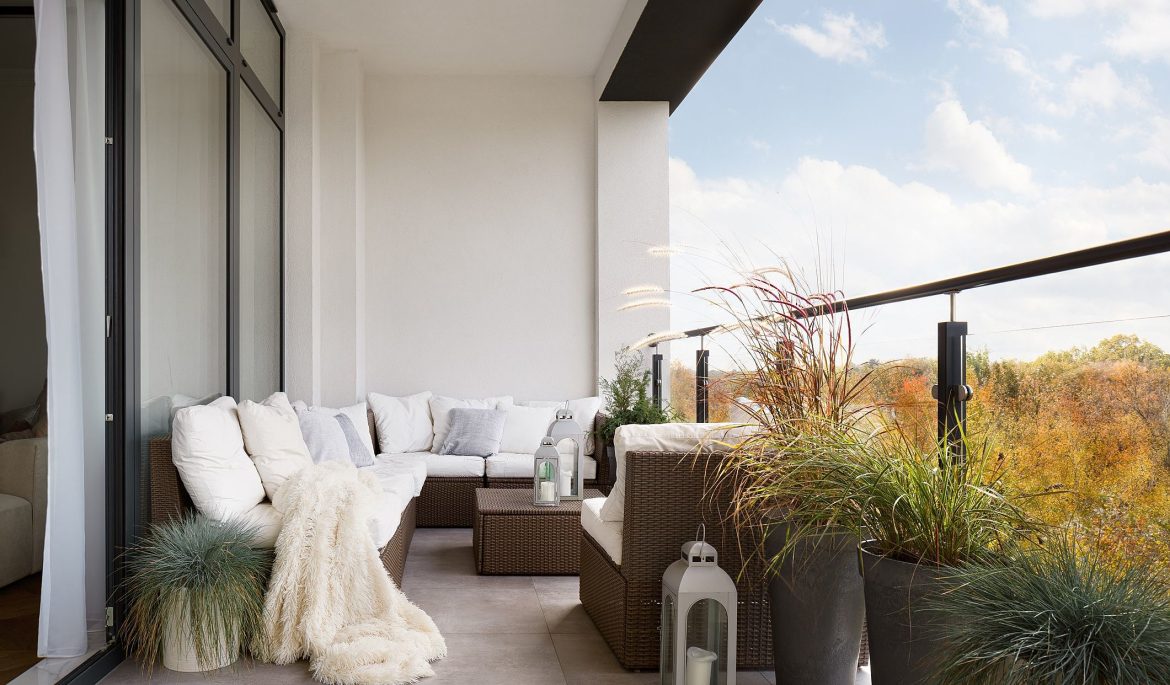
Wall planters, trellises and tall narrow pots create greenery without consuming the centre of the balcony. Select plants for the actual sun, wind and watering conditions, and use secure containers with controlled drainage.
Create privacy without closing the space
Open timber screens, planting and outdoor textiles can soften views while allowing light and air to pass. Any element fixed to the facade or railing should comply with condominium and safety requirements.
Improve comfort with lighting and shade
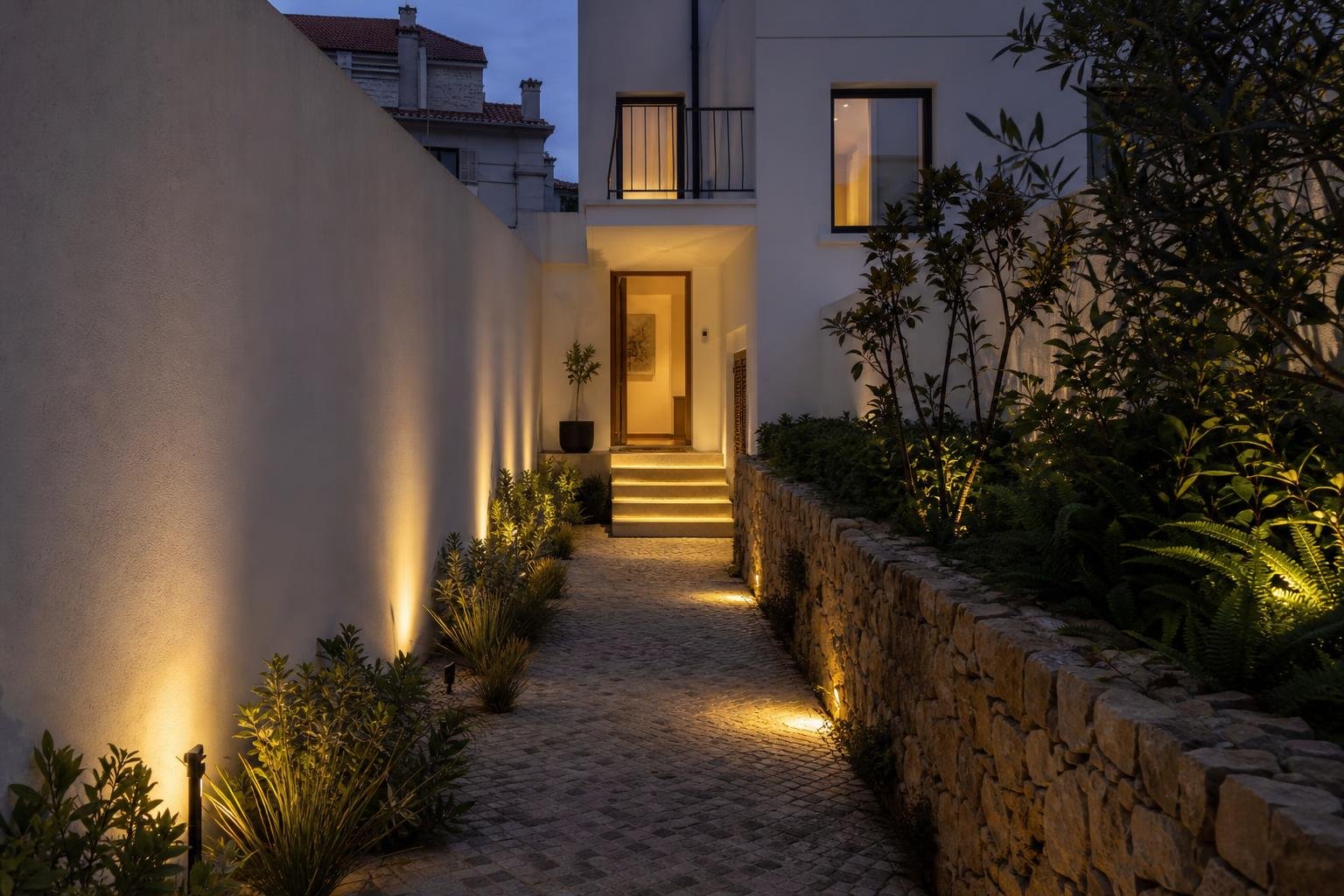
Warm, low-level exterior lighting makes the balcony usable after dark without causing glare. A suitable awning or removable shade can improve summer comfort, but fixings and wind exposure need careful assessment.
Keep materials practical
Use finishes rated for exterior exposure and choose furniture that can tolerate moisture and ultraviolet light. Avoid covering drainage or creating a build-up that traps water against the existing floor.
Define one main use
A small balcony works best when it prioritises one activity. A two-person breakfast area, a reading corner or a compact garden will usually feel more generous than a space trying to do everything at once.
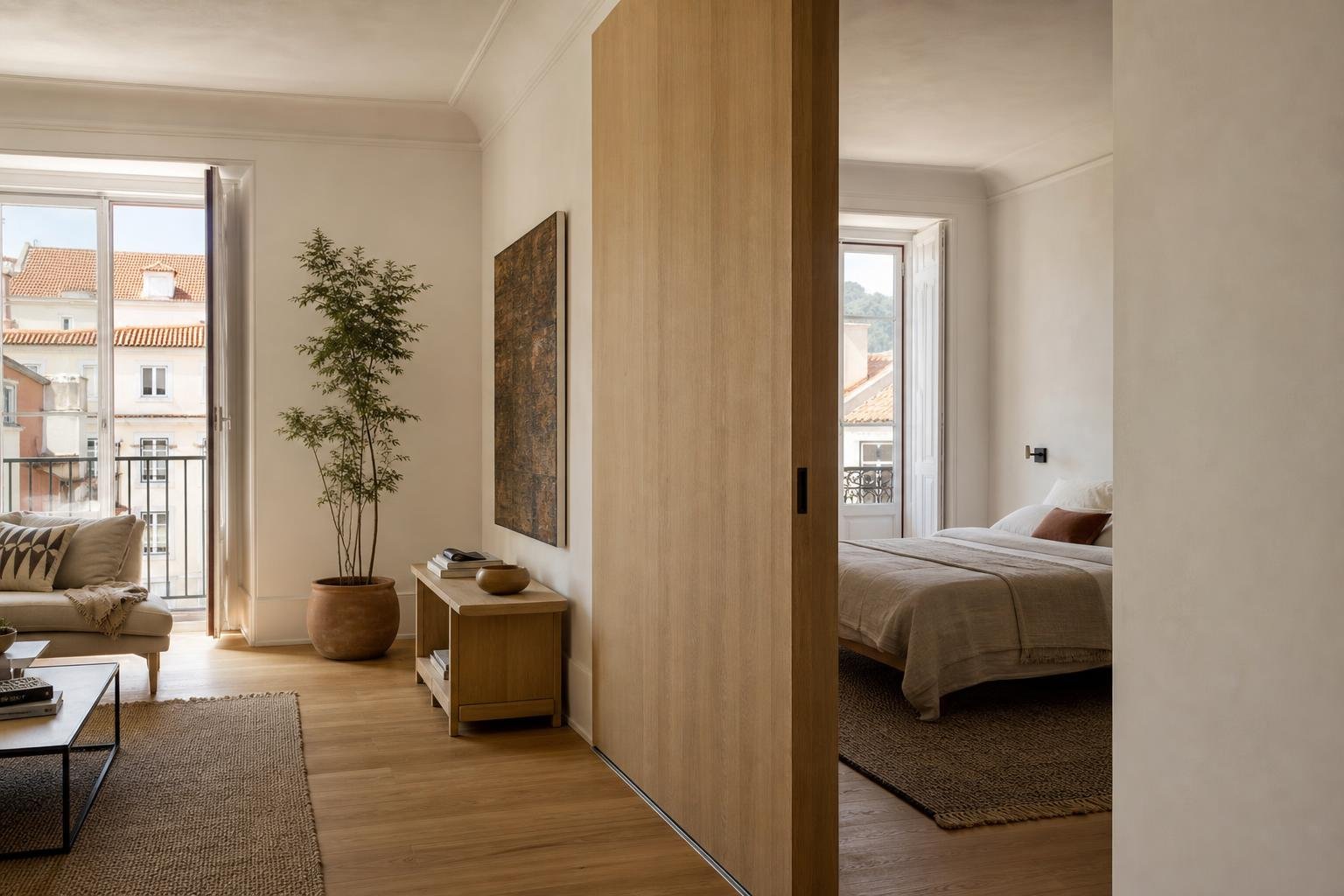
Good balcony design is less about adding objects and more about preserving circulation, light and a clear relationship with the interior room.

Obra Lisboa