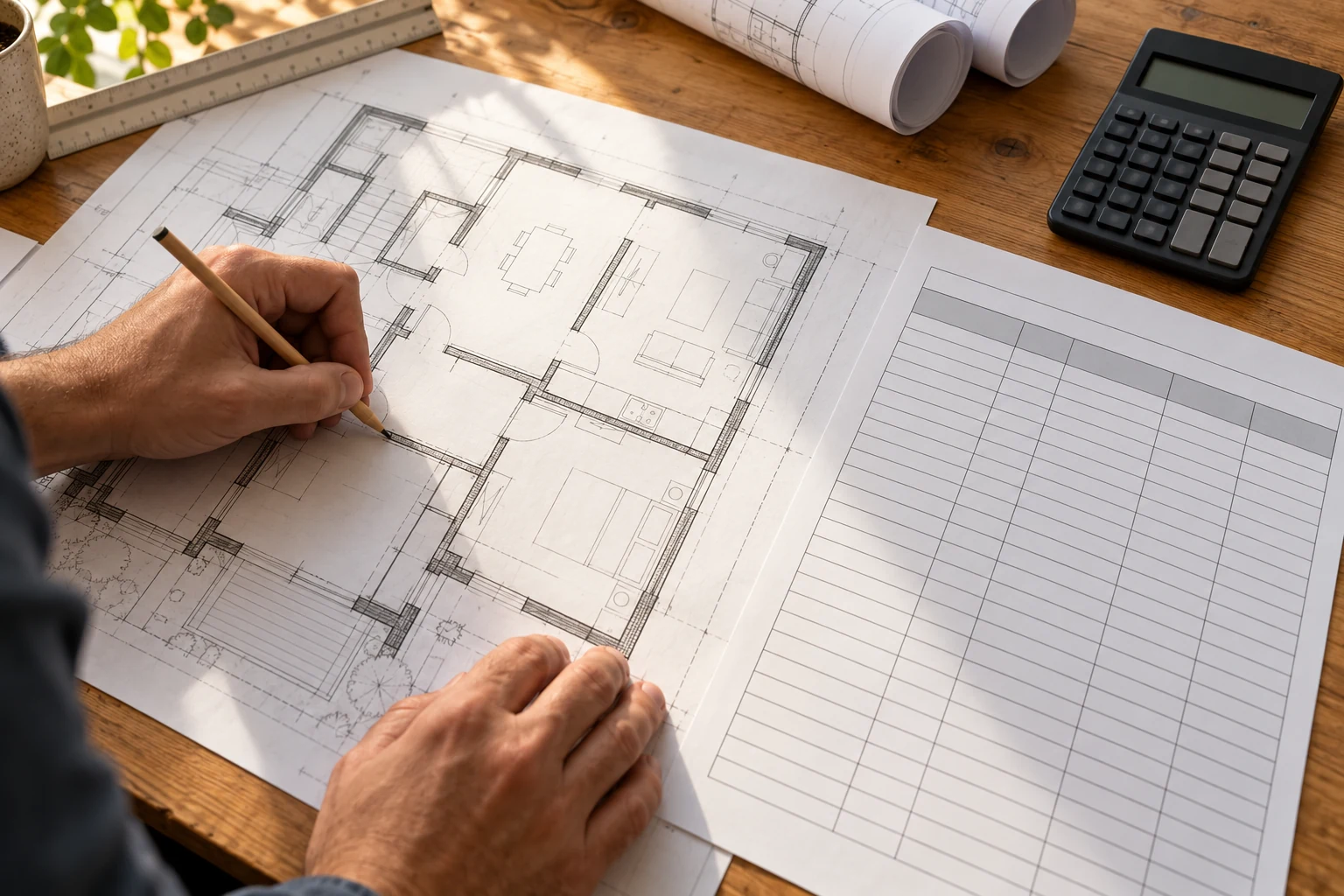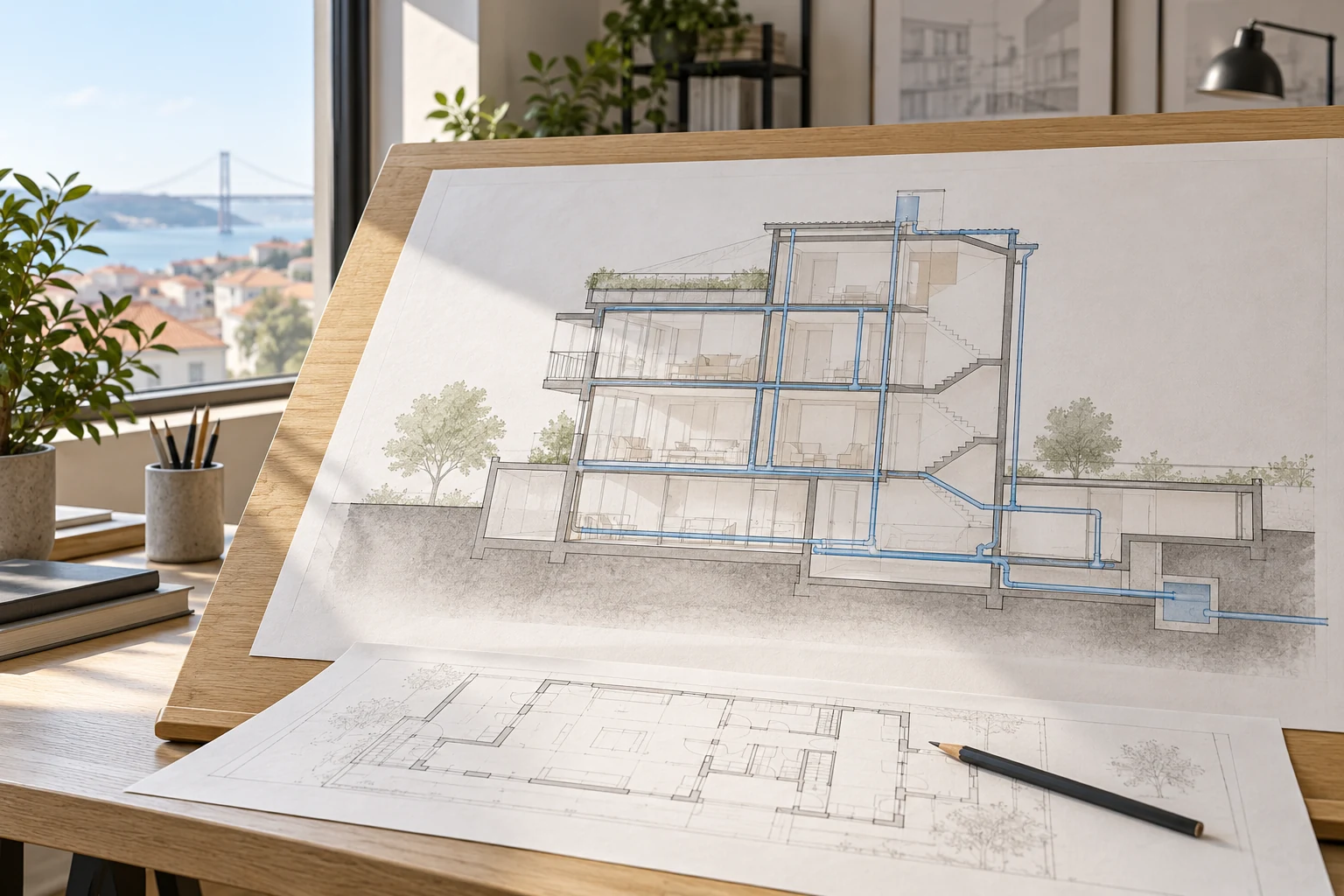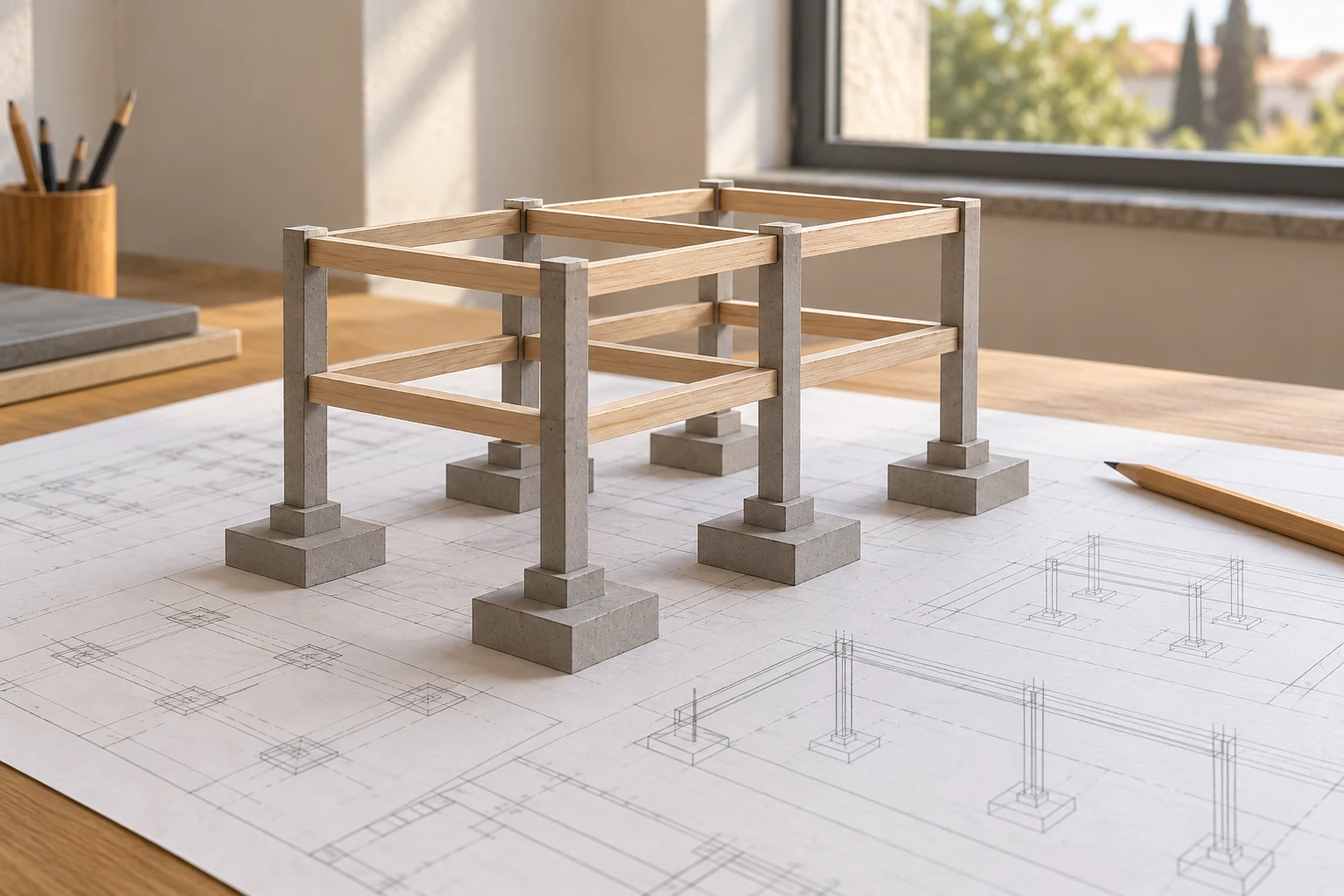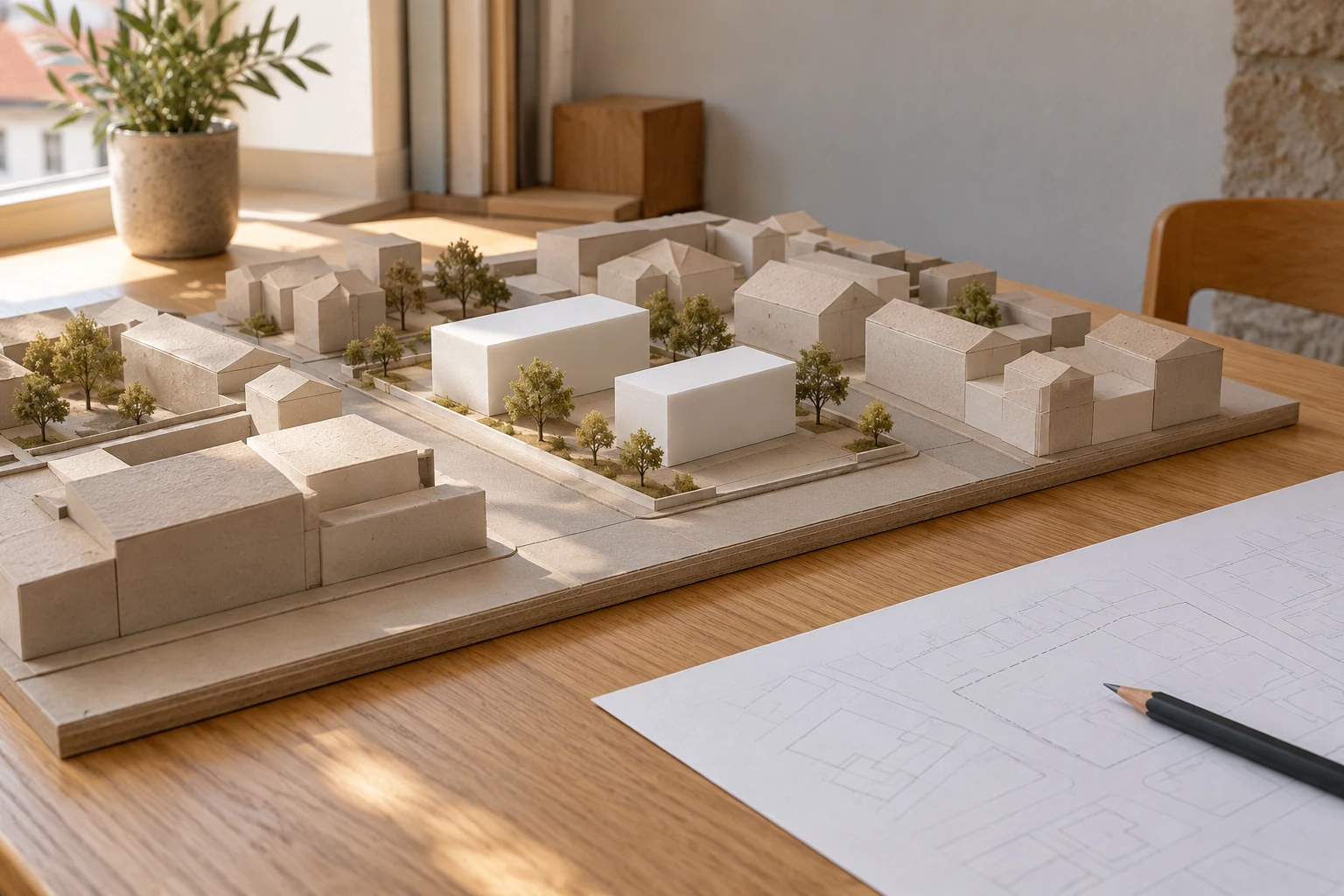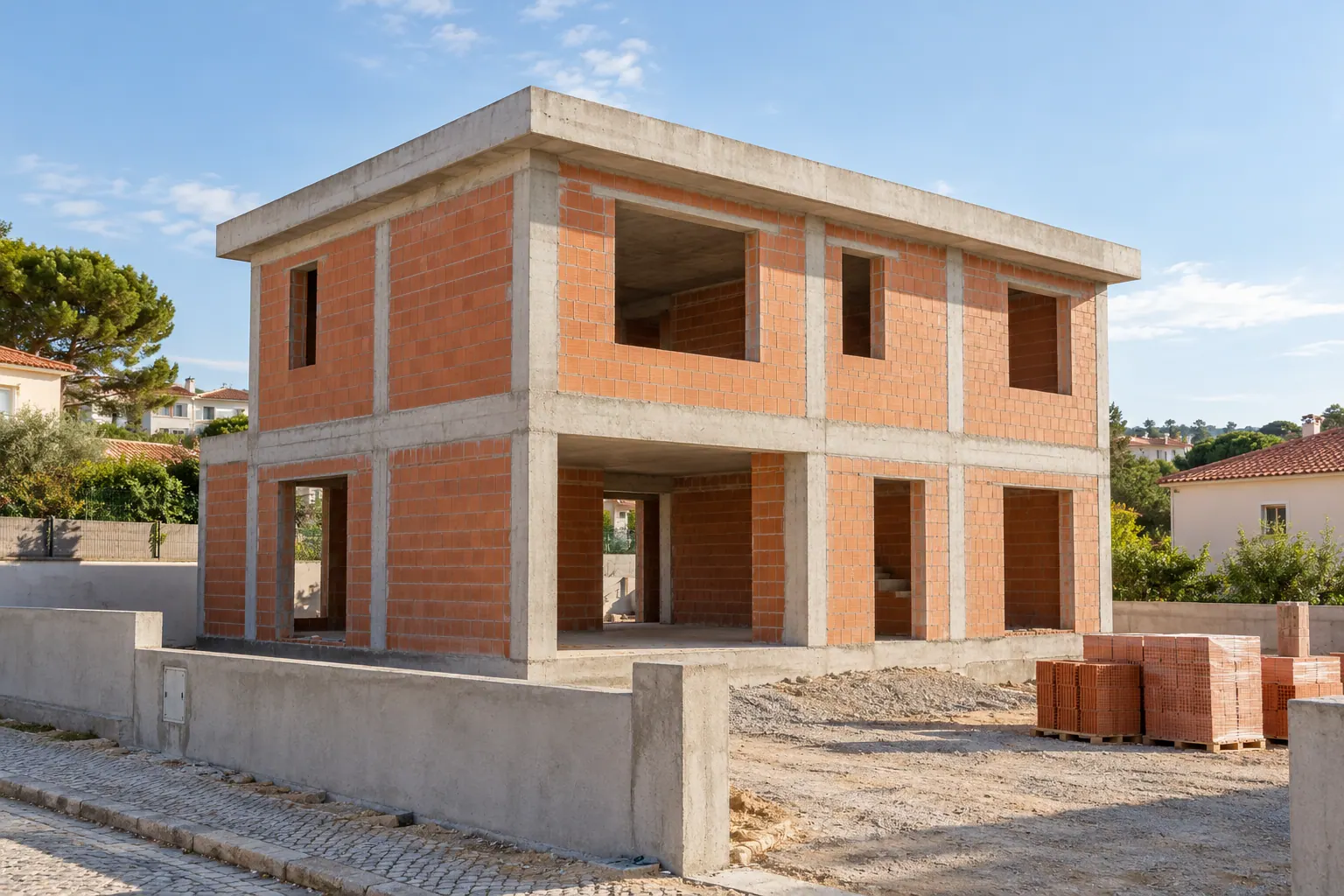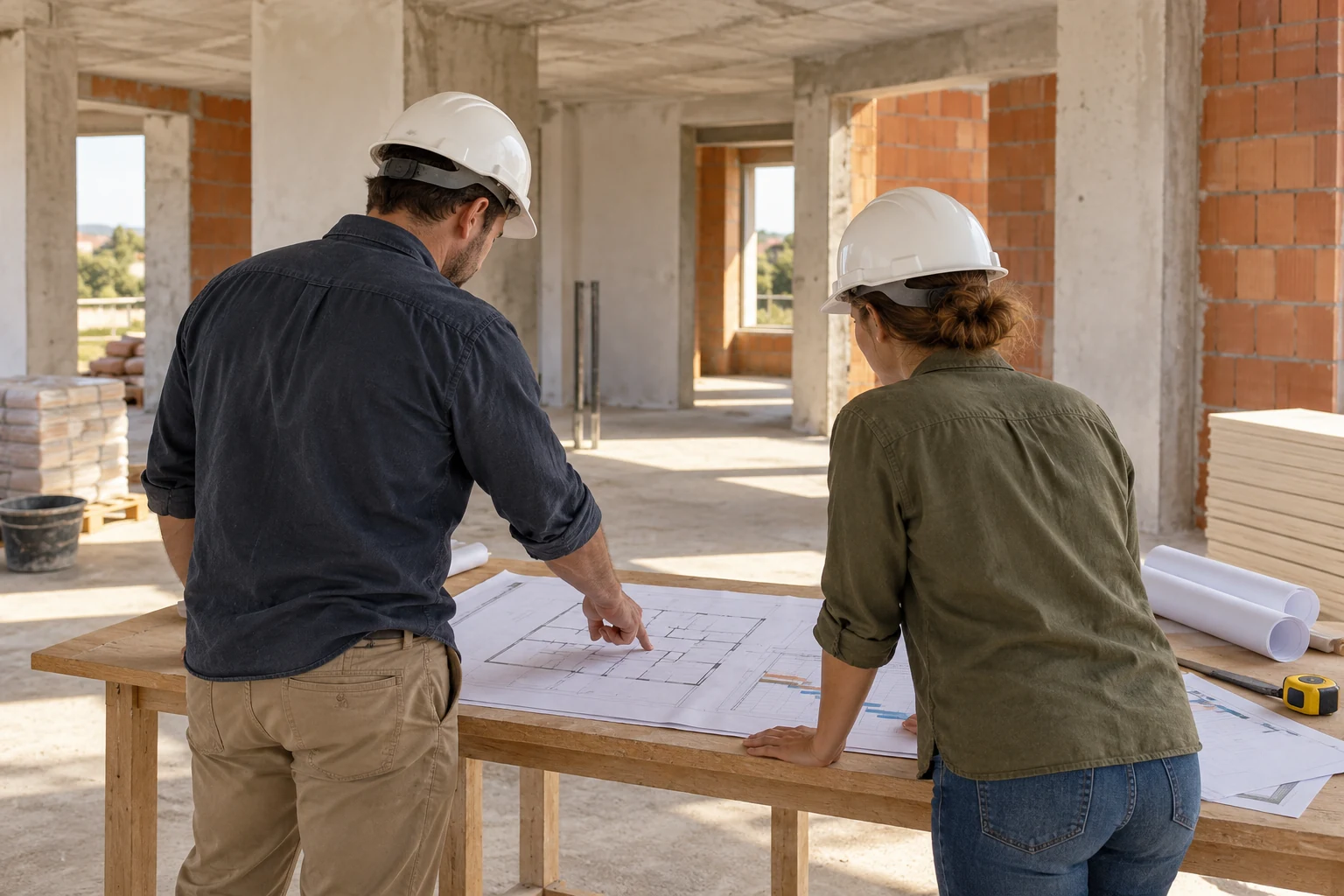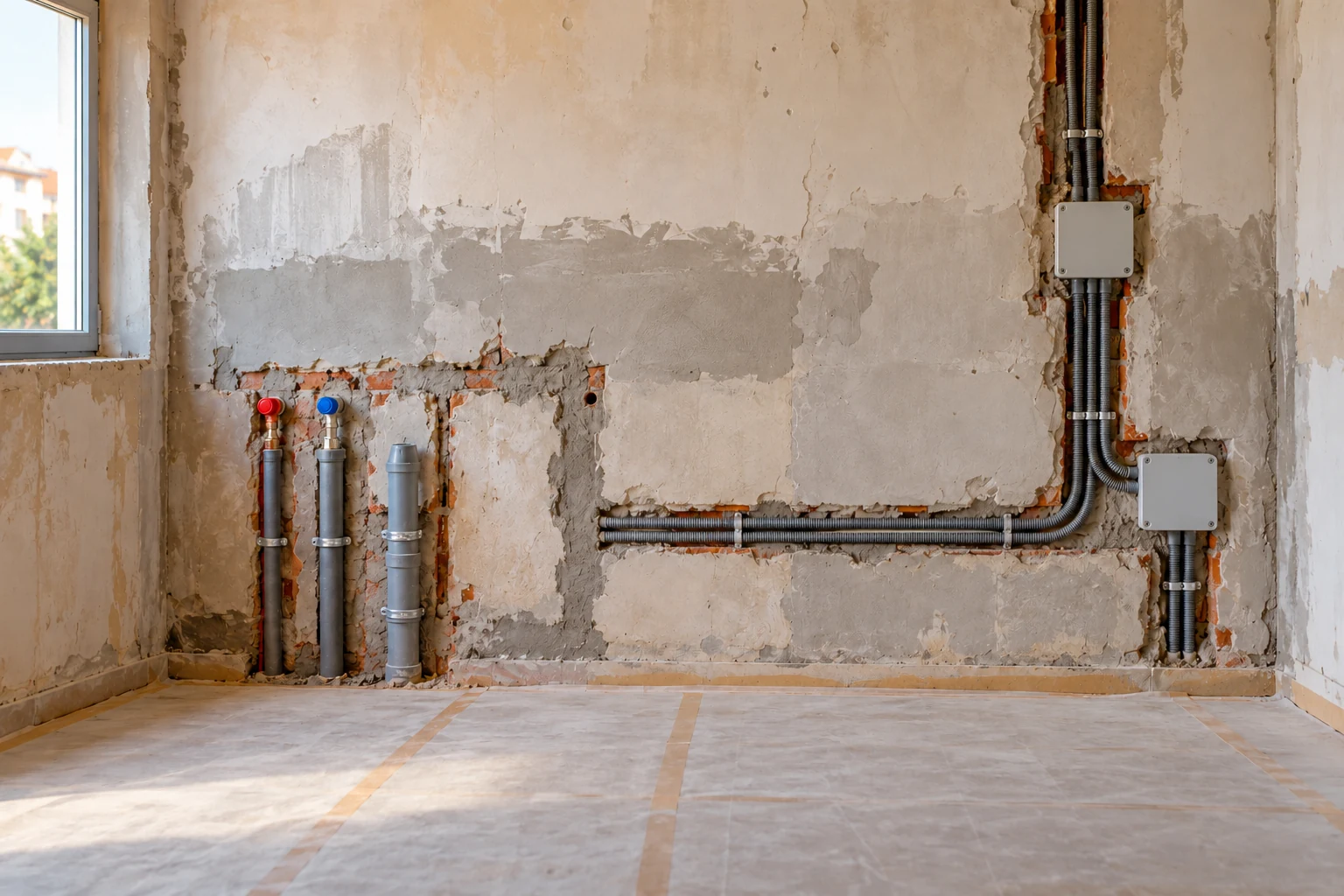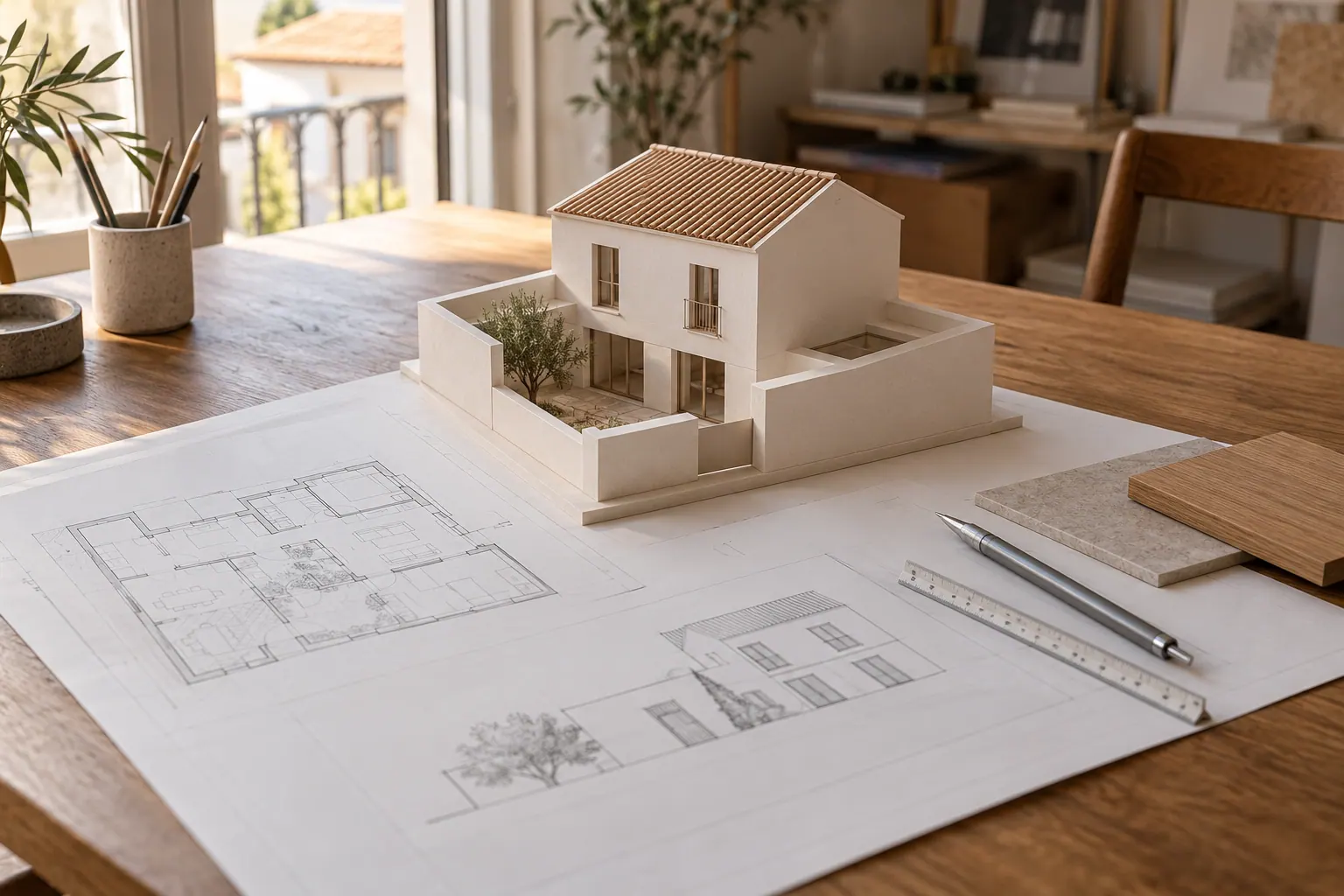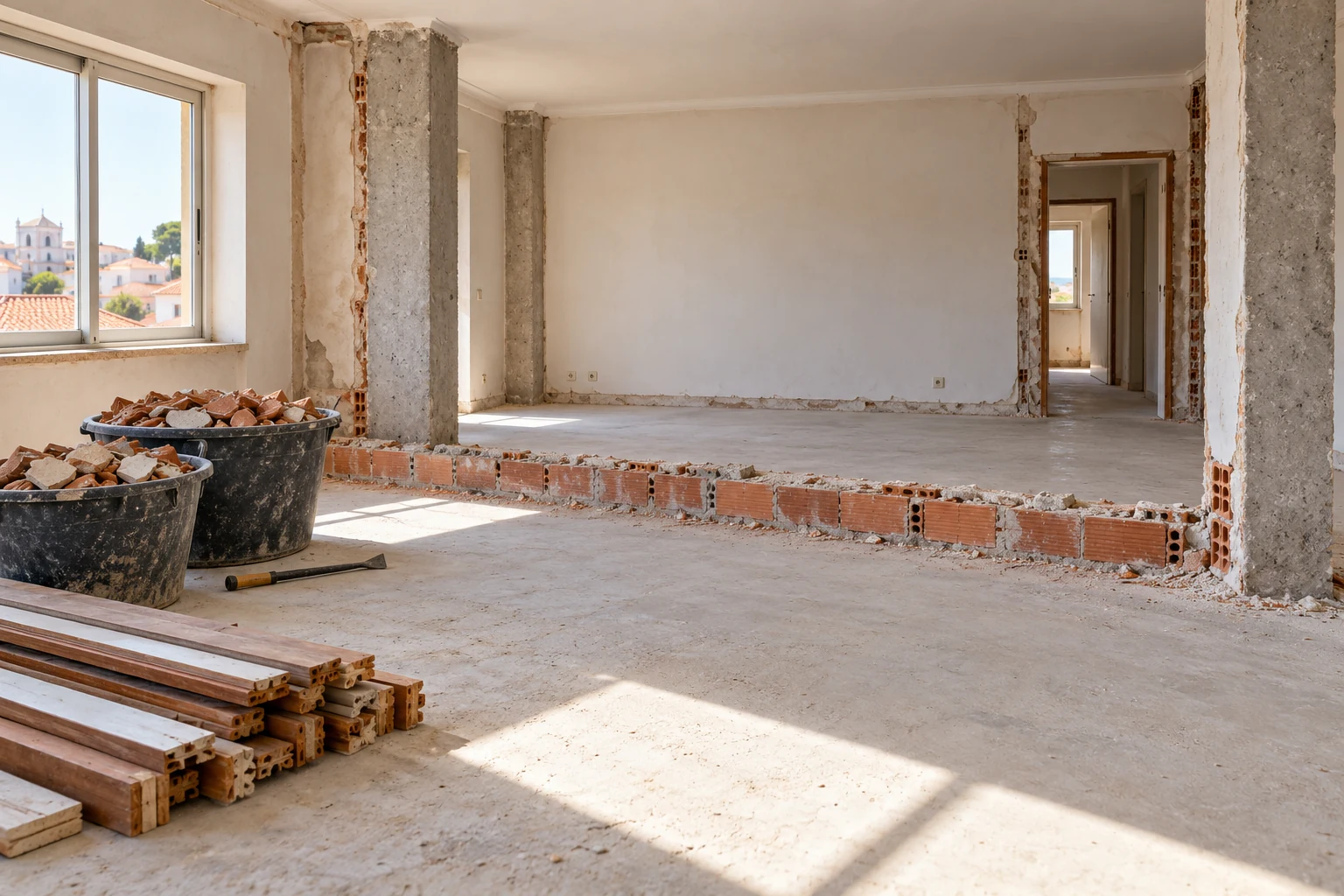
Demolition should start by identifying what is to be removed, what needs to remain and how the intervention relates to the building and subsequent work. Interior strip-out and the demolition of a building need different approaches to defining the scope.
Obra Lisboa welcomes enquiries for demolition and strip-out, with waste removal associated with the agreed works. The proposal defines the areas, elements covered, access conditions and responsibilities to be coordinated.
Request a demolition proposalInterior demolition and strip-out
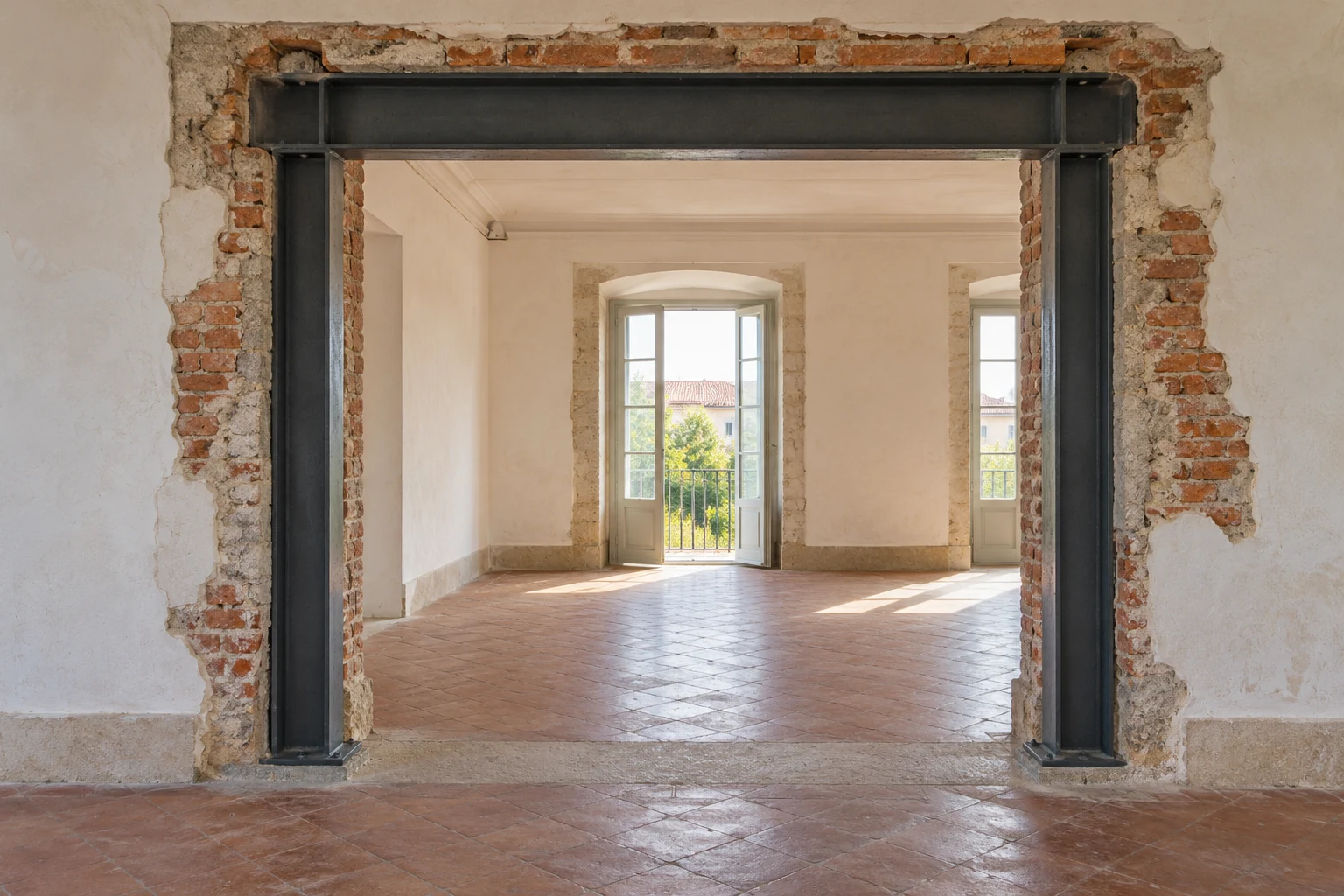
Preparation for renovation can include dismantling furniture and fittings, removing finishes and interior demolition identified for the new layout. The enquiry should specify what is to be removed and retained, including services, finishes and adjoining areas.
Where alterations involve walls or other building elements, the available information should help establish the assessment and design needed to define the work. A photograph or a proposed layout does not, by itself, determine which elements can be removed. The proposal should also clarify the condition in which areas will be left for the next stages.
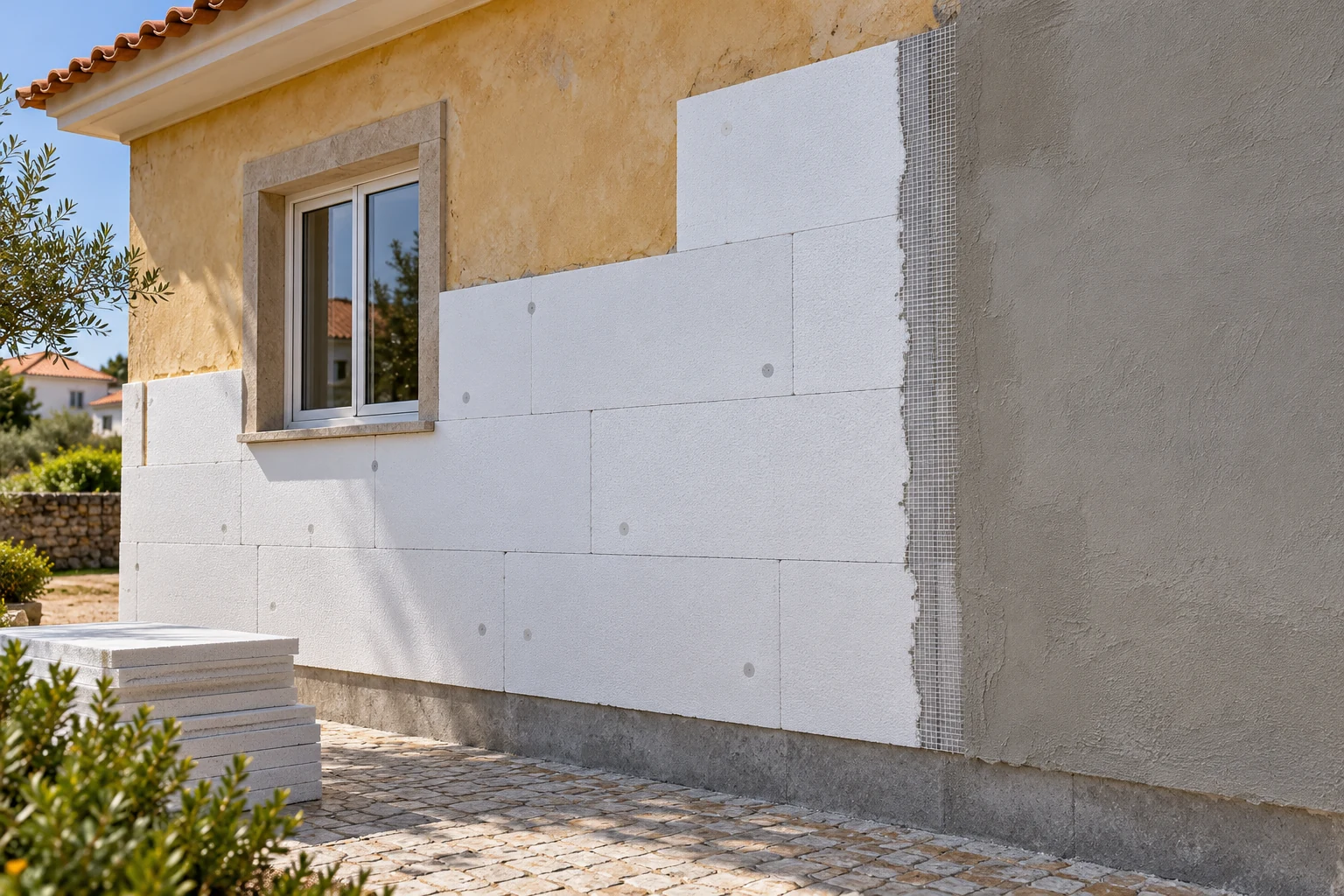
Building demolition
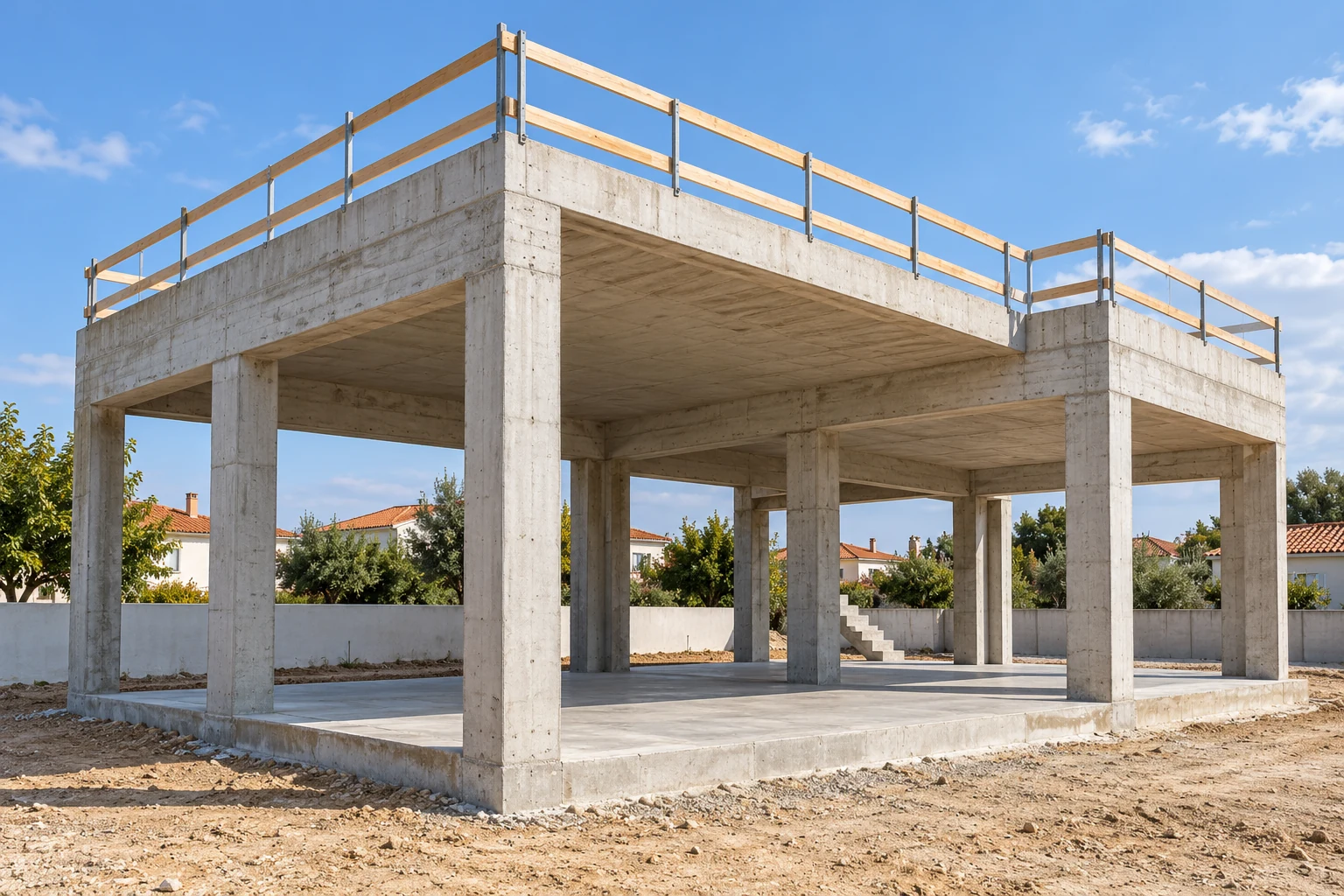
Partial or complete building demolition can form part of an enquiry for reconstruction or more extensive alterations. Defining it requires identification of the property, intended extent, elements to retain and the relationship with neighbouring buildings, access and existing services.
Send available surveys, designs and property documentation, together with a description of the construction or work to follow. Preparing the proposal should clarify the assessments, decisions and responsibilities needed before execution. This service description does not replace that process or establish a method suitable for every building.
Waste removal associated with the works
Waste removal is defined as part of the agreed demolition, strip-out or renovation work. The proposal should identify the materials covered, estimated quantities, routes out of the property and available conditions for the operation. Not all waste already present at the property is assumed to fall within the same scope.
Responsibilities for separation, containment, transport and destination of materials should be clarified, along with the documentation to be provided. Where materials requiring specific treatment are identified, their handling arrangements need to be defined before they are included in the scope. Known quantities and types help organise the proposal without promising unlimited removal.
Site conditions and boundaries
Explain whether the property will be occupied, which access routes are available and whether shared areas or neighbouring properties are relevant to the work. Stairs, lifts, internal routes and available outdoor space help establish the conditions of the intervention.
The proposal should distinguish removal, retention, planned protection, reinstatement of surfaces and cleaning within the scope. Existing services, concealed elements and known defects should be identified during preparation. If conditions differ from the documentation, their effect on the scope needs to be clarified before the affected work proceeds.
Preparing the proposal and the next stage
Definition starts with the documents and a description of the elements to remove. Existing conditions, boundaries, waste covered and coordination with design, technical assessment or subsequent construction can then be clarified. These scopes can form part of the same proposal, with their deliverables identified.
Planning should consider access, availability of the property and outstanding decisions. Completion needs a clear reference: which elements will have been removed, the agreed condition of the areas handed over and the documentation to be provided. Preparing for reconstruction or renovation does not mean that all later stages are included.
What to send with your enquiry
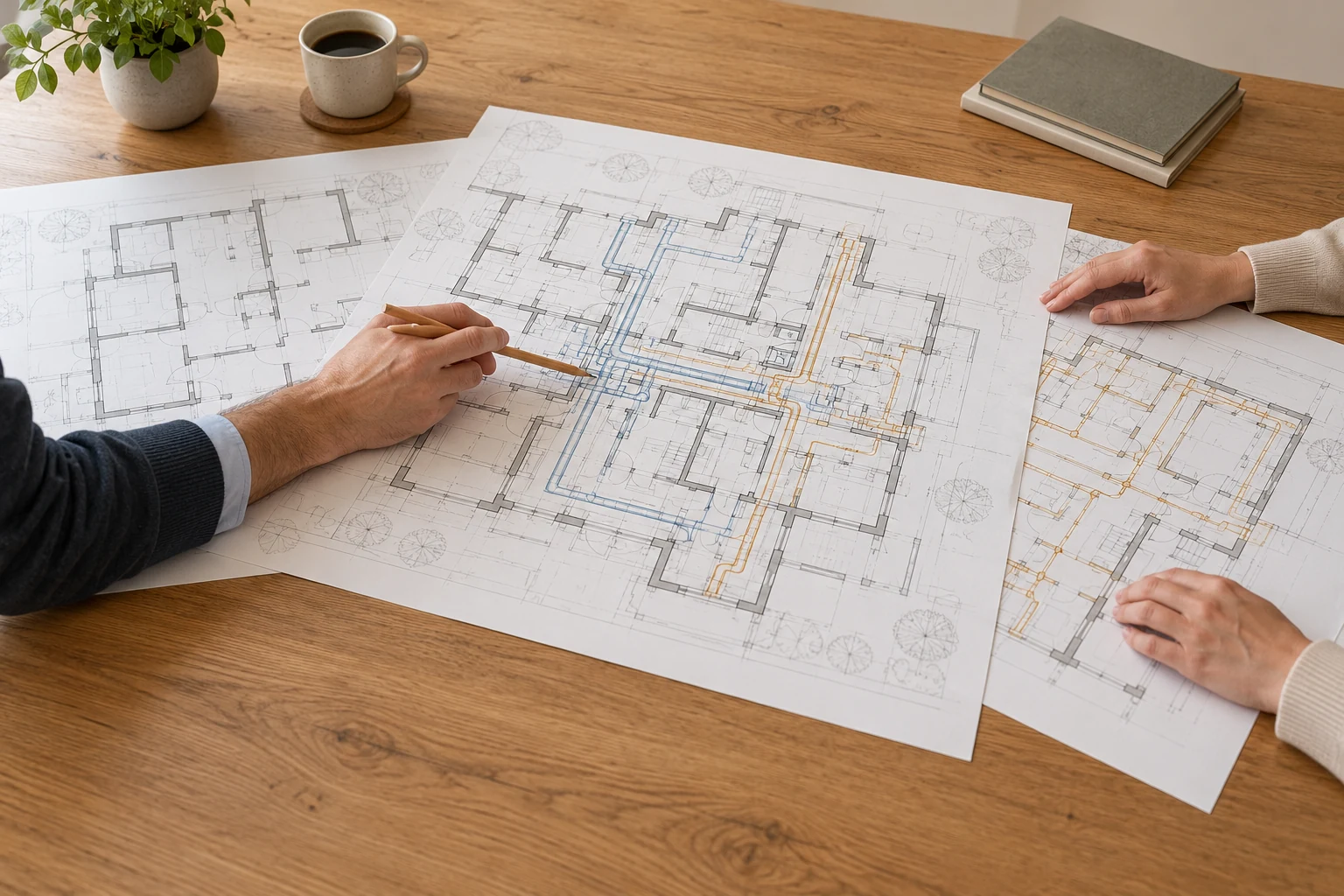
Send the location, photographs, available plans or surveys and a description of what you want to remove. Mark elements to retain and explain the purpose of the intervention. If a design is already available, identify the drawings that define the proposed demolition.
Add information about occupation of the property, access, floor levels involved, adjoining buildings and any known materials or problems. Explain what work will follow and whether other participants are involved. The scale and nature of the elements, site conditions and management of the materials covered help establish cost and programme.
Related services
Areas we serve
We welcome enquiries in Lisboa, Oeiras, Cascais, Sintra, Amadora, Odivelas and Loures. Availability and the feasibility of the work are assessed for each enquiry.
View the areas we serveFrequently asked questions
Can I request interior strip-out only?
Yes. Identify furniture, fittings, finishes or other elements to remove and what you want to retain. The proposal should clarify dismantling, removal of materials and the condition of the areas at handover, distinguishing these tasks from the later renovation.
Can you assess removal of a wall from photographs?
Photographs help explain the enquiry but do not determine the wall’s function or the building’s conditions. Send available plans and designs. The technical support needed to define the intervention should be clarified before execution is decided.
Can building demolition form part of reconstruction?
It can be included in a wider proposal, with stages and responsibilities identified. The limits of demolition, elements to retain and coordination with design and subsequent work should be clear. Reconstruction is not automatically included simply because it is the final objective.
Is removal of all waste included?
The proposal should identify the waste associated with the agreed works and the operations covered. Materials already at the property, quantities not allowed for or materials requiring specific treatment need to be clarified. Unlimited collection or a collection service independent of the work is not assumed.
Can elements be recovered for reuse?
Identify elements you want to retain or reuse at the outset. Assessment should clarify their known condition, how they will be included in the scope and any recovery limitations. Retention of every item cannot be guaranteed solely because it is marked in a photograph.
Are final cleaning and preparation for the next works included?
The handover condition should be set out in the proposal. Removing the materials covered, cleaning agreed areas and preparing surfaces for subsequent work are tasks that need to be identified. Complete preparation for every future stage is not assumed.
Identify what you want to remove
Send photographs, available drawings and a description of the intervention. Mark the elements to retain, explain access and describe the work planned for the next stage.
Tell us about the intervention