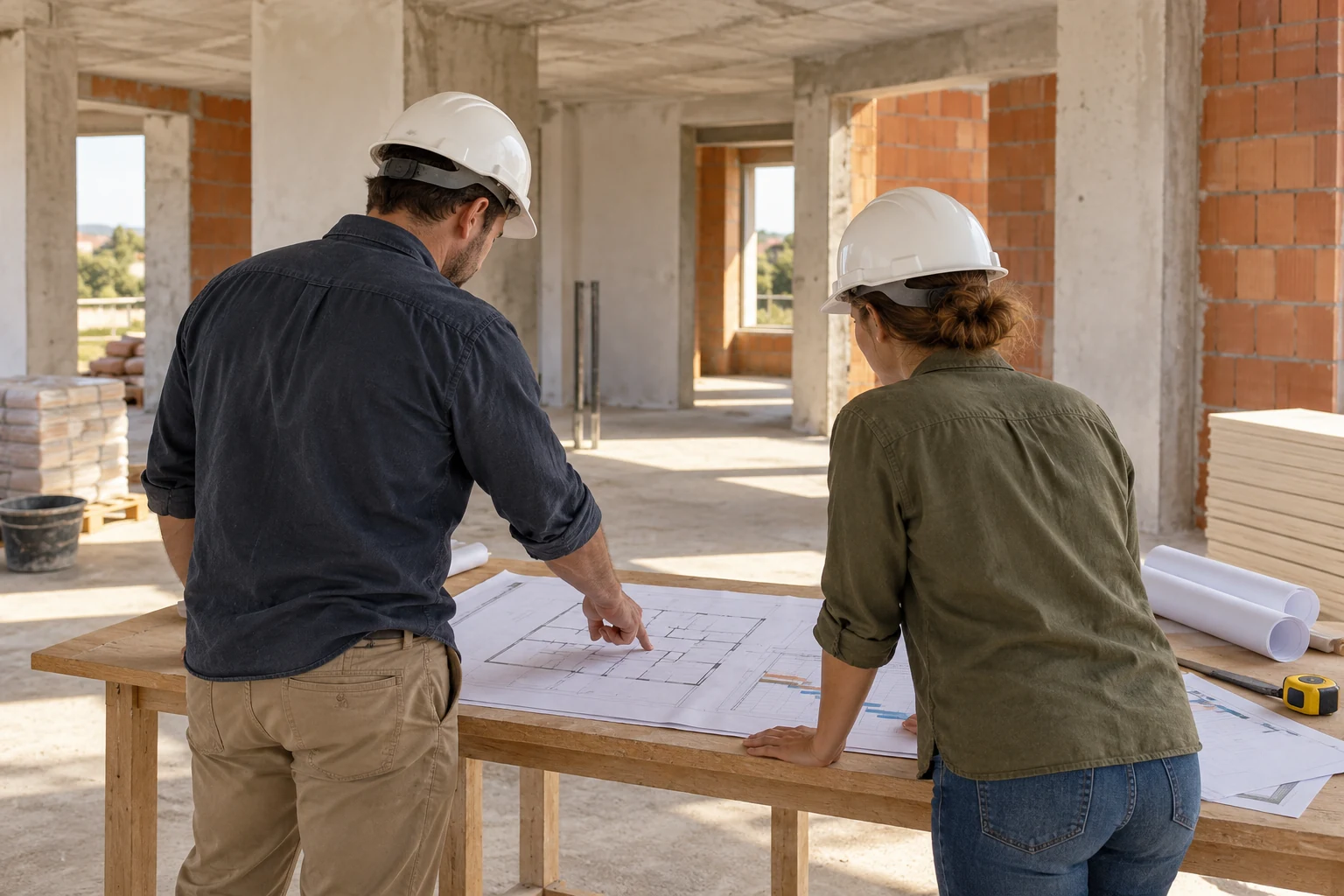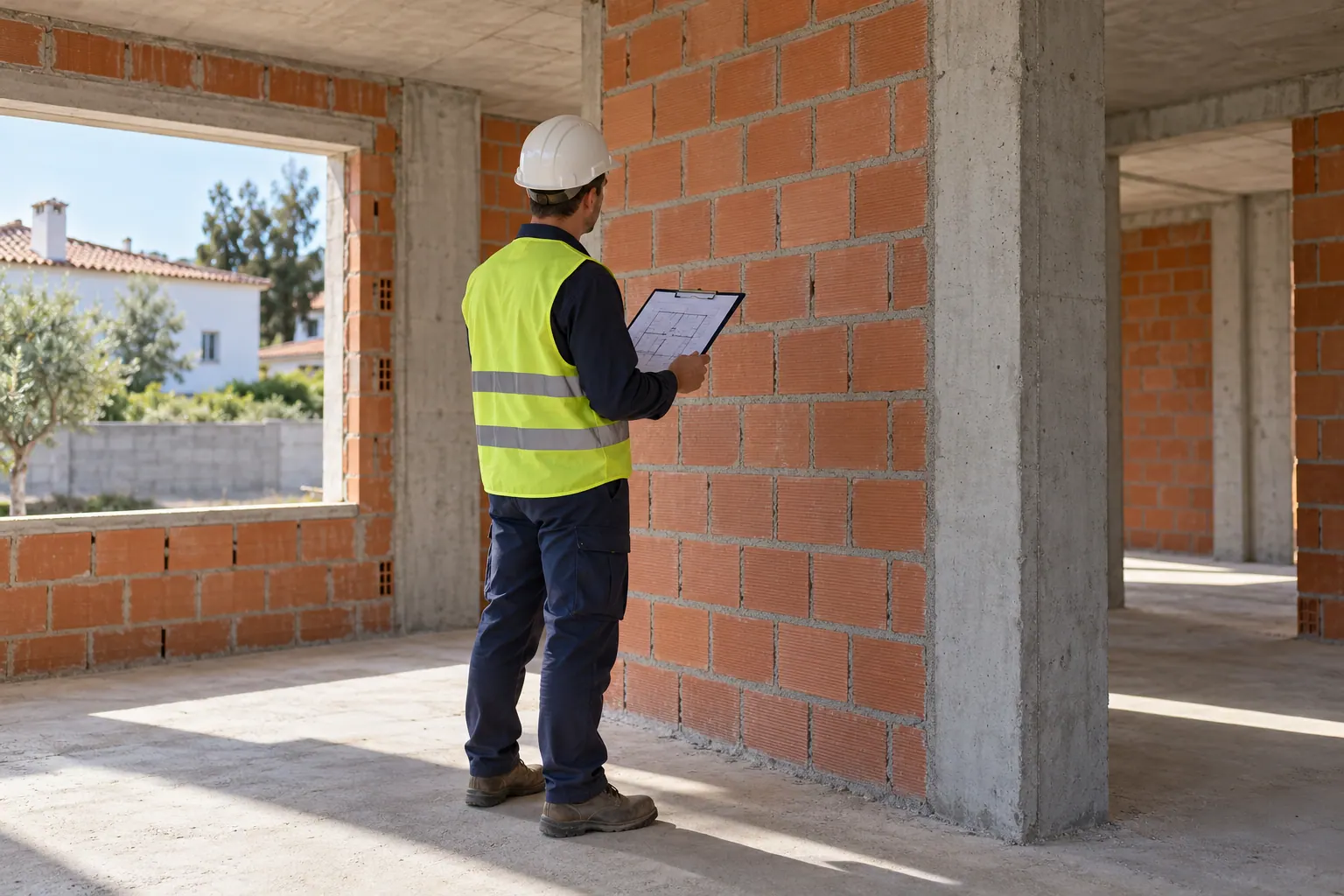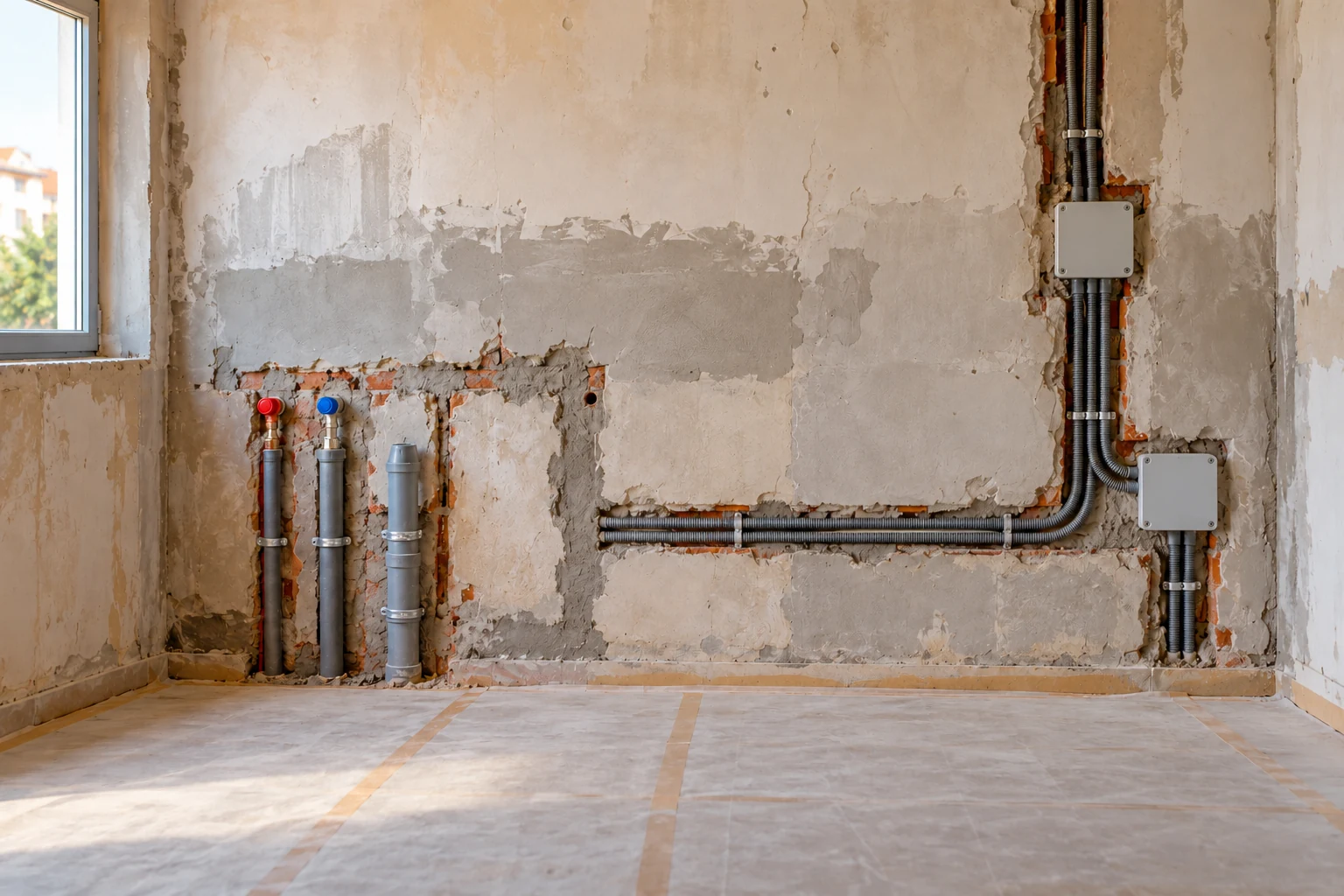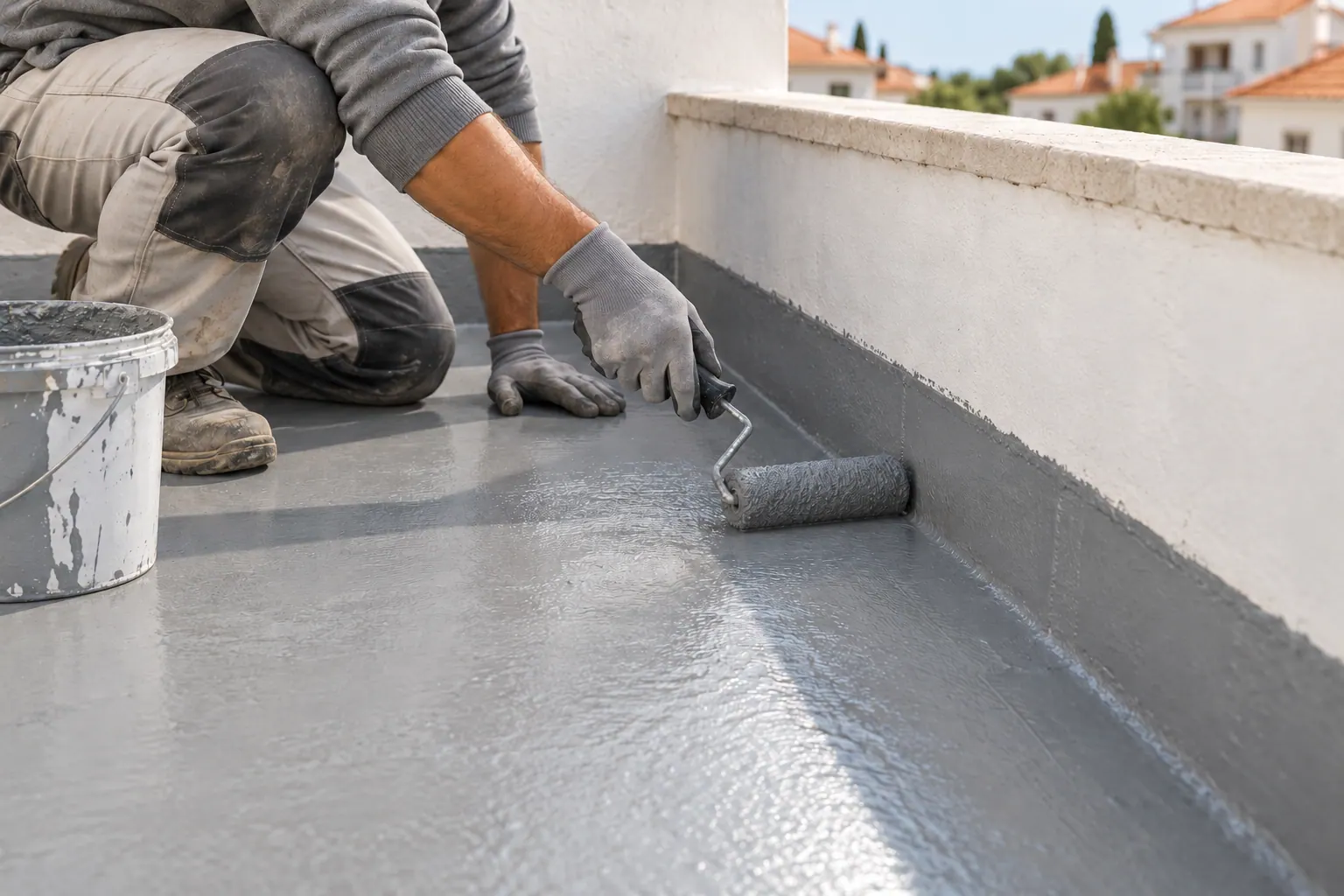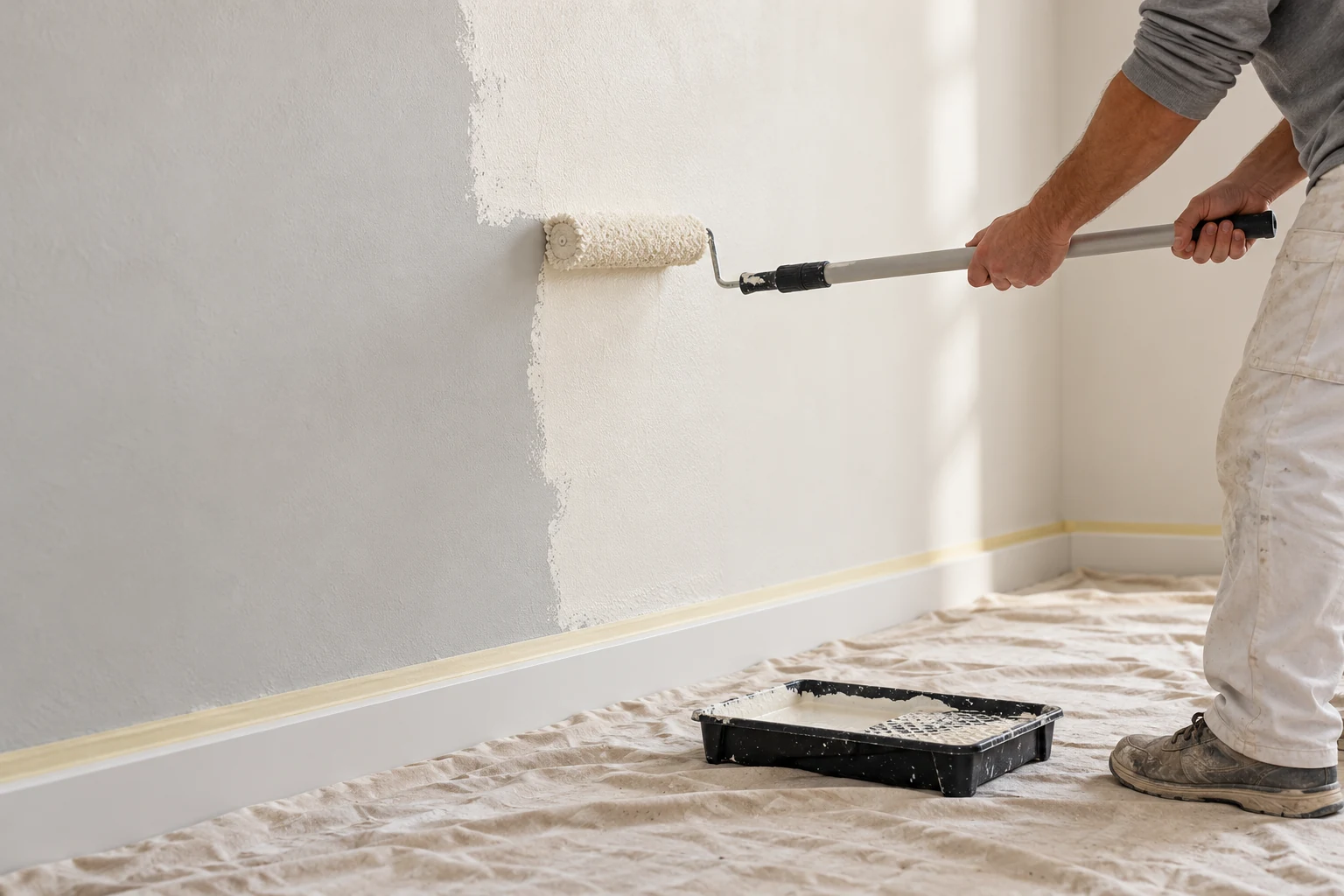
A painting enquiry should explain more than the intended colour. It needs to identify the surfaces, their current condition, existing finishes and the preparation required for the result you want.
The proposal can cover interiors, exteriors or both, with the areas and work described. More extensive repairs and problems requiring assessment should be identified before the job is treated as straightforward repainting.
Request a painting proposalInterior and exterior painting
Interior painting
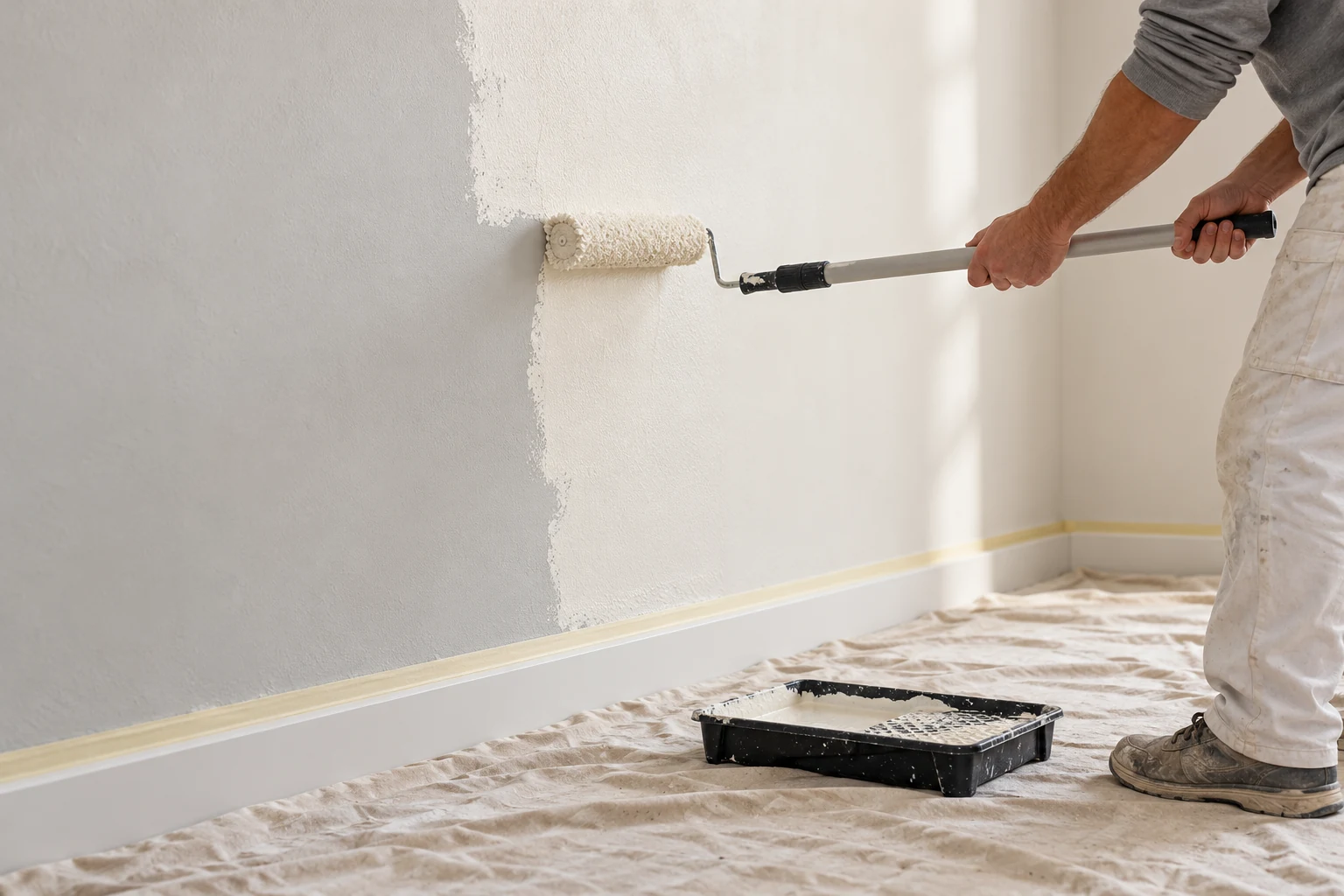
Identify the rooms and surfaces to be painted, distinguishing walls, ceilings and any other elements you want included. The proposal should identify the planned preparation, colours, finish and junctions with flooring, skirting boards, window and door frames, and furniture that will remain. Painting a complete room and touching up an area after other work are different scopes.
If the property is occupied, moving belongings, protecting surfaces and access periods for each room need to be agreed. Painting should be coordinated with any planned services, joinery or finishes work, so that the sequence and the condition in which each area will be handed over are clear.
Exterior painting
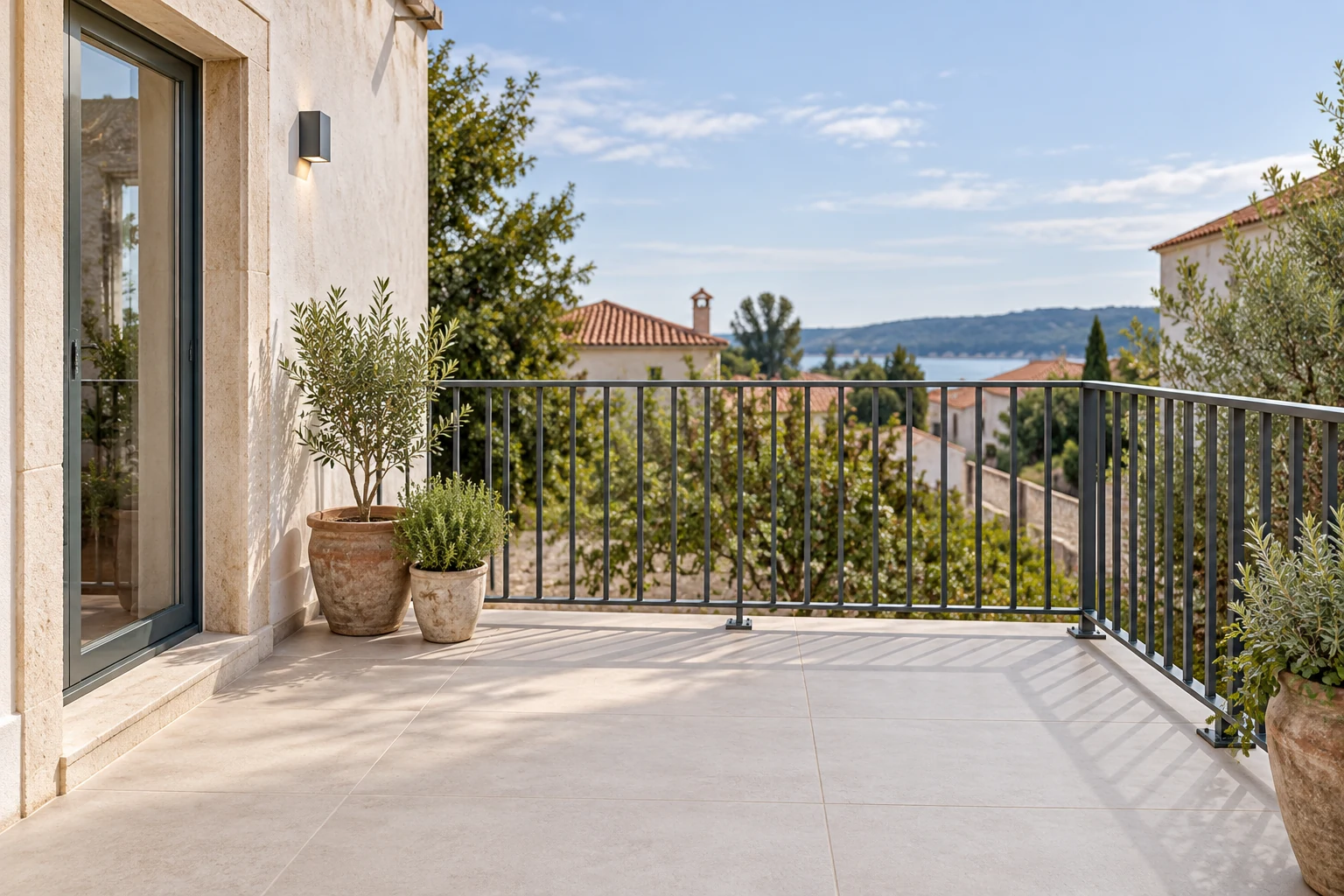
Outside, identify the wall areas and other elements included, the existing finish and access conditions. The proposal should consider preparation, protection of nearby elements and the application conditions specified for the selected coating system, including those that affect scheduling.
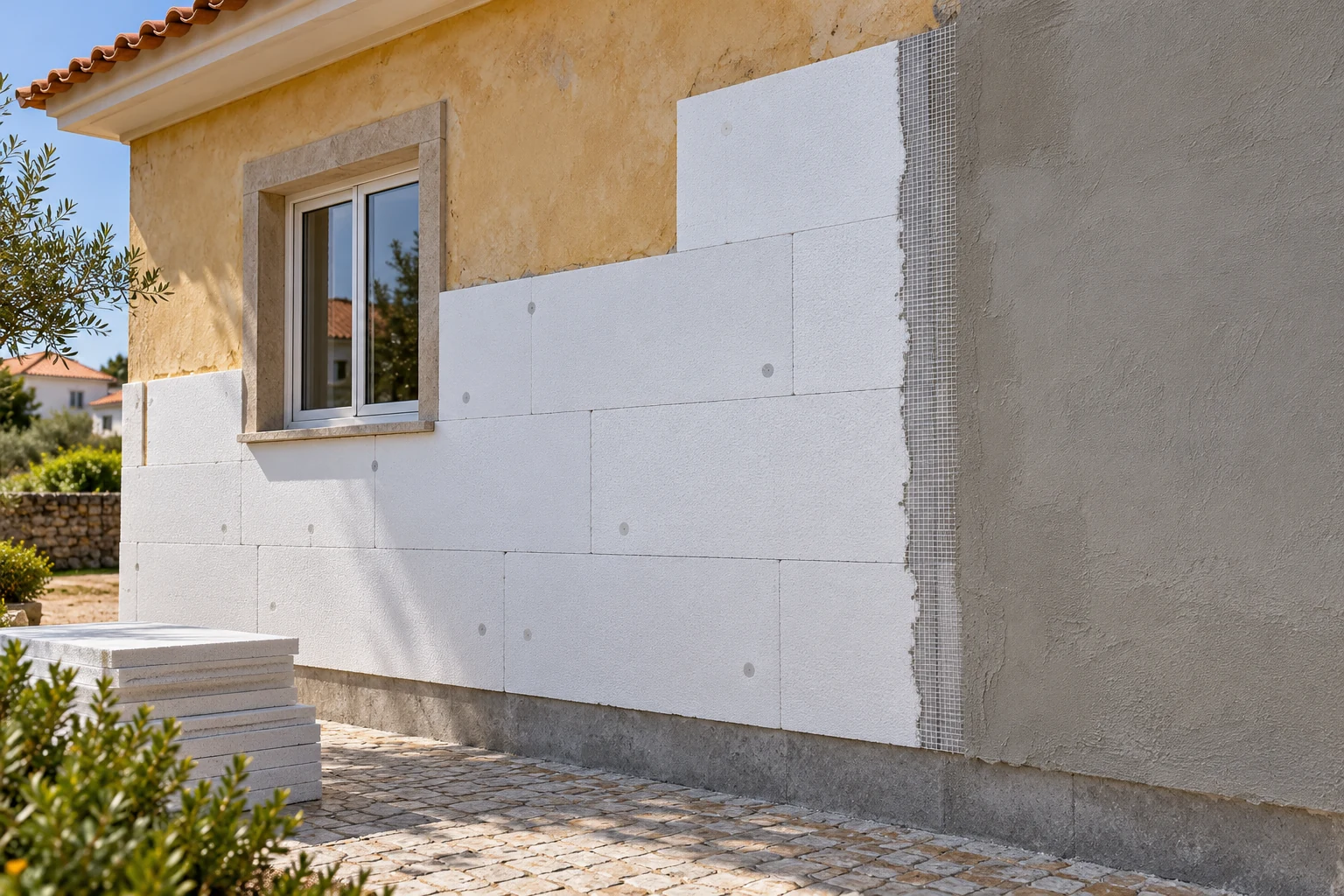
Where the brief involves repairs to existing wall finishes, junctions or other façade elements, those works need their own description. Façade rehabilitation should not be reduced to applying paint, or treated as fully included simply because exterior painting has been requested.
Understand the surface condition
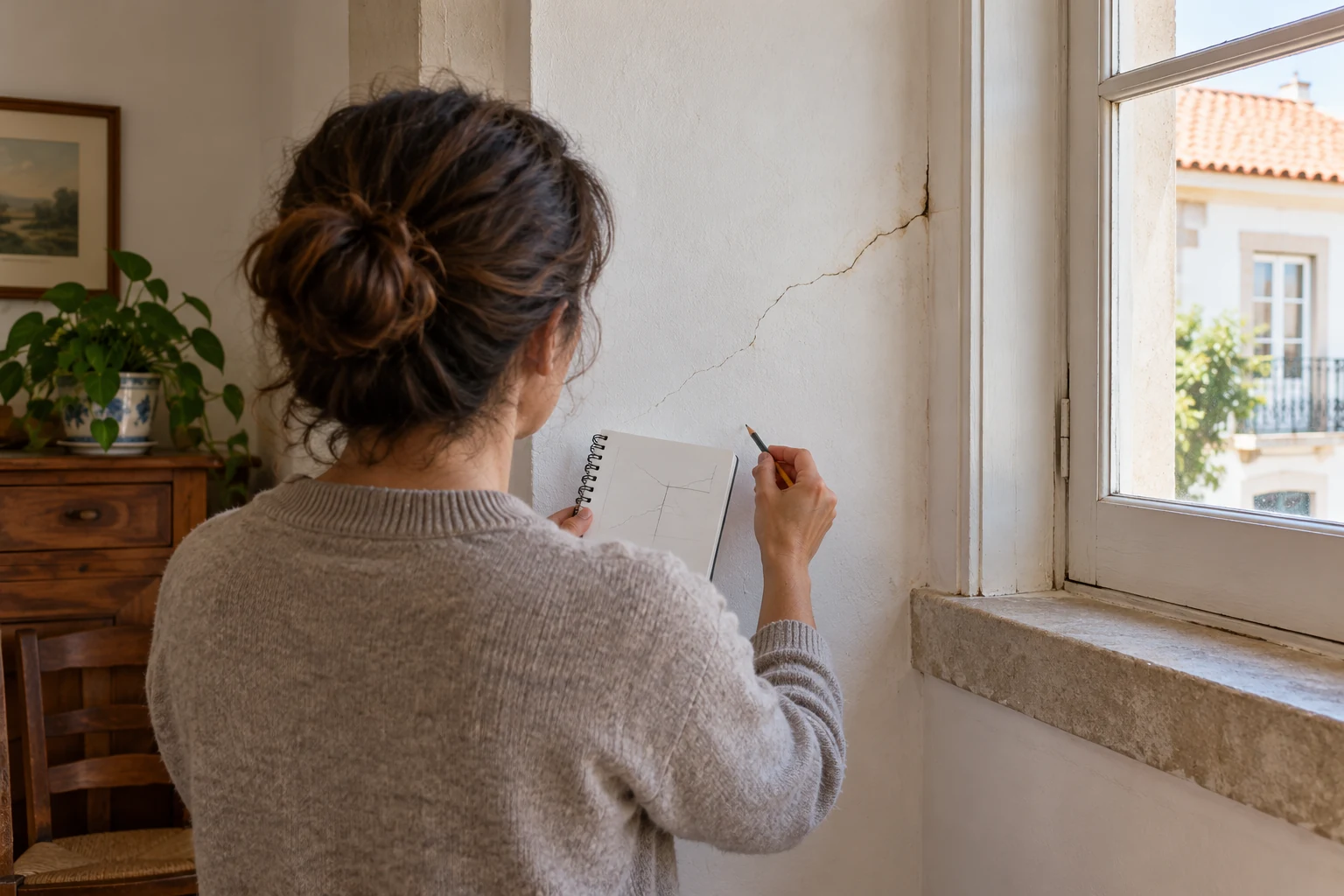
Send photographs of stains, cracks, loose areas, previous repairs or differences in finish that you know about. Preparation should distinguish what is visible from what needs checking on site, and identify repairs included before painting. A photograph helps frame the enquiry without replacing the assessment needed to define the work.
Where there are signs of damp or recurring deterioration, the cause and the scope of treatment need to be clarified. The proposal should not present painting the area as a diagnosis, or treat a problem as resolved simply because it has been covered. Where other work is needed, its relationship with the final finish should be clear.
Removing existing coatings, preparing new surfaces and local repairs should be described where they form part of the service. The phrase ‘preparation included’ should correspond to identifiable work.
Choose the colour and define the finish
Provide colour references and describe the appearance you want, explaining whether you wish to retain or change the existing scheme. Selection should take account of the surface, the use of the space and the documentation for the proposed products. The proposal should identify included supplies and choices still to be confirmed.
If you want to compare options on site, clarify whether samples or test areas are planned before general application. For a touch-up, expectations about matching the existing finish should also be discussed; an indistinguishable repair should not be promised without assessing the conditions.
Doors, skirting boards, railings and other elements should not be assumed to be included with wall and ceiling painting. Identify them in the enquiry, along with any cleaning or use requirements you want considered when choosing the finish.
Prepare the spaces and review the result
Before work begins, the areas, selections and preparation should be confirmed. The proposal should clarify who moves furniture and belongings, the protection planned and how painting will be coordinated with other work in the property.
The sequence should consider access to rooms or exterior surfaces and the conditions specified for the selected products. Where additional repairs or changes to colour and finish arise, their effects on scope, cost and scheduling should be clarified before the associated work proceeds.
At handover, the review should refer to the agreed surfaces and finish, identifying outstanding points and excluded elements. Relevant cleaning, use and maintenance information should correspond to the products actually used, without assuming the same instructions apply to every painted finish.
Information for a painting proposal
Give the property’s location, whether the enquiry concerns interior or exterior work, and the rooms or surfaces involved. Send general photographs and close views of areas needing attention. Please also include:
- Approximate areas and any heights or access conditions you know.
- The existing condition and finish, including previous repairs.
- Intended colours and finish, or available references.
- Furniture and elements to retain and protect.
- Occupancy and any other planned work.
- Products already purchased, if any, and your preferred timing.
For exterior work, photographs showing the surroundings and access help explain the brief. If you do not know the surface areas, send the information you have so that any need for measurement or a visit can be identified.
Related services
Areas we serve
We welcome enquiries in Lisboa, Oeiras, Cascais, Sintra, Amadora, Odivelas and Loures. Availability and the feasibility of the work are assessed for each enquiry.
View the areas we serveFrequently asked questions
Does painting include repairing cracks and damaged areas?
Included repairs should be described in the proposal. Some conditions may require assessment or work beyond the preparation planned for painting. Send photographs and explain whether the problem recurs, so the brief distinguishes finishing from repair work.
Will furniture and flooring be protected during the work?
Protection and furniture moving should be defined for the affected areas. Explain what will remain in the space and what can be removed. The proposal should clarify responsibilities and the access conditions needed.
Can I choose the colour or supply the paint?
You can provide colour references and explain whether you have already purchased products. Before the proposal is finalised, the planned supplies need to be checked for suitability for the surface and work. Included products and client-supplied items should be identified.
Can you paint only the repaired part of a wall?
A local touch-up can be considered, but the proposal should clarify its extent and the expected match with the existing finish. Photographs, details of the previous paint and an on-site assessment help determine the scope, without guaranteeing in advance that the work will be invisible.
Does painting resolve damp stains?
Painting the surface should not be presented as confirmation of the cause or proof that the problem has been resolved. The enquiry should identify the condition and any assessment or treatment needed before the finish is defined.
Is exterior painting the same as façade rehabilitation?
Painting can form part of façade work, but does not define its entire scope. Repairs to wall finishes, junctions or other elements should be separately identified in the work description, even where they form part of the same proposal.
Which surfaces would you like to paint?
Send photographs, approximate areas and references for the intended finish. Explain the current condition, occupancy and the elements that need protection.
Send a painting enquiry