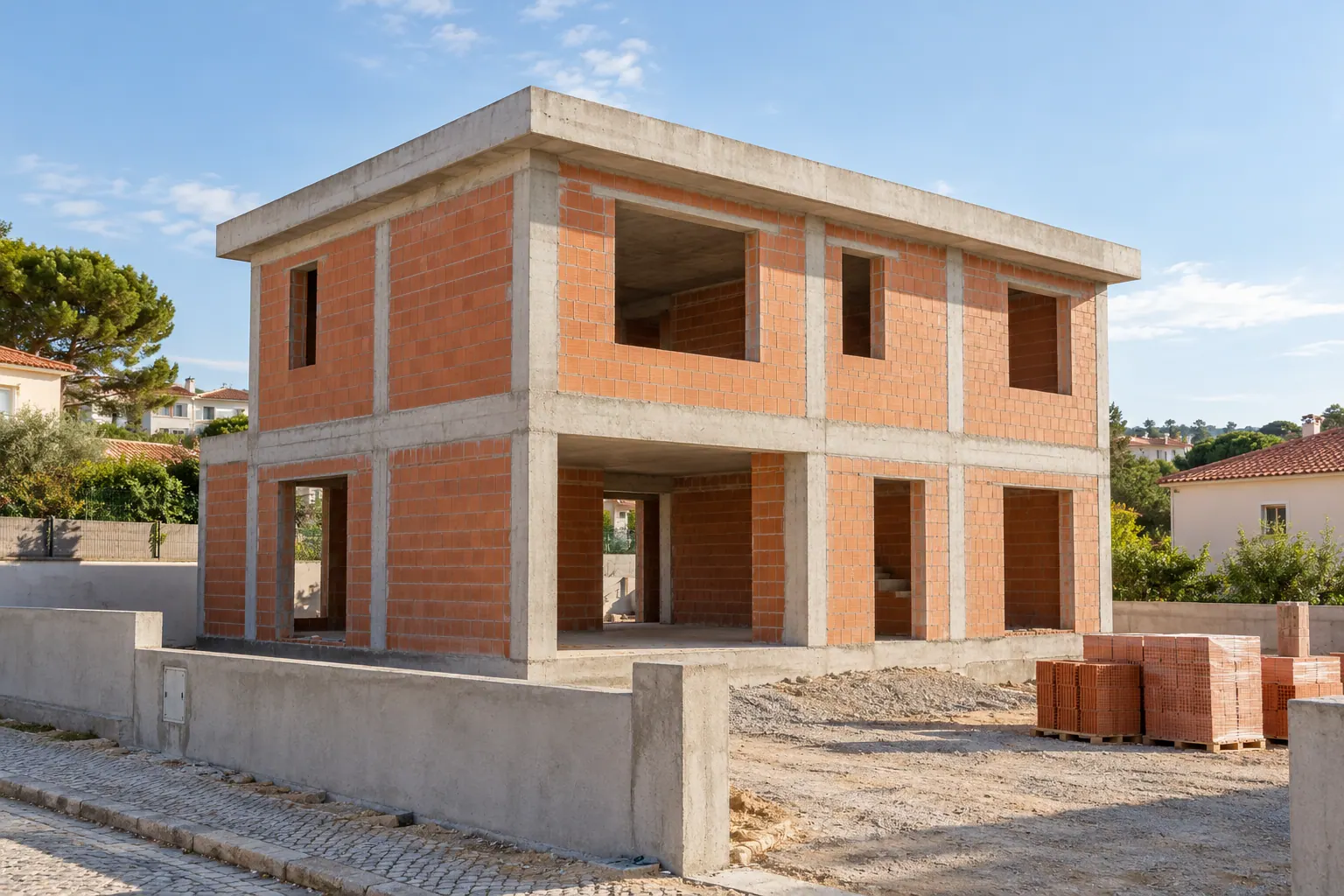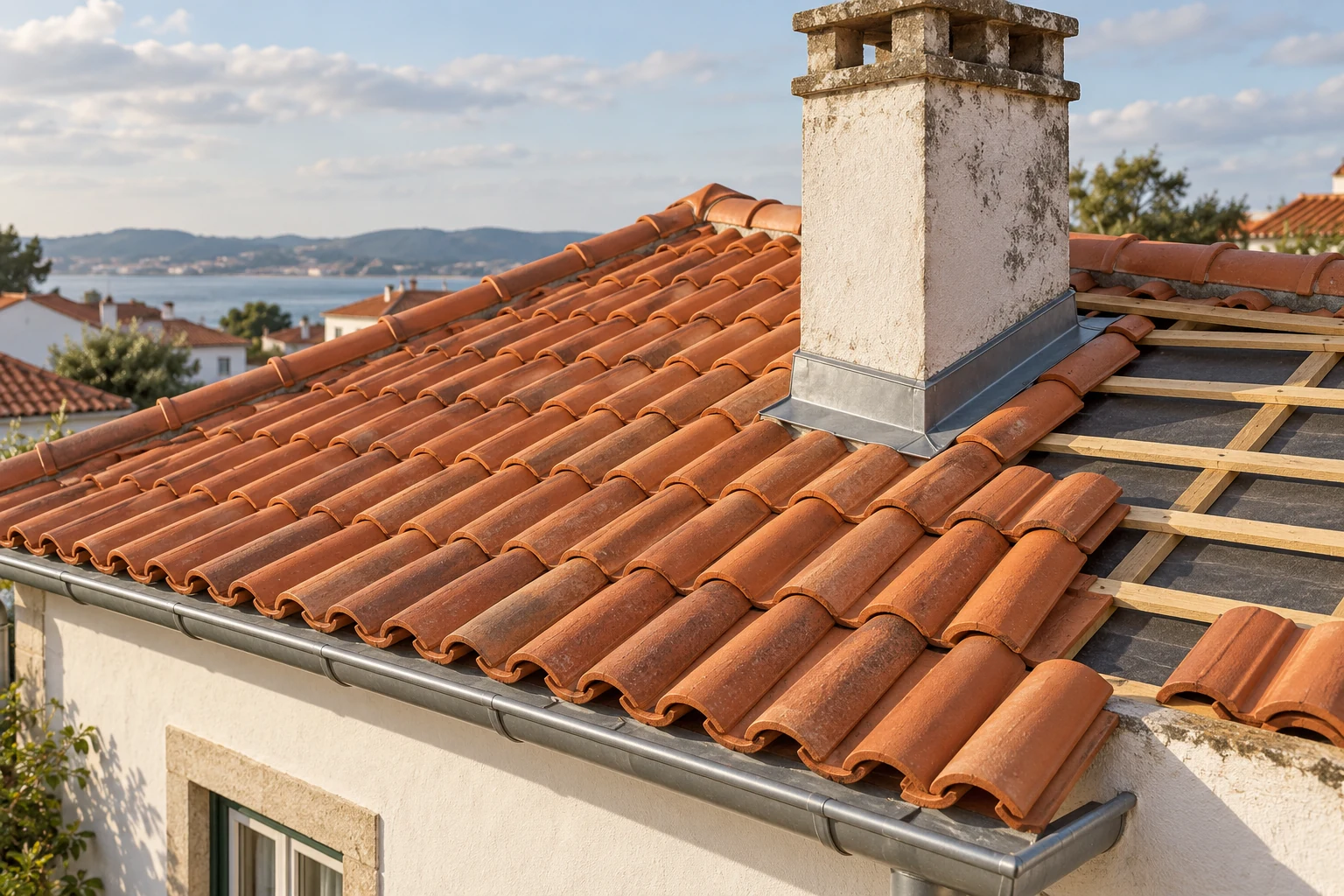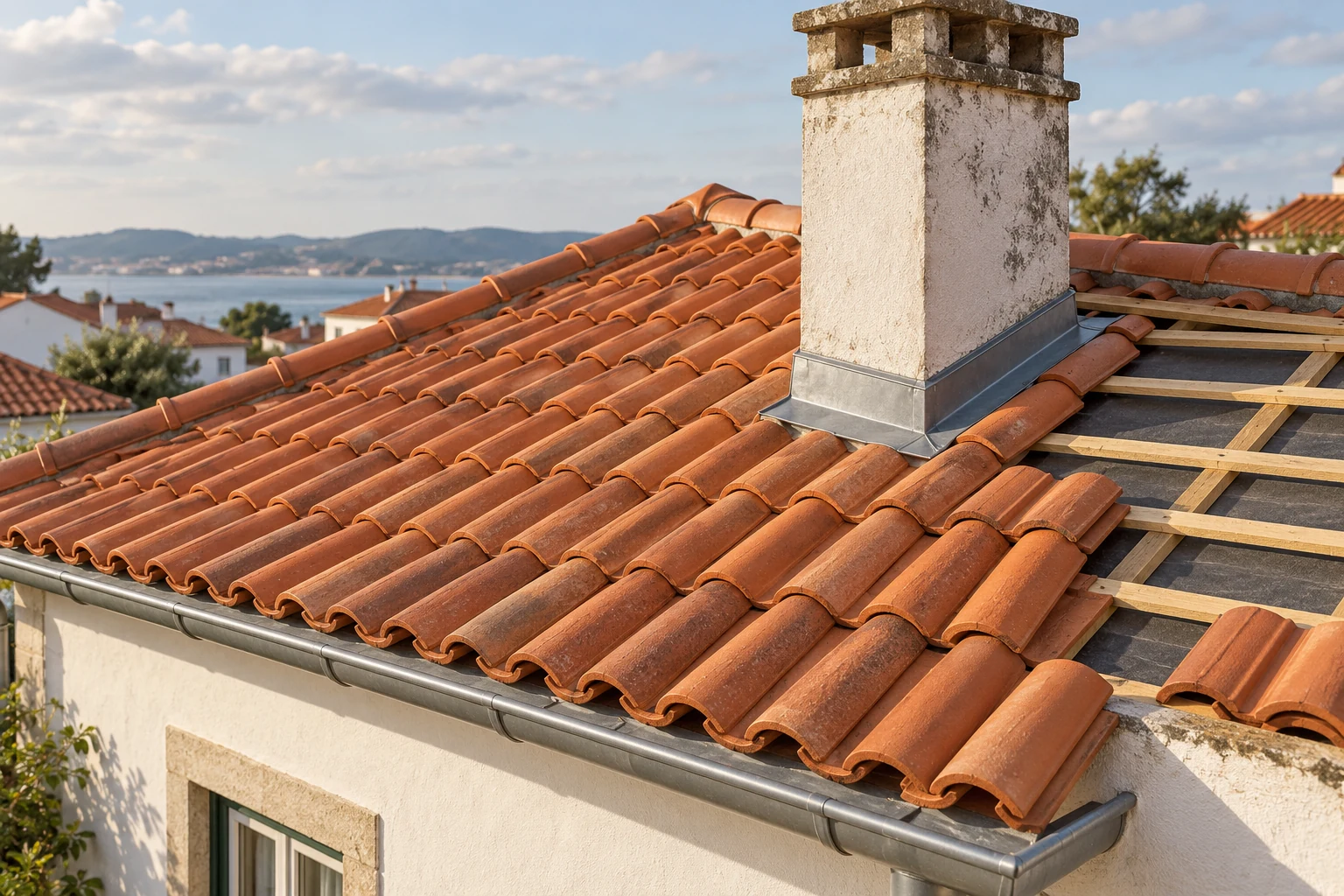
Roofing work may involve new construction, replacement of existing elements or repair of a defined area. The enquiry should identify the objective, available information about the roof and the parts you want to retain.
Junctions, connections to the façade, water collection points and elements passing through the roof need to be considered in the scope. The proposal should clarify what will be carried out and what needs assessment or technical development before work begins.
Request a roofing proposalRoof construction, replacement and repair
New roof construction
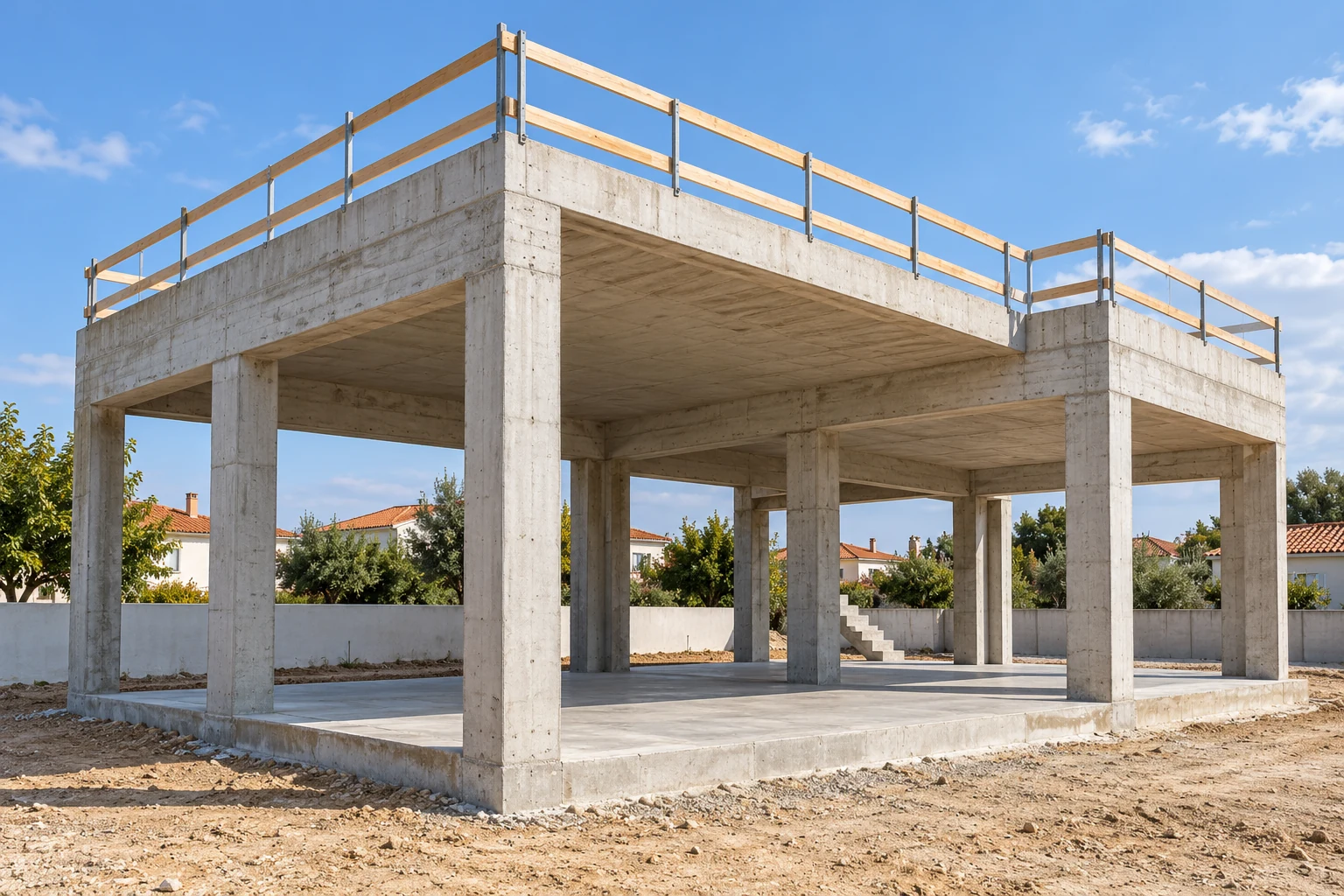
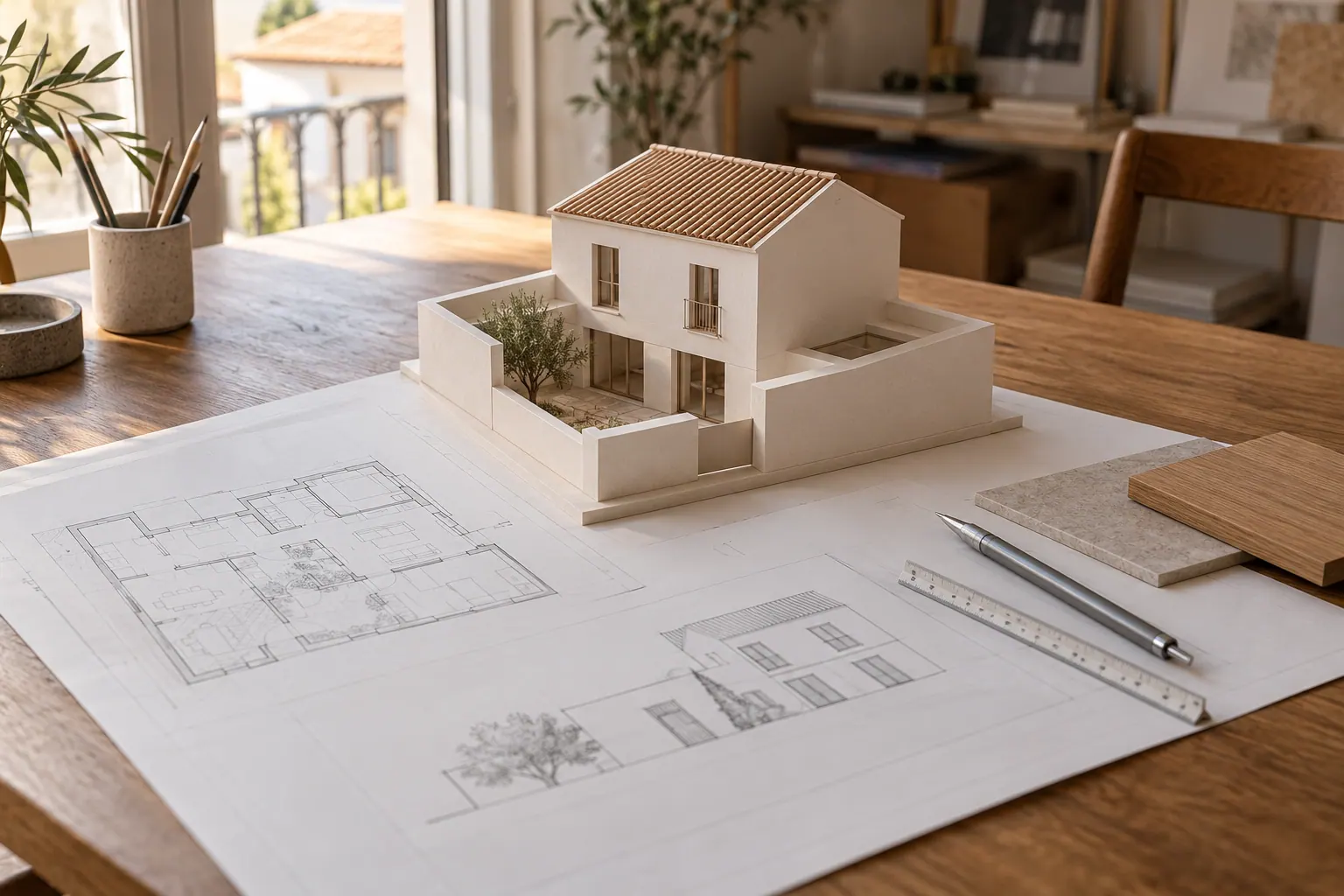
For a new roof, provide the available design, intended configuration and specified materials. The proposal should identify the roof elements, junction details and associated work, distinguishing them from the supporting structure and other parts of the building envelope. Insulation, waterproofing, drainage and interior finishes should have their scopes clarified where they form part of the work.
Replacing an existing roof
For replacement, it is necessary to distinguish what will be removed, what will remain and the new elements. The proposal should consider information about existing layers and supports, access and protection of retained parts. Replacing the outer covering should not automatically be presented as renewing the entire roof or its structure.
Local repairs
For a repair, identify the area and the condition observed, including any previous work you know about. Assessment should establish the limits of the work and its connections to the retained roof. The proposal should clarify the elements to repair or replace and the extent of the intervention, without treating a local repair as confirmation of the condition of the whole roof. Where information about the cause of a defect is missing, that need should be identified before a solution is finalised.
Roof junctions, flashings and edge details
Roof detailing covers the areas where the roof meets other elements or changes configuration. The brief should identify any junctions with walls and parapets, chimneys, rooflights, penetrations, eaves and water collection areas involved. Each point needs to be considered in relation to the materials and elements that will be retained or worked on.
The proposal should describe the details to be installed or repaired, the extent of removal and reinstatement, and work to adjoining elements. Where components, accessories or finishes are already specified, that information should accompany the description. Renewing the main roof area and treating its junctions are components that need explicit coordination.
Where a junction connects to waterproofing, the work to each component and the connection between them should be identified. Selection of a detail should be based on the specified construction and actual site conditions; a reference image or application of an individual product should not be presented as confirmation that every point has been addressed.
Coordination with waterproofing and the façade
Waterproofing can form part of roof works, but its scope should be identified. The proposal should distinguish the specified system, included preparation, junctions and relationship with drainage, protection and finishes. A roofing enquiry does not, on its own, establish that all these components are covered.
Connections to façades, walls projecting above the roof and other parts of the building also need to be considered. Where an area shows signs of damp, explain where they appear and the circumstances in which they were observed. This information helps prepare the assessment without attributing the cause in advance to the roof or a particular point.
Where diagnosis, design or repairs outside the roof area are needed, those tasks should be defined. They can be coordinated with construction in the same proposal, with objectives and responsibilities identified.
Access and building conditions
Preparation should establish the available access, roof configuration and use of the spaces below and around it. Heights, obstacles, existing equipment and unloading or storage areas are information to gather when defining the equipment and organisation of the work. The access method should be assessed for the specific intervention.
The proposal should clarify planned protection for retained parts of the building, the relationship with occupied spaces and conditions that may affect scheduling. Work that involves opening up the roof needs its sequence and temporary protection defined for the agreed scope. Available photographs and documents help frame the enquiry but do not replace the checks needed on site.
Prepare the work and review the handover
Before work begins, the areas, specified construction, materials and points still needing confirmation should be identified. The sequence should coordinate removal, work to the base, roofing, junction details and associated components in line with the defined scope.
Initially unknown conditions or changes to the brief should be recorded. The proposal should explain how additional work will be assessed and how its effects on cost and scheduling will be presented before that work proceeds.
At handover, the review should refer to the commissioned areas and elements. Checks, records and documents should correspond to what was specified, including use and maintenance information relevant to the actual materials and systems. Outstanding points and excluded parts should be identified.
What to send for a proposal
Give the location and type of building, and explain whether you want to build, replace or repair the roof. Send plans, designs and photographs you already have, including images of interior or exterior areas where you have observed problems. Please also include:
- Configuration, materials and approximate area, if known.
- Elements you wish to retain and relevant previous work.
- Junctions, chimneys, rooflights or equipment involved.
- Information on water collection and existing connections.
- Known access arrangements and use of the spaces during the works.
- Objectives, priorities and preferred timing.
If you do not know the roof’s construction or the cause of a defect, explain that uncertainty. The enquiry can then identify what needs a survey or assessment before the work scope is finalised.
Related services
Areas we serve
We welcome enquiries in Lisboa, Oeiras, Cascais, Sintra, Amadora, Odivelas and Loures. Availability and the feasibility of the work are assessed for each enquiry.
View the areas we serveFrequently asked questions
How is the choice between repairing and replacing a roof made?
The decision should start with the known condition, extent of the work and intended result. Assessment should identify what can remain and what needs further work. The proposal should clarify the limits of each option without deriving the solution solely from age or a photograph.
Can I request repairs only to junctions or flashings?
You can identify the points you want addressed. The proposal should consider their connection to the roof and adjoining elements, as well as the removal and reinstatement needed. A local detail repair should not be presented as a complete review of the entire roof.
Does a ceiling stain confirm that the roof is the cause?
The location of the visible sign should be recorded, but should not be taken as confirmation of its origin. Send information on when it was observed and previous work. If the cause is unclear, the assessment needed should be identified before the repair is defined.
Is waterproofing included in the roofing work?
It should only be treated as included where the system and corresponding work are identified in the proposal. Preparation, junctions, protection and connection to drainage should be clarified where relevant. The waterproofing page develops that scope in its own right.
Does replacing a roof include renewing its supporting structure?
The supporting structure and other roof elements should be distinguished in the scope. Where assessment or work to the structure is needed, that work and the corresponding technical design need to be identified. Replacing the covering does not automatically include them.
Do access conditions need to be known before a proposal is prepared?
Available information about access, height, obstacles and building use helps frame the work. Access equipment and working conditions should be confirmed for the site, without assuming the same approach is suitable for every roof.
What work does your roof need?
Describe the objective and send the photographs and documents available. Identify the areas involved, problems observed and the access arrangements you know about.
Send a roofing enquiry