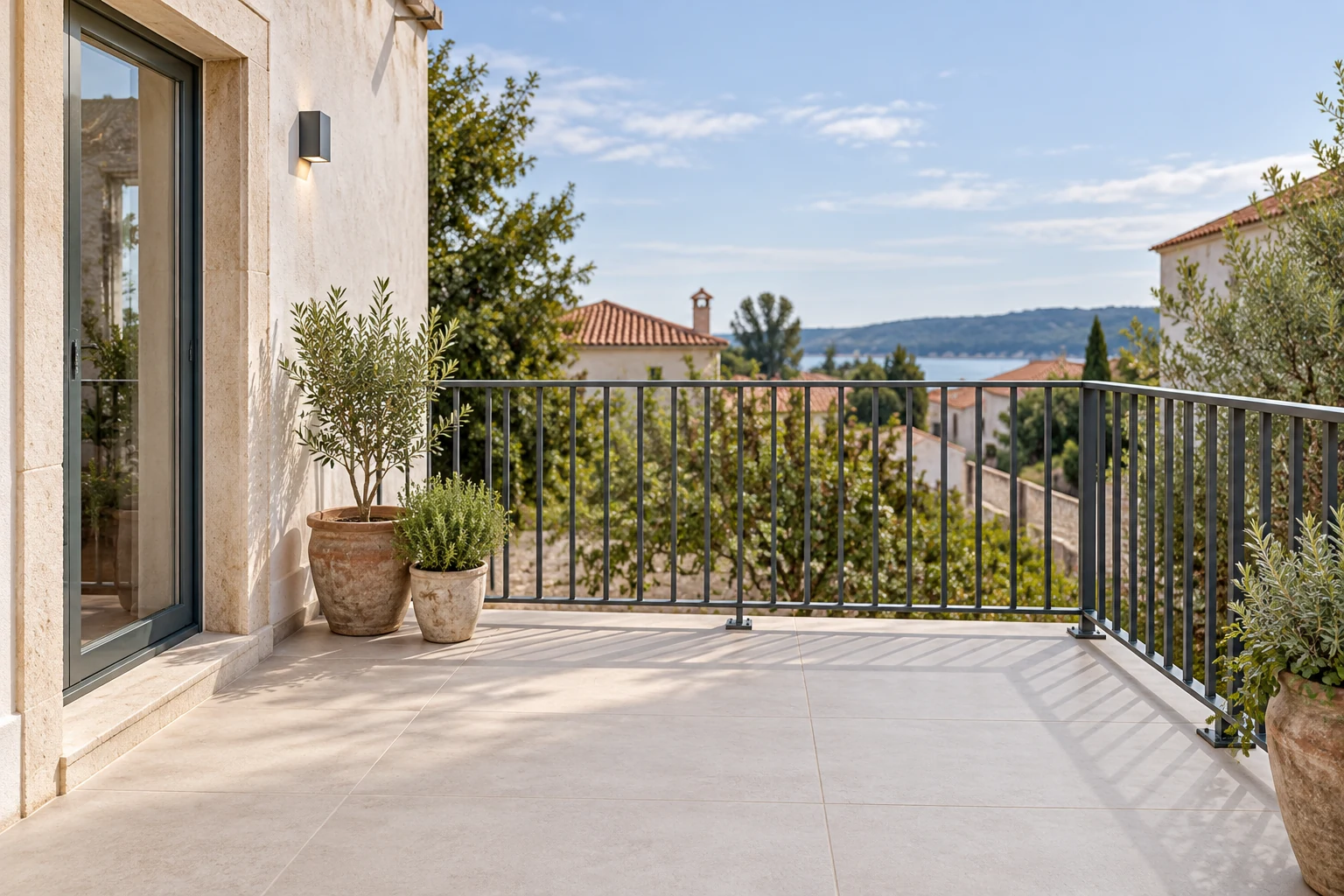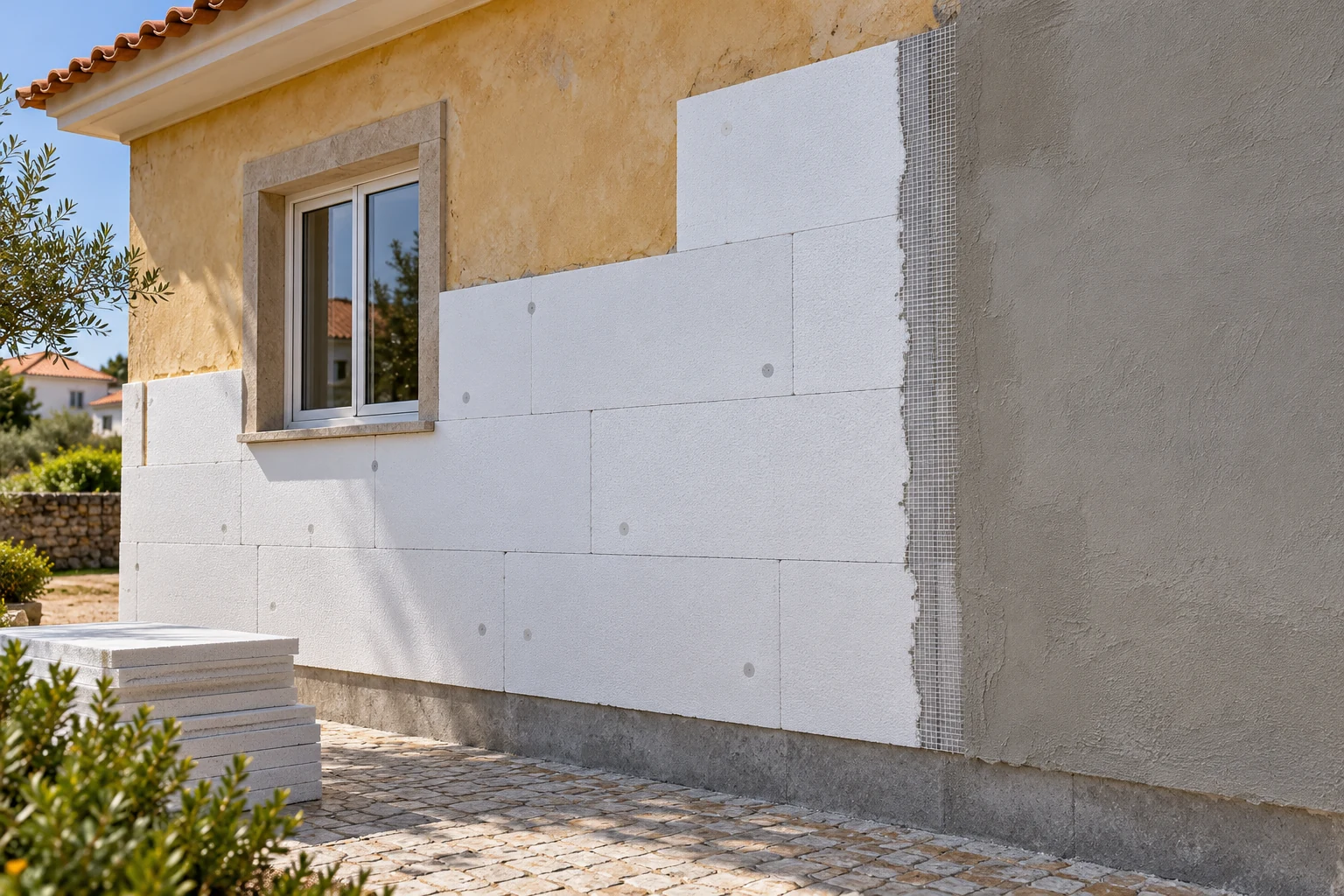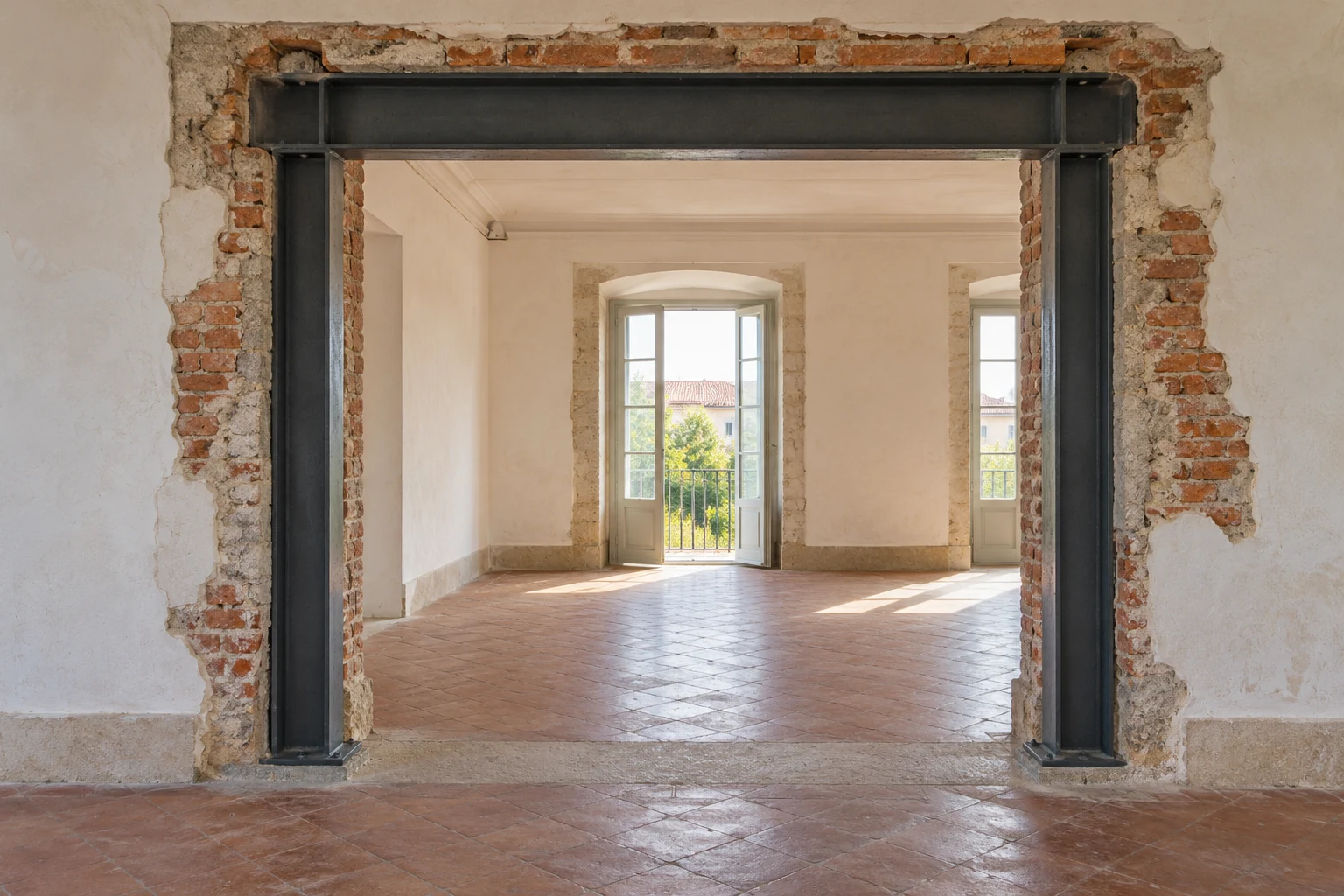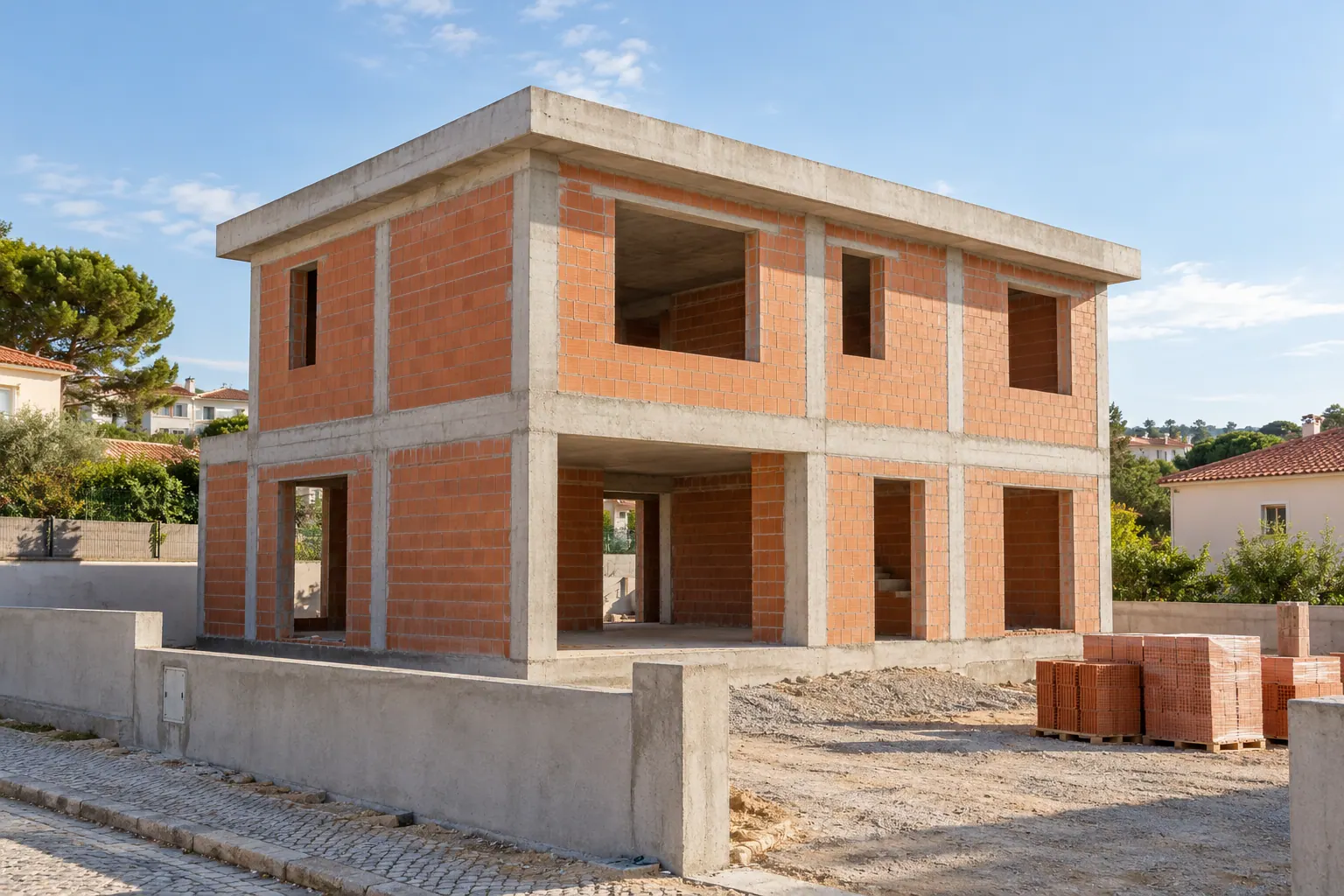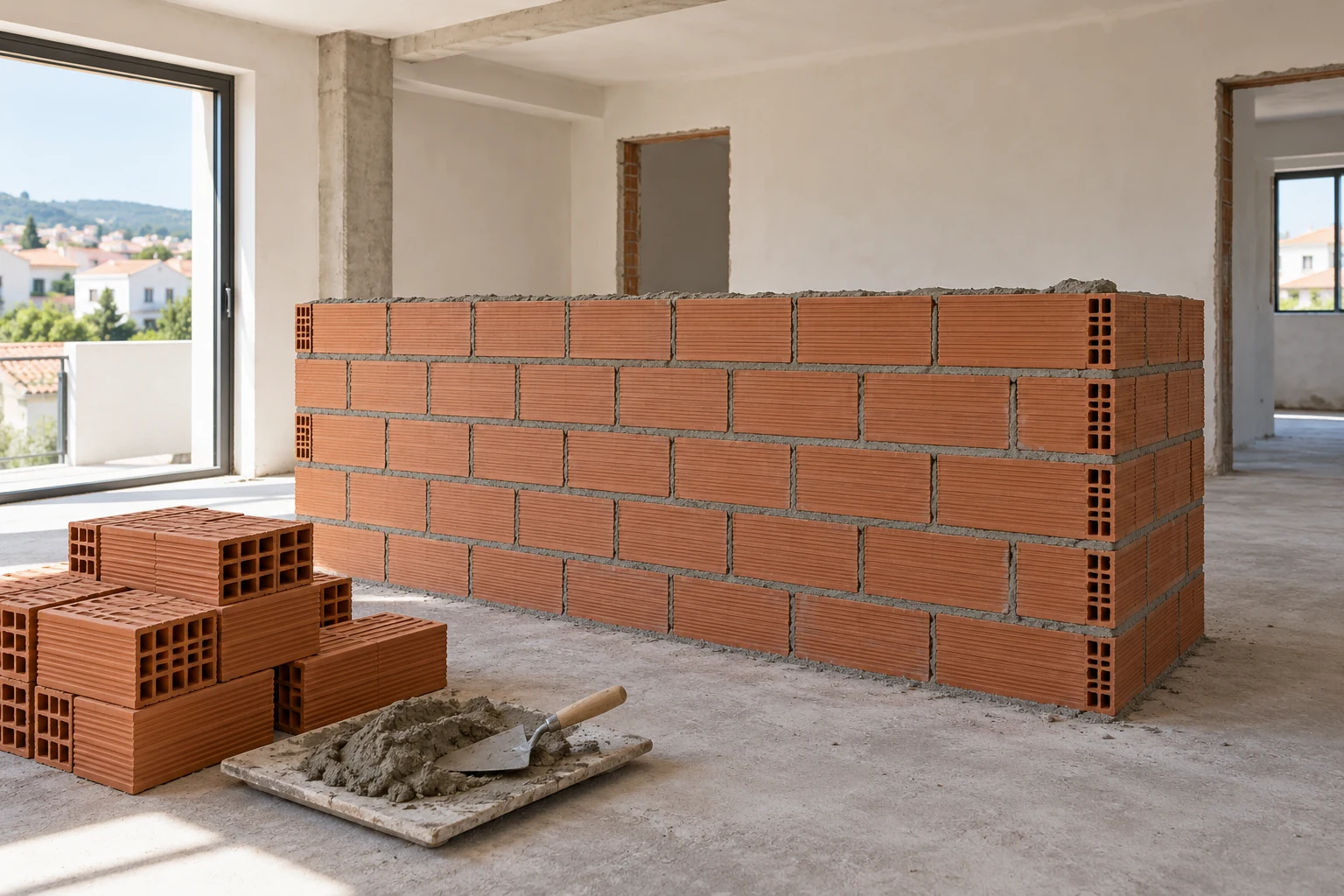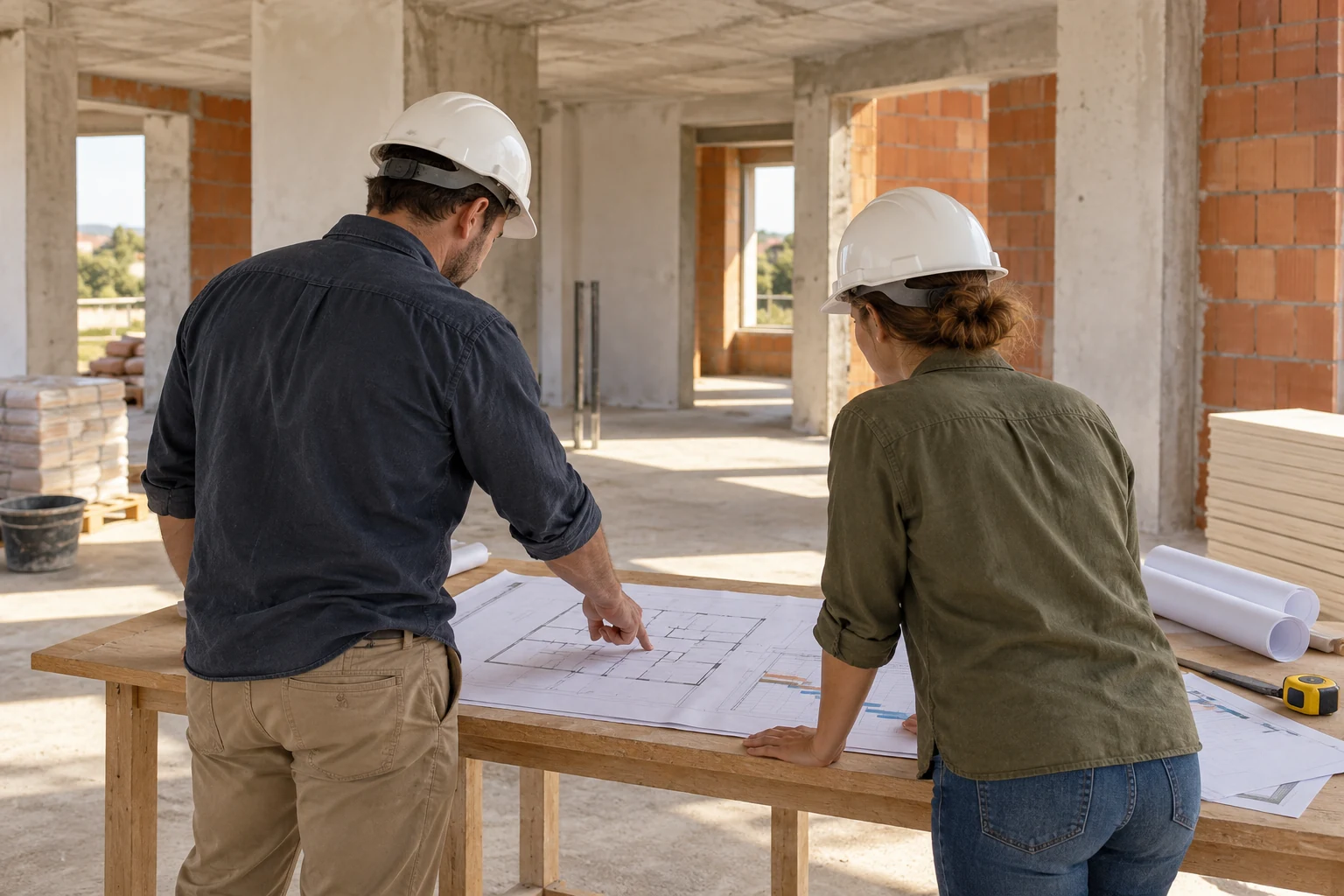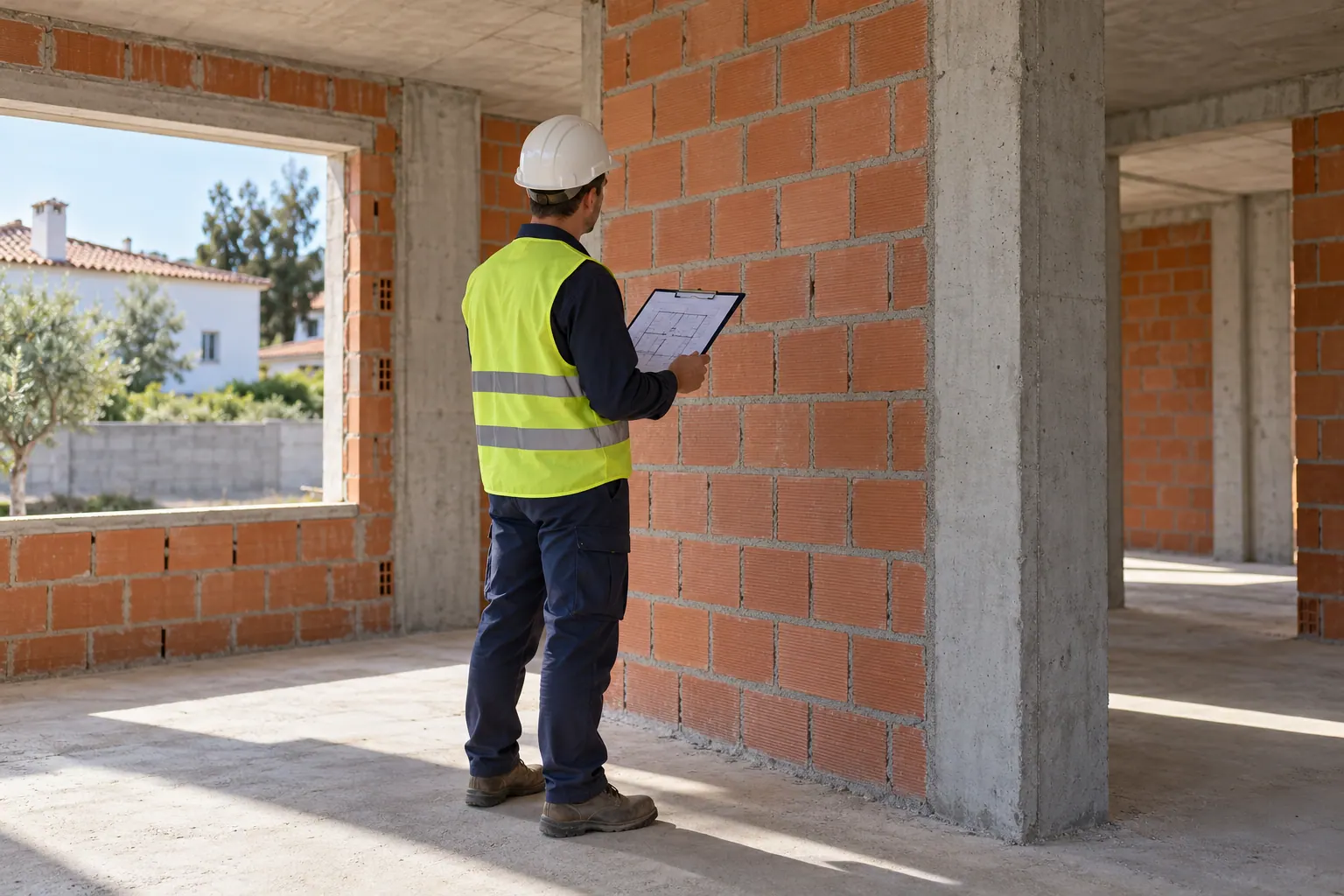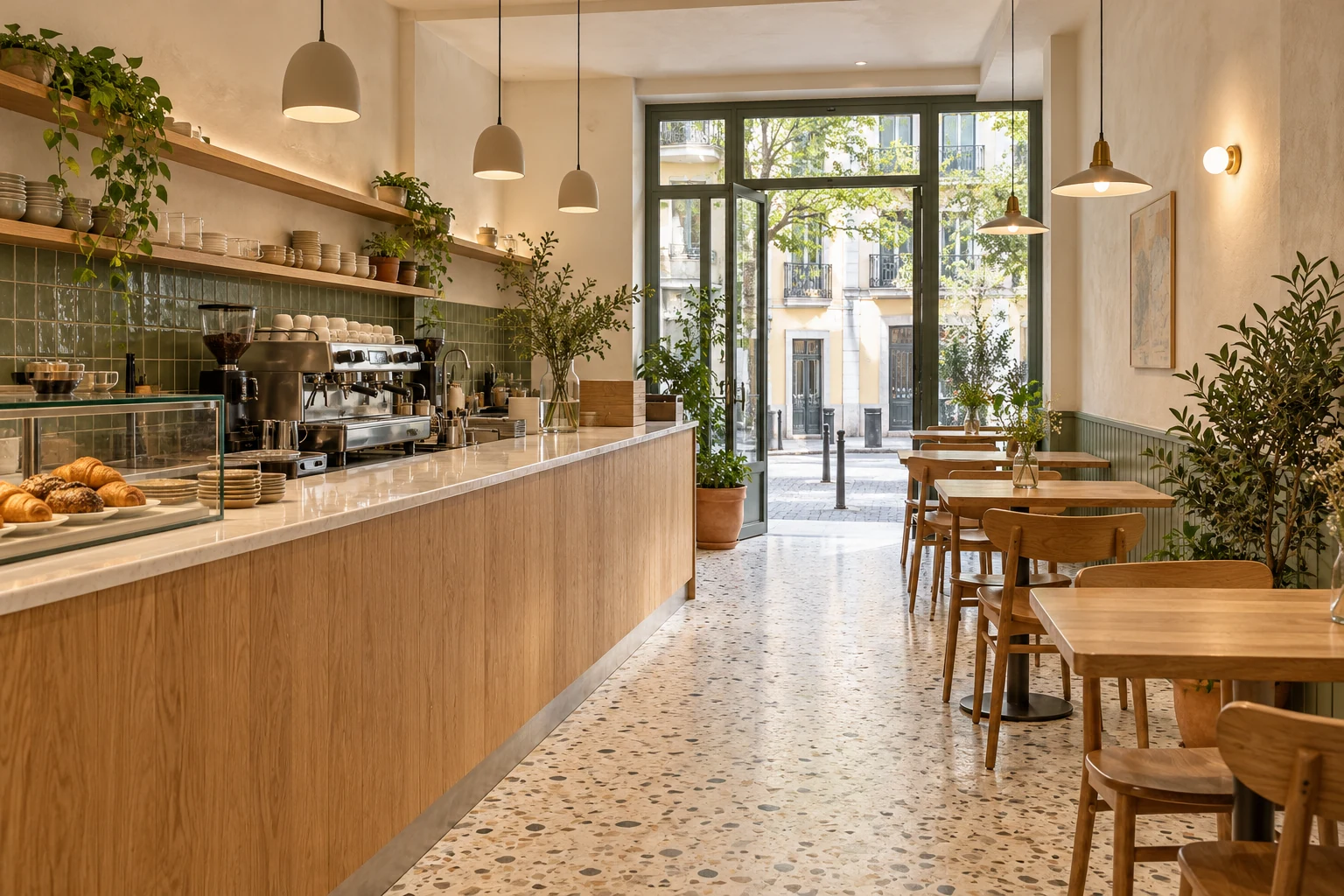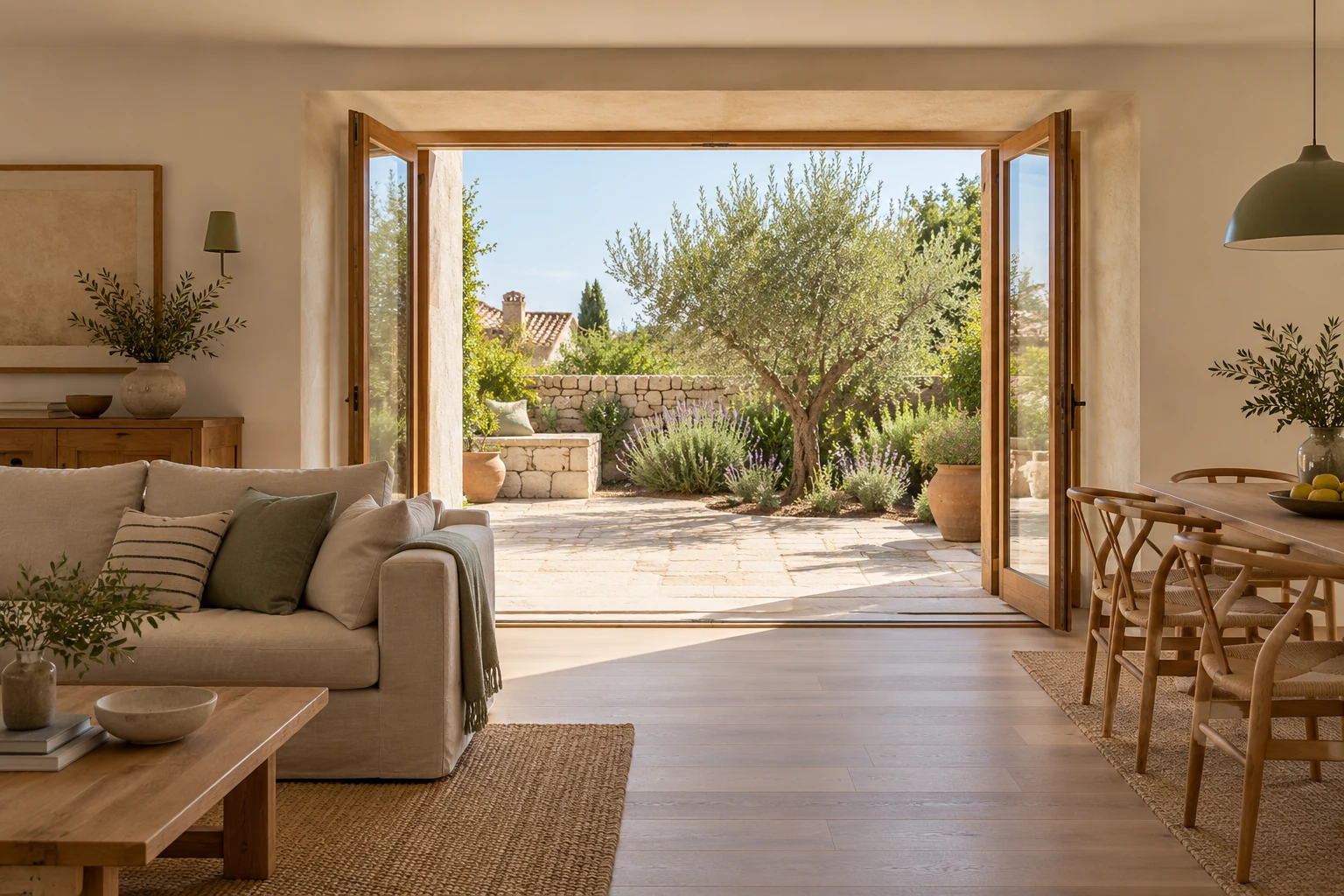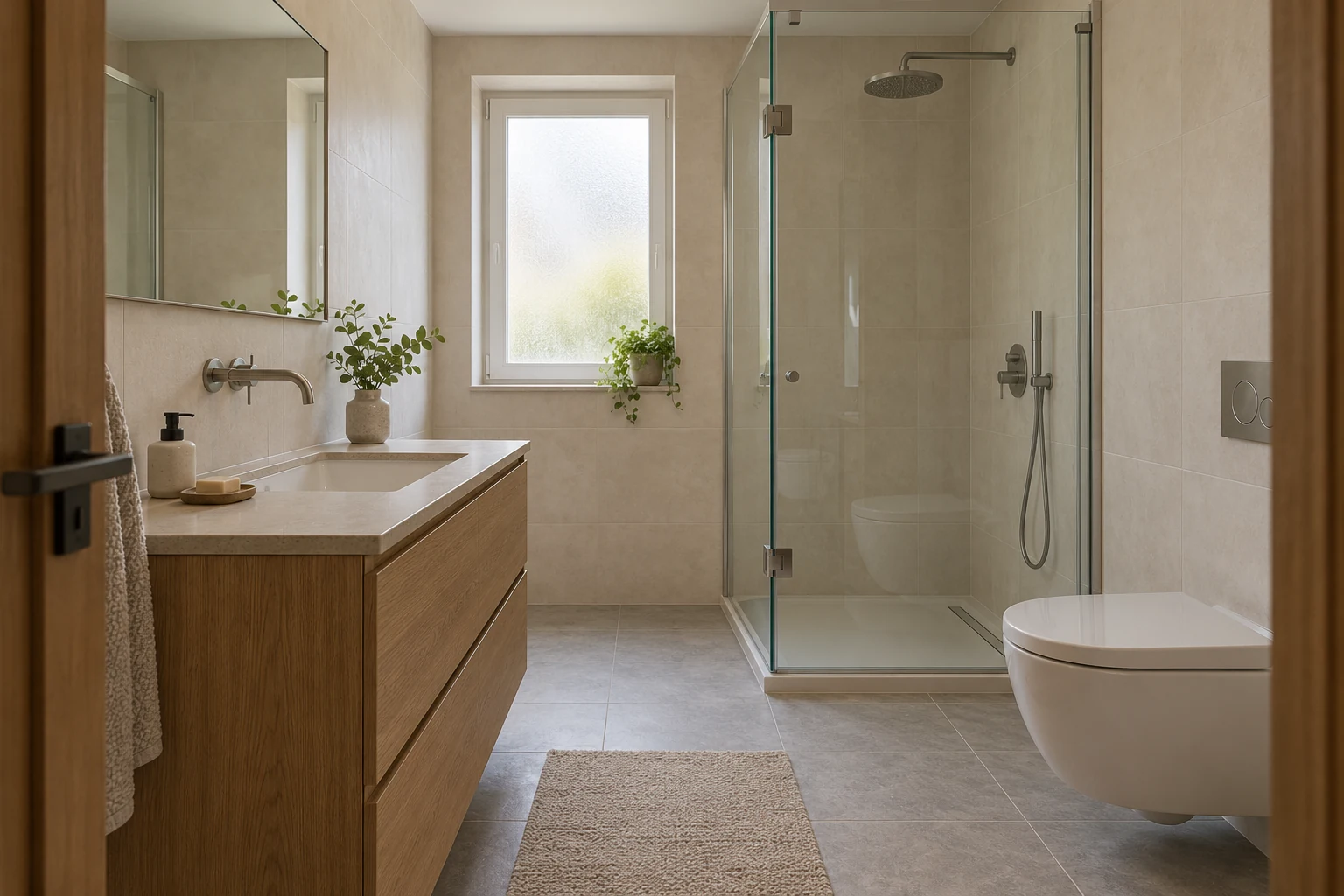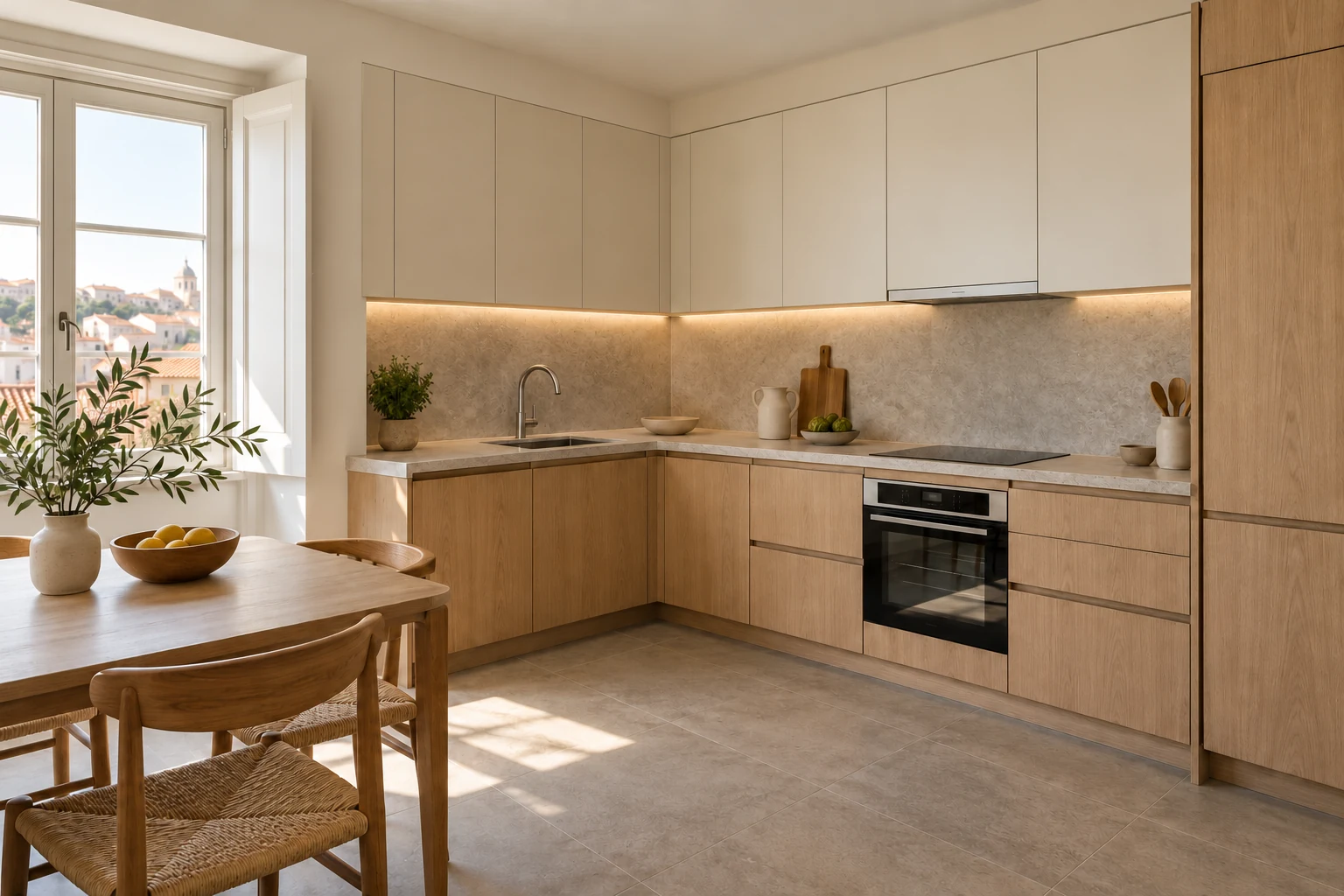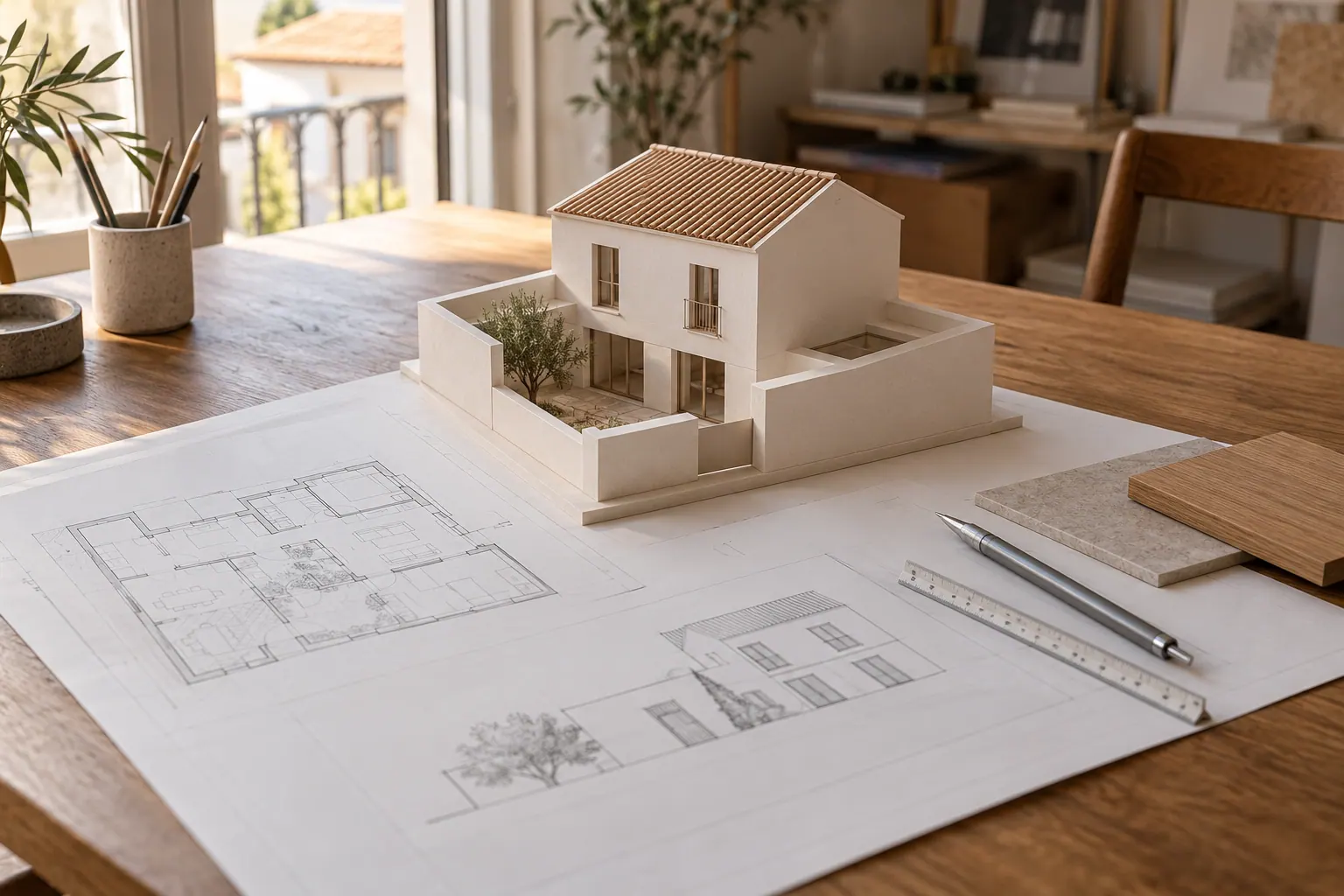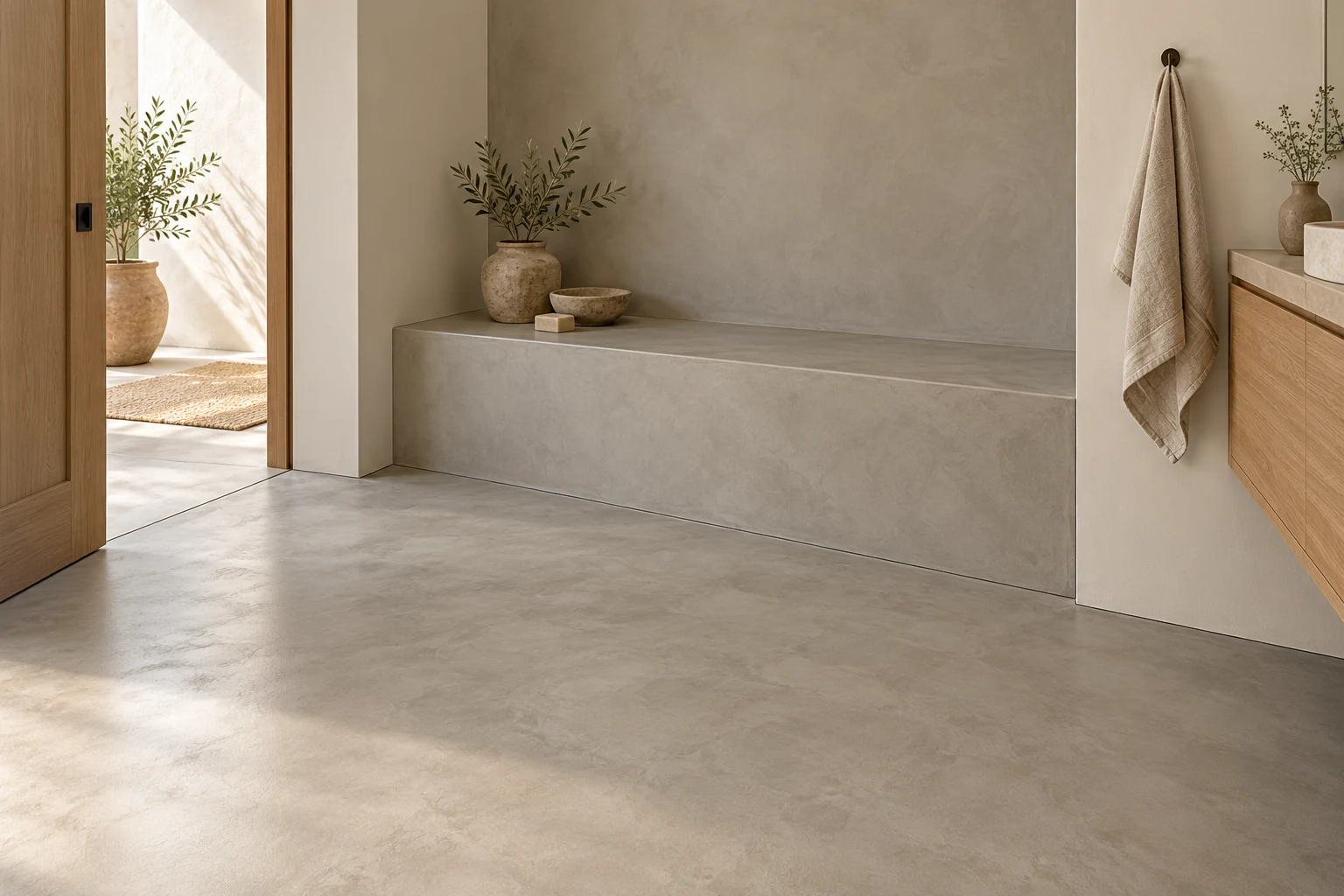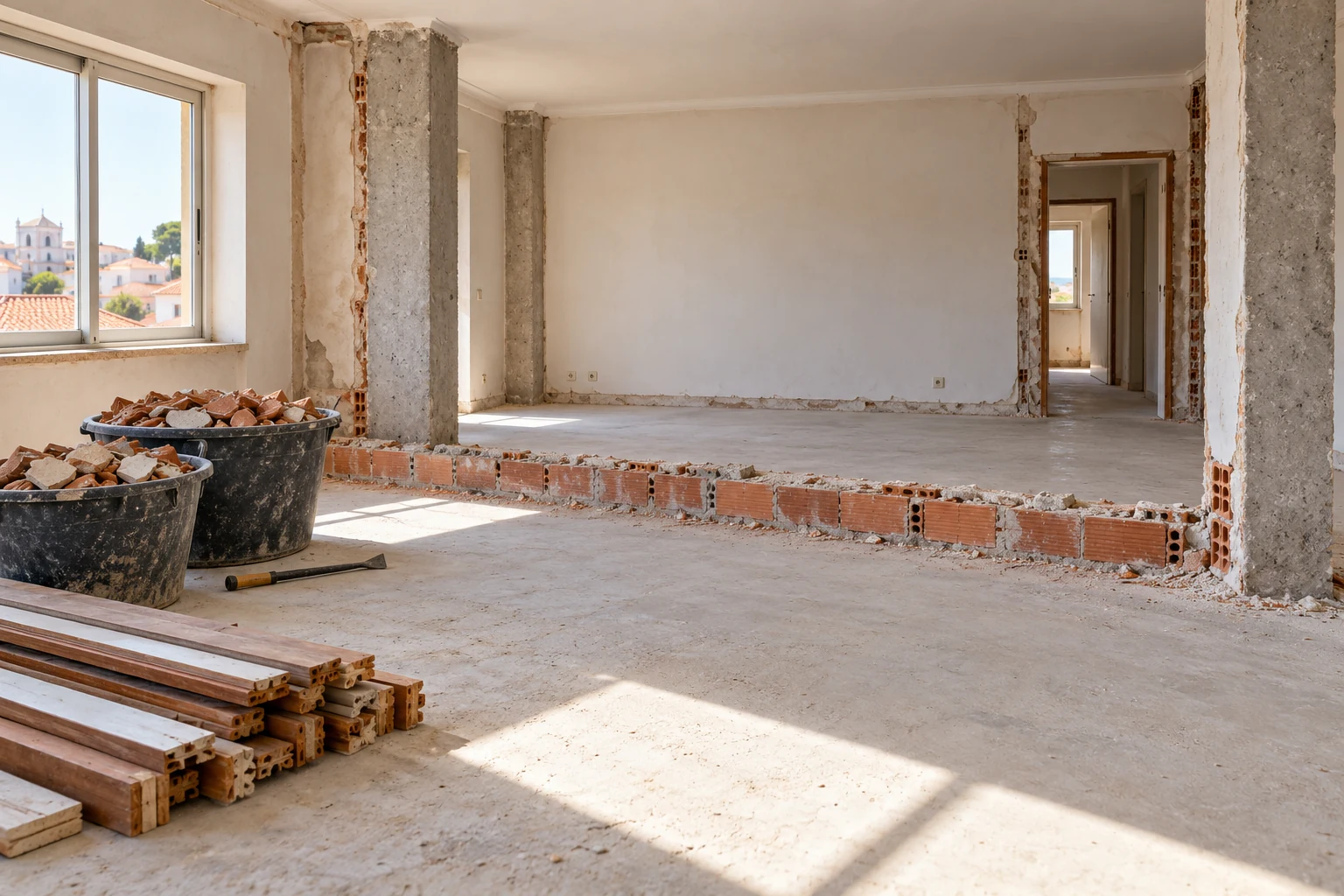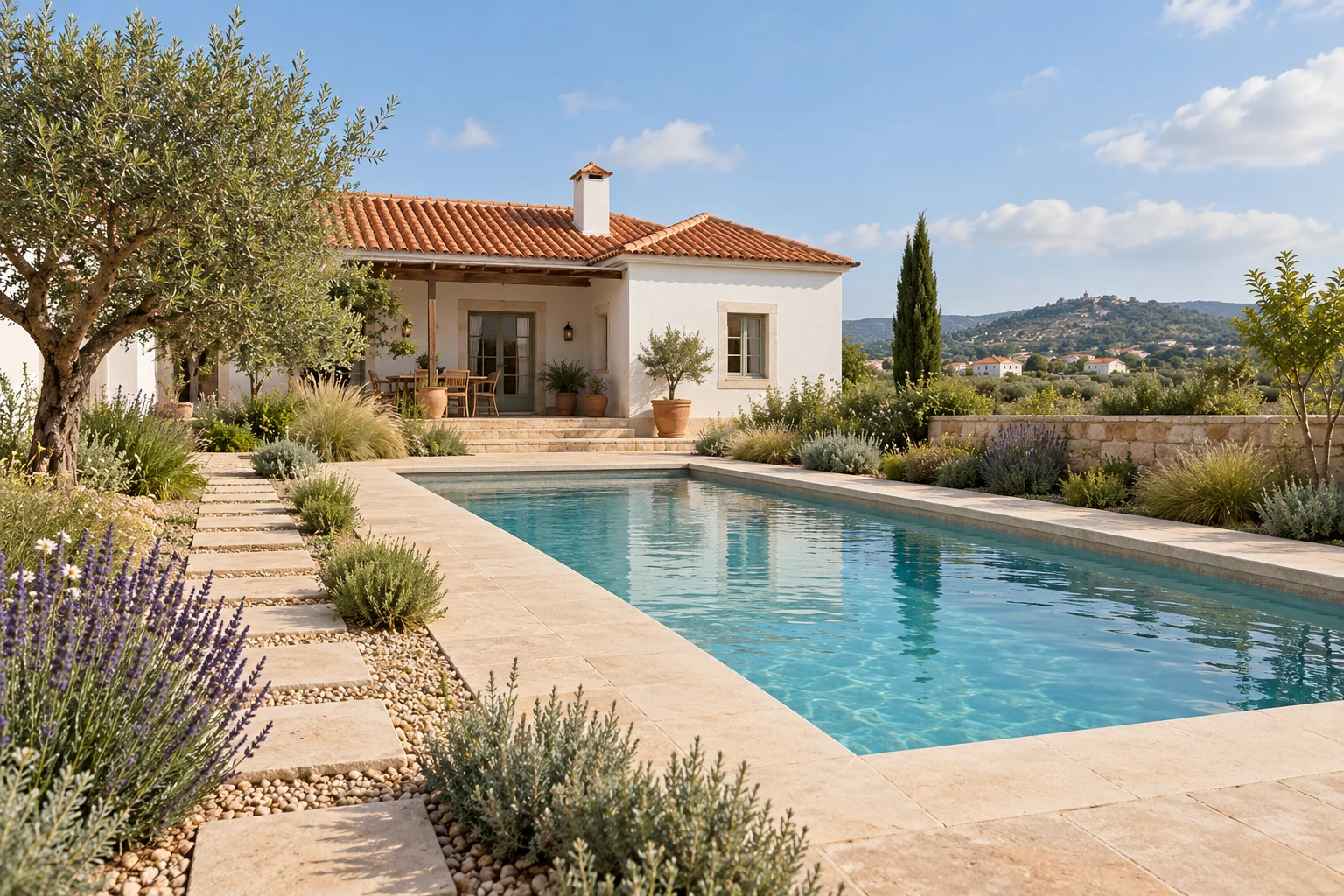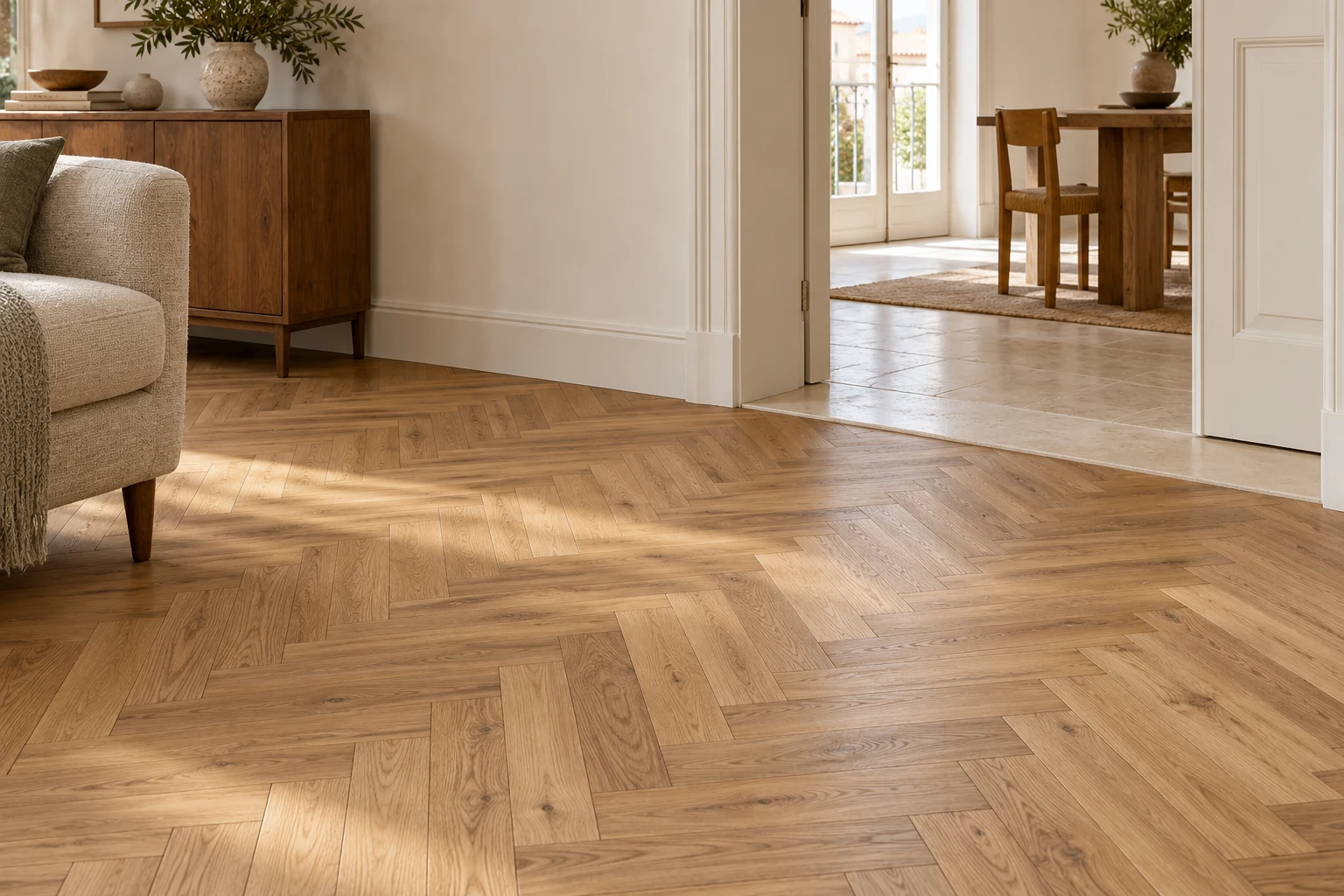
Changing a floor or wall finish involves choosing the material and understanding how it relates to the existing base, levels and elements that will remain in the space. The brief should distinguish new installation, replacement and restoration of an existing finish.
Ceramic tiles, wood, laminate and vinyl each involve their own installation decisions. Where a wood floor is to be retained, sanding and varnishing should be considered in relation to its type and condition, without assuming that every surface can receive the same treatment.
Request a flooring and finishes proposalCeramic wall and floor tiling
A ceramic tiling enquiry should identify the walls or floors involved, the use of the space and the materials selected or still to be chosen. Tile format, layout, joints, corners and finishing details should be considered together, including junctions with doors, equipment and other materials.
The proposal should distinguish tile supply, removal of the previous covering, preparation of the base and installation of the new material. Where the brief covers only part of a wall or floor, its boundaries and the expected match with retained areas should be clarified. Decorative pieces, skirting tiles and cuts around equipment also need to be identified where they form part of the work.
For kitchens, bathrooms or outdoor areas, describe the intended use and exposure. The finish and associated work should be selected for that context. Ceramic tiling should not, on its own, be presented as proof that all waterproofing, drainage or use requirements for the space have been addressed.
Wood, laminate and vinyl flooring
Wood
For a new wood floor, identify the intended product, layout, rooms involved and finishing details. Renovation should distinguish replacing the floor from retaining the existing wood. The option of restoring its finish is addressed through the sanding and varnishing scope, once the floor has been identified and assessed.
Laminate
For laminate flooring, the proposal should identify the product, intended installation and included finishing elements. Where only one area is to be replaced, the existing material and availability of a compatible option need to be established. Renewing the space may involve replacing boards or areas; the surface treatment planned for wood should not be assumed to apply.
Vinyl
For vinyl flooring, provide the product or available reference and explain how the rooms are used. The proposal should clarify the installation method, included preparation and junctions with retained flooring. For replacement work, it should define what will be removed and how transition areas will be finished.
For each option, installation and use conditions need to be confirmed for the product and location. Appearance alone is not enough to establish compatibility with the base or suitability for the needs of the space.
Wood floor sanding and varnishing
Sanding and varnishing address enquiries about restoring the finish of a wood floor that is to be retained. Before defining the work, the floor type, current condition and any recorded previous work need to be understood. Photographs, available samples or product information help prepare that assessment.
The assessment should clarify whether the surface can receive the intended work and whether loose boards, damaged areas or repairs need attention. The proposal should distinguish those repairs from sanding and the final finish, and identify the areas included, intended appearance and any skirting boards or other elements covered. It should not promise that every mark will disappear or that the wood will look uniformly new.
The brief should consider furniture removal, access to rooms and the conditions for using the space again with the selected finish. Handover information should identify the product applied and relevant use and maintenance guidance. This scope should not automatically be extended to flooring that merely has a wood-like appearance.
The existing base, levels and junctions
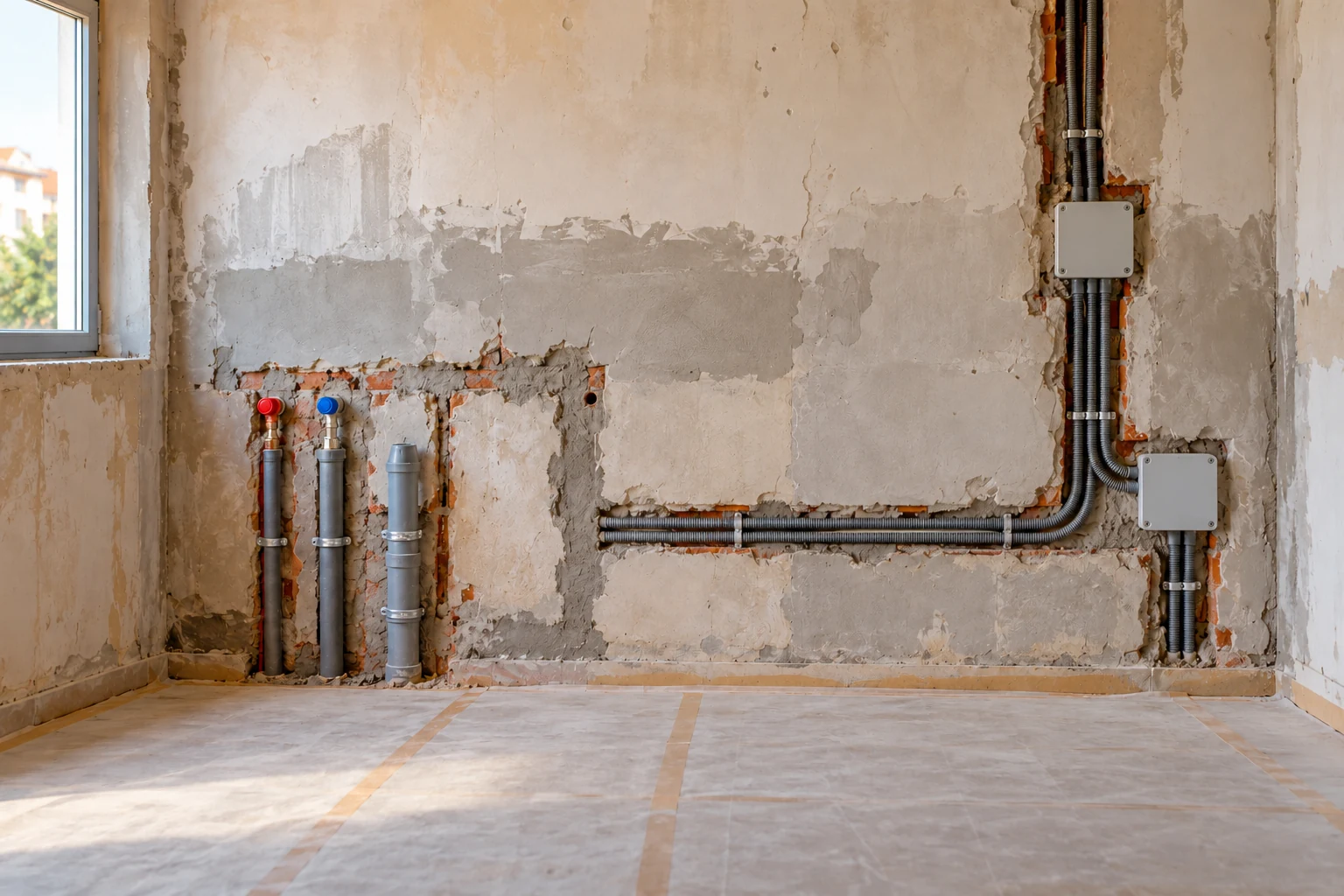
The condition of the base and the decision to retain or remove the existing finish should be clarified before installation is finalised. Identify uneven areas, loose sections, signs of damp or other known conditions. Planned preparation and any assessments should appear in the scope; direct installation over any surface should not be assumed.
Finished levels need to be considered in relation to doors, stairs, adjoining rooms and access outside. Skirting boards, transition strips, junctions with wall finishes and connections to fixed furniture should be identified where needed for the work. The brief should clarify whether associated work to those elements is included.
If services or equipment are located beneath the floor, send the information available. The proposed construction should take account of that context and the relevant documentation, without assuming universal compatibility between materials and existing systems.
From material selection to handover
Preparation should confirm areas, materials, layout and the limits of the work. Where choices remain open, the proposal should identify what needs a sample, measurement or confirmation before installation. It should also clarify who supplies materials and which finishing elements are covered.
The sequence should coordinate removal, preparation, installation and adjoining work. Access, existing furniture and use of the rooms need to be considered when planning. Changes to material, pattern or area should be recorded and their effects clarified before the associated work proceeds.
At handover, the review should refer to the agreed material and scope, including planned junctions and transitions. Use and maintenance information should correspond to the actual products. Additional repairs or excluded areas should be identified without presenting a partial intervention as renewal of the entire floor.
What to send for a proposal
Identify the rooms, approximate areas and whether the enquiry concerns walls, floors or both. Send photographs of the space, current materials and transition areas. Please also include:
- The intended material and any available references or samples.
- Whether you wish to retain, remove or replace the existing finish.
- The known condition of the base and any problems observed.
- Doors, skirting boards, fixed furniture and equipment involved.
- Supplies already purchased and any other planned work.
For wood floor restoration, identify the type of floor, if known, and previous work. Also describe access, occupancy and furniture moving arrangements so the proposal can address the work area and the next steps.
Related services
Areas we serve
We welcome enquiries in Lisboa, Oeiras, Cascais, Sintra, Amadora, Odivelas and Loures. Availability and the feasibility of the work are assessed for each enquiry.
View the areas we serveFrequently asked questions
Can a new finish be installed over the existing one?
That option needs to be assessed for the specific base, product and space. The existing condition, preparation and finished levels at doors and adjoining areas need to be considered. The proposal should clarify whether the previous finish will be retained or removed.
Can any floor with a wood-like appearance be sanded?
Appearance alone does not identify the material or its construction. Before sanding is included, the floor, its condition and previous work need to be understood. Wood restoration should not be assumed to be a treatment for laminate or vinyl flooring.
Can I use different materials in adjoining rooms?
You can include that intention in the brief. The proposal should consider finished levels, the limits of each material and details at doorways and transitions. Skirting boards, doors and other elements affected by the transition should also be defined.
Can I supply the tiles or flooring?
Provide the product details, quantities available and any accessories already purchased. Before the proposal is finalised, the intended use and installation conditions should be confirmed. The scope should distinguish client-supplied items from included materials and work.
How should I choose a bathroom finish?
Start by identifying where it will be applied and how the area will be used. Selection should consider the product and work to the base, junctions and areas exposed to water. The chosen finish should not be presented as a substitute for defining that work.
Can just a few pieces or one area of the floor be replaced?
A local repair should be considered against the existing material, the condition of the area and the availability of replacement pieces. The proposal should identify its limits and the expected visual match, without guaranteeing in advance a repair indistinguishable from the rest of the floor.
What material would you like to install or restore?
Send photographs, approximate areas and material references. Identify what you wish to retain and the transitions, doors or fixed elements that need to be considered.
Send a flooring and finishes enquiry