If a sewer smell appears or gets worse after rain, do not start by sealing grilles or pouring harsh chemicals down drains: first identify where the smell enters and check whether the traps still hold water. In Lisbon apartments, the issue may lie in a seldom-used floor drain, poor stack ventilation, an inspection chamber or a shared building connection. The right repair depends on that distinction; the wrong one may hide the smell for a few days and make future clearing work harder.
Contents
- What to do in the first few hours
- Why can rain bring sewer smells indoors?
- How to tell a dry trap from a blockage or ventilation fault
- Checks you can make without taking anything apart
- Mistakes that usually make the issue worse
- When to call a professional and how to prepare the visit
What to do in the first few hours
Start by limiting exposure and collecting simple information. Open windows to refresh the air, but avoid leaving internal doors open if the smell is concentrated in a bathroom, kitchen, laundry area or storage room. Portugal’s Directorate-General of Health recommends regular home ventilation and attention to damp and leaks, which encourage microorganisms. Read the DGS guidance on indoor air.
- Photograph any water marks, foam or residue near drains and toilets.
- Note whether the smell began with rain, after flushing, when using the washing machine, or without any water use.
- Check whether drainage is slow at more than one fixture.
- If dirty water is coming up through a drain, stop using appliances connected to that area until the cause is understood.
Do not remove inspection-chamber covers, force rigid wires into pipes or mix chemical drain cleaners. Apart from splash risks, an improvised attempt can push a blockage into a less accessible section of pipework.
Why can rain bring sewer smells indoors?
The smell is not caused by rain alone. Rainfall may coincide with higher flows in external systems, expose poor rainwater drainage or change pressures in an installation that already has weaknesses. In older systems, the separation between domestic wastewater and rainwater deserves particular attention; in newer systems, performance still depends on correct routes, falls and ventilation.
The most common domestic mechanism is straightforward: a trap retains a small amount of water that acts as a barrier against gases. Technical regulations describe traps as devices intended to prevent gases from entering buildings and require them to remain accessible for cleaning and maintenance. See the Diário da República regulation on traps, drains and inspection chambers.
When a floor drain, secondary basin or shower tray goes unused for weeks, water can evaporate from its trap. A heavy discharge elsewhere in the building can also disturb that water seal where system ventilation is inadequate. Rain can make the issue easier to notice; it does not, by itself, prove that the roof or public sewer is the source.
How to tell a dry trap from a blockage or ventilation fault
Watch the pattern before selecting a remedy. A smell limited to a little-used drain, with no slow drainage, often points to a trap with little or no water seal. Slowly pour clean water into that drain and wait a few hours. If the smell disappears and there is no backflow, keep the point in periodic use and investigate further only if the odour returns quickly.
Gurgling at a basin when a toilet is flushed, smells on several floors, or repeated movement in water levels are reasons to assess pipe ventilation and branch connections. Technical rules provide for ventilation branches to preserve the water seal in traps and to prevent induced siphonage. See the Diário da República technical text on ventilating building drainage systems.
Slow drainage at several fixtures, water rising through a low-level drain, or residue appearing in a shower tray create a different priority: a possible blockage in a branch, collector or stack. In an apartment building, compare affected times and areas with neighbours. A problem confined to one flat is different from an issue in the shared stack.
| What you notice | Cause to check | Sensible first action |
|---|---|---|
| Smell at a little-used drain | Trap with little or no water seal | Add water and observe whether the smell returns |
| Gurgling or noise after discharges | Insufficient ventilation or pressure disturbance | Record the fixtures involved and request diagnosis |
| Dirty water rising through a drain | Downstream blockage or backflow | Stop use and contact a qualified professional |
| Smell and damp near a wall or ceiling | Leak, water ingress or connection defect | Document it and investigate the source without closing the area |

Checks you can make without taking anything apart
Limit yourself to visual, reversible checks. Remove visible hair and debris from the drain while wearing gloves, wash the grille and make sure the cover sits correctly. Add water to rarely used floor drains, including those in a laundry room, enclosed balcony or storage area where present. If the trap below a kitchen sink is accessible, look for moisture around joints, but do not loosen parts where water has collected or materials are degraded.
During heavy rain, the DGS advises clearing rainwater drainage systems in courtyards and balconies, as well as cleaning gullies, roof channels and gutters. This maintenance reduces standing water and debris, but it does not replace repair of a domestic wastewater system. Read the DGS advice for adverse weather conditions.
If you live in an apartment, also check whether the smell coincides with recent works: replacement of sanitaryware, a relocated kitchen, an enclosed balcony or work in the flat above. A seemingly minor alteration may have left a drain without a trap, interrupted ventilation or created a poorly sealed connection.
Mistakes that usually make the issue worse
The most common mistake is to perfume the room and assume the source has gone. Candles, diffusers and air fresheners do not solve gas entry; they can also make it harder to identify where the smell is strongest. Another mistake is filling every drain with caustic products. Those products do not correct a dry trap, may damage materials and create hazards for whoever needs to open the pipework later.
Also avoid treating a non-return valve as an automatic answer. Regulations allow these valves only in exceptional situations and subject them to regular maintenance. An unsuitable valve, or one installed without access, can create a fresh blockage rather than protect the home.
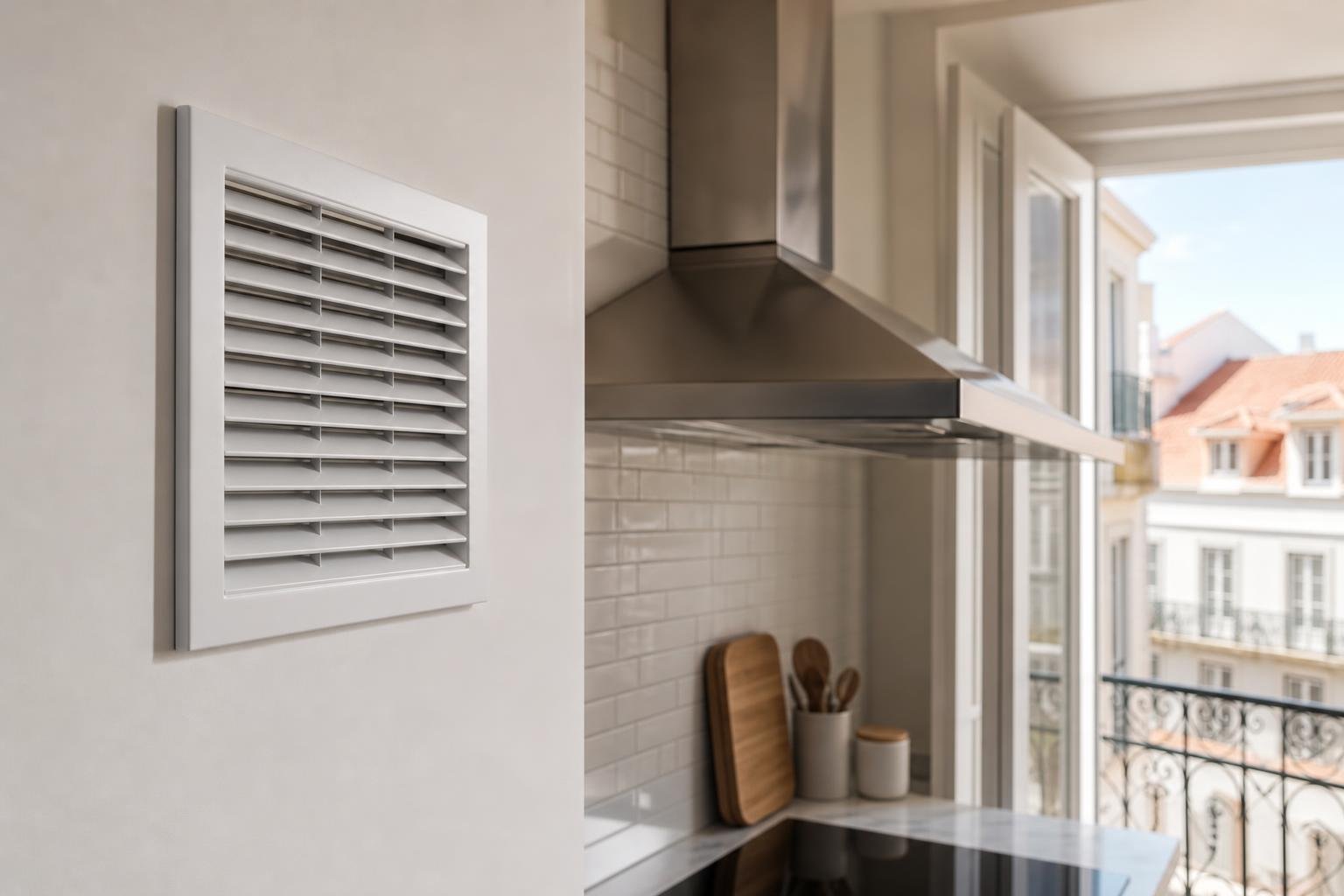
Finally, do not close a ventilation grille or technical opening in an attempt to stop the smell. The drainage system needs ventilation to work steadily. If the suggested fix is simply to cover the symptom, ask for the entry point, pipe route and reason why the water seal or system pressure failed to be identified.
When to call a professional and how to prepare the visit
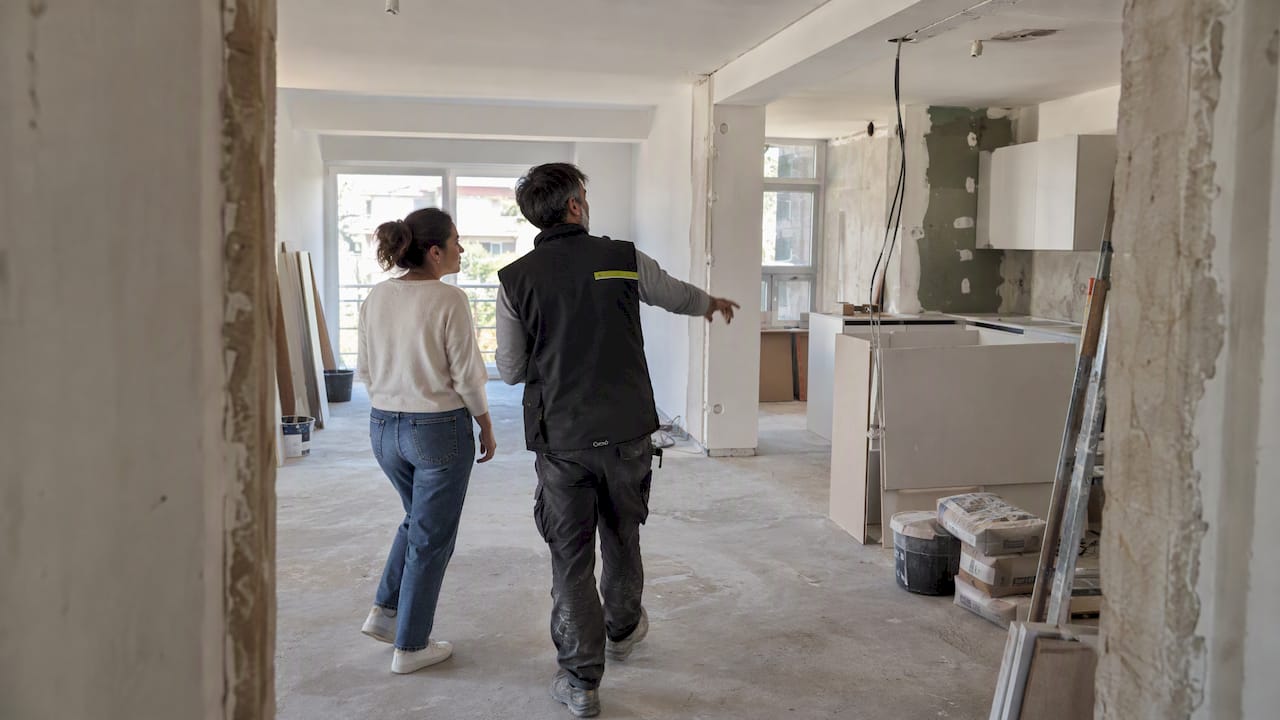
Call a plumber or building-drainage professional promptly if wastewater is backing up, a discharge will not drain, a strong smell persists, damp marks appear, there is a visible leak or signs occur in more than one flat. If the source may be in the stack, collector or a shared chamber, inform the condominium manager as well. The boundary between a flat’s pipework and common elements should be established before approving openings or repairs.
Prepare a brief note with affected locations, starting date, relationship to rain, photographs and recent works. Ask for the diagnosis to distinguish traps, branches, ventilation, stacks and the collector connection. For a useful overview of pipework and drainage before renovation, read Obra Lisboa’s guide to sewer and plumbing systems.
A well-prepared intervention avoids opening finishes at random. If the smell comes with a leak, first follow this practical article on what to do in the first 24 hours after an apartment water leak. To reduce repeat issues, include drains, traps, accessible chambers and ventilation in a building-maintenance plan.
Key takeaways
- A smell after rain may expose an existing weakness; it does not automatically mean the public sewer has failed.
- A little-used drain is the first sensible check: water in the trap and a clean grille.
- Gurgling, backflow or slow drainage at several fixtures need professional diagnosis, not chemical cleaners.
- In an apartment building, record the signs and notify the condominium early when a shared stack or common element may be involved.
If the smell continues, gather the signs you have observed before arranging a visit and ask for an assessment focused on the cause, rather than the smell alone. To plan a repair or renovation with coordinated building trades, see Obra Lisboa’s construction services.
Sources and further reading
- Diário da República regulation on traps, drains and inspection chambers
- Diário da República technical text on ventilating building drainage systems
- DGS advice for adverse weather conditions
- DGS guidance on indoor air
Editorial image; it does not depict an Obra Lisboa project.

Obra Lisboa