A stone façade rarely fails overnight. It may begin with a dark mark below a sill, a mortar joint that has washed away, a crumbling edge or a crack that appears cosmetic. In Lisbon, wind, rain, urban pollution and repeated wetting and drying leave different marks on limestone, lioz stone, surrounds and plinths. The right decision starts with understanding where water enters, how it drains away and how the façade elements work together.
Before commissioning cleaning or selecting a mortar, it is worth separating surface marks from signs that require a technical diagnosis. That distinction helps avoid work that makes stone look even for a few months while trapping moisture, weakening joints or concealing a drainage defect.
First, establish what the stone does in the façade
Visible stone does not always serve the same purpose. In a Lisbon building it may be load-bearing stonework around openings and corners, thin cladding, a plinth at pavement level, or decorative work with little structural role. A crack in a thin panel, a failing joint around a window and a fractured lintel stone call for very different responses.
Make a simple record before work begins: photograph every elevation straight on and at an angle, then mark staining, chipped stones, exposed metal, vegetation and missing joints. Note whether the problem sits below drip edges, beside downpipes, at roof junctions or at the base of a wall. Water often reveals the route of the defect.
Where stone is high up, projects out over a pavement or may become detached, do not treat the inspection as a DIY task. Keep people away from the area and obtain an on-site assessment. Lisbon City Council provides a route for reporting a building’s state of repair, which requires clear information about the damage and its location.
Read stains carefully: water, salts, rust or urban dirt
A stain does not identify its own cause. Regular streaks below a sill or balcony often indicate a defective drip edge, an open joint or poor drainage. Persistent darkening in sheltered areas can result from retained moisture and slow drying. Dark crusts around mouldings and cornices collect airborne particles; they should not automatically be removed with harsh products.
White, powdery deposits need attention. They may be salts carried through masonry or mortar by water. Brushing them away and repainting does not remove the cause: the moisture source and the wall’s ability to dry must be understood. Rust around a crack can point to corrosion in nearby metalwork; as metal corrodes it expands and may force or fracture the stone.
Avoid pressure-washing without a test area and a clear understanding of the substrate. It can open already weakened joints and drive water into cracks. The same diagnostic approach applies to different façade materials; see our guide to tiled façade restoration in Lisbon before removing original materials.
Cracks and open joints: study the pattern, not only the width
A horizontal crack beneath a window, a diagonal crack running from an opening and a gap following a mortar joint have different meanings. Check whether the crack passes through stone, remains in mortar, has a step between its sides or returns after repair. Include a dated reference in photographs so that changes can be tracked.
Joints washed out by rain no longer protect stone edges and make water entry easier. Repointing should respect the width, depth, texture and compatibility of the existing work. Mortar that is too rigid can concentrate stress in weaker blocks. In older buildings, the choice between lime, cement or a specific formulation must follow the stone, original mortar and façade exposure.
The municipal guide to wall repair and strengthening explains that masonry has its own structural behaviour and should not be altered with improvised fixes. If cracking involves load-bearing walls, lintels, arches or wall connections, a qualified professional should determine the solution.

Flaking stone, broken edges and loose panels
Surface flaking, grain loss and broken corners can result from salt crystallisation, moisture cycles, impact, unsuitable cleaning products or incompatible past repairs. A soft stone may look dry at the surface while remaining damp behind a hardened layer. Filling a loss with a colour-matched compound without stopping the water source is therefore usually short-lived.
On façades clad with stone panels, look for signs of movement: hollow areas identified by a professional, misalignment, open joints, staining emerging from a fixing point or cracks near anchors. Do not try to pull, glue or screw a loose panel from the face. Municipal rules may require mechanical fixing or anchoring rather than adhesive-only systems for new façade cladding; consult the Lisbon Municipal Urbanisation and Building Regulation for the applicable framework.
If there is a risk of material falling onto the public way, protect people first and arrange safe works. Our article on loose façade finishes can help distinguish a local defect from a condition requiring immediate containment.
Before cleaning or replacing stone, check how water is shed
Stone conservation depends as much on junctions as on the stone itself. Check sill falls, drip edges, the joint between windows and stone surrounds, balcony junctions, gutters and downpipes. A small defect above a stain may matter more than the stain below it.
When replacing a piece, confirm dimensions, thickness, finish, joints and fixing method before ordering. New stone changes colour as it becomes wet and ages; selecting it from a dry sample alone can produce an overly conspicuous patch. In heritage-sensitive buildings, the prudent principle is to retain material that remains serviceable and replace only irreversibly degraded pieces with compatible materials. Lisbon’s rules express this preference for matching or compatible replacement materials.
Façade work may also change the external appearance of a building and fall within planning control, especially for listed buildings, buildings under consideration for listing or protection zones. Check the municipal conditions for building works requiring a licence before settling the specification, booking scaffolding or ordering stone.
Turn observations into a clear scope of work
A useful quotation request should say more than “repair stone façade”. It should identify the elevation, affected areas, photographs, access requirements, protection works, proposed cleaning method, joint repairs, stones to repair or replace, waste removal and how the result will be checked. Ask for products and mortars to be named rather than accepting broad wording such as “full treatment”.
Compare quotations by work sequence. Stabilise and protect first; remove the water cause next; then clean or repair using test areas; finally review junctions and maintenance. This order reduces repeated work and makes each choice easier to assess. For a wider framework, read how to ensure building quality and durability.
A stone façade does not need to look new to be well maintained. It needs to be safe, able to dry and repaired with materials that do not accelerate deterioration in the older fabric.
If you are planning stone façade repairs in Lisbon, Obra Lisboa can help structure the diagnosis, conservation works and construction sequence before work starts.
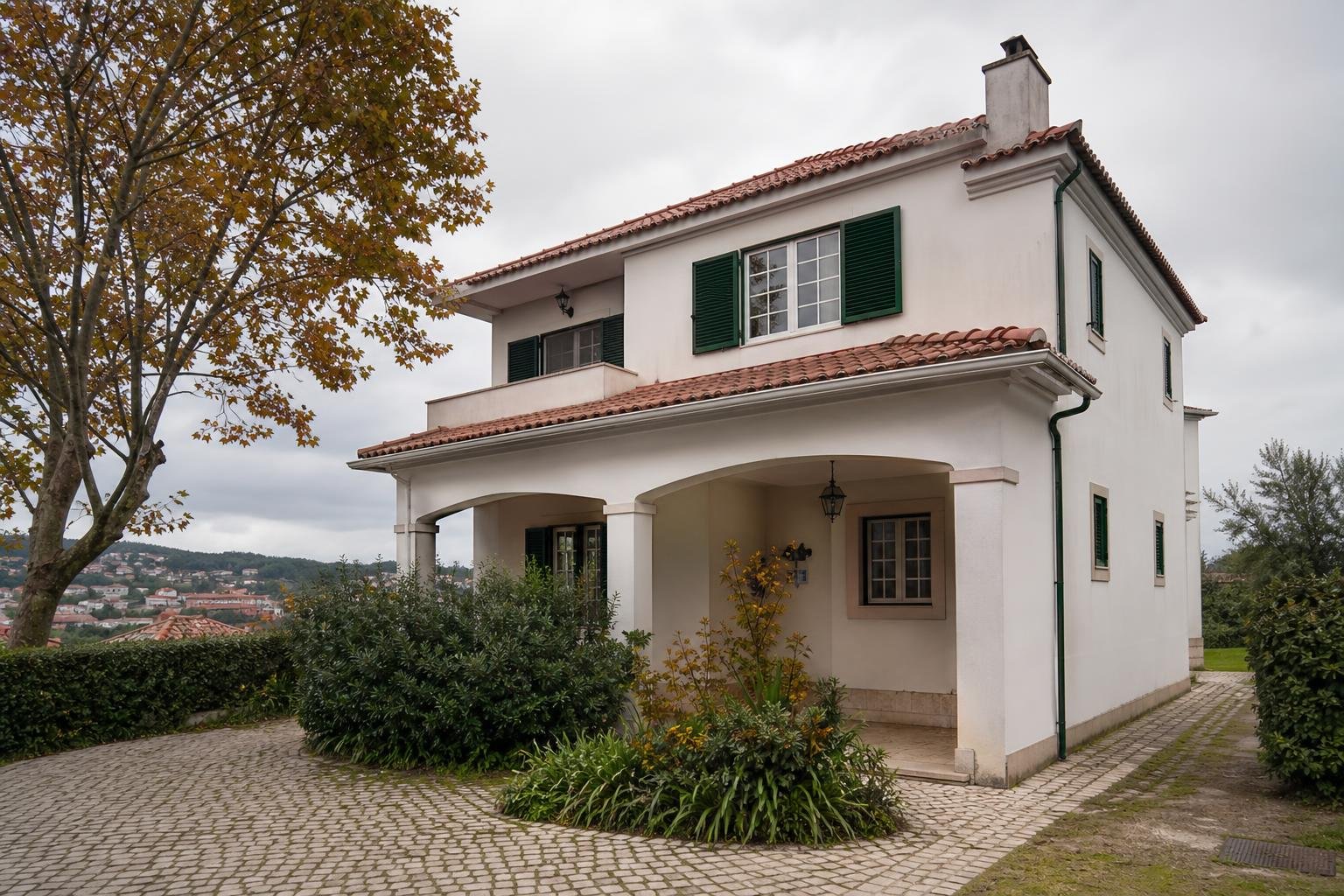
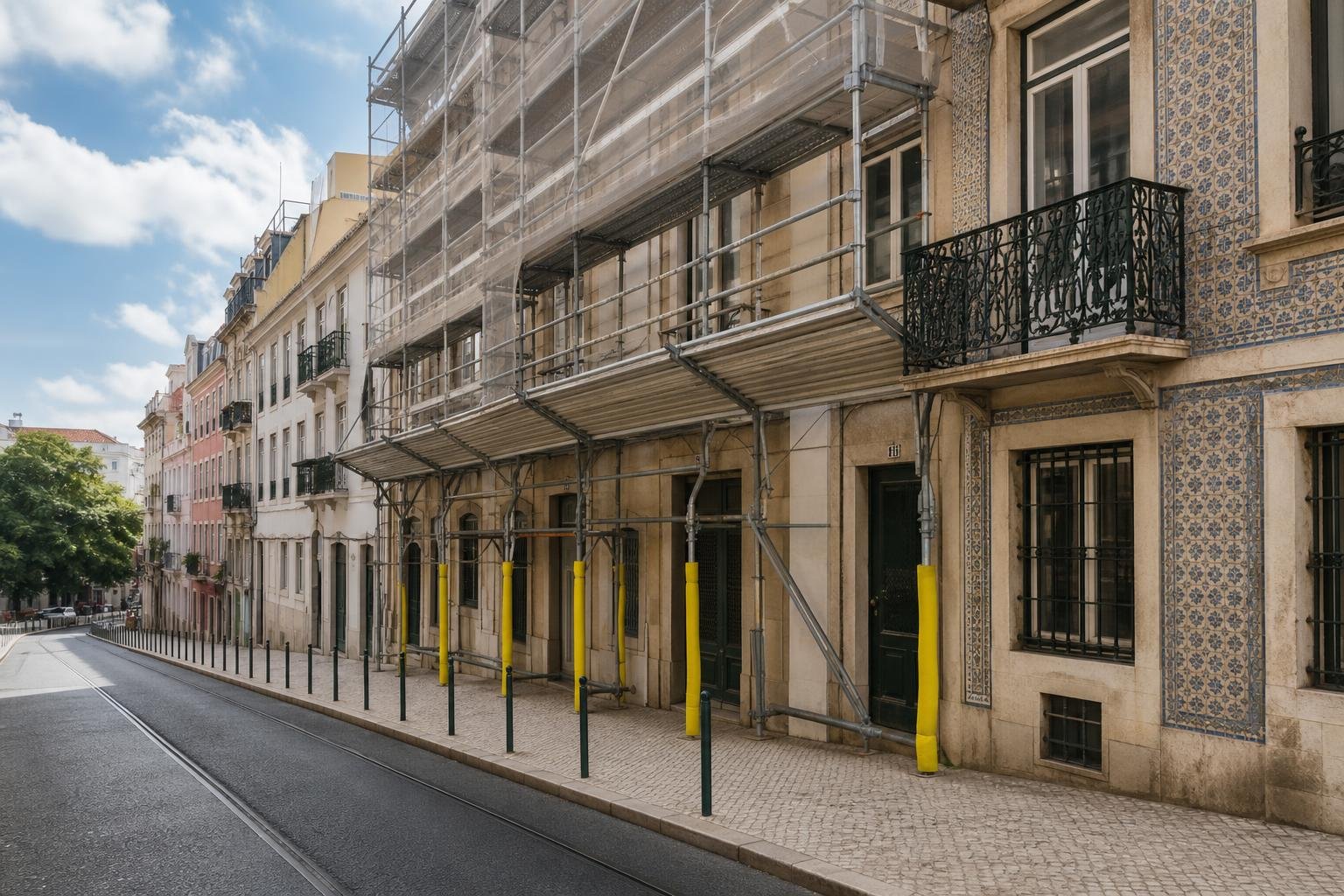
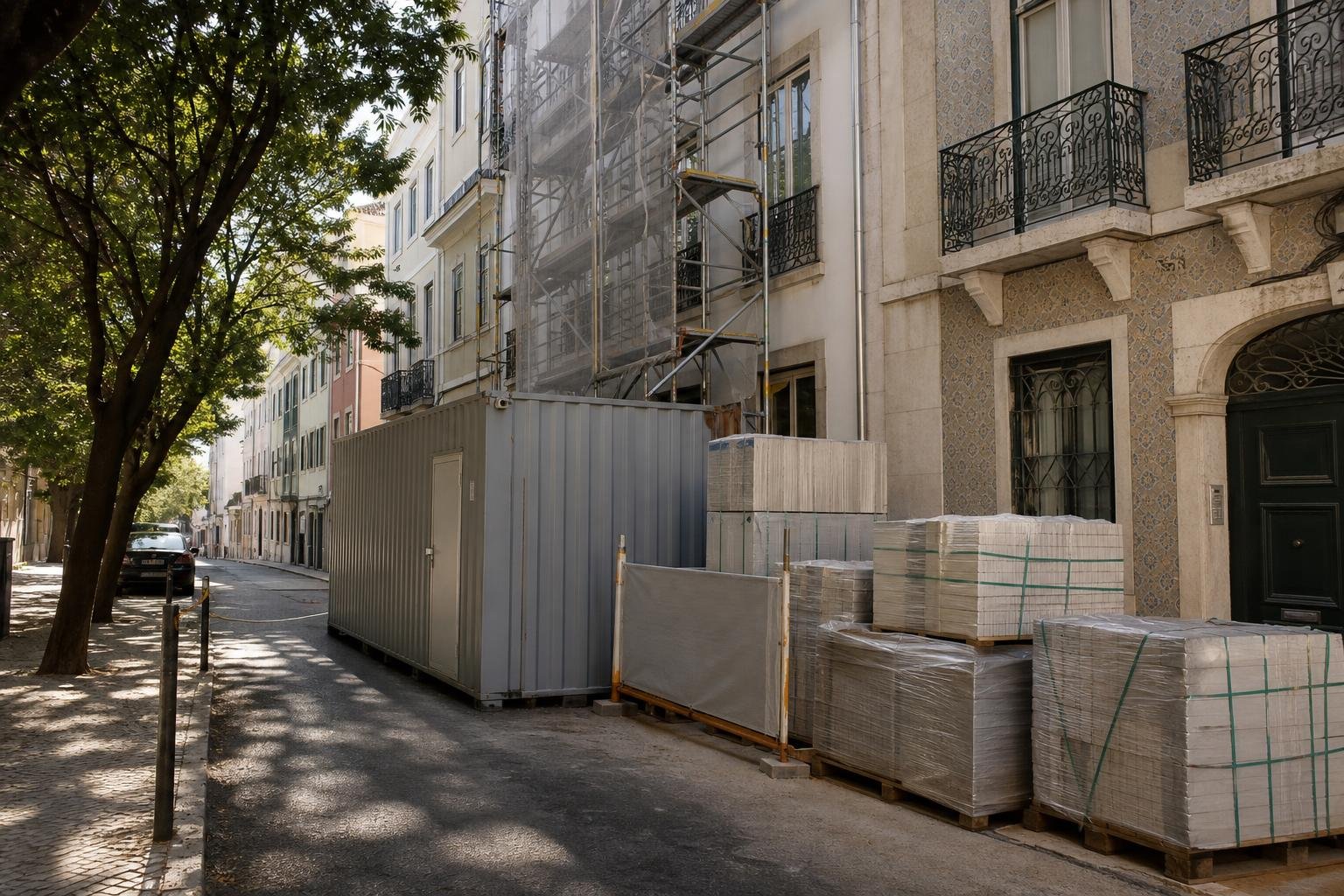
AI-generated editorial image; it does not depict an Obra Lisboa project.

Obra Lisboa