If window glass is wet on the inside, first control the moisture produced at home and check how air leaves humid rooms; only then assess the window itself. In Lisbon, cool nights, cold walls and frames, and routines such as cooking, showering or drying laundry can make water vapour condense on the coldest surface in the room. Water on glass is a useful warning: it may come from daily use, inadequate ventilation, a thermal bridge or a building defect.
The aim is to stop wiping droplets every morning without creating permanent draughts, overheating the home or concealing mould behind curtains and furniture.
Contents
- Does wet glass always mean the window is poor?
- Which everyday routines raise humidity without you noticing?
- How can you tell whether the cause is use, ventilation or construction?
- Will replacement windows solve condensation?
- Why does Lisbon winter make this issue common?
- When should you call a professional?
Does wet glass always mean the window is poor?
No. Condensation occurs when humid indoor air meets a sufficiently cold surface. Windows are often where it first becomes visible, especially in the morning, because they show the issue before moisture appears in corners, around reveals or behind a wardrobe.
The Portuguese Directorate-General of Health explains that excessive humidity can condense on cold surfaces and encourage mould. The useful question is therefore not only “do the windows seal well?”, but also “how much vapour is being produced, where does it gather and where is it extracted?”.
In an apartment, look for patterns for one week: which room is affected, at what time, after which activity and on which side of the home. A bedroom with its door closed overnight behaves differently from a living room used through the day.
| Sign | Likely cause | First action |
|---|---|---|
| Droplets mainly in the bedroom in the morning | Moisture building up overnight and a cold surface | Air the room briefly after getting up; check air supply and extraction |
| Window and mirror fogging after a shower | Insufficient extraction or the door opened too early | Run extraction during and after bathing; keep the door shut until vapour falls |
| Water by the frame after rain | Possible water ingress, failed sealant or external drainage issue | Record the episode and arrange an inspection of the window and façade |
| Mould in a corner but little on glass | Thermal bridge, poor air movement or persistent moisture | Move furniture away, measure humidity and investigate the wall |
Which everyday routines raise humidity without you noticing?
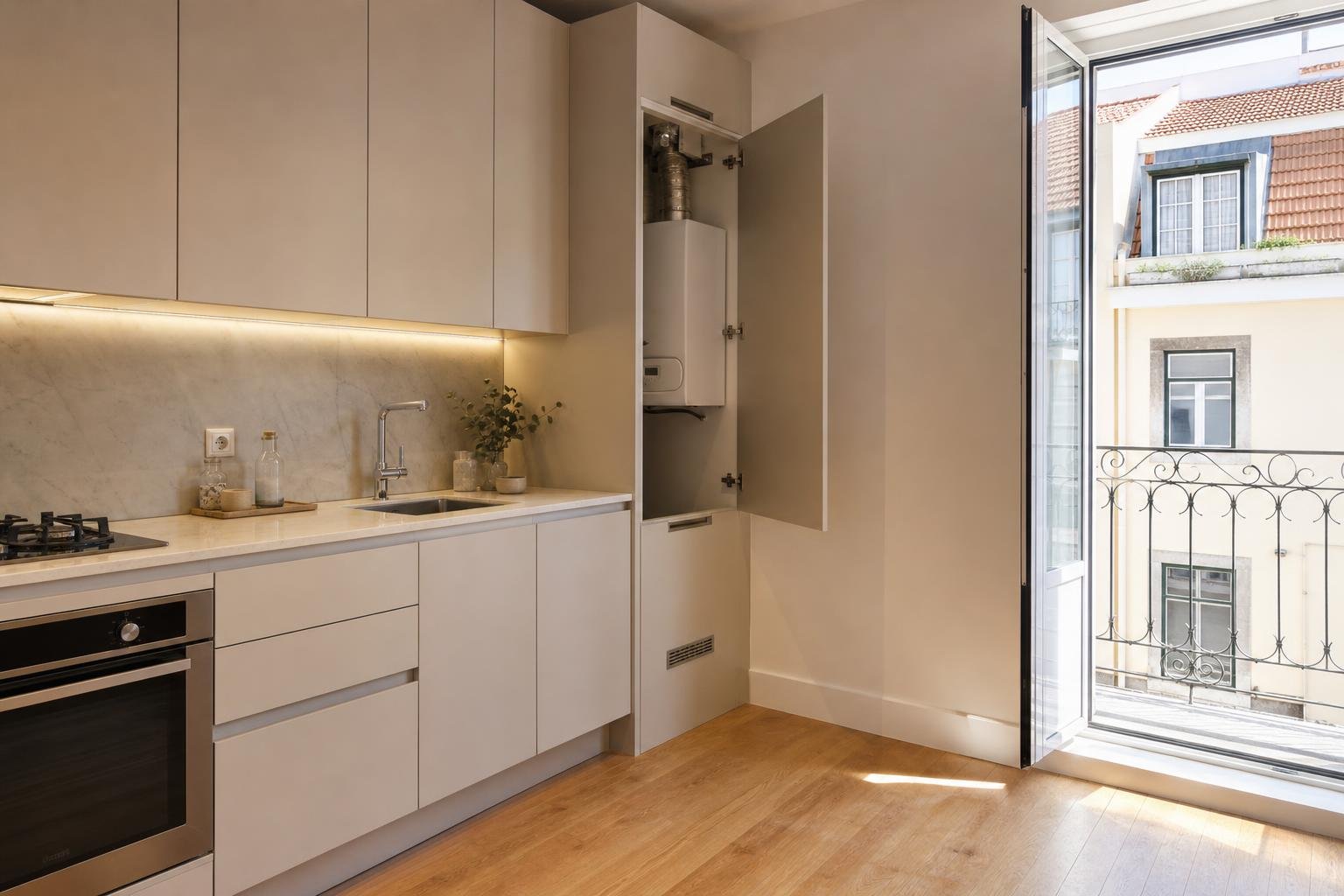
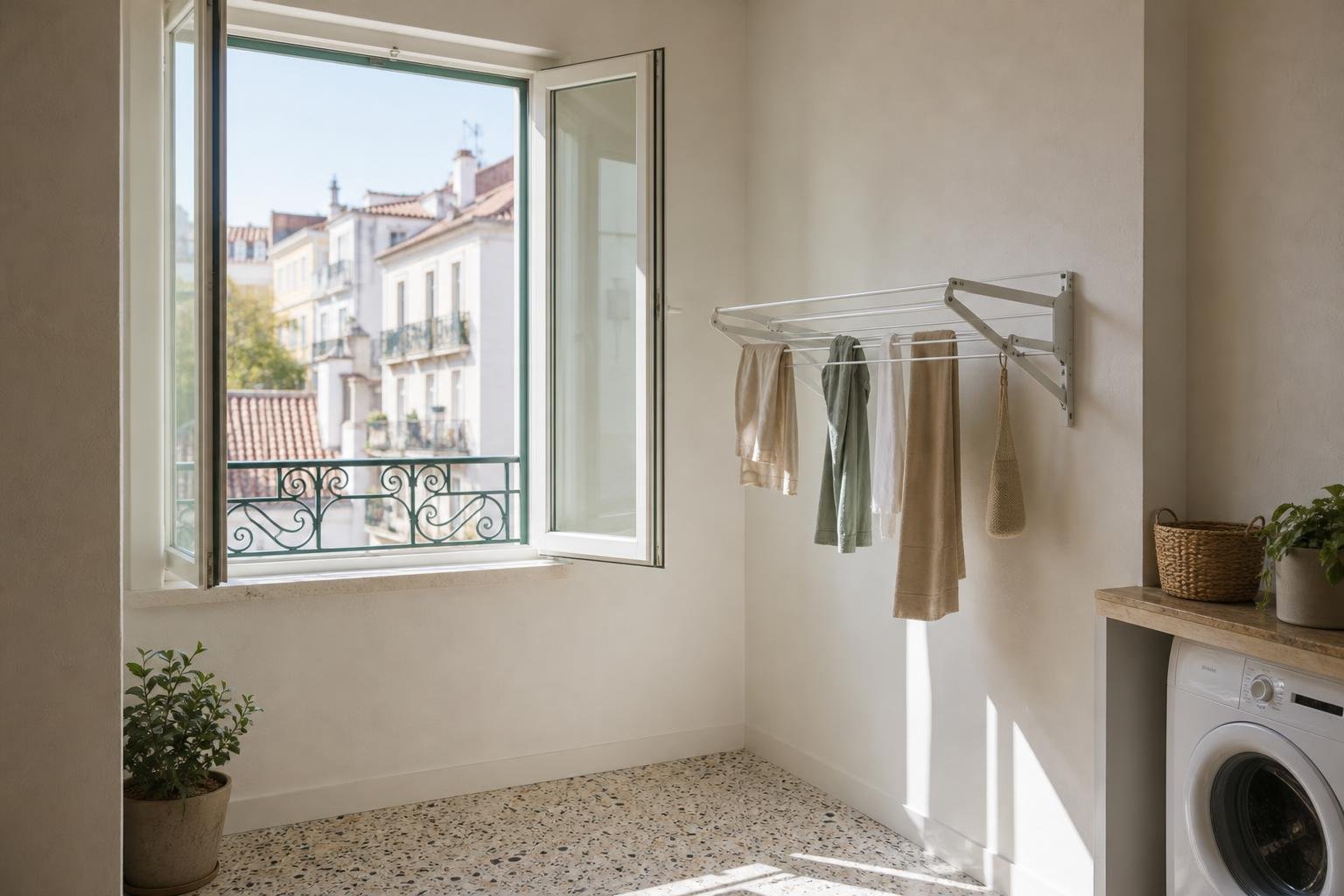
Cooking without lids, cooking without effective extraction, long showers, drying laundry indoors and keeping every internal door shut all add or trap water vapour. Two people sleeping also add moisture to a closed bedroom. This does not mean leaving windows open for hours in winter; it means giving sources of moisture an organised route out.
The DGS indoor-air guidance recommends daily ventilation and ventilation during activities that produce moisture, including cooking, washing, drying laundry and bathing. Use a straightforward sequence:
- Switch on extraction or open the extraction route before producing vapour.
- Close the kitchen or bathroom door when this prevents moisture spreading through the home.
- When finished, keep extraction running for a while or ventilate briefly across the apartment when outdoor conditions allow.
- Dry water collected on the frame and sill; do not let it soak into timber, sealant or plaster.
Avoid leaving heavy curtains against wet glass. They reduce air movement at the window and keep that area cold and damp for longer.
How can you tell whether the cause is use, ventilation or construction?
Start with what you can observe without taking anything apart. A home hygrometer can show whether humidity rises after specific routines or remains high when the apartment is lightly occupied. Record readings, temperature, room and activity over several days; one reading says little, a repeated pattern says much more.
Then make three practical checks:
- Location check: are there droplets on every window, or only on one façade, window or room?
- Timing check: does it happen after bathing and meals, or only when rain and wind arrive?
- Airflow check: can air enter bedrooms and move towards the kitchen and bathrooms, where it should be extracted?
A patch that worsens after rain, deteriorated external sealant, water between panes in a double-glazed unit or damp plaster around the opening point to something other than ordinary household condensation. In those cases, do not cover the problem with anti-damp paint before finding its source.

Will replacement windows solve condensation?
Higher-performing windows can raise the temperature of the inner glass surface and reduce the chance of condensation there. Yet if the building envelope becomes more airtight without planning air supply and extraction, vapour may start condensing on other cold points: wall junctions, shutter boxes, corners or behind furniture.
Technical rules for homes state that when glazed elements are replaced in main rooms as part of a renovation, façade air-supply solutions must be provided; the same legal framework sets air-renewal requirements for the interventions it covers. Read Portuguese Ordinance No. 138-I/2021 before making the decision solely on the basis of glass type.
When requesting a quotation, ask for written confirmation of:
- how ventilation will be maintained after the works;
- how shutter boxes, sills and perimeter junctions will be treated;
- whether the installation preserves external drainage and weatherproofing;
- how an adjacent cold wall will be addressed, if present.
To compare frames, glazing, opening types and air inlets without creating uncomfortable draughts, see how to keep ventilation with new windows in Lisbon.
Why does Lisbon winter make this issue common?
Lisbon does not have the sustained cold of inland cities, but it alternates damp, rainy periods with nights cool enough to chill glass, frames and exposed walls. In the 1991–2020 climate normals for Lisbon/Instituto Geofísico, the Portuguese weather service IPMA records high average rainfall from October to January; November is the wettest month in the table, averaging 133.9 mm.
That context does not prove the cause of a stain in a particular home. It explains why a routine that seemed fine in summer may begin leaving droplets on glass in damp months. The response is not to seal the whole apartment and never open a window: it is to adapt ventilation, moderate heating, shading and extraction to the season and to how each room is actually used.
If heavy outdoor smoke, a storm or another condition makes opening windows inadvisable, reduce moisture sources, use available extraction and resume ventilation when it is safe to do so.
When should you call a professional?
Arrange a technical assessment when water appears after rain, plaster or paint is deteriorating around an opening, mould returns after cleaning, there is a persistent smell, the timber frame is distorted, or condensation remains after daily routines have been corrected. A recently renovated home that became much more airtight and then developed marks in previously dry areas also needs attention.
Do not block ventilation grilles or drill improvised holes in window frames. The right intervention may involve repairing sealants, correcting drainage, mechanical extraction, treating a thermal bridge or reviewing the whole window-to-wall junction. The solution depends on diagnosis, not on the look of a droplet.
During a renovation, Obra Lisboa can coordinate an assessment of the envelope, ventilation and corrective works in a sequence suited to the property. Find out more about Obra Lisboa and start with a conversation about the signs you are seeing and the areas you plan to improve.
Key takeaways
- Record where and when droplets appear before deciding to replace windows.
- Control moisture at its source: cooking, bathing and indoor laundry need timely extraction or ventilation.
- A more airtight window should be planned with air supply and extraction, so condensation is not moved to cold walls.
- Water linked to rainfall, failed sealants or damp plaster requires a technical diagnosis.
If condensation coincides with a renovation, replacement windows or recurring stains, gather photographs and a few days of observations. Obra Lisboa can help define a coordinated intervention for windows, ventilation and finishes before unnecessary replacements are made.
Sources and further reading
- Portuguese Directorate-General of Health explains that excessive humidity can condense on cold surfaces and encourage mould
- DGS indoor-air guidance
- Portuguese Ordinance No. 138-I/2021
- Portuguese weather service IPMA records high average rainfall from October to January
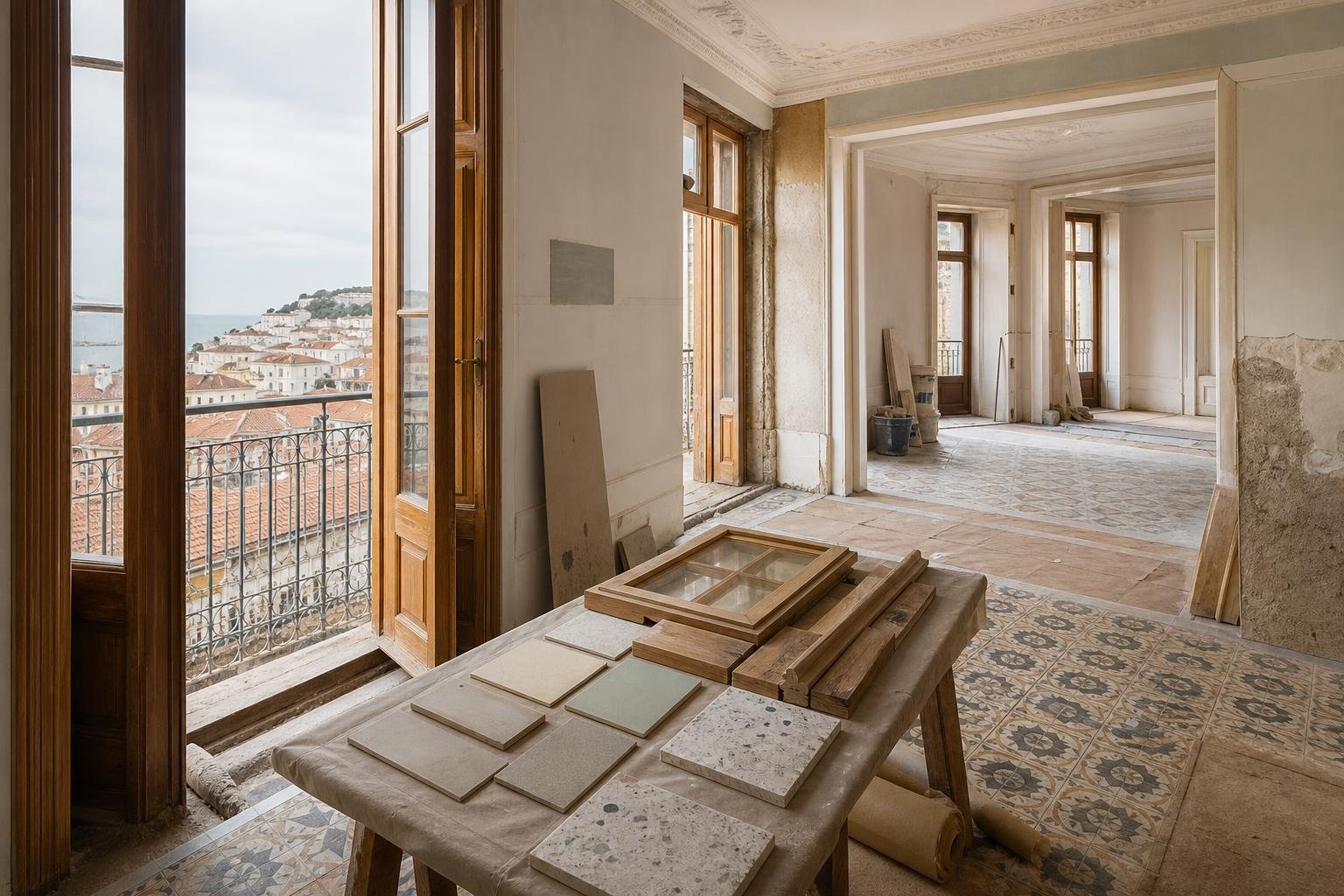
AI-generated editorial image; it does not depict an Obra Lisboa project.

Obra Lisboa