In a west-facing living room, the first priority is to stop sunlight before it passes through the glass, use ventilation when outdoor air has cooled, and cut heat generated inside the room. In Lisbon, an afternoon-facing façade can keep releasing heat well into the evening, especially with large glazing, weak shutters or no opposing openings. Before sizing air conditioning, work through the sequence: shading, sealing, ventilation and daily use.
Contents
- Why does a west-facing room become so hot?
- Which shading measure should come first?
- When should you open windows without bringing in more heat?
- Which window and wall details can undermine the whole plan?
- How can the room itself generate less heat?
- When is it time for building work or air conditioning?
Why does a west-facing room become so hot?
The issue is not only the day’s highest outdoor temperature. Late-afternoon sun enters after walls, floors and furniture have already stored heat, so the room remains uncomfortable when people want to cook, eat or rest. Heatwaves have become more frequent in mainland Portugal and severe episodes have increasingly occurred in recent decades, according to the IPMA heatwave information page. That makes a west-facing room a sensible summer-comfort priority.
Watch the room for three warm afternoons: note when sunlight reaches the glass, how far it travels across the floor and when outdoor air becomes cooler than the room. Also note whether heat mainly comes through the window, a sun-warmed solid wall or equipment left running. The answer changes the work needed: a shutter that allows side sun needs a different solution from an uninsulated external wall.
Which shading measure should come first?
External shading usually has the strongest effect because it intercepts radiation before it enters the opening. Awnings, external shutters, louvres and traditional shutters can all work, provided they cover the actual exposed area, tolerate wind and do not obstruct ventilation or window maintenance. ADENE identifies shading as a key summer-comfort strategy for limiting solar gains, alongside natural ventilation once outside air is cooler. See ADENE’s guidance on summer thermal comfort.
- External shutters: useful where sun hits the glass directly; they should allow intermediate positions to retain daylight.
- Awnings: effective over windows and balcony doors, but require checks on fixings and condominium rules.
- Traditional shutters: worthwhile in older buildings when they can be repaired and closed before direct sun arrives.
- Internal curtains: help with glare and visual comfort, but receive heat after it has crossed the glazing.
For façade-compatible options, see external shading for apartments. Avoid choosing a product simply because it is dark: position, side coverage and easy everyday operation matter more than colour.
| Option | Where it acts | Main decision |
|---|---|---|
| External shutter or blind | Before the glass | Check controls, shutter boxes and full opening coverage |
| Awning | In front of the façade | Confirm fixings, wind exposure and building rules |
| Traditional shutter | At the opening | Assess condition, sealing and ease of use |
| Internal thermal curtain | After the glass | Use as a complement, especially later in the day |
When should you open windows without bringing in more heat?
Cross ventilation helps when outdoor air is cooler than the air in the room; opening everything at three in the afternoon on a hot façade can do the opposite. Portugal’s health authority advises lowering blinds or shutters during peak heat and allowing air to circulate at dusk when the outdoor temperature falls. Read the DGS advice on keeping a home cool.
- Close solar protection before sun reaches the glass.
- Keep heat-exposed windows shut during the afternoon if outdoors is hotter.
- In the evening, open the coolest opening and another opening on an opposing side or façade to create an air path.
- Close up again early, before direct sun returns.
A fan can improve comfort around people, but it does not cool walls or replace hot-air removal. If the room has only one window, do not pretend it has cross ventilation: try opening internal doors towards a cooler area and make sure the route is not drawing hot air from the kitchen.

Which window and wall details can undermine the whole plan?
A replacement window installed without attention to junctions can leave thermal bridges, air leakage or awkward operation. A poorly insulated shutter box, a sill without proper drainage or failed sealant joints makes the room less stable in both summer and winter. Portuguese energy-performance rules treat the building envelope and technical systems as central elements in renovation work; see Ordinance No. 138-I/2021.
During the works, ask for a drawing showing insulation around the opening, continuity of the air-and-water seal, and access for future shutter-box or hardware maintenance. Do not accept exposed expanding foam as a finished detail. In older walls, the solution must also suit the masonry and any existing moisture issue.
If the window is already airtight but the room still overheats, do not immediately assume darker glazing is needed. External shade may be missing, heat may be coming through the roof, or a side wall may receive sun for hours.
How can the room itself generate less heat?
On a hot late afternoon, a living room gains heat from televisions, games consoles, bright lighting, chargers and, often, an open kitchen. Switching off standby equipment will not solve an exposed façade, but it reduces accumulated load and avoids making peak hours worse. Plan low-wattage LED lighting and separate circuits so the whole room is not lit unnecessarily.
In renovations with an open kitchen, position cooking and extraction so that steam and heat are not released into the area where people spend time. Oven use during the hottest hours should also be part of the routine: DGS advises avoiding appliances that heat the home during periods of intense heat. For a small intervention, begin by sealing obvious gaps, repairing shutters that do not close and creating a clear place in the household routine for closing solar protection every day.
The daily use of shutters and blinds in Lisbon explains why even good equipment fails when it stays open until sunlight has already reached the floor.
When is it time for building work or air conditioning?
Arrange a technical assessment when there is recurring condensation, damp staining, hard-to-operate frames, cracks around openings, excessive outdoor noise or persistent discomfort despite correctly used shading and ventilation. These signs may point to the window, shutter box, wall, roof or mechanical ventilation rather than simply a need for air conditioning.
Air conditioning can be necessary, particularly for vulnerable people during heatwaves, but it should be the final decision in a properly studied sequence. First describe orientation, openings, existing solar protection, occupancy patterns and condominium constraints. Then compare passive measures with the capacity and location of any system. A room that takes in less heat places less demand on the equipment and remains more usable during a power cut.
If you are preparing a renovation, Obra Lisboa can help organise envelope, window and execution decisions before the budget is finalised.
Key takeaways
- Close external shading before west-facing sun reaches the glazing.
- Ventilate when outdoor air is cooler than the room, usually in the evening and early morning.
- Treat shutter boxes, seals and window junctions as comfort details, not minor finishing work.
- Before selecting air conditioning, identify where heat enters and where it remains stored.
For a Lisbon renovation, start by gathering façade photographs, opening measurements and the times when the room overheats; this makes it possible to discuss a specific construction solution with Obra Lisboa.
Sources and further reading
- IPMA heatwave information page
- DGS advice on keeping a home cool
- ADENE’s guidance on summer thermal comfort
- Ordinance No. 138-I/2021
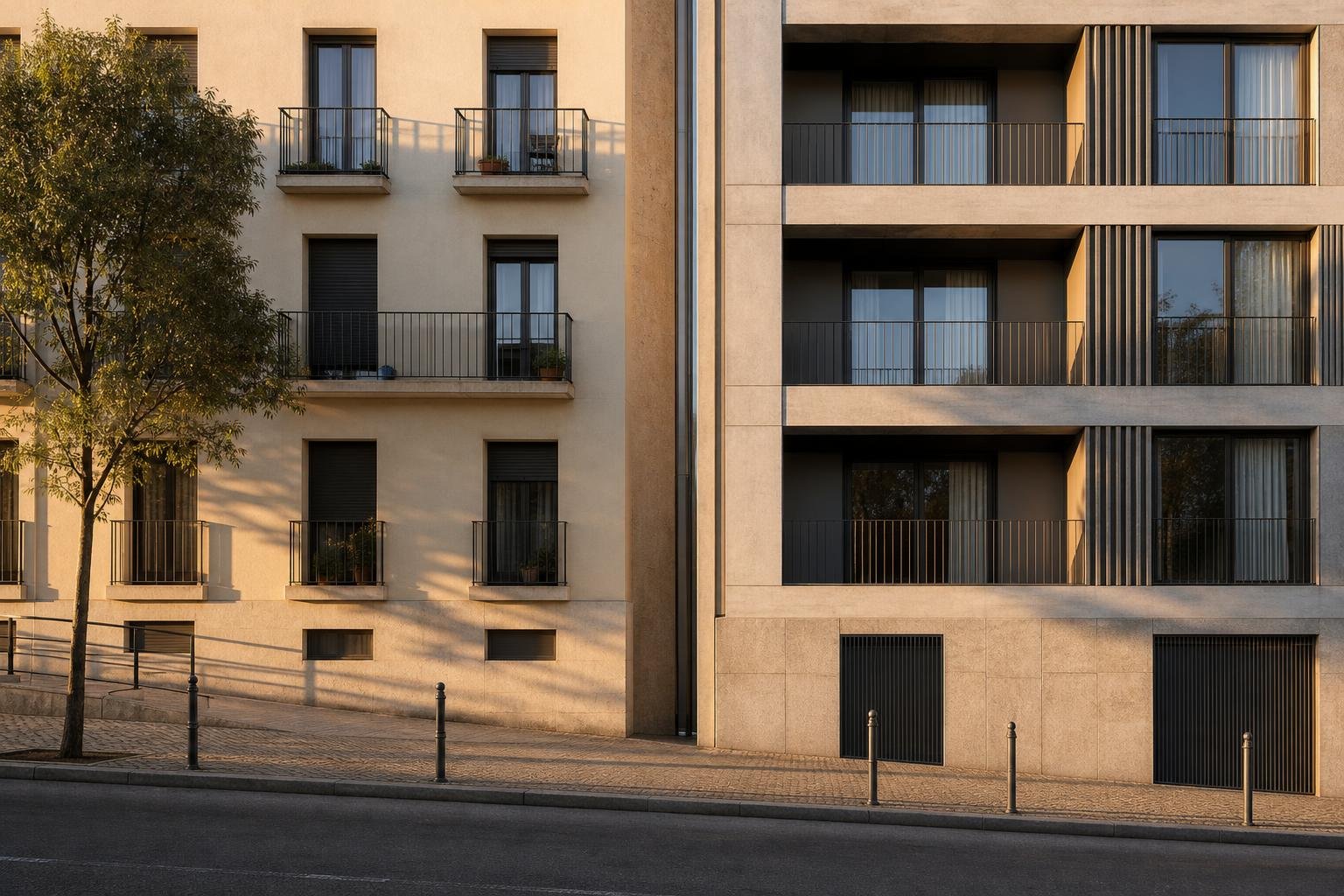
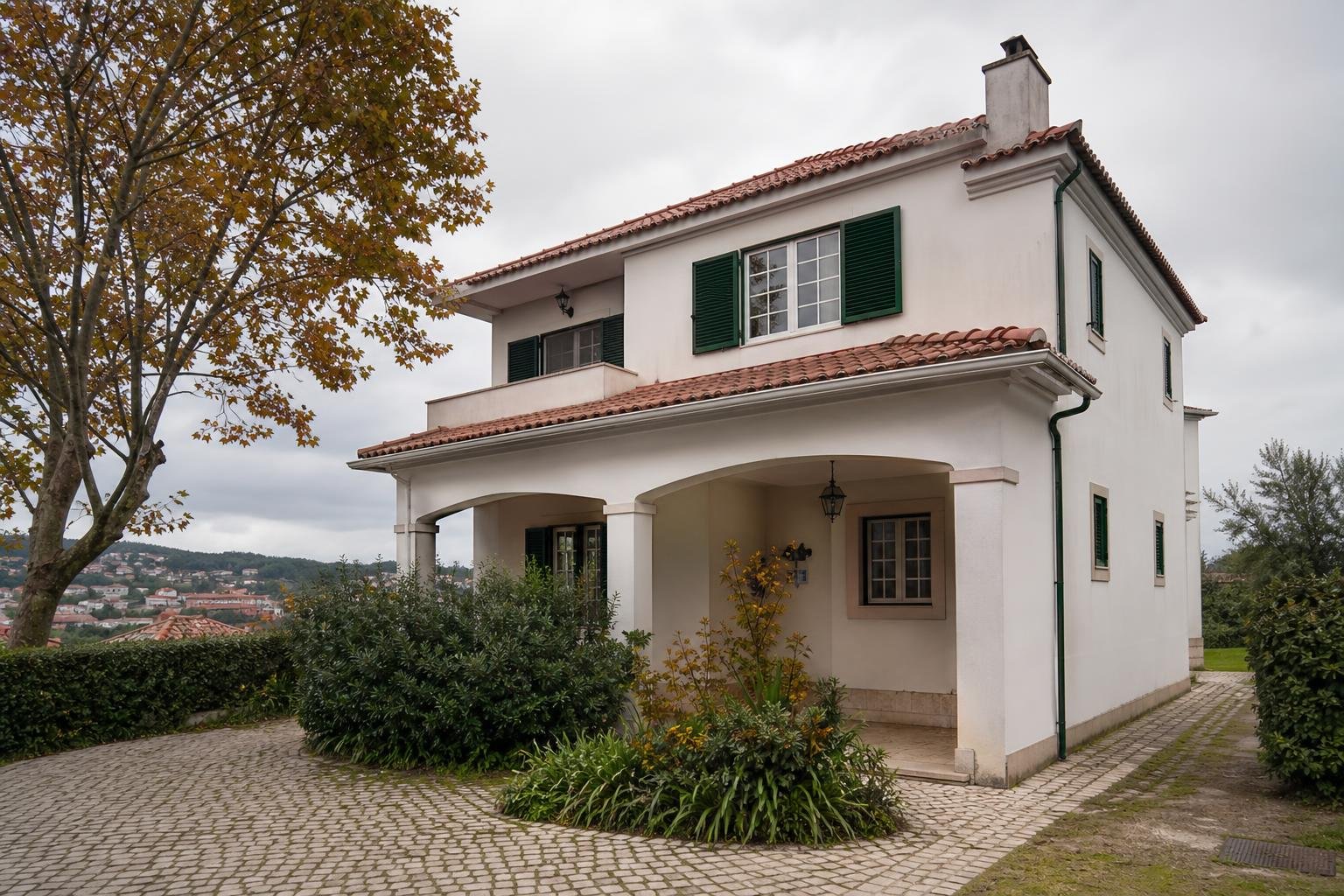
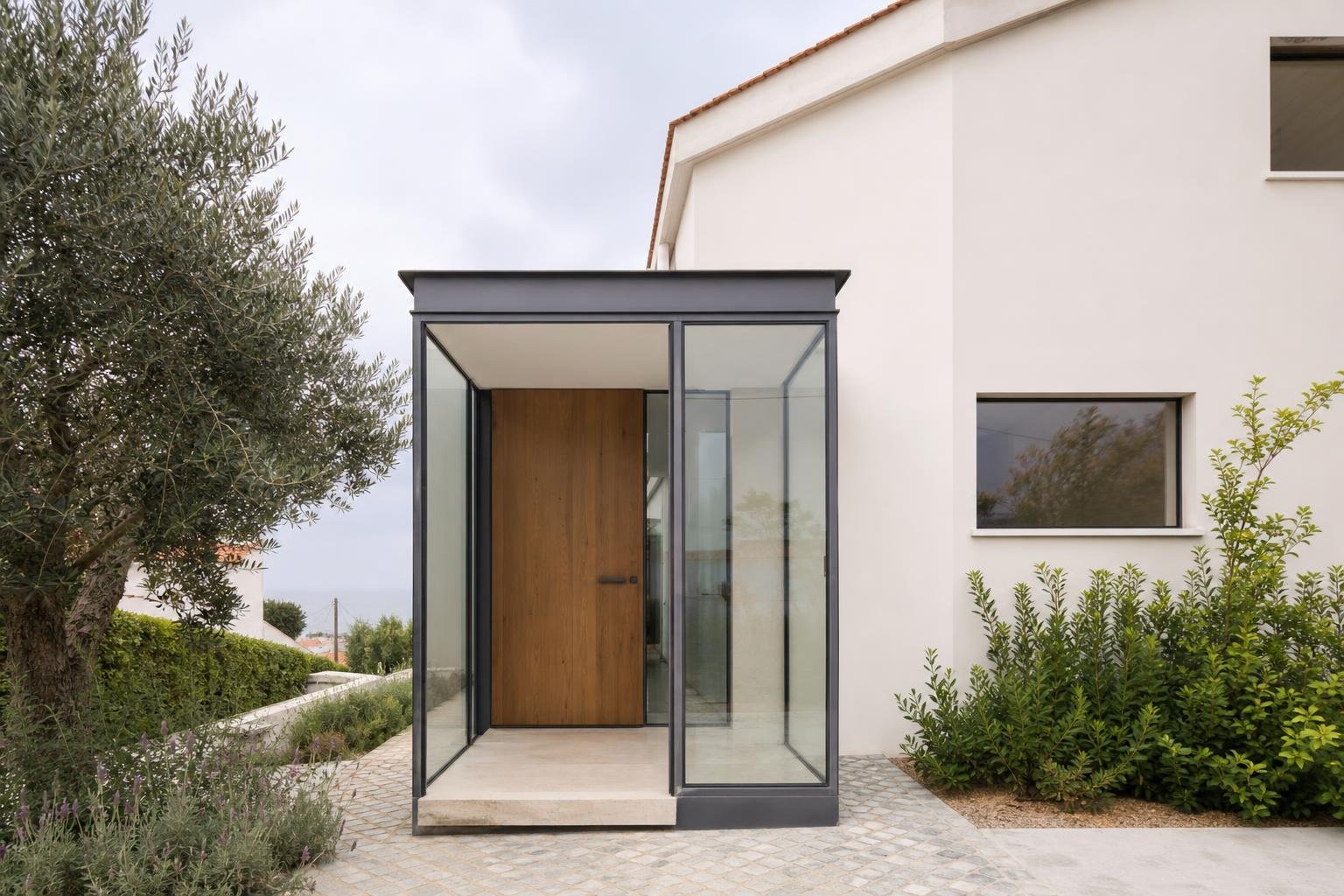
AI-generated editorial image; it does not depict an Obra Lisboa project.

Obra Lisboa