Renovating a Lisbon apartment for short-term accommodation starts well before selecting a kitchen, bed or bathroom finish. In 2026, the key question is whether the property can enter and remain in this market under the actual conditions of its building and location. The municipality keeps current information on the activity, including the suspension of new registrations and containment areas. A well-finished renovation cannot replace that first check.
There is a financial reason to treat this as more than paperwork. Lisbon had the country’s highest median rent for new leases, at €17.79/m² in the second quarter of 2026. Compare operating scenarios before spending on a layout designed only for short stays. Check Lisbon’s local accommodation rules, establish the viable use first, and shape the renovation around it.
1. Establish whether this is a new registration or an existing one
Buying an apartment with an active registration is very different from buying a flat in order to start the activity. In Lisbon, registration is compulsory for local accommodation. The municipal page also records the extension of the immediate suspension of authorisation for new registrations, approved in 2025. Do not assume that a refurbishment, a change of owner or a sale agreement will remove that limitation.
Ask for documents that can be checked: the registration number, operator details, insurance status, previous communications and confirmation that there is no cancellation process. If the business plan relies on a new registration, treat the possibility of refusal as a central investment risk rather than a late administrative task.
When you are considering a purchase, combine this work with an assessment of condominium works risk before making an offer. An existing registration does not remove future costs for the building.
2. Read the condominium record before finalising the brief
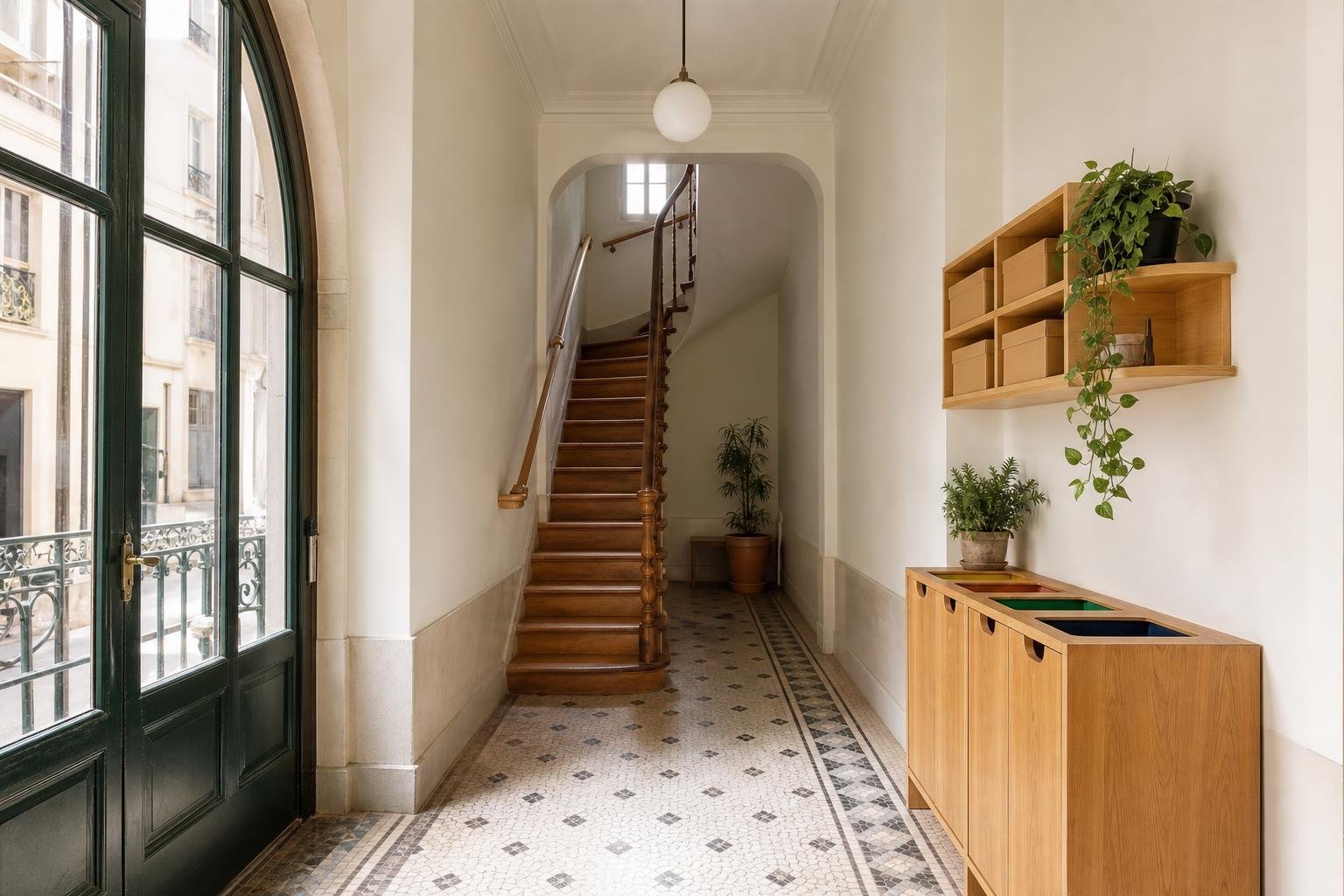
In an occupied building, daily operation matters as much as finishes. Check the deed, condominium rules, recent meeting minutes and decisions on common areas, noise, waste, circulation and keys. A flat may be technically comfortable yet still create friction if guests pass through a narrow lobby, leave bags by the entrance or use a door that does not close properly.
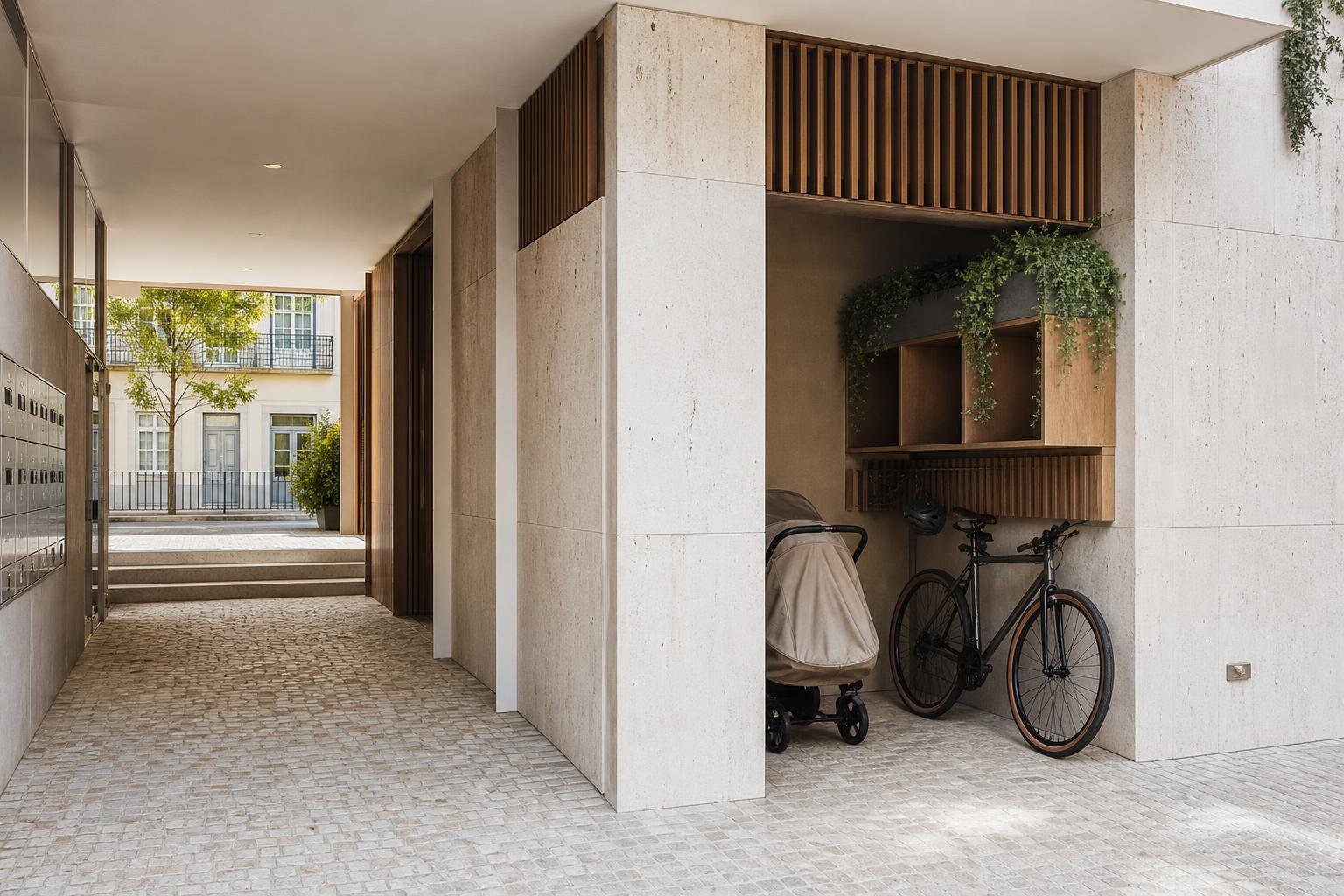
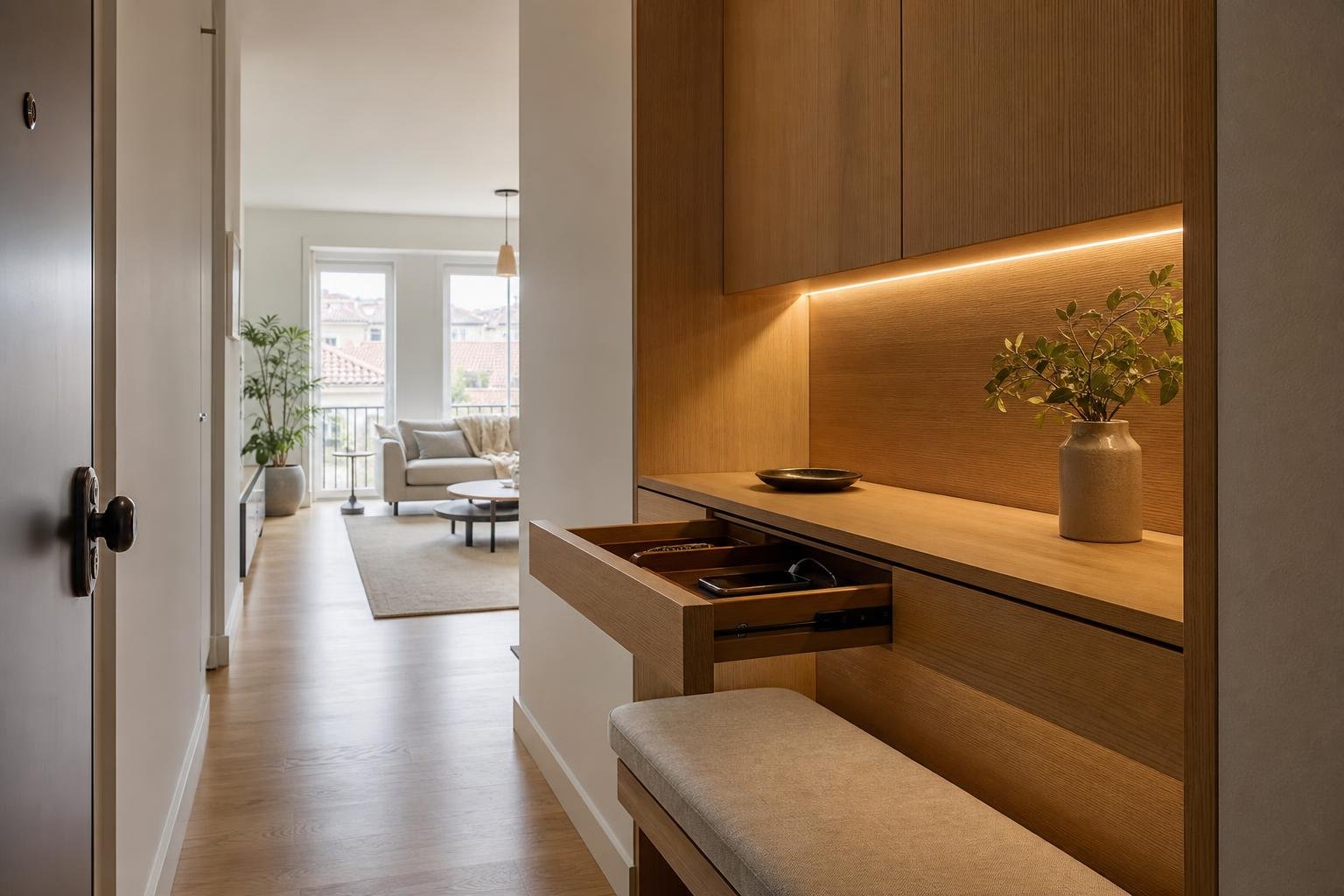
Choose quiet, practical measures in the refurbishment: an entrance door and lock arrangement compatible with building rules, an easy-clean arrival area, timed lighting that does not glare into neighbours’ homes, and a locked cupboard for linen and supplies. Avoid work that takes over corridors, changes visible façade elements or places equipment in common areas without approval.
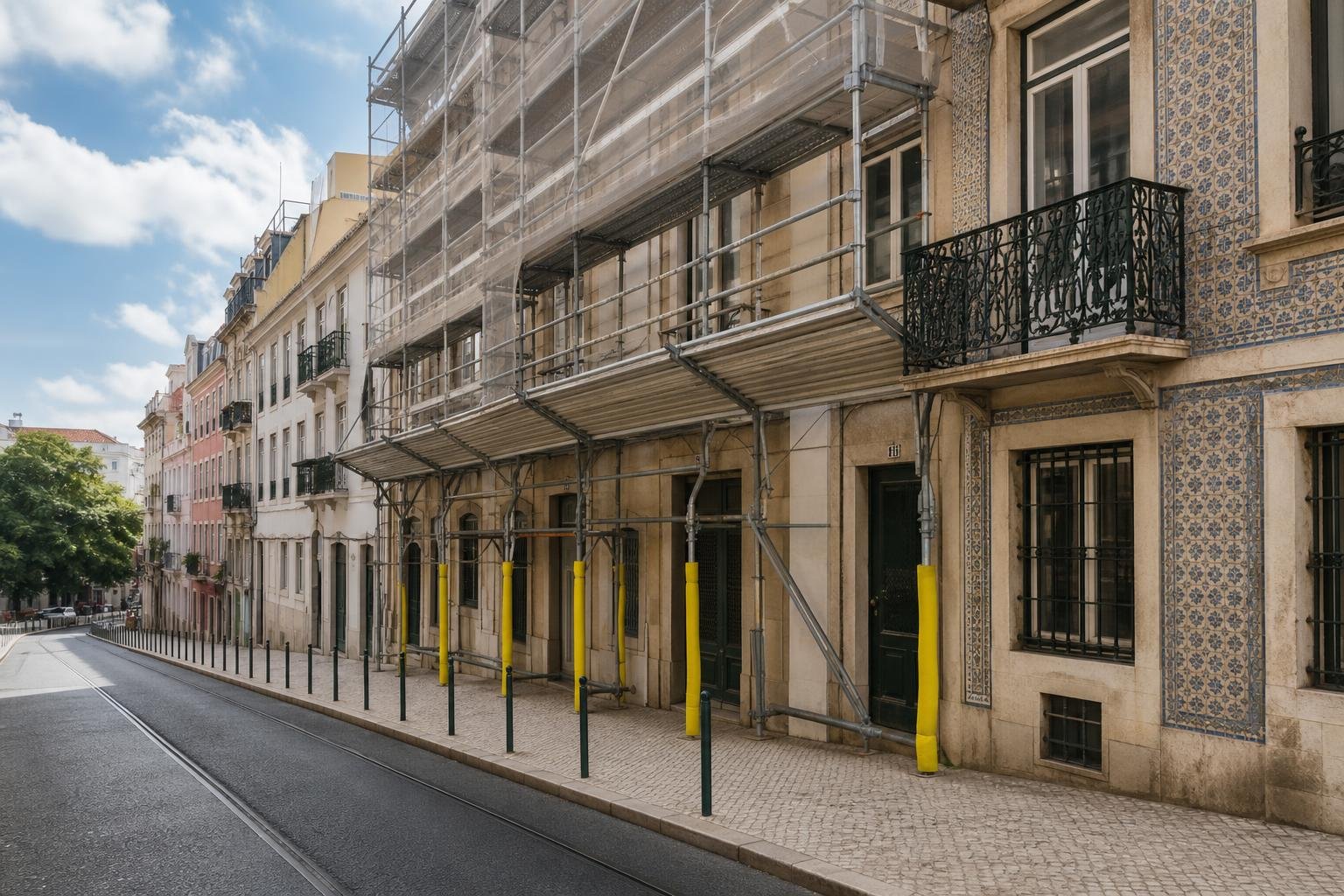
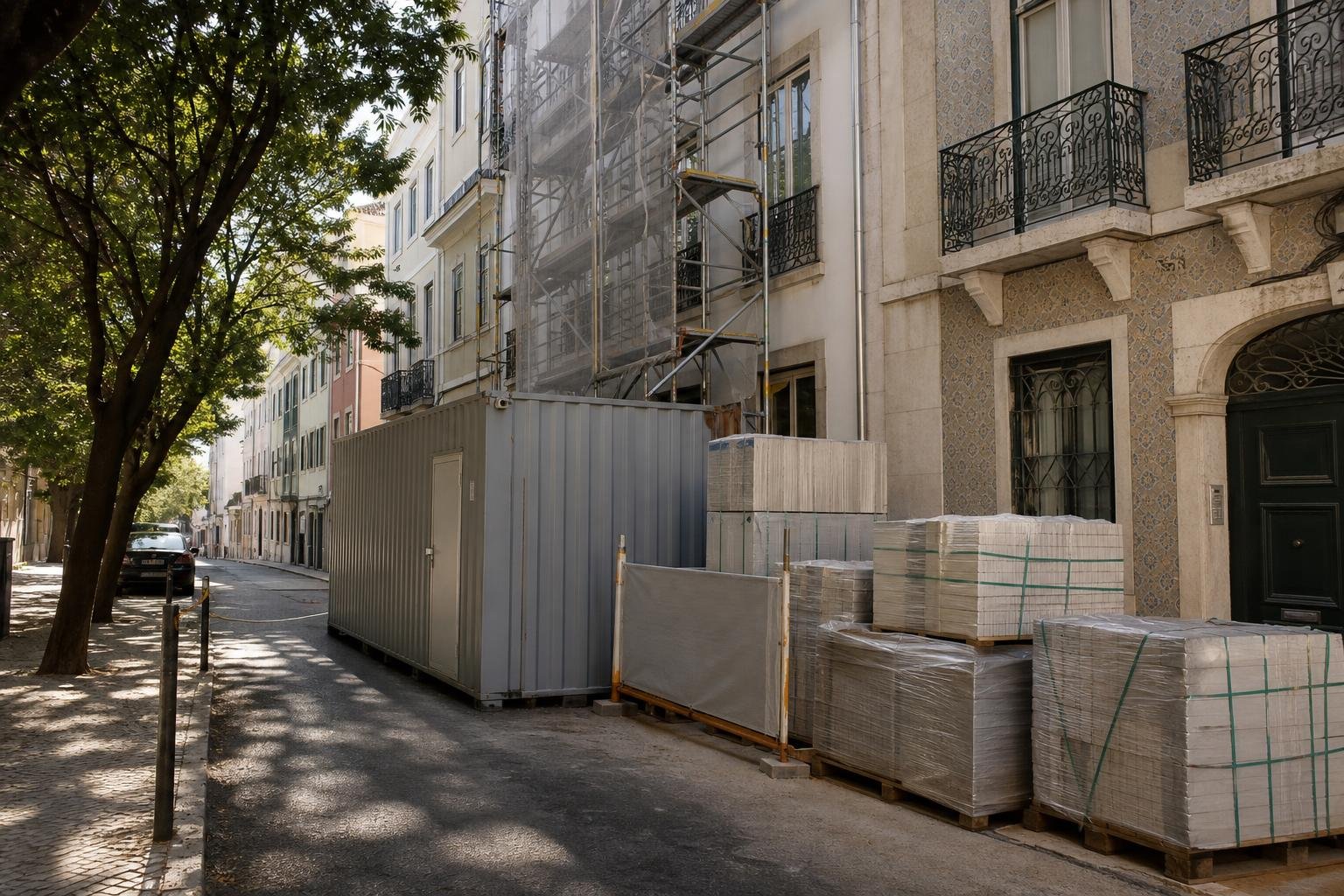
Where a building has a lift, narrow stairs or sensitive hours, plan site logistics too. This guide to material deliveries in apartment buildings is useful for preventing obstruction and damage.
3. Do not mistake decoration for operating requirements
An attractive apartment is not automatically ready to receive guests. Ordinance No. 262/2020 sets operating and identification conditions for local accommodation categories. Before ordering furniture, check the safety, information, cleaning, ventilation and equipment requirements appropriate to the capacity you intend to offer. Read Ordinance No. 262/2020 with the professional responsible for the intervention.
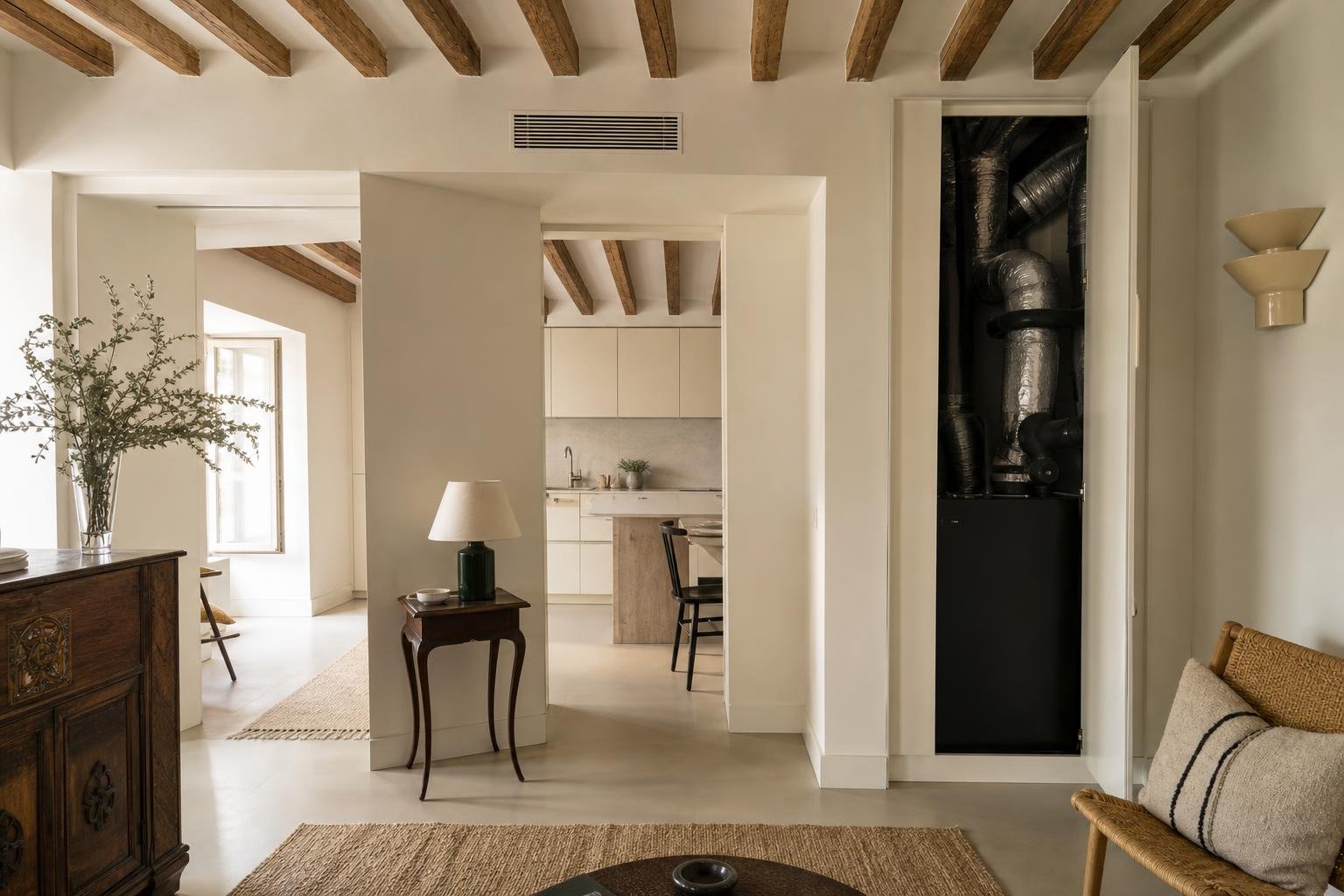
On site, that means practical decisions: power outlets where guests genuinely charge devices, safe lighting on steps, effective kitchen and bathroom ventilation, washable finishes and straightforward access to isolation valves. Allow for a technical cupboard for the router, electrical panel, manuals, relevant fire equipment and maintenance items. Do not conceal it behind a bed or a heavy cabinet.

4. Check authorised use before changing the internal layout
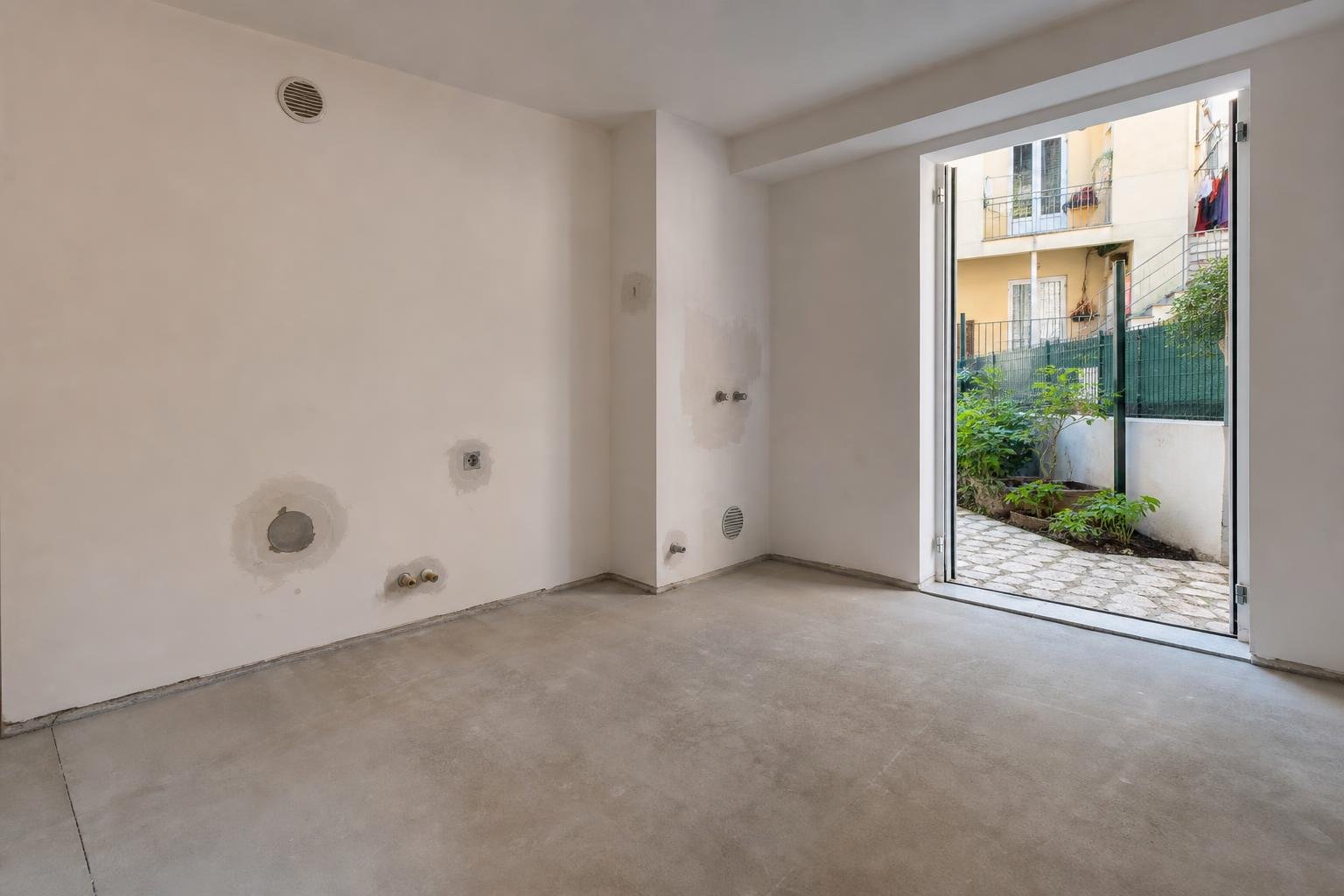
Many projects begin with an idea to create more bedrooms, close in a balcony or turn storage into support space. Before removing walls, check the authorised use, the building’s planning records and whether the intended change requires a municipal procedure. Lisbon City Council explains that some changes of use without prior urban operation follow a time-limited prior-notice procedure; the answer depends on the property and the proposed change. See the municipal guidance on changes of use.
Do not market an internal room with insufficient daylight, ventilation or proper conditions as a bedroom merely because a bed fits inside. It weakens everyday use and can make a later move to long-term renting harder. Plan bedrooms and shared areas that work under either scenario, while keeping circulation and technical access clear.
5. Cost the project against two viable uses, not one optimistic forecast
Lisbon’s housing market makes it sensible to compare short-term accommodation with long-term letting before setting the level of investment. The aim is not to guess the highest possible income. It is to know whether the renovation remains sound if the property has to change use. Keep permanent systems — plumbing, electrical panel, ventilation, acoustic treatment and windows — to a standard that works for an ordinary home.
Select durable finishes that can be repaired. A compact stone worktop, flooring that tolerates frequent cleaning and replaceable hardware may be sensible. Highly specific furniture, fragile decorative lighting or partitions that take away usable area may have little value outside the tourist model. To keep expenditure controlled, also review what a Lisbon renovation contract should set out in writing, especially materials, variations and deadlines.
6. Put tax, maintenance and management into the monthly budget
Operation does not end when the work is handed over. Lisbon’s municipal overnight tourist tax is €4 per night, capped at seven nights per person per stay, and applies to covered establishments. Check the municipal tourist-tax rules and create a clear procedure for billing, reporting and record keeping.
Your recurring budget should include cleaning, laundry, minor repairs, linen replacement, condominium charges, insurance, booking management and preventive maintenance. Make traps, shut-off valves, filters and equipment easy to reach. A small leak in a guest-occupied flat can become costly when it means cancelled stays, repairs to the apartment below and replacement of recently completed finishes.
The strongest renovation for this purpose leaves the apartment robust, easy to maintain and capable of adapting. Before spending on high-impact finishes, confirm the legal position, building rules and financial viability under more than one use scenario.
Considering an apartment renovation in Lisbon? Obra Lisboa can help turn building constraints, technical requirements and project decisions into a clear work plan before materials are ordered.
AI-generated editorial image; it does not depict an Obra Lisboa project.

Obra Lisboa