In a hot apartment, leave internal doors open only when they complete a real route between cooler incoming air and an outlet. If windows are shut, outdoor air is still warmer, or one room is receiving direct sun, open doors may simply spread heat, noise and light. The useful decision is to identify where air enters, where it leaves and which rooms should remain separate during the hottest hours.
In Lisbon, the right routine changes between a summer morning, late afternoon on a west-facing façade and the early hours of the night. Before buying equipment, it is worth treating shutters, windows, doors and ventilation gaps as one system.
Contents
- Why can an open door cool a room — or make comfort worse?
- How to test the air route without building work
- Which doors should stay shut during the hottest hours?
- What to plan during renovation for controlled airflow
- Frequent mistakes on hot Lisbon nights
- A simple plan for the next hot spell
Why can an open door cool a room — or make comfort worse?
An internal door does not cool a room on its own. It allows air to move between spaces. That helps only where there is a useful difference: cooler outdoor air available at one façade or courtyard, an opening for air to leave elsewhere, and an unobstructed route between them.
ADENE advises limiting solar gains with shading and using natural ventilation to remove excess heat, especially at night when outdoor temperature is lower than indoor temperature. See its guidance on summer thermal comfort and night ventilation before making open doors a fixed rule.
Three situations are common:
- Windows on opposite façades: open doors between them can complete cross-ventilation.
- One façade only: opening doors may spread some air, but rarely creates an effective current without a second exit route.
- West-facing living room: during the afternoon, leaving its door open towards cooler bedrooms can carry heat into the spaces used for rest.
The aim is not to leave every door open. It is to give air a short route that you can control.
| Situation | Internal door | Practical decision |
|---|---|---|
| Cooler night and windows on different sides | Open | Create a route between air entry and exit. |
| Afternoon with direct sun in the living room | Closed or nearly closed | Contain heat in the exposed room and lower shutters. |
| Bedroom with a safe window opening | Open only where there is an exit route | Avoid leaving air with nowhere to travel. |
| Hot outdoor air or smoke outside | Closed as needed | Keep external openings shut and reduce unwanted air entry. |
How to test the air route without building work
Try this on a night when outside air is clearly cooler than inside. You do not need to measure airflow to understand whether a layout works; compare rooms and repeat the test while changing only a few things at a time.
- Lower shutters or close internal shutters on façades that received sun during the day.
- Open a window first on the cooler or more sheltered side of the home.
- Open an outlet window elsewhere, where one exists and it is safe to do so.
- Open doors that directly connect those two points; keep doors shut to rooms that do not take part in the route.
- After a while, enter each room and check whether air feels stagnant, whether the corridor has become the only passage, or whether a bedroom is now exposed to street noise.
A light towel or paper strip near a door jamb can suggest the direction of movement, but it does not replace a technical assessment. Do not use candles, incense or any flame to test draughts.
Where a home has windows on only one side, cross-ventilation is more limited. Door layout can still help guide air between a window and an opening towards a courtyard, ventilated enclosed balcony or another façade. See how to assess cross-ventilation in a Lisbon apartment.
Which doors should stay shut during the hottest hours?
As a rule, close or leave nearly closed the door to the room receiving strong direct sun, particularly where it has a large window without effective external shading. This reduces movement of heated air into bedrooms, a study or the hallway. It works best alongside shading: shutters should be lowered before sunlight reaches the glass, while retaining the ventilation that is actually needed.
In older Lisbon apartments, bedrooms may face a rear courtyard while the living room faces a more exposed street. In that arrangement, the living room often stores heat late in the day. Temporarily closing the door can preserve the bedroom as a resting space; later, when outdoor air cools, the route can be reopened for fresh air.
It also makes sense to separate rooms with heat sources: a kitchen while cooking, a laundry room with a dryer running, or a home office with several devices. The door then becomes a simple control for heat, odours and moisture.
For a better summer and winter routine for openings, see shutters and blinds in Lisbon. Stopping sun before it enters comes first; opening doors comes after.

What to plan during renovation for controlled airflow
A renovation is the right time to avoid attractive doors that work poorly in daily use. Rather than looking for one universal answer, ask for the opening direction, usable clear width, compatibility with wardrobes and the ability to leave a door partly open without it swinging or knocking to be checked.
When building-envelope elements or technical systems are changed, Portuguese law frames energy performance as a relationship between the envelope, ventilation, comfort and energy needs. Decree-Law No. 101-D/2020 sets out this integrated approach, while Ordinance No. 138-I/2021 regulates minimum requirements for the envelope and technical systems.
- Avoid high internal thresholds that make a partly open door awkward to use or create a circulation barrier.
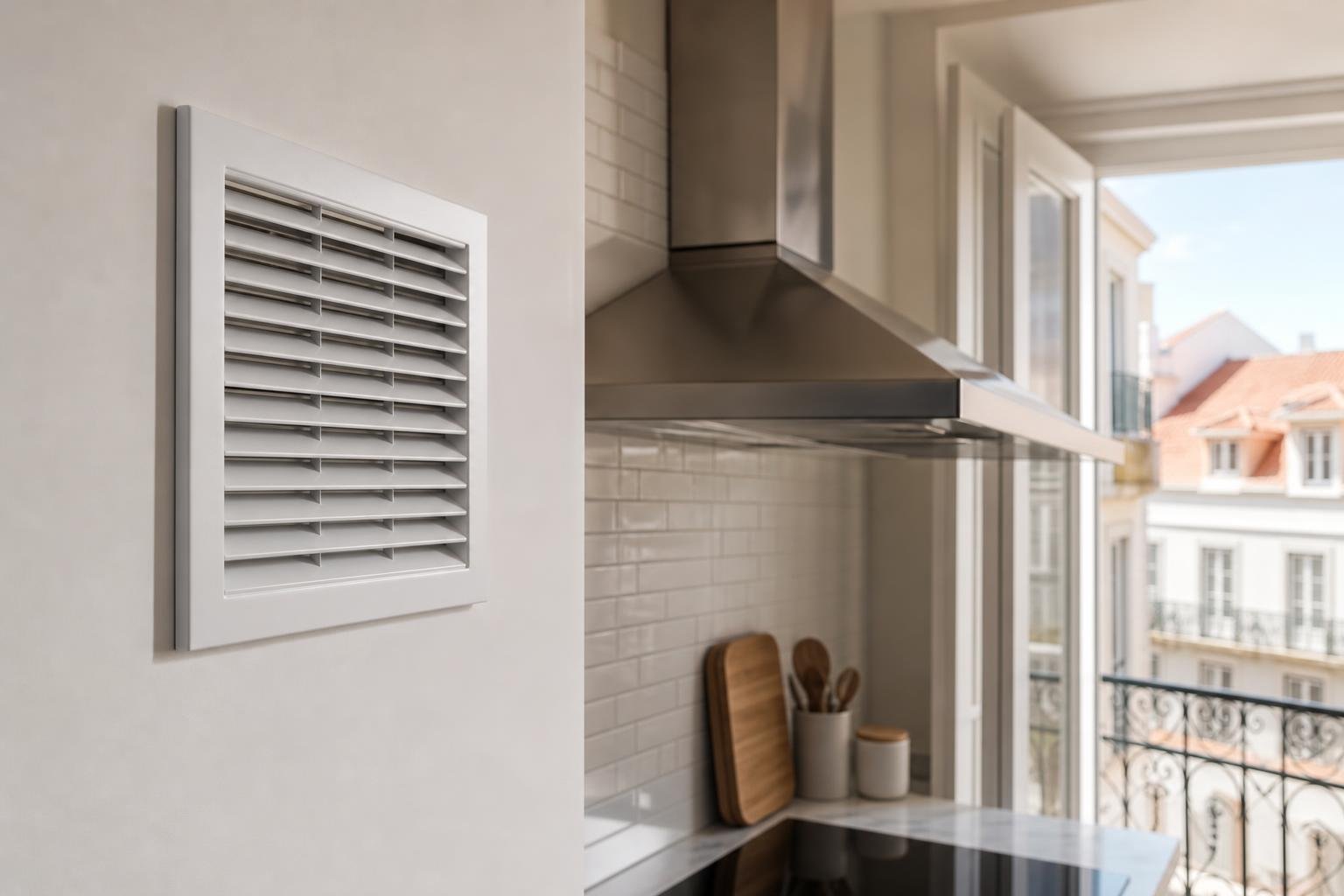
- Do not cover grilles, planned air paths or ventilation gaps with skirtings, thick mats or furniture pushed hard against the wall.
- If air conditioning is planned, establish which doors will normally be open or shut so capacity and distribution are not based on unrealistic use.
- For sliding doors, check sealing, maintenance and the wall space they require; saving floor area does not automatically provide air or noise control.
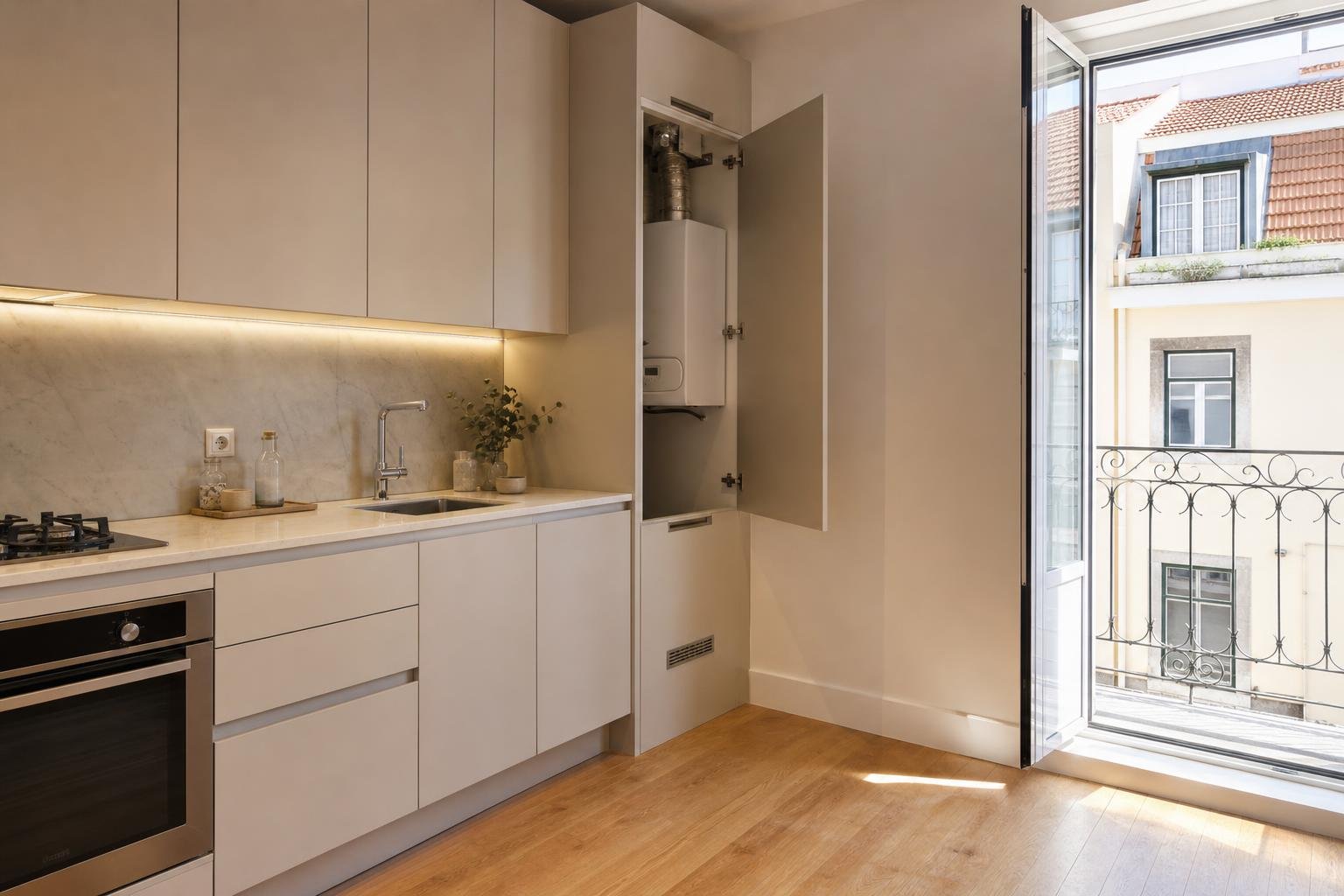
Do not improvise cuts in door leaves, wall openings or grilles in rooms with gas appliances. In those cases, ventilation and safety need assessment by a suitably qualified professional.
Frequent mistakes on hot Lisbon nights
The most common mistake is opening every window and every door as soon as people arrive home, without checking whether outdoor air has cooled down. During persistent hot weather, the façade may still be releasing heat in the early evening; at that point, keeping shading in place and waiting for better outdoor conditions is often wiser.
- Leaving doors open while shutters are raised: it allows circulation while admitting solar gains that cancel the benefit.
- Turning the corridor into storage: shoe cabinets, boxes or drying racks reduce movement, maintenance access and air flow.
- Expecting a ceiling fan to renew the air: it improves perceived comfort around people but does not replace a ventilation route.
- Opening for comfort without considering security and noise: a street-facing open window may be unsuitable overnight even if it feels cooler.
If there is condensation, mould, persistent odour or a marked temperature difference between rooms, do not treat the door as a cure for a building defect. There may be a leak, thermal bridge, ventilation fault or a need to review the envelope.
A simple plan for the next hot spell
For three days, note only four things: the hottest room in late afternoon, the façade receiving direct sun, the time outdoor air feels cooler and the door arrangement that gave the best result. This short routine shows whether the main issue is solar gain, lack of an air route or a room receiving heat from another part of the home.
With that information, a renovation can prioritise work in order: effective external shading or properly adjusted shutters, repairs to seals and shutter boxes, safe ventilation options, doors that suit real use, then cooling equipment. This avoids installing equipment to compensate for a home that is still gaining unnecessary heat.
Where work is planned, bring this routine into the design discussion. Saying “the bedroom stays cooler when the living room is isolated until 10 pm” is far more useful than simply asking for more ventilation.
Key takeaways
- Open internal doors to complete a route between incoming and outgoing air, particularly at night.
- Temporarily close the room receiving strong sun so it does not spread heat through the home.
- Lower shutters before direct sun arrives; doors cannot undo solar gains that have already built up.
- Where mould, condensation or persistent odours appear, investigate the cause before changing doors or grilles.
If you are renovating and want doors, windows, shading and ventilation to work as one system, include the air route in the initial survey. Obra Lisboa can help define the scope of work and coordinate these decisions before walls are closed or new windows are ordered.
Sources and further reading
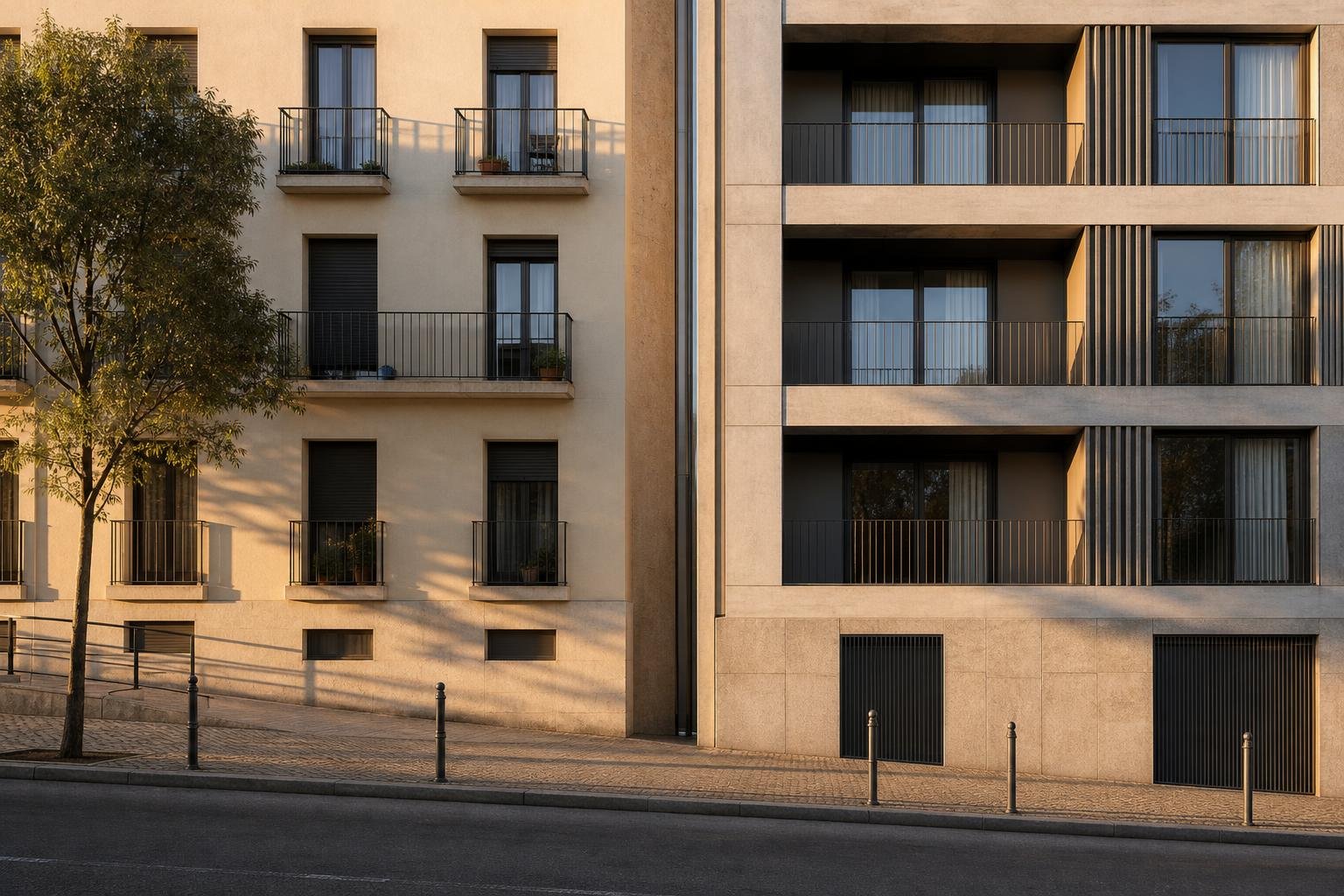
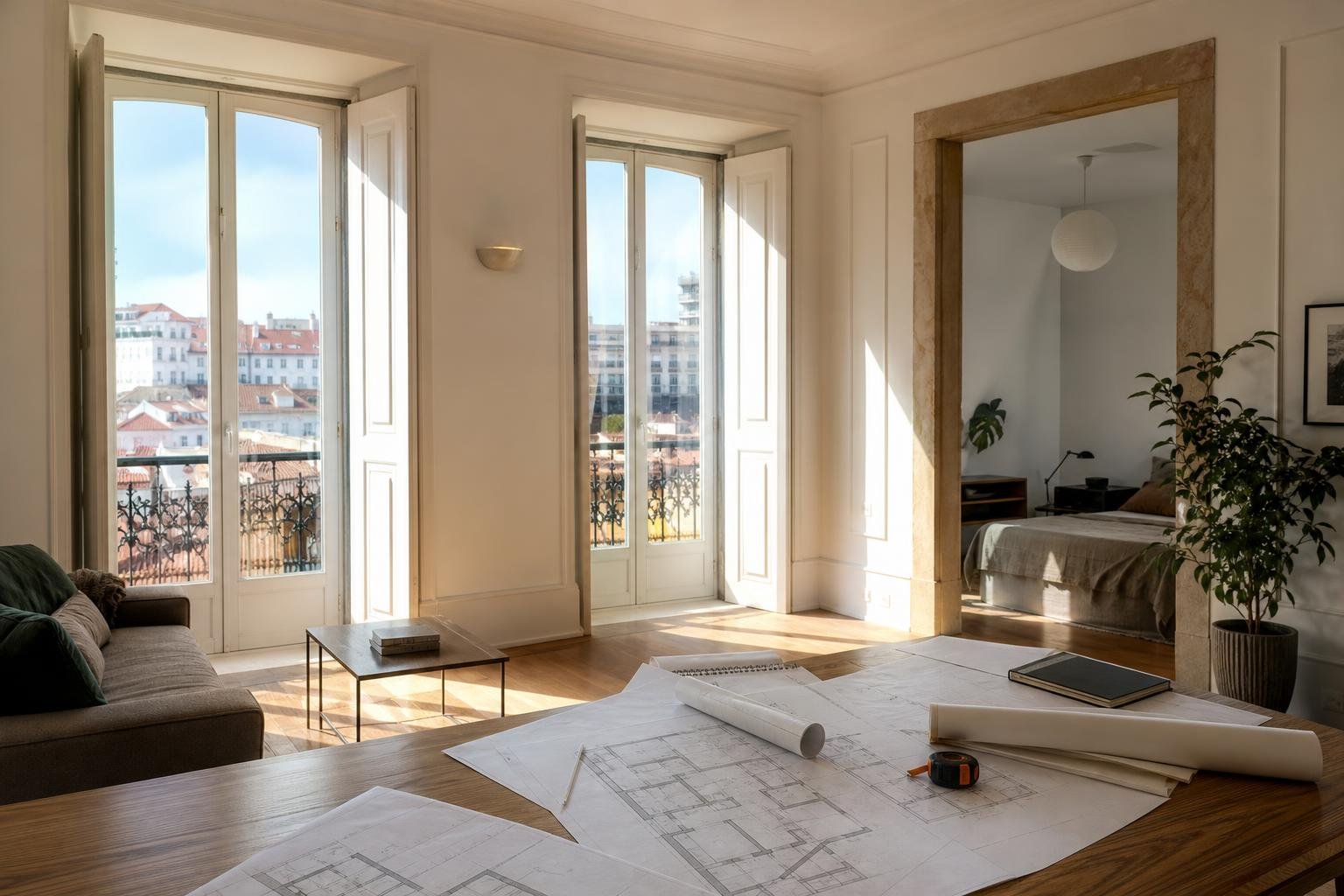
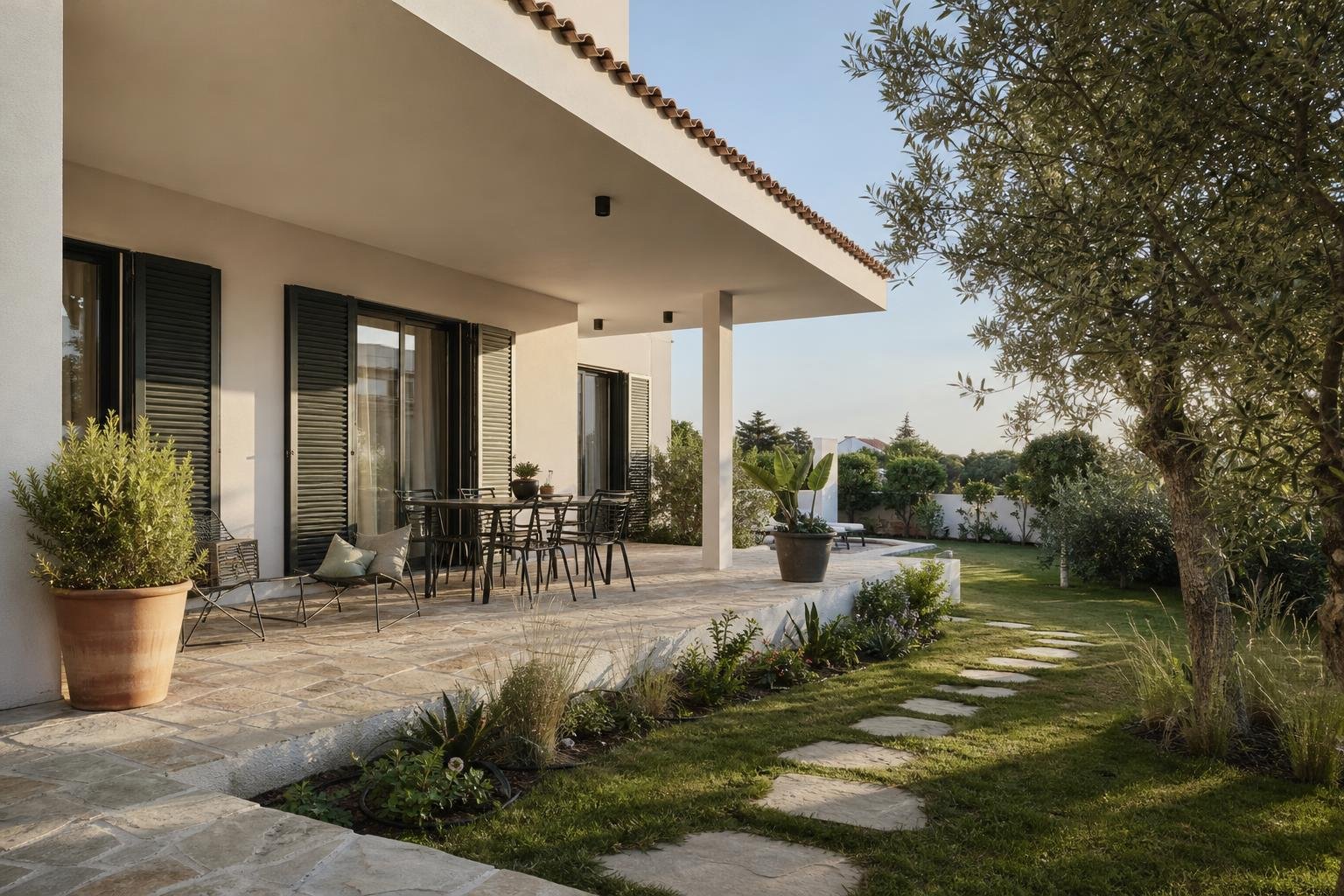
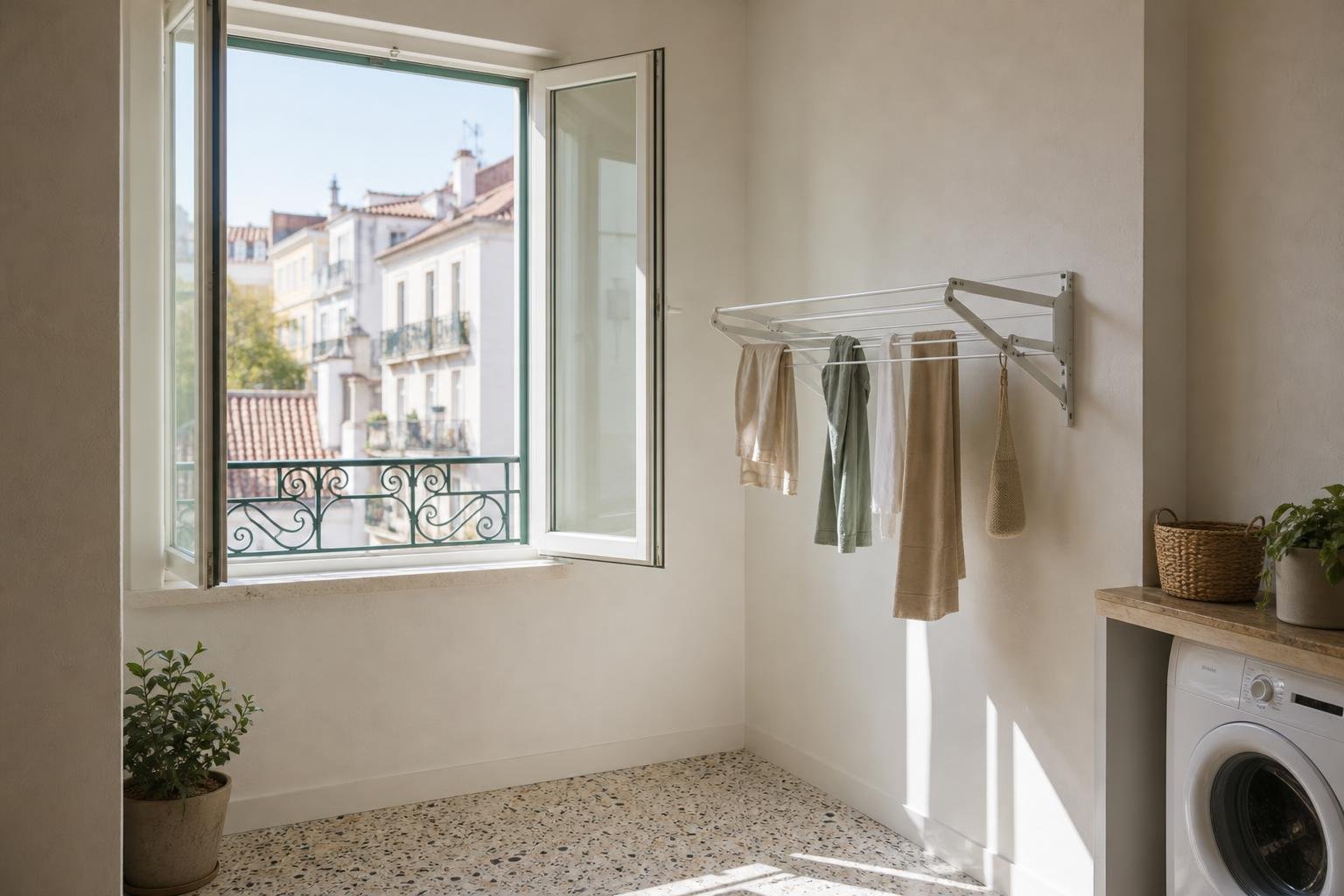
Editorial image; it does not depict an Obra Lisboa project.

Obra Lisboa