In a Lisbon apartment, a shutter rarely solves every comfort problem on its own. A west-facing façade may receive strong sun for hours; an old window can quickly chill a bedroom on a winter evening; and a home kept closed to escape the heat can end up smelling stale, with damp patches in corners. The useful change is to alternate shade, opening and ventilation throughout the day.
Shutters, blinds and internal shutters form a controllable layer between the home and outdoors. Used well, they limit unwanted solar radiation, reduce the cold sensation from glazing at night and provide privacy without forcing you to live in darkness. This routine does not replace suitable windows, insulation or mechanical ventilation where those are needed. It does help you get more from what is already there and identify the actual weak point.
Start by reading the orientation of each room
Do not treat every window in the same way. In Lisbon, a west-facing sitting room commonly stores heat late into the day; a south-facing kitchen can warm up fast when cooking and sunshine coincide; east-facing bedrooms receive early light and may need shading before the household is awake. Watch the home for several days: note when direct sun arrives, which panes become hot to the touch and where daylight causes glare.
Then set rules by façade. At a window receiving direct sun, lower the shutter before the glass heats up, turning slats to retain some diffuse light. In a room shaded by nearby buildings, a light curtain and occasional opening may be enough. If external protection is damaged, jammed or paired with poorly sealed shutter boxes, include it in a wider plan for replacing windows during a Lisbon renovation.
The practical rule is simple: manage sun before it passes through the glazing. Efficient windows still matter for comfort and energy use; ADENE explains how window performance affects daylight, air and thermal comfort in its guide to efficient windows.
In summer, close protection before the hottest hours
Waiting until the room feels stuffy is usually too late. On hot days, close shutters, blinds or internal shutters on exposed windows before direct sun arrives, keeping them in that position while outdoors is warmer than indoors. Portugal’s health authority advises keeping windows, blinds and shutters closed during the hottest periods and seeking cool, shaded places with air movement; see the DGS guidance for hot weather.
Closing up does not mean making the home completely dark. With slatted shutters, adjust the slats to cut direct rays while retaining ceiling light. With internal wooden shutters, leave a narrow opening on sides away from sun exposure. In rooms used for work, place the desk sideways to the window and prevent sunlight from striking the screen.
External protection—such as a roller shutter, awning or external shutters—works before heat crosses the glazing. If you are considering a new solution in an apartment building, check the façade build-up, fixings and condominium rules. Our guide to external shading for apartments helps separate a useful improvement from an alteration that may create disputes or water-entry risks.
At the end of the day, replace shade with fresh-air renewal
Once outdoor temperature falls below the indoor temperature, it is time to open protected windows and create controlled airflow. The purpose is to release stored heat, particularly from west-facing rooms. Start with openings on opposite façades or, where the apartment has only one exposure, pair a window with the door to a cooler room, without obstructing routes or compromising security.
Do not leave this operation to chance. On noisy streets, use shorter opening periods; near a busy road, choose quieter times. On days with smoke, dust or poor air quality, the approach must change: keep exposed openings closed and follow official alerts. Fresh-air renewal still matters for indoor air quality, but it needs to respond to outdoor conditions.
DGS advises airing a home for at least ten minutes each day, with additional ventilation while and after cooking, cleaning, drying clothes indoors or bathing. Read its indoor-air recommendations. To make the most of two sides of an apartment, also consider the principles of cross ventilation without unnecessary building work.

In winter, use daylight and close up at dusk
In winter, applying a summer routine without adjustment can make a home colder. At windows that receive sun, open shutters and blinds during daylight hours to benefit from moderate solar gains, provided glare and local overheating are not an issue. Once the sun is gone, close the available protection. The air layer close to the glazing and the extra barrier can reduce cold radiation and the downward draught felt beside a window.
There are limits here too. Closed shutters will not correct gaps between frame and wall, damaged seals, highly exposed single glazing or a shutter box that leaks air. Run a hand along joints on a windy day, check whether curtains move with the window shut and look for condensation marks around the frame. These signs call for diagnosis before buying accessories.
DGS recommends sealing windows and doors to reduce cold-air entry and heat loss while still airing the home. See its cold-weather guidance for homes. If the internal wall behind a shutter is damp or cold, do not simply hide it with furniture: investigate water ingress, thermal bridges and ventilation first.
Avoid the mistakes that lead to condensation and mould
Keeping everything shut for days may reduce heat and noise, but it does not remove moisture produced by occupants, showers, meals and drying clothes. Misty glazing in the morning, mould where wall meets ceiling or a persistent smell inside cupboards indicate an imbalance that a shutter cannot solve.
Avoid leaving internal shutters tight against glass in damp rooms without renewing the air. After bathing, use the existing extract system and keep the bathroom door closed until steam drops; then air briefly to outdoors where possible. In the kitchen, run extraction from the beginning of cooking and keep lids on pans. If clothes are dried indoors, keep them in an area that can be ventilated rather than in a closed bedroom.
Do not block air inlets because of draughts or noise without understanding their purpose. First check whether the inlet is badly positioned, dirty or excessive; then seek a solution compatible with the building’s ventilation path. Long-term comfort depends on shading, airtightness and air renewal working together.
Turn the routine into renovation decisions
One week of observation can guide a renovation more effectively than immediately replacing every window. Record when you close each shutter, perceived temperature, condensation and the rooms that require a fan or heating. Take that record to a technical visit. It helps determine whether to repair shutters, insulate a shutter box, adjust a window, install external shading or review ventilation.
Ask for practical details to be set out clearly: how the shutter mechanism will be accessed; where controls will sit; what clearances permit cleaning and repairs; how façade waterproofing will be protected from fixings; and which solution allows secure night-time window opening. In older Lisbon buildings, restoring shutters or timber frames can preserve daylight and character, but it should come with suitable sealing and maintenance.
The best outcome is not a home that stays permanently closed. It is a home where each window can be shaded, opened, sealed and cleaned at the right time, without awkward workarounds or routines that nobody can sustain.
If your apartment heats up quickly, has draughts around windows or shows recurring condensation, Obra Lisboa can help turn these observations into a coordinated renovation plan for windows, shading, ventilation and finishes.
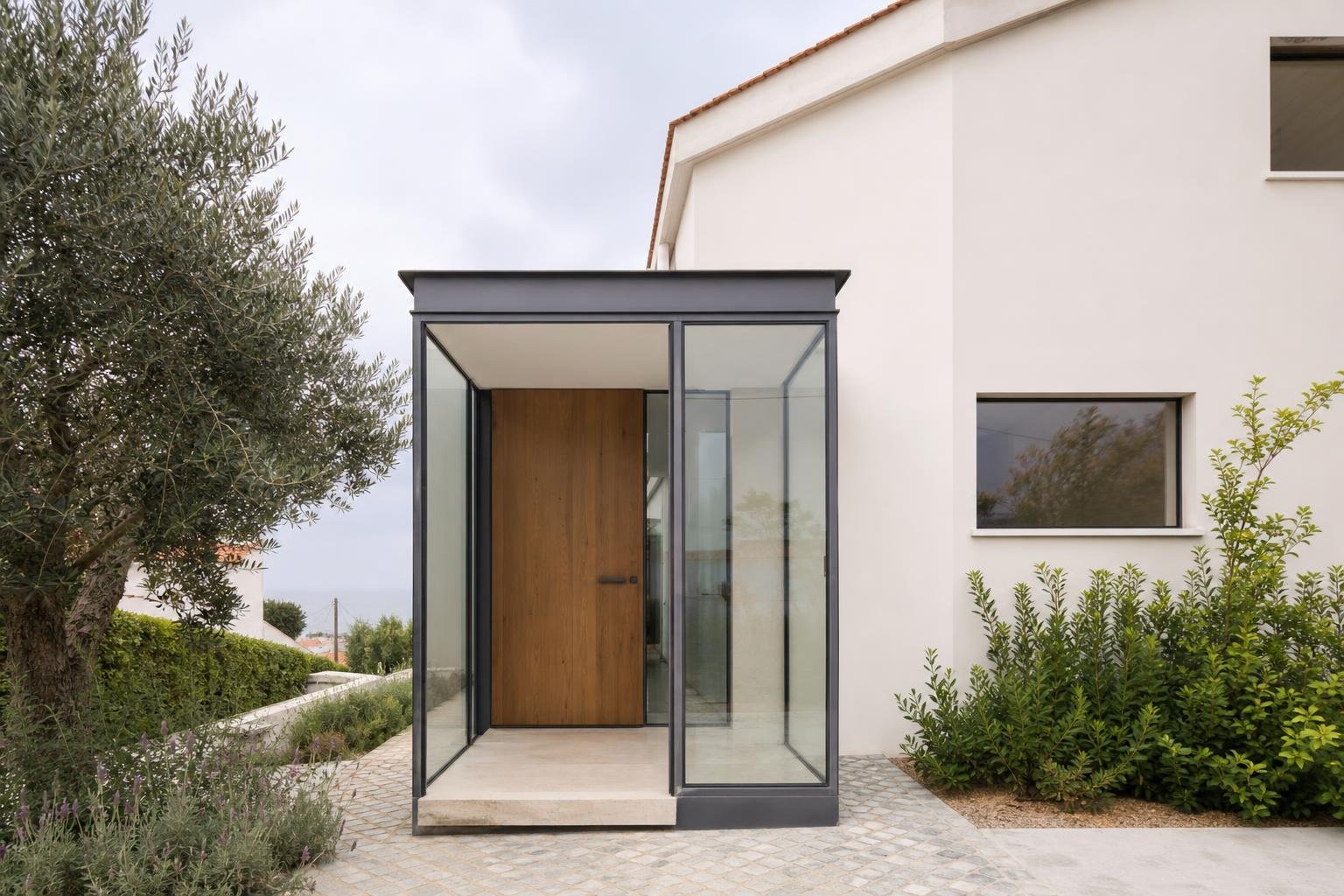
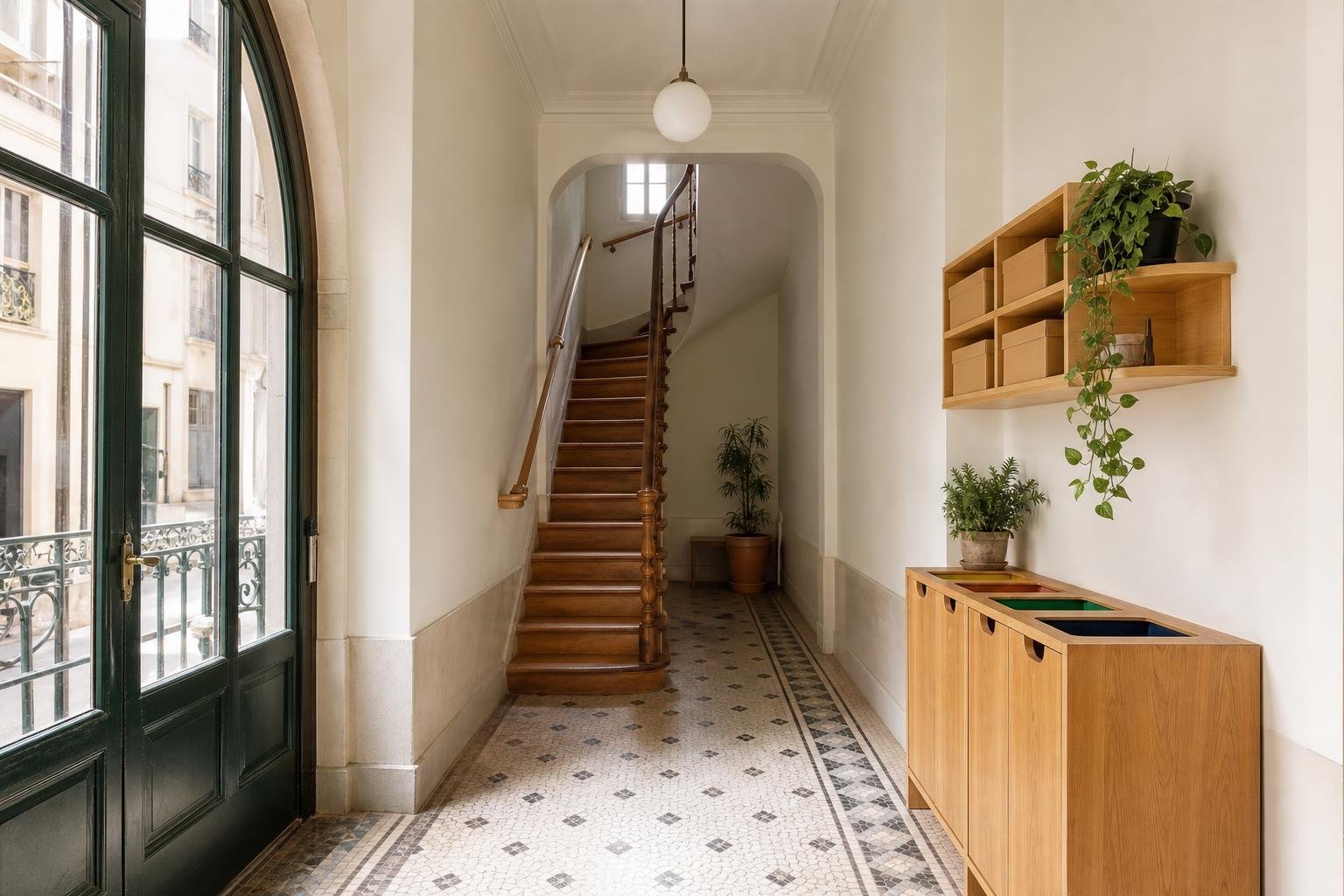
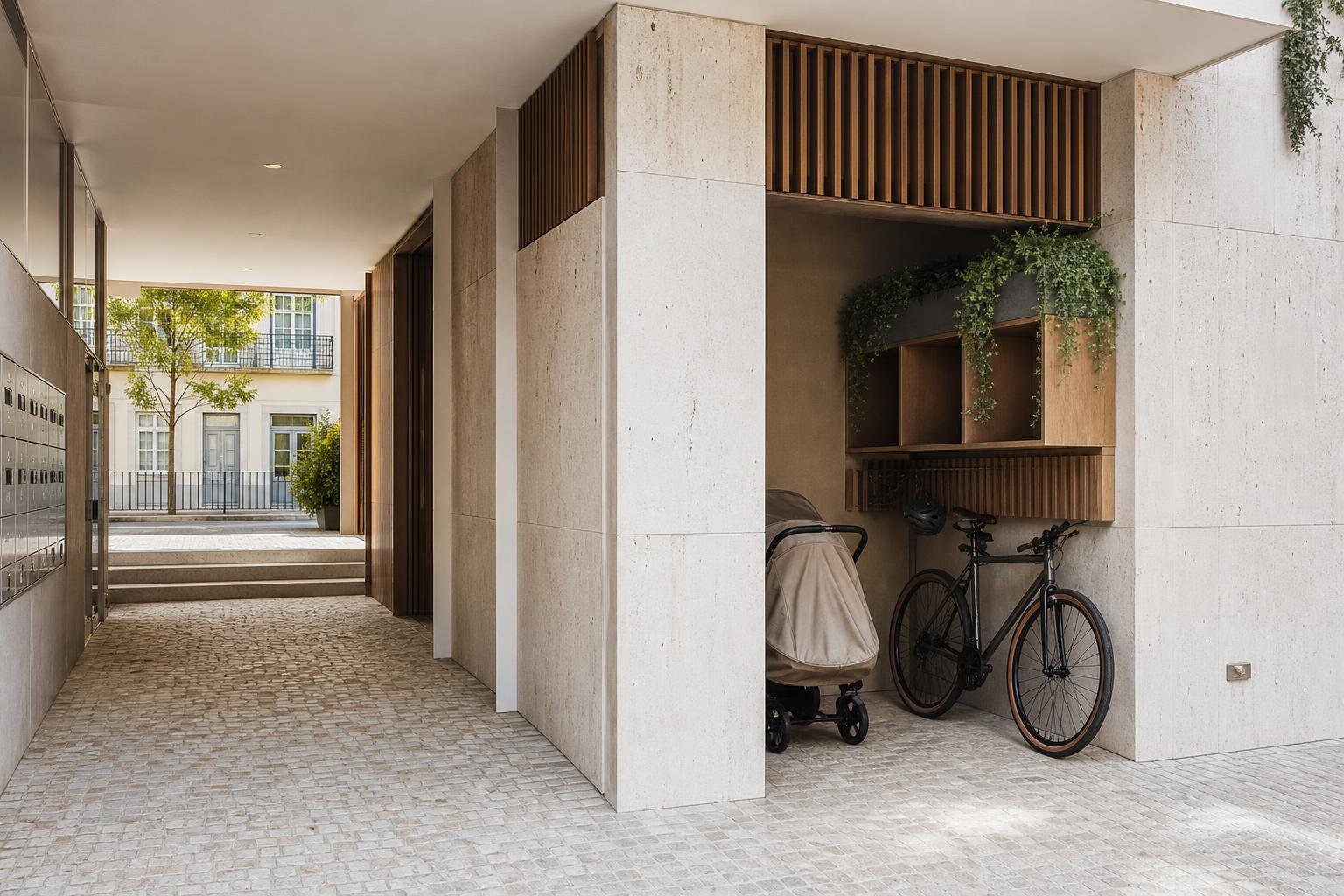
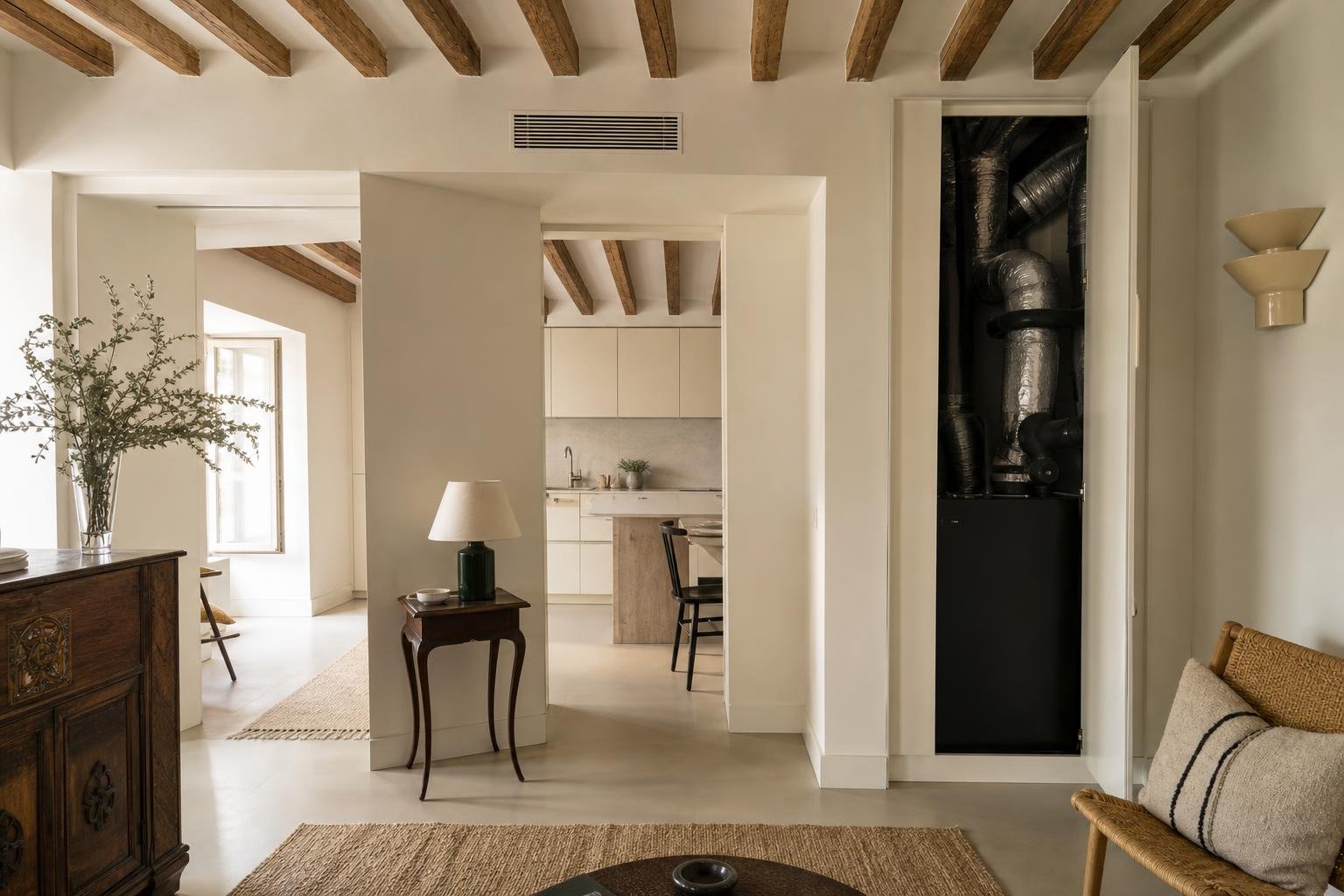
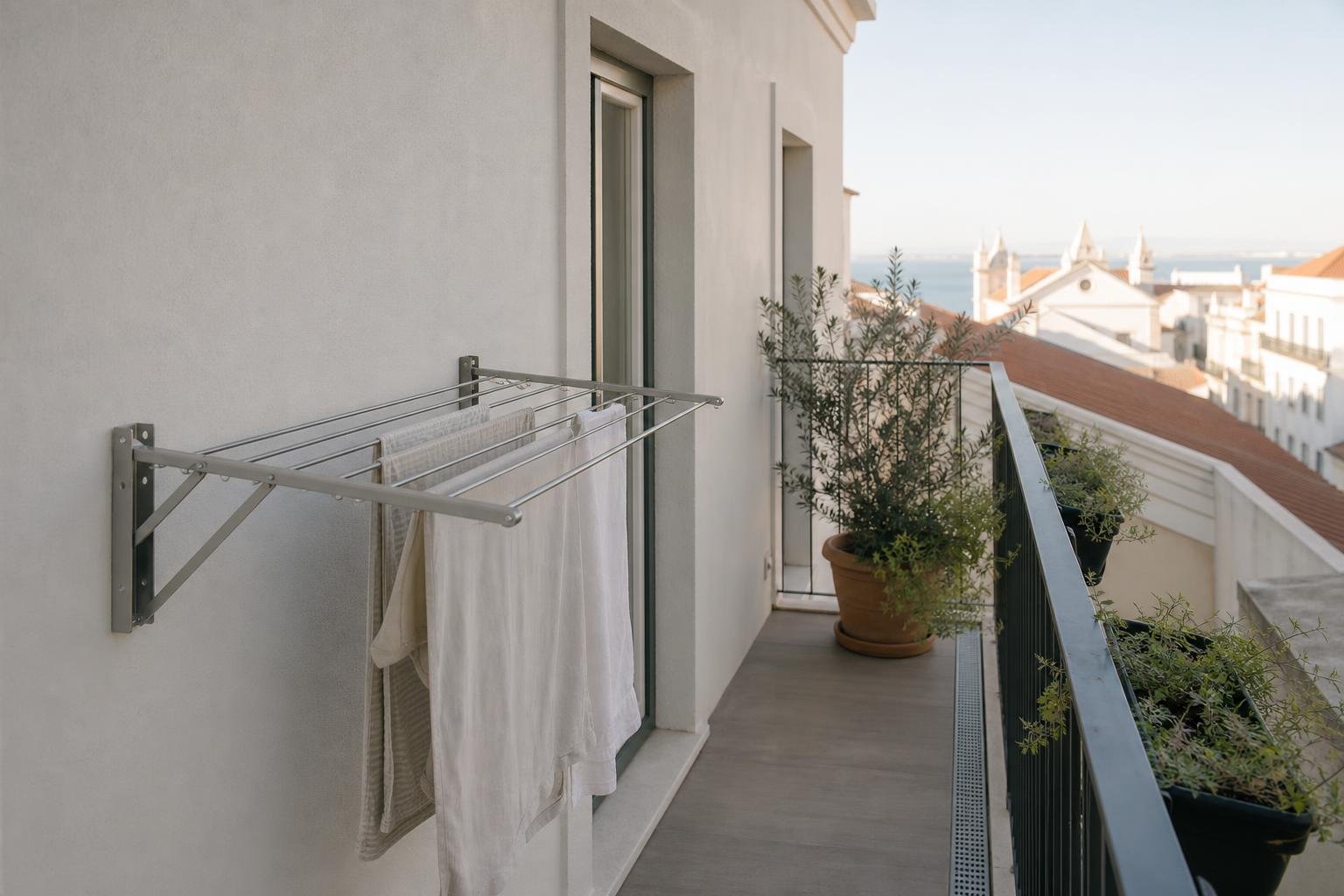
AI-generated editorial image; it does not depict an Obra Lisboa project.

Obra Lisboa