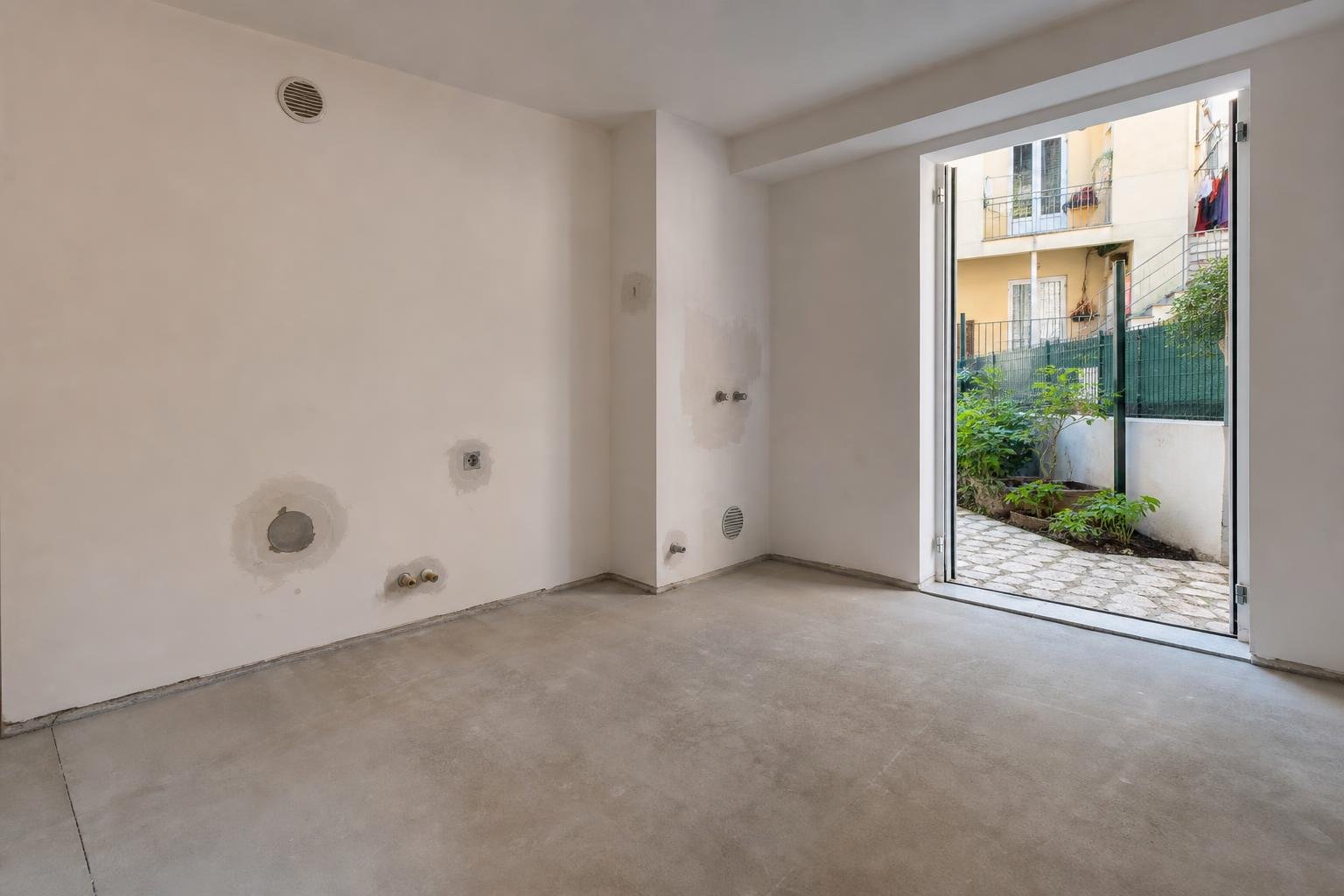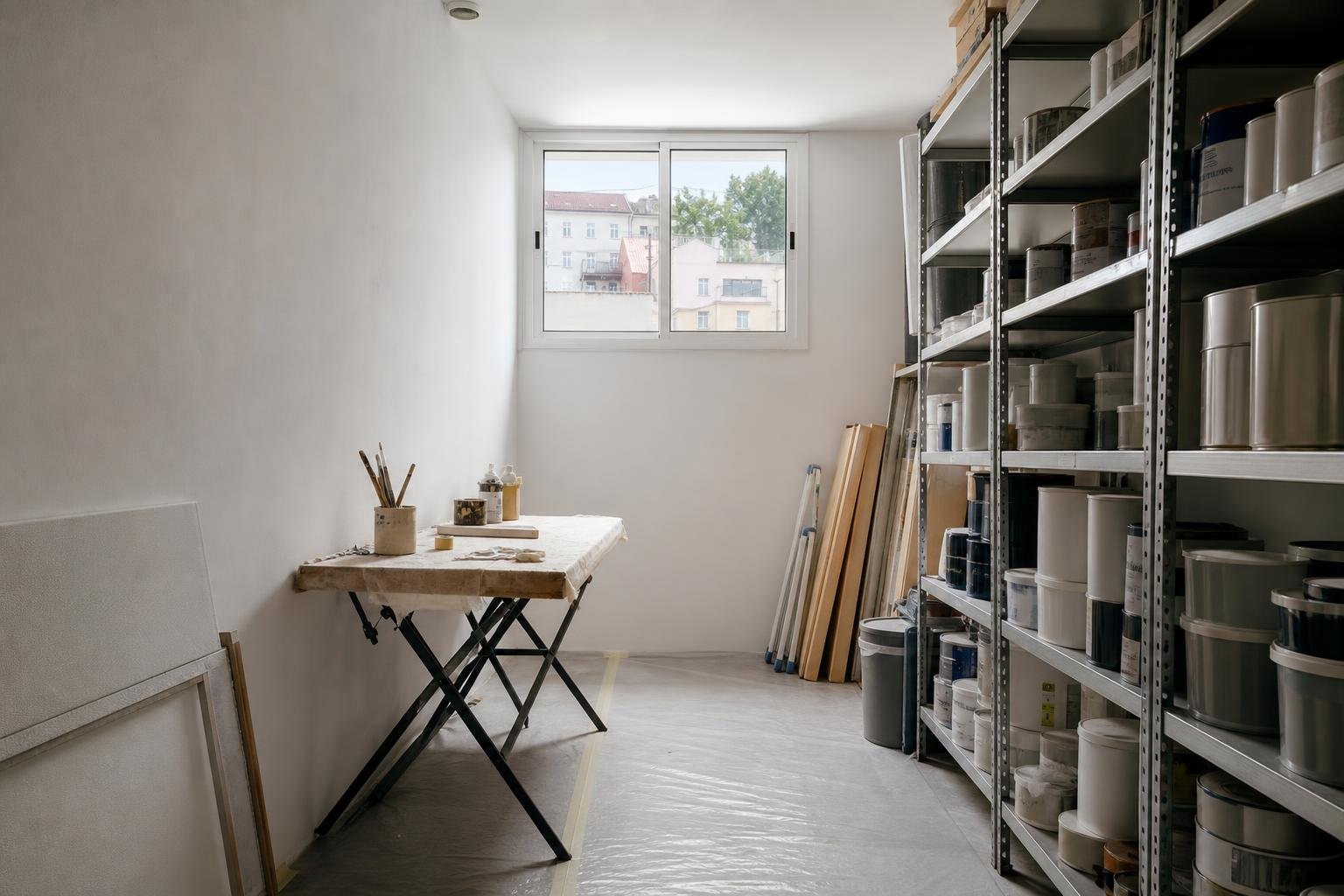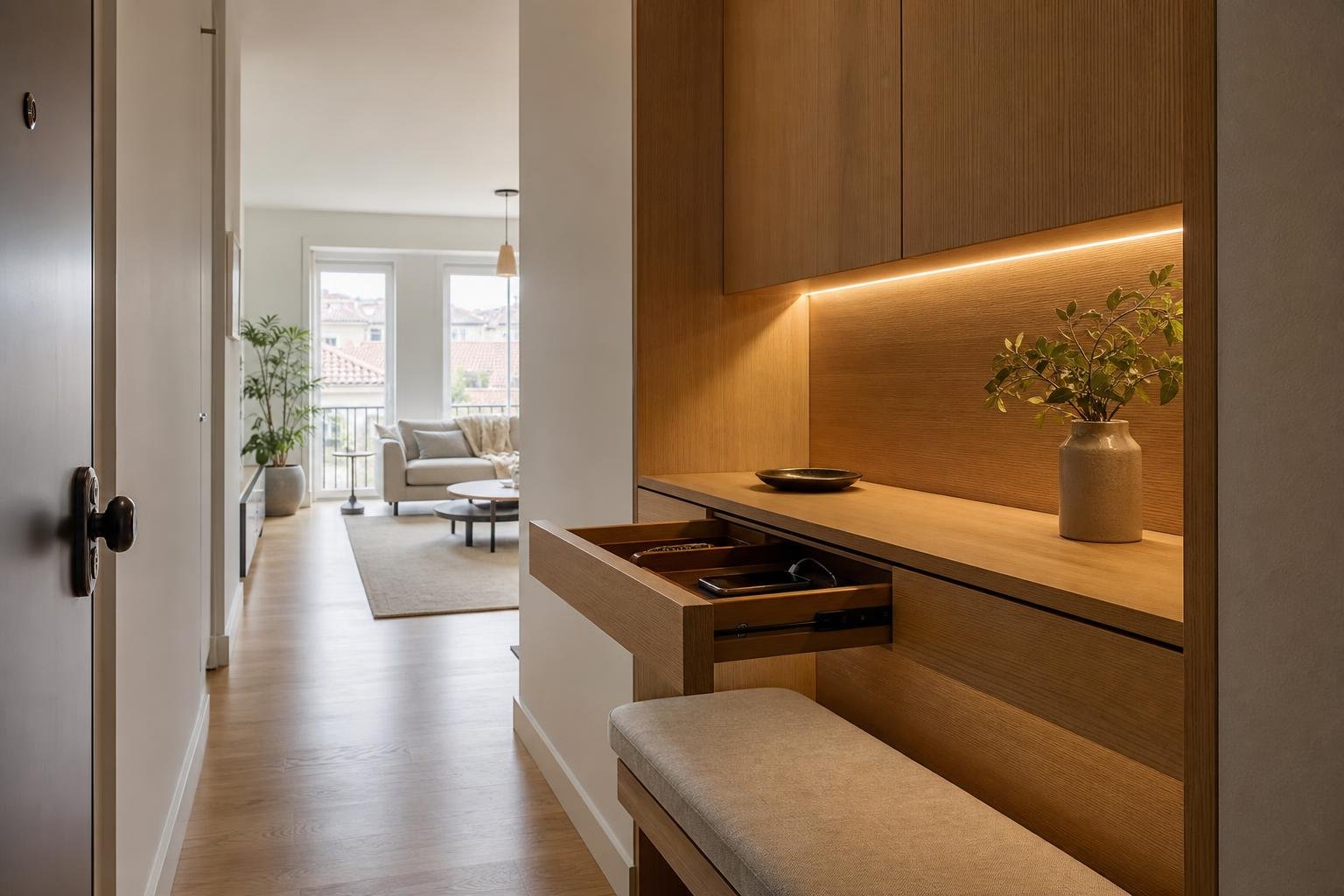
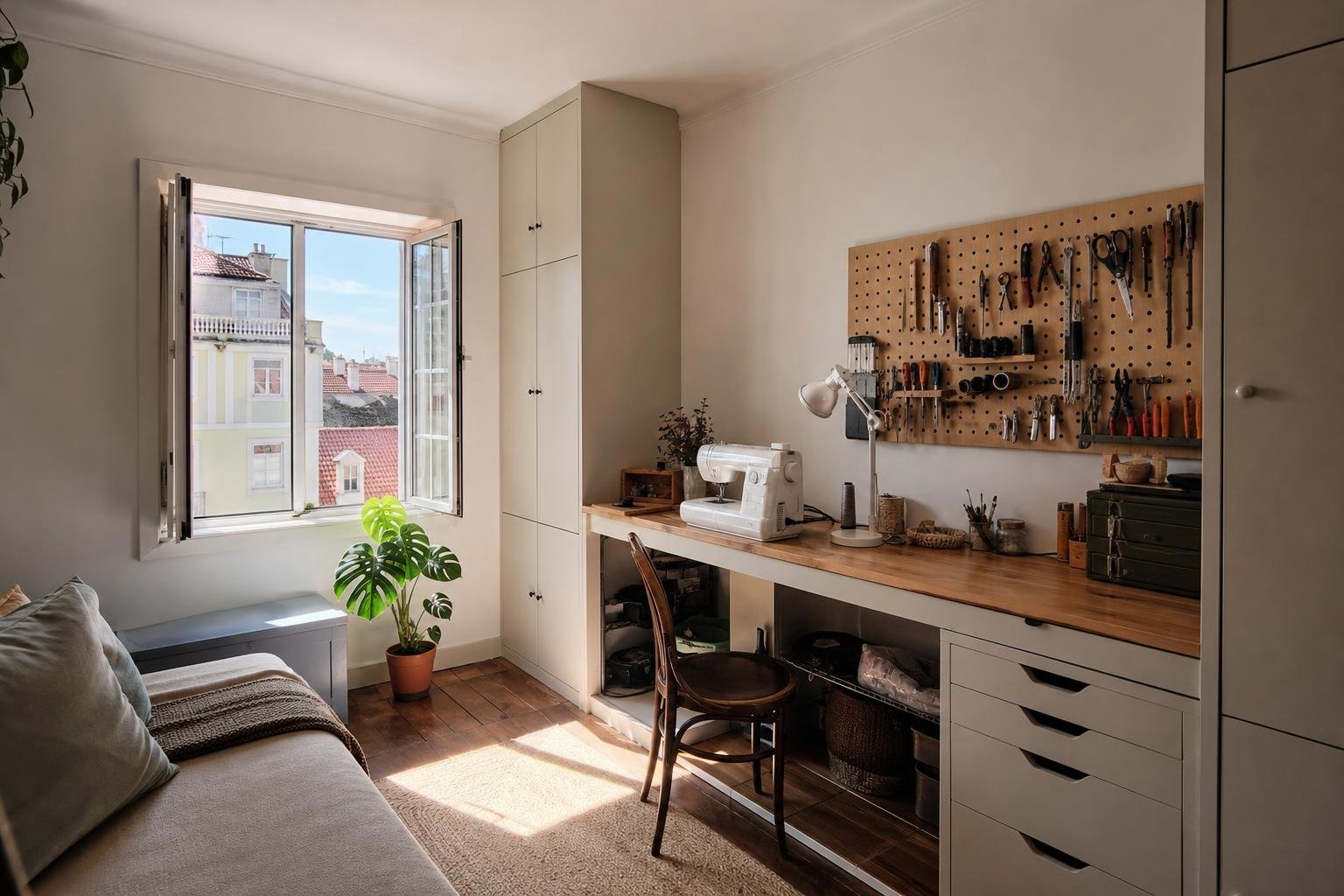
A spare room can take care of many everyday jobs: tightening hardware, repairing a chair, hemming clothes, ironing, cutting fabric or assembling a simple item. The trouble starts when every task brings another box, tool and makeshift surface. Before long, the room stops being flexible and becomes a store room no one wants to enter.
The answer is not to fill the room with cabinets. It is to establish a main use, separate clean activities from dusty or product-heavy ones, and protect a clear circulation route. Indoor air quality matters too: materials, furniture, cleaning products and activities carried out at home can all add to indoor pollutants, as explained by Portugal’s Directorate-General of Health guidance on indoor air. With a straightforward plan, the room can work for hobbies and repairs during the week while remaining ready for guests when needed.
First, decide what the room must not lose
Before choosing a worktop, decide which roles the room needs to retain. It may be an occasional guest room, a study area, seasonal storage space or simply a quiet place for household tasks. That decision sets the scale of the furniture and prevents permanent purchases for an activity that happens only a few times a month.
Sketch the plan in three bands: entrance and circulation, work station and storage. The route should connect the door, window, wardrobe and bed or sofa bed without forcing anyone around boxes. If guests will use the room, a folding table or a shallow wall-mounted worktop is usually more valuable than a large central table.
Give the longest wall to the work area and keep the wall near the door for quick-access storage. A small room benefits when the worktop occupies one continuous zone instead of having loose furniture spread across every wall. For space-saving decisions that still feel comfortable, see these tips for renovating small homes.
Choose a worktop for real tasks, not an imaginary workshop
A DIY and sewing worktop does not need to imitate a professional workshop. Start by measuring what you actually use: a sewing machine, cutting board, tool box, task light and enough room to support the item being worked on. Then choose the minimum depth that allows comfortable work without taking over the circulation route.
One continuous surface makes it easier to switch between sewing and small repairs. Where space is tight, combine a fixed unit with a fold-down extension; when it is closed, the room opens up again. Choose a stable, wipeable structure that does not shake when the sewing machine is running. Shallow drawers beside the worktop can hold needles, thread, tape measures, drill bits, sandpaper and small consumables without covering the surface.
Do not use the same worktop for wood cutting, painting and sewing without a cleaning routine between jobs. Sanding dust, offcuts and fine debris cling to fabric and can get into mechanisms. Jobs that create sustained dust, noise or vibration should be limited, properly contained or moved elsewhere.
Keep only frequently used items on display
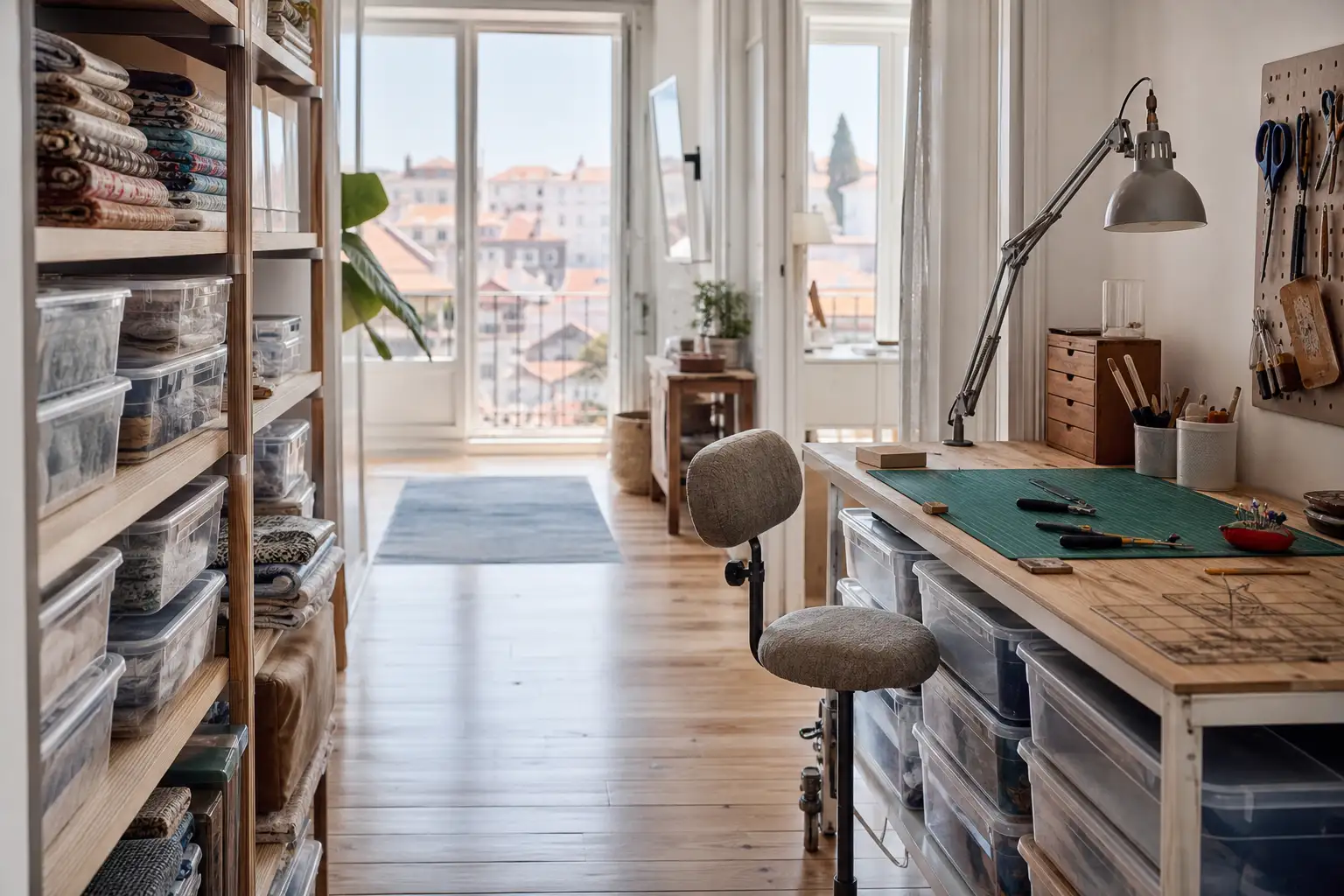
A good work area does not depend on seeing everything at once. It depends on finding each item quickly and putting it away in minutes. Divide materials into three groups: weekly-use items, occasional-use items and back-up supplies. The first can stay in drawers, low boxes or a board beside the worktop; the rest belong in closed cabinets or higher shelves.
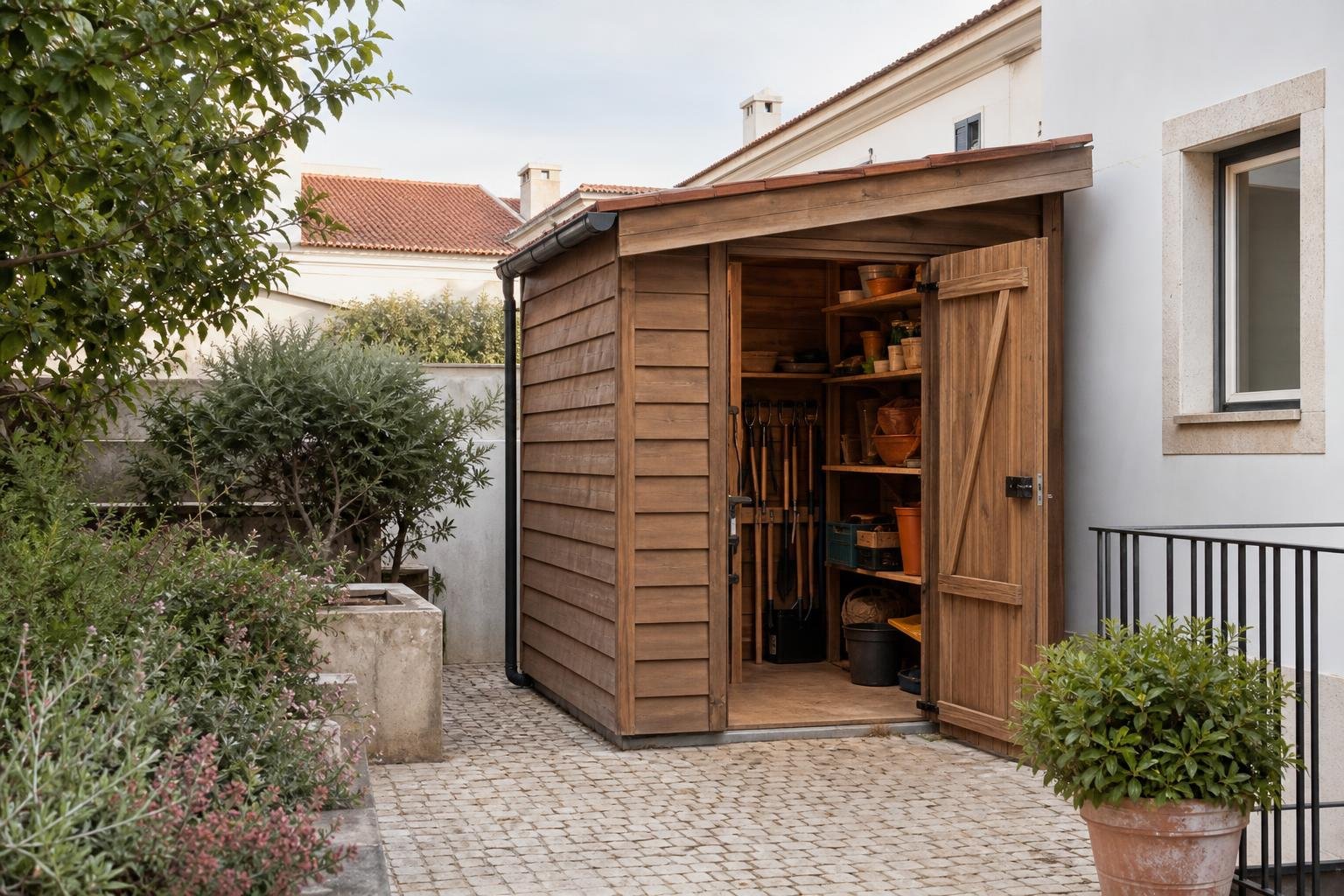
For sewing, organise by sequence of use: thread and needles near the machine; scissors, rulers and pins in a divided drawer; fabric in breathable boxes or baskets that do not crush it. For DIY, keep hand tools separate from glues, paints, sprays and cleaning products. Do not leave open containers, loose blades or coiled extension leads on the floor.
Cabinets with plain doors make the room feel more domestic and let you visually close down the work area when visitors arrive. If you are considering built-in storage, see how to plan built-in wardrobes with practical dimensions and access.
Plan layered lighting so you are not always working in shadow
General bedroom lighting is enough for moving around, but rarely enough for hemming dark fabric, marking a cutting line or seeing a screw head clearly. Add an adjustable task light over the worktop and place it so your hand does not cast a shadow over the work. For right-handed users, light often works best from the left; for left-handed users, from the right.
A window is an asset, but it does not replace task lighting after dark. Avoid placing the worktop with your back to daylight, because your body will block it. An adjustable blind or curtain reduces glare and protects more delicate textiles from direct sun.
Plan sockets before fixing the worktop: sewing machine, iron, chargers, compact vacuum and task light can require more outlets than expected. Avoid multiplying hidden extensions and power strips behind boxes. The layout should keep sockets accessible and cables out of walking and seating areas. This guide to planning sockets and switches before walls are closed is useful during a renovation.
Ventilate well and limit dusty, smelly or fume-producing work
Sewing and light repairs can sit comfortably in a spare room, provided it does not become a permanent place for strong glues, varnishes, sprays or prolonged sanding. Portugal’s health authority recommends airing the home daily and during activities such as cleaning; it also advises following the instructions for DIY products and avoiding blocked air grilles or vents.
In practice, open the window before starting and keep it open during the work where outdoor conditions allow. Close containers immediately after use, remove waste on the same day and clean dust with a vacuum or damp cloth rather than lifting it with a broom. Read the DGS general recommendations on indoor air before choosing products and routines for this room.
If the room has signs of damp, a persistent odour, mould or condensation, deal with the cause before adding fabric, boxes and furniture against the walls. More storage will not solve a cold wall or a leak.
Make the end-of-session routine part of the design
The difference between a useful room and a chaotic one often comes down to the final five minutes. Build a place for work in progress into the layout: a tray, shallow lidded box or wide drawer. A half-finished hem or dismantled repair can then be stored without taking up the worktop for days.
Create a simple closing sequence: unplug and store hot equipment; put away sharp items; return tools to their places; vacuum or wipe the worktop; close products; clear the chair and circulation route. A cabinet door, light curtain or folding table can quickly switch the room from “work mode” to “bedroom mode”.
Where the room includes painting, varnishes or new furniture, ventilation needs particular attention. DGS technical guidance recommends good ventilation while painting and installing furniture, and suggests favouring water-based paints and varnishes. See its indoor air quality good-practice guidance when making those choices.
A hybrid room works best when the worktop, lighting, sockets and storage are planned together. If you are renovating a spare room in Lisbon, Obra Lisboa can help turn those needs into a clear, functional construction plan.
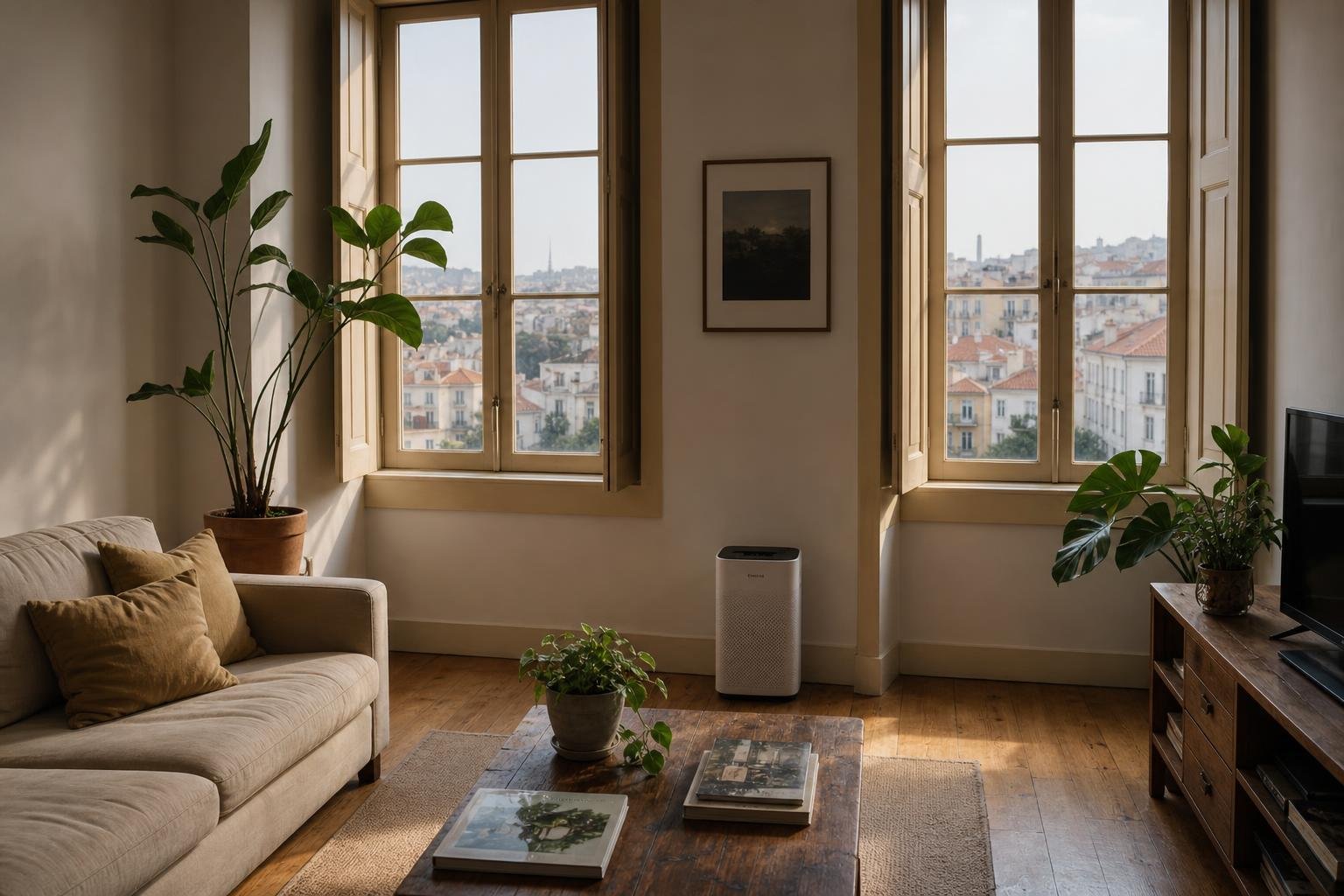
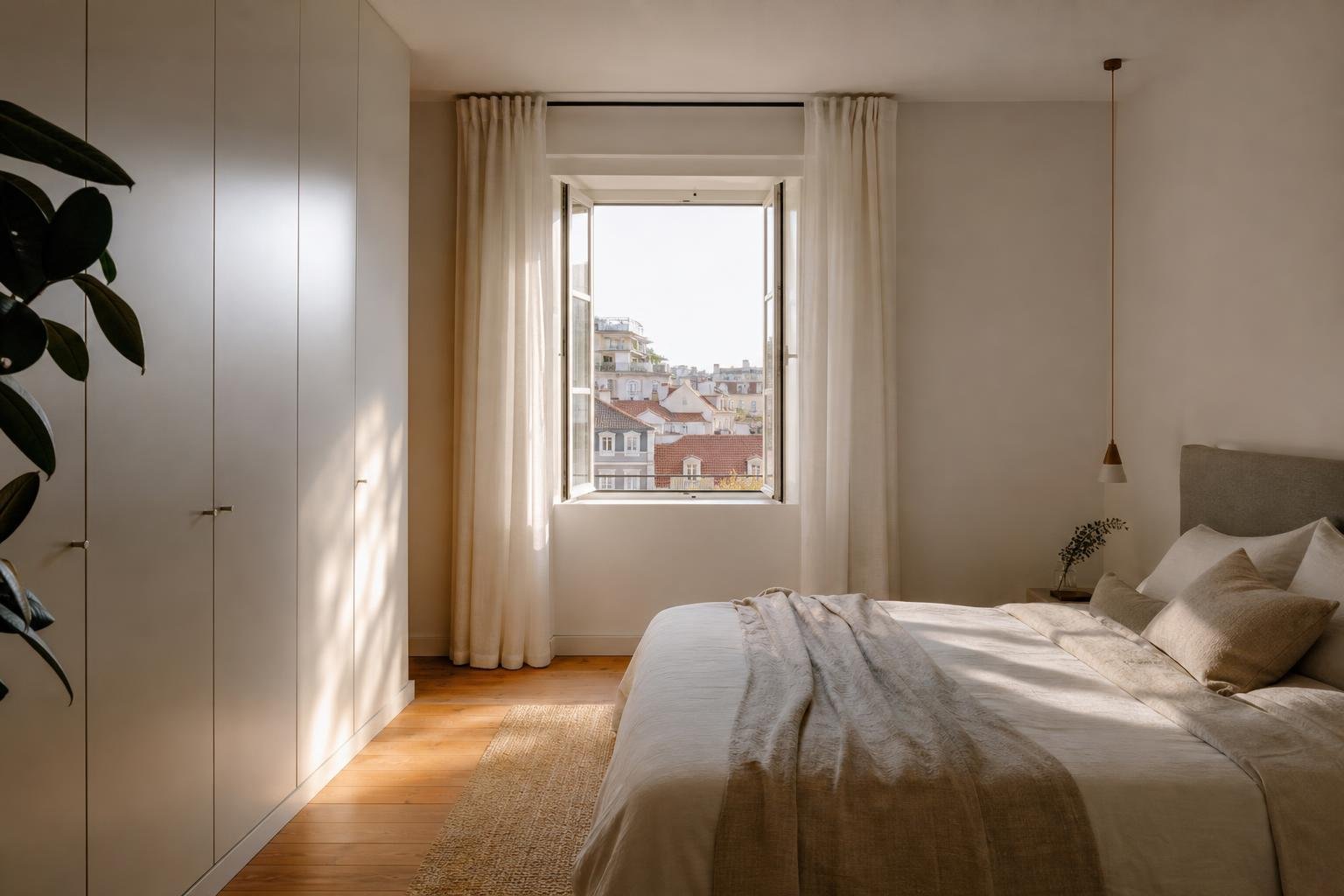
AI-generated editorial image; it does not depict an Obra Lisboa project.

Obra Lisboa