In November 2026, the safest way to protect a Lisbon renovation is to settle the decisions that release specialist trades early, rather than trying to freeze everything in a generic quotation. In September, the construction remuneration index rose 8.5% year on year while sector employment rose 2.1%. That does not set the price of an individual project, but it explains why an available crew, an incomplete survey or a late change can affect the programme more than a small gap between quotes.
The practical aim is straightforward: appoint against a verifiable scope, reserve critical work stages and buy at the right point in the sequence.
Contents
- What changed in the construction market in 2026?
- Why can a lower quote delay the renovation?
- Which decisions should be made before day one?
- How to reserve trades while keeping room to decide
- How to follow the works without renegotiating every week
- What to do now if you want to start in 2027
What changed in the construction market in 2026?
The latest Statistics Portugal figures give useful context for conversations with contractors. In September 2026, construction output rose 1.8% from the same month in 2025; employment rose 2.1% and remuneration rose 8.5%. Read the Statistics Portugal release on construction output, employment and pay before assuming that a quotation received months ago still reflects the same conditions.
For a flat renovation, the practical consequence is not that you should accept unexplained increases. It is that you should separate three things that are often blended together: measured work, materials that have not yet been selected, and the crew’s actual availability. A sound proposal identifies tasks, quantities, sequence and items still dependent on the client’s choice.
The new-housing construction cost index also showed a 7.4% annual rise in September, with materials at 7.2% and labour at 7.7%. It is context rather than a price list for renovations, but it supports the case for avoiding decisions left to the final week.
| Item | Direct question | Programme effect |
|---|---|---|
| Crew | Who carries out each trade, and in which week? | Prevents an open site waiting for an electrician, plumber or joiner. |
| Materials | Which items have a confirmed model, quantity and delivery date? | Allows orders to be placed before the work stage is ready. |
| Changes | How is additional work approved before it is carried out? | Reduces stoppages, disputes and undocumented costs. |
| Payments | Which measurement or milestone releases each payment? | Keeps payments connected to confirmed work. |
Why can a lower quote delay the renovation?
A lower proposal may be perfectly robust. The risk starts when it leaves important choices for later. Demolition without a waste route, finishes without references, a kitchen without a final drawing, electrical alterations described as “to be confirmed”, or joinery without hardware are common examples. Each omission creates a decision during the works and may force a trade to leave and return later.
Ask for an exclusions list that is as clear as the inclusions list. Check whether the price covers protection of shared areas, waste removal, substrate levelling, making-good after chases, testing, cleaning and reinstatement. If a task is not described, treat it as excluded until it is written down.
It also helps to set a realistic quotation validity date and specify what happens after it. A price-revision clause for a 2026 renovation should state the method, the items covered and the documents supporting a revision; it should not become a vague permission to change the total.
Which decisions should be made before day one?
You do not need to choose every cabinet handle before demolition, but some choices control services, procurement and measurements. Settle these before works begin:
- the final layout, including doors, openings, sanitaryware and equipment;
- the kitchen, appliances, electrical board, water and drainage locations;
- floor types and thicknesses, because they affect levels, doors and skirtings;
- the kitchen and bespoke-joinery drawings, with appliances selected;
- window, door and items requiring site measurement;
- finishes whose delivery time can affect the sequence.
Keep a short decision record: date, product, reference, responsible person, quantity and consequence. Where services or walls change, update the as-built drawings for the renovation. This helps avoid reopening a finished wall simply to find a pipe or cable route.

How to reserve trades while keeping room to decide
Reserve a start window after checking that the design, quote and critical materials make a start possible. Booking a crew without a final layout can merely move the delay from before the works to the middle of the project. Conversely, waiting to choose every decorative finish before booking any work can mean losing a useful slot.
A balanced approach is to create two groups. The first contains blocking decisions: demolition, services, floors, windows, kitchen and waterproofing. The second contains adjustable items: paint, decorative lights, mirrors, handles and some accessories. Give the first group decision deadlines; for the second, set a decision date before ordering or installation.
The increase in applications for construction authorisations after Decree-Law 97/2026 also brought longer response times, according to the IMPIC notice published on 7 October 2026. Before appointment, verify the contractor’s applicable authorisation and do not treat a pending application as an issued qualification.
How to follow the works without renegotiating every week
A short weekly meeting achieves more than a stream of scattered messages. Compare what was planned with what was completed, identify blockers and record who must decide each point. A weekly renovation site meeting works best with a one-page set of minutes rather than verbal promises.
Use four standing questions:
- What work was completed since the last meeting?
- What material or decision is needed over the next seven to fourteen days?
- Which change affects cost, timing or performance?
- Which area is ready for measurement, photographs and sign-off before it is covered?
Do not approve additional work over the phone without a description. Ask for the cause, solution, price, programme effect and written confirmation. If an urgent condition requires immediate action, record at least the approval, photographs and limit of the intervention that same day.
What to do now if you want to start in 2027
Begin by turning “full renovation” into a decision list: what stays, what changes, what needs a specialist and what can be selected later. Then request quotes based on the same schedule of works; comparing totals for different scopes does not produce a reliable decision.
Allow time for a site visit with the people pricing the work, measurements and clarification of interfaces between trades. Use the Statistics Portugal indicator database to understand recent sector trends, but make the decision from your own design, the quality of the scope and proven delivery capacity.
The useful next step is to leave the appointment meeting with a date for every critical selection, an ordering sequence and a written method for approving changes. That gives the team the information needed to work without guesswork and gives the client control over the matters that genuinely change time and cost.
Key takeaways
- Settle decisions that affect services, measurements and long-lead orders first.
- Compare quotations by matching scope, exclusions and sequence, not only by total price.
- Record changes before work proceeds and link payments to verifiable milestones.
- Confirm the contractor’s authorisation and the actual availability of each trade.
If you are preparing a Lisbon renovation, Obra Lisboa can help organise the scope, decisions and work sequence before appointment. The next step is to gather the plan, photographs and priorities for a focused discussion of what needs to be defined first.
Sources and further reading
- Statistics Portugal release on construction output, employment and pay
- IMPIC notice published on 7 October 2026
- Statistics Portugal indicator database
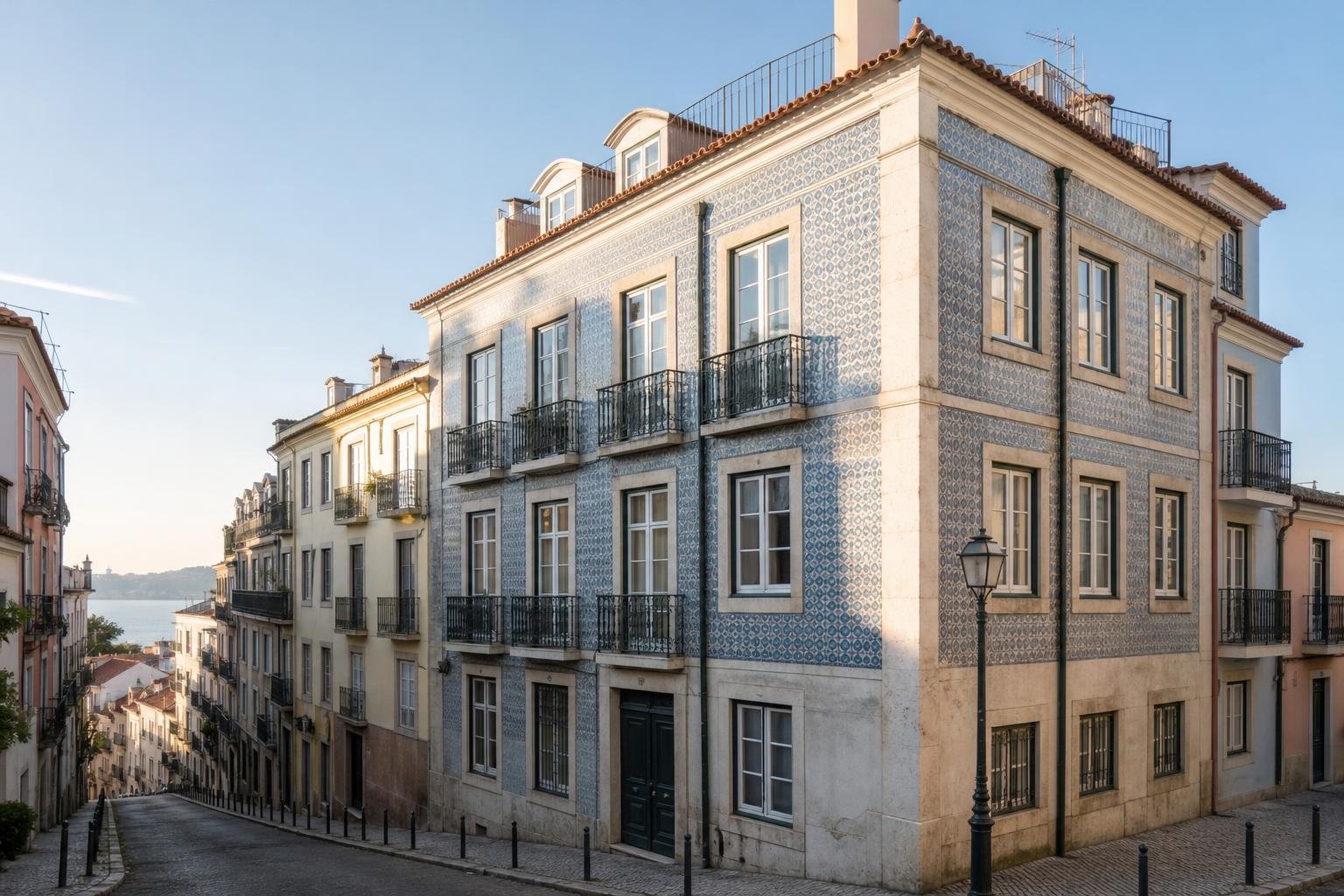
Editorial image; it does not depict an Obra Lisboa project.

Obra Lisboa