Before appointing a contractor for a flat renovation, ask the building manager for recent meeting minutes, condominium rules, details of affected common parts and information on planned works. These documents do not replace a design or municipal confirmation, but they can stop you ordering a solution that clashes with building rules, approved interventions or access limits. This file is especially useful where the work includes demolition, moving a kitchen, noisy tasks, large deliveries or any intervention near the façade.
Contents
- Why meeting minutes matter before you choose finishes
- What to request: a short, useful document list
- How to distinguish work inside the flat from work affecting the building
- How to notify the building without issuing a vague notice
- When the Lisbon council position must be checked
- Turn the documents into a start-up plan
Why meeting minutes matter before you choose finishes
Meeting minutes can reveal decisions that rarely appear in a property listing: stack repairs, façade painting, lift replacement, recurring leaks, roof works or restrictions on the use of shared areas. They are not a technical diagnosis of the building, yet they identify programme and access conflicts early.
Request minutes from the latest owners’ meetings and check for unresolved resolutions. Decisions recorded in minutes bind owners and certain holders of rights over the units; the management holds the minutes and must make them available for consultation under the applicable rules. See Law no. 8/2022 and the republished rules on condominium minutes and documents. If you are not yet the owner, ask the seller to obtain the information or formally authorise the request.
Read references to water, drainage, roof, façade and lift carefully. A condominium project may affect the date for window installation, the use of a balcony or the route for materials. If minutes mention damage without an agreed solution, treat it as a risk to clarify rather than a repair that can be assumed.
What to request: a short, useful document list
Avoid asking for an undirected archive. The aim is to gather information that changes a design choice, cost or programme.
- Condominium rules, where they exist, and current management contacts.
- Recent minutes and the approved budget, to understand works, practical disputes and use rules.
- The horizontal-property deed, especially where a storage room, roof terrace, parking bay or courtyard is involved.
- Available drawings or information on service risers, meters and technical access.
- Delivery rules: lift use, permitted times, protection of shared areas, temporary storage and waste removal.
Also request copies of notices received by the condominium that could affect the works. Horizontal-property rules require the manager to retain documents from the process establishing horizontal property and to make condominium notices known to owners; see Law no. 8/2022 on horizontal property.
How to distinguish work inside the flat from work affecting the building
Replacing finishes, refurbishing a bathroom or renewing kitchen cabinets may remain entirely within the flat. Even then, confirm where services run and what will be touched. A new washing machine, for example, may connect to a common stack; an outdoor unit, grille, enclosed balcony or new opening can involve the façade or other building elements.
Do not treat “it is only internal work” as a conclusion. List every change: walls, openings, ventilation, drainage, gas, electrics, façade, railings, roof and use of common areas. Condominium consent does not replace the council’s process, and municipal approval does not remove the rules of horizontal property.
Where the work visibly changes the façade or could affect safety, architectural appearance or the building’s visual order, assess it before placing orders. For windows and new openings, see also opening a new window in a Lisbon façade.

How to notify the building without issuing a vague notice
A building notice should make coordination easier rather than merely complete a formality. State the flat, responsible contact, start date, expected duration, periods of highest noise, planned delivery access and a route for reporting a problem. Stone, kitchen and skip deliveries deserve separate dates because they are most likely to affect the lift, entrance and circulation.
For noisy works inside buildings used for homes, commerce or services, the general rule is weekdays from 8 am to 8 pm. The person responsible must display the expected duration and, where possible, the period of greatest noise. Check the applicable provision in the General Noise Regulation.
Agree in writing who protects the lift, cleans the route and rectifies damage caused by deliveries. Record these arrangements in a digital renovation folder, including photographs and the final notice version.
When the Lisbon council position must be checked
The building manager can explain the condominium’s rules, but does not determine whether an urban operation is exempt, subject to prior communication or requires a licence. In Lisbon, the notice of commencement must be handled before works start; check the required information and procedure through the municipal service for notice of commencement of works.
Obtain technical confirmation before proceeding if the renovation changes the façade, roof, area, use, structure, ventilation outlets or protected elements. The council identifies licensing as a form of prior control for certain construction, reconstruction, extension, alteration, conservation and demolition works. Listed buildings, buildings under classification and protection zones have their own constraints; consult the service for building-work licensing.
Do not schedule demolition based on an informal conversation. Define the scope first, confirm the procedure, then set the contractor’s dates and material orders.
Turn the documents into a start-up plan
Once the information is available, turn it into straightforward decisions: what can proceed now, what needs approval, which dates to avoid and who confirms each access route. Minutes referring to stack works may mean postponing the closure of a wall. A lift rule may require phased deliveries. A façade question may change the air-conditioning solution before any equipment is purchased.
Bring one sheet to the start meeting with contacts, approved routes, working times, areas to protect, photographs of the initial condition and the list of open decisions. A weekly site meeting helps keep these matters visible when different trades arrive.
The common mistake is to treat condominium documents as paperwork to handle after appointment. Read beforehand, they become a design filter: they show what needs consent, what requires technical care and what simply needs proper coordination.
Key takeaways
- Request recent minutes, building rules and access arrangements before agreeing the quote.
- Keep condominium consent, municipal process and technical decisions separate.
- Give neighbours a practical notice covering noise, deliveries, protection and contacts.
- Record decisions that affect common areas and the programme in writing.
If your Lisbon renovation involves shared access, deliveries or uncertainty about the scope of works, assemble these documents before design preparation. Obra Lisboa can help organise the scope, start-up decisions and practical coordination for the renovation.
Sources and further reading
- Law no. 8/2022 and the republished rules on condominium minutes and documents
- General Noise Regulation
- notice of commencement of works
- building-work licensing
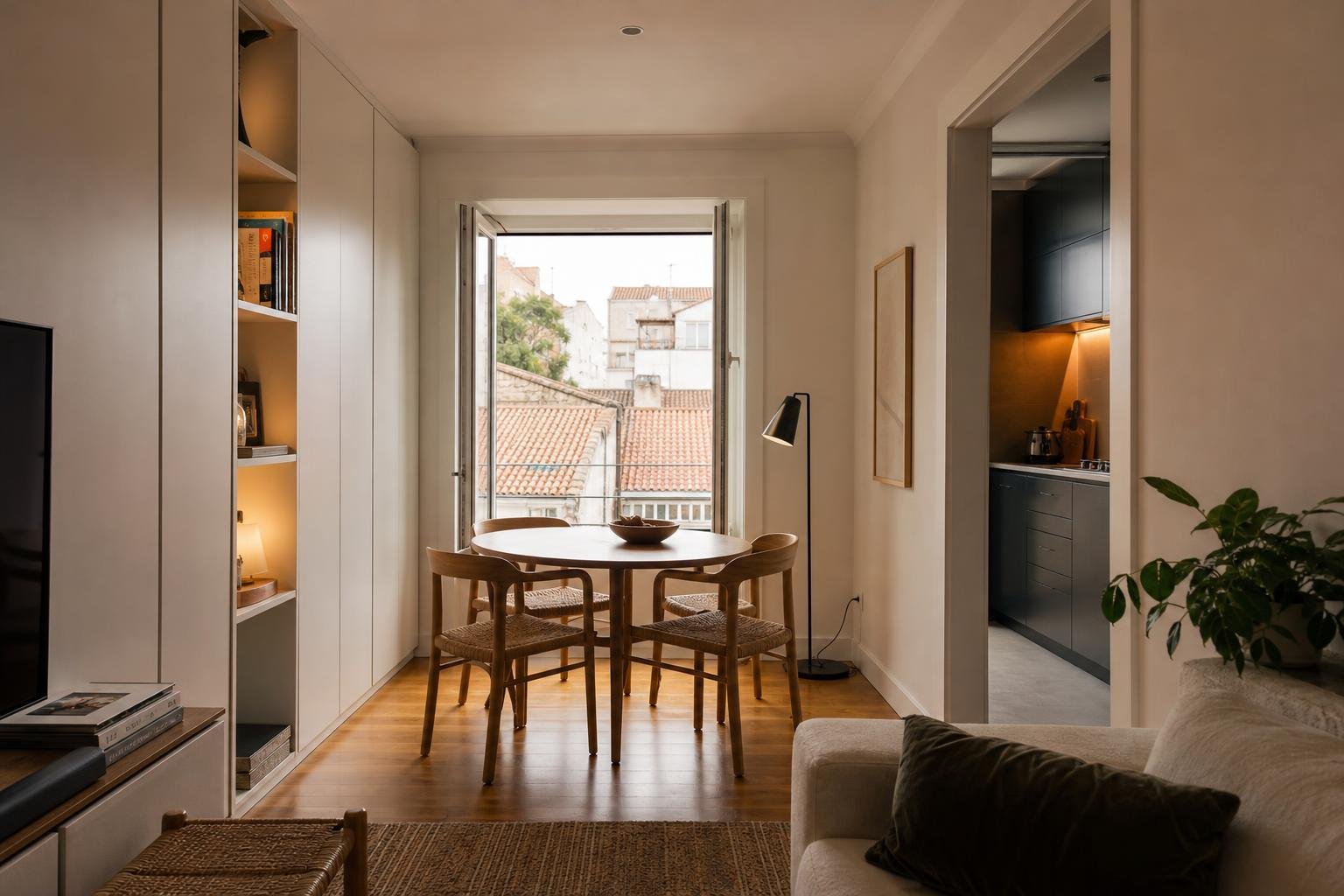
Editorial image; it does not depict an Obra Lisboa project.

Obra Lisboa