A fall in the number of licensed buildings does not prove that fewer Lisbon flats are being renovated. Licensing statistics track urban-development operations and exclude many interior works that do not change structure, façades, roofs or dwelling type; they are useful market evidence, but incomplete for anyone planning a kitchen, bathroom or full apartment renovation.
In Portugal’s second quarter of 2026, 6.2 thousand buildings were licensed, down 7.1% year on year, while new family-housing dwellings licensed rose 10.8%. Before turning those figures into a forecast about prices or contractor availability, it helps to know what they measure, what they miss and which decisions still depend on your building and contract.
Contents
- What happened in the market in the second quarter of 2026?
- Why might an interior renovation not appear in these figures?
- What do the 2026 figures say about time and cost?
- How should you read the market before requesting quotes?
- Which municipal rules still apply when a project needs no licence?
- The useful decision for a Lisbon renovation
What happened in the market in the second quarter of 2026?
The useful reading is not a single headline figure. In the INE release on licensed and completed works for the second quarter of 2026, Portugal licensed 6.2 thousand buildings, 7.1% fewer than in the same period of 2025. Licensed rehabilitation works fell 11.9%, while new family-housing dwellings licensed rose 10.8%.
That combination may look contradictory: fewer buildings, more homes. It is not. A project containing more dwellings per building can increase the dwelling count while building licences fall. The INE publication calendar for September 2026 identifies 11 September 2026 as the release date for this statistical series.
For someone planning a Lisbon renovation, the practical point is straightforward: the figures show formal development and rehabilitation activity, but they do not say how many apartments are replacing services, kitchens or finishes that month. Nor can they show, on their own, whether a contractor will be available.
| Indicator | What it helps show | What it does not confirm |
|---|---|---|
| Licensed buildings | Formal urban-development activity | The total volume of interior renovations |
| Licensed dwellings | Potential future new housing supply | Immediate contractor availability |
| National construction series | The sector’s general direction | A fixed price for your renovation |
Why might an interior renovation not appear in these figures?
Painting, replacement of finishes, cabinets, sanitaryware, lighting and internal services may involve several trades without producing a new entry in the licensed-building series. That does not make the project insignificant or rule-free: technical limits, responsibilities towards neighbours and condominium constraints still apply.
The key distinction is between internal work that remains within the applicable limits and work affecting stability, façades, roofs, use or a legally relevant layout. Removing a wall, moving a kitchen or opening a connection should not be treated as a finishes-only choice. Before ordering materials or starting demolition, check the position and review what still needs preparation in exempt apartment works in Lisbon.
This difference explains why a quick reading of national data can miss the reality of a Lisbon building: there may be fewer licensing applications while several flats in the same block are under renovation.
What do the 2026 figures say about time and cost?
National data are context, not a price list for a home. Renovations have their own cost structure: demolition, protection of lifts and stairs, repairs revealed after opening-up work, existing substrates, bespoke kitchens and equipment can carry far more weight than in new construction.
Do not use a rise or fall in licensing figures as sufficient reason to delay a defined project, and do not accept a quote without a procurement programme and written rules for substitutions. Ask for labour, principal supplies, exclusions, wall-opening dependent work and client decisions to be identified separately.
Availability matters as much as market figures. A firm able to start quickly may still depend on an electrician, plumber, metalworker or window delivery. More qualified businesses do not automatically mean availability when you need it; see how to check that issue in planning renovation availability in Portugal in 2026.

How should you read the market before requesting quotes?
Start with your project rather than a news headline. A useful tender request makes replies comparable and reduces the chance of an apparently cheap price expanding during the works.
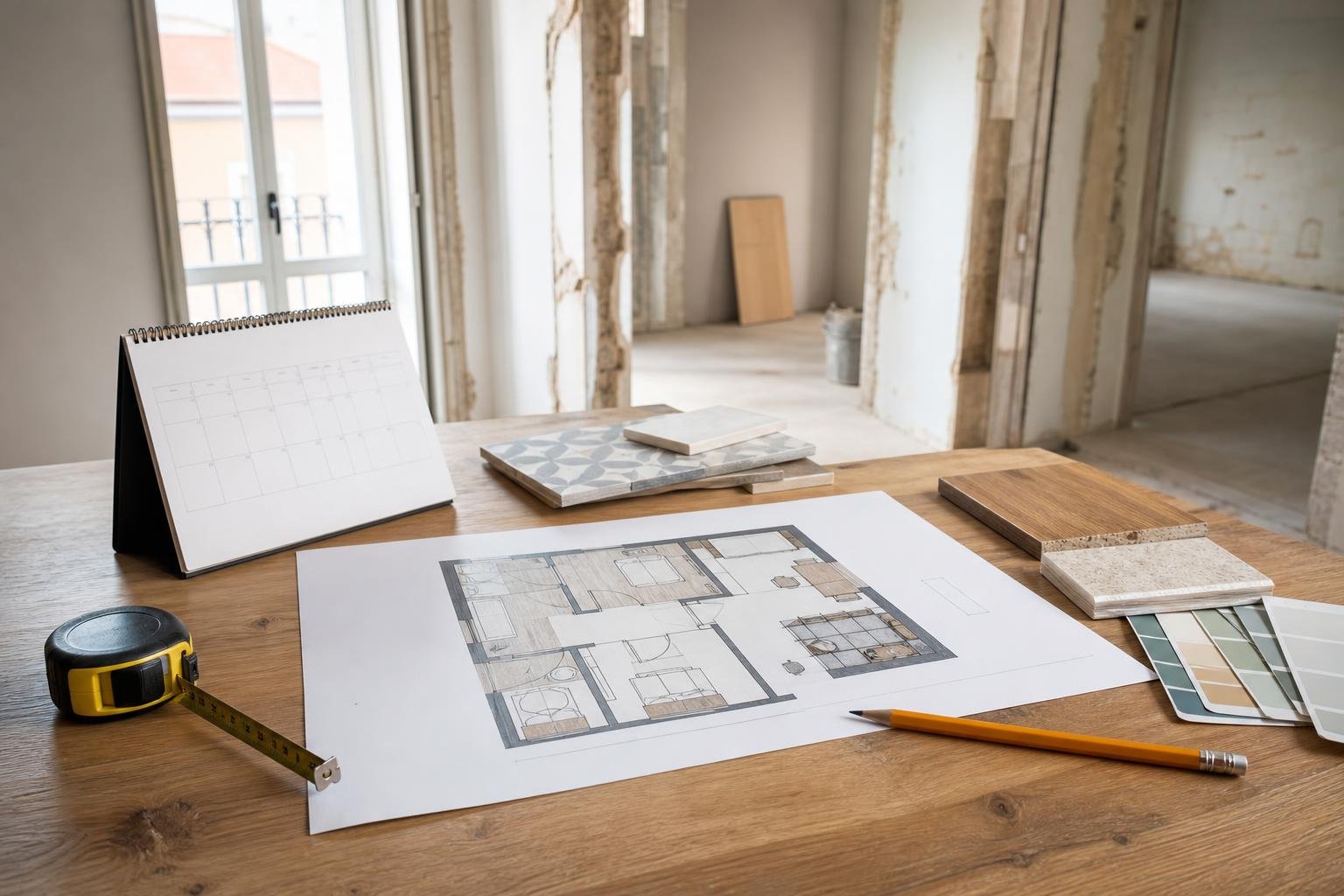
- Define the scope: mark what stays, what is removed and what is replaced in every room.
- Identify critical decisions: kitchen, windows, flooring, electrics, water services and ventilation determine dimensions, orders and sequencing.
- Record building conditions: lift, stairs, permitted hours, protection to common parts, waste removal and delivery access.
- Ask for dates: possible start, estimated duration, appointment deadline and long-lead products.
- Keep a contingency: for genuinely hidden conditions revealed during opening-up works, rather than uncontrolled upgrades.
For every wall being opened or closed, agree who signs off services, strengthening, insulation and electrical points. A renovation interface map prevents a workfront from advancing while essential decisions remain unresolved.
Which municipal rules still apply when a project needs no licence?
“Exempt from prior control” does not mean “free of duties”. Lisbon City Council indicates that certain interior works may fall within that exemption when they do not affect stability or alter relevant external elements. Use of public space can still require a separate procedure. Check the municipal conditions for public-space occupation for exempt works.
In practice, a skip, materials on the pavement, a waste chute or reserved loading space are not details to settle the day before work begins. They can affect pedestrian routes, delivery hours, emergency access and relations with the condominium.
Notification of the start of works is another point to check before booking logistics or demolition. The municipal page on notifying the start of works describes the service and the framework updated under the RJUE; always confirm the specific position for the property and type of intervention.
The useful decision for a Lisbon renovation
Read licensing data as a gauge of formal activity, not as a waiting list for interior renovations. The second-quarter 2026 fall in licensed buildings and rehabilitation work cannot, on its own, measure demand for apartment refurbishments; many such jobs sit outside that count.
Make decisions on two levels. First, follow licensing, costs and availability of specialist trades. Second, which is what will determine your project, settle a verifiable scope, confirm building constraints, prepare access and obtain genuinely comparable proposals.
Where timing matters, do not book demolition simply because a company has an opening. Confirm who coordinates each trade, which products have long lead times and how hidden conditions will be approved. That preparation is more useful than trying to predict the market from one indicator.
Key takeaways
- Licensed buildings and dwellings do not capture every interior renovation in Lisbon.
- Use national data as context, never as a substitute for a detailed project quote.
- Confirm building rules, public-space requirements and trade sequencing early.
- Ask for procurement dates and rules for unforeseen work before appointing a contractor.
If you are preparing a Lisbon renovation, begin by gathering plans, photographs, a list of needs and the condominium’s constraints. Obra Lisboa can help turn that information into a clear work scope, with key decisions and interfaces identified before proposals are requested.
Sources and further reading
- INE release on licensed and completed works for the second quarter of 2026
- INE publication calendar for September 2026
- public-space occupation for exempt works
- notifying the start of works
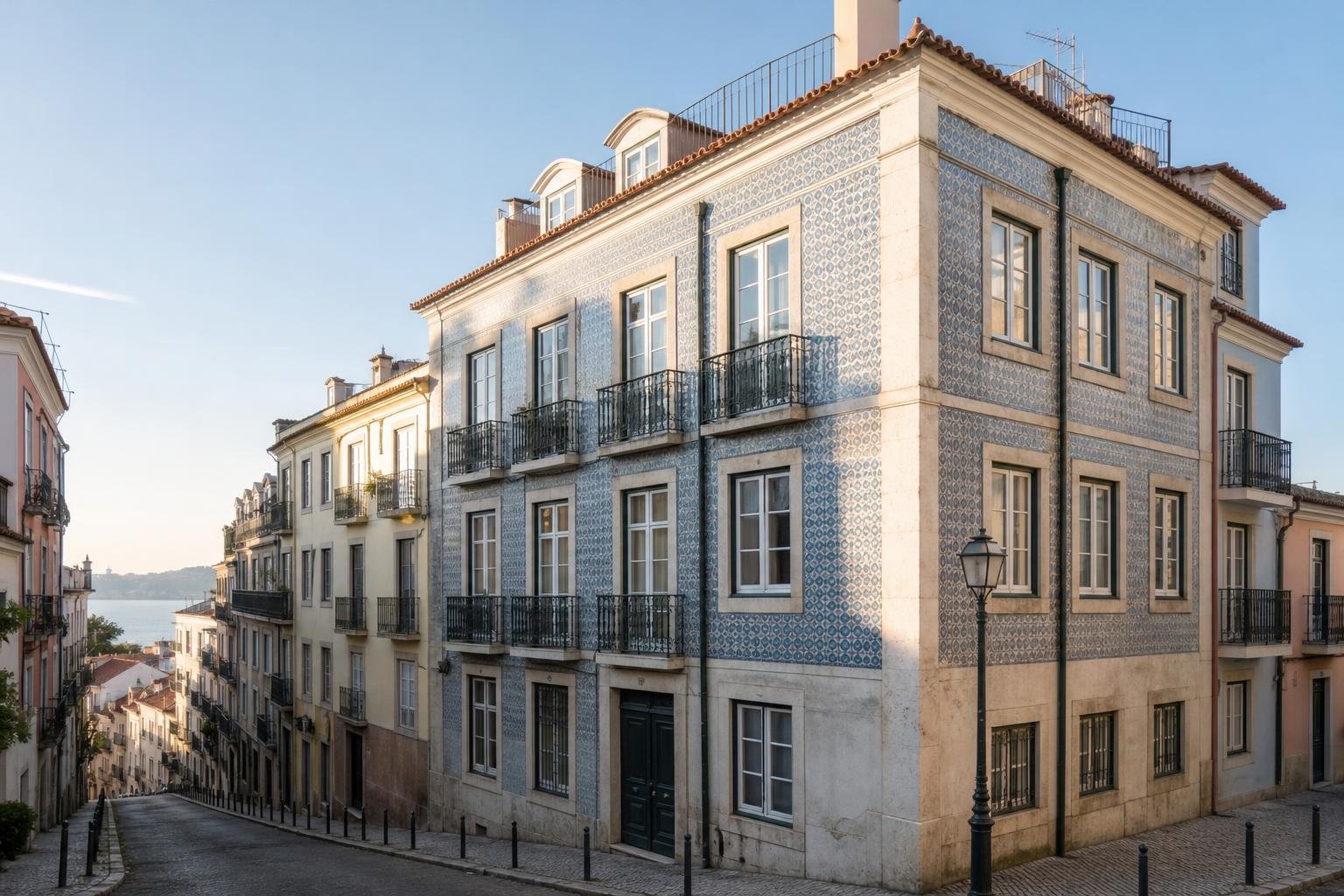
Editorial image; it does not depict an Obra Lisboa project.

Obra Lisboa