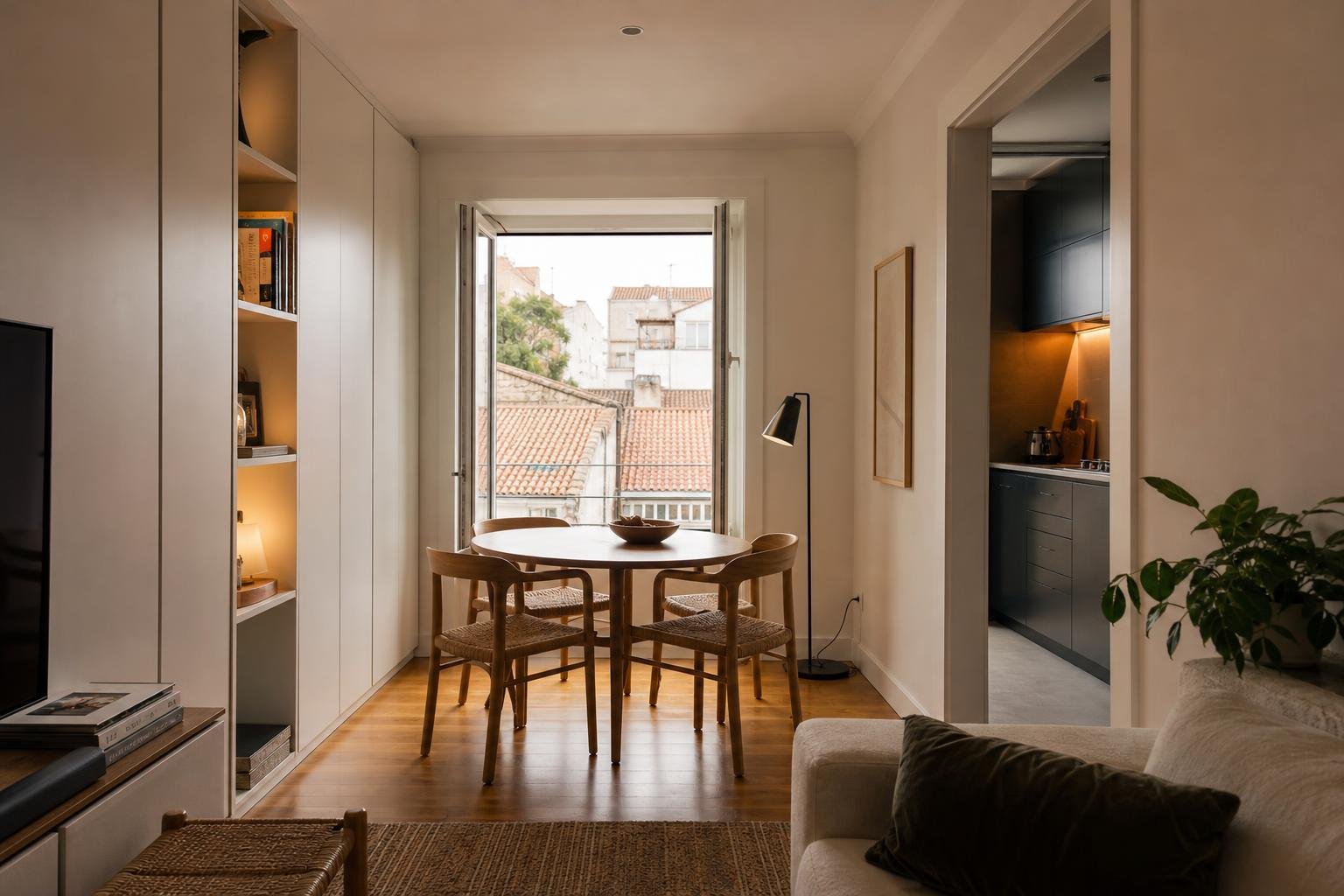
To receive quotes you can genuinely compare, give every contractor the same request pack, with the same scope, drawings, open decisions and reply deadline. Without that common base, two totals can look similar while covering very different work, materials or responsibilities. Before arranging site visits, settle what you already know, flag what remains undecided and set out how exclusions, alternatives and dates must be presented.
Contents
- Why do three prices rarely answer the same question?
- What should go in the pack before a technical visit?
- How do you write the scope without turning the request into an unfinished design?
- What format should you request to avoid unreadable quotes?
- How should you run site visits and answer questions fairly?
- How do you appoint a contractor without reopening the scope on day one?
Why do three prices rarely answer the same question?
A vague request such as “renovate the kitchen and bathroom” allows each contractor to fill the gaps differently. One may allow for demolition, lift protection and full reinstatement of finishes; another may allow only for final fitting. The lower price may therefore cover less work rather than offer a more efficient solution.
The request pack turns an initial conversation into something that can be checked. It should identify the property, work area, current condition, spaces that remain in use and building constraints. In Lisbon, deliveries, lift use, permitted hours and possible pavement occupation can all affect logistics and cost. The council distinguishes exempt internal works from cases where public-space occupation needs notice or a licence; put that constraint in the request from the outset. Check Lisbon’s municipal rules on public-space occupation for exempt works.
You do not need to have chosen every finish. You do need to state what is fixed, what may be substituted and who will approve each alternative.
What should go in the pack before a technical visit?
Start with a short set of dated, numbered documents. The contractor should be able to understand the request without reconstructing the project from scattered phone photographs.
- Available plan and measurements: mark walls to retain, items to remove, doors, equipment and access routes.
- Work description: set out demolition, substrate preparation, building services, finishes, joinery, painting and final cleaning room by room.
- Materials schedule: distinguish “client supplied”, “contractor included” and “to be selected”. Add references, technical sheets or photographs where the finish is critical.
- Existing-condition record: dated photographs of walls, windows, meters, common areas and pre-existing damage.
- Building conditions: condominium rules, lift booking, noise hours, delivery route and proposed waste location.
Before issuing the request, check the building records and rules that may affect access, common areas or the intended work. This avoids pricing based on incorrect assumptions. See which condominium documents to request before renovating.
If the work may involve prior notification, design work or specialist projects, do not treat this as a footnote. Municipal information states that a properly submitted prior notification includes projects, contractor documentation and the identification of applicable technical leads. Review Lisbon City Council’s listed elements for building works.
How do you write the scope without turning the request into an unfinished design?
Write by work element rather than by room alone. “Bathroom” is too broad; “remove existing finish, check substrate, install waterproofing, lay finish, fit sanitaryware and test drainage” makes omissions and overlaps easier to find.
For each item, use four fields: what is required, what is included, what is excluded and what proves completion. For an internal-door replacement, for example, clarify whether the price includes frame, architraves, ironmongery, paint, removal of the old door and repair to the adjoining wall. For electrical work, say whether chasing, back boxes, cabling, accessories, testing and consumer-unit changes are included.
Avoid naming a brand when the actual need is different. Rather than requiring a model before availability is confirmed, state dimensions, performance, colour, preferred warranty and budget limit, asking for any alternative to be identified separately. This discipline also supports version control: keep drawings, choices and approvals in a digital renovation folder with clear versions and approvals.

What format should you request to avoid unreadable quotes?
Ask everyone to use the same format. The aim is not to standardise how contractors work; it is to make visible what each has assumed. A useful quote separates works, materials, labour, equipment, waste removal, VAT, programme and payment terms.
Include this list of mandatory responses in the invitation:
- price by item and total, with VAT clearly shown;
- included materials and brands, or allowances where final selections are still open;
- exclusions, assumptions and work dependent on opening up or diagnosis;
- quote validity, possible start date and estimated duration;
- site lead and intended subcontractors;
- payment programme tied to verifiable stages;
- technical alternatives, shown outside the base price.
Also request the full identity of the party that will contract and carry out the work. IMPIC’s portal allows public searches for private-works contractor licences, certificates and registrations. Check the contractor through IMPIC’s public search before appointment. Also check that a necessary qualification is not pending on a date that could hold up the start: a pending IMPIC qualification can delay a renovation start.
| Field | What it should confirm | Warning sign |
|---|---|---|
| Scope | Included work and supply | Generic description with no quantities or limits |
| Exclusions | What must be separately appointed or paid | Exclusions scattered through the quote with no programme impact |
| Programme | Start, duration and dependencies | “To be agreed” with no stated conditions |
| Payments | Stages tied to verifiable work | Large advance with no identified materials or milestone |
How should you run site visits and answer questions fairly?
Arrange separate visits, but give every contractor the same access to information. Take the plan, show meters, visible service risers, the electrical panel, delivery routes, possible parking and areas that need protection. If you will remain living in the home, say so at once: sequencing, protections and periods without water or power will change.
After each visit, record every question. Send answers that alter scope to all bidders in a numbered update. Do not clarify a condition by phone with only one contractor and expect the others to guess the new requirement. If you discover, for instance, that the condominium permits deliveries only within a set time window, that needs to enter the revised pack.
Ask each contractor to identify intended subcontracted work and who keeps coordination responsibility. IMPIC’s FAQ distinguishes qualification documents for private-works contractors; use that check to confirm the party named in the quote, then write down who is responsible for coordination, communication and warranty. Confirm IMPIC’s explanation of qualification documents for private-works contractors.
How do you appoint a contractor without reopening the scope on day one?
Compare compliance first and the total second. Make a simple matrix: each row is an item from the request pack and each column is a quote. Mark “included”, “excluded”, “allowance”, “alternative” or “to confirm”. Add separately the values left outside the base price. A higher quote that is complete and realistically programmed can leave less cost unresolved.
Before appointment, close the important differences in writing: materials, number of sockets, wall preparation, protection of common areas, waste removal, testing, cleaning and handover records. Attach the accepted quote, revised request pack, programme and exclusion list to the contract. Any later change should identify the affected item, price, programme effect and approval.
Do not release the first payment simply because the start date is approaching. Tie it to a clear condition: signed contract, validated documents, identified order or evidenced materials. To reduce disputes during the work, maintain a record of versions, decisions and deliveries; organisation starts before the first demolition, not on the first day on site.
Key takeaways
- Send the same version of the request pack to every invited contractor.
- Separate inclusions, exclusions, allowances and alternatives before comparing totals.
- Issue every clarification that changes the request in writing after site visits.
- Appoint only when price, programme, responsible parties and contract attachments align.
If you are preparing a renovation in Lisbon, gather plans, photographs and decisions already made before asking for prices. Obra Lisboa can review that starting point and provide a renovation proposal with defined scope and stages.
Sources and further reading
- Check the contractor through IMPIC’s public search
- Confirm IMPIC’s explanation of qualification documents for private-works contractors
- Review Lisbon City Council’s listed elements for building works
- Check Lisbon’s municipal rules on public-space occupation for exempt works
Editorial image; it does not depict an Obra Lisboa project.

Obra Lisboa