An air purifier can reduce airborne particles in a closed room, but it will not fix damp, mould, inadequate extraction or a continuing source of pollutants. In a Lisbon flat, it is most useful as temporary support during smoke, dust or nearby building works, or in a bedroom used by someone who is sensitive to poor air. Before buying, decide which room needs it, what is causing the concern and how you will return to normal ventilation when outdoor air allows.
Contents
- Start by identifying the problem you are trying to solve
- When should you keep a room closed for a few hours?
- How to choose the room and place the unit
- What to check before buying
- During wildfire smoke, cut indoor sources as well
- Make the purchase part of a longer-term comfort plan
Start by identifying the problem you are trying to solve
Indoor air deteriorates for different reasons: particles entering from outdoors, cooking fumes, renovation dust, cleaning products, candles, persistent moisture or insufficient ventilation. The Portuguese Directorate-General of Health notes that cooking, cleaning, smoking and burning candles or incense also affect indoor air. A unit that recirculates air through filters may help with particles, but it cannot remove the cause of a leak or replace fresh-air exchange.
Run a simple one-week check:
- note which room feels uncomfortable and at what time;
- separate a damp smell, cooking odours, visible dust and smoke from outside;
- check whether the issue coincides with open windows, street works, cooking or drying laundry;
- look for stains, condensation and leaks before blaming the air alone.
If there is mould on silicone, a wall or behind furniture, identifying water ingress, condensation or inadequate ventilation comes first. A purifier may improve comfort while the source is being addressed, but it will not stop fungi growing on a damp surface. See how to deal with mouldy shower silicone without concealing a leak.
When should you keep a room closed for a few hours?
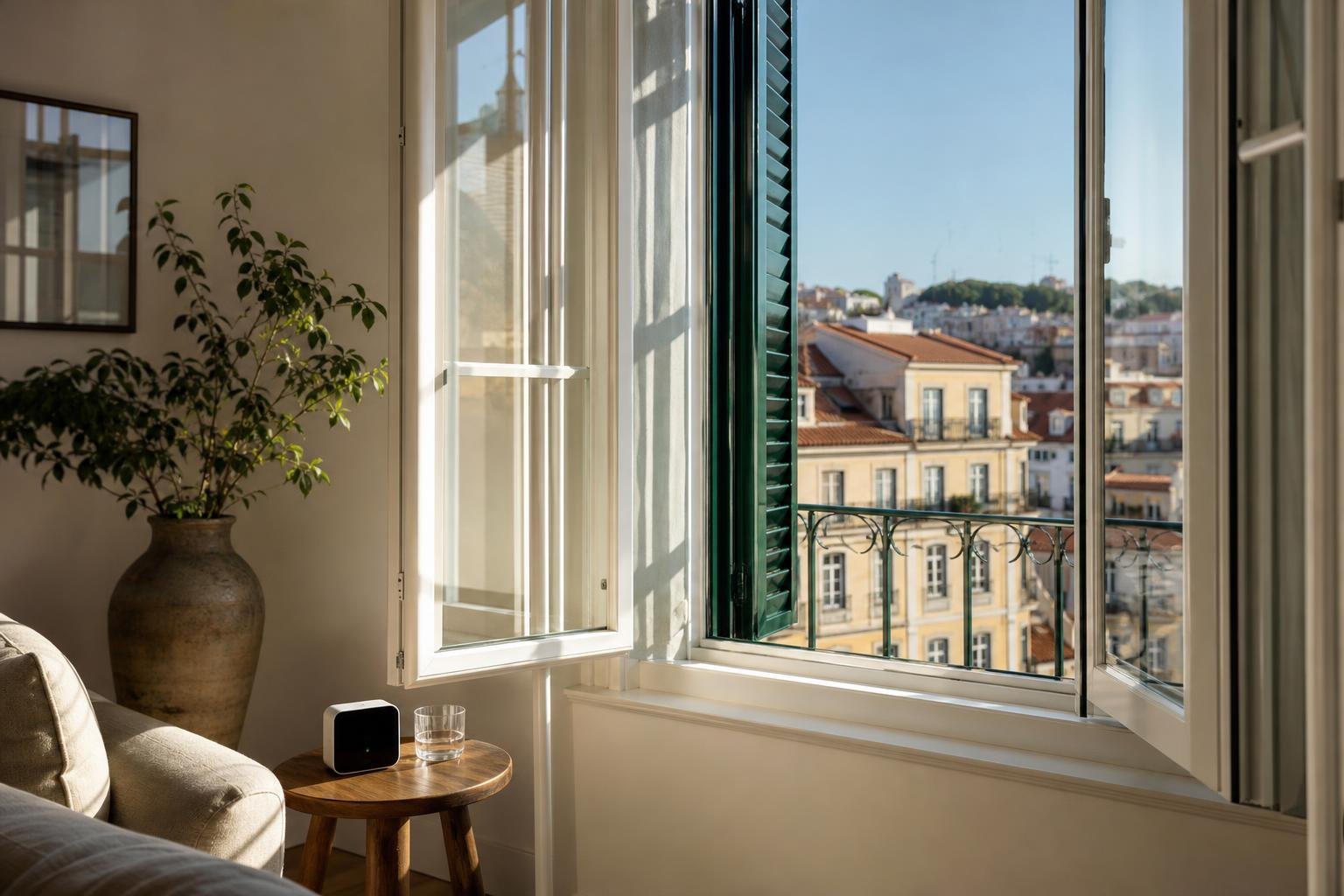
As a rule, a home needs daily ventilation. DGS recommends airing a home for at least ten minutes a day and while activities release moisture or pollutants, including cooking, washing, drying clothes indoors and bathing, whenever outdoor conditions permit. Its general indoor-air guidance is a useful basis for that routine.
There are temporary exceptions. During wildfire smoke, intense dust or clearly noticeable outdoor pollution, throwing every window open can bring more particles indoors. At those times, choose a cool room, close doors and windows, avoid indoor sources of smoke and run the purifier in that room. Once the episode has passed, return to regular airing to lower accumulated CO₂, moisture and odours.
Do not turn this into a permanent summer habit. Keeping a hot home shut for too long, especially while laundry is drying or several showers are being used, can encourage condensation. The approach should be short and targeted: protect the air in one room while conditions outside are worse, then exchange air again when it is safe and useful.
How to choose the room and place the unit
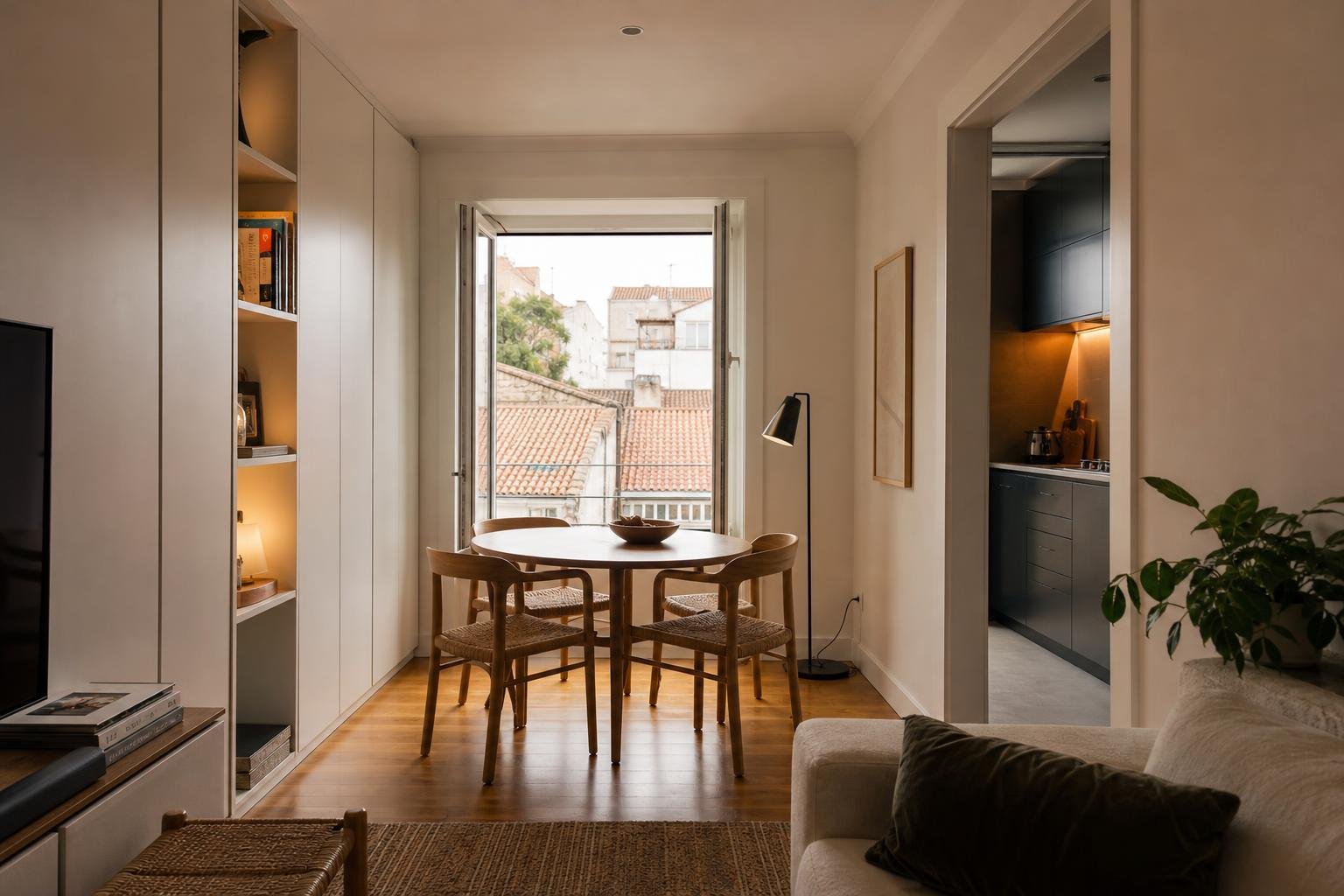
Start with the bedroom where someone sleeps, a living room used for long periods or a room that can act as a refuge during a smoke episode. Do not expect one device in a corridor to treat the whole flat: doors, walls and separate air volumes limit its practical reach.
- Measure the room’s approximate floor area and ceiling height before comparing units.
- Choose a stable location with clear space around air inlets and outlets.
- Keep it away from curtains, tight corners, radiators, direct kitchen steam and places where it can be knocked over.
- Keep doors and windows closed while using it for the specific purpose of reducing outdoor particles.
- Do not put it beside the bed if its noise disrupts sleep; test the needed speed before deciding on a permanent location.
An internal bedroom can be a good choice on smoky days if it is easier to keep cool. A bathroom or kitchen, however, should not depend on a purifier to compensate for missing extraction: those rooms need to remove moisture, odours and combustion gases at source.

What to check before buying
Read the technical sheet as an operating document rather than an advert. Check the manufacturer’s stated room area or volume, filter type and replacement availability, noise at the speeds you will actually use, electricity consumption and filter access for maintenance. Compare units for the same room; a headline rating without a link to bedroom size tells you very little.
Avoid deciding on extra functions alone. Ionisation, fragrances and vague “healthy air” promises do not replace clear information about filtration, airflow and maintenance. If someone in the household has asthma, heart disease or another respiratory condition, treat the unit as a complement and follow the clinical advice already in place.
It is also worth checking whether the real issue is air conditioning. An air-conditioning unit can cool or heat, but it is not the same as ventilation. During smoke events, DGS advises using recirculation mode where available and keeping filters clean; at other times, the home still needs fresh-air exchange. Read why air conditioning does not ventilate your home before planning a permanent solution.
During wildfire smoke, cut indoor sources as well
A purifier has a better chance of helping if it is not competing with new particles created indoors. DGS advises staying inside with doors and windows closed, using air conditioning on recirculation where available, and avoiding household activities that increase indoor pollution, including frying, sweeping, vacuuming and using gas or wood-burning appliances. See the DGS guidance on health effects of wildfire smoke.
For a few hours, in practical terms:
- prepare simple meals that do not require frying;
- use a damp cloth rather than dry sweeping;
- do not burn candles, incense or use a fireplace;
- keep children, older people and people with respiratory conditions in the coolest, most protected room;
- replace or clean filters as instructed, without shaking dust back into the flat.
If breathlessness, chest tightness, dizziness or worsening respiratory symptoms occur, a purifier is not a clinical response. Seek medical advice or urgent care according to the severity of symptoms.
Make the purchase part of a longer-term comfort plan
A portable purifier is one protective layer, especially useful for specific episodes. Lasting comfort depends on dealing with causes: poor seals that admit dust, undersized extraction, condensation on cold walls, unmaintained air-conditioning filters or an air path that does not suit how the home is used.
Before the hot, dry season, follow the IPMA rural fire-danger information and prepare one room with curtains, water, chargers, regular medication and a cleaned unit ready to use. That avoids making every decision on a day affected by smoke or intense heat.
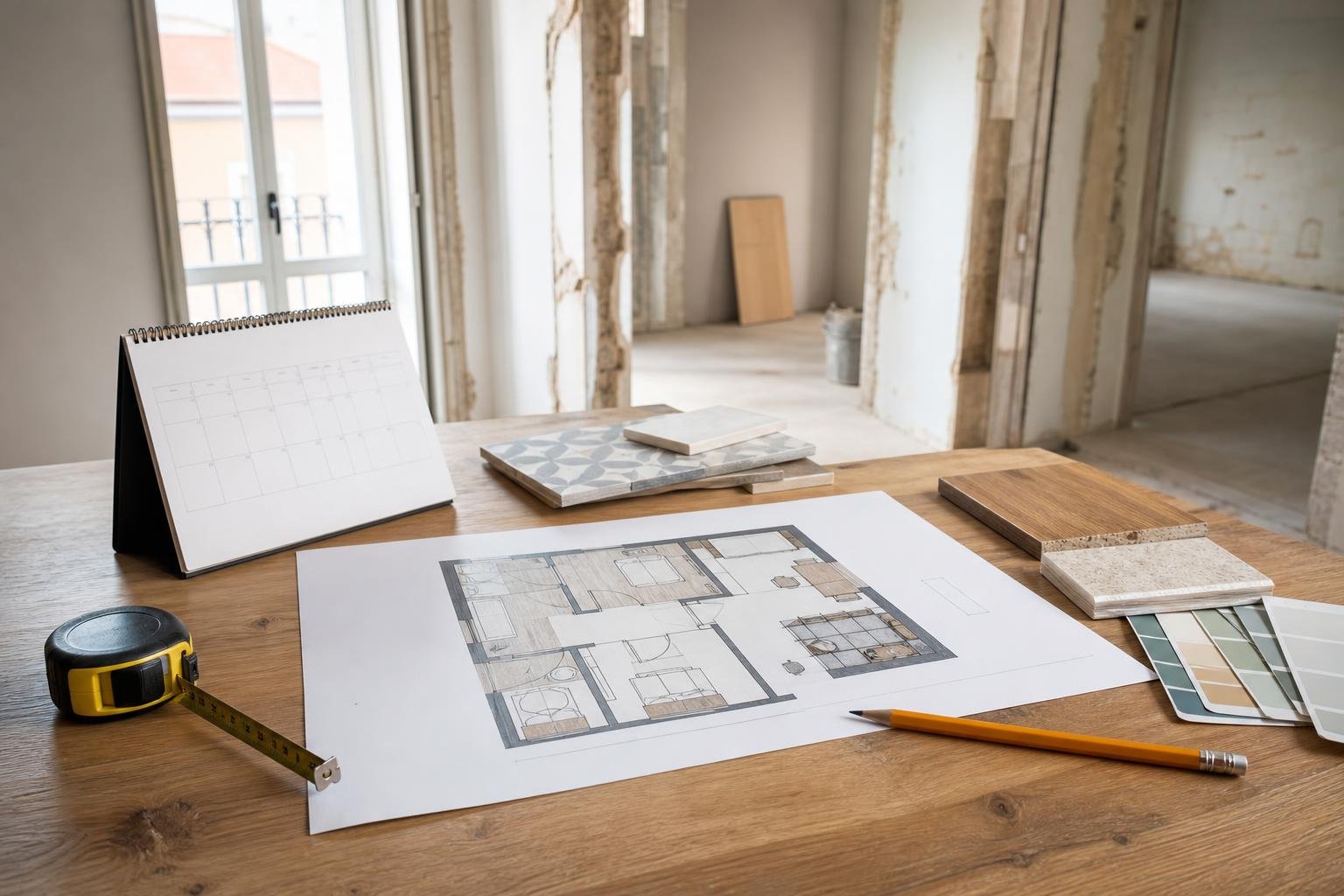
During a renovation, allow for extraction, air paths, filter access and equipment locations that do not obstruct circulation. That preparation is simpler than trying to correct the arrangement after walls have been closed.
Key takeaways
- Use an air purifier for a specific room and a defined problem, not as a generic answer for an entire flat.
- On smoky days, reduce outdoor air entry and indoor particle sources at the same time.
- Resume ventilation when outdoor conditions allow; filtered air does not remove CO₂, moisture or the cause of a leak.
- When renovating, plan ventilation and extraction before relying on portable equipment.
If your home needs thermal comfort, ventilation and moisture control to work together in a renovation, ask Obra Lisboa to include those requirements in the survey and work planning before walls are closed or equipment is ordered.
Sources and further reading
- Portuguese Directorate-General of Health notes that cooking, cleaning, smoking and burning candles or incense also affect indoor air
- general indoor-air guidance
- DGS guidance on health effects of wildfire smoke
- IPMA rural fire-danger information
Editorial image; it does not depict an Obra Lisboa project.

Obra Lisboa