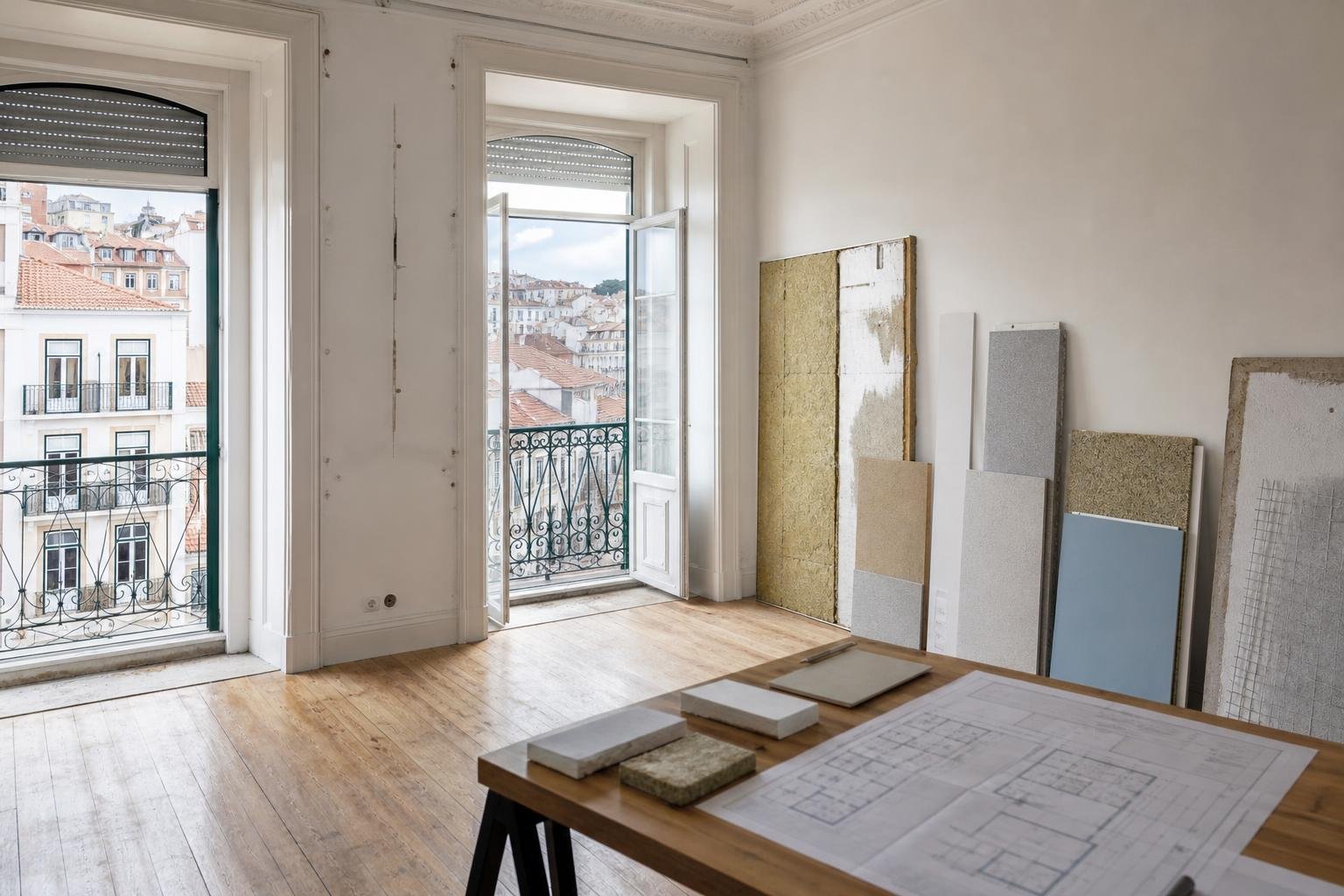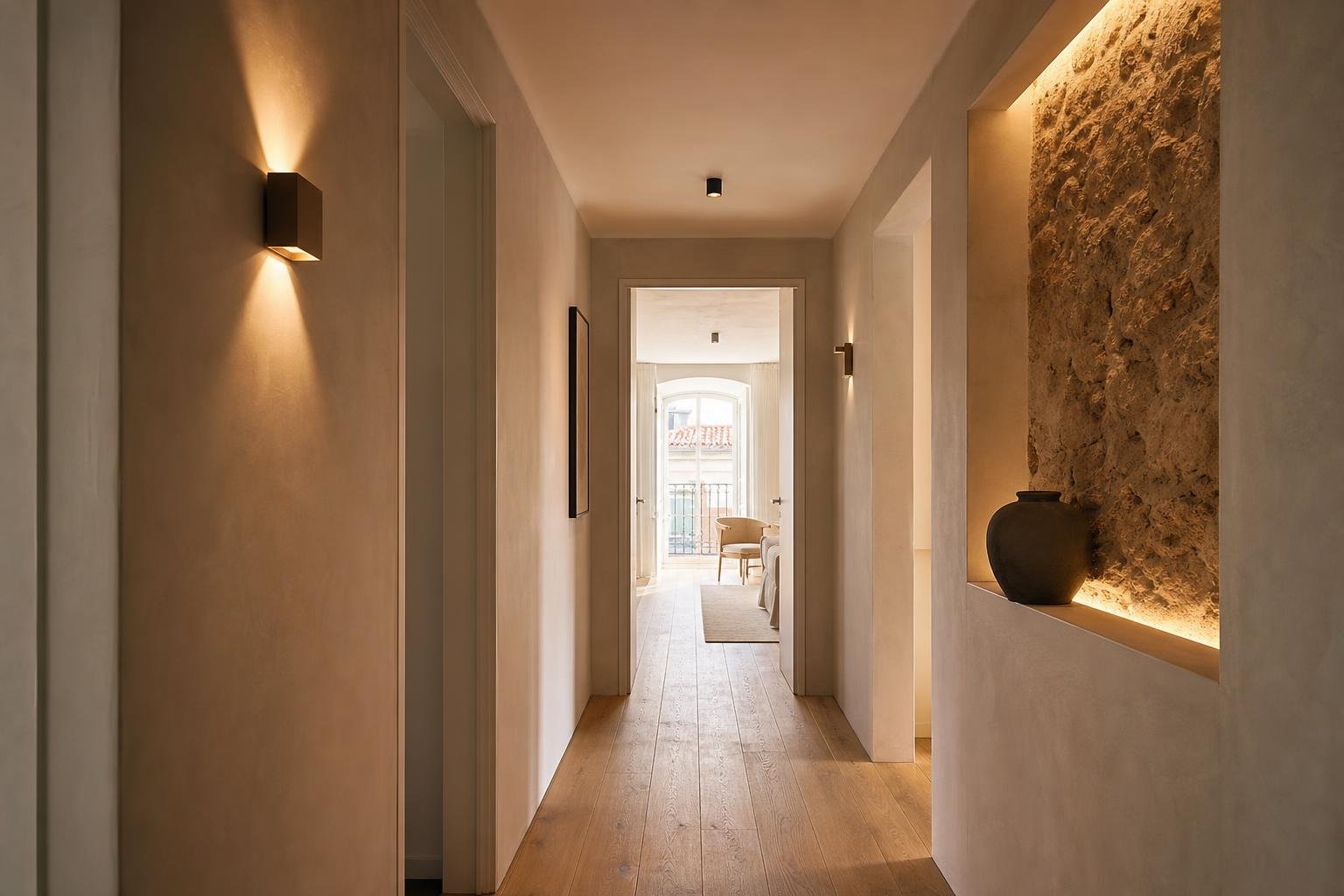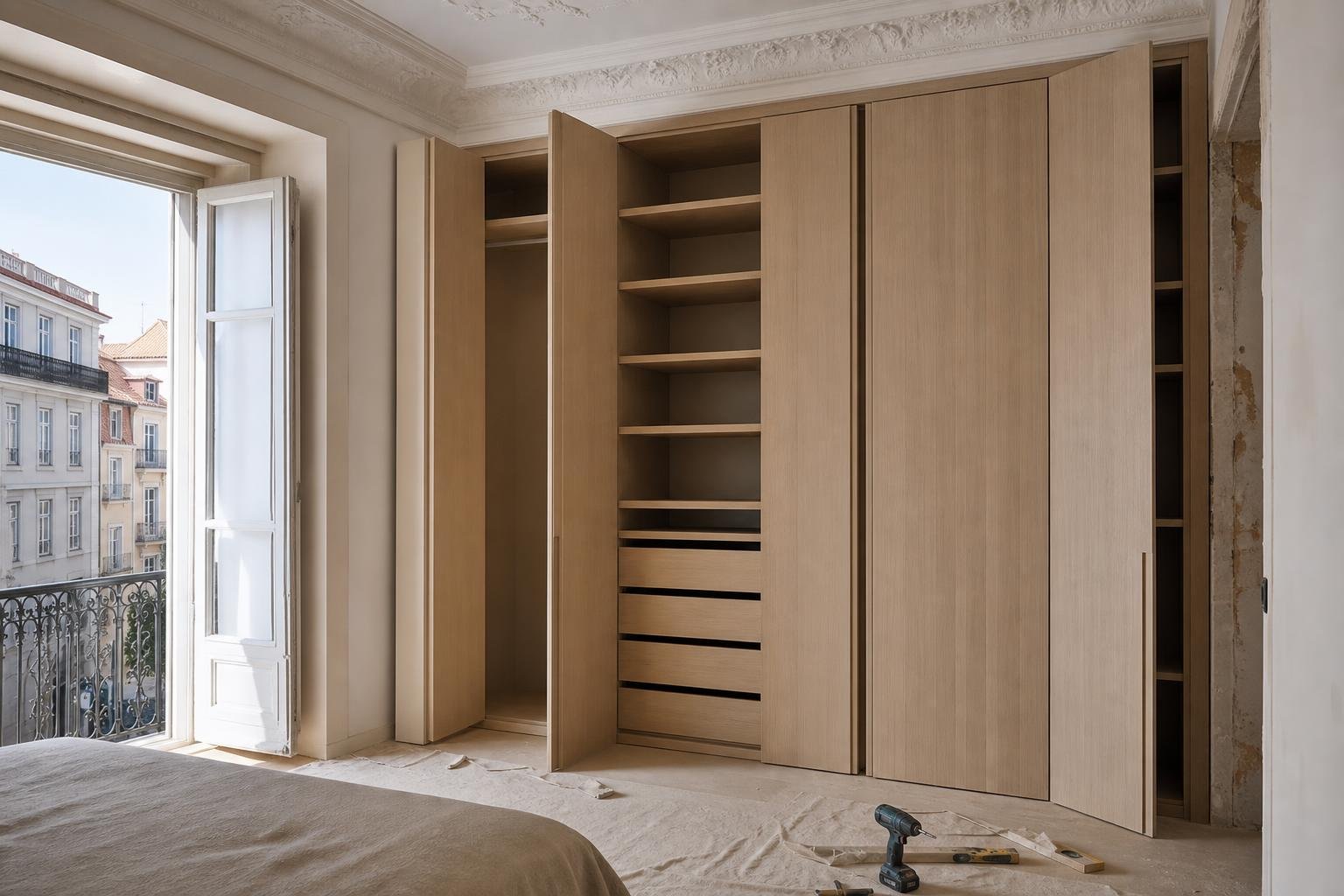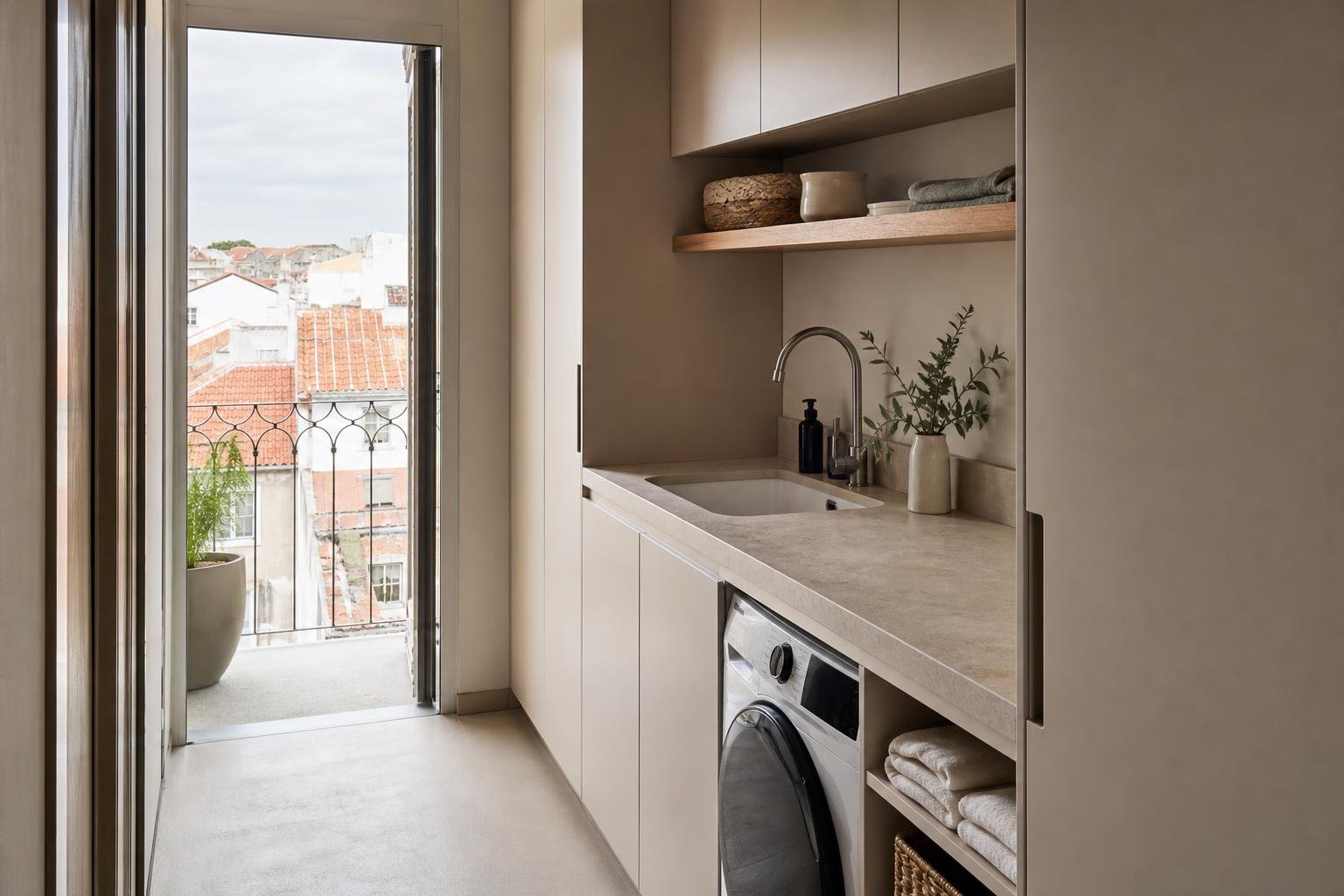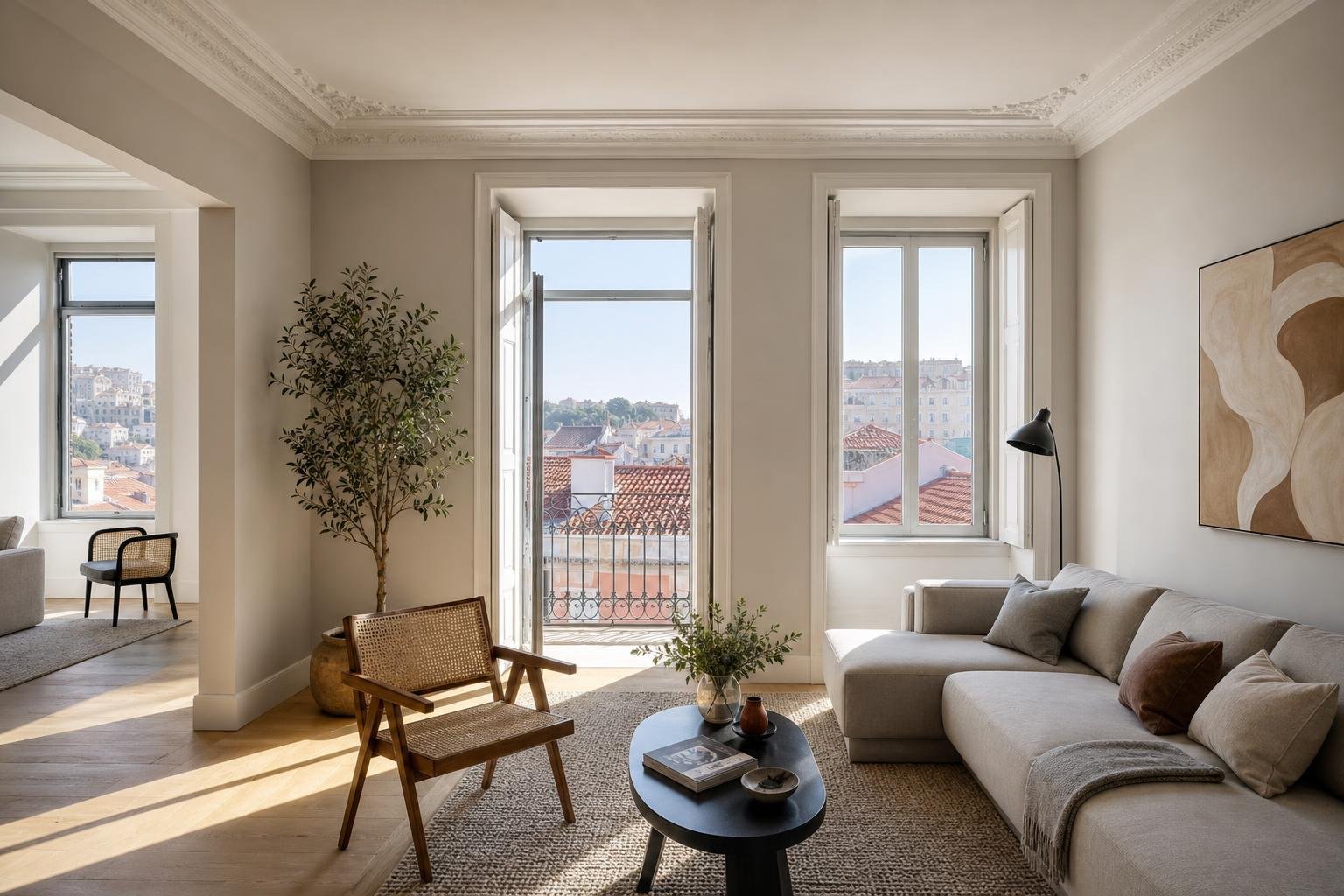
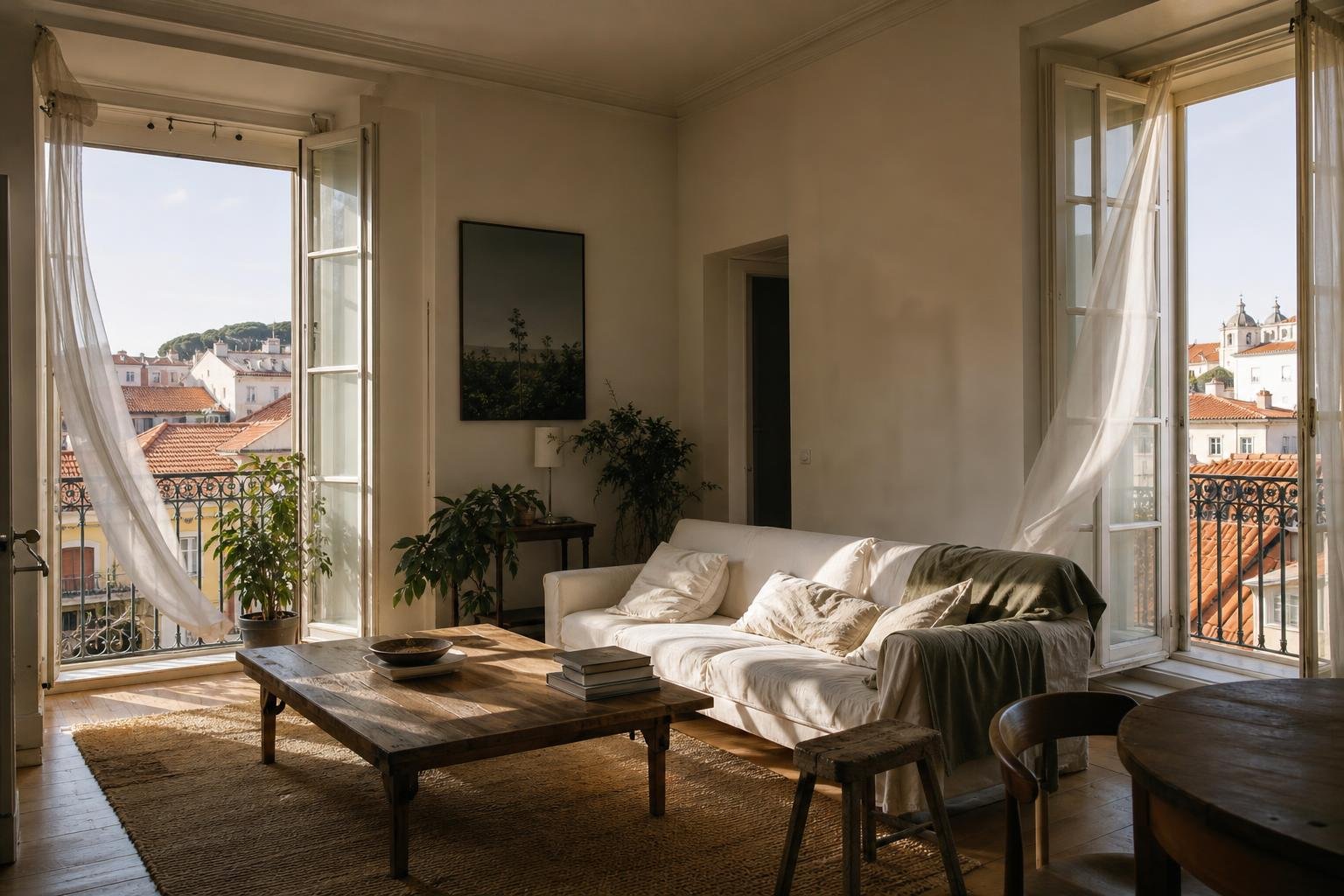
Opening a window for five minutes may make a stuffy room feel better; creating reliable air renewal is something else. In a Lisbon apartment, cross ventilation happens when air enters through one side and finds a useful exit through another, moving across rooms instead of sitting near the window. It is a simple principle, yet it depends on the plan, orientation, wind, internal doors and moisture sources.
Before considering vents, fans or building work, it is worth understanding how the home already breathes. Portugal’s health authority recommends daily airing and stronger ventilation while cooking, bathing, cleaning or drying laundry indoors. It also identifies excess moisture as a contributor to condensation and mould. Read the DGS indoor-air recommendations.
This guide explains what can be improved through daily use, joinery adjustments and modest works — and when poor airflow calls for a more complete technical design.
First, separate cross ventilation from simply opening windows
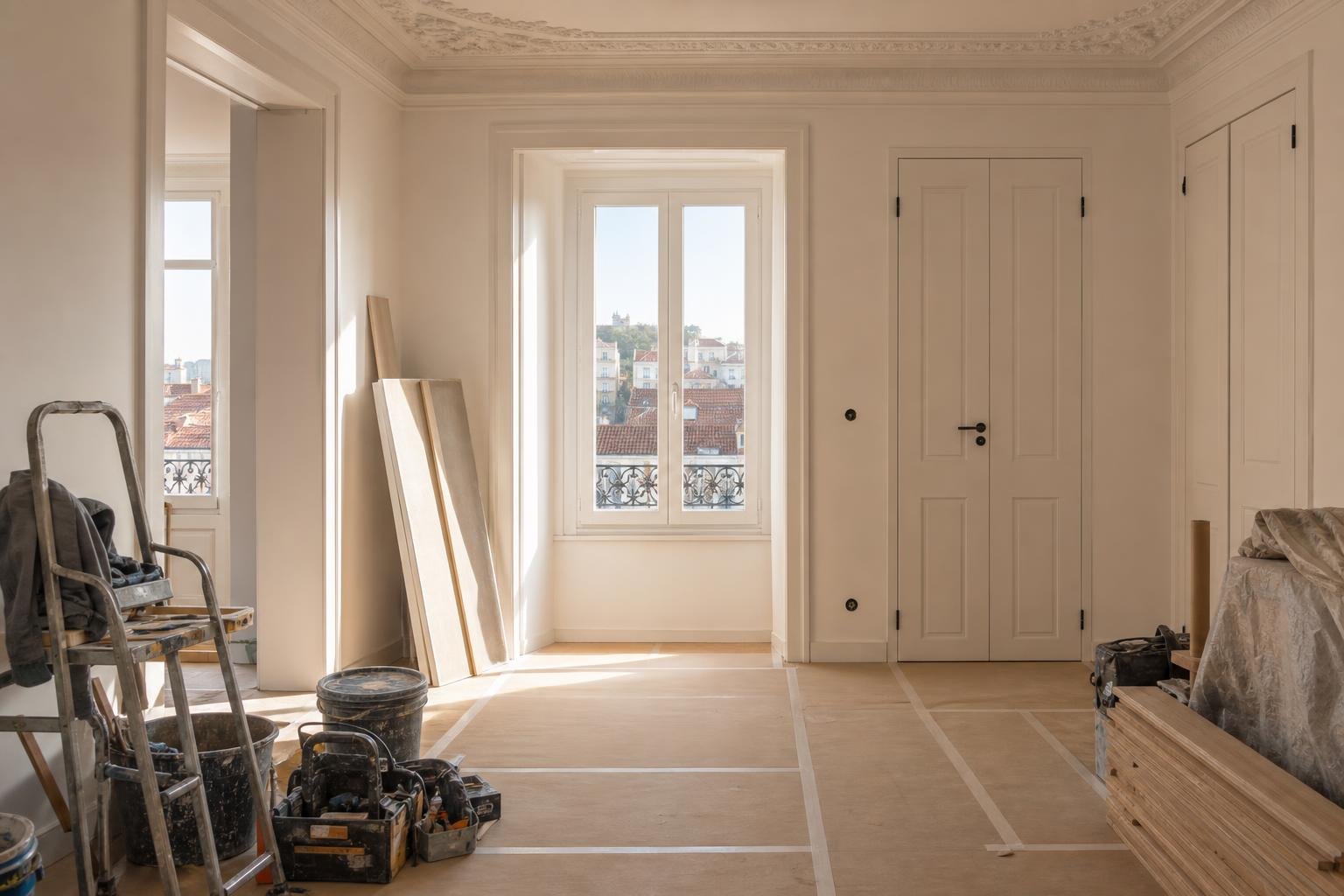
Having several windows does not automatically create cross ventilation. You need an air inlet and outlet in different positions, with a reasonably unobstructed path between them. Two windows on the same façade can improve the immediate feeling of fresh air, but they usually renew the air in the deepest part of the home less effectively than openings on opposite or adjacent façades.
Try a simple check on a dry day: partly open a window in the likely inlet room and another in a distant room; leave internal doors open; observe whether a lightweight curtain or strip of paper responds along the route. The aim is not to measure airflow with makeshift tools, but to identify continuity. Repeat in the morning, late afternoon and evening. In Lisbon, the difference between an exposed façade and a sheltered lightwell can substantially change the result.
Do not carry out this test close to flames, gas appliances or operating extractors. Ventilation does not replace checking the safe operation and flue arrangements of combustion equipment.
If the apartment has openings on only one orientation, look for realistic alternatives: shorter, more intensive airing periods, effective extraction in wet rooms and air transfer between rooms. Our guide to ventilation in renovated homes provides useful context for those choices.
Map the air route before buying any equipment
On a plan — even a hand-drawn one — mark windows, doors, high-level openings, existing grilles, extract fans and areas where condensation appears. Then identify the rooms producing the most vapour and odours: kitchen, bathroom, laundry area and any bedroom where clothes are dried. A sound strategy brings cleaner air towards living rooms and bedrooms, then directs moisture-laden air towards extraction points.
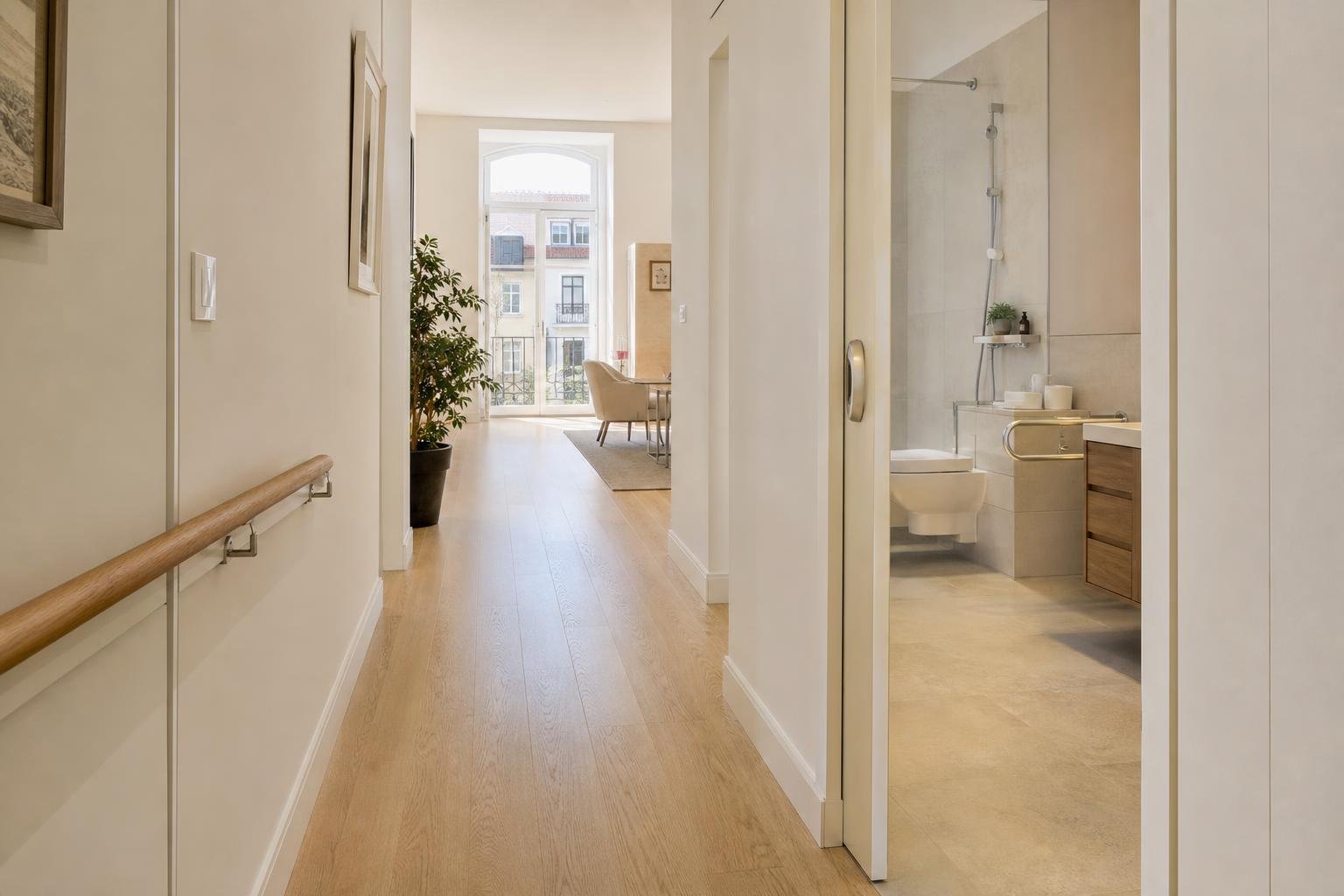
A living room linked to a corridor and an internal bathroom should not rely on every door being left wide open all day. Yet fully sealed doors can interrupt airflow. During renovation, the answer may involve suitable under-door clearance, discreet transfer grilles or other measures designed by a competent professional, without undermining privacy, acoustic comfort or fire performance where relevant.
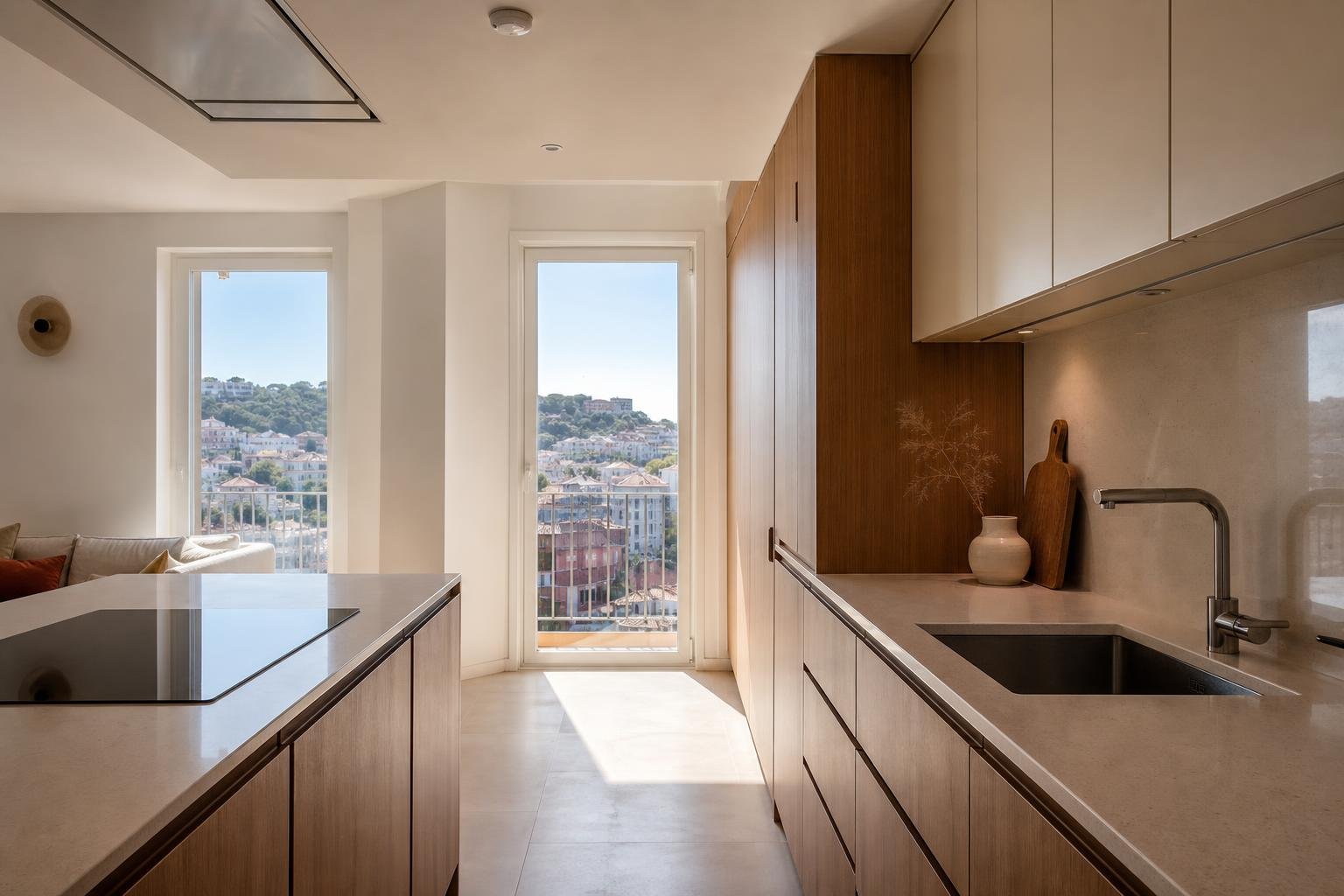
Avoid creating a shortcut from the kitchen to a bedroom if cooking odours will pass through the sleeping area. The kitchen needs effective extraction; cross ventilation can dilute loads across the home, but it cannot correct a missing, blocked or poorly sized extract route. For the specific constraints involved, read our guide to kitchen extraction without a direct outdoor vent.
Use windows according to time, noise and heat
A good strategy is not about leaving everything open all day. On streets affected by traffic, building work or higher particle levels, choose concentrated periods when outdoor conditions are more favourable. The DGS notes that indoor-air quality also depends on outdoor air, and that cooking, cleaning, smoking, candles, incense, people and pets all add pollutants indoors. See the DGS overview of indoor-air quality.
In summer, natural ventilation can be especially useful once the outdoor temperature falls below the indoor temperature, notably later in the day and overnight. ADENE highlights the combination of shading to limit solar gains and natural ventilation to remove accumulated heat at those times. Read ADENE’s note on summer comfort.
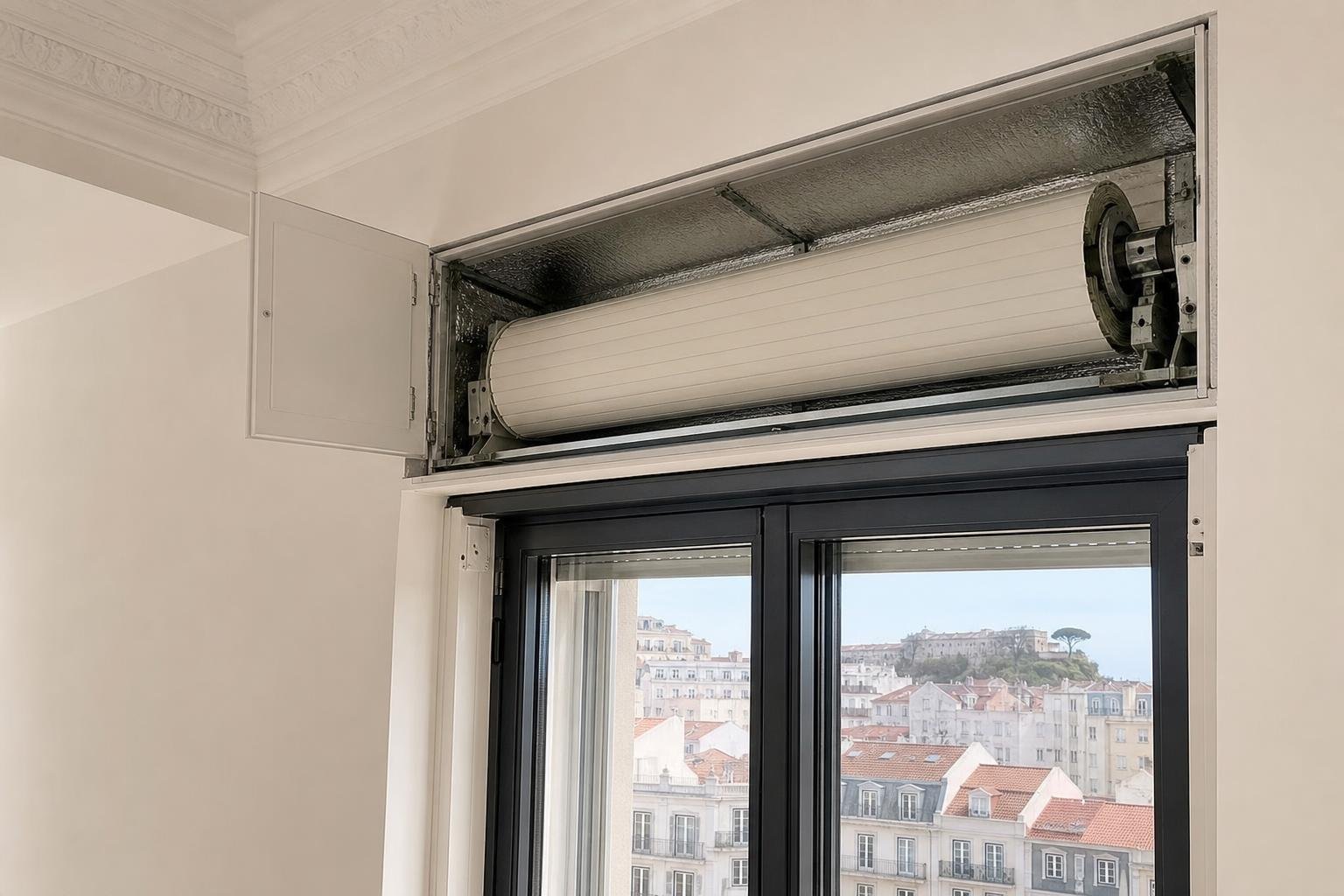
In practical terms, close shutters, external blinds or shading during direct sun, then purge the air once the façade is in shade. In a bedroom facing a busy avenue, airing the home through two sides for 10 to 15 minutes before bed may work better than sleeping with a fully open window. The right duration depends on occupancy, volume, weather and moisture sources; observe condensation, odours and comfort rather than following one fixed number.
Do not mistake everyday moisture for a leak
Water droplets on glazing after a shower, slow-drying towels and a stale smell can point to inadequate ventilation. But marks that appear after rain, deteriorated plaster beside an external wall, or damp concentrated around pipework may indicate water ingress or a leak. Opening windows will not repair a building defect.
Separate the signs by pattern: condensation is more likely on cold surfaces and during humid weather, often behind furniture placed tightly against a wall; water ingress tends to follow a joint, roof, external wall, sill or installation. The DGS states that excess moisture can cause condensation on cold surfaces and encourage mould. Removing the water source must therefore come before repainting or applying anti-fungal products.
Temporarily move wardrobes and sofas away from external walls so that you can inspect the area and allow it to dry. Check window seals, drains, traps and sealant joints, but do not close up walls simply to hide the issue. Where a leak is suspected, diagnosis and repair come first; ventilation then helps the space dry and reduces the risk of recurrence.
Small changes that can genuinely improve performance
Not every improvement requires demolition. A warped door that will not open fully, a window with faulty hardware, an external grille clogged with paint, or a bathroom extractor that no longer runs can interrupt the whole air route. Start by repairing what is already there and clean accessible items in line with the manufacturer’s instructions.
- Windows: check the usable opening, weather-tightness when shut and safe ventilation when partly open.
- Internal doors: review frames, opening direction and obstructions that stop air moving between zones.
- Bathroom: use extraction during and after showering; do not rely only on an open door to remove steam.
- Laundry: avoid drying clothes in cold rooms without extraction; concentrate that moisture load in a ventilated area.
- Furniture: leave some clearance at walls prone to condensation so inspection and drying remain possible.
If you are replacing windows, do not select them solely for glazing or appearance. Opening position, safety, maintenance and their place within the home’s ventilation strategy should all influence the decision. Read our practical guide to replacing windows during a Lisbon renovation before confirming an order.
When an adjustment becomes a building intervention
Creating new openings, changing façades, altering shared ducts, fitting external equipment or working on structural elements should not be treated as a simple ventilation improvement. In an apartment building, there are also condominium rules, façade compatibility, noise and future maintenance to consider.
In Lisbon, the planning route depends on the type of work and the property. The municipality explains that licensing may apply to construction, reconstruction, extension, alteration, conservation and demolition works, so the specific position should be checked before proceeding. Consult Lisbon’s building-work licensing service.
Bring in a qualified professional when the solution involves ducts, mechanical ventilation, combustion appliances, replacement windows on a protected façade, demolition or persistent mould and water-ingress signs. Good decisions begin by recognising the boundary between improving habits and changing the building.
Planning a renovation and looking to coordinate ventilation, windows, extraction and comfort without redundant work? Obra Lisboa can help structure the technical decisions before work begins.
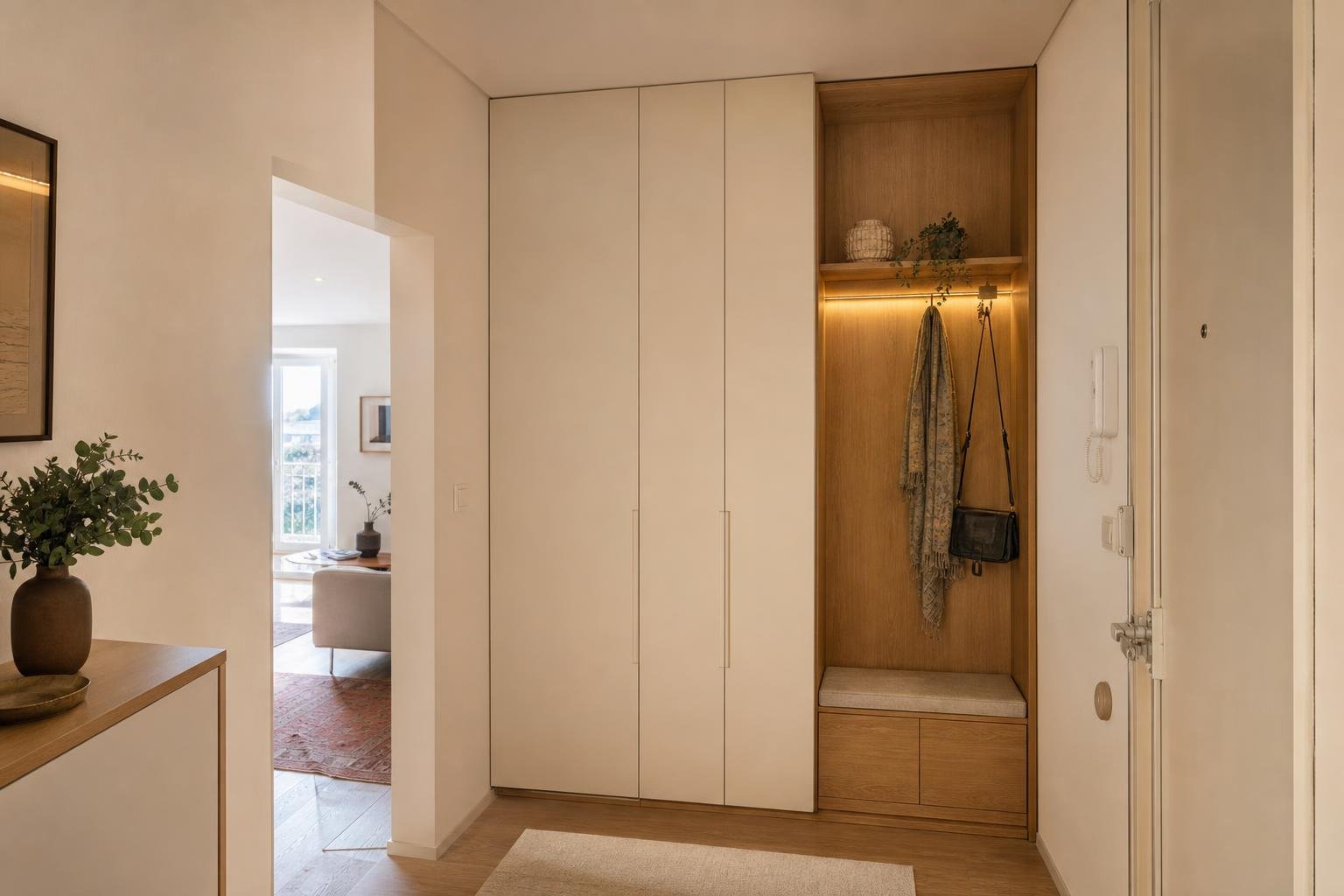
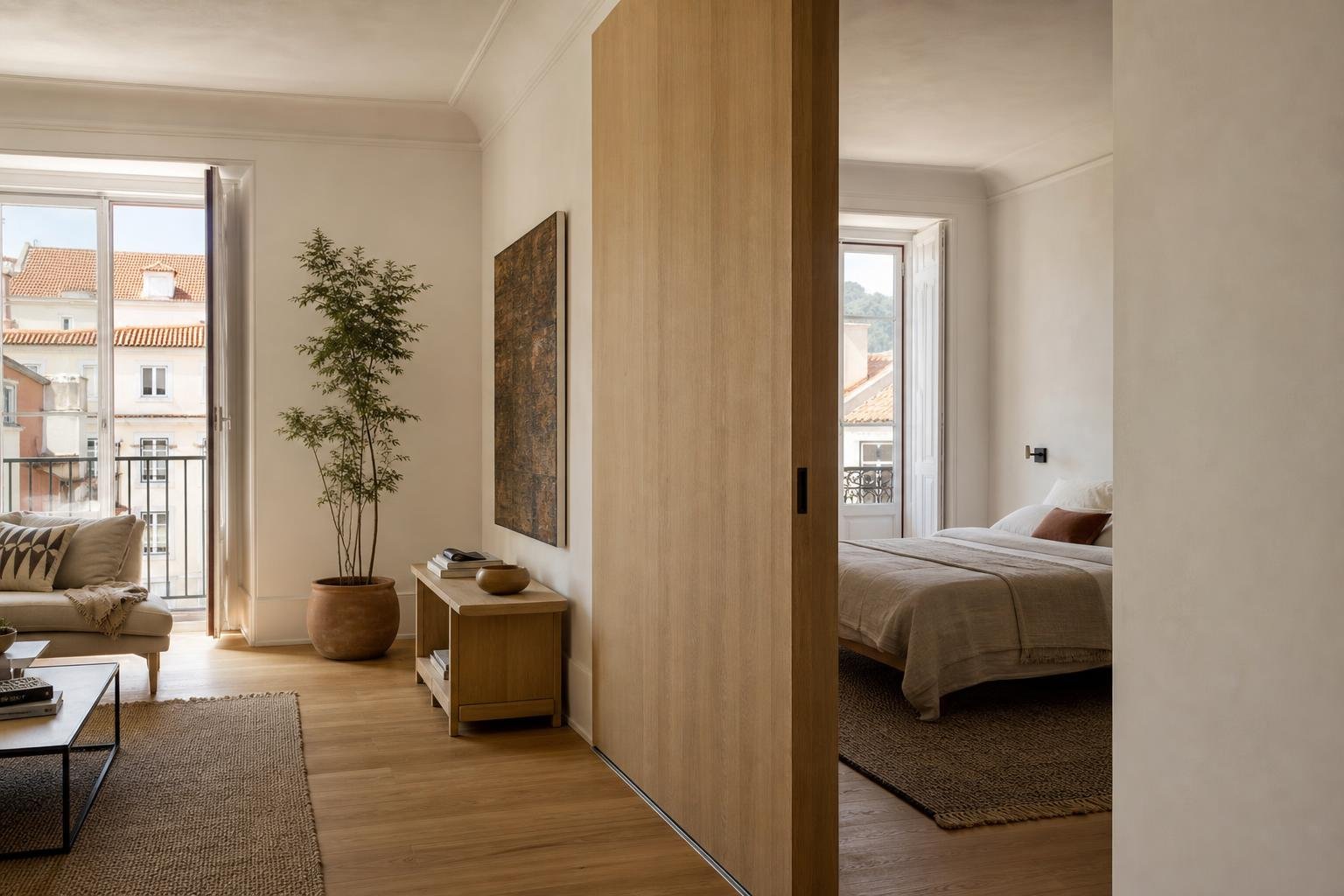
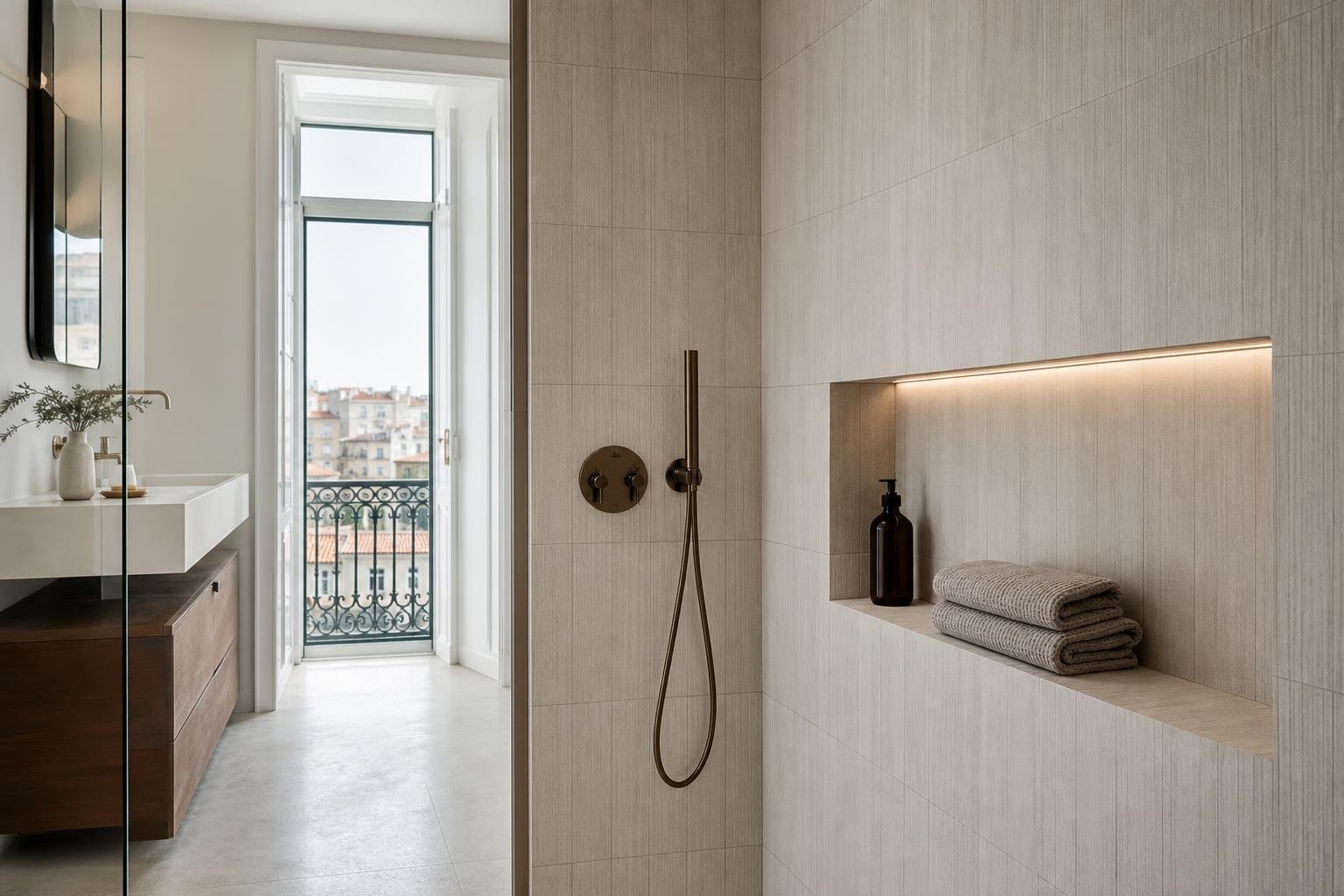
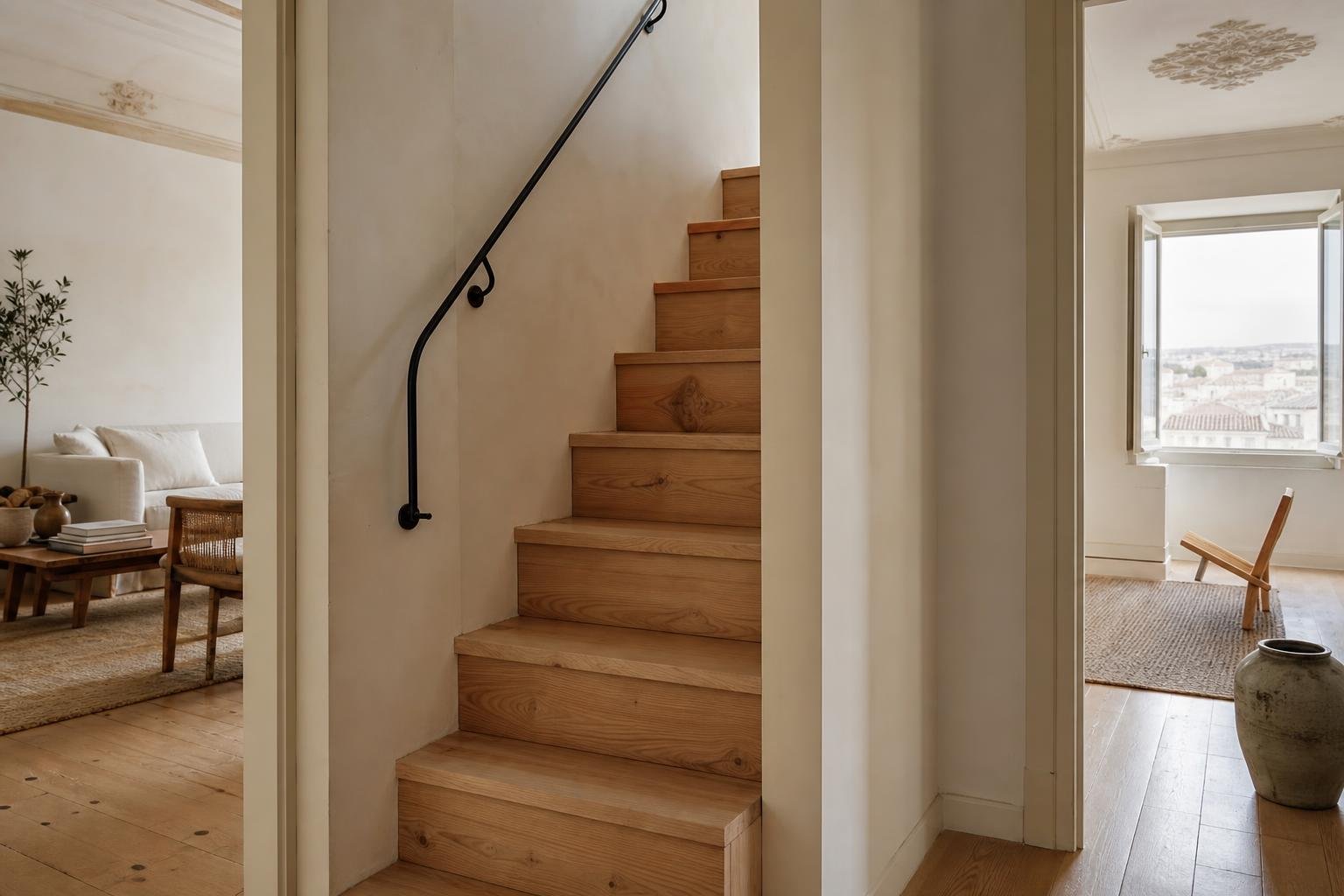
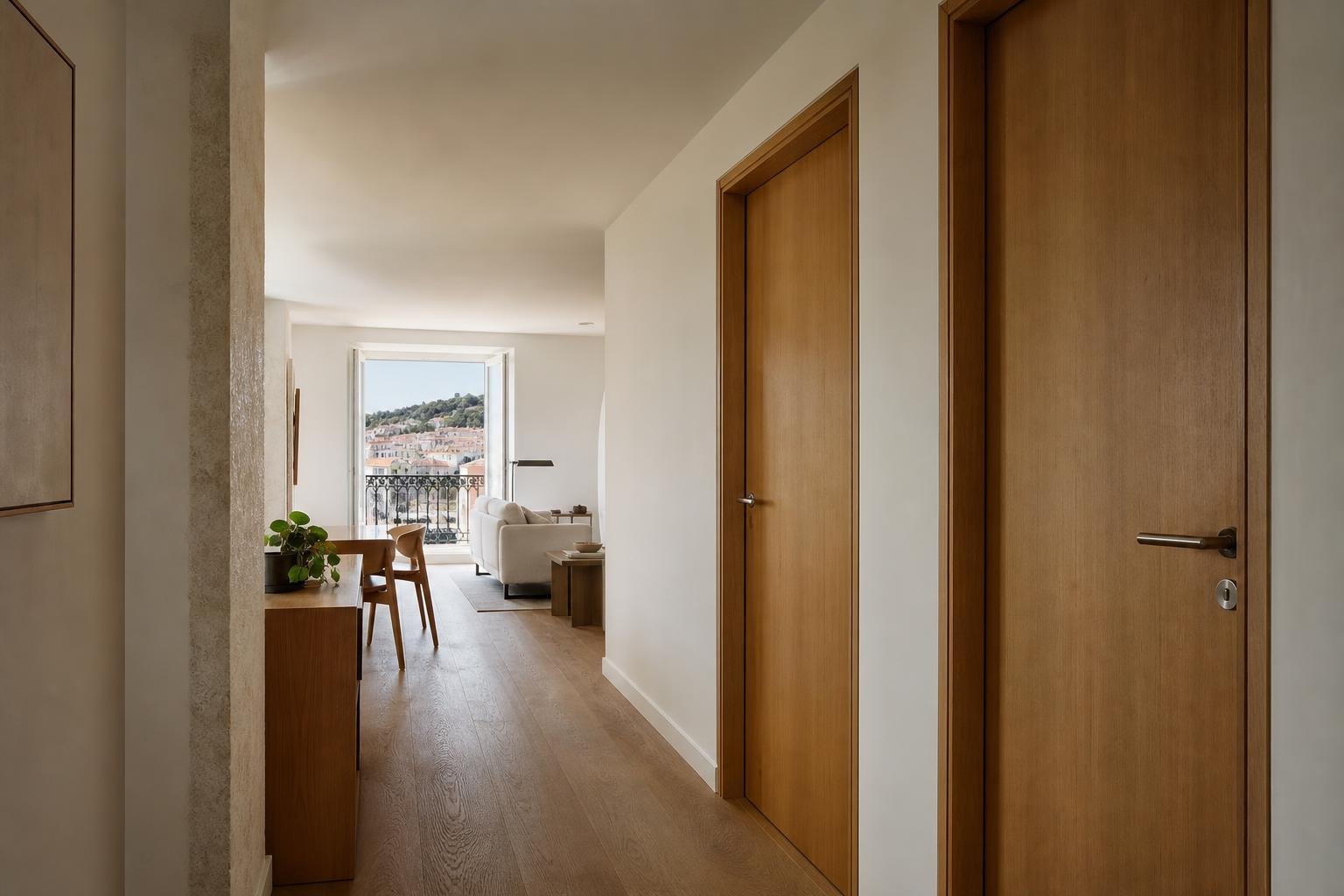
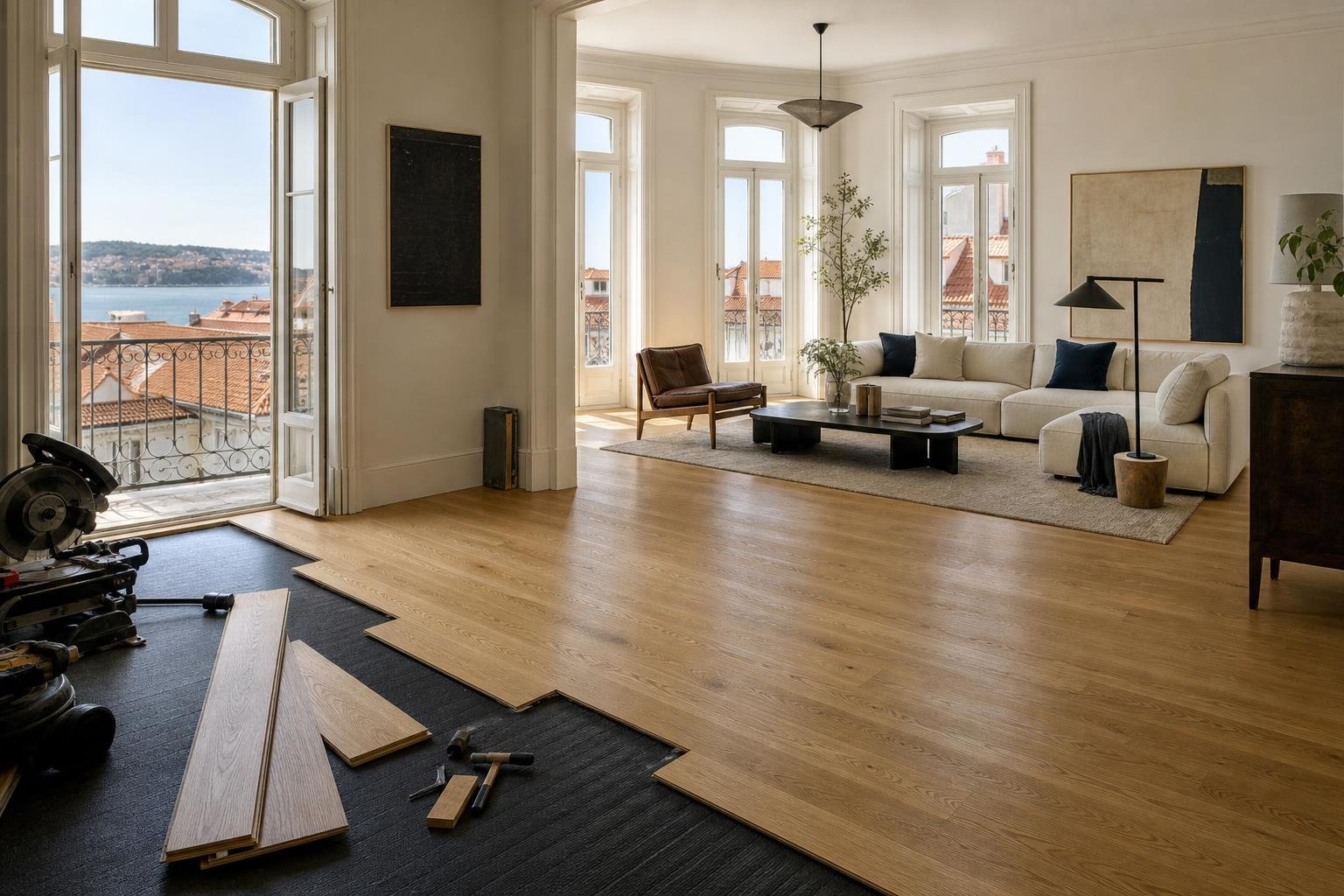
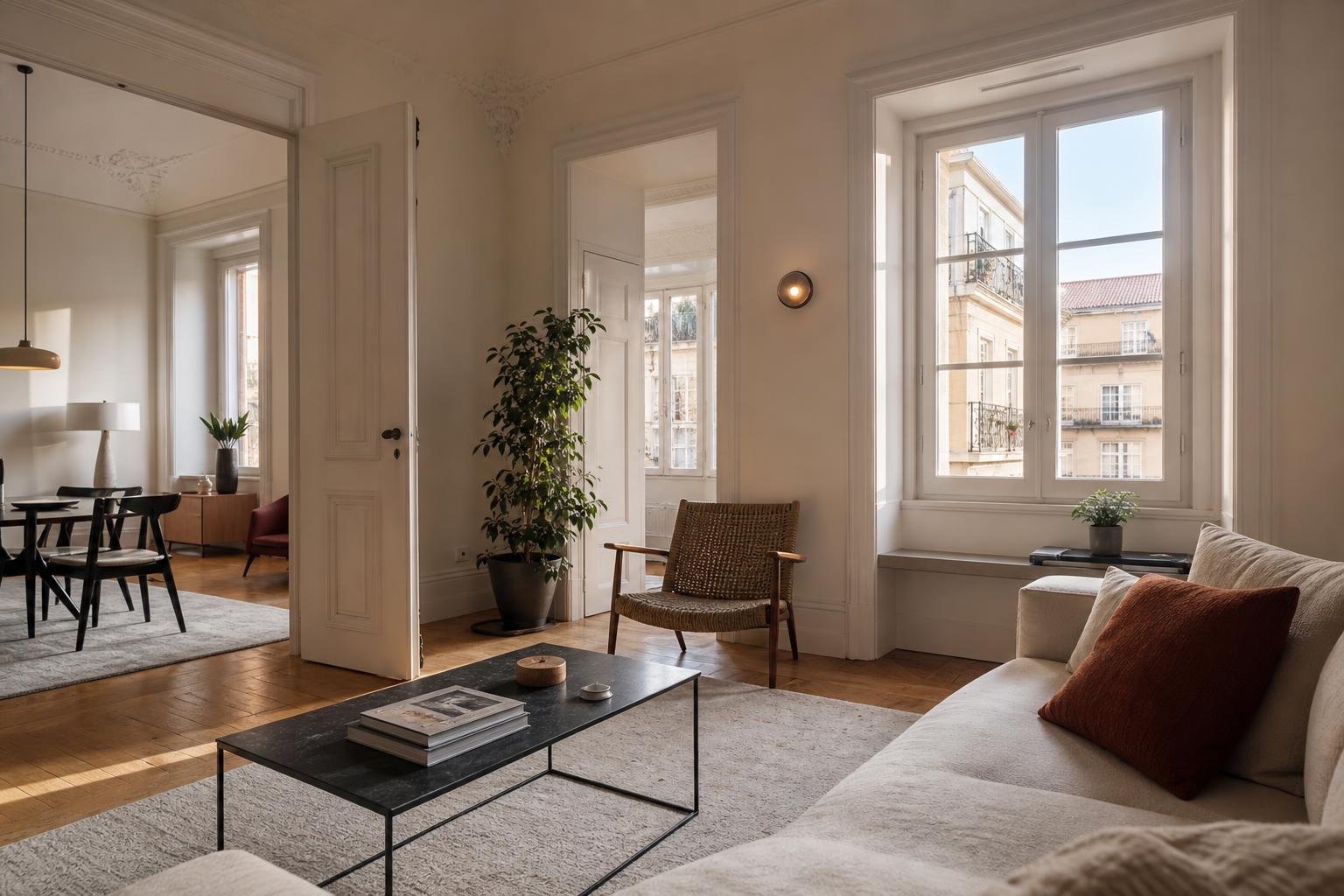
AI-generated editorial image; it does not depict an Obra Lisboa project.

Obra Lisboa