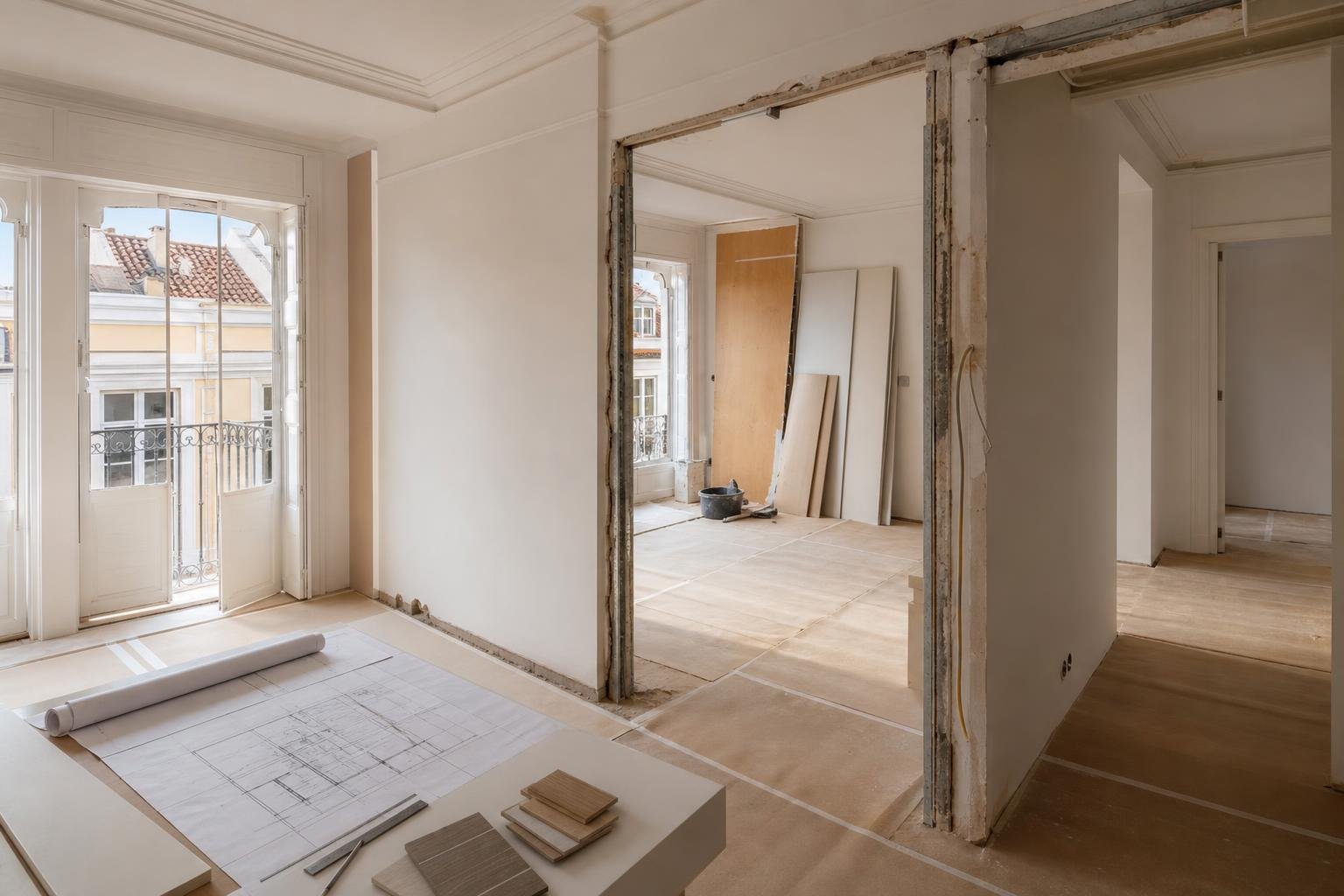
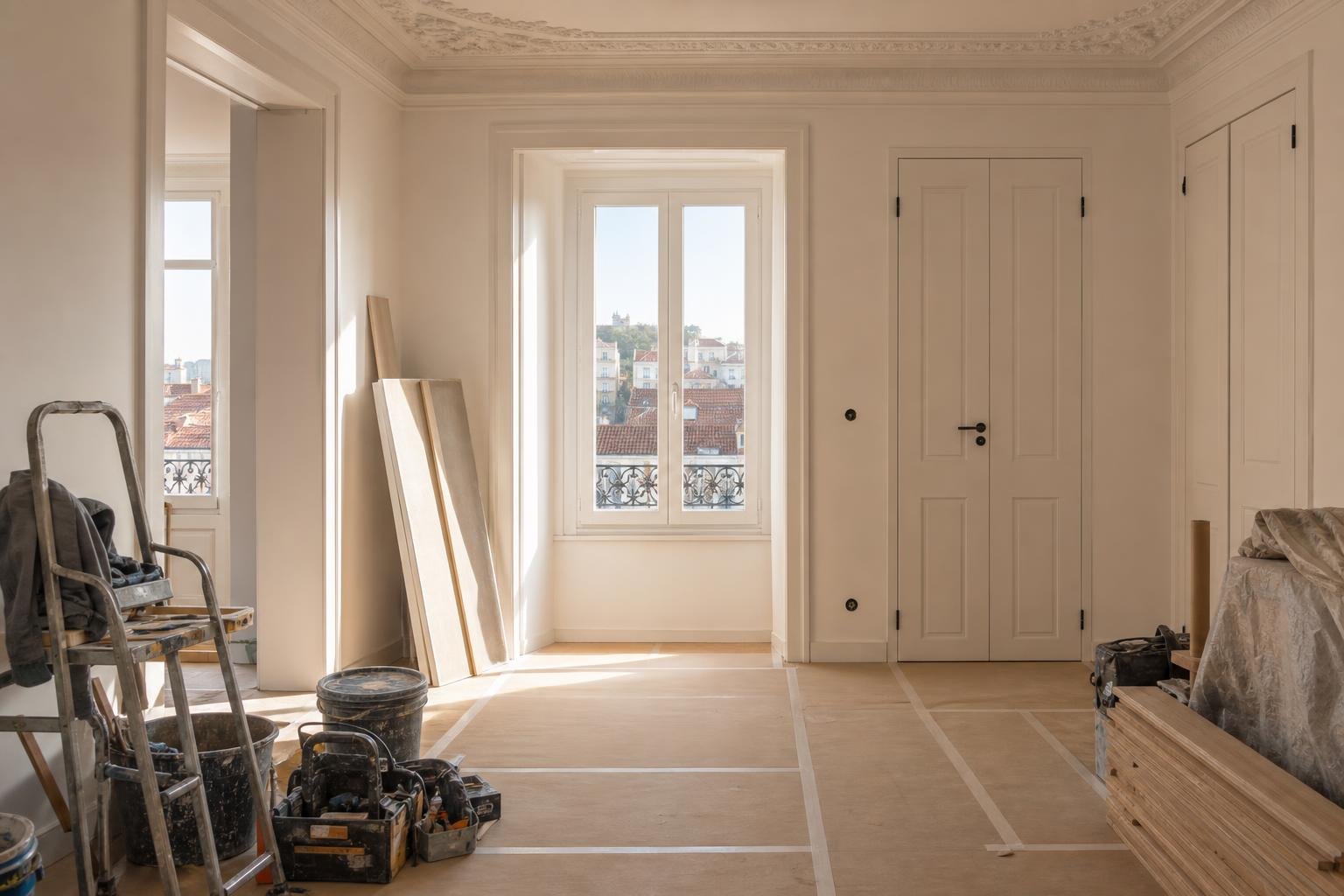
An apartment renovation rarely stays within the four walls of one flat. Demolition, drilling and tile-cutting noise travels through slabs, service shafts and stairwells; materials use the lift; and a poorly timed delivery can obstruct the building entrance. Planning noisy work in Lisbon is therefore not simply a matter of courtesy. It is a practical way to protect the programme, the budget and the relationship with the condominium.
The useful principle is straightforward: identify noisy tasks early, group them into permitted working periods, check whether special conditions apply and communicate clearly. Lisbon City Council explains in its Special Noise Licence guidance that civil-construction work can be a temporary noisy activity. The earlier the client and site team turn that fact into a daily plan, the fewer improvised decisions will be needed once work begins.
Separate low-noise work from genuinely noisy operations
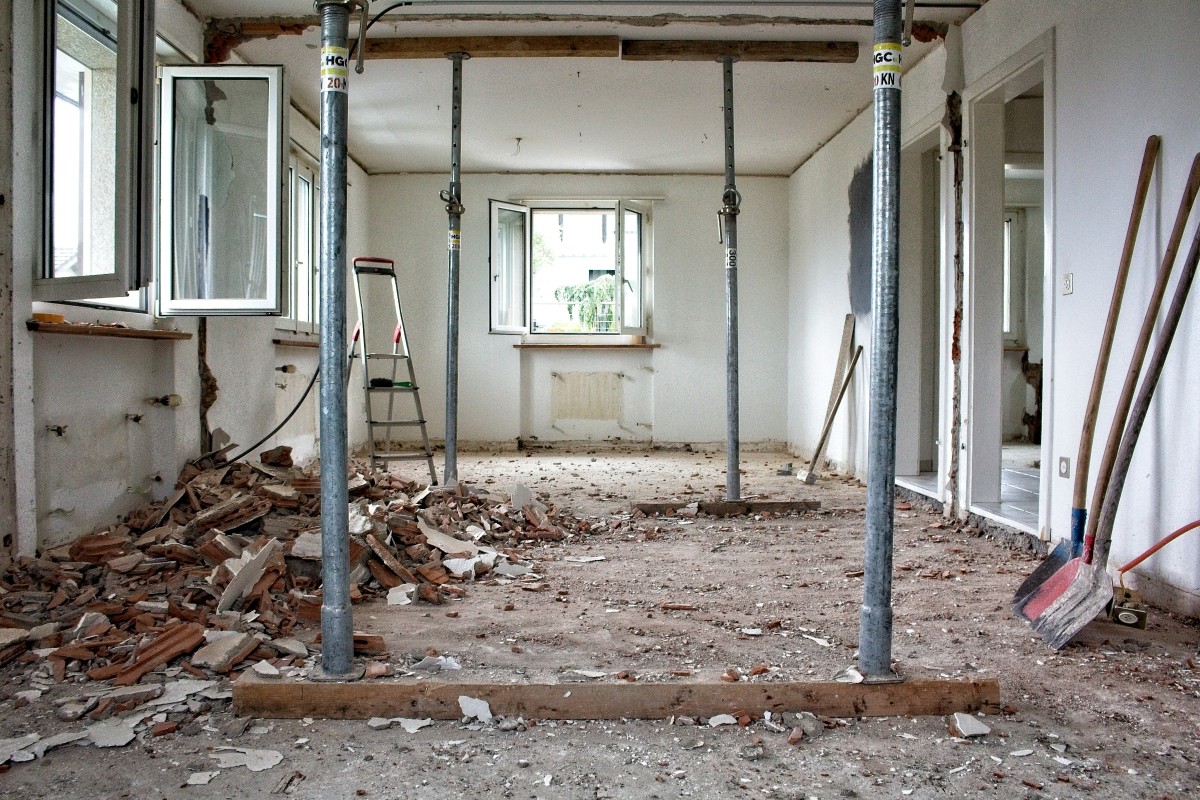
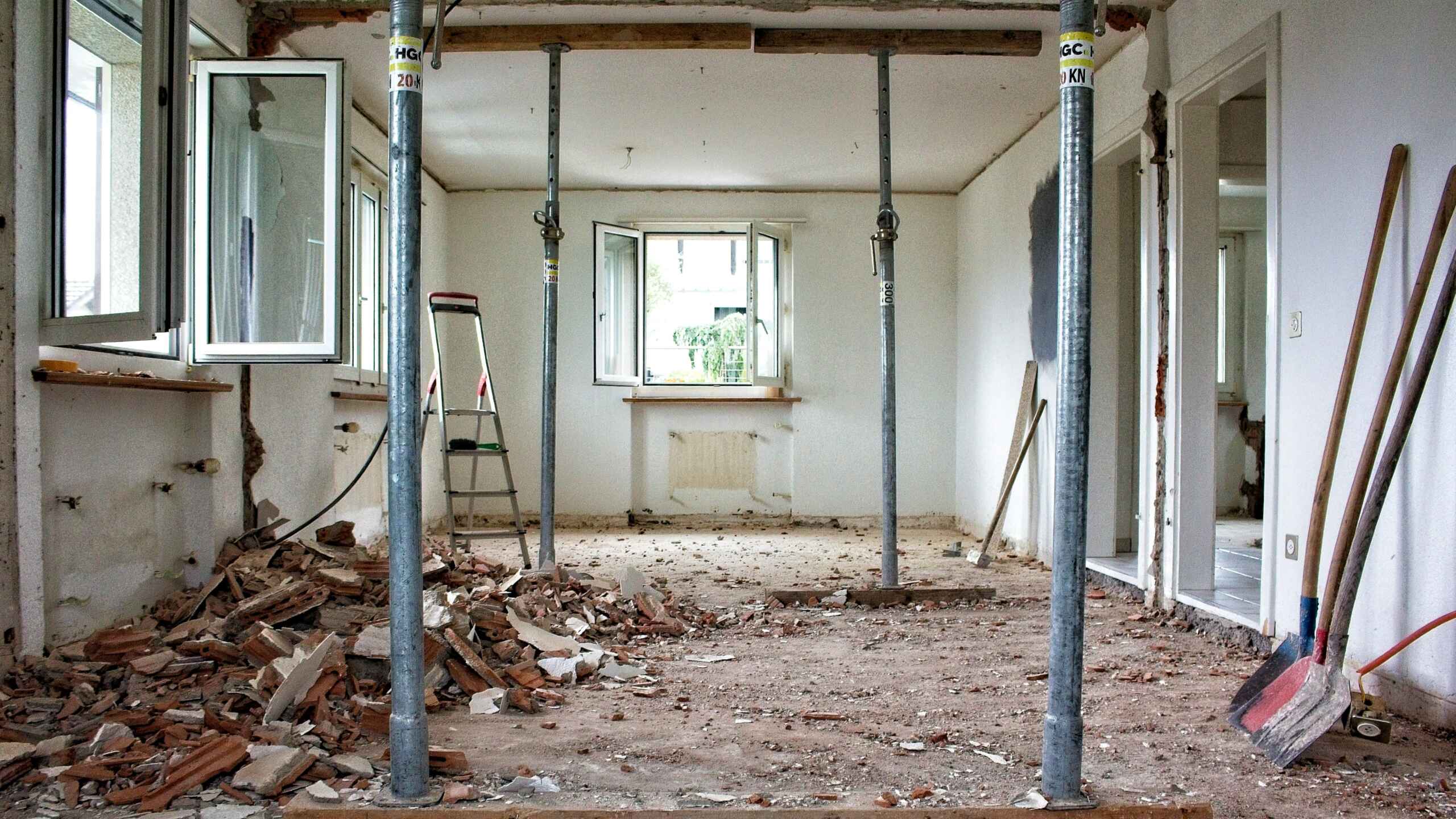
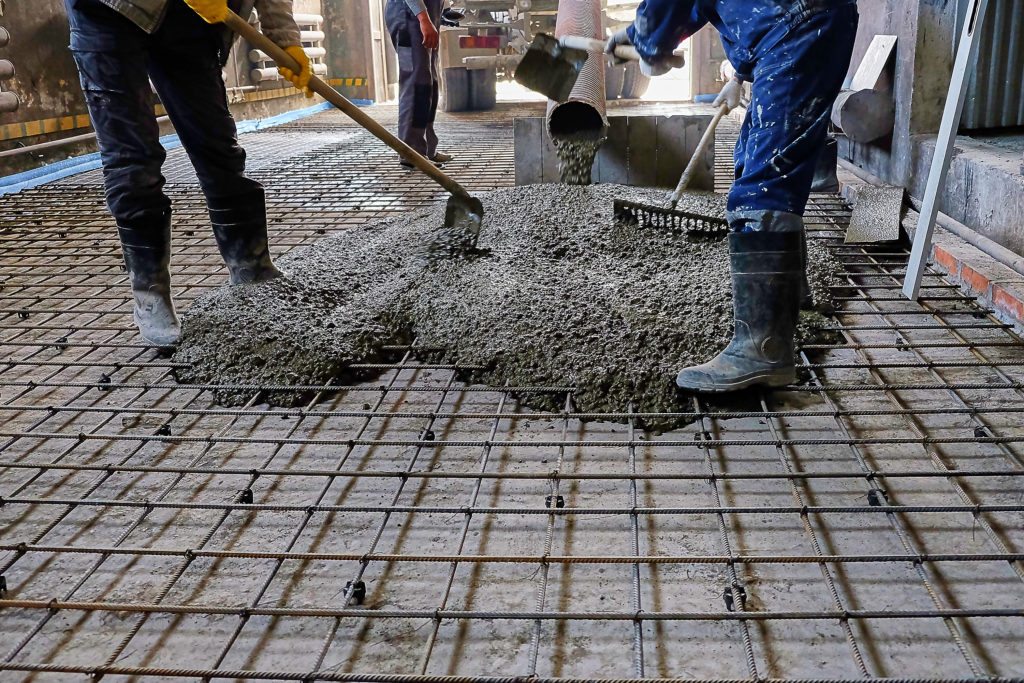
Not every stage requires the same level of operational care. Measuring, furniture assembly, finishing coats of paint and cleaning can often be spread across the day. Demolition, chasing walls for services, drilling concrete, lifting finishes, machine sanding and cutting stone need their own dedicated time window. Make a list by room, equipment and expected duration. This makes it possible to group similar operations and avoids switching noisy machinery on repeatedly for scattered minor tasks.
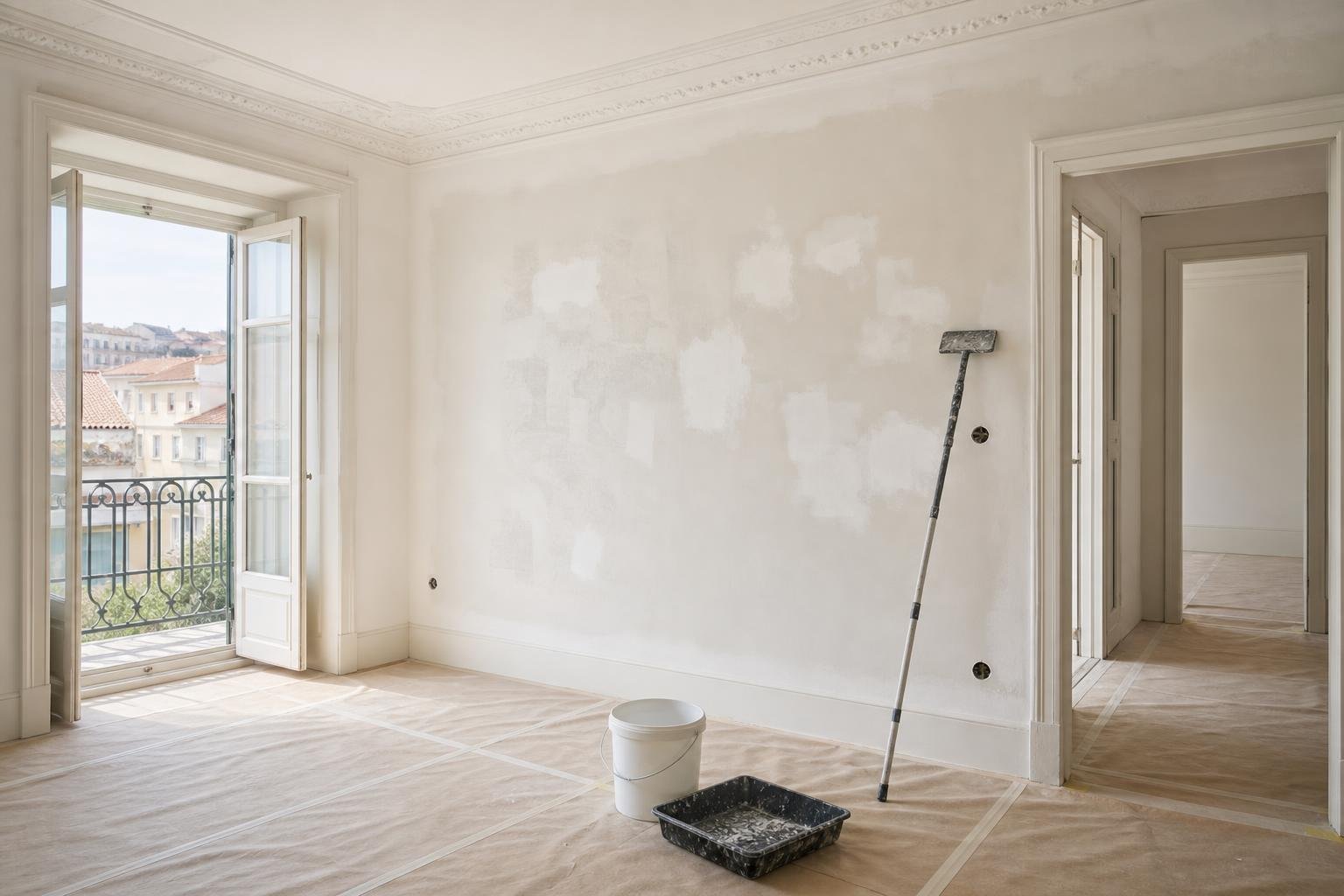
Ask the contractor for a realistic sequence: first protect common areas and the interior, then carry out strip-out, demolition and wall chases, followed by technical services, levelling work and finishes. Good programming does not promise total silence; it reduces avoidable peaks and makes disruption predictable. It should also be considered alongside how construction work affects the community, particularly where children, home workers or residents who need daytime rest are present.
- Identify the days expected to involve demolition and cutting.
- Assign responsibility for confirming the start and end of noisy tasks.
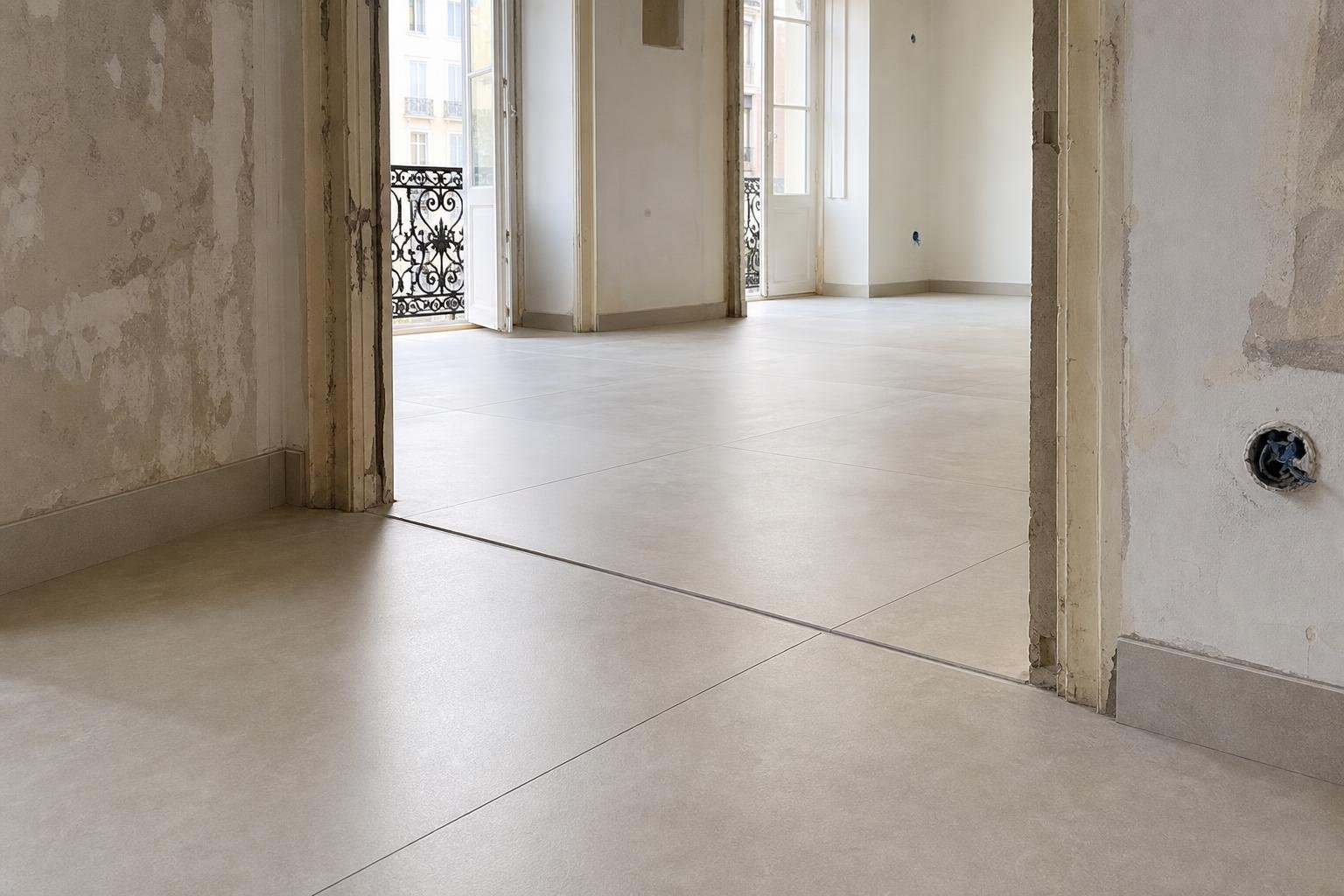
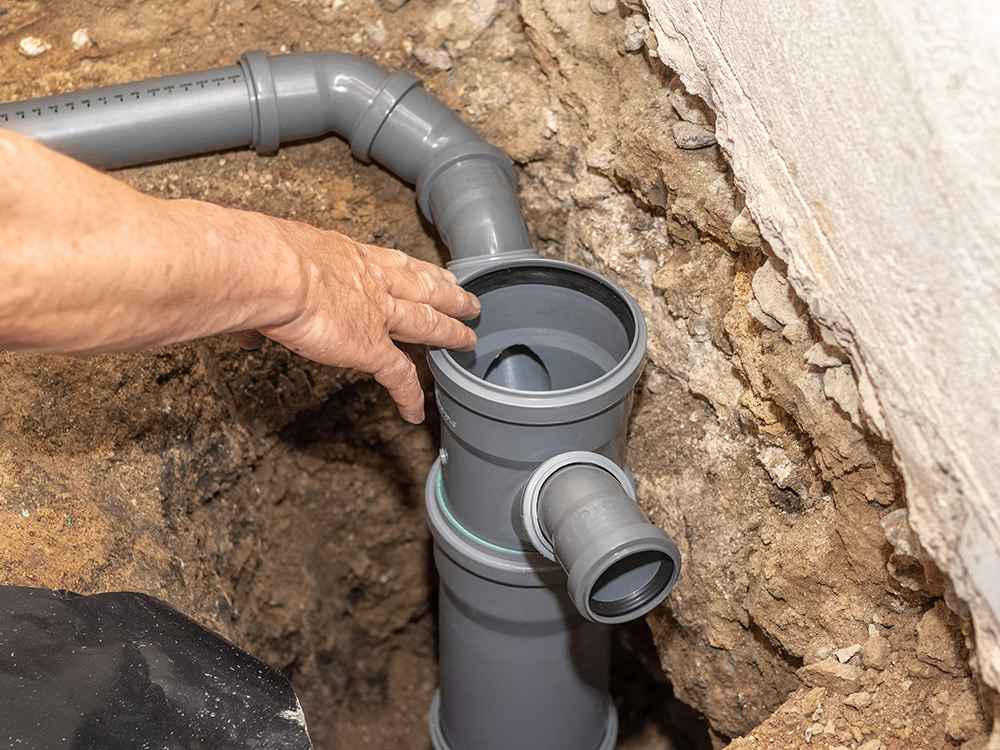
- Allow contingency for common discoveries in older buildings, including uneven walls and concealed services.
Check the permitted times before fixing the programme
Near residential buildings, temporary noisy activities carried out on Saturdays, Sundays and public holidays, as well as on weekdays between 8pm and 8am, require a Special Noise Licence. Lisbon City Council sets this out in its guidance on temporary occupation of public space and noise. Treat this as a starting point for organising the works, rather than as a reason to fill every available weekday hour with intensive noise.
For a standard apartment refurbishment, the more prudent approach is to place the most disruptive tasks within the usual permitted weekday period and keep weekends for quiet operations or a full work stoppage. If an exceptional need arises, check early whether a licence is required and what lead time applies. Lisbon City Council currently states a decision or issue period of up to 10 working days for the licence, so this should not be left until the day before the work is due to start.
There may also be condominium rules, access restrictions or public-space conditions. These do not replace statutory requirements, but they can require a more restrictive and better coordinated site plan.
Give early notice with useful information, not vague assurances
A notice placed in the right location and shared with the neighbours most affected can reduce calls, interruptions and unnecessary tension. There is no need to disclose private details about the renovation. It should, however, identify the flat, the responsible contact, start date, expected duration, periods most likely to be noisy and a way to raise a concern.
Avoid statements such as “sorry for the inconvenience” without dates or a contact person. Effective communication might say that demolition is planned for two weekdays, common areas will be protected before deliveries arrive, and the team will not leave waste in the corridor. If the programme changes, update the notice. This discipline is especially valuable in buildings without a concierge, where an unanswered question can quickly become a dispute between residents.
Noise is not a minor comfort issue. The Portuguese Directorate-General of Health guidance on noise and health links noise exposure with sleep disturbance, stress and reduced concentration. Giving neighbours predictability is therefore both a practical and considerate decision.
Protect the building, not just the apartment under renovation
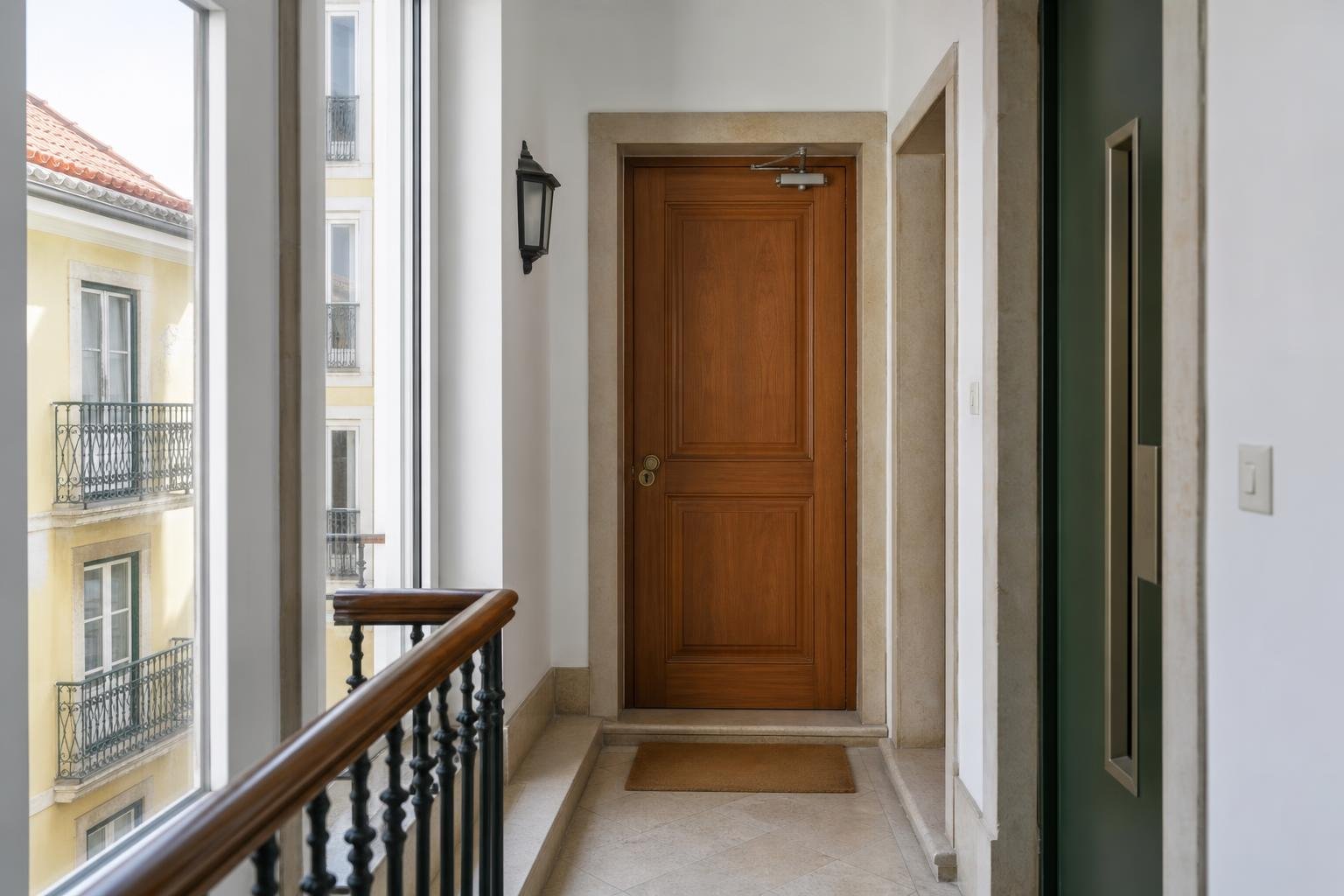
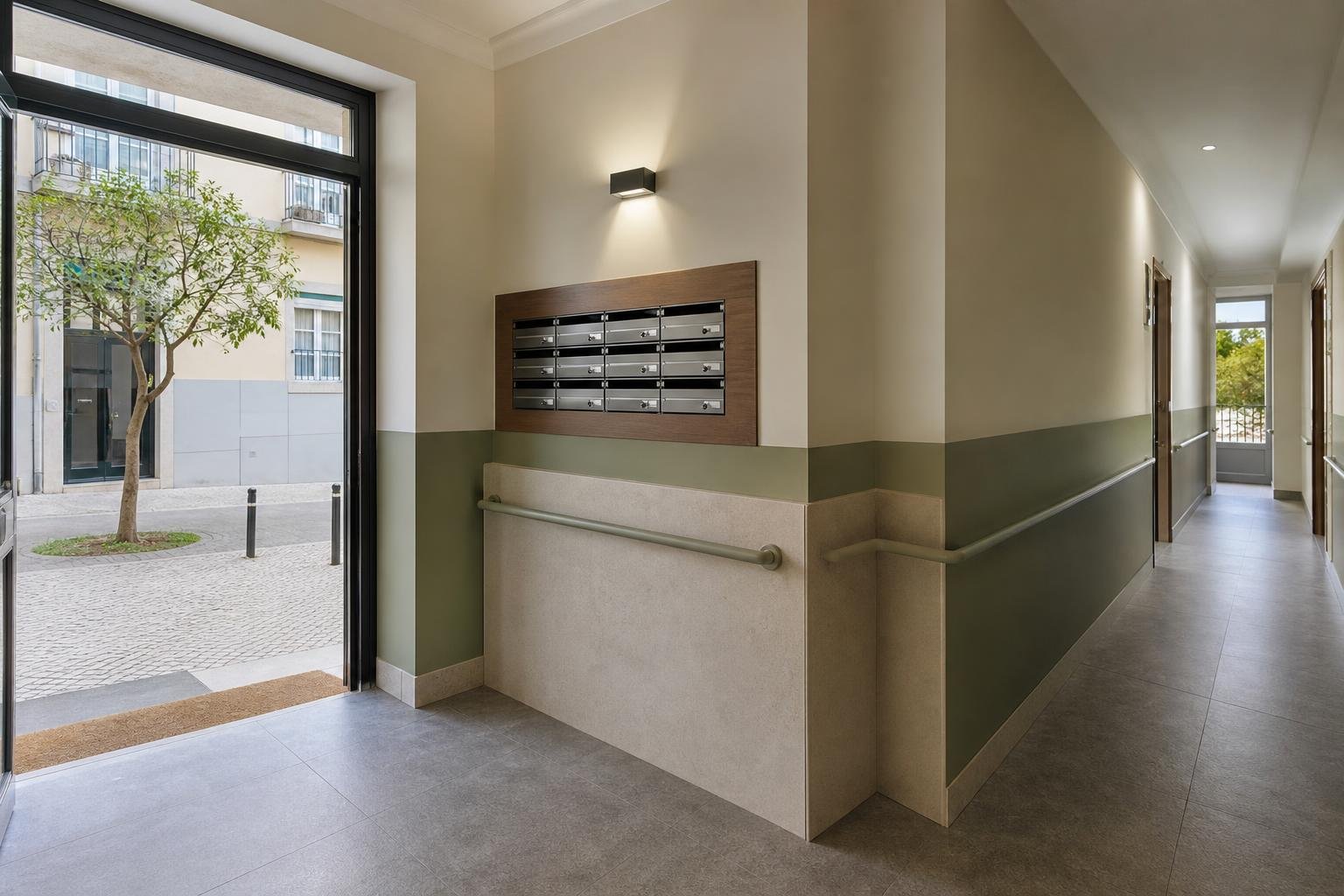
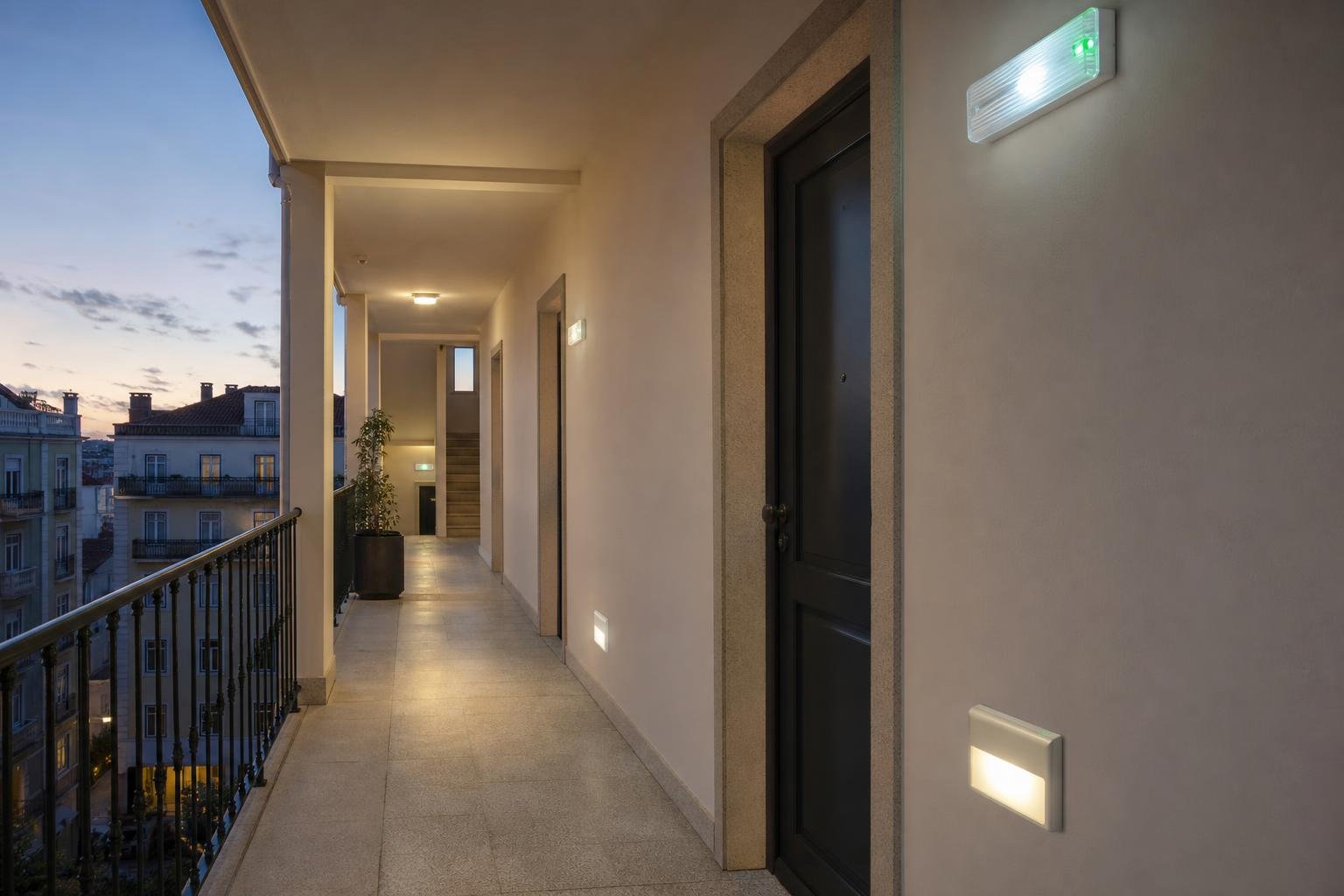
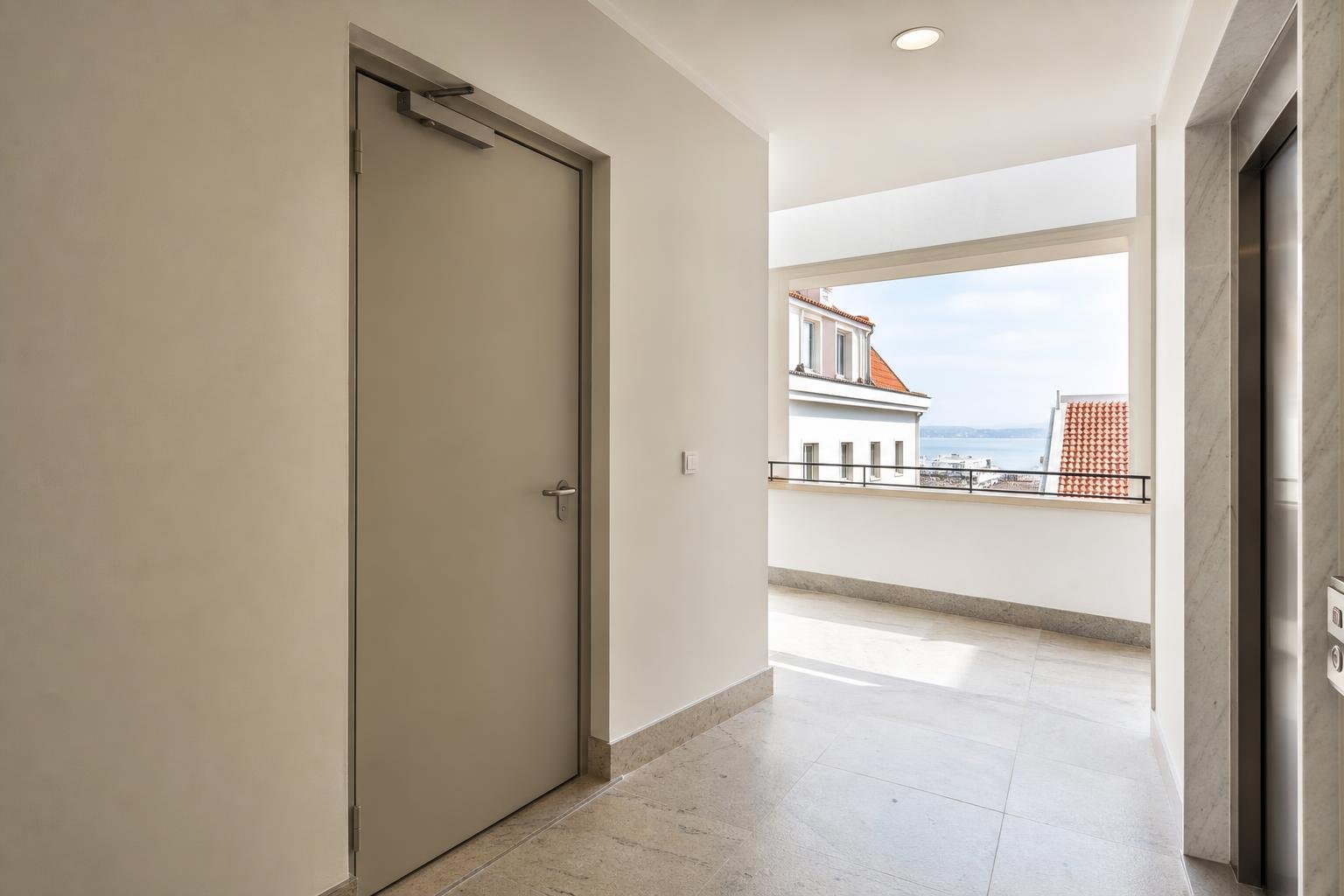
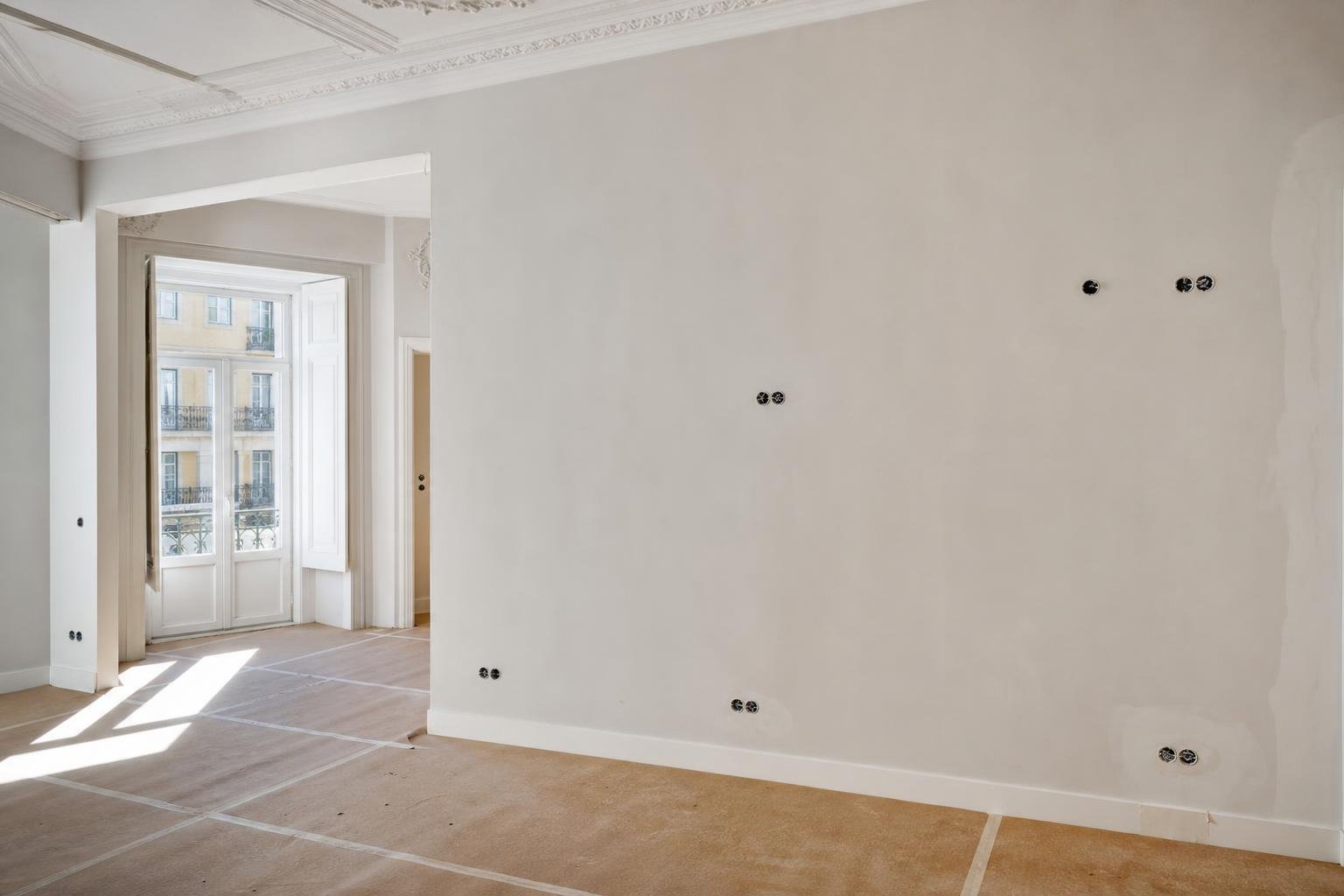
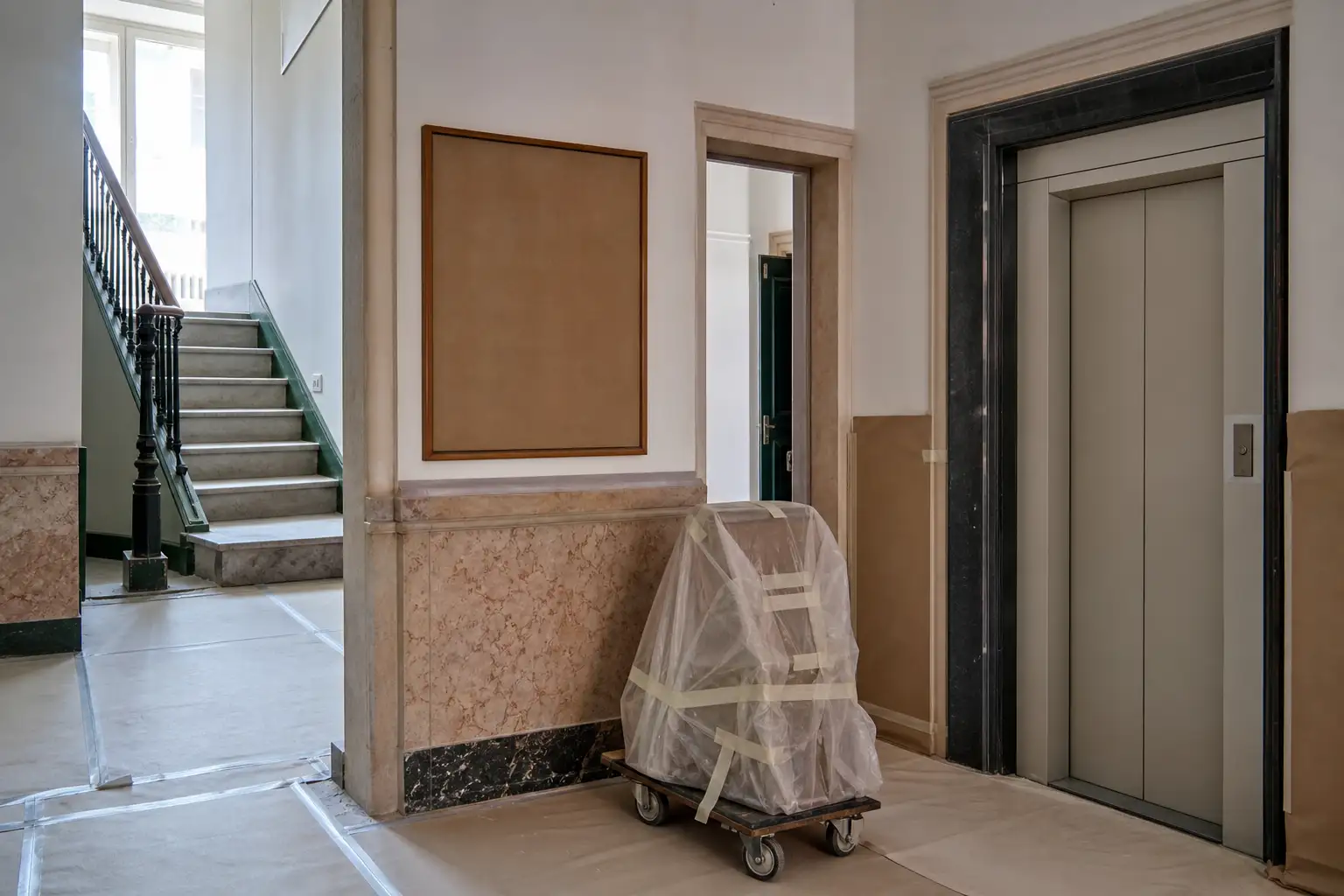
Many complaints arise from more than sound alone. Dust on the landing, marks in the lift, doors held open, waste bags left at unsuitable times and blocked corridors all make a project feel unmanaged. Before the first delivery, carry out a simple inspection of shared areas, record their condition with photographs and agree the protection needed for floors, walls, corners and the lift cabin where relevant.
Set delivery periods, material routes, temporary storage locations and daily cleaning expectations. If a skip, unloading area or equipment requires public-space occupation, confirm the applicable municipal procedure rather than assuming the space outside the building is available. Logistics deserves the same level of attention as finish selection.
It is also wise to avoid false savings from arranging frequent, unplanned small deliveries. Fewer, properly scheduled and supervised deliveries usually mean less handling noise, fewer journeys and less circulation through common areas.
Choose a properly qualified team and assign responsibilities
An early meeting should establish who provides protection, who controls machinery times, who receives suppliers and who responds to the condominium manager. Ask for these points to appear in the site plan, and verify that the contractor is qualified for the work being undertaken. The IMPIC contractor search service is a useful tool for that initial check.
Do not compare quotations only by their total price. Compare what each proposal includes: waste removal, common-area protection, accidental-damage repairs, cleaning, working times, subcontractor management and the named site contact. A quotation that appears cheaper may exclude the very services that prevent friction and unexpected costs.
For work involving significant alterations, also confirm planning context and required documentation before starting. Obra Lisboa’s guide to building permits is a useful reminder that project decisions should not be postponed until after demolition begins.
Turn the plan into a daily site-control routine
Even a small renovation benefits from a brief routine at the beginning and end of each day. In the morning, confirm the main task, missing materials, required equipment and access precautions. At the end of the day, check cleaning, safe storage, closed doors and windows, waste removal and whether neighbours need an updated notice. This takes only a few minutes but prevents small issues from accumulating.
When an unforeseen issue appears — an unmarked pipe, a wall that needs additional repair or a delayed delivery — revise the programme before communicating it. Explain what has changed, what effect it may have and what measure will limit disruption. Transparency does not remove unavoidable noise, but it reduces the feeling that the work is out of control.
The aim is not to make a refurbishment invisible. It is to deliver technically sound work, within the applicable conditions, while respecting the building in which it takes place. A credible programme, an organised team and consistent communication matter as much as the choice of flooring or paint colour.
Planning an apartment renovation in Lisbon? Obra Lisboa can help structure the programme, logistics and execution with attention to both the building and the people living in it. Learn more at Choosing a Construction Company in Lisbon.
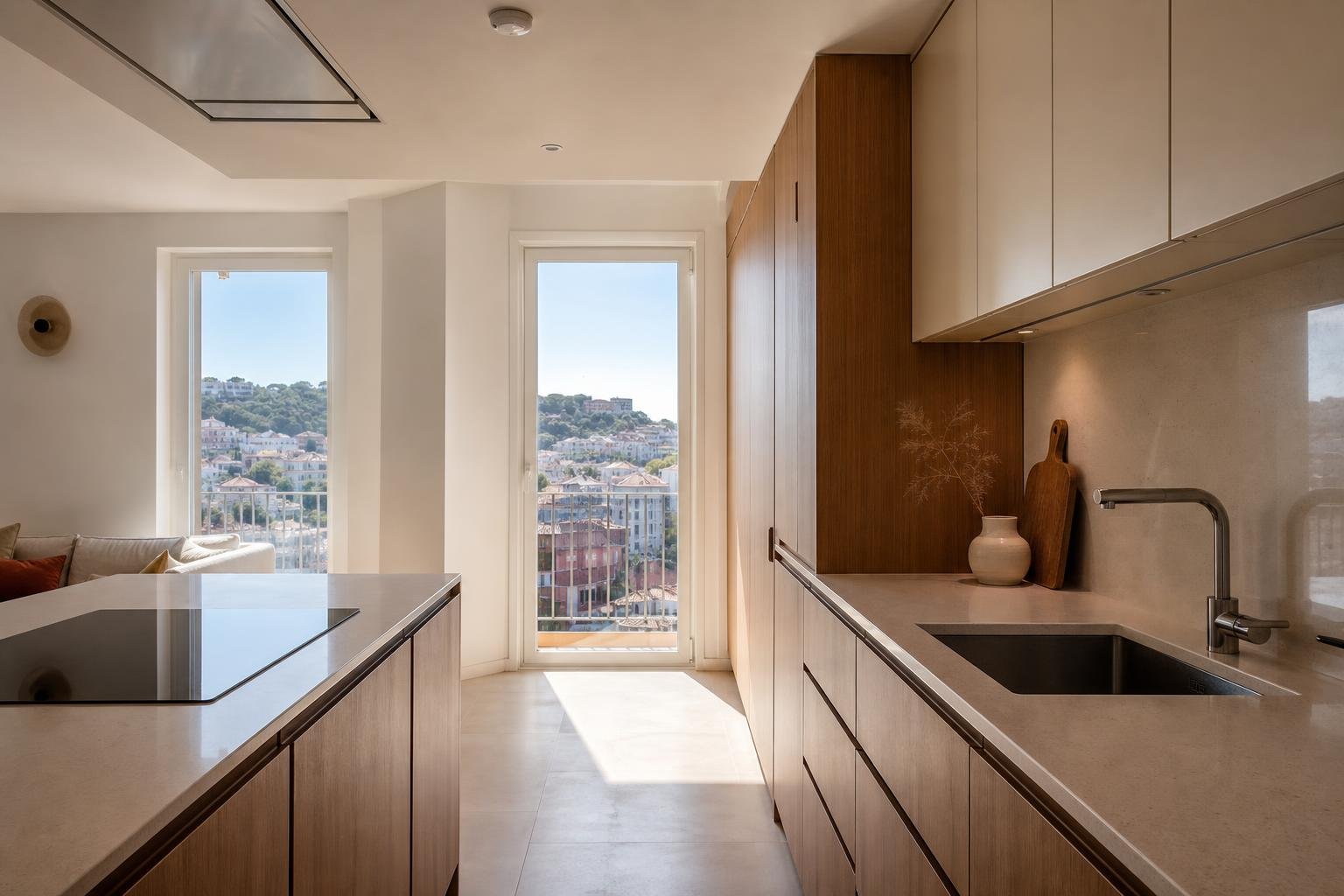
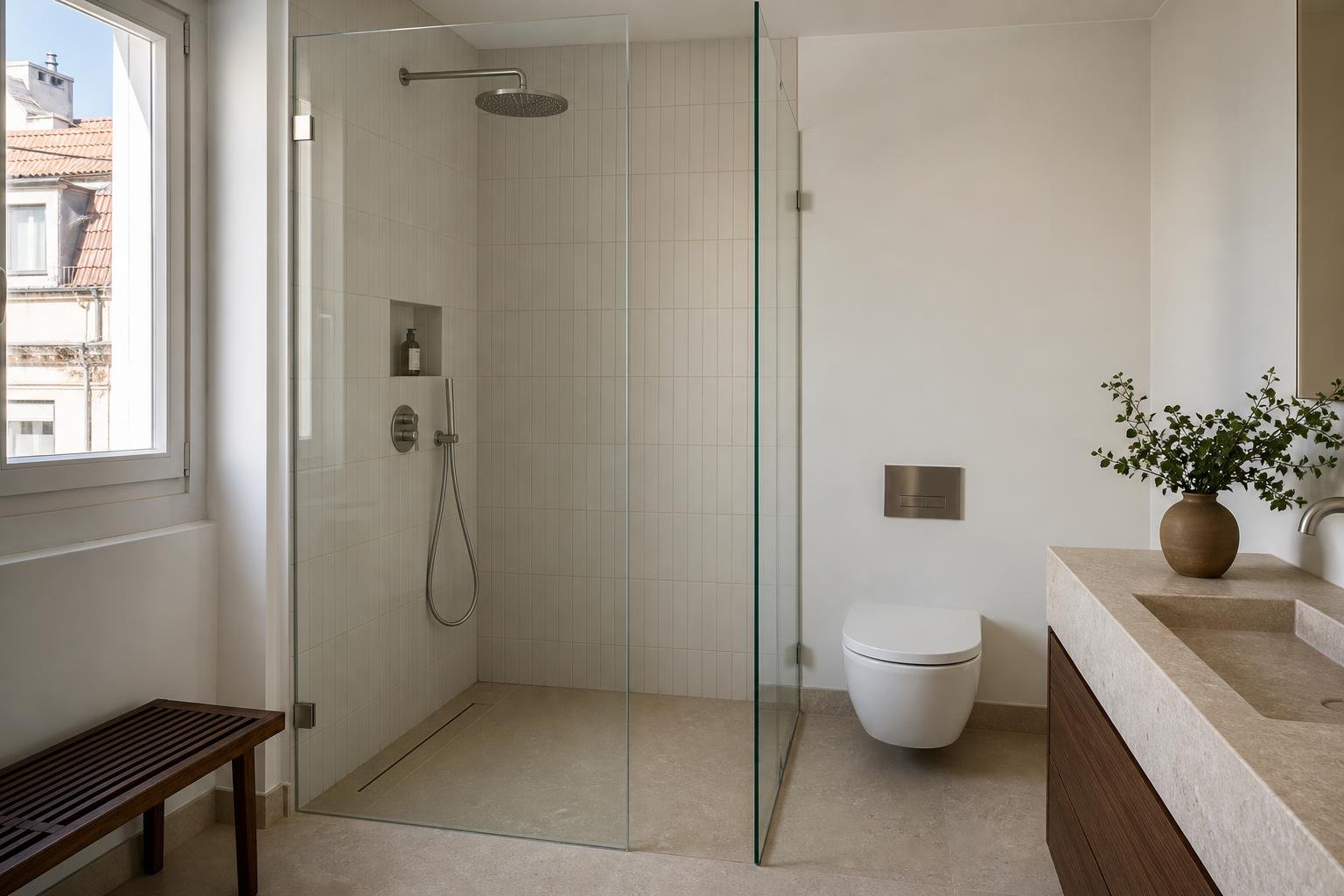
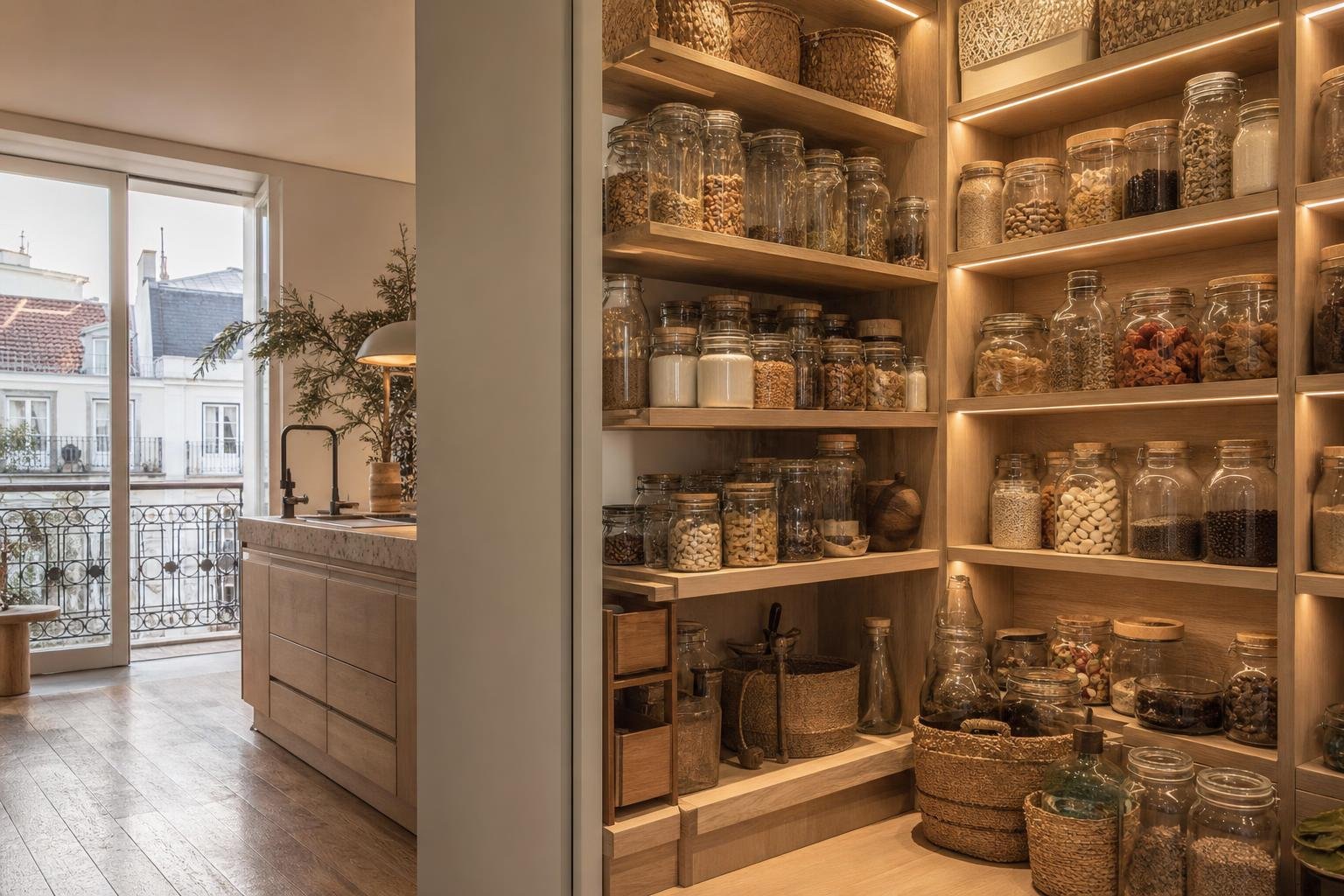
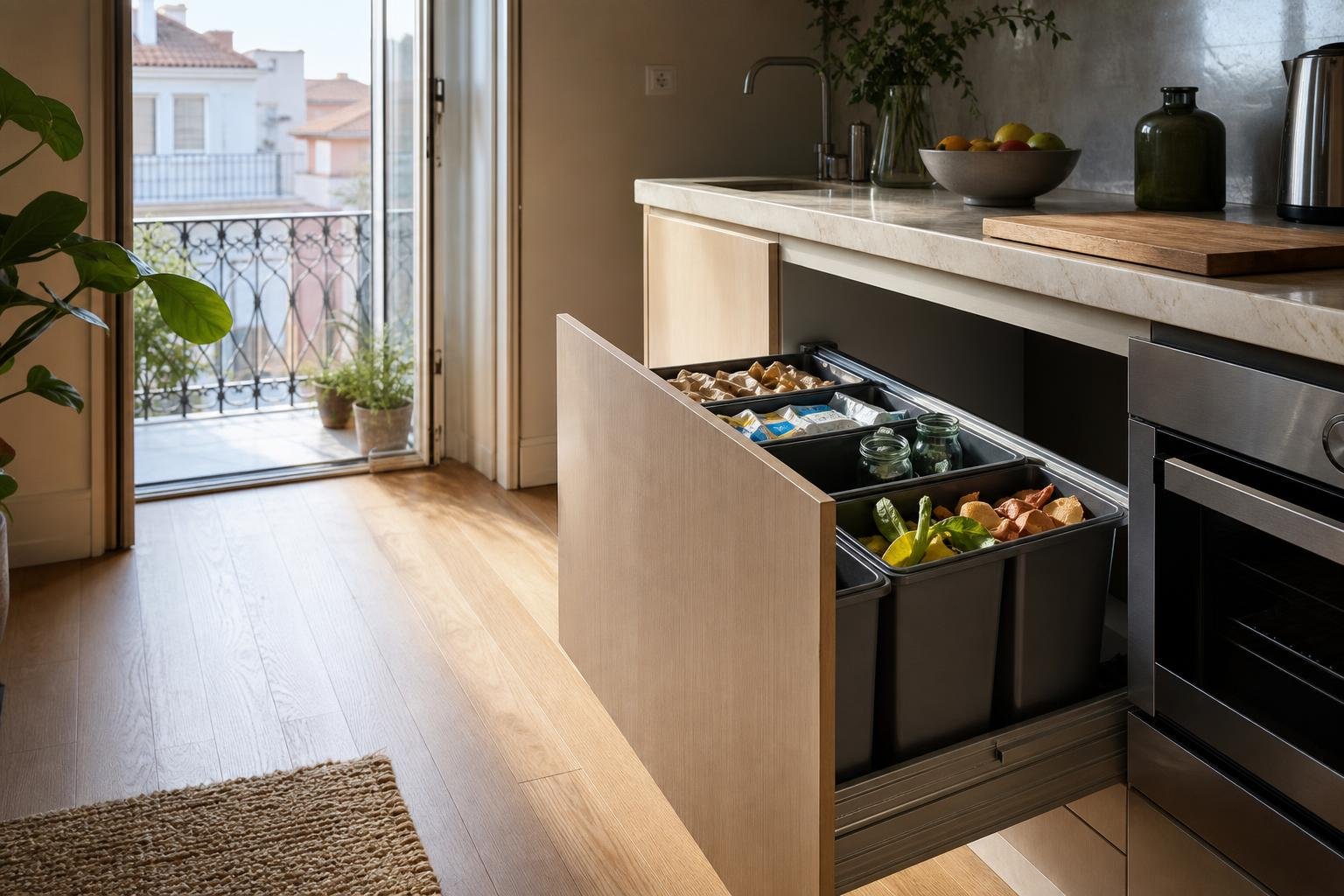
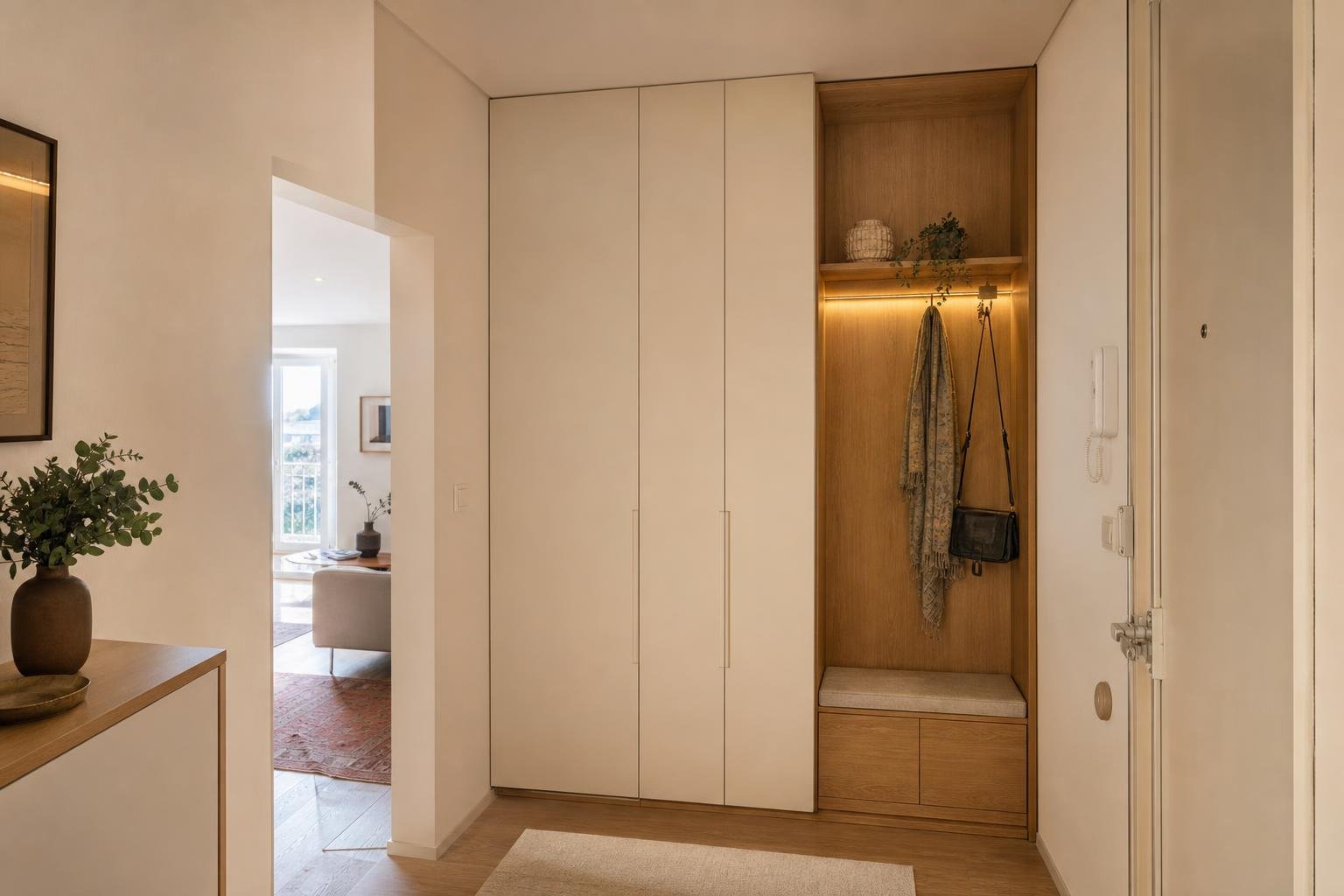
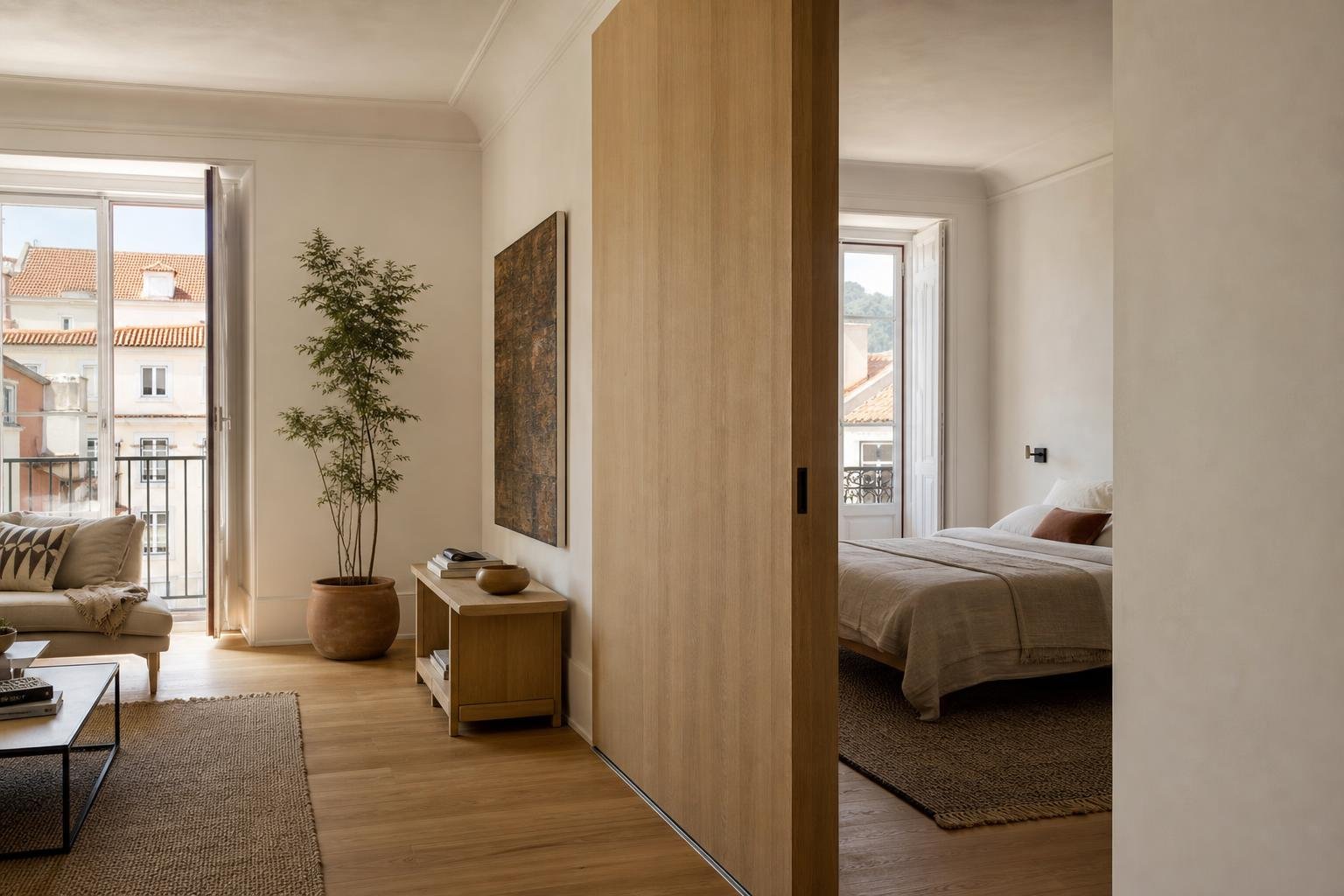
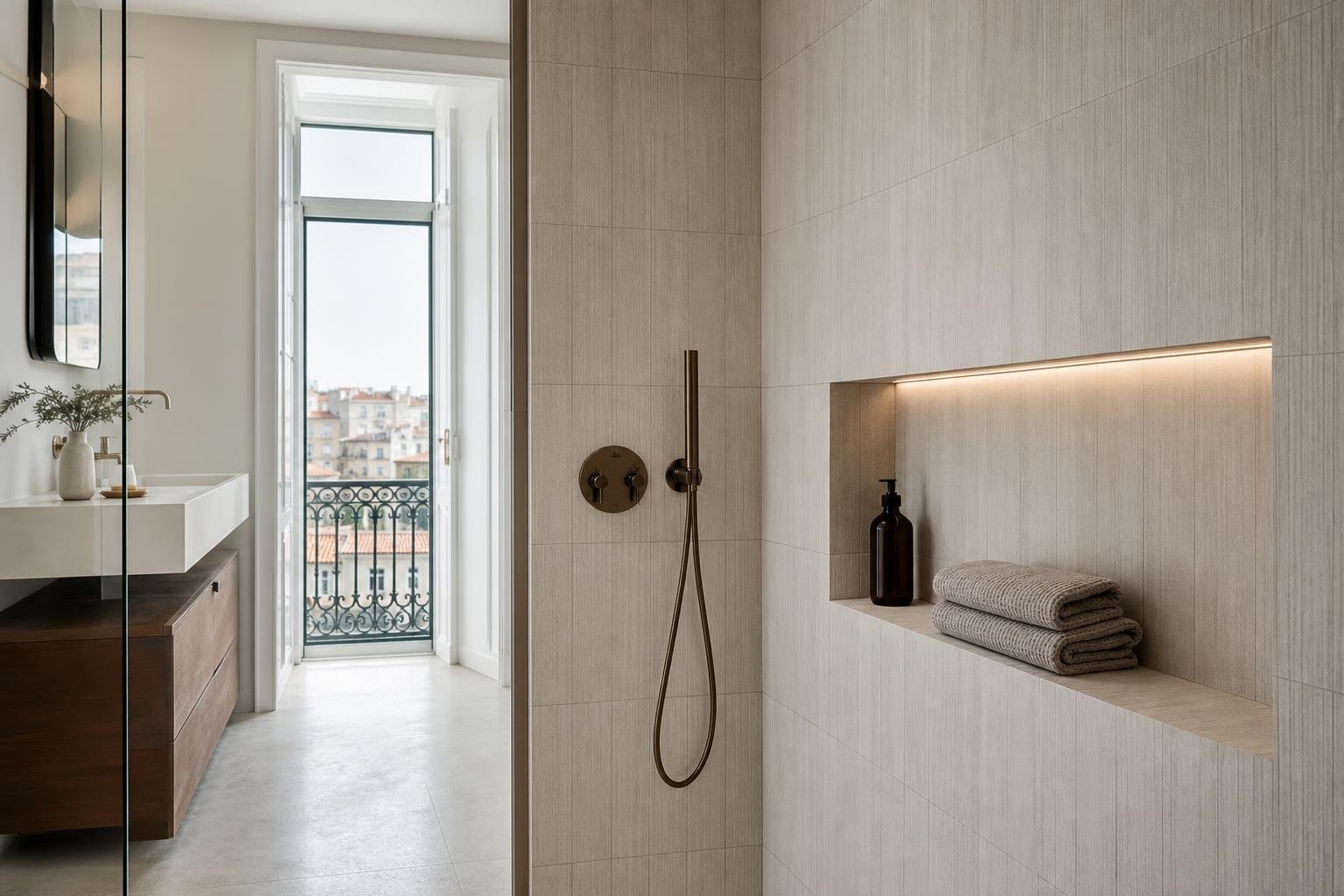
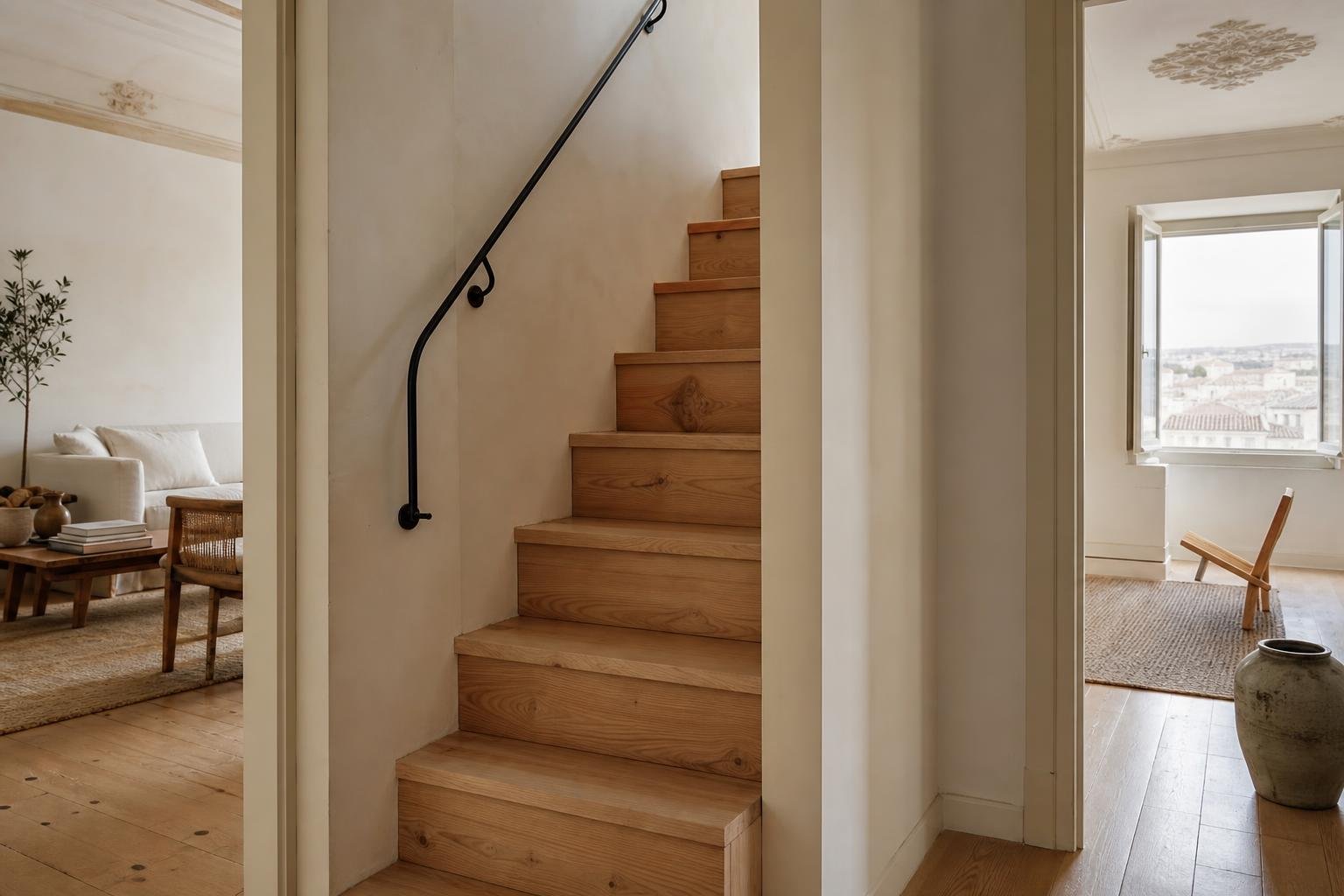
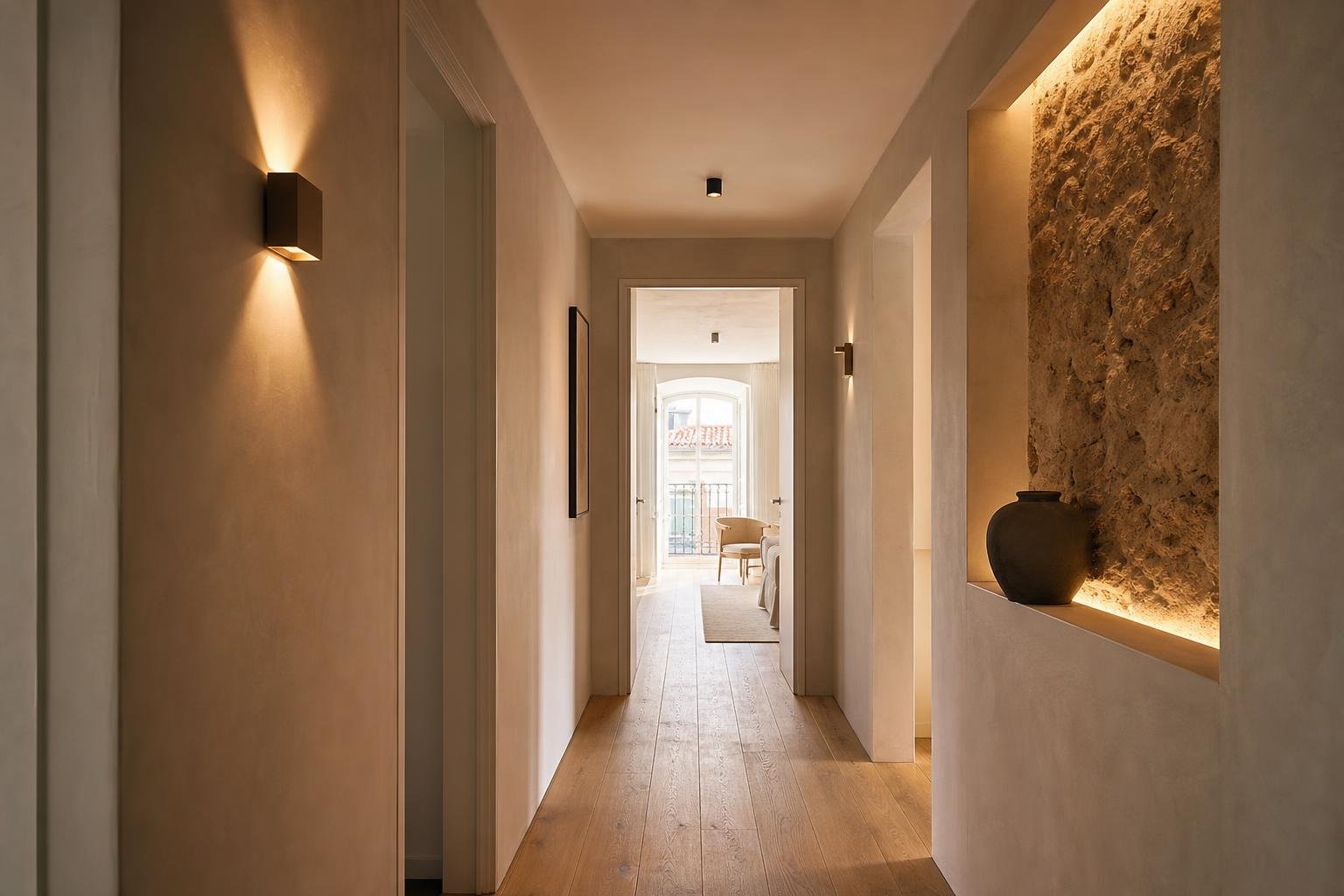
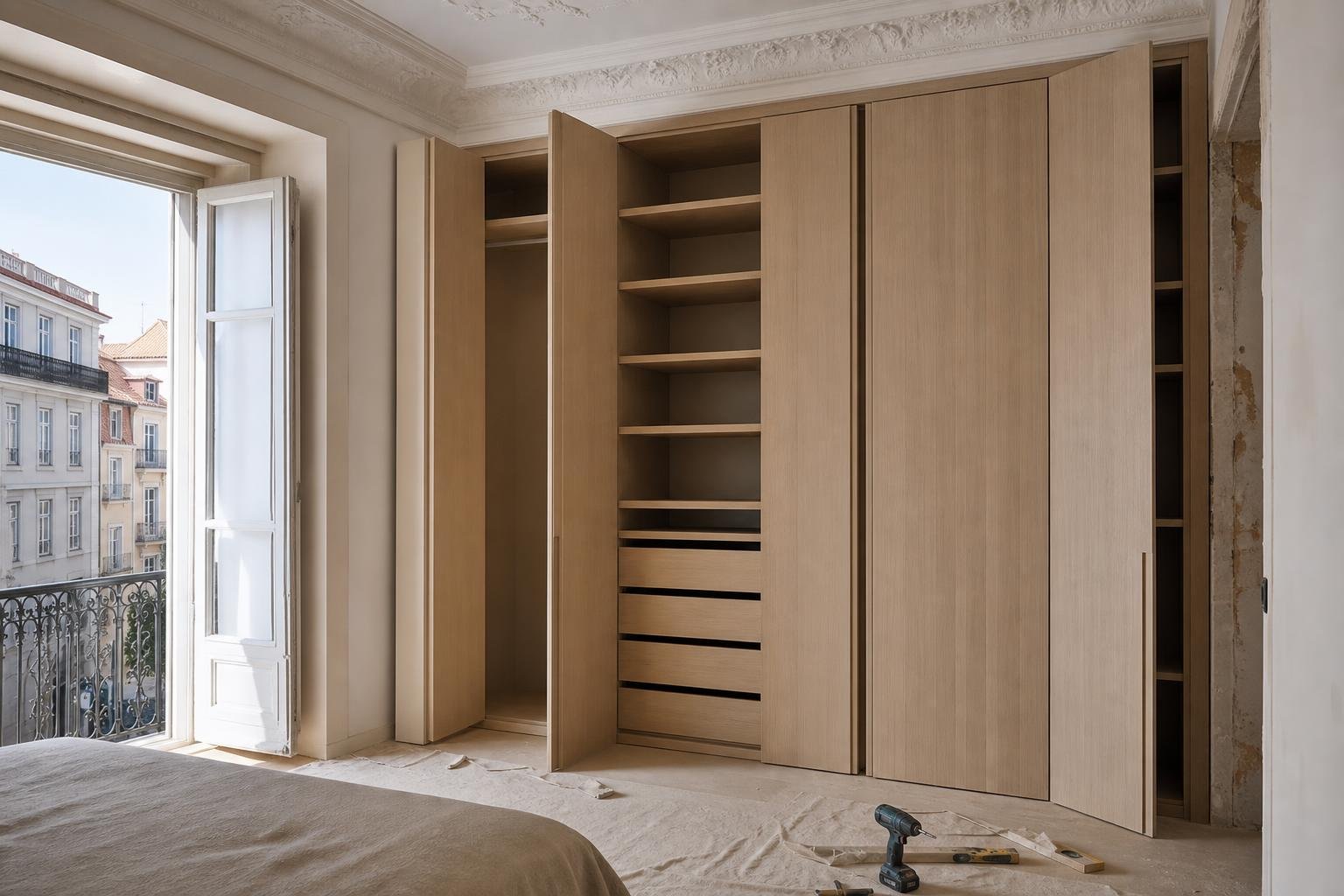
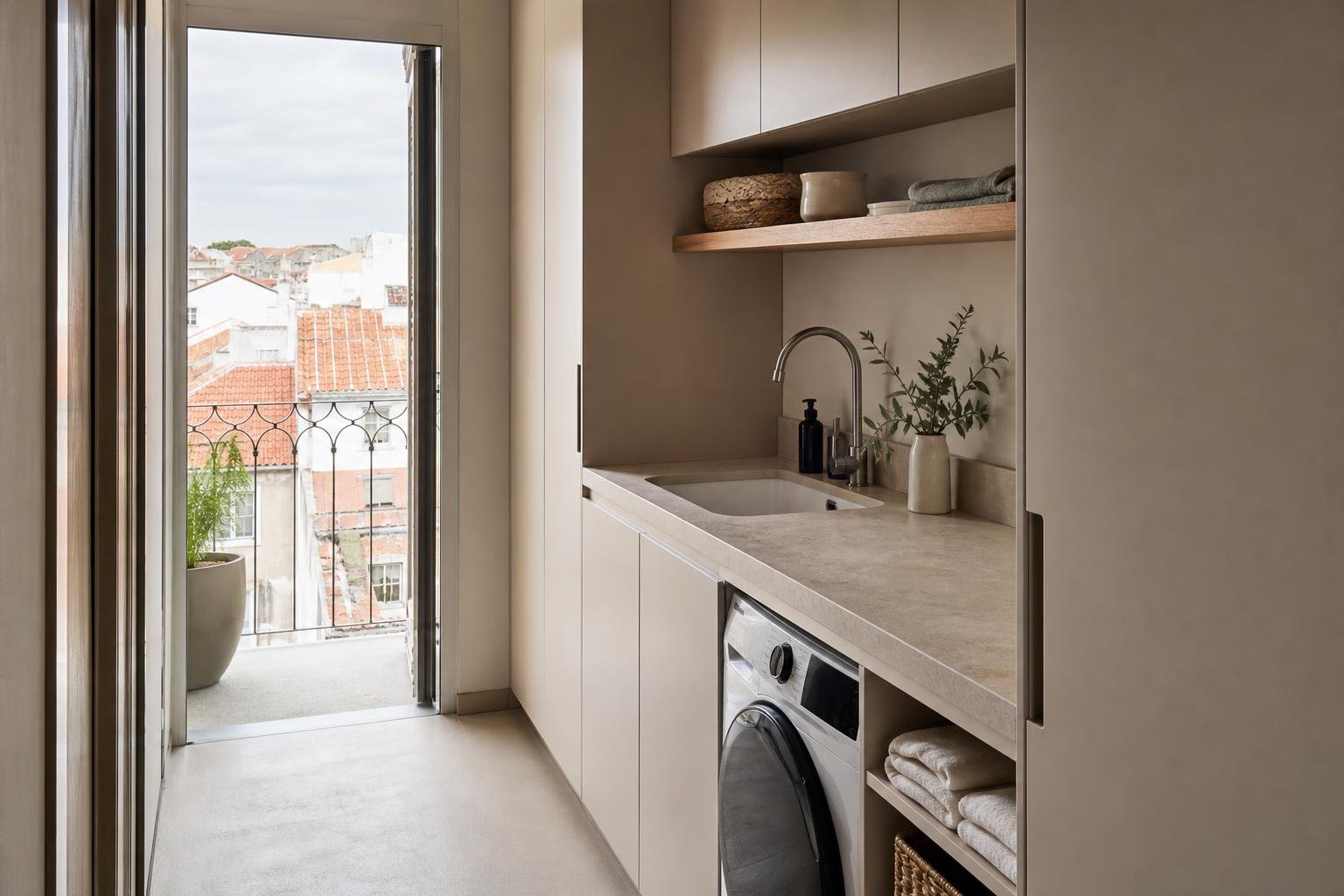
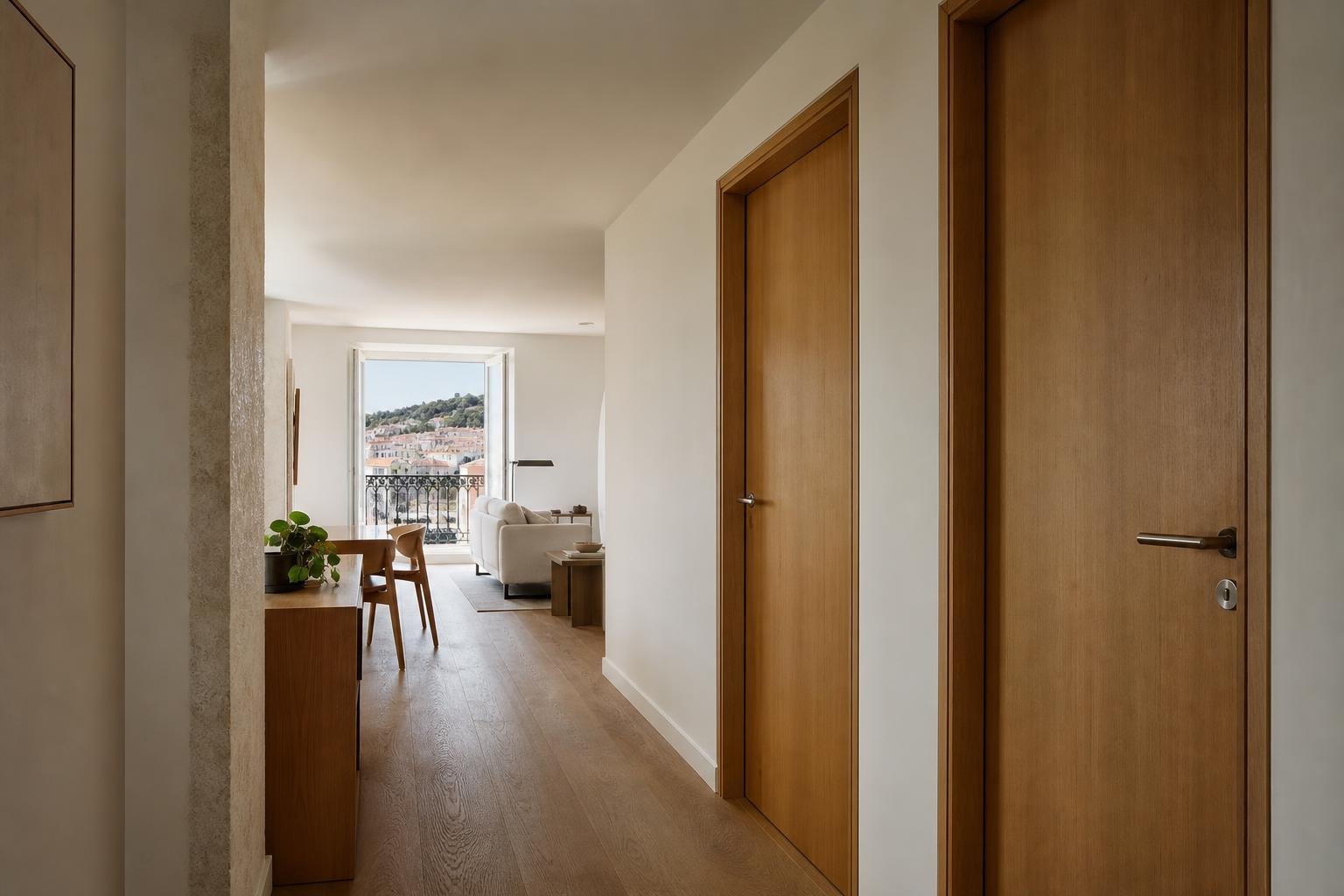
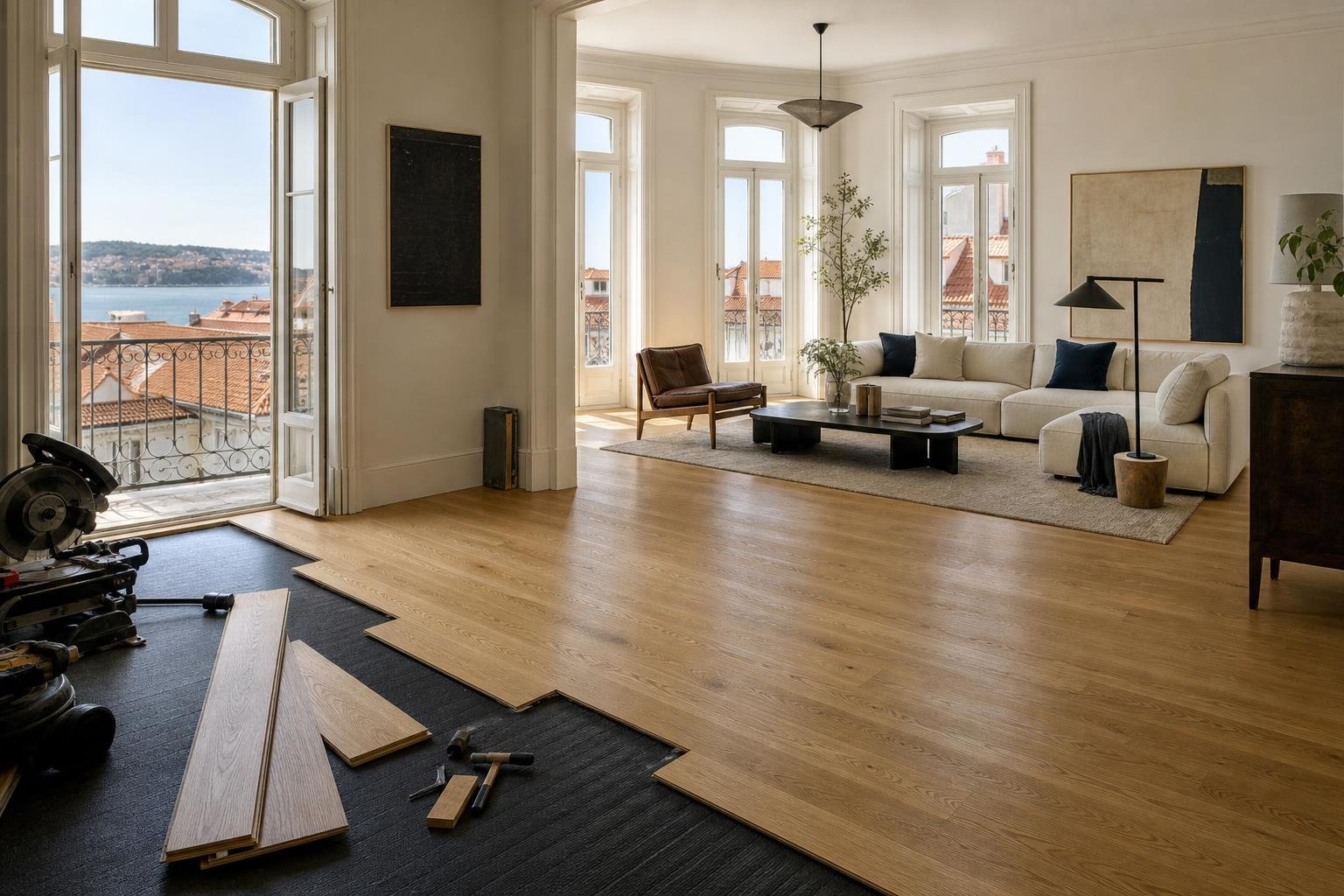
AI-generated editorial image; it does not depict an Obra Lisboa project.

Obra Lisboa