Before making an offer, read the energy certificate as a technical snapshot of the apartment and a checklist for the viewing. The rating alone does not decide whether a property is a sound purchase: in an older Lisbon building, a low rating may reflect windows, walls, roof exposure, orientation or hot-water systems, each with different costs, permissions and practical limits. Request the full document early, test it against the visit and include foreseeable work in your total calculation.
Contents
- The certificate should arrive before the promissory contract
- What the energy rating says — and what it does not
- How to test the document against the apartment visit
- Which recommendations need quotes before you offer
- When a low rating should change the negotiation
- Turn the certificate into conditions before signing
The certificate should arrive before the promissory contract
For sales of covered buildings or units, the owner must make a copy of the energy certificate, or digital information about its contents, available to the buyer before the promissory sale contract; the original is provided before the final deed. This obligation is set out in Decree-Law no. 101-D/2020. Do not accept the rating shown in an advert in place of the document: check its number, address, unit and issue date.
Before the viewing, use ADENE’s energy-certificate search tool to identify the property and consult the result associated with the certificate. The tool does not replace the complete copy you should request from the seller, but it can help identify a reference that does not match the advertised unit at an early stage.
Validity is not always the same: it depends on the certificate type, building and its condition, and can run for up to ten years. Even while valid, a certificate may not record later work. If windows, air conditioning, a heat pump or insulation were fitted after it was issued, request invoices, technical data sheets and confirmation that the work complied with the building and condominium rules. If the plan and the flat do not match, treat this as a separate documentation risk; see also how to assess unverified interior alterations before offering.
What the energy rating says — and what it does not
The certificate rates energy performance on a scale from A+ to F and sets out improvement measures. The rating comes from a standardised method with assumed conditions of use; it is useful for comparing a unit’s energy potential, rather than forecasting your future bill to the euro. Read ADENE’s energy-certification terminology before turning a letter grade into a conclusion about monthly costs.
Two homes with the same rating can feel very different. One may face west, receive strong afternoon sun and have effective shutters; another may receive little sun, have damp on an external wall or lack adequate ventilation. Occupancy, chosen temperatures, household size and appliances also differ. For an investment decision, the useful question is: which building defects or systems explain the rating, and which can be corrected without triggering disproportionate work?
| In the certificate | Check during the viewing | Effect on your decision |
|---|---|---|
| Windows and openings | Frame type, seals, shutter boxes and street noise | Separates simple adjustment or replacement from a solution constrained by the façade |
| Opaque envelope | Cold walls, stains, roof above the unit and areas without sunlight | Helps distinguish thermal discomfort from leaks or defects requiring diagnosis |
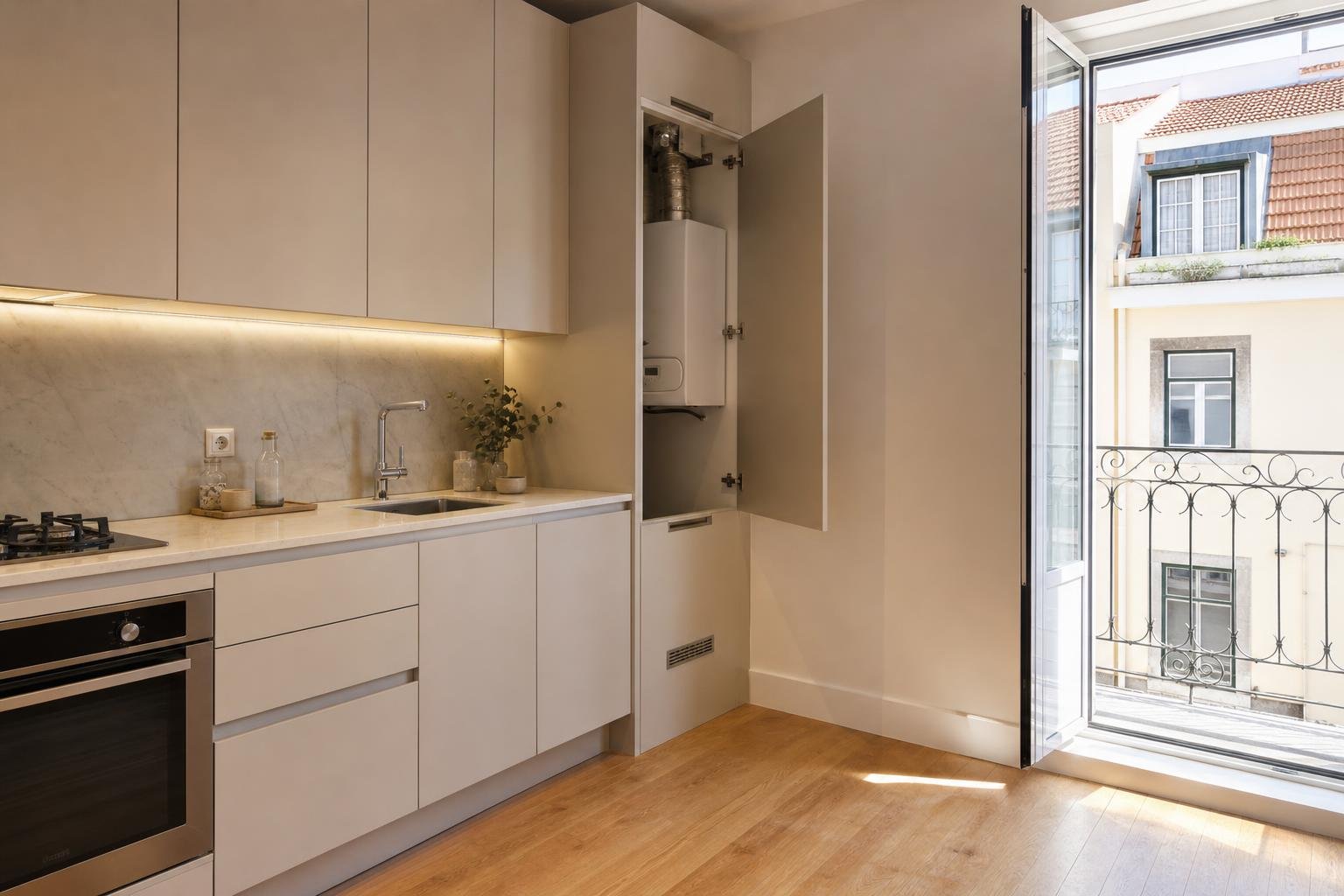
| Hot water and heating/cooling | Age, location, ventilation, maintenance and technical space for equipment | Prevents an assumption that a recommended unit will fit or can be installed without alterations |
| Improvement measures | Order, compatibility and assumptions behind recommendations | Provides a basis for comparable quotes, rather than figures to add up without checking the home |
How to test the document against the apartment visit
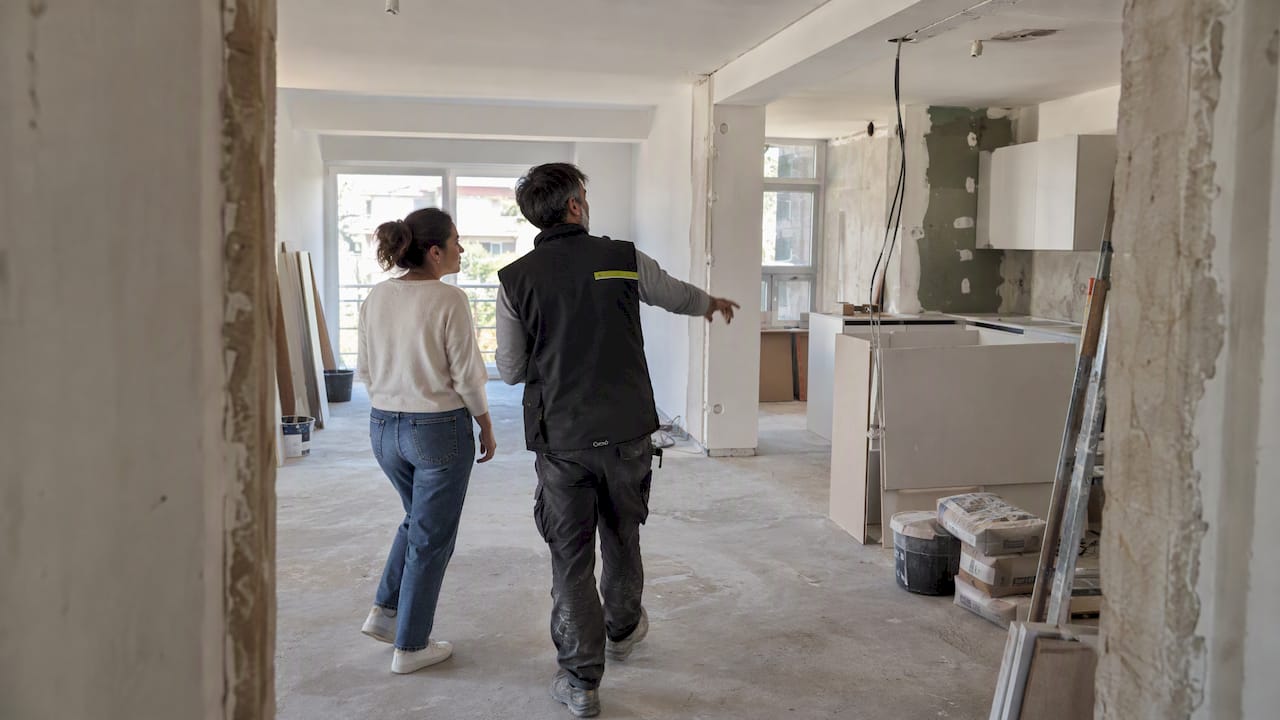
Take the certificate to the viewing and visit at a time when the orientation reveals the issue you need to understand. For a west-facing apartment, go in late afternoon; on the top floor, ask about the roof and the condominium’s latest intervention; above commercial premises, listen for equipment, extraction systems and deliveries. Open windows, note the position of radiators or indoor units and check whether the stated ventilation is actually working.
- Compare the recorded area, type and unit with the available tax record, plan and the flat you visit.
- Locate every proposed improvement: wall, window, roof, appliance or hot-water system.
- Record constraints: fixed furniture, inaccessible ducts, protected façade, lack of technical space or condominium rules.
- Ask about actual consumption only for context and request bills, without treating them as a guarantee of your own future use.
If the apartment comes with a storage room or parking space, first establish whether these are truly included in the unit and whether their running costs or consumption are separate. This needs its own document check, covered in how to verify what is included when a property has storage or parking.

Which recommendations need quotes before you offer
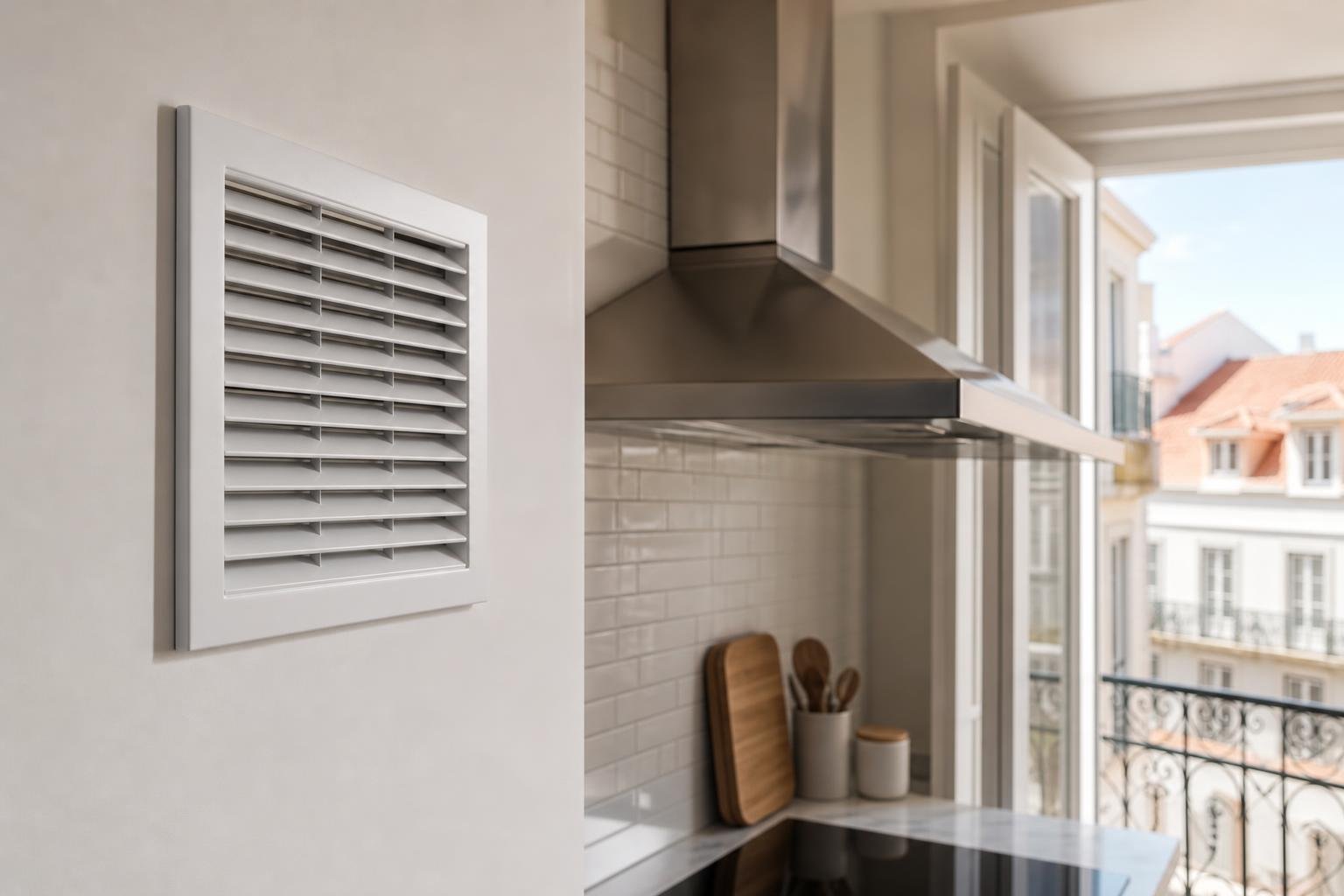
Get estimates before proceeding when a recommended measure affects common elements, changes the façade, relies on the roof or requires significant changes to services. Replacing equipment may sound straightforward, but a heat pump, external unit or new ventilation system needs space, drainage, electrical supply and accessible maintenance. In older buildings, those conditions decide whether the measure is feasible.
Divide measures into three groups: maintenance and adjustments you can carry out after purchase; foreseeable internal work, such as improving seals or changing equipment in the same location; and interventions that require design, approval or a condominium decision. ADENE’s guidance on energy certificates and improvement measures gives examples including insulation, windows, ventilation and more efficient equipment. A recommendation still does not replace a survey of the home or a quote with a defined scope.
Do not automatically add the investment amount in a certificate to a renovation quote. A recommendation is based on technical assumptions; a quote should define materials, access, reinstatement, VAT, equipment and excluded work.
When a low rating should change the negotiation
A low rating warrants a review of your offer when it matches tangible signs of work: persistent discomfort, deteriorated window frames, end-of-life equipment, stains that may indicate water or poor ventilation, or a roof-level unit with no clear information about waterproofing. The relevant figure is not an asserted future uplift; it is the allowance needed to buy, regularise, repair and use the home at an acceptable level of comfort.
Avoid two common mistakes. The first is applying an arbitrary discount because the rating is low. The second is dismissing it by assuming that new windows will solve everything. An intervention may be constrained by the façade composition, common elements or a cause that is not thermal. Where there are visible signs of deterioration, Lisbon City Council provides a process for an inspection recording a property’s state of repair; the resulting report describes visible defects but does not determine their causes. For a purchase decision, that reinforces the need for a technical diagnosis suited to the issue.
Turn the certificate into conditions before signing
Organise the decision rather than looking for a hidden answer in the rating. Keep the certificate, listing sheet, dated viewing photographs, equipment records and the seller’s written replies. If you proceed with renovation, set out which improvements have actually been selected, who will carry them out and how they will be checked before payment.
- Request the full certificate and confirm it matches the unit.
- List recommendations, constraints and common elements involved.
- Request prices only for technically comparable solutions.
- Keep an allowance for discoveries when older construction is opened up, without assuming every risk will occur.
- Build energy decisions into renovation hold points and the final handover file.
A well-read certificate does not promise a return or replace a survey. It helps you buy with fewer assumptions and choose priorities before the apartment becomes yours.
Key takeaways
- Request the full energy certificate before the promissory contract and confirm it relates to the unit you viewed.
- Read each recommendation in the property itself: space, services, façade constraints and condominium decisions matter.
- Use the rating to frame questions and obtain comparable quotes, not to predict bills or guaranteed returns.
- Where there are signs of water damage, cracks or undocumented alterations, assess them as separate risks.
If you are considering buying and renovating an apartment in Lisbon, gather the certificate, available plans and your intended use before requesting a proposal. Obra Lisboa can help structure a renovation with a clear scope, stage checks and handover documentation.
Sources and further reading
- Decree-Law no. 101-D/2020
- ADENE’s energy-certification terminology
- ADENE’s energy-certificate search tool
- guidance on energy certificates and improvement measures
- inspection recording a property’s state of repair
Editorial image; it does not depict an Obra Lisboa project.

Obra Lisboa