A flat in an Urban Rehabilitation Area does not automatically bring a tax advantage or make a renovation straightforward. It can, however, change the route for the purchase, the works and municipal applications. Before making an offer, confirm the formal location, the planning status of the flat and building, condominium decisions, and the actual conditions behind any advertised incentive. This prevents you from paying for a possibility that does not apply to the property or to the work you intend to carry out.
Contents
- What being in an ARU means — and what it does not
- Ask for four separate confirmations before offering
- Right of pre-emption: why it can change the purchase timetable
- Tax incentives: turn sales language into specific requirements
- Build a works budget that can withstand delays and common parts
- A safer sequence for moving forward without buying a promise
What being in an ARU means — and what it does not
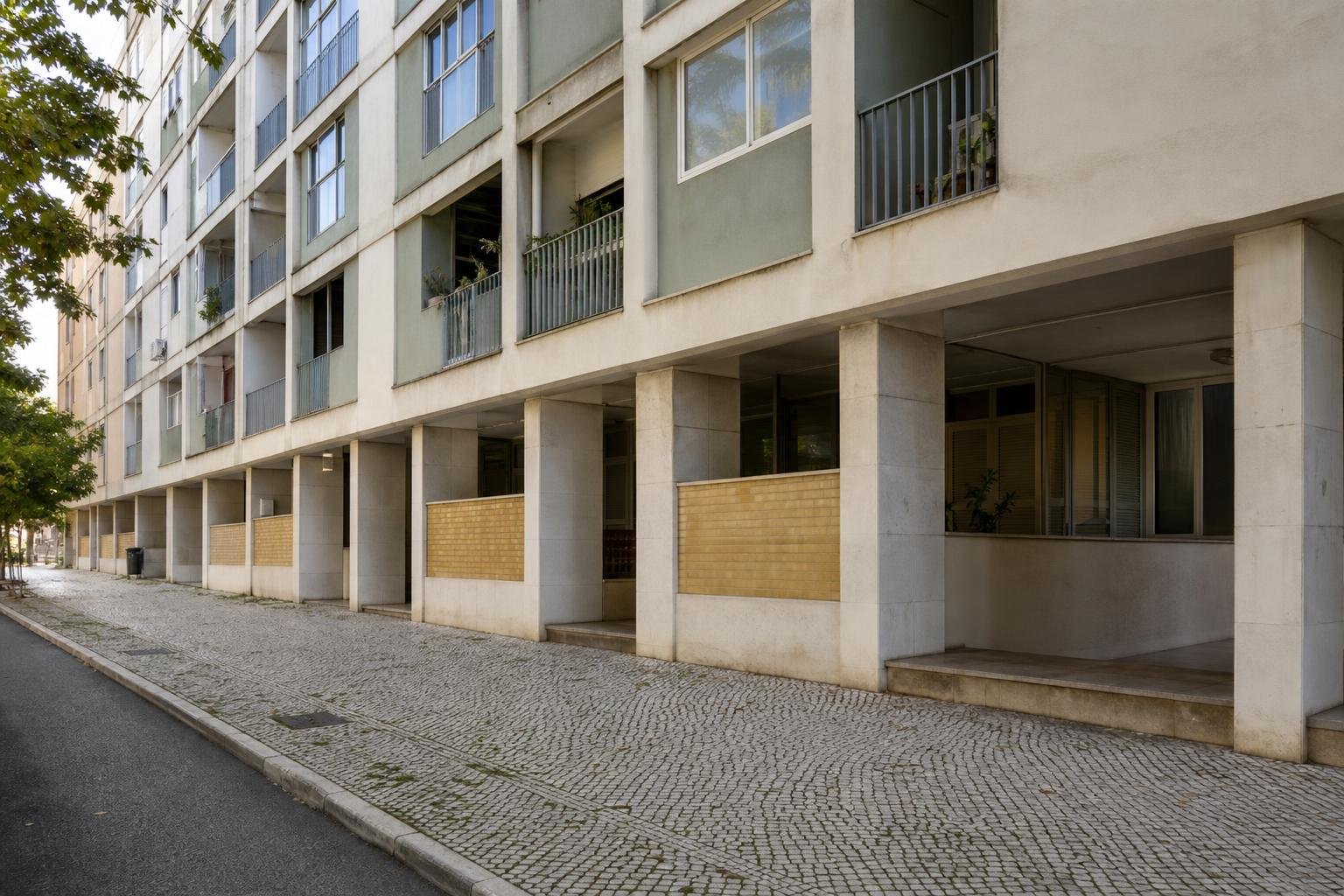
An ARU is a geographically defined Urban Rehabilitation Area, set by the municipality to guide urban rehabilitation. In Lisbon, the practical check should not rely on an estate-agent description, a property portal map or the phrase “historic area”. The council provides an Urban Rehabilitation Area location plan, issued from the address through the municipal platform.
That location can matter when framing future work, yet it does not settle issues that need their own review: whether the flat matches the approved plans, whether works need prior planning control, whether heritage rules apply, whether the façade or roof are common parts, and whether the condominium supports the intervention.
Treat ARU status as one part of the decision file. It is not shorthand for “easy work”, “guaranteed reduced VAT” or “certain exemption”.
Ask for four separate confirmations before offering
There is an important difference between confirming where a property is and confirming what you may do to it. Organise the review across four areas:
- Boundary: obtain the ARU plan for the address and retain it with the purchase documents.
- Planning record: compare plans, areas, openings, enclosed balconies, storage rooms and internal layout against the available record. An old undocumented alteration does not disappear because the building sits in an ARU.
- Condominium: read recent meeting minutes, especially references to façades, roofs, waste stacks, damp, lifts and approved works without a final budget.
- Work strategy: define the intended work before assuming it is simple maintenance or internal alteration.
This split helps distinguish a purchase with foreseeable work from one where the flat appears acceptable but depends on collective decisions and costs. To structure technical checks before walls are closed or work stages are paid for, also see our guide to renovation hold points.
| Item | What to confirm | Why it matters |
|---|---|---|
| ARU plan | Whether the address is formally included | Avoids relying on a sales description |
| Planning record | Whether the flat matches the valid record | Reveals alterations that may limit work or require regularisation |
| Condominium minutes | Planned works, leaks and resolutions | Exposes costs and dependencies outside the flat |
| Outline of intended works | Demolition, services, windows and façade | Allows permissions, approvals and budget to be tested |
Right of pre-emption: why it can change the purchase timetable
In Lisbon, certain properties may be subject to the municipality’s right of pre-emption, including cases related to their location in an ARU. The council explains that this can be checked in LxPlantas through the address and parish, under the Urban Rehabilitation module. Read the municipal rules on the exercise of the right of pre-emption before booking completion or accepting a tight deadline in the promissory purchase agreement.
For a buyer planning rehabilitation or rental, the practical effect is clear: the timetable should not depend only on mortgage approval, the seller’s availability and the desired renovation start date. Ask your solicitor or lawyer whether a procedure applies and how it should be built into the contract timetable.
Do not leave this check until the final paperwork. If the offer only works with a fixed date for taking possession and starting work, reflect that dependency in the negotiation.

Tax incentives: turn sales language into specific requirements
Statements such as “IMT benefit”, “IMI exempt” or “works at 6% VAT” require another question: benefit for whom, for which transaction, and at what point? The municipal page on IMT exemption for rehabilitated properties makes clear that eligibility depends on the rehabilitation and legal requirements, not location alone. The council also states that planning inconsistencies against the valid record prevent incentives from being granted.
IMI follows its own recognition process and timing. For works requiring prior planning control, failing to file at the appropriate stage can mean losing entitlement to recognition. Check the applicable conditions in the council’s information on IMI exemption for rehabilitation works.
Ask the seller for documents rather than projections. If an incentive is essential to your budget, take independent tax and legal advice before signing.
Build a works budget that can withstand delays and common parts
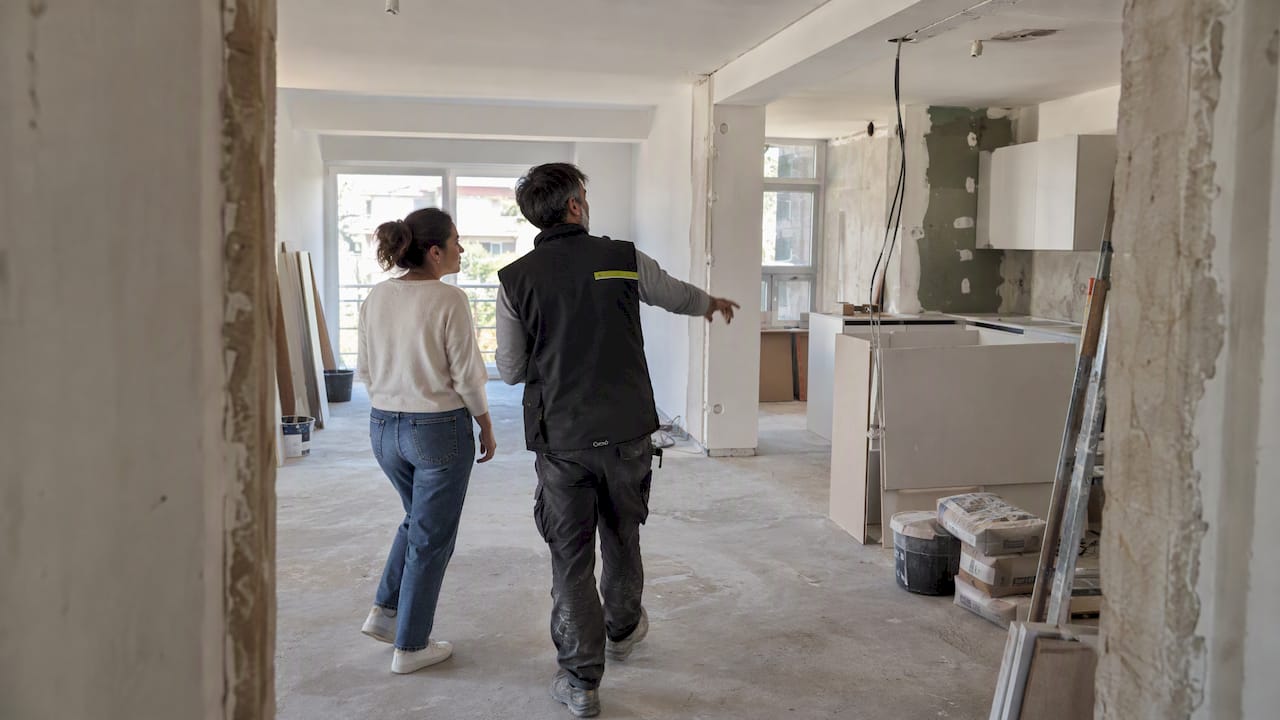
A prudent investment review does not add up only purchase price, IMT, deed costs and a new kitchen. Separate the budget into three pots: work within the flat; work dependent on the condominium; and a contingency for matters confirmed only after opening up finishes or reviewing the planning file.
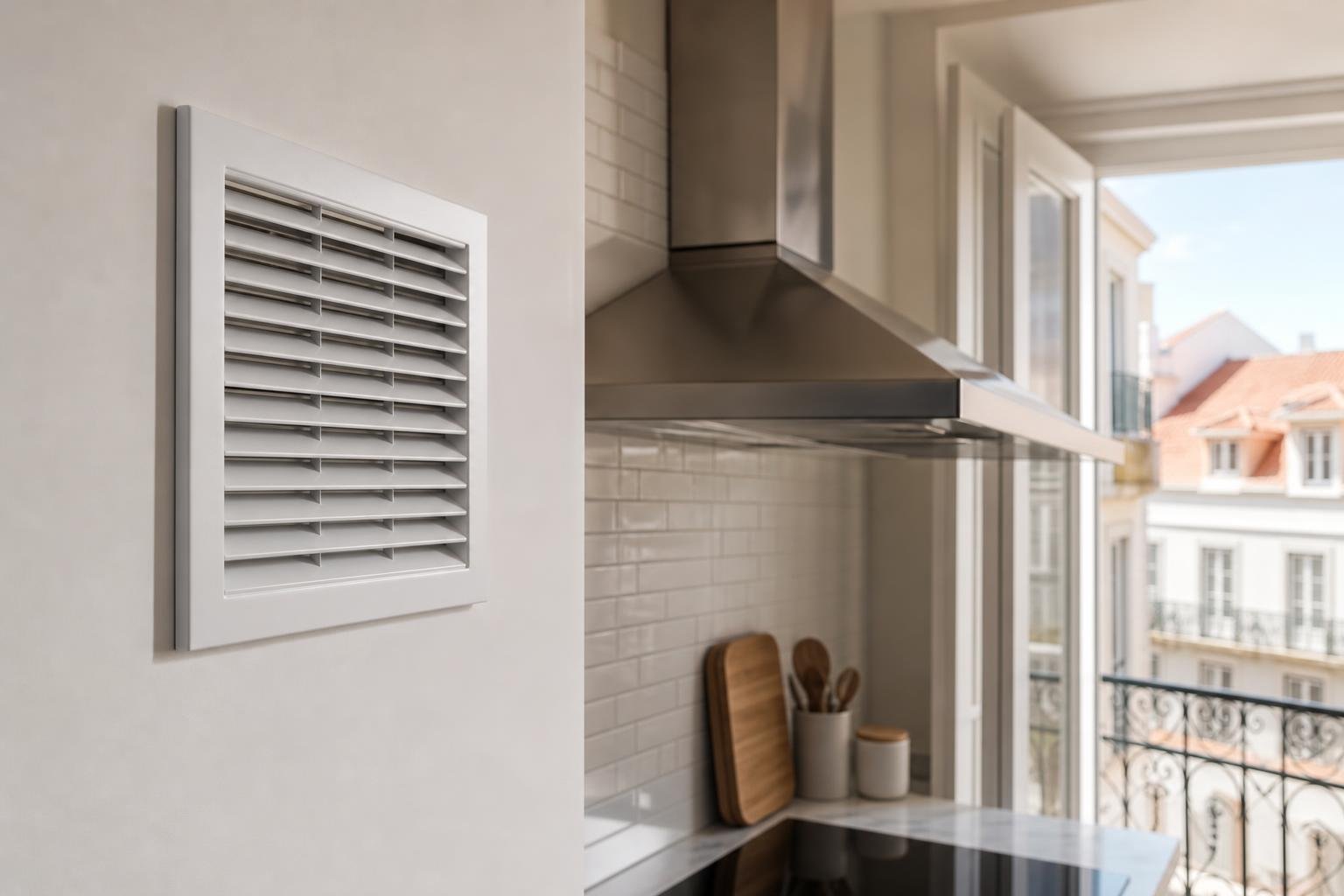
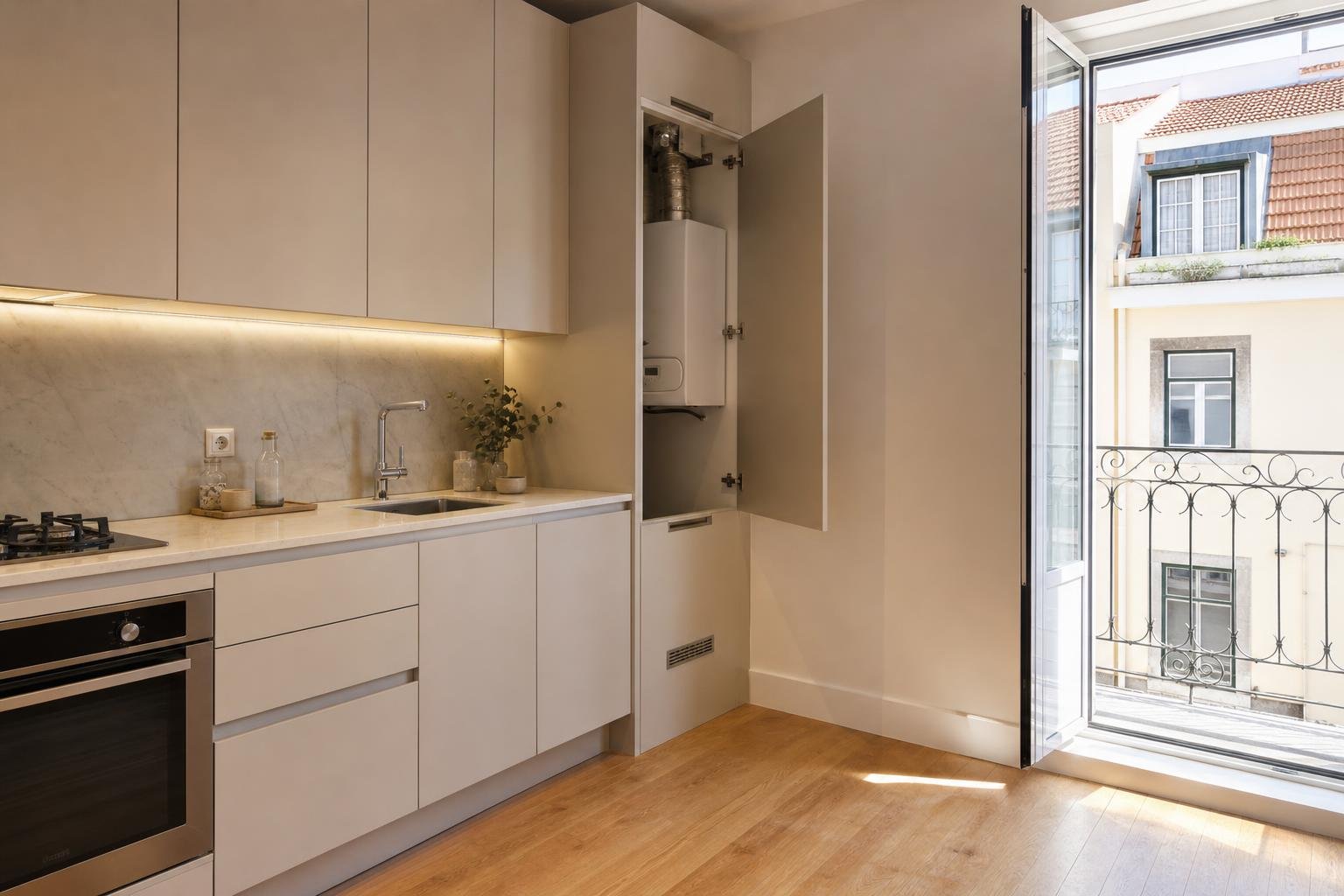
In older Lisbon buildings, opening a wall may reveal stacks, uneven floors, abandoned ductwork or unclear earlier solutions. Windows, external shutters, façades, railings, roofs and shared services should rarely be included in a single-flat plan without checking ownership, building rules and resolutions.
The energy certificate also deserves a practical reading. ADENE states that the certificate is mandatory in property transactions and grades a property’s energy-efficiency potential. Use it to form questions about the envelope, openings and systems rather than reducing it to a letter. Our guide to buying with an energy certificate helps turn that reading into a decision list.
A safer sequence for moving forward without buying a promise
After viewing, proceed in order. First confirm ARU status and the planning record; then read condominium documentation; only then commission a works study that matches what is actually permitted and accessible. Finally, review taxes, deadlines and conditional clauses with legal and tax support.
- Do not accept the term “suitable for rehabilitation” without defining the intervention.
- Do not confuse a recent refurbishment with officially recognised rehabilitation for tax purposes.
- Do not budget for façade or common-part changes without verifiable approval.
- Do not base the offer solely on price per square metre; compare the full cost of acquisition, correction and maintenance.
Transaction prices can help frame the market, but they do not replace due diligence on a particular building. To use local data without mistaking an average for the value of a specific flat, read our article on sale prices in Lisbon, Cascais and Oeiras.
Key takeaways
- Formally confirm ARU inclusion; an advert is not enough.
- ARU status, tax eligibility and workable renovation scope are separate checks.
- Read condominium minutes before pricing the refurbishment of the flat.
- Make the offer depend on documents and timings that can be evidenced.
If you are assessing a Lisbon purchase for rehabilitation, first gather plans, condominium minutes and a clear description of the intended work. Obra Lisboa can help turn that information into a technical renovation scope before you make work decisions.
Sources and further reading
- Urban Rehabilitation Area location plan
- exercise of the right of pre-emption
- IMT exemption for rehabilitated properties
- IMI exemption for rehabilitation works
- ADENE
Editorial image; it does not depict an Obra Lisboa project.

Obra Lisboa