To heat a room more effectively, control the temperature and clear the heat path before buying another appliance. In a Lisbon home, a cold living room may be caused by a blocked radiator, draughty window or a heater used in the wrong space. The priority is to keep an occupied area comfortable, limit heat loss and maintain fresh-air renewal where combustion appliances are present. This order of decisions reduces waste and avoids quick fixes that create risk or condensation.
Contents
- Choose the room that actually needs heating
- What temperature should you set?
- Why does the radiator seem weak?
- Seal heat losses without sealing in stale air
- Portable heaters: what they solve and what they do not
- When a small improvement belongs in the renovation plan
Choose the room that actually needs heating
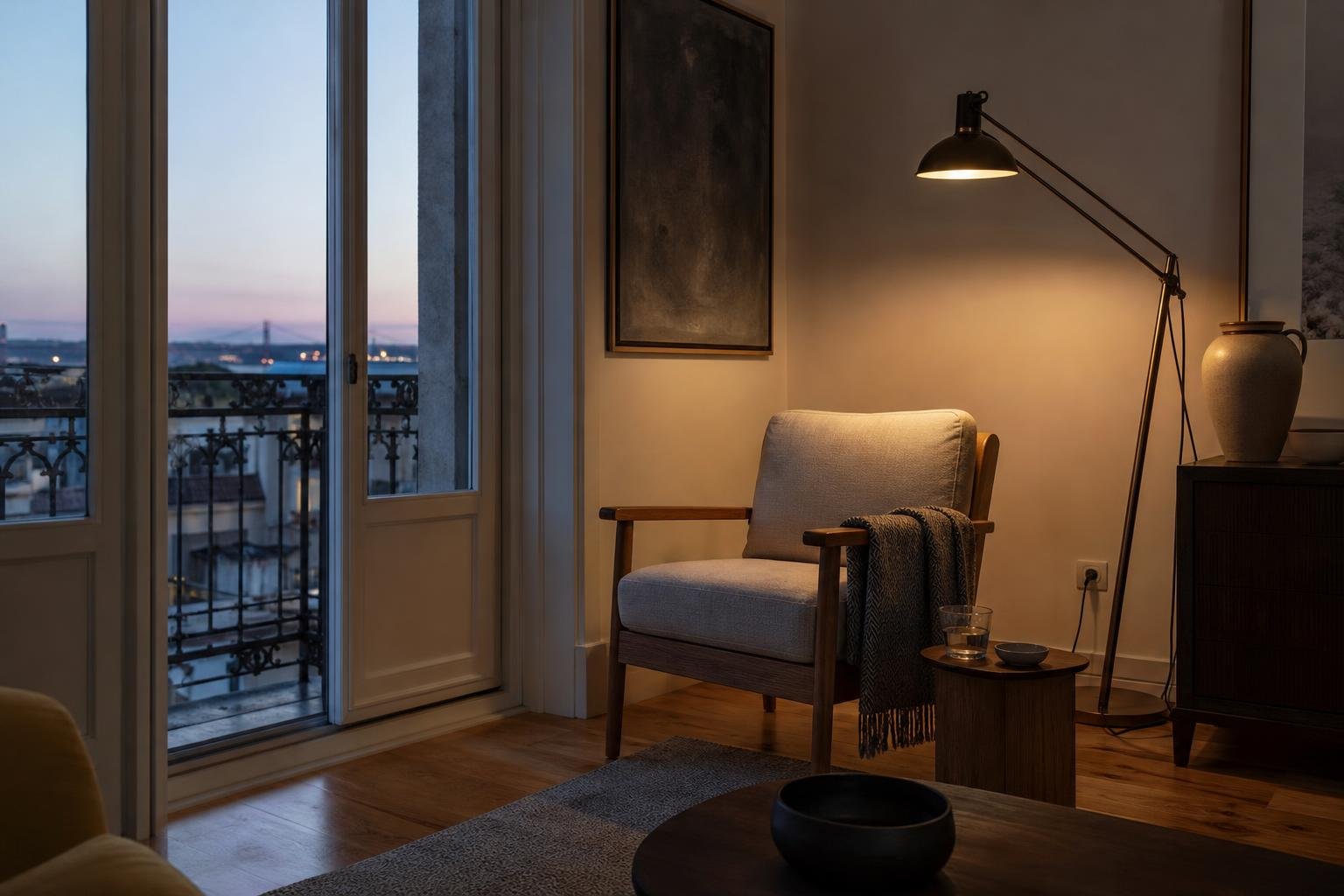
You do not need to heat every room in the same way. During cold spells, DGS cold-weather guidance for the general population advises keeping the living room warm during the day if the whole home cannot be heated, then warming the bedroom before bedtime. This is useful in flats with limited heating: focus energy where people spend time instead of leaving doors open in an attempt to warm corridors, kitchens and empty bedrooms.
For Lisbon, the Tapada climate normal records average minimum temperatures of 7.9 °C in January and 8.1 °C in February. An exposed façade, a ground-floor flat above an unheated space or older window frames can make those outdoor conditions feel far more severe indoors. Use the IPMA Lisbon/Tapada climate normal as context, then look closely at your own flat: where people sit still, where draughts are noticeable and which door separates the heated zone from the rest of the home.
- Make a regularly used living room the main daytime zone.
- Close doors to unused rooms without blocking designed grilles or ventilation paths.
- Warm the bedroom before bedtime rather than keeping it very warm continuously.
- Use a simple indoor thermometer for several days to establish whether discomfort is constant or mainly happens at night.
What temperature should you set?
A thermostat prevents two unhelpful extremes: a room that stays cold and heating set higher than necessary. During cold weather, DGS recommends keeping the home between 18 °C and 21 °C. That is a starting point; young children, older residents and people with health conditions may need extra attention, and clinical advice should take priority where it exists.
ADENE’s Save Energy Together campaign states that reducing room temperature by 1 °C can reduce heating costs by 6%. It also suggests setting the thermostat to 17–19 °C at night. Do not treat these figures as a reason to eliminate ventilation or seal a damp room: thermal comfort, fresh air and moisture control need to work together. See ADENE’s winter heating-cost guidance.
If the thermostat is in a cold hall, beside the kitchen or in afternoon sun, it may control the system poorly. Before replacing it, ask whoever is responsible for the installation to assess its location. In a wet-radiator system, thermostatic radiator valves can help limit heat in lightly used bedrooms, but they must suit the circuit and should be installed and adjusted by a professional.
| Situation | Starting decision | What to watch |
|---|---|---|
| Living room used during the day | Set a stable comfortable temperature within 18–21 °C | Draughts, open doors and a blocked radiator |
| Bedroom before bedtime | Pre-warm, then reduce heating afterwards | Damp bedding, window condensation and appliance safety |
| Home temporarily empty | Avoid holding every room at its occupied-use temperature | Moisture, exposed pipework and manufacturer instructions |
Why does the radiator seem weak?
A radiator cannot perform properly when its heat is trapped behind a sofa, deep chest of drawers or long curtains. ADENE estimates that furniture and curtains in front of radiators can increase heating costs by up to 12%. The fix does not require a renovation: move items away from the front, keep the upper section clear and make sure a closed curtain does not fall over the radiator.
Run through this short check before turning up the thermostat:
- Check that the radiator is unobstructed and its valve has not been left partly closed.
- Compare the temperature near the radiator with the place where you sit; shelving or a sofa may be creating a local pocket of warm air.
- Close curtains at dusk, provided they do not cover the emitter.
- Check for a poorly sealed window or a draughty roller-shutter box near the heat source.
A radiator that stays cold, warms only along one strip or leaks should not be forced to work harder. Switch the system off if water is visible and arrange a diagnosis. Bleeding, hydraulic balancing and valve repair depend on the system and can affect other flats where pipework is shared.

Seal heat losses without sealing in stale air
Sealing doors and windows can reduce cold-air entry and heat loss; DGS lists it among its cold-weather preparations. Start with straightforward points: worn seals on an opening sash, a gap under the entrance door, a latch that no longer pulls the frame tight or cracked window sealant. On a windy day, check for draughts by hand rather than bringing candles, lighters or any ignition source close to the opening.
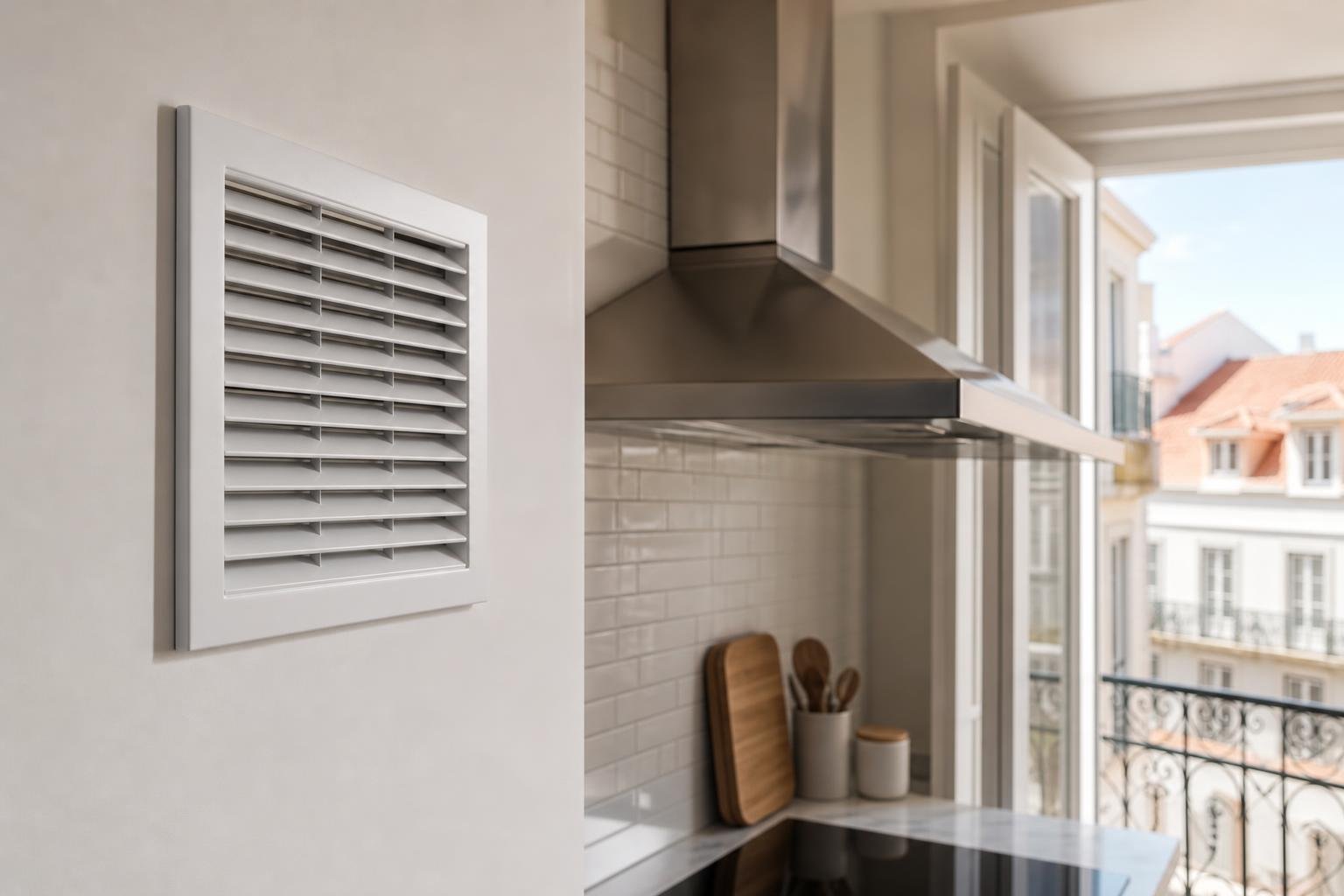
There is an important boundary. Do not block permanent grilles, air inlets designed into the system or openings associated with gas appliances. Portugal’s legal framework for the energy performance of homes links the envelope, ventilation, comfort and condensation risk. Read Law No. 52/2018 and its amendments to the energy-performance framework before turning a larger intervention in windows, walls or ventilation into disconnected decisions.
If you are assessing a purchase or planning renovation work, this guide to reading an energy certificate before making an offer helps identify where to investigate heat loss and which improvements may already have been considered for the flat.
Portable heaters: what they solve and what they do not
A portable electric heater can provide occasional comfort in a small room when the electrical installation is sound, the socket is suitable and the appliance stays clear of curtains, laundry, sofas and walking routes. Do not hide it under a table or run it from overloaded extension leads. Switch it off before sleeping or leaving home, as DGS advises.
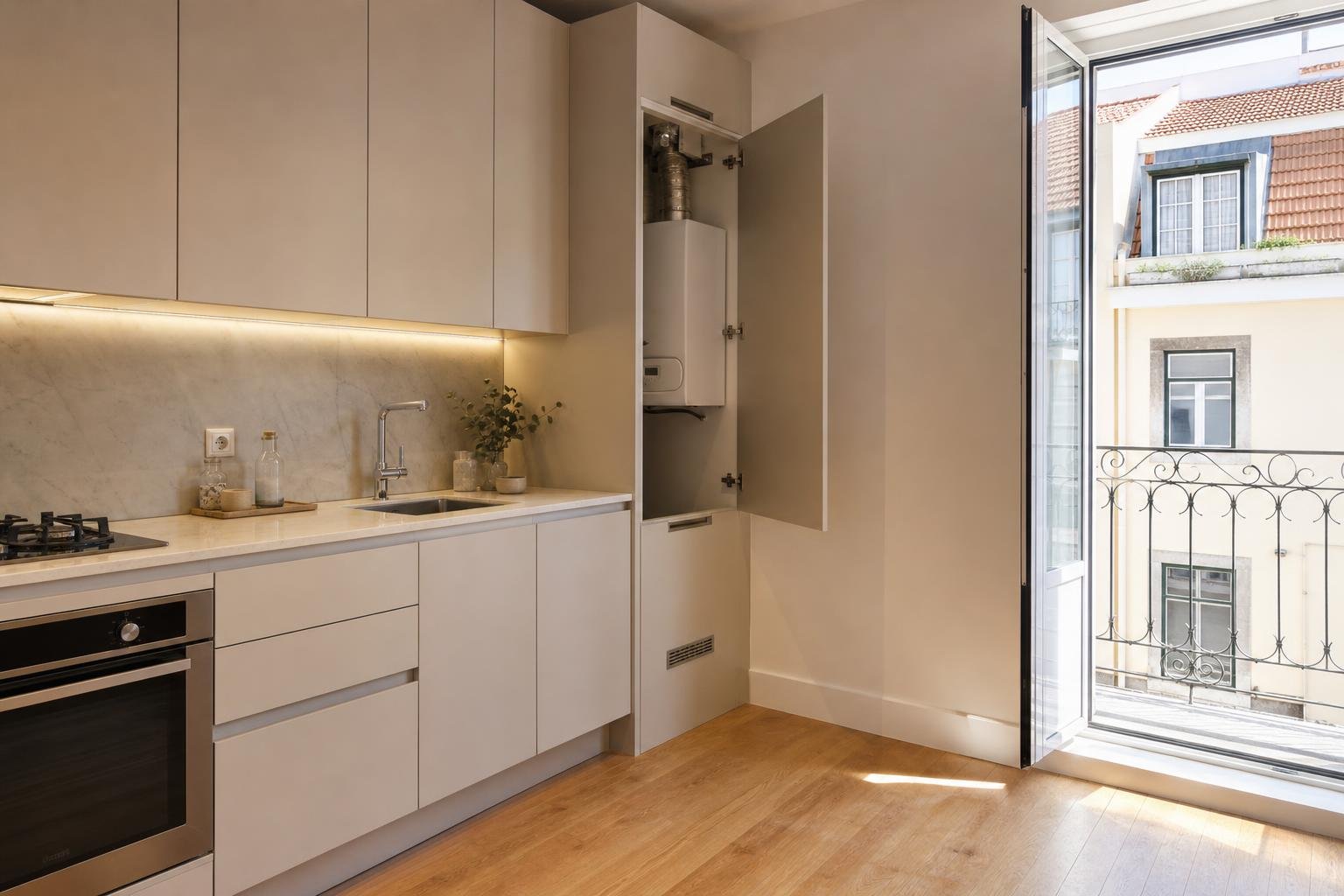
Combustion appliances need a different level of care. DGS is explicit: do not use a cooker, oven, charcoal brazier or outdoor heater to warm the home. Fireplaces, stoves and gas appliances require correct ventilation to prevent harmful gases building up. If you notice an unusual smell, headache, dizziness, abnormal soot or suspected poor draught, stop using the appliance and call for technical assistance; do not try to solve the issue by blocking air inlets.
A portable appliance also cannot fix a room that overheats in summer. If the same room needs heat in winter and becomes unbearable on July afternoons, the decision may lie in the envelope, shading and ventilation. For hot periods, review the guide to portable air conditioning in a Lisbon apartment before buying a temporary solution.
When a small improvement belongs in the renovation plan
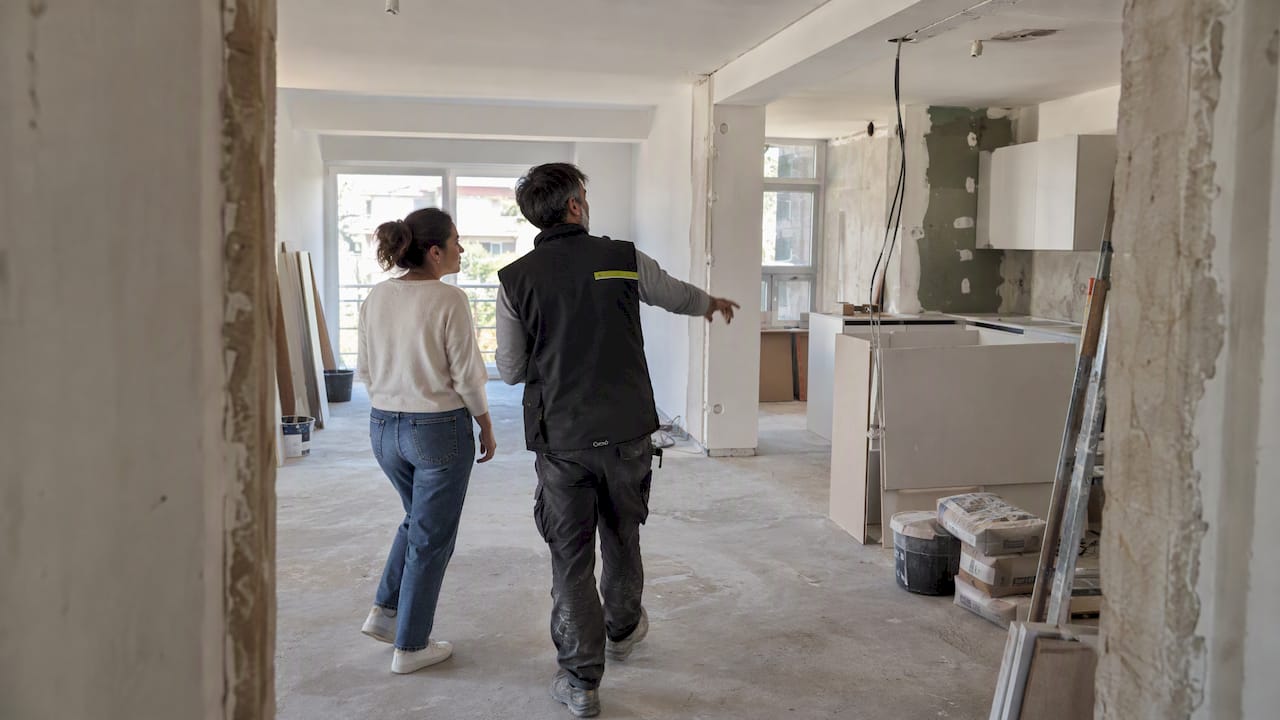
If you are opening walls, replacing windows, changing floors or renewing heating, record comfort-related decisions early: thermostat location, pipe routes, radiator positions, sockets for auxiliary equipment, roller-shutter boxes, window seals and ventilation in wet rooms. Correcting these items after painting and furnishing costs more and usually produces patchwork repairs.
Use hold points before chases are closed, furniture is installed or a work stage is paid for: check pipework photographs, valve access, clearances from curtains and furniture, and that controls operate properly. The article on renovation hold points explains how to turn those checks into simple site decisions.
Call a qualified professional when there is a leak, smell of gas or fumes, a tripping breaker, radiators heating unevenly, persistent condensation or a need to alter electrical circuits, gas appliances or ventilation. A sound intervention deals with the cause before adding more heating power.
Key takeaways
- Choose a main occupied room and use a thermometer to manage temperature instead of heating the whole home by habit.
- Keep radiators clear of curtains and furniture; a higher thermostat setting will not solve a blocked emitter.
- Seal gaps around doors and windows, but never block designed ventilation or openings for gas appliances.
- Leaks, combustion smells, electrical faults and persistent condensation need a technical diagnosis.
If your renovation includes windows, heating or ventilation, speak with Obra Lisboa to define the technical scope before walls are closed or equipment is ordered.
Sources and further reading
- winter heating-cost guidance
- DGS cold-weather guidance for the general population
- Law No. 52/2018 and its amendments to the energy-performance framework
- IPMA Lisbon/Tapada climate normal
Editorial image; it does not depict an Obra Lisboa project.

Obra Lisboa