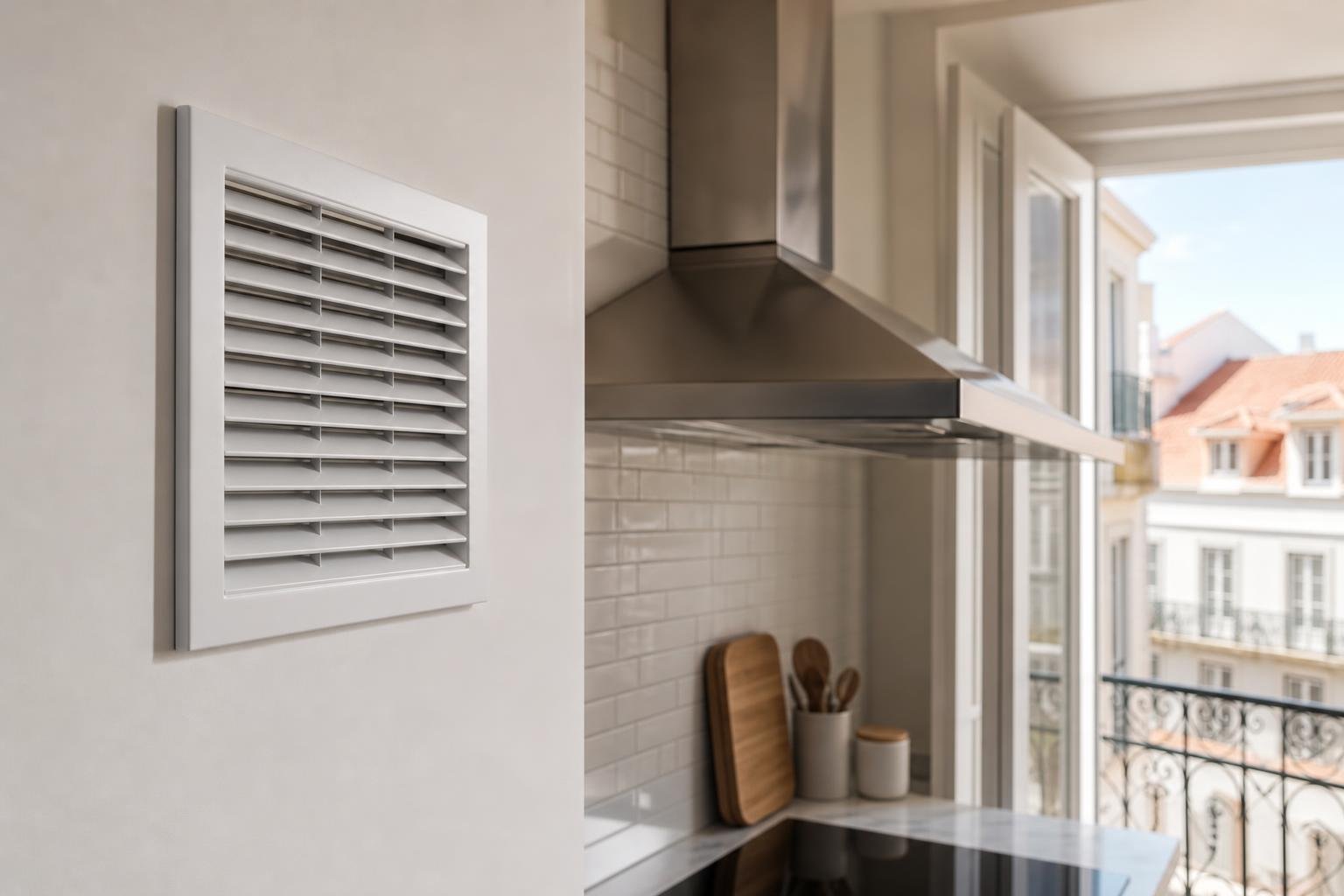
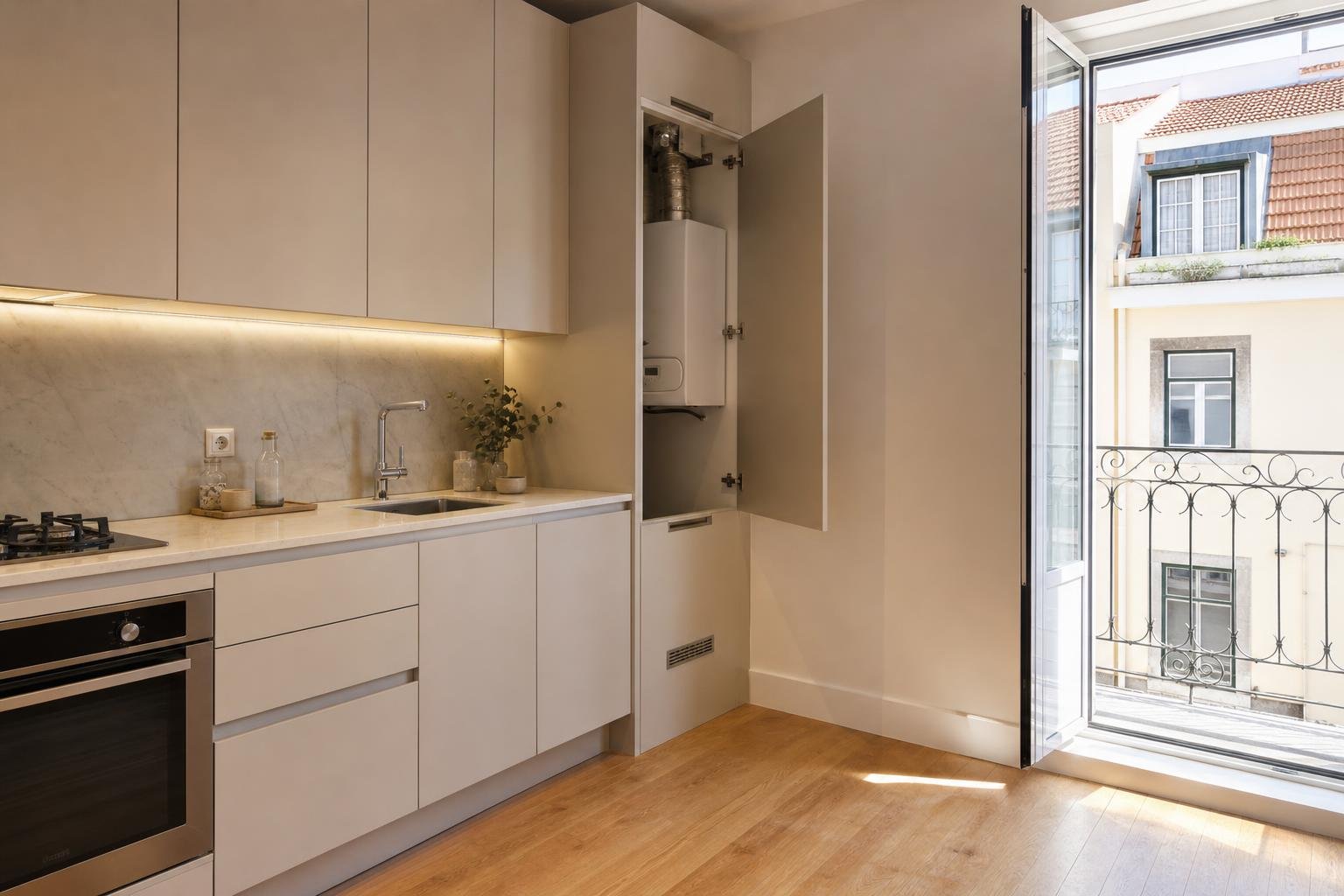
A light-coloured roof can reduce the heat absorbed by the roof surface, but it works properly only when waterproofing, insulation, falls and drainage are already in order. In a Lisbon house or top-floor flat, simply coating a dark roof may bring limited improvement and can postpone a necessary repair if it conceals cracks, ponding water or failed junctions.
The issue deserves attention because extreme heat is no longer limited to a few days in August: the IPMA’s 2026 heatwave review recorded events in several seasons. Before choosing a colour, decide whether the roof needs maintenance, full rehabilitation or only a compatible finish coat.
Contents
- Why does the roof matter so much for top-floor comfort?
- Will a white coating solve the problem?
- What should be checked before choosing a finish?
- Which option suits the condition of the roof?
- How should the work be planned without damaging waterproofing?
- Condominium, permissions and maintenance: what to confirm in Lisbon
Why does the roof matter so much for top-floor comfort?
In a single-storey house, duplex or flat immediately below the roof, the ceiling is the interior surface exposed to the sun for the longest part of the day. A dark roof heats up more at the surface; some of that heat moves through the construction and can still be felt indoors after the afternoon ends. A lighter, more reflective surface reduces that solar load at the outset, which can make a bedroom, living room or corridor less difficult to cool.
It is not a stand-alone answer to an overheated home. Solar gains through windows, poorly insulated shutter boxes, lack of safe night ventilation and heat-generating equipment still matter. Yet for buildings with exposed flat roofs, starting at the top is sensible. The IPMA climate bulletin for summer 2026 classified the season as very hot; designing the building envelope for summer is no longer a minor detail.
If discomfort is concentrated on the top floor, relate that diagnosis to the energy certificate and the real condition of the roof before immediately sizing more air conditioning. Where a temporary measure is needed, see how to use portable air conditioning in a Lisbon apartment without increasing heat gain through windows.
Will a white coating solve the problem?
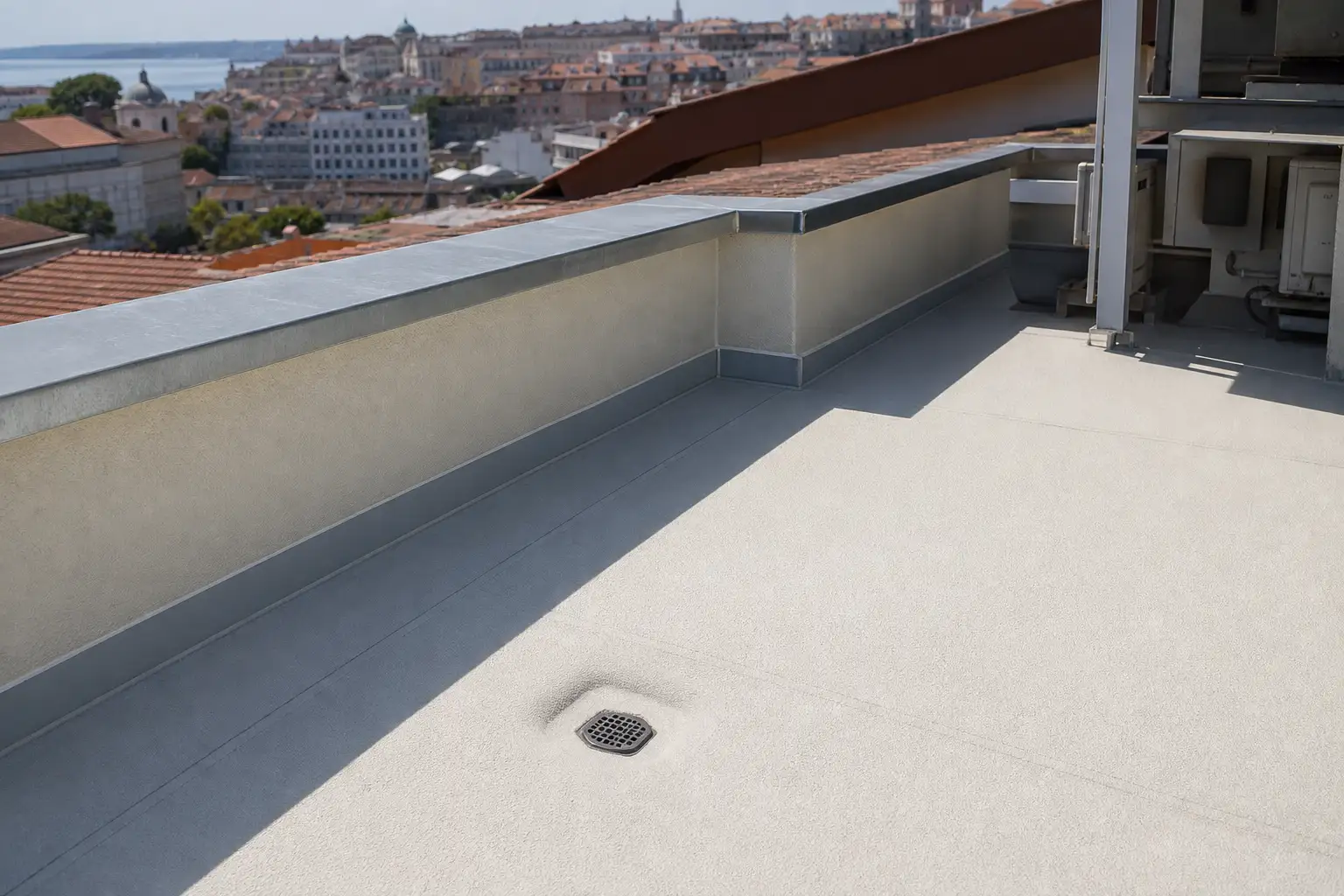
It can help; it rarely solves everything. A pale finish works mainly by reducing solar-radiation absorption. It does not replace thermal insulation: insulation limits heat transfer through the roof in both summer and winter. Nor does it replace continuous waterproofing, properly finished at drains, parapets, downpipes, skylights and equipment bases.
Three mistakes are common. The first is applying a new product over a degraded membrane with blisters, cracks or loose areas. The second is choosing by catalogue colour without confirming that the product is intended for the existing waterproofing system. The third is forgetting that light roofs collect dust, leaves and pollution, and can lose some effectiveness when they are not cleaned and inspected.
For a pitched tiled roof, the approach may be different: check fixings, underlay, roof ventilation and loft insulation. Replacing or coating tiles without understanding how water drains and air moves can create leaks or condensation.
What should be checked before choosing a finish?
Carry out a simple review, preferably before the hottest months:
- Locate the complaints. Note which rooms overheat, at what time and whether the ceiling becomes noticeably warm.
- Look at water behaviour. Check for puddles after rain, stains around drains, cracked junctions, vegetation at outlets and signs of water crossing the parapets.
- Confirm the build-up. Establish whether there is a slab, ventilated loft, insulation above or below the slab, and which membrane is in place. Without this, a compatible product cannot be selected.
- Map equipment. Outdoor units, solar panels, guardrails and cable routes create junctions and maintenance zones that cannot be covered indiscriminately.
- Check access. A roof without a maintenance route ends up being walked on directly over the membrane.
Portugal’s energy rules treat the building envelope as a central part of building performance. Ministerial Order 138-I/2021 sets requirements for the envelope and technical systems; in a substantial intervention, ask for the roof solution to be assessed as a whole rather than as a paint-only job.
Which option suits the condition of the roof?
The decision depends more on the state of the base than on a preference for a white roof. Clearly defined maintenance can preserve a system that remains sound; a roof at the end of its service life needs full rehabilitation. Where there are active leaks, fixing the cause comes before improving reflectance.
Ask the contractor to identify in writing the existing system, proposed preparation, junctions to be treated, finishing product, application conditions and how drains will be tested before handover. Keep photographs of those stages in the renovation handover file.
| Condition found | Most prudent decision | What not to do |
|---|---|---|
| Membrane is intact, with no ponding water and sound junctions | Confirm compatibility and apply a reflective finish within the recommended system | Cover drains, joints or inspection points |
| Cracks, blisters, loose areas or water ingress | Diagnose the source and repair or renew waterproofing before applying a finish | Use a light coating as a temporary repair without finding the water entry point |
| Insulation is inadequate and the ceiling becomes very hot | Assess additional insulation and the correct position of the layers | Add layers without checking heights, loads, condensation and junctions |
| Shared roof on an apartment building | Bring diagnosis and solution to the condominium decision | Treat the roof as though it belonged only to the top-floor flat |
How should the work be planned without damaging waterproofing?
A sound sequence prevents the new finish from becoming the first and last decision. Start with inspection and technical cleaning; then address cracks, loose points, drains, downpipes, parapet junctions and penetrations. Only then should the compatible system be applied, following substrate preparation and the interval between coats specified by the manufacturer.
Agree a hold point before closing or coating junctions and another after testing drainage. The article on renovation hold points can help turn these checks into recorded decisions rather than end-of-project disputes.
Avoid four shortcuts: applying onto a damp substrate; working in rain, high winds or heat that is unsuitable for the product; leaving tools and materials to puncture the membrane; and directing water to an undersized outlet. A more reflective roof that retains standing water remains vulnerable to ageing and leaks.
Condominium, permissions and maintenance: what to confirm in Lisbon
In an apartment building, the roof is usually a common part, even when only the top floor suffers the discomfort. Start by checking the constitutive title, regulations and meeting minutes; give the condominium a diagnosis, photographs, proposed solution, future access plan and maintenance responsibility. If work changes external elements, roof shape or roof characteristics, do not assume it is exempt internal work.
Lisbon City Council states that exempt interior works cannot alter the form of roofs or roof coverings; check the applicable rules before appointing anyone through the municipal page on exempt works and public-space occupation. Scaffolding, lifting materials or skips may also need their own planning and authorisation.
After the work, schedule a visual inspection at the end of summer and before the rainy period: remove leaves from drains, confirm there is no standing water, observe junctions and keep the access route clear. Call a professional if there is water ingress, widespread deterioration, exposed slab, uncertainty about loads, or work near solar panels and electrical equipment.
Key takeaways
- A light-coloured roof reduces solar absorption, but it does not replace insulation or sound waterproofing.
- Before choosing a finish, confirm the existing membrane, drainage, junctions, access and installed equipment.
- In apartment buildings, treat the roof as a common part and confirm the condominium decision and municipal framework.
- Keep records of materials, photographs and drainage tests to make future maintenance easier.
If the roof is part of a Lisbon renovation, ask for the scope covering damp, insulation, drainage and junctions to be defined before the quotation is closed. Obra Lisboa can help organise that work scope and its related hold points.
Sources and further reading
- IPMA’s 2026 heatwave review
- IPMA climate bulletin for summer 2026
- Ministerial Order 138-I/2021
- exempt works and public-space occupation
Editorial image; it does not depict an Obra Lisboa project.

Obra Lisboa