In 2026, fewer licensed buildings does not automatically mean fewer homes entering the market. In the second quarter, Portugal recorded a decline in licensed buildings while new dwellings in newly built housing increased; for people buying, renovating or requesting quotes in Lisbon, the useful reading is that projects are becoming more concentrated and are still competing for teams, materials and timely decisions. These indicators need to be separated before drawing conclusions about prices, delivery dates or availability.
Contents
- What happened in the second quarter of 2026?
- Why does this matter if you are buying in Lisbon?
- What does it mean for someone launching a renovation?
- Construction costs: why timing still matters
- The mistake of treating national statistics as a forecast for your street
- How to turn this market signal into a decision plan
What happened in the second quarter of 2026?
Statistics released by INE on 11 September 2026 show two trends that can look contradictory at first. Portugal licensed 6,200 buildings, down 7.1% from the same quarter in 2025. Yet, in family housing, dwellings licensed in new construction rose by 10.8%, while completed dwellings rose by 11.6%.
The most careful explanation is scale: fewer individual developments may contain more apartments per building. This does not prove that every municipality will gain supply, and it does not mean one particular home will become cheaper. It does help avoid a common mistake: treating the number of buildings as though it were the number of homes becoming available.
Read the INE release on licensed and completed works in the second quarter of 2026 before turning a statistical headline into a buying decision.
| Indicator | Year-on-year change in Q2 2026 | Practical reading |
|---|---|---|
| Licensed buildings | -7.1% | Fewer buildings were approved, not necessarily fewer homes. |
| Newly licensed dwellings | +10.8% | Taken together, newly approved projects contain more homes. |
| Completed dwellings | +11.6% | More homes reached completion than in the same quarter of 2025. |
Why does this matter if you are buying in Lisbon?
A licence is planning approval; it is not a promise of immediate completion. Between approval, procurement, site setup, construction, utility connections and occupation, there are several stages that can change the timetable. When assessing a new or under-construction home, ask about the actual phase of the development rather than relying on the word “licensed”.
- Ask for the licence date and identify what has actually been built.
- Check whether the unit, storage space and parking space appear in the documents and sales material.
- If the purchase depends on lending, do not confuse the asking price with the bank valuation or the cost of later finishing work.
- Keep an allowance for material changes, equipment choices and additional work.
In Lisbon, construction, alteration, extension, conservation and demolition works may fall under different prior-control routes. The municipal page on building-work licensing helps explain the framework, although it does not replace checking the file that applies to the property.
If you are comparing purchase and renovation, also review how to connect mortgage finance, valuation and construction costs before committing to an offer.
What does it mean for someone launching a renovation?
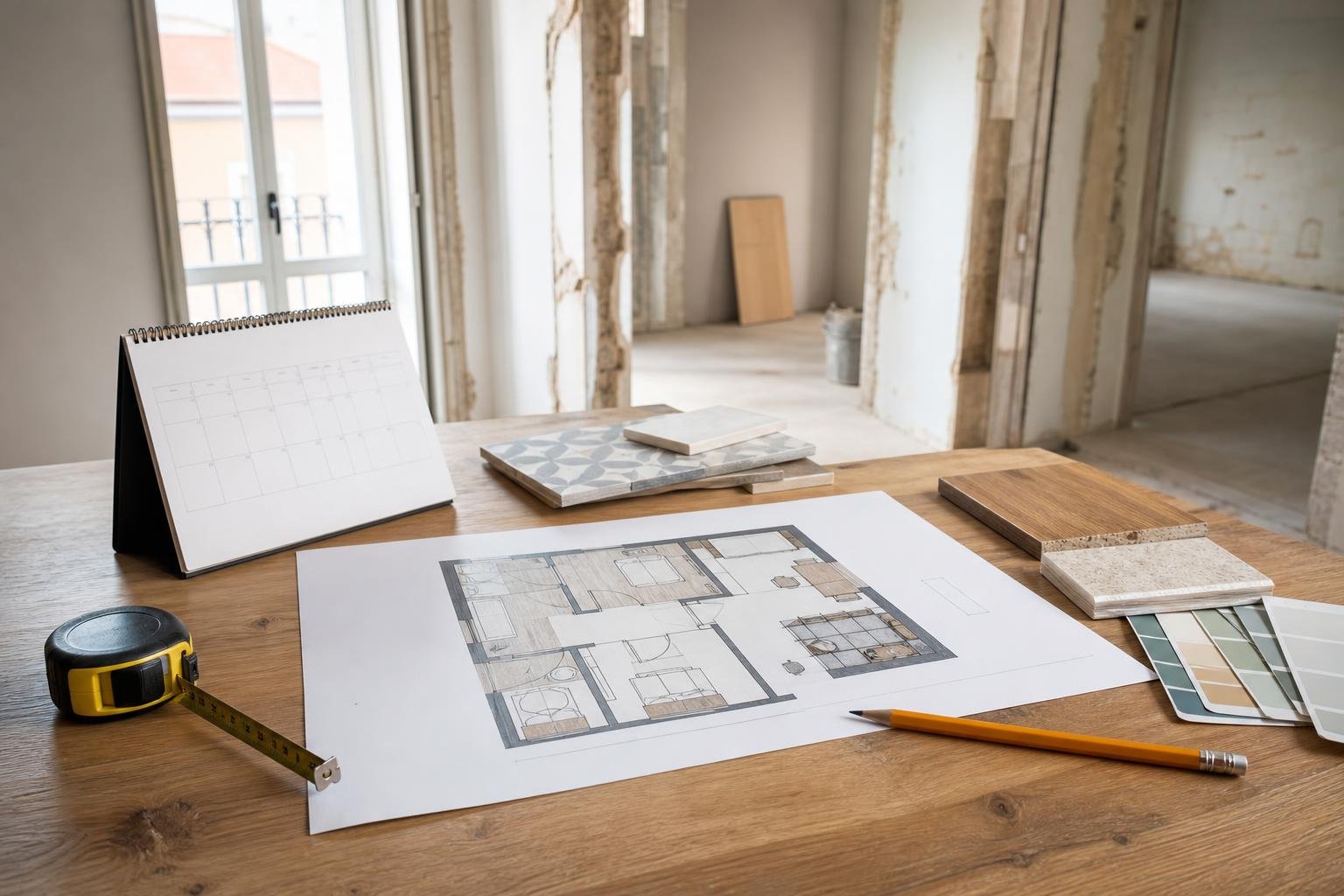
More newly licensed dwellings do not, by themselves, mean that a small renovation will be unable to find a contractor. They are still a reason to organise early the decisions that secure teams and long-lead orders: made-to-measure windows, kitchens, stonework, joinery, air-conditioning equipment and work packages that depend on one another.
Start with a scope that is sufficiently defined to be priced. List what remains, what will be removed, intended materials, building constraints, delivery hours and work affecting common areas. Then request comparable proposals with clear exclusions.
Do not accept a substitution simply because an item is “in stock”. Confirm in writing the technical equivalence, finish, lead time, price effect and implications for other work. That control stops a minor change becoming a series of adaptations; see a practical approach to approving material substitutions without losing control.

Construction costs: why timing still matters
The licensing market is only one part of the calculation. In September 2026, INE estimated that new-housing construction costs had risen 7.4% year on year, with materials up 7.2% and labour up 7.7%. These figures are not a price list for an apartment renovation, but they explain why a quote with no validity period, no review mechanism and no ordering timetable needs close attention.
For longer contracts, price revision may depend on formulas and indices stated in the agreement. IMPIC publishes price-revision indices for construction contracts; ask the party preparing and carrying out the contract whether a clause applies and how it will be calculated.
In practical terms, protect the project with three dates: quote acceptance, ordering of critical items and the planned start of each work stage. A contract signed before key materials are chosen can look fixed in price while its scope is still open.
The mistake of treating national statistics as a forecast for your street
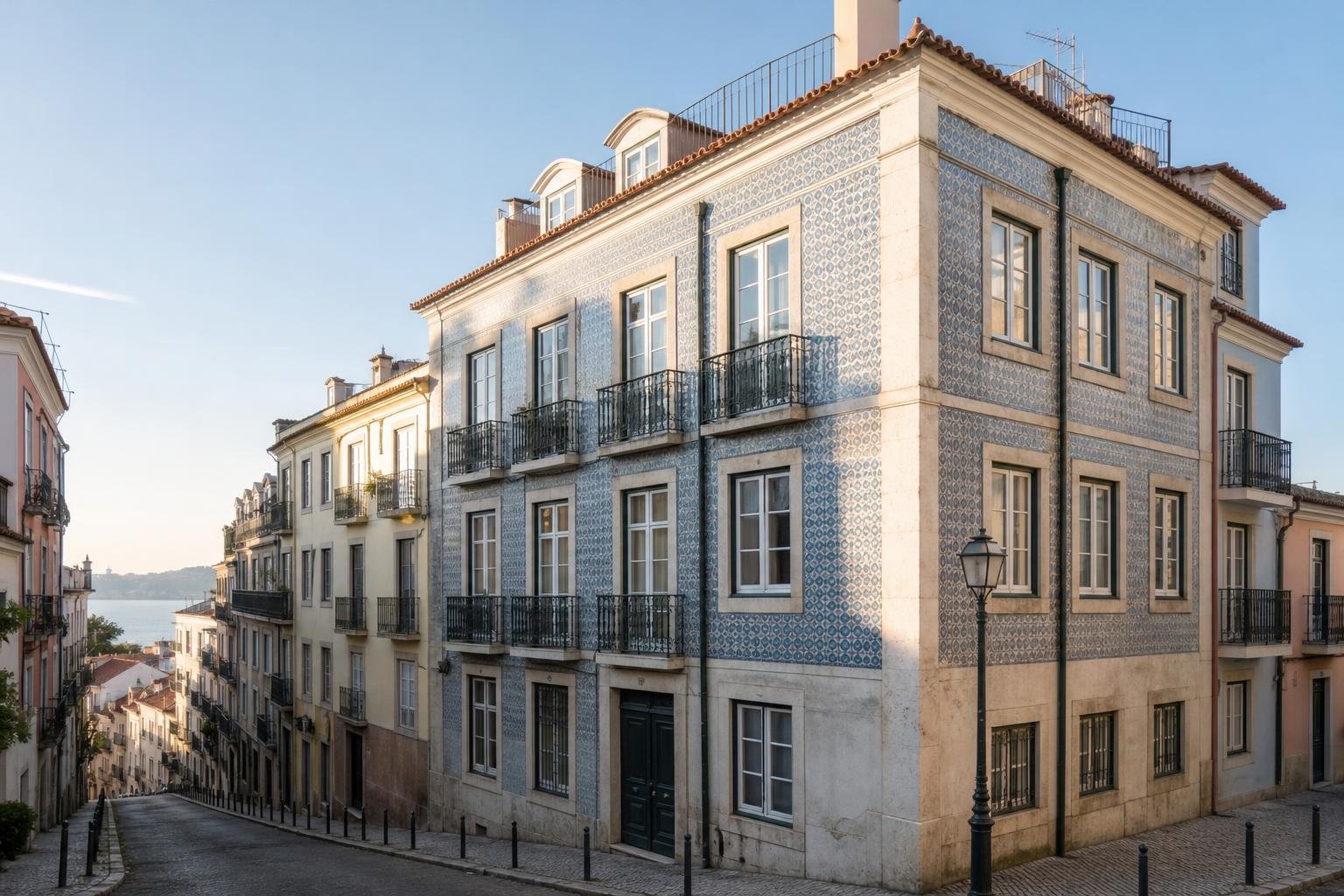
Lisbon has an ageing building stock, heritage constraints, condominium ownership, difficult access and its own urban logistics. A national trend provides market context, but it does not determine whether it is feasible to open a wall in an Estrela flat, replace risers in an Arroios building or carry out work requiring public-space occupation.
Before proceeding, carry out a local check:
- review the planning file and rules that apply to the building;
- identify condominium works already approved or likely to arise;
- confirm work access, lift use, stairs, parking and deliveries;
- obtain measurements and technical solutions before asking for a final price;
- do not set a moving date from a vague commercial estimate.
Where the work affects a façade, roof, service risers or other common parts, the decision requires more than an informal conversation. A well-prepared condominium decision pack reduces uncertainty about scope, proposals and the vote.
How to turn this market signal into a decision plan
Use the 2026 figures to prepare better, rather than to predict the market. If you are buying, distinguish between a licence, work underway, completion and available documentation. If you are renovating, settle the decisions that drive the schedule before requesting the final version of the quote. If you are part of a condominium, separate urgent maintenance from desirable improvements and record the decision properly.
There is also a capacity question: more planned homes and still-rising costs make well-defined projects valuable. People who give the same information to every bidder can compare offers; people who change materials, dimensions and timing at every contact receive prices that are difficult to interpret.
INE’s publication calendar confirms that construction figures refer to closed periods rather than real-time activity. Check the INE release calendar to understand the publication date and reference period behind each indicator. It is a simple discipline: establish the facts about the property first, then the contract, and only then announce a start date.
Key takeaways
- Fewer licensed buildings and more licensed dwellings can happen at the same time; they measure different things.
- A planning licence is not a completed home and does not guarantee a delivery date.
- Settle scope, critical materials and change-control rules before appointing a contractor.
- Use national data for context; the decision still requires checks on the property and its local planning file.
If you are preparing a Lisbon renovation, gather drawings, photographs, building constraints and a list of unresolved decisions before asking for quotes. Obra Lisboa can help structure the scope and work sequence so that the budget is comparable and capable of being delivered.
Sources and further reading
- INE release on licensed and completed works in the second quarter of 2026
- INE release calendar
- building-work licensing
- price-revision indices for construction contracts
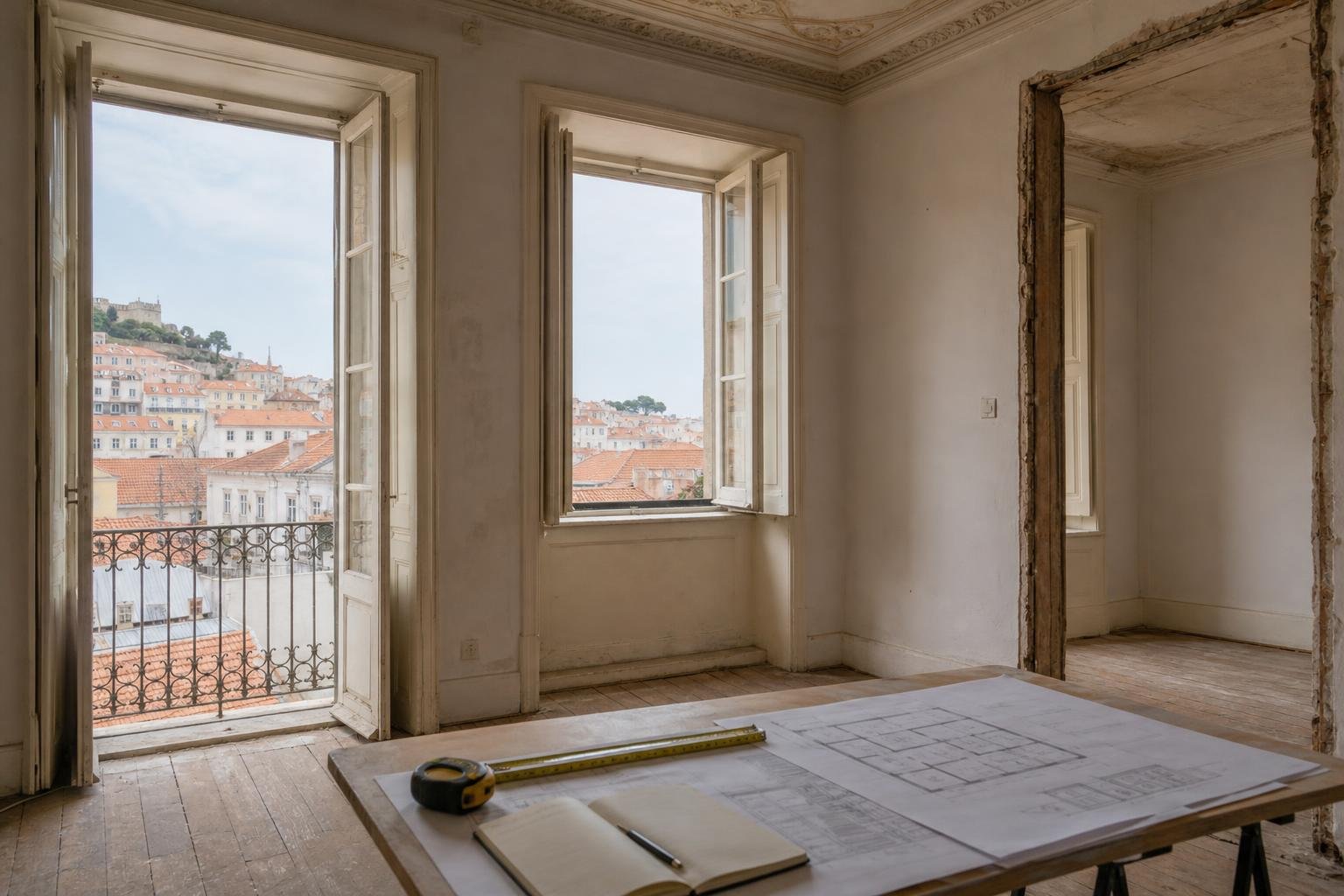
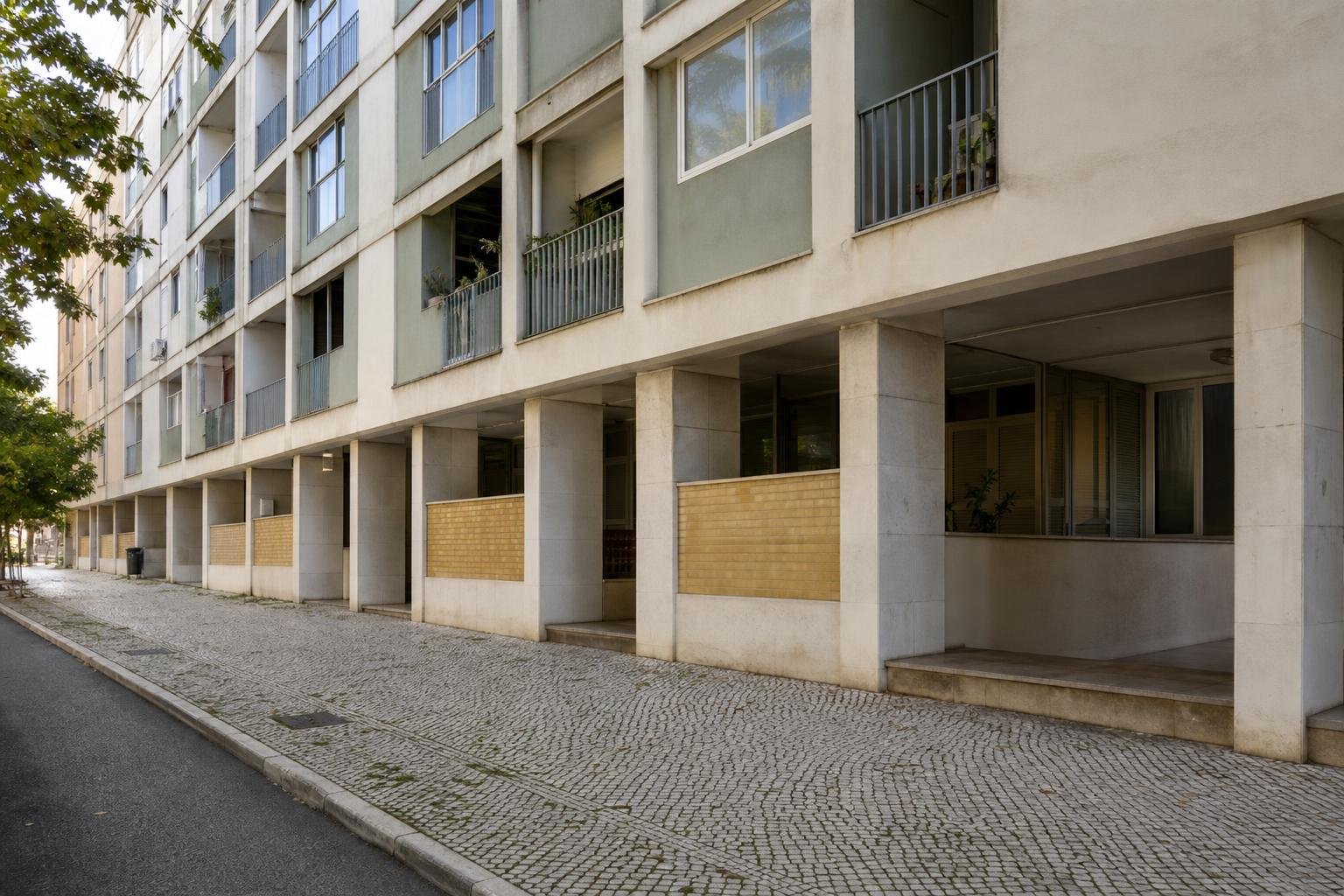
Editorial image; it does not depict an Obra Lisboa project.

Obra Lisboa