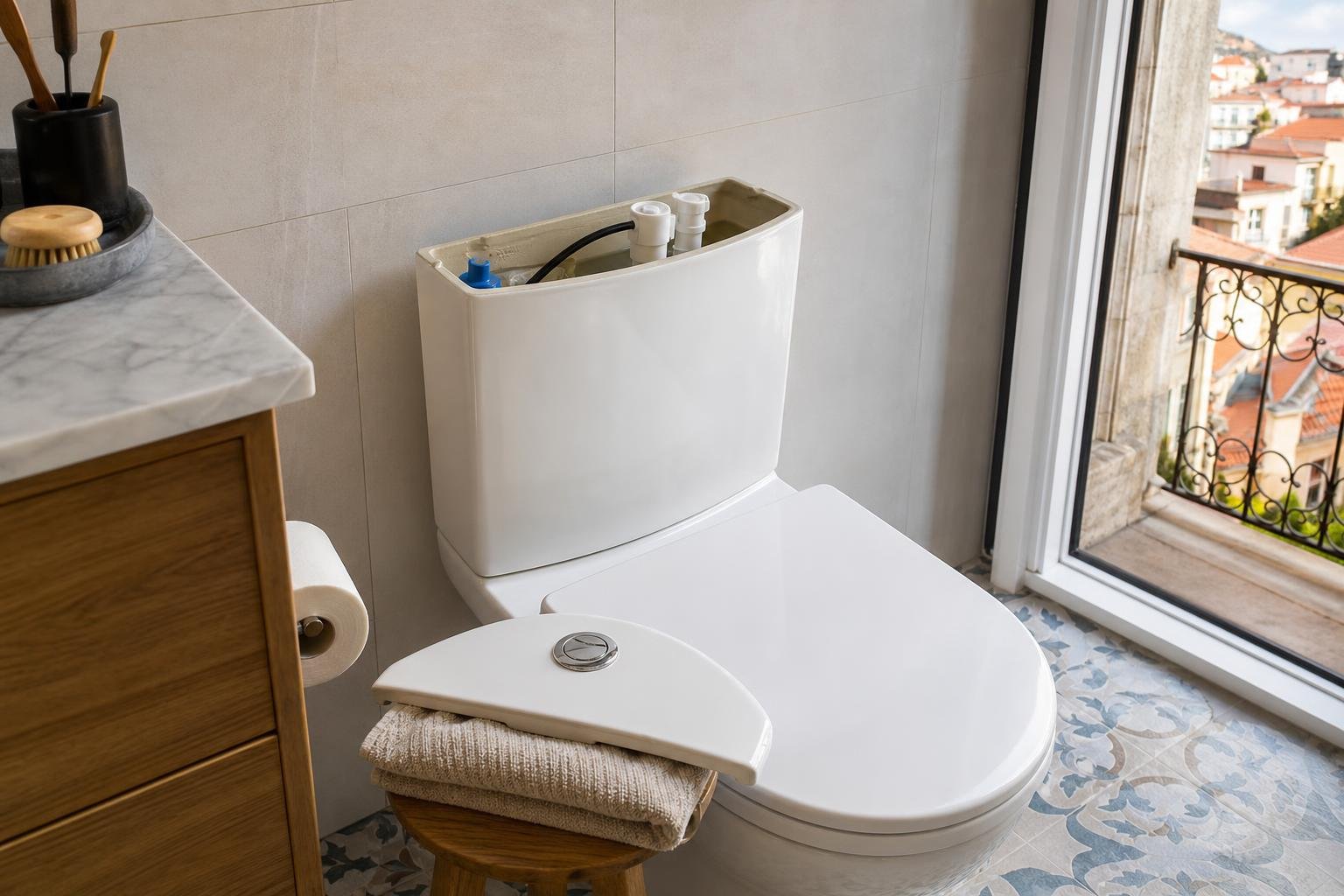
Do not close a renovation simply because the home looks finished: carry out a recorded final inspection with snags, named responsibilities and correction dates. This is the point where minor finishing defects, untested equipment and missing documents stop being easy to resolve. A straightforward handover record does not replace the contract or a technical assessment where one is needed, yet it creates a shared reference and prevents handover from becoming a trail of scattered messages.
Contents
- What should happen before you accept the work?
- How do you build a snag list that people can use?
- Which checks deserve the most time at final inspection?
- Can you accept the work with outstanding snags?
- How should you close documents, payments and warranties?
- A seven-day plan for closing the project
What should happen before you accept the work?
Schedule handover when the contracted work is complete and each room can be checked without materials obstructing access. It is different from a quick visit to choose curtains or collect a key: compare the completed work with the signed contract, accepted quotation, drawings, finishes schedule and changes approved during the work.
For private works, the written contract should identify the parties, scope, value, programme and payment terms, among other minimum items set out by IMPIC’s guidance on construction contracts. Take those documents to the inspection. If a change was accepted only over the phone, confirm it in writing before debating whether it has been properly completed.
- Request a pre-handover date before moving in and before settling the final balance.
- Confirm which tasks remain in progress and which items were excluded.
- Bring a charger, torch, tape measure, phone and a copy of the agreed scope.
- Agree who can make decisions on site and who will sign the record.
Where work was subject to a licence or prior communication, formal site records also matter. Before treating handover as closed, check the procedure and submitted documentation through Lisbon City Council’s page on building works subject to prior communication. The council states that relevant events, stoppages, suspensions and project changes must be recorded in the site book kept at the works. See the council’s guidance on the site book.
How do you build a snag list that people can use?
A useful snag list does more than say “touch up paint”. It identifies the location, describes the expected result, includes a photograph and assigns a correction date. Use one line for each issue; a door rubbing on the floor and a socket without its faceplate should not disappear into a vague note about the bedroom.
Inspect in the order you actually move through the home: entrance, circulation areas, living rooms, bedrooms, kitchen, bathrooms, balcony and technical zones. In each space, start with items that are difficult to correct later: alignment, joints, thresholds, doors, water and drainage operation, electrical circuits, ventilation and maintenance access. Then review paint, sealants, ironmongery and final cleaning.
- Location: “Guest bathroom, basin wall, corner by the door”.
- Finding: “Discontinuous sealant at the junction between worktop and wall”.
- Action: “Remove and apply a continuous sealant suitable for a wet area”.
- Evidence: dated photograph and, where relevant, a reference to the drawing or approved sample.
- Closure: person responsible, deadline and confirmation after correction.
Do not mix defects with new preferences. Replacing an installed handle because you have changed your mind is a scope change; a door that does not close as intended is a snag. Keeping that distinction protects the working relationship and stops an extra cost being argued as a repair.
Which checks deserve the most time at final inspection?
Open, close, switch on, switch off and run water. A visual handover misses the very things that only emerge in use. Test every tap, flush, accessible trap, extractor fan, light fitting, shutter, door, window, installed appliance and air-conditioning equipment included in the scope. Record serial numbers where applicable and collect manuals, remotes, keys and access codes.
In kitchens and bathrooms, let water run long enough to observe leaks at visible connections, slow drainage or returning odours. Do not immediately conceal technical access behind furniture, boxes or storage. If the renovation included risers, isolation valves or inspection chambers, keep future maintenance access clear; this is explored in Obra Lisboa’s guide to technical risers and maintenance access.
In Lisbon, a project can also involve matters beyond the apartment interior: public-space occupation, common areas, lift protection or condominium communications. End the inspection by checking that temporary protection, waste and materials have been removed without damage to landings, doors or shared finishes.
If you find signs of water ingress, significant cracking, electrical faults, gas issues, structural elements or any risk to people, do not treat the matter as a cosmetic snag. Restrict use of the area and seek assessment from an appropriate qualified professional.

Can you accept the work with outstanding snags?
It can be sensible to accept usable work with a short, specific snag list, provided the document states what remains, when it will be corrected and how any outstanding payment is connected to the agreed closure. Avoid two unhelpful extremes: withholding everything indefinitely over a minor point, or paying the full balance without a written record when defined tasks remain unfinished.
The key distinction is between snags that prevent safe or compliant use and small finishing items that do not. An active leak, incomplete electrical installation or waterproofing that still needs confirmation calls for a different response from a slight paint mark on an otherwise accepted wall.
The legal framework differs between private and public works. Even so, the discipline of recording defects, setting a correction period and rechecking the result is useful on any project. IMPIC’s material on acceptance and defects describes, for public works, recording defects at acceptance and carrying out a new acceptance procedure after they are corrected. For a domestic renovation, use this as an organisational model without assuming the same legal periods apply to your contract.
How should you close documents, payments and warranties?
Handover ends when the snag list is closed and the minimum file is assembled. Request invoices, payment records, technical sheets, appliance manuals, warranties, service contacts, photographs of concealed installations where available, and final drawings if relevant changes were made. Store everything in a digital folder using clear names: date, room and subject.
Also check that installed items match approved choices. Where substitutions were made, the approval should show the material, reference, cost and programme effect, plus the expected performance. Read Obra Lisboa’s guide to material substitutions without losing control.
Do not sign broad wording such as “works complete without reservations” when specific issues remain. Instead, identify the attachments: snag list, photographs, supplied documents and date for the follow-up inspection. Clear signing benefits both sides: the client knows what has been received; the contractor knows precisely what remains before final closure.
For warranties and defects that emerge later, read the contract, retain dated communications and seek legal or technical advice when the matter goes beyond a simple finishing repair. Handover documents will be far more useful than a recollection of a conversation at the end of a long day.
A seven-day plan for closing the project
During the last week, handle the project as a short sequence of confirmations. A few timely decisions prevent moving day from becoming the first test of equipment that has not yet been handed over.
- Seven days before: confirm the date, attendees, documents and the list of outstanding materials or equipment.
- At pre-handover: make the first snag list, take photographs and prioritise safety, water, electrics, closures and ventilation.
- Before acceptance: verify corrections and collect keys, remotes, manuals and invoices.
- On the day: walk through the home with the list, record resolved points and set the return date for anything still open.
- After closure: archive the handover file and send a final copy to everyone who needs it.
This method cannot turn poor workmanship into good work. It does give you a verifiable way to separate finishing work, defects, scope changes and missing documentation. That is a firmer basis for using the home and for resolving any remaining work without unnecessary friction.
Key takeaways
- Set a pre-handover inspection before moving in and before final payment.
- Record every snag with its location, photo, action, responsible person and deadline.
- Test water, drainage, doors, windows, electrics and ventilation; looking is not enough.
- Keep the contract, approved changes, invoices, manuals and final snag list in one file.
If you are preparing a Lisbon renovation, ask Obra Lisboa for a clear scope of works and agree inspection, handover and final-documentation stages from the start. That helps make the final week a controlled close-out period rather than a rush to settle unanswered questions.
Sources and further reading
- IMPIC’s guidance on construction contracts
- IMPIC’s material on acceptance and defects
- site book
- building works subject to prior communication
Editorial image; it does not depict an Obra Lisboa project.

Obra Lisboa