
An apparently ordinary internal door can become a weak point in a home with pets. Claws scratching the paint near the handle, wet paws after a walk, a door banging in a draught, or a bedroom that needs to remain closed at night: everyday situations call for more thought than simply choosing a colour.
In Lisbon apartments, where corridors are often narrow and rooms do more than one job, a door has to balance cleaning, durability, noise control, ventilation and comfortable movement. Portugal’s health authority treats housing as an interrelated set of conditions that includes hygiene, damp, noise, safety and domestic animals. That is a useful way to avoid a door that looks right in a showroom but fails in daily life. Read the DGS housing-and-health guidance before making the finish your only criterion.
This guide sets out what to decide before ordering door leaves, frames and ironmongery for a renovation shared with dogs or cats.
Start with the pet’s routine, not the catalogue
Before selecting a flush leaf, sliding door or lacquered finish, map the daily routes. Where does the dog enter after a walk? Which doors does the cat push, scratch or try to pass through? Is there a room storing food, litter, medicines or cleaning products? The answers show which doors need tougher materials and which can use lighter solutions.
In a home with a medium-sized dog, the door between the entrance and living area often receives more impact than a spare-room door. In a flat with a cat, damage commonly concentrates at the bottom of the leaf and around the frame near the latch. Rather than specifying every door in the same way, create a simple hierarchy: high-use doors, privacy doors and control doors.
- High use: entrance, laundry area, kitchen and access to a patio or balcony.
- Privacy: bedrooms, home office and bathroom.
- Control: pantry, utility cupboard or a room with potentially unsafe items.
If the renovation changes room layouts, review circulation and clear opening widths as well. This is not only about the pet’s comfort: a poorly positioned door can choke a route, hit furniture or make cleaning awkward. For wider planning choices, see how to avoid common renovation problems.
Choose a door leaf that can handle water, claws and regular cleaning
Durability is not just a question of timber species or visible finish. Look at how the leaf is built, how it performs under low-level knocks and whether its edges remain exposed once the paint is chipped. Very lightweight hollow doors may be fine in dry, lightly used rooms, but they mark easily where repeated impacts or clawing occur near the latch.
For harder-working locations, a more robust leaf with a washable finish and properly protected edges is usually the safer choice. Good-quality melamine-faced products can make cleaning straightforward; a painted door can be repaired locally, but depends on careful preparation and maintenance. Do not decide from a small sample alone: inspect texture, edge treatment and finish quality in natural daylight.
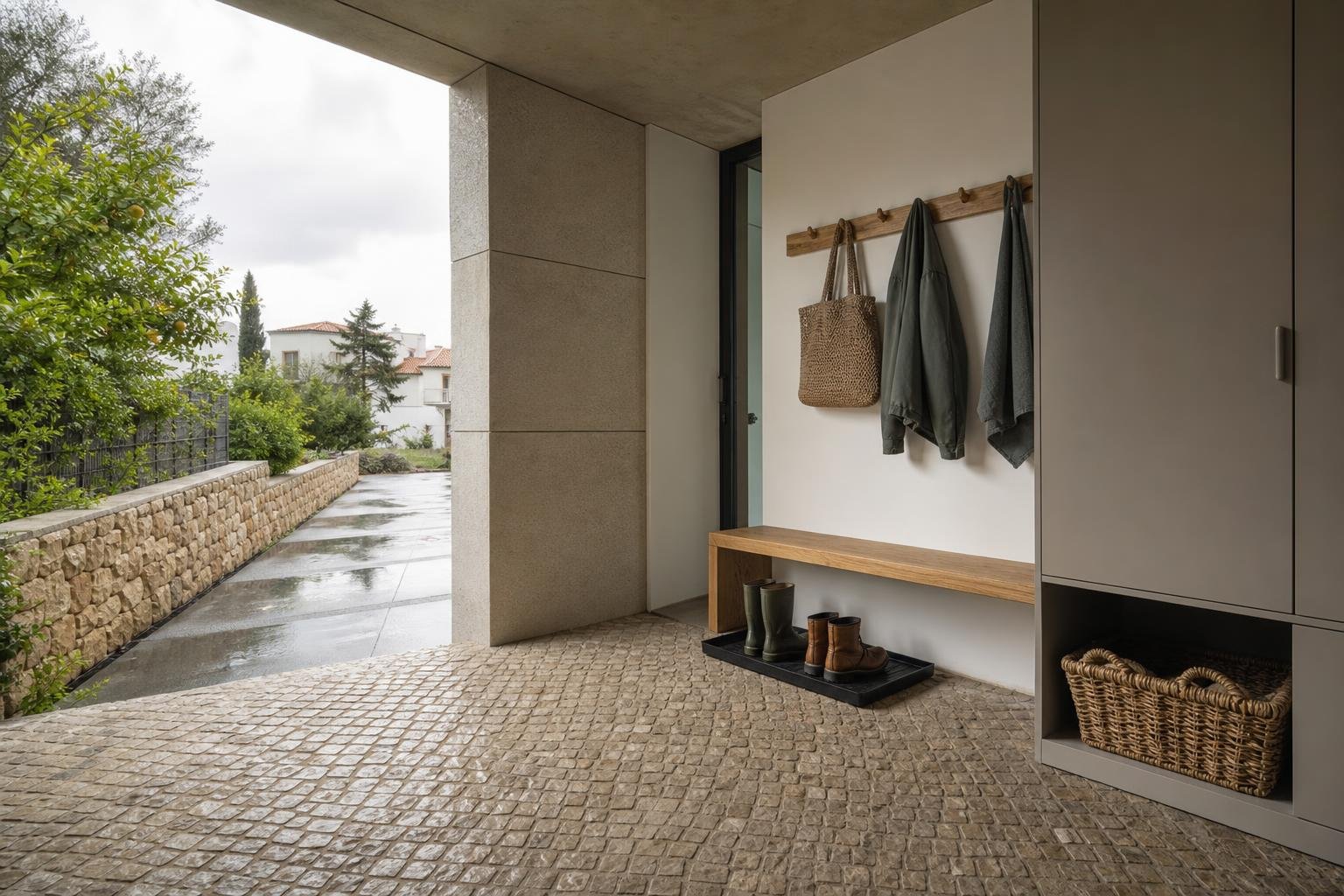
Near an entrance or laundry space, pair the door with flooring that can cope with wet paws and frequent washing. A resilient floor reduces the need for aggressive cleaning of the door leaf and frame. Flooring deserves its own assessment in a pet home; read how to choose flooring for homes with pets.
Do not rely on abrasive products to compensate for an unsuitable finish. Repeated over-wetting can damage joints, corners and the bottom of a frame, especially where inadequately sealed MDF has been used.
Protect the lower edge and frame before wear begins
The most exposed part is not always the centre of the door. It is often the lower band, corners, handle area and junction between frame and floor. During renovation, allow a practical clearance above the finished floor while avoiding an excessive gap that lets through light, sound or draughts.
If a dog comes home with wet paws, solve the source before armouring the door: a properly sized absorbent mat, a nearby cleaning point and washable flooring reduce water reaching timber components. For cats that scratch the same spot, a scratching surface placed beside the habitual route is more useful than waiting for damage and repairing it afterwards.
For painted doors, confirm that the bottom edge and ends will be sealed before installation. With frames, avoid fragile junctions near wash-down areas. A later repair may require trim to be removed or paint to be touched up in a shade that has aged differently.
The principle is straightforward: the door should not be the first defence against water, mud or abrasion. It should be one part of an entrance sequence designed for real daily use.

Ventilation is not the same as leaving doors open
Closing a door can be essential to separate smells, reduce noise, limit access to a room or make a quiet resting area. Yet a room kept shut all the time, with a pet bed, textiles and little air renewal, can hold odours and moisture. Indoor air quality depends on the building, materials, habits and ventilation; ADENE highlights ventilation and indoor air quality as part of overall renovation quality.
A modest undercut may assist air transfer in some layouts, but it does not replace a ventilation strategy. Nor should it excuse a poorly fitted door. In bathrooms, laundry rooms and windowless spaces, check the existing extract system and the route for replacement air before closing openings or building new cupboards.
If you are considering a cat flap, think about its effect on privacy, sound and air movement. A basic flap may work between two dry internal areas; in a bathroom, pantry or bedroom, it can undermine the control the door is intended to provide. Alternatives include a high-level ventilating opening, purpose-designed transfer grilles, or reviewing the extraction system with a qualified professional.
The DGS provides information on the relationship between health and housing, including damp, mould, ventilation and hygiene, through its housing information area.
Noise, latches and privacy: select hardware that prevents friction
A light door that bangs at night disturbs both people and animals. A handle that is awkward to operate invites repeated pushing against the leaf. And a door without perimeter sealing allows through television noise, vacuum cleaners, hairdryers or visitors. The answer is rarely to make the home airtight; it is to tune the door to the room’s purpose.
For bedrooms, consider an appropriately weighted leaf, correctly adjusted hinges and a quiet latch. Where a pet tends to push a door, a firmly fixed stop and an opening limiter protect the wall, handle and leaf. Avoid improvised devices that leave a door partly open and could trap paws or fingers.
For a room that must stay inaccessible, choose a simple, reliable lock positioned out of the animal’s reach instead of a weak magnetic catch. In rented homes or apartment buildings, also check whether a visible alteration or work affecting common elements needs permission. Lisbon’s municipal housing rules refer to duties relating to maintenance, hygiene, quiet enjoyment and neighbourly conduct, as well as responsibility for damage to homes and shared spaces; see the municipal housing regulation made available by Lisbon City Council.
Set the solution before ordering: a practical renovation checklist
A good decision is one that appears in the door schedule and finish specification before the work reaches the painting stage. That prevents replacement leaves after frames are fitted, a mat clashing with the swing, or a late discovery that a cat flap cuts through an important reinforcement.
- Identify doors exposed to wet paws, scratches or constant opening.
- Set the required level of privacy, access control and sound reduction for each one.
- Select leaf and frame materials according to exposure, not looks alone.
- Confirm finished floor levels before trimming leaves or fitting thresholds.
- Decide early whether there will be a pet flap, grille, limiter, closer or acoustic seal.
- Ask for seals, trims and final ironmongery adjustment to be checked at handover.
There is no need to turn a home into a technical facility. It is enough to recognise that an internal door is a moving component used every day — and that dogs and cats reveal mistakes in materials, adjustment and planning remarkably quickly.
If you are renovating a Lisbon home and need doors, flooring, ventilation and storage to work with your pets’ routines, Obra Lisboa can help turn these small decisions into a coherent renovation plan.
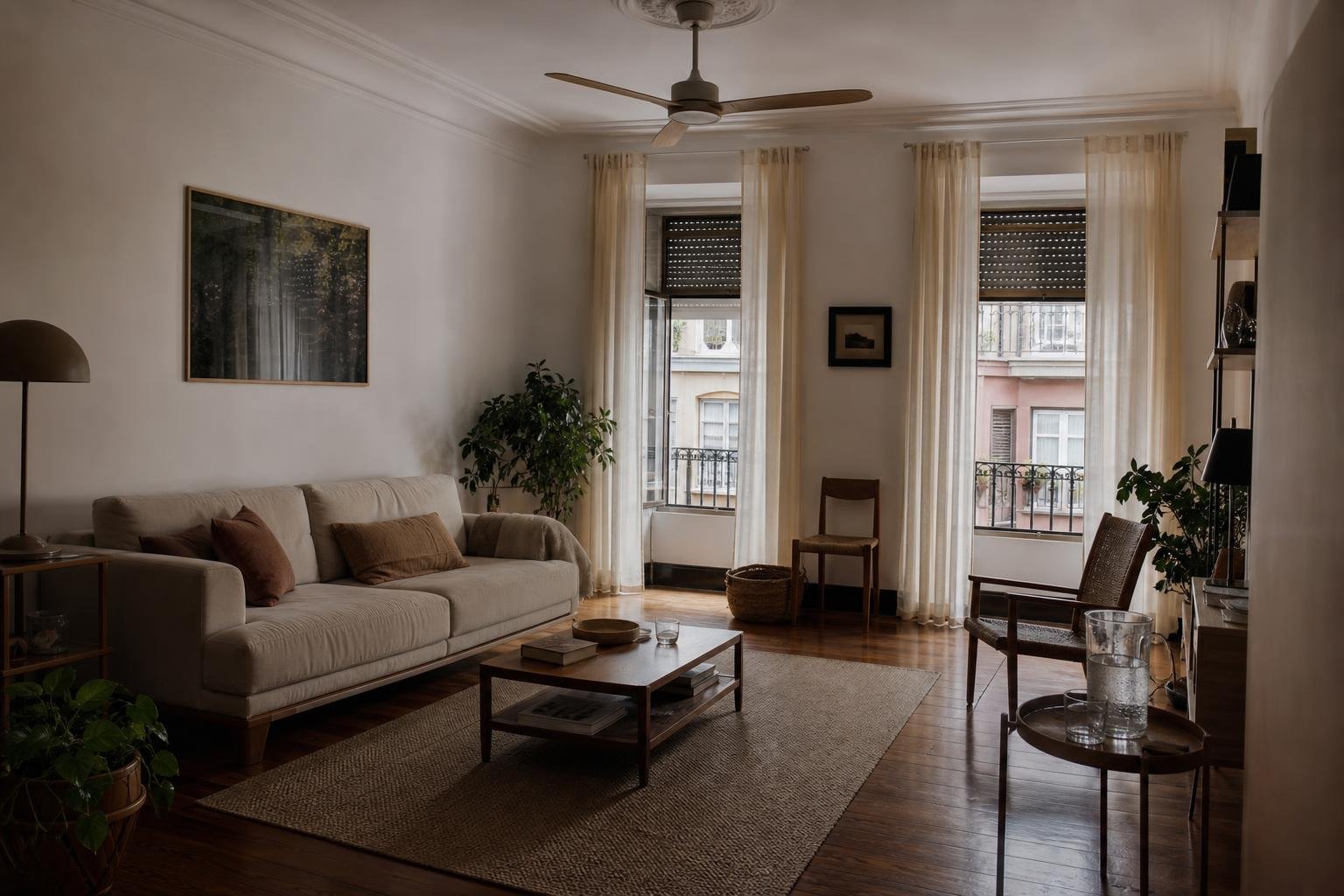
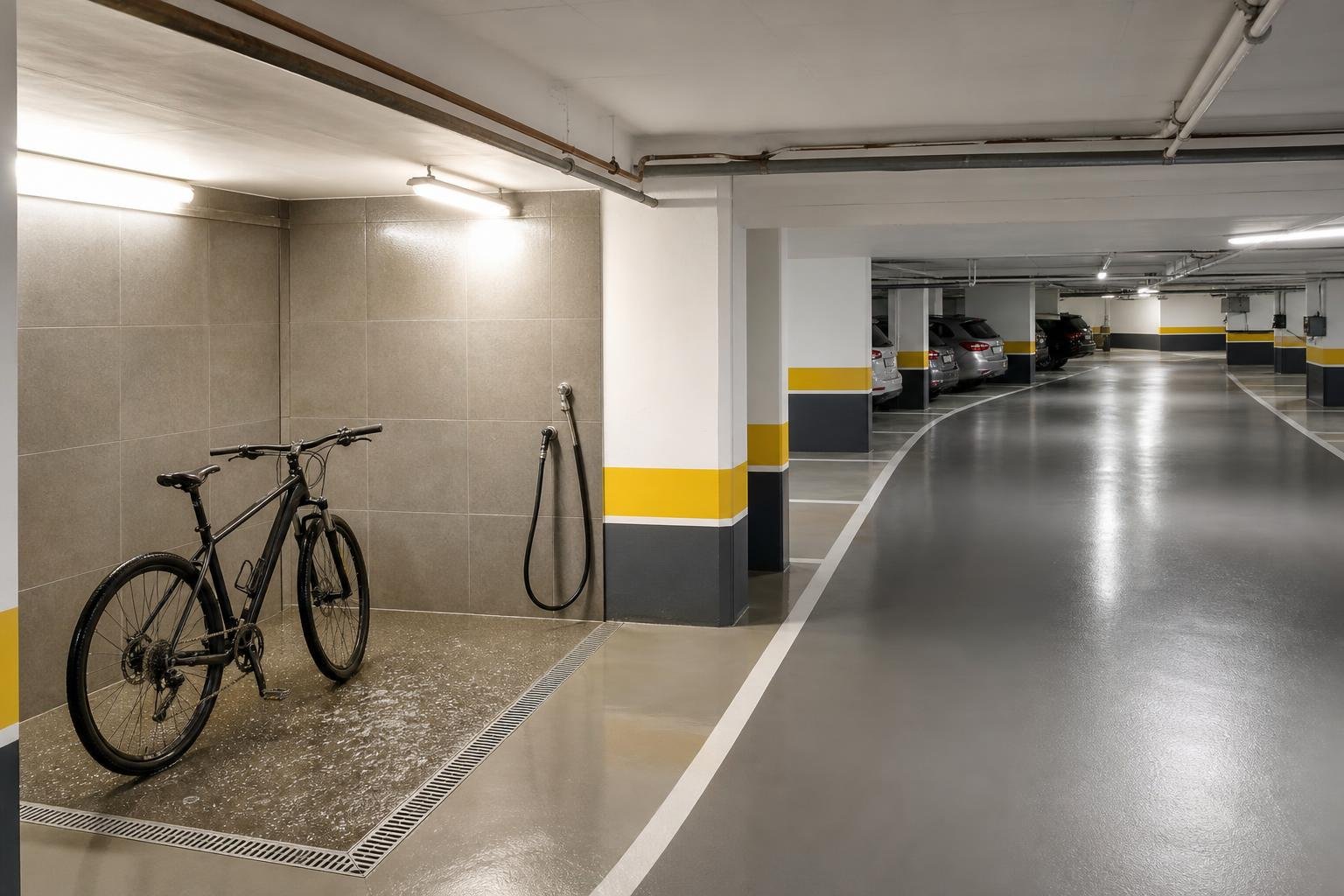
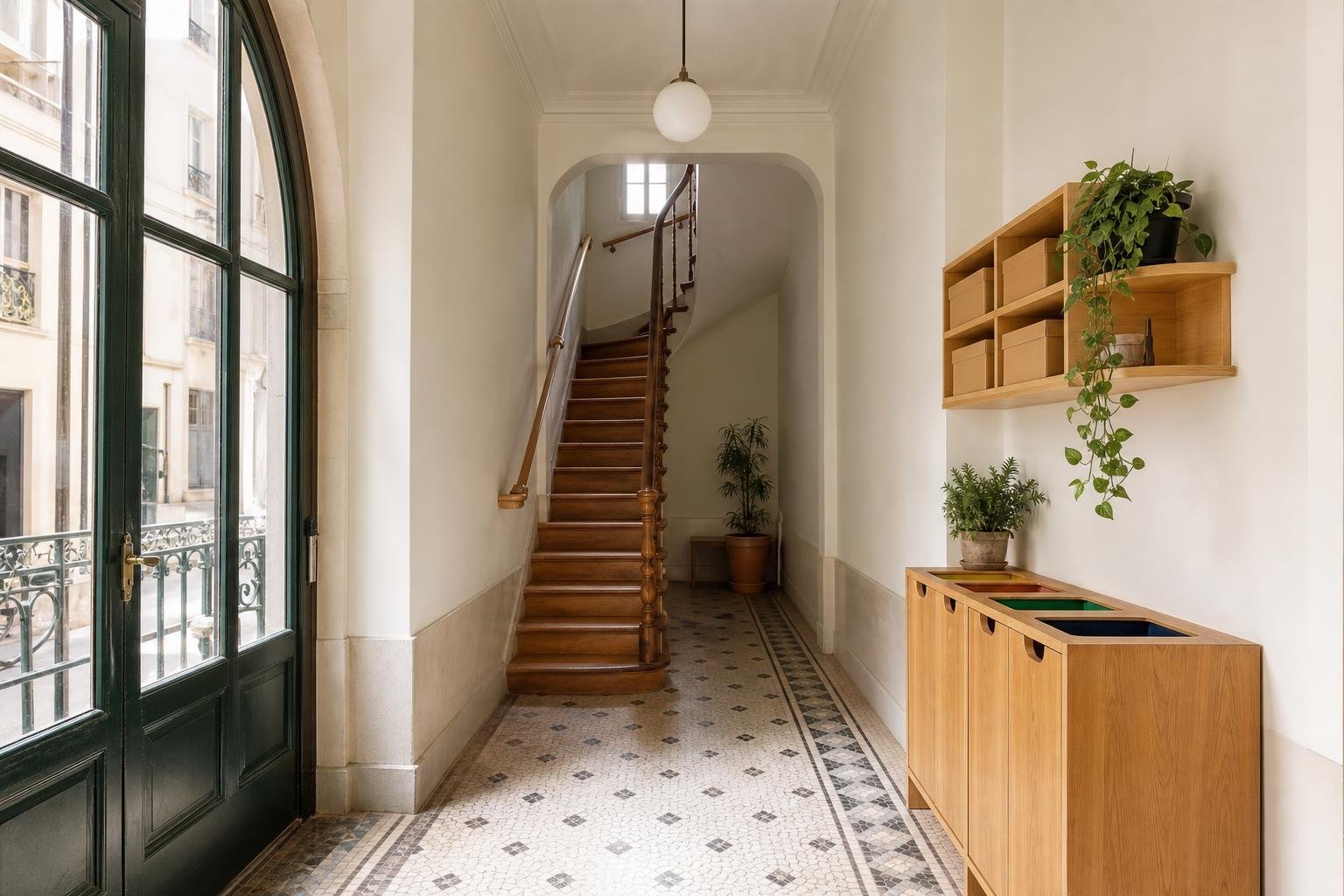
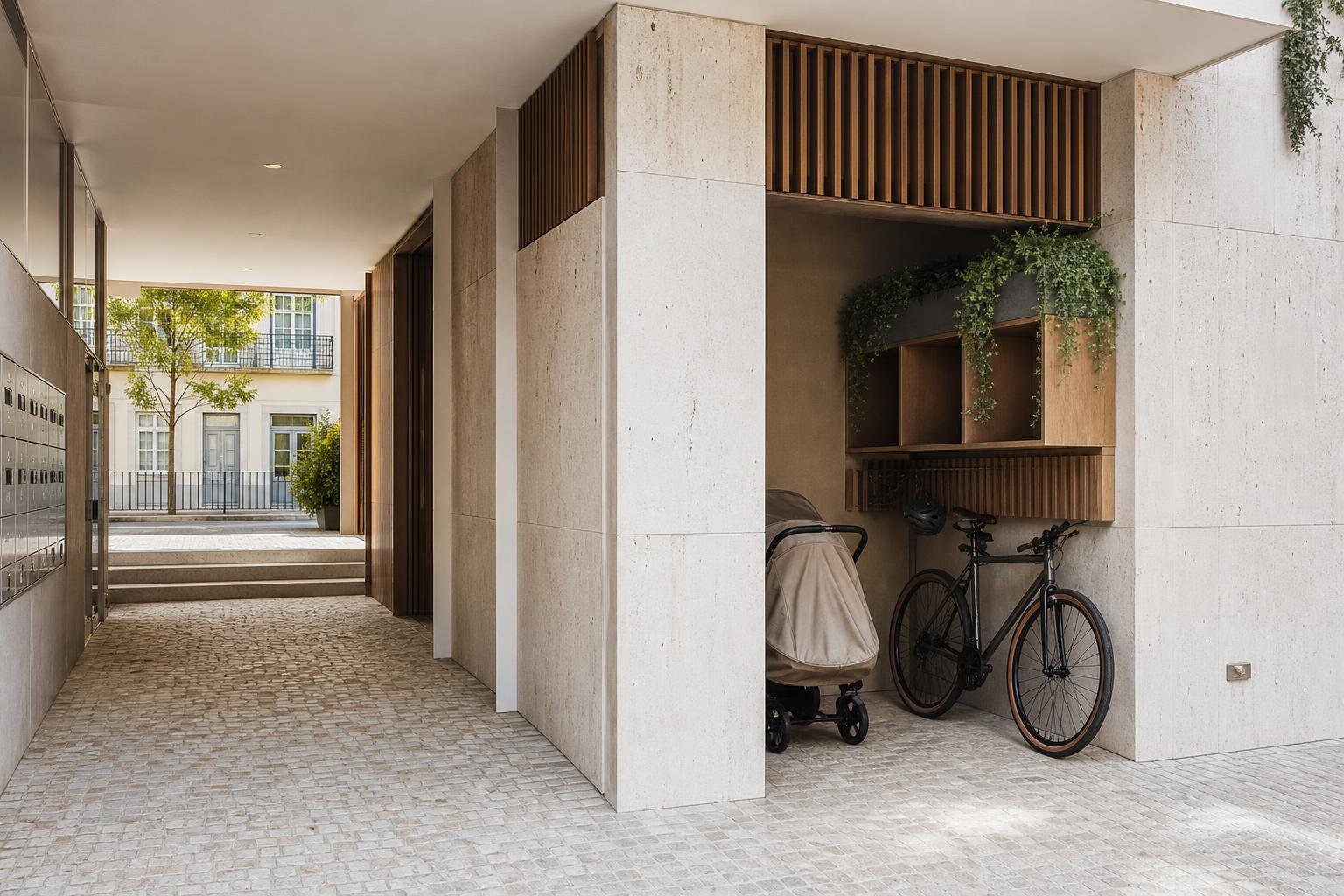
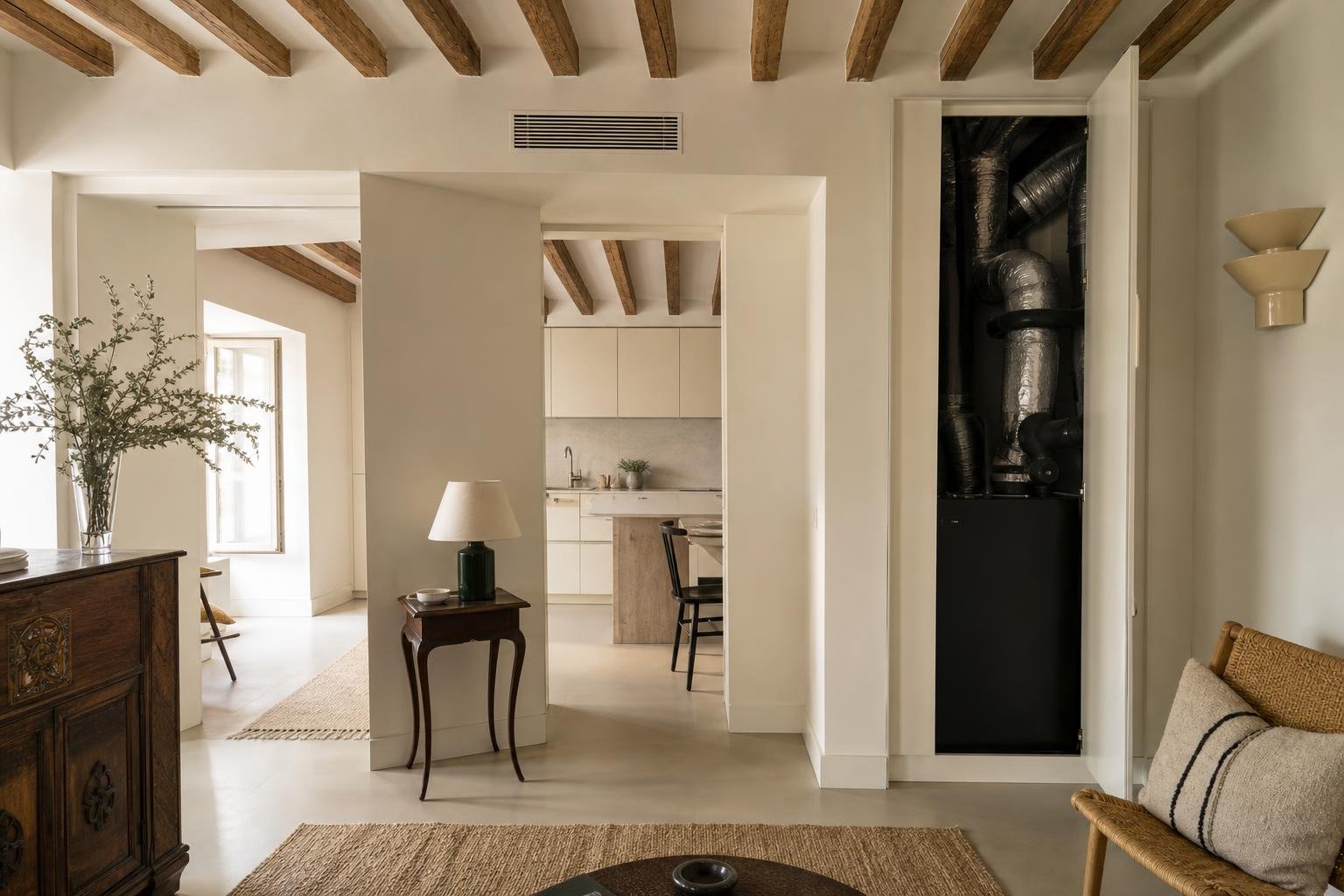
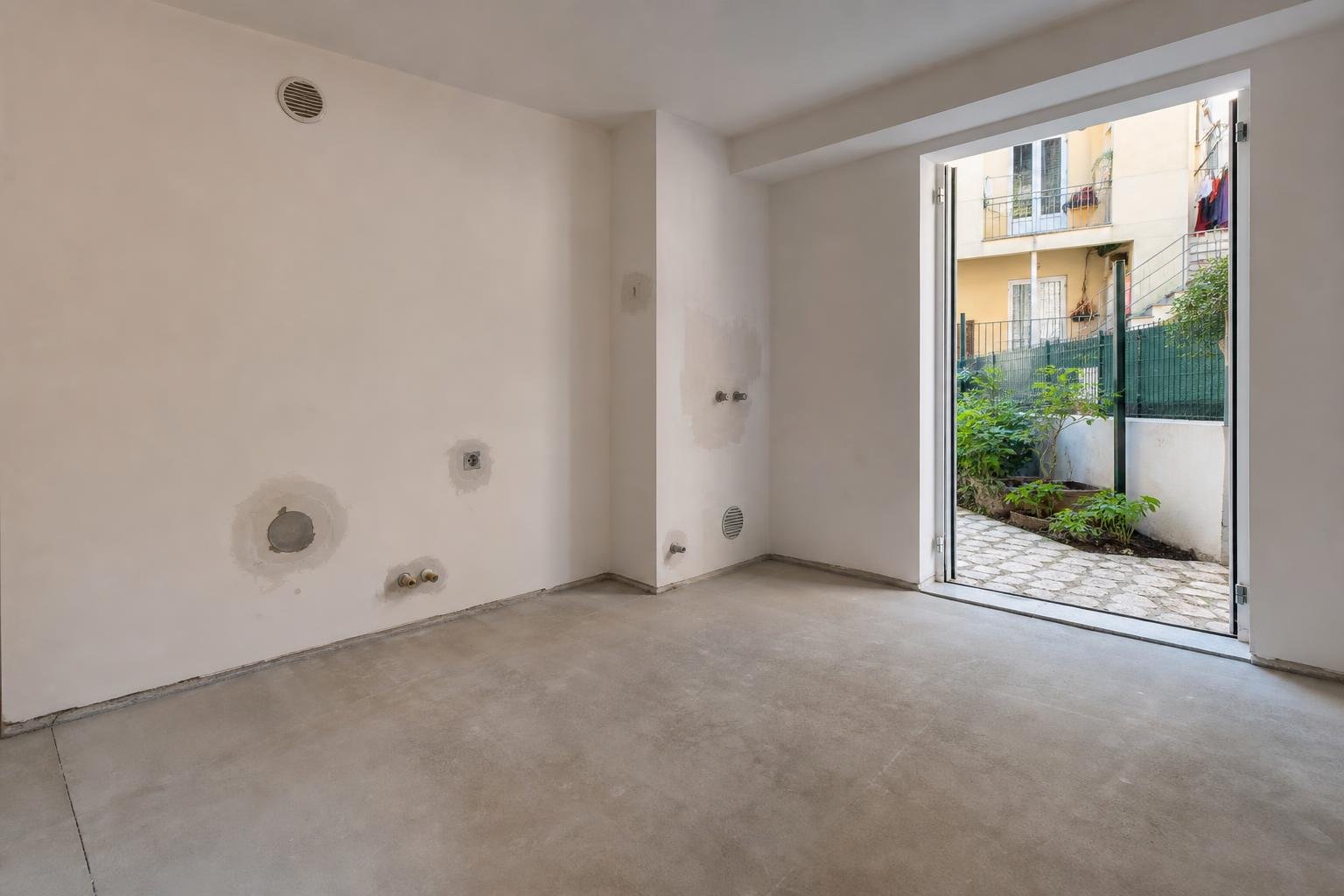
AI-generated editorial image; it does not depict an Obra Lisboa project.

Obra Lisboa