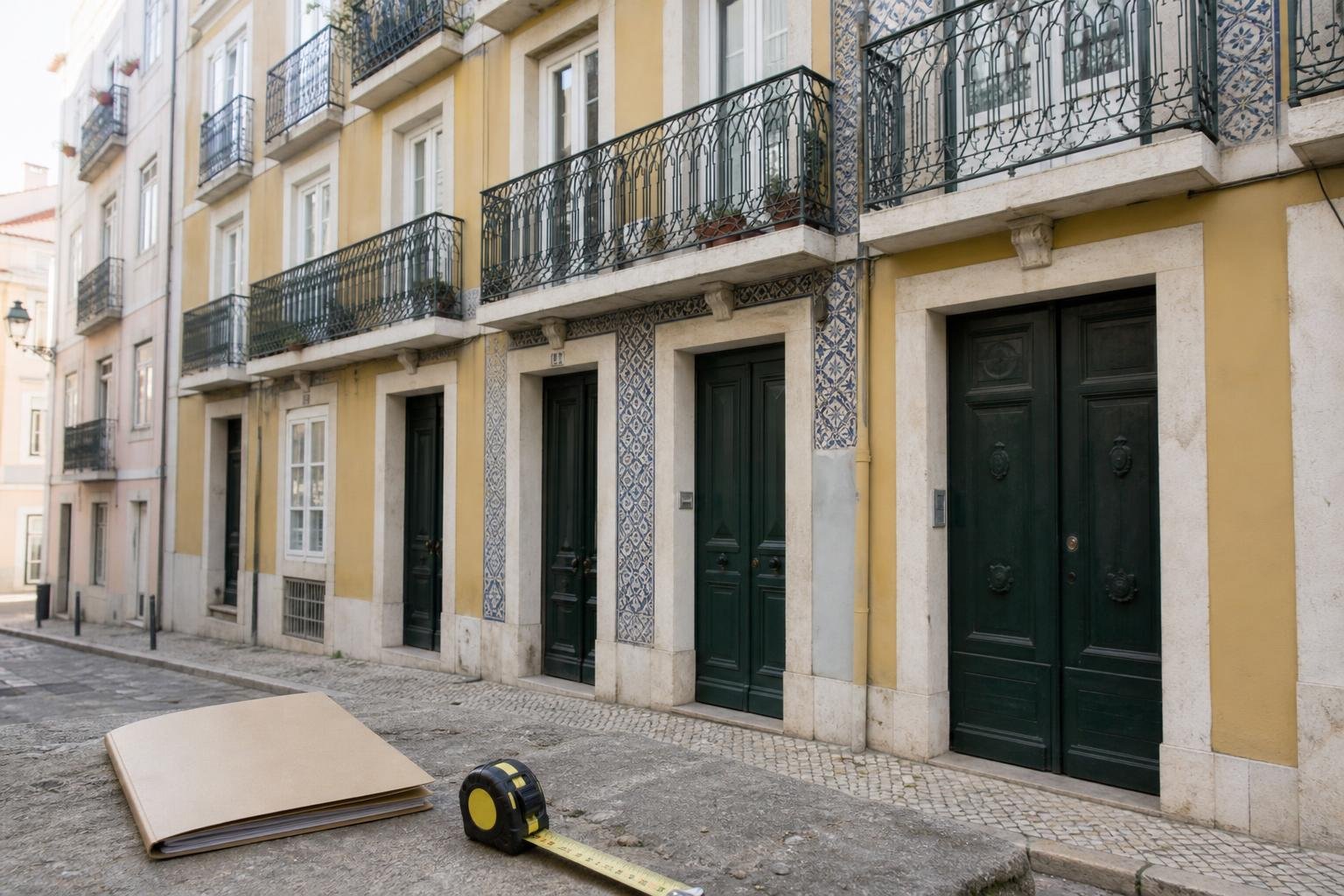
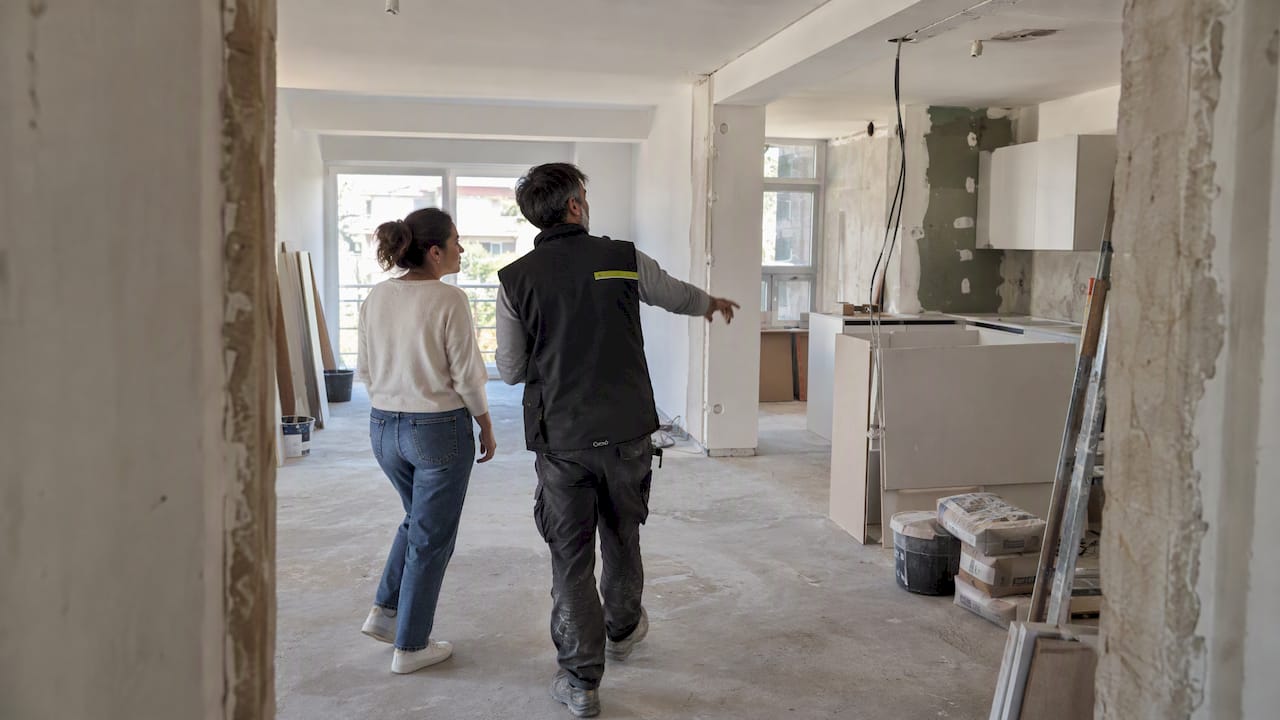
A condominium project should reach the owners’ meeting with a decision pack, rather than a photograph of the problem and one lump-sum figure. When the proposal identifies the likely cause, scope, exclusions, alternatives, access constraints and contracting route, owners can vote on work that can actually be delivered. This matters particularly for roofs, façades, service stacks, garages and balconies, where an incomplete repair can mean reopening the same element a few months later.
Contents
- What should be decided before asking for quotations?
- Which documents make quotations comparable?
- How should the agenda item be worded?
- What should the minutes record so the decision does not have to be reopened?
- Who is responsible for contracts, access and safety?
- How do you move from the vote to day one on site?
What should be decided before asking for quotations?
Start by separating diagnosis, decision and procurement. A quotation does not define the problem. If a roof is leaking, for example, the meeting needs to know whether the source is a joint, drain, flashing, crack or pipe; otherwise each contractor may price a different repair.
Prepare a short brief covering: exact location, observed symptoms, affected areas, dated photographs, available access, working-hour constraints and previous attempted repairs. Add anything that cannot be changed without confirmation, such as balustrades, façade finishes, technical equipment or common elements.
In Lisbon, where works affect common elements such as a façade, balcony or roof, the relevant municipal documentation can require minutes recording condominium authorisation. The municipal list for the start-of-works notification expressly refers to this document, so it is sensible to prepare the decision before appointing a contractor. Check the Lisbon City Council document list for exempt works.
- Define the defect to be resolved without choosing an unsupported solution in advance.
- Identify the affected flats and common areas.
- Record restrictions concerning access, noise, scaffolding, lifts and parking.
- Ask the technical adviser to flag risks that call for a design, permission or testing.
Which documents make quotations comparable?
Give every contractor the same enquiry pack, even if it is brief. It should set out quantities or measurement criteria, proposed materials, substrate preparation, protection for common areas, removals, waste transport, cleaning, testing and reinstatement. Without that basis, three totals may represent three incompatible jobs.
A useful quotation separates included work from items that depend on site confirmation. It also identifies the approach to junctions: waterproofing repairs often fail at wall connections, drains, thresholds, pipes or parapets, rather than across the flat area shown in the main price.
Where the project may be subject to prior planning control, confirm the route early. The municipal page on building-work licensing lists relevant situations, including works to listed buildings, protection zones and operations involving the removal of façade tiles. Do not assume that external work is the same as straightforward maintenance.
| Document | What it should clarify | Sign of an incomplete quotation |
|---|---|---|
| Scope description | Cause addressed, method and materials | It only says “repair leak” |
| Measurements | Areas, units or quantity criteria | One total with no calculation basis |
| Exclusions | Work that may be needed but is not included | No mention of junctions, reinstatement or access |
| Programme | Duration, sequence and supply or weather constraints | A start date with no duration or phases |
| Warranties and handover | Documents, tests, cleaning and final records | A general promise with no defined handover |
How should the agenda item be worded?
Avoid notices using vague wording such as “discuss building works”. For a decision with technical and financial consequences, the agenda should say which element will be addressed, which documents accompany the notice and which decisions will be requested: approve the diagnosis, select a solution, set a spending ceiling, choose a quotation or authorise a further tender exercise.
Portuguese condominium rules require the meeting notice to state the date, time, place and agenda; voting requirements can vary according to the matter and the building’s governing documents. Check the correct notice method, required majority and condominium rules before the meeting. The municipal guidance on notifying the start of works also highlights notifications due before work begins and distinguishes between licensed works, prior-notice works and works exempt from prior control.
Share the pack early enough for owners to read it. The meeting should decide between understood options, rather than reveal at the table that the price excludes scaffolding, lobby protection or repairs to junctions.

What should the minutes record so the decision does not have to be reopened?
The minutes should work as a set of instructions for the manager, technical adviser and appointed contractor. Record the approved solution, the maximum amount or appointment rule, the quotation identified by date and version, the funding source or special contributions, and the authority granted to the manager.
If surveys, design work or municipal authorisation are still outstanding, do not write simply that the project was “approved”. Set out the sequence: approve the survey up to a stated limit; return to the meeting to choose the contract; or allow the manager to appoint within defined parameters. This prevents a decision to investigate the problem being treated as permission to start construction.
Also include the rule for unforeseen work: who validates an extra item, up to what amount, and with what evidence. Photographs, measurement, a written additional quotation and confirmation before the work proceeds are a practical minimum. To organise milestones between decisions, orders and work fronts, see our guide to a renovation baseline programme.
Who is responsible for contracts, access and safety?
Common-area work involves more than selecting the lowest price. Confirm who signs the contract for the condominium, who is the day-to-day contact, where materials will be stored, how stairs and lifts will be protected, and how waste will leave the building. If scaffolding, a skip or pavement occupation is needed, those items belong in both the programme and the budget.
A private construction contract should identify the parties, the contractor’s qualification, the subject of the contract — including written and drawn documents where they exist — the price, programme and payment terms. These are the minimum elements set out by IMPIC in its construction-contract FAQs. Add clear appendices: the approved quotation, programme, payment plan, procedure for variations and handover list.
Do not hand over a key or garage remote without a record. Set working times, the person responsible for opening up, restricted areas and incident contacts. In an occupied building, poor logistics can cause damage and disputes even when the technical repair is sound.
How do you move from the vote to day one on site?
After the minutes are signed, hold a short start-up meeting with the manager, contractor and, where applicable, the responsible technical adviser. Confirm five points: final drawing or scope description, start date, access to work areas, protection of common spaces and contacts for urgent decisions. Photograph common areas before deliveries begin and keep everything in one folder: minutes, contract, quotation, notifications, photographs and payment records.
Proceed in this order:
- finalise the scope and appendices;
- check whether a notification, licence or public-space occupation process is required;
- formalise the contract, payments and site contact;
- notify residents of dates, noise, access changes and a contact person;
- confirm building protection before the first delivery.
For a façade, roof or other common element, do not treat the minutes as an isolated formality: they should match what will actually be contracted and built. To link payments to confirmed work, read about renovation deposits and payment control.
Key takeaways
- Take a defined problem and quotations based on the same scope to the owners’ meeting.
- Identify the quotation version, spending limit and unforeseen-work rule in the minutes.
- Before appointment, confirm whether the works require municipal documents, condominium authorisation or public-space occupation.
- Treat access, protection and resident communication as part of the contract.
If your condominium needs to turn scattered repair concerns into a clear work scope, Obra Lisboa can help structure tasks, sequencing and quotation information before appointment. Start by gathering photographs, previous minutes and the issues you need to resolve.
Sources and further reading
- Lisbon City Council document list for exempt works
- notifying the start of works
- building-work licensing
- IMPIC in its construction-contract FAQs
Editorial image; it does not depict an Obra Lisboa project.

Obra Lisboa