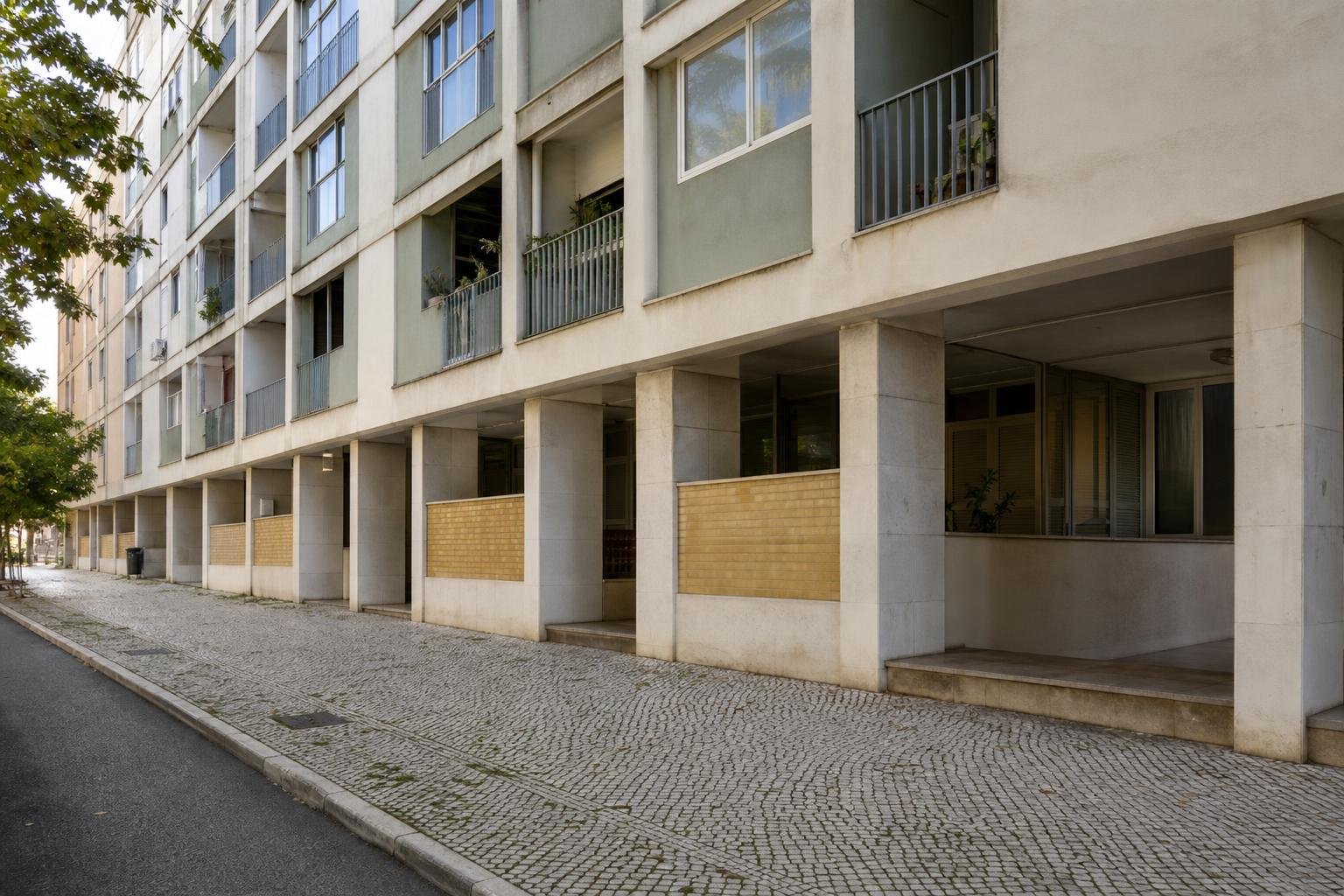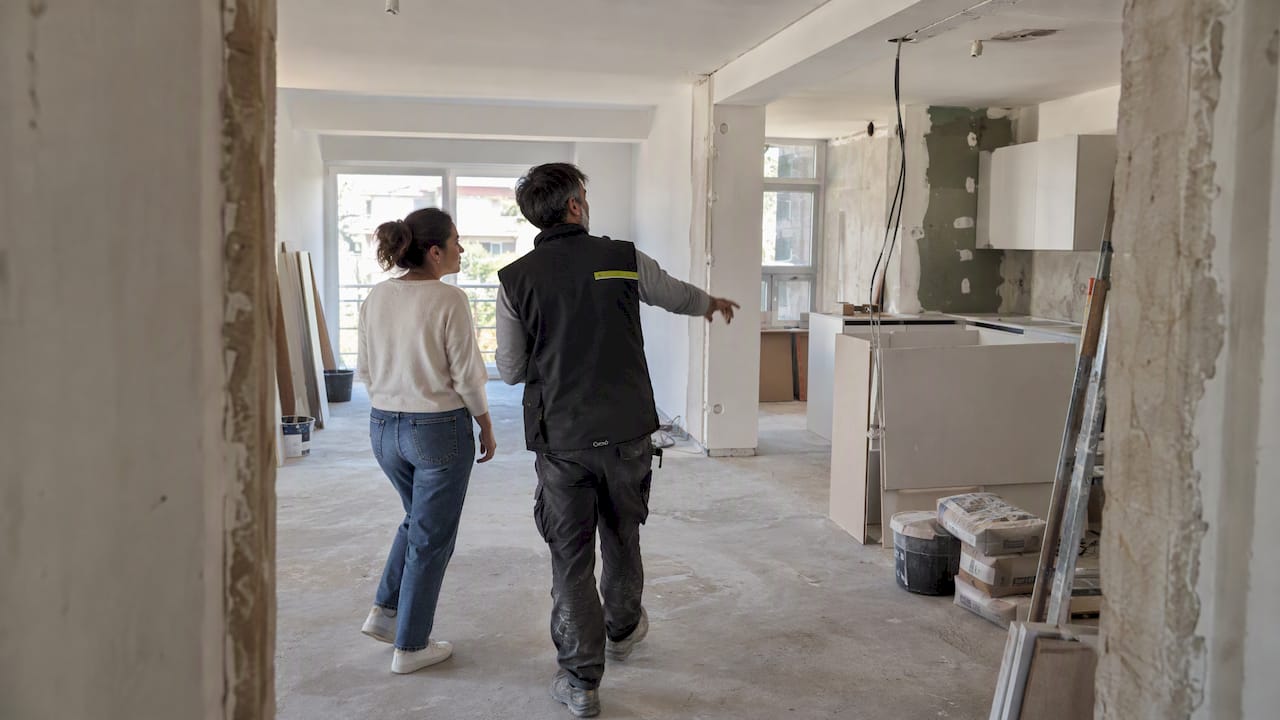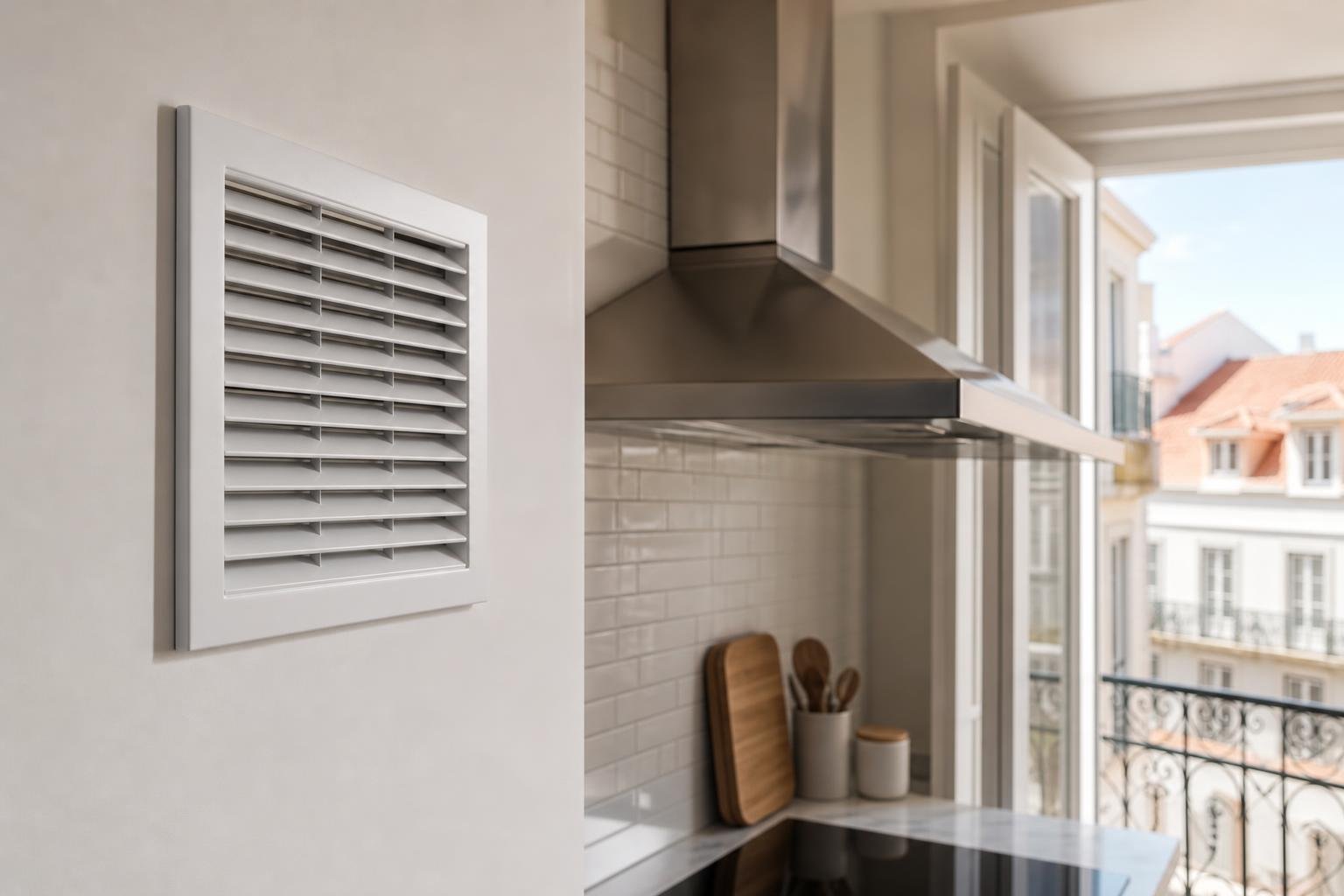
A property at an electronic auction is only worth bidding on after you have confirmed three points: what is actually being sold, who occupies it and what it will cost to make it usable. A low starting price may conceal a flat with no viewing, an unresolved legalisation issue, a need to recover possession or renovation work that does not fit your financial timetable. Treat the listing as the start of due diligence, not as a complete sales brochure.
Contents
- What changes when you buy at an electronic auction?
- Which documents should you read before setting a bidding ceiling?
- How do you assess condition when the viewing is short or unavailable?
- Can occupation change the entire investment plan?
- How do you calculate a ceiling without mistaking the starting value for total cost?
- What happens after you win, and when should you stop?
What changes when you buy at an electronic auction?
In enforcement proceedings, the sale of seized property is preferably carried out through an electronic auction. Read the framework in Portugal’s Civil Procedure Code on electronic-auction sales and the Portaria no. 282/2013 rules for electronic auctions, which define this as the sale of seized assets through an online platform. That changes the usual order of a purchase: instead of negotiating terms with a seller, the buyer reviews the procedural information available, sets a ceiling and competes with other bidders.
The key point is straightforward: a bid purchases an asset under the conditions described in the case file, not a promise of a finished renovation, immediate vacant possession or simple financing. An exterior photograph, a stated area or an estimated value does not replace the tax record, land-registry record, horizontal-property deed where applicable and relevant planning information.
For an investor intending to renovate and let the property on a long-term basis, timing matters too. A flat that is occupied, difficult to access or exposed to pending condominium works can delay the whole plan. Compare this with a standard acquisition in Buying to Renovate in Lisbon: Test the Margin Before You Offer: auction purchases need more allowance for unknowns, not less.
Which documents should you read before setting a bidding ceiling?
Start with the listing and the documents attached to the case. Look for precise identification of the unit, land-registry description, tax record, area, starting value, minimum value where stated, auction dates, viewing arrangements and any reference to occupation, tenancy, pending proceedings or missing licences.
Then ask a qualified professional to compare those documents with the property itself. An enclosed balcony, relocated kitchen or bedroom created from a storage area can affect future use and the renovation budget. If the plan is to convert a space that was once commercial, the checks become more demanding; see the starting points in Buying a Former Shop Converted into a Lisbon Home.
Do not treat missing paperwork as a minor administrative inconvenience. Portugal’s Civil Procedure Code allows the sale of a property under construction, or a unit in that condition, without a use or construction licence, leaving legalisation to the buyer. Read the relevant provision in the Civil Procedure Code text and obtain legal and technical advice for the specific asset.
- Confirm whether you are bidding on an autonomous unit, a whole building, an undivided share or only a right over the property.
- Check that the address, tax article, registry description and available plan match.
- Write down every documentary gap that may require time, design work or legalisation after acquisition.
How do you assess condition when the viewing is short or unavailable?
A limited viewing does not justify a bid based on assumptions. If a viewing is available, take a short, focused checklist: signs of water ingress around façades and openings, significant cracking, distorted floors, electrical panel, visible risers, ventilation in kitchens and bathrooms, window condition and evidence of poorly finished recent works. Take photographs only where the rules allow it.
If you cannot enter, lower the bidding ceiling rather than filling gaps with optimism. Review the façade, roof where visible, common areas, lift condition, meters and neighbouring flat doors. In Lisbon, these signs do not replace a diagnosis, but they can reveal deferred building maintenance.
Also request any available condominium information: recent meeting minutes, approved works, unpaid charges, roof, façade, water-riser or waste-stack interventions. Collective work planned after purchase becomes an economic risk for the new owner. To structure that review, see Buying to Renovate in Lisbon: Test the Margin Before You Offer, and separate confirmed facts from costs that still need testing.
There is a clear boundary: do not plan demolition, gas connections, structural changes or electrical work from a superficial observation. Secure access, documents and an appropriate diagnosis first.
Can occupation change the entire investment plan?
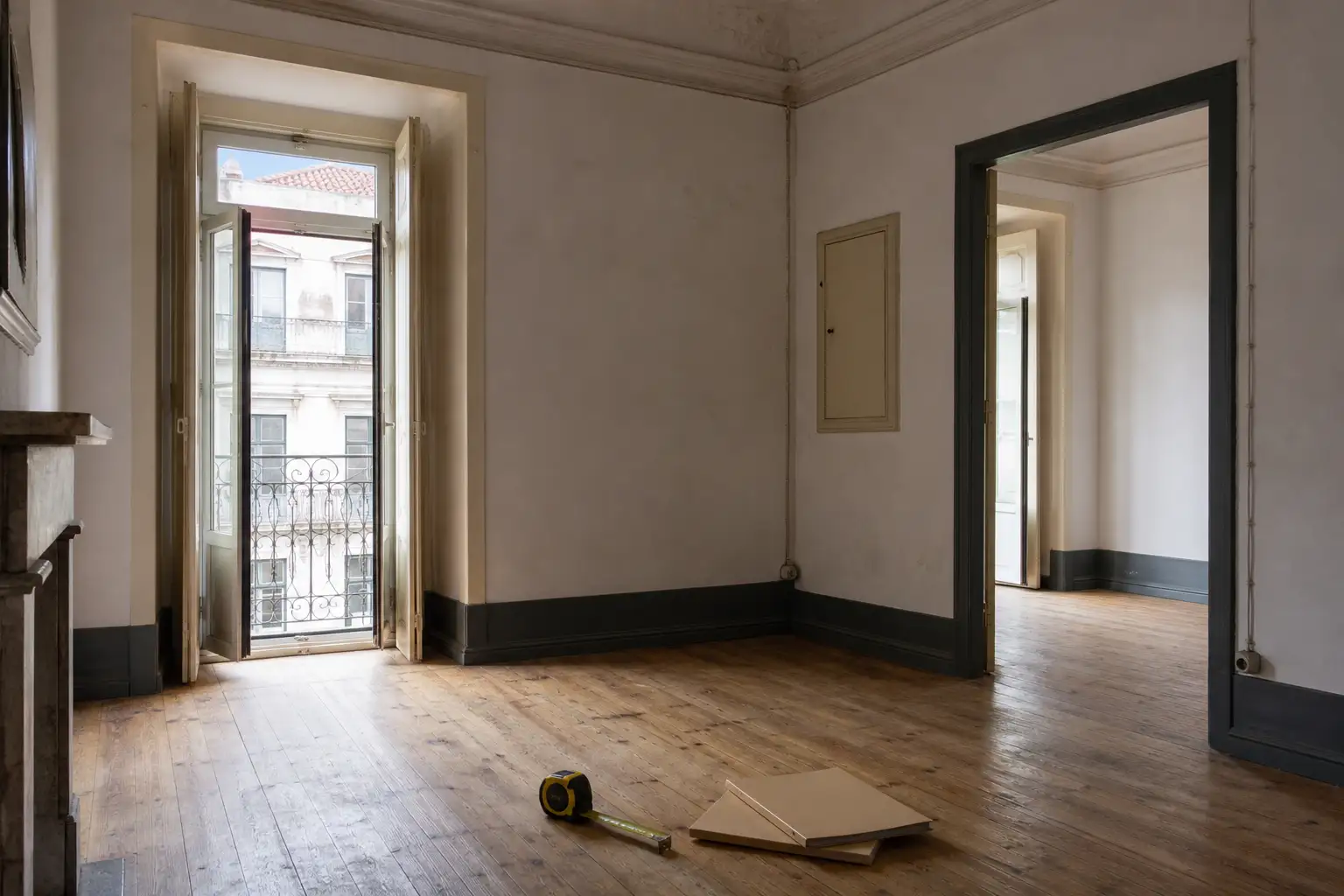
Yes. Before bidding, try to establish whether the property is vacant, occupied by the debtor, let to a tenant or used by third parties. Each scenario changes when you can enter, measure, secure the space and begin works. Acquiring title does not automatically mean you have a home that is immediately free for contractors and materials.
Do not include future rental income in your calculation until you have checked the basis of occupation, the contract terms where one exists and the legal route that applies. Do not assume an occupier will leave simply because the sale has ended. A prudent strategy separates the decision to buy from the decision to use, renovate or rent out.
If the unit is vacant, check whether services and fabric have been left safe: water, electricity, gas, windows, locks and potential water-entry points. An empty home can deteriorate quickly between award and the start of renovation. If it is occupied, obtain specific legal advice before estimating handover dates or intervention costs.
A disciplined bid accepts that some properties cannot be valued precisely before purchase. In those cases, the answer is not to bid faster; it is to keep a larger allowance or walk away.
How do you calculate a ceiling without mistaking the starting value for total cost?
Set the ceiling before the first bid and write the calculation down. The starting value is a procedural reference; it is neither your total budget nor a guarantee of market value. Add compulsory acquisition costs, registrations, applicable taxes, legalisation, condominium exposure, possession-related costs where legally necessary, design, works, contingency and months in which the asset cannot be used.
The platform may include an opening value, a minimum value and rules for conditional bids. Read the approved electronic-auction platform rules to understand those terms before setting your approach. Do not improvise a final bid merely because another user raises the offer in the final minutes.
| Item | Practical question | How to treat it in your ceiling |
|---|---|---|
| Award price | What is the maximum you are willing to pay for the asset? | Set an absolute maximum before the auction. |
| Acquisition and registration | What costs arise in completing the transfer? | Reserve a separate allowance outside the bid price. |
| Legalisation and works | What needs to be documented, repaired or replaced? | Use a prudent scenario that includes contingencies. |
| Time without use | When can you enter, carry out works and use the property? | Do not count income before there is real availability. |
What happens after you win, and when should you stop?
Winning the auction starts a phase with deadlines and payments; it does not end the decision. For accepted offers under the stated regime, the Civil Procedure Code provides for notification to deposit the outstanding price within 15 days; always confirm the regime and the specific instructions in the proceeding you enter. Review the rule on security and price deposit in the Civil Procedure Code and make sure the funds are genuinely available before bidding.
Prepare a folder from the outset containing the listing, case documents, certificates, viewing notes, ceiling calculation and contacts for legal, finance and technical support. Once the transfer is formalised and you have lawful access, record the property’s condition before ordering materials or booking contractors.
Stop when one of these situations arises: you cannot establish what you are buying; the asset may need legalisation you cannot cost; occupation prevents the timetable you need; the condominium work is only a rumour without figures; or bidding exceeds the ceiling you set. Walking away from an asset you do not understand protects capital better than winning an auction on impulse.
Key takeaways
- Read the listing as a procedural document, then test it against registry, tax and planning records.
- Set a ceiling that includes acquisition, time, legalisation, works and contingency.
- An incomplete viewing or uncertain occupation calls for a wider margin, not a higher bid.
- Schedule renovation and letting only after securing lawful access and real conditions for use.
After acquiring a property and securing regular access, Obra Lisboa can help turn a technical assessment into a renovation plan with a clear scope, priorities and work sequence. The next practical step is to gather the documents and request a proposal based on the unit’s actual condition.
Sources and further reading
- Civil Procedure Code on electronic-auction sales
- Portaria no. 282/2013 rules for electronic auctions
- approved electronic-auction platform rules
Editorial image; it does not depict an Obra Lisboa project.

Obra Lisboa