Before booking demolition, turn the accepted quote into a baseline programme with dates, dependencies, owners and check points. This simple document shows whether a late tile choice, a made-to-order door or a kitchen change can stop teams already on site. In a Lisbon apartment renovation, the real completion date depends on work stages, owner approvals, building access and material deliveries.
The aim is not a polished calendar that sits in a folder. It is a sequence that everyone can read and update when a specific event changes the work.
Contents
- What belongs in a baseline programme
- How to identify the dependencies that control the date
- Which owner decisions need early sign-off
- How to link payments to verifiable work
- How to update the schedule without making it meaningless
- What to prepare for a Lisbon apartment
What belongs in a baseline programme
A baseline programme starts once the scope is sufficiently defined. It does not replace the contract or quote; it connects both to daily execution. A building contract should identify the work, contract value, completion period and payment method and dates, among other items. Use those elements as the starting point for the calendar. Read the IMPIC guidance on private building contracts before accepting a completion date that exists only in conversation.
Before appointing a contractor, also check the company identity and stated qualification through the IMPIC register of private-works contractor licences. The name on the quote, contract and invoice should match the entity taking responsibility for the works.
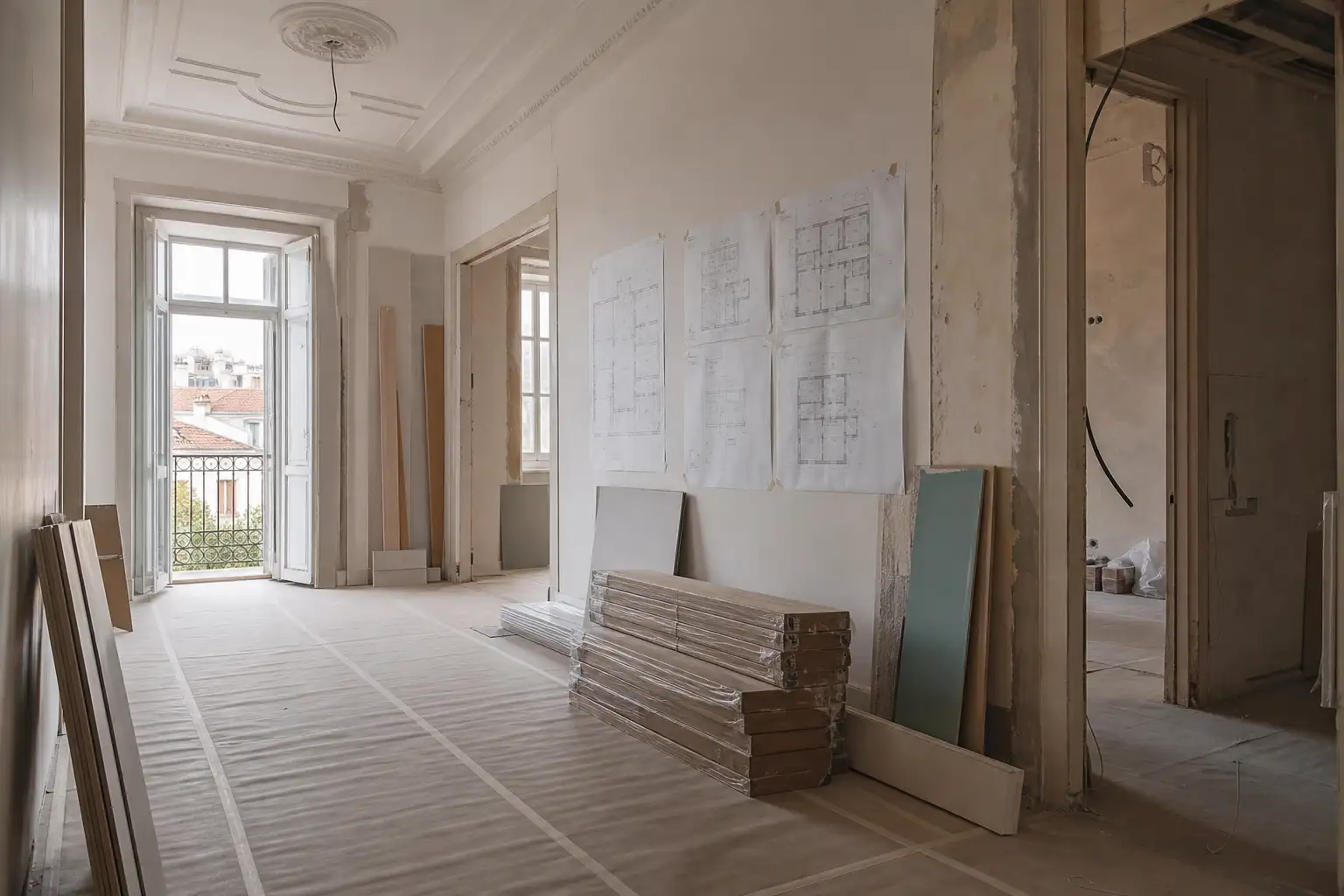
Keep the document as a shared sheet or dated PDF. For every milestone, record:
- the activity and room affected;
- planned start and finish dates;
- the team or person responsible;
- the condition required to start;
- the material or decision needed;
- and evidence of completion: a photograph, measurement, test or written sign-off.
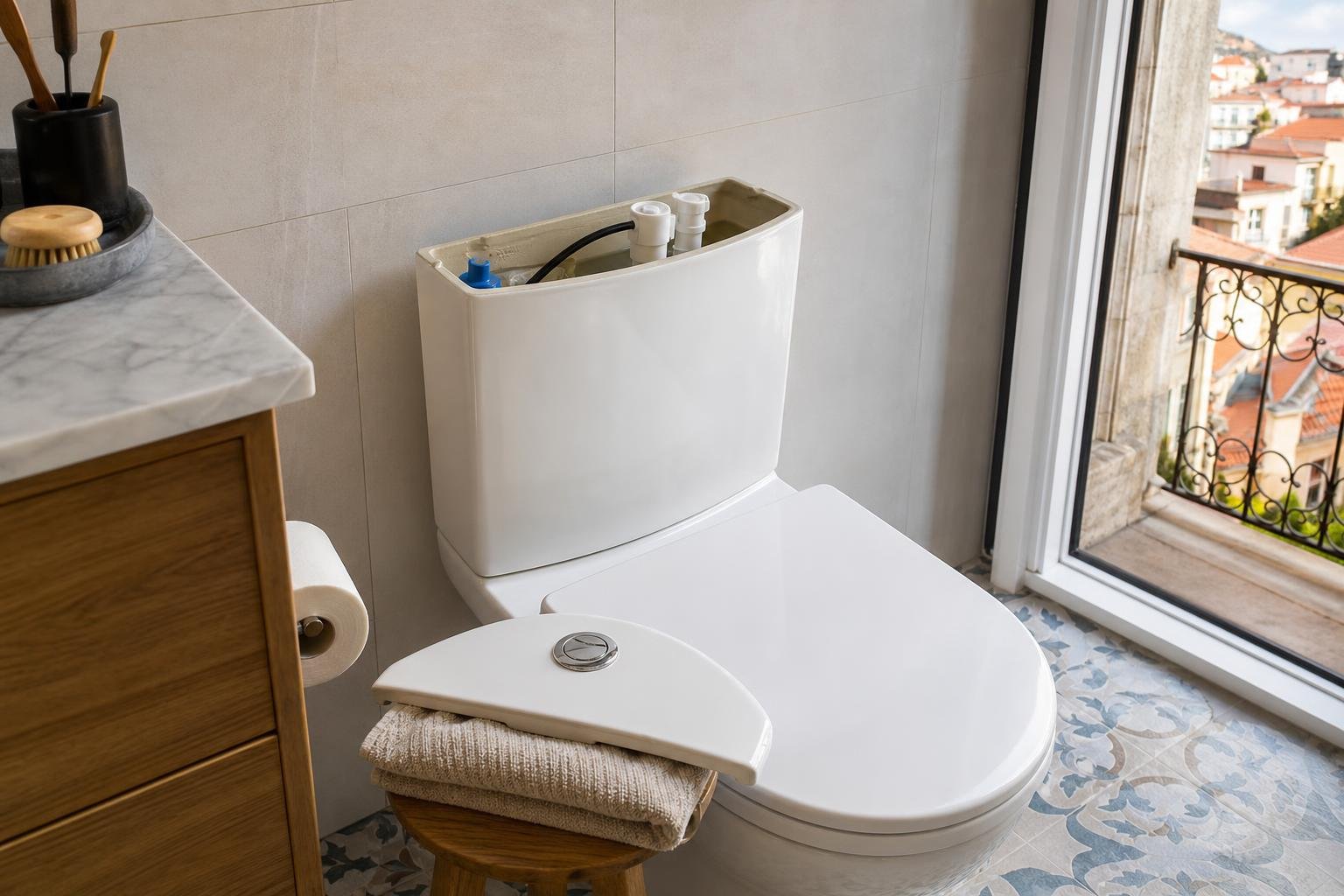
Avoid broad lines such as “bathroom”. Split demolition, plumbing changes, electrical work, waterproofing, tiling, sanitaryware installation and sealing. A question can then be tied to the work it genuinely holds up.
How to identify the dependencies that control the date
Tasks cannot all run at the same time. A new shower tray depends on pipework and the substrate; waterproofing depends on the drain being fixed; tiling depends on the waterproofing stage being ready; kitchen units should be measured against levelled floors and completed wall finishes. Mark these links with the words “cannot start until”.
- List work in technical order, rather than room by room.
- Mark the tasks that prevent others from starting.
- Identify materials with a supply lead time or a final measurement requirement.
- Set an owner decision deadline before the material is needed on site.
An internal door can look like a final-stage choice, yet floor thickness and opening direction affect the frame size, skirtings and circulation. A late change can stop a work front that is otherwise ready to close. Where new openings or wall removal are involved, the sequence must include appropriate technical confirmation; see also how loads travel through a building before an opening is made.
Which owner decisions need early sign-off
Some choices need to be closed before ordering, rather than during installation week. Put them in the programme as owner deliverables, with a date and a named person responsible for replying. This matters when there is more than one owner, or when the architect, kitchen supplier and contractor all rely on the same selection.
- final kitchen and bathroom layouts;
- locations for appliances, outlets, switches and lighting;
- models and dimensions for finishes, sanitaryware, appliances and windows;
- door swing direction and locations of fixed furniture;
- finishes that require an approved sample.
Do not treat a sample as an informal choice. Record the manufacturer, reference, colour, finish, application area and acceptance date. If the selected item becomes unavailable, approve an alternative before it is ordered. To make these moments workable, pair the calendar with a quote that protects scope and timing.
| Milestone | What it confirms | Effect of delay |
|---|---|---|
| Technical installations | Location of water, drainage, outlets and lighting points | Walls and floors should not be closed |
| Orders | Final dimensions, model, finish and supplier lead time | Later installation stages may lack materials |
| Finishes | Tiles, setting-out and trim accessories | Teams may wait after substrate preparation |
| Final measurement | Openings, bespoke units and equipment | Manufacture and delivery move in the schedule |
How to link payments to verifiable work
The programme should not be used to bring payments forward simply because time has passed. Link each payment to an identifiable stage, confirmed on site and consistent with the contract. Instead of “mid-project payment”, describe what must be complete: for example, installations finished and tested, tiling installed over a defined area, or joinery delivered and fitted.
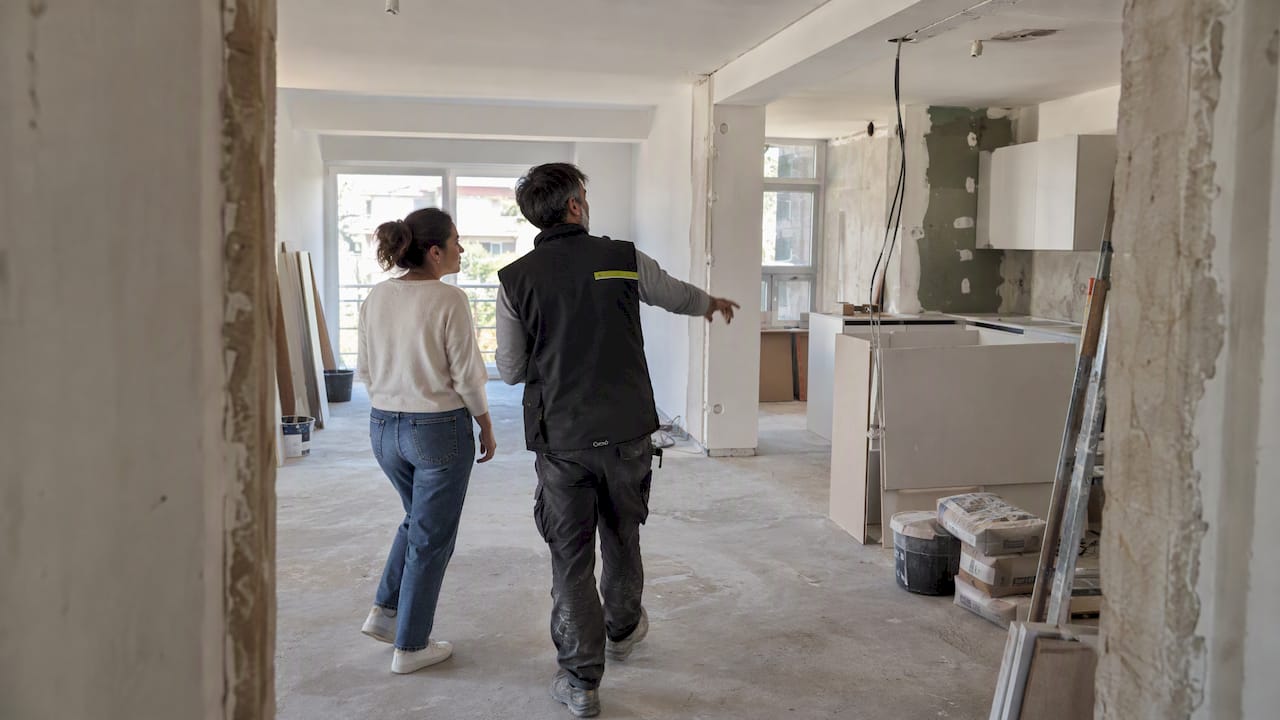
Ask for a simple measurement record that allows planned work to be compared with completed work. Keep dated photographs before suspended ceilings, service voids or walls are closed. This does not turn the owner into a site inspector, but it creates an objective record for discussing a discrepancy while it is still manageable. Where several trades are involved, define who signs off each work front, communicates changes and remains accountable to the owner; this needs to be clear when subcontractors are involved in a renovation.
Extra work should only enter the programme after there is a description, a price or pricing method, a time effect and recorded approval. Without those four elements, “we will do it now and sort it out later” usually removes control from both sides.
How to update the schedule without making it meaningless
Keep two dates for meaningful milestones: the agreed baseline date and the current forecast. Do not erase the first one; it shows when a deviation started. Update weekly, or whenever an event changes the sequence: a confirmed supplier delay, a discovery after opening a wall, unavailable access, an approved change or a newly required item of work.
For every update, add a short note: what happened, who reported it, the next action and which milestones are affected. Avoid making scattered WhatsApp messages the project’s only archive. A message can give notice; the decision should be entered into the record and confirmed by the person entitled to make it.
It also helps to separate delay from change. A week lost because a material did not arrive differs from a week added to alter the kitchen design. That distinction improves the discussion of cost, time and responsibility.
What to prepare for a Lisbon apartment
An apartment programme does not end at the front door. Include delivery and loading times, lift and common-area protection, material routes, storage location, waste removal and the condominium manager’s contact. If work will create noise outside applicable limits, check in advance whether a special permit is required: Lisbon City Council classifies construction work as temporary noisy activity and provides a process for a special noise licence.
Allow time for orders and for decisions that cannot be made on the same day. The INE publication calendar includes the New Housing Construction Cost Index, which is useful context for following the sector. An index does not, however, replace a supplier’s specific quotation, price-validity period or confirmed delivery date.
Before day one, hold a brief meeting to confirm the programme version, contacts, keys, access, protection, ordered materials and outstanding choices. If scope gaps remain, resolve them before demolition rather than while a team is waiting.
Key takeaways
- Turn every stage into tasks, start conditions and simple evidence of completion.
- Set owner decision deadlines before choices hold up orders or work teams.
- Keep the baseline date and current forecast to distinguish delay, change and recovery.
- Tie payments to confirmed work, never simply to elapsed time.
If you are requesting proposals for a Lisbon renovation, bring this baseline programme to the first discussion: it helps define scope, responsibilities and realistic dates. Obra Lisboa can support renovation planning and coordination, starting by organising the decisions that need to be resolved before work begins.
Sources and further reading
- IMPIC guidance on private building contracts
- IMPIC register of private-works contractor licences
- special noise licence
- INE publication calendar includes the New Housing Construction Cost Index
Editorial image; it does not depict an Obra Lisboa project.

Obra Lisboa