A fan does not lower the air temperature, but it can make a room easier to tolerate by helping sweat evaporate and by moving air when the outdoors has cooled down. In a Lisbon apartment, the useful approach is timing: block sun and hot air during the day, direct the airflow towards people, then clear stored heat in the evening.
It is a comfort measure, not a substitute for shade, proper ventilation, hydration or health care. During sustained hot weather, treat the fan as one part of a simple plan for the room where people spend most of their time.
Contents
- What a fan can do — and what it cannot
- Where should the fan go in an apartment?
- A routine for a very hot day
- Choose the right fan without buying more power than you need
- Electrical safety, cleaning and when to stop
- Turn temporary relief into a plan for next summer
What a fan can do — and what it cannot
A fan improves thermal sensation because it moves air across the skin. That movement helps sweat evaporate, which is one of the body’s cooling mechanisms. Portugal’s health authority guidance on extreme heat advises keeping heat out of homes by closing shutters or blinds and creating airflow at the end of the day, once outdoor air is cooler than indoor air.
A fan does not remove heat from a sealed, sun-exposed room. Pointing it towards an open west-facing window at 3 pm may simply bring hotter air indoors. It also cannot solve a room with unshaded direct sun, a poorly insulated shutter box or a top-floor bedroom with no solar control.
Start by cutting the heat load: close shutters, blinds or curtains before direct sun enters; switch off avoidable sources of heat; move oven use, tumble drying and dishwasher cycles to cooler hours. Then decide where moving air will make a real difference.
| Situation | Best position | Purpose |
|---|---|---|
| Strong sun with windows closed | Facing the occupied area, without blowing papers or curtains | Improve comfort for people in the room |
| Late afternoon when outdoors is cooler | Near a window or door, facing outwards | Help discharge accumulated heat |
| Night with two safe openings | At one end of the airflow route, on a low setting | Support cross-ventilation without excessive draught |
| Bedroom used by a child, older person or someone unwell | Away from the bed, without constant direct airflow | Create gentle circulation, with hydration and supervision |
Where should the fan go in an apartment?
Place it to serve people rather than to “fill” the room with air. In a living room, a pedestal or desk fan works best at a distance where a gentle breeze is noticeable without irritating eyes or neck. Do not hide it behind a sofa, press it against a curtain or aim it at a hot wall: airflow is lost and noise increases.
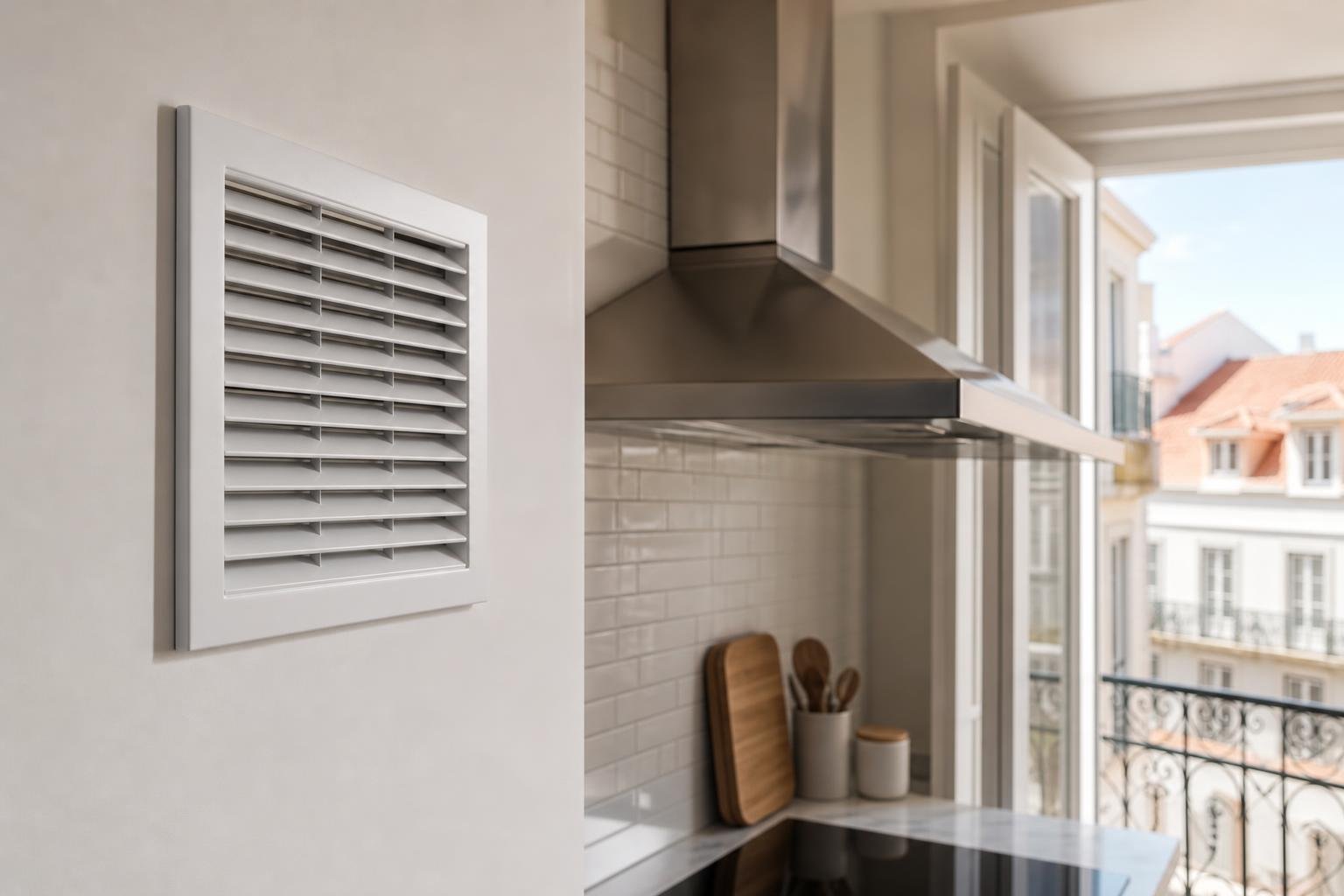
At the end of the day, try a simple arrangement. Open a window on the cooler side of the home and a safe opening on the opposite side — another window, a door to a ventilated corridor or a balcony door. Put the fan near the warmer opening and aim it outwards. Extracting air there can help pull cooler air in at the other side. If the flat has only one façade, use the fan to reach the occupied area; do not expect cross-ventilation where there is no cross-route.
In a bedroom, the priority is keeping clear space to get up, walk and open a door. Run the cable along a wall, never across the route between the bed and bathroom. For a wider ventilation strategy and a way to read indoor air conditions, see our guide to a CO₂ monitor at home.
A routine for a very hot day
A short routine avoids the usual mistake of opening everything too early, then closing it too late.
- Morning: as outdoor temperature starts to rise, close solar protection on sun-facing windows. Do not wait until floors and furniture have heated up.
- Afternoon: concentrate activity in the least exposed room. Run the fan only where people are present; leaving equipment on in empty rooms adds electricity use without improving comfort.
- Evening: compare indoor and outdoor conditions. When outside is cooler, open safely and use the fan to push trapped warm air out near the hottest windows.
- Before bed: cool the bedroom in advance, keep speed low and remove items that can fall or vibrate. A fan running loudly at full power can exchange some heat relief for poorer sleep.
The ADENE cooling guide sets out the right order: keep heat from entering, keep windows closed during the day and ventilate at night. A fan is most useful after those decisions, not before them.

Choose the right fan without buying more power than you need
For a desk or bedside table, a compact fan with a stable base may be enough. For a living room used for several hours, a pedestal model with adjustable height and oscillation lets you direct air without moving furniture. Start with the location: available width, noise, stability and access to a socket.
Check that the grille is suitably close-spaced for the household, especially where children or pets are present. Look for clear controls, several speeds and a base that does not rock on an uneven floor. If it will be used in a bedroom, test the lowest setting before choosing: motor noise, oscillation clicks and vibration through timber flooring matter more than its appearance in a shop.
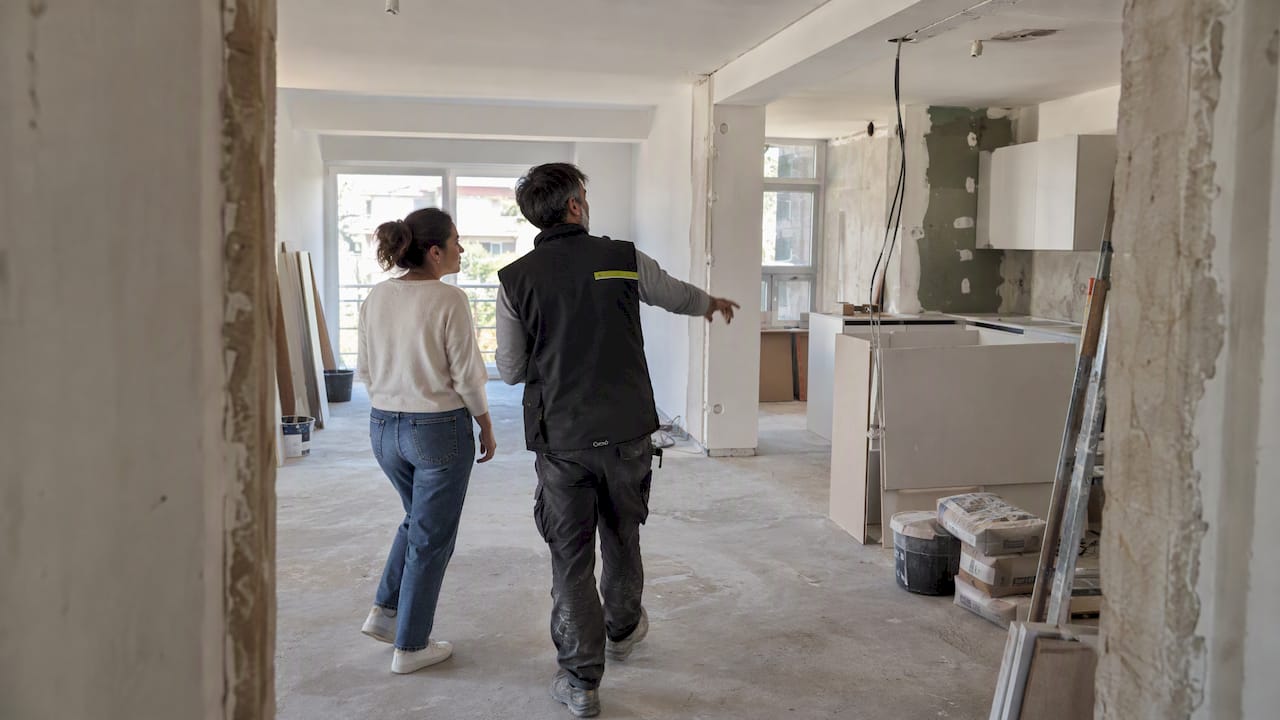
A fan does not require building work. Where a renovation is already planned, however, it can be sensible to provide sockets near places used for sleeping, working and resting, rather than relying on extension leads. Read our guide to planning safe summer comfort in a nursery where heat, airflow and electrical safety need to be considered together.
Electrical safety, cleaning and when to stop
Plug the fan directly into a sound socket. Avoid overloaded adaptors, coiled extension leads, loose plugs and power strips already serving several high-demand appliances. Keep water, plant pots, damp laundry and containers outside the area where they could spill or fall. Unplug before cleaning, and do not attempt to repair a broken grille, a hot cable, a burning smell or a motor that slows unusually.
Dust on blades and grilles reduces airflow and can spread particles around a bedroom. Wipe with a lightly damp cloth and dry afterwards, always with the appliance disconnected. If allergies are an issue, do this before hot weather arrives instead of stirring dust up on the night when sleep matters most.
A person who is confused, has high fever, hot dry skin, faints or shows altered consciousness needs urgent action; a fan is not a replacement for medical care. The DGS heat questions and answers sets out protective measures and advises seeking help for heat-related symptoms. Young children, older people, bedbound people and those with chronic illness need closer attention.
Turn temporary relief into a plan for next summer
After one or two hot days, note what did not work: which window admits the most sun, when the living room becomes unusable, where a socket is missing or where a door interrupts the air route. That list separates quick adjustments from work that deserves proper planning.
For example, a fan that only works with every blind closed may point to a need for external shading. A room that stays stuffy all night may need its openings, seals, ventilation or internal layout reviewed. In a strongly sun-exposed apartment, do not leave these choices until the peak of summer.
Heatwaves are episodes defined by persistently high maximum temperatures compared with climate reference values; the IPMA explains the definition used in Portugal. For a renovation, the practical next step is to convert what you observe at home into decisions: shade first, then air routes, safe sockets and, where needed, properly sized permanent measures.
Key takeaways
- Close solar protection before the room warms up; a fan works better after that barrier is in place.
- During the day, direct airflow towards people; in the evening, it can help expel stored heat.
- Keep cables out of routes and keep water away from an unstable or unattended fan.
- Signs of heat illness require health care, not a higher fan setting.
If heat in your home is exposing problems with shading, sockets, windows or ventilation, include them in the survey before renovation starts. See how to distinguish a building problem from a surface symptom, then speak with Obra Lisboa about putting the relevant decisions into the real scope of the work.
Sources and further reading
- health authority guidance on extreme heat
- DGS heat questions and answers
- ADENE cooling guide
- IPMA explains the definition used in Portugal
Editorial image; it does not depict an Obra Lisboa project.

Obra Lisboa