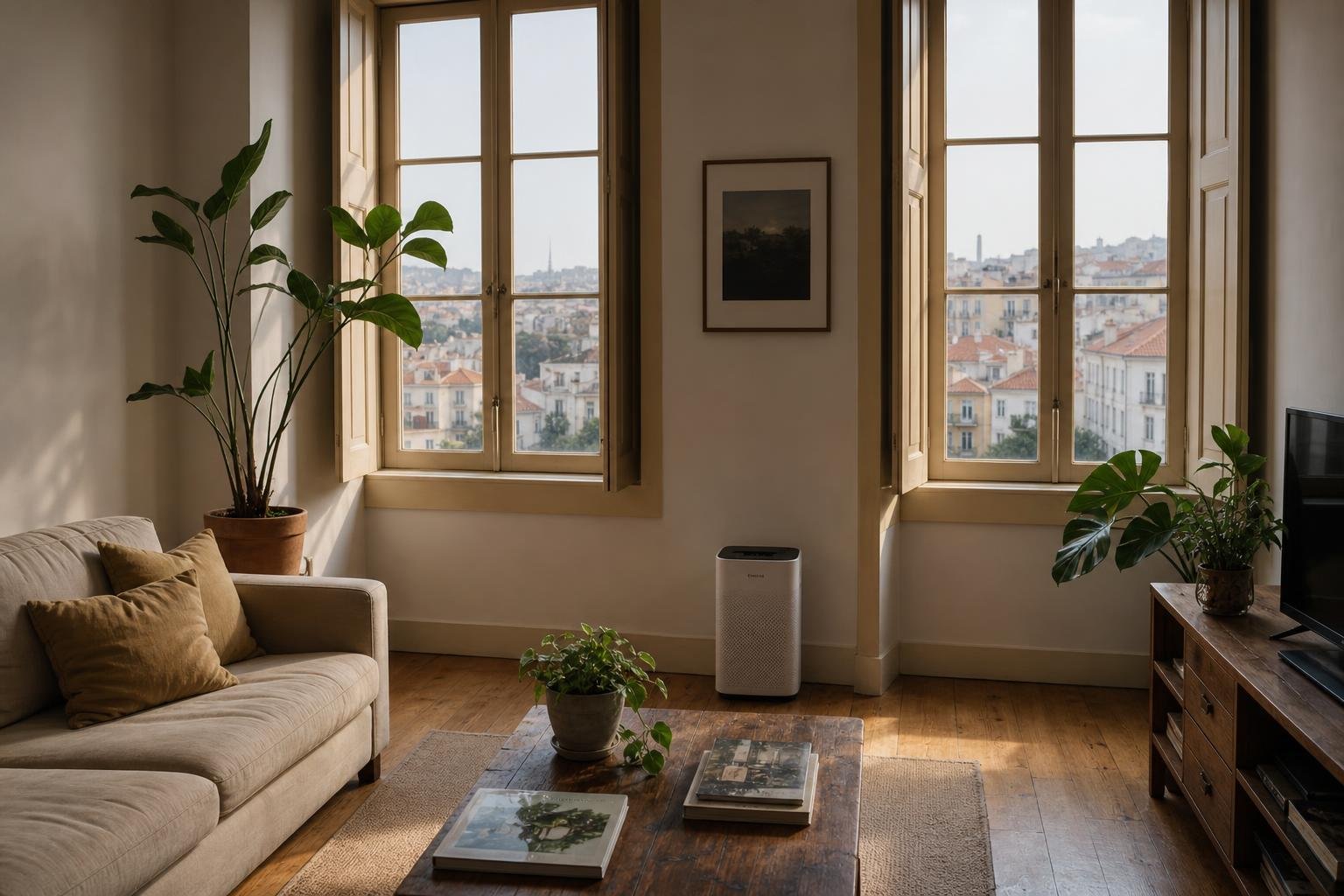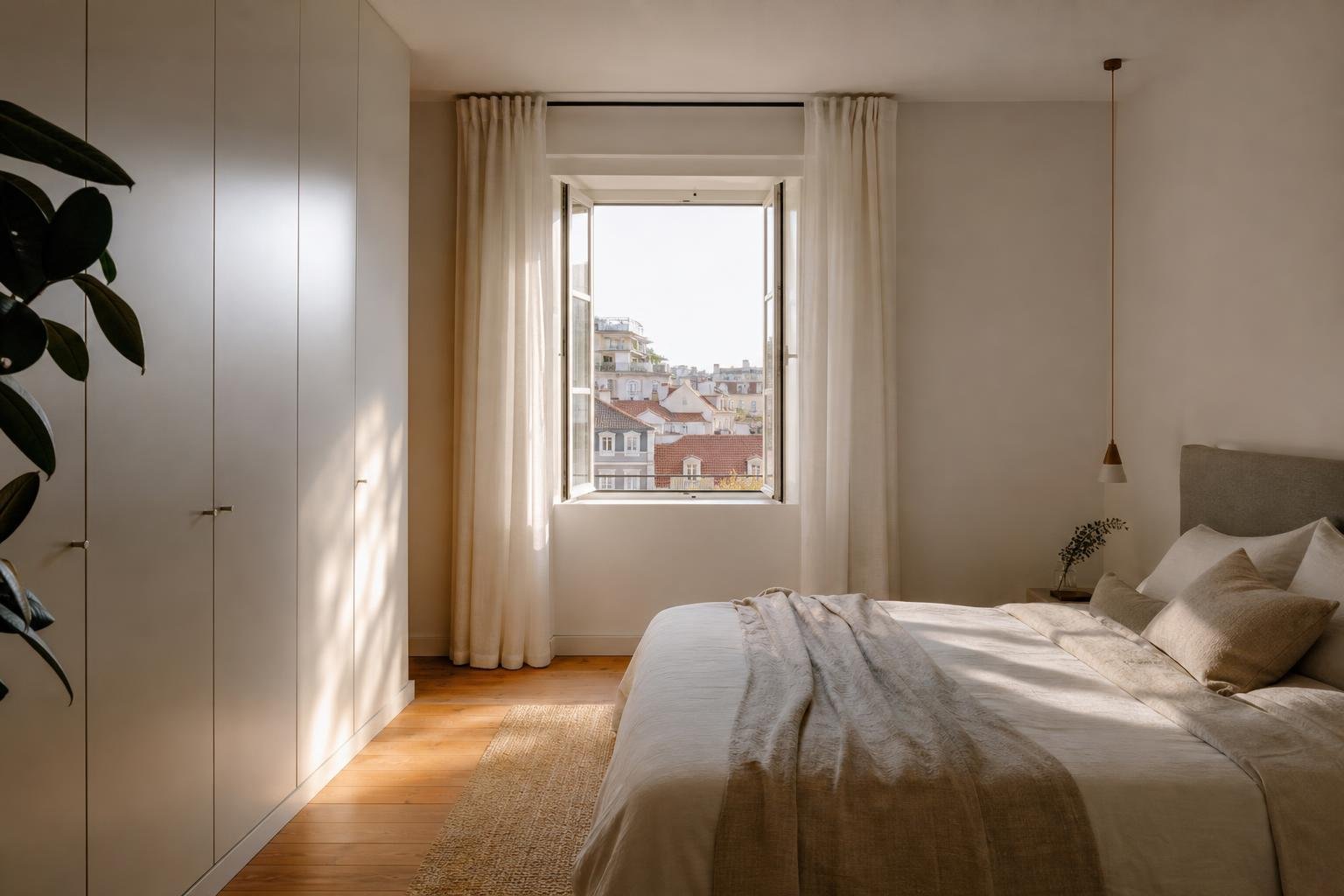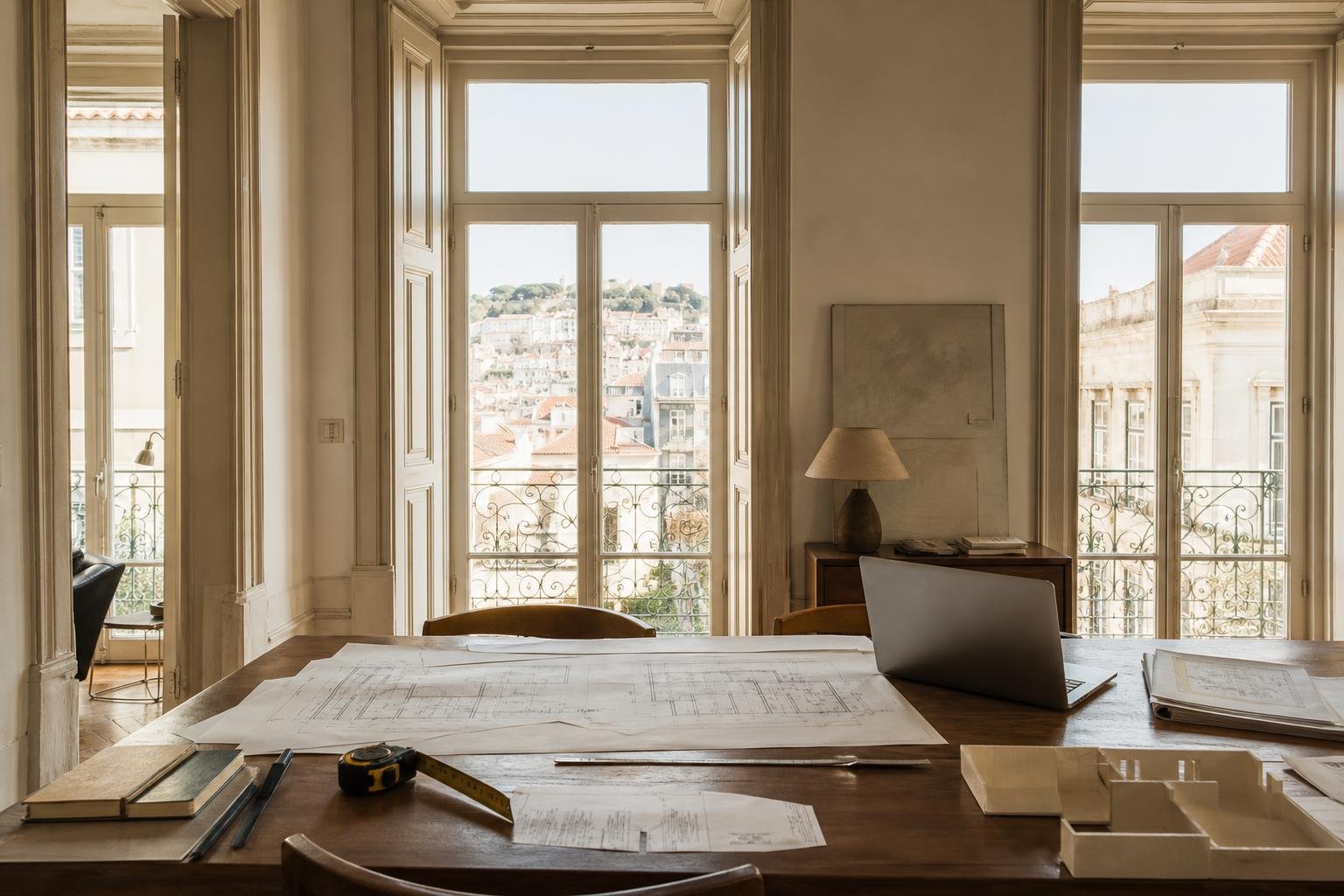
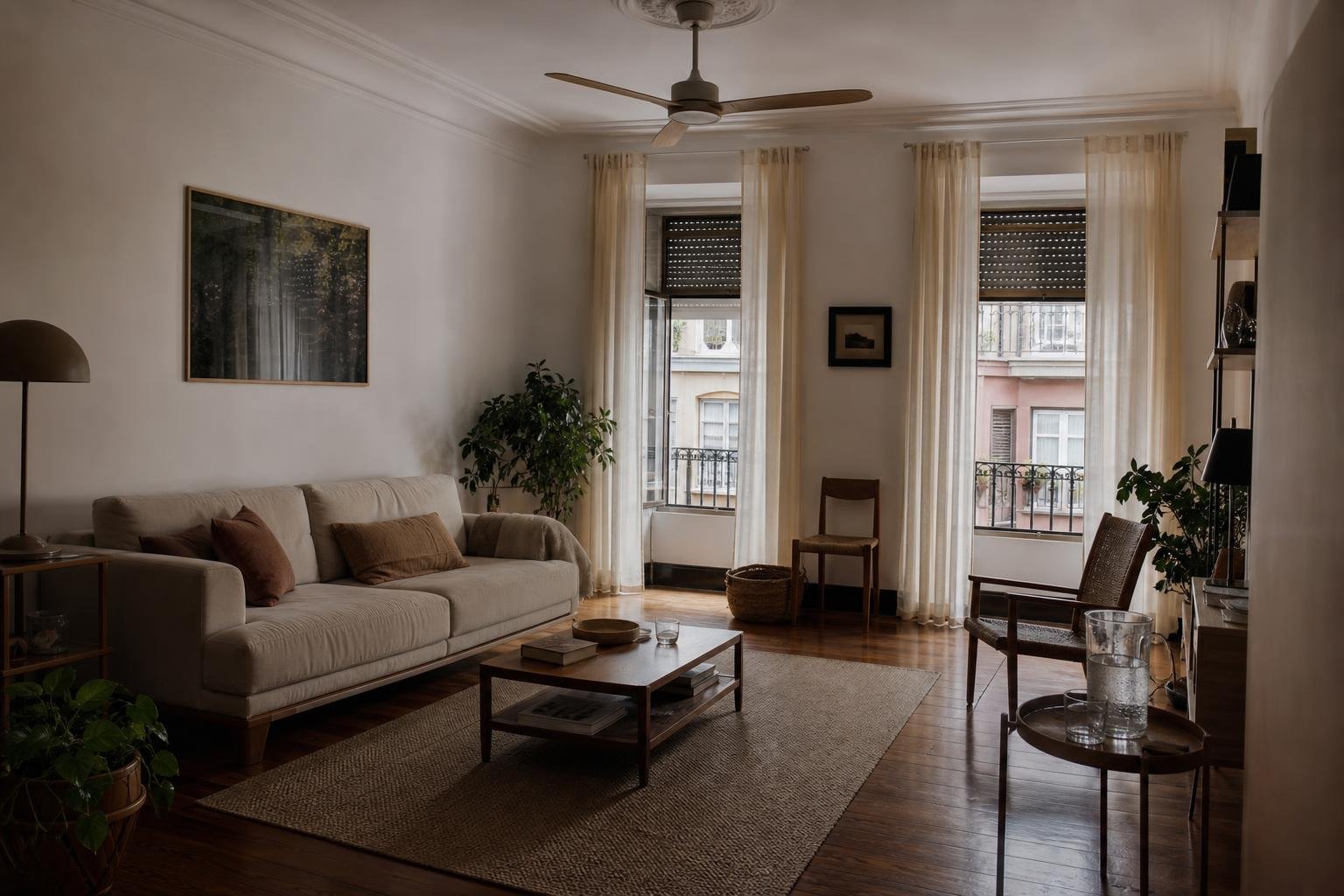
When hot weather lasts for days, trying to cool an entire apartment is not always the most sensible approach. In a Lisbon building—especially one facing west, with an exposed top floor or older windows—it can be more effective to prepare one heat refuge room: a bedroom or living room where sunlight can be controlled, air can move and the essentials for the hottest hours are close at hand.
This is a home-planning measure, not a replacement for healthcare. Portugal’s Directorate-General of Health warns that intense heat can cause dehydration, exhaustion and worsening of chronic illness, with higher risk for young children, older people, bed-bound people and people taking certain medicines. Read the DGS heatwave guidance for the public and seek clinical advice whenever it is needed. A better room can reduce exposure; it cannot remove the risk.
It is worth preparing before the next warning arrives. IPMA defines a heatwave using a run of at least six consecutive days with maximum temperatures above the relevant reference level, and records increasingly significant events in mainland Portugal. See how IPMA defines and monitors heatwaves, then use the forecast to adjust how you run the home.
Choose the right room, not the prettiest one
The best heat refuge room is rarely selected for its appearance. Watch the flat through two or three warm days: which room gets late direct sun, where do floors and walls hold onto the least heat, and which window is least exposed in the late afternoon? In a west-facing apartment, a north- or east-facing room may be the practical choice, even when it is the smaller bedroom.
If possible, avoid the kitchen while cooking and rooms directly below an unprotected roof. An internal living room can work well if it has a door, adequate blackout options and a window that can be used for early-morning ventilation. Do not turn it into a temporary storage area: keep a clear route to the bed or chair, window and door. For someone with limited mobility, that unobstructed route matters more than another occasional table.
- Choose a room that can be shaded without becoming completely airless.
- Prefer one close to a bathroom but away from constant heat sources.
- Keep water, a phone, regular medication and a charger within easy reach.
- If children use the room, remove trailing leads, unstable fans and furniture that interferes with opening the window.
In Lisbon, indoor conditions are also shaped by the surrounding city. The municipal urban-heat-island study shows variation between areas and underlines why hot nights deserve particular attention. Use the City of Lisbon urban heat-island mapping as local context, while still observing how your own building behaves.
Stop sunlight before it comes through the glass
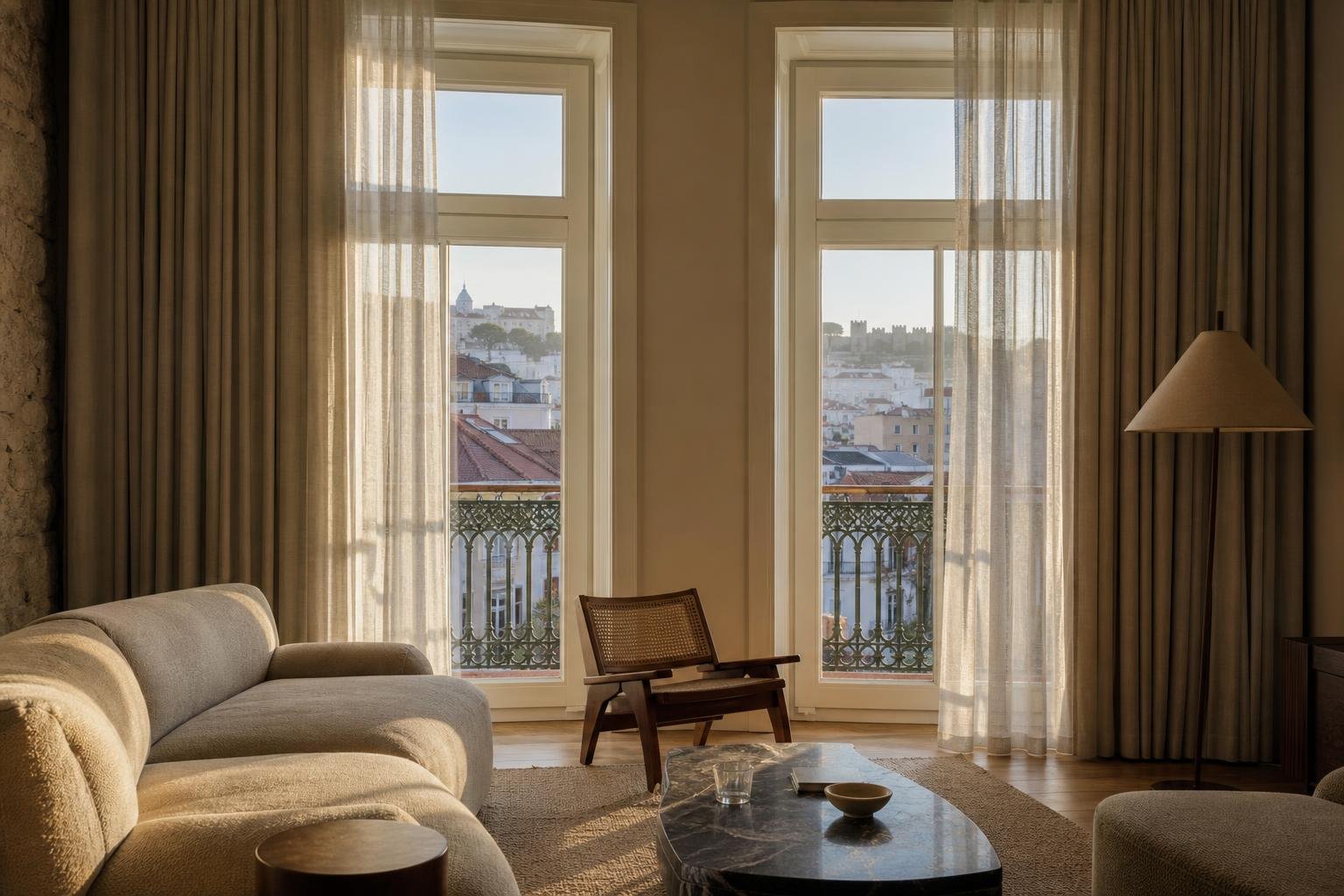
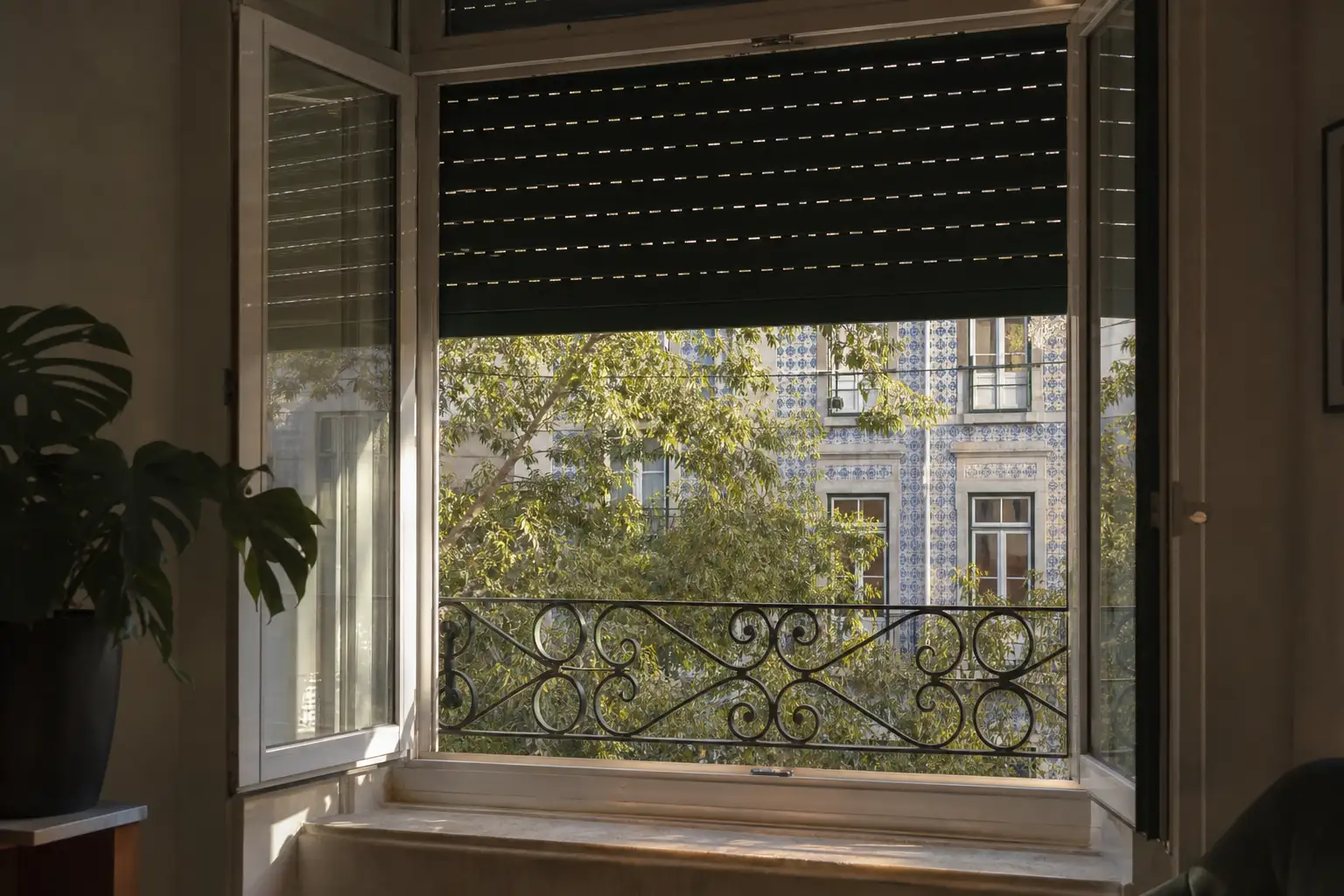
The most effective principle is straightforward: block solar heat outside, or as close to the glass as possible, before it warms floors, walls and furniture. Lower external shutters early, adjust internal timber shutters and open awnings before direct sun reaches the façade. If you wait until peak heat, the room will already have stored much of that energy.
Where façade work is not possible, combine what you have: an external shutter lowered with slats adjusted for some daylight, a well-fitted light-coloured curtain inside, and closed internal doors to separate the chosen room from hotter areas. Thermal curtains can improve control when properly measured, but they do not solve missing external shade or a poorly insulated shutter box. Our guide to thermal curtains in Lisbon apartments explains how to use them without losing all useful daylight.
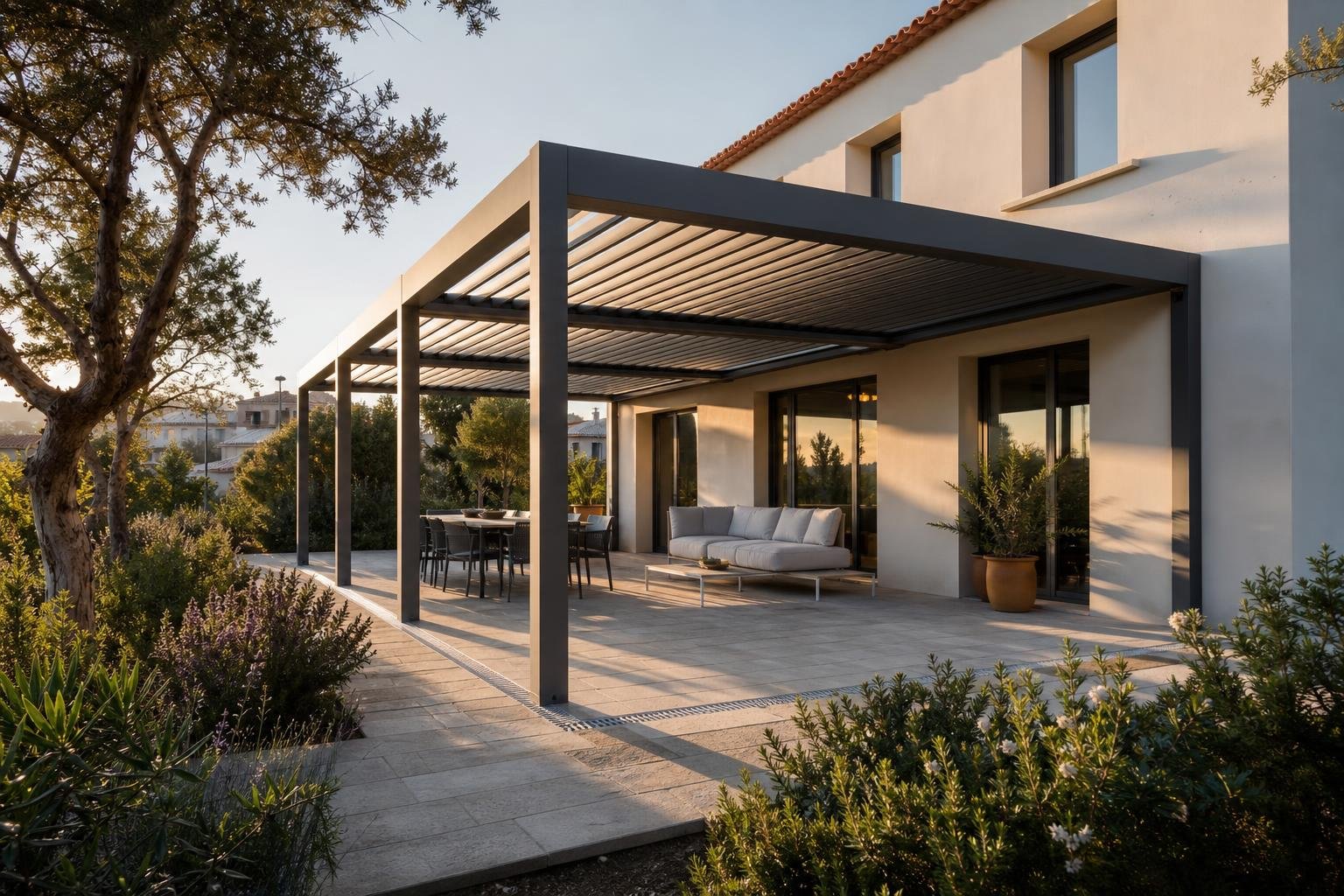
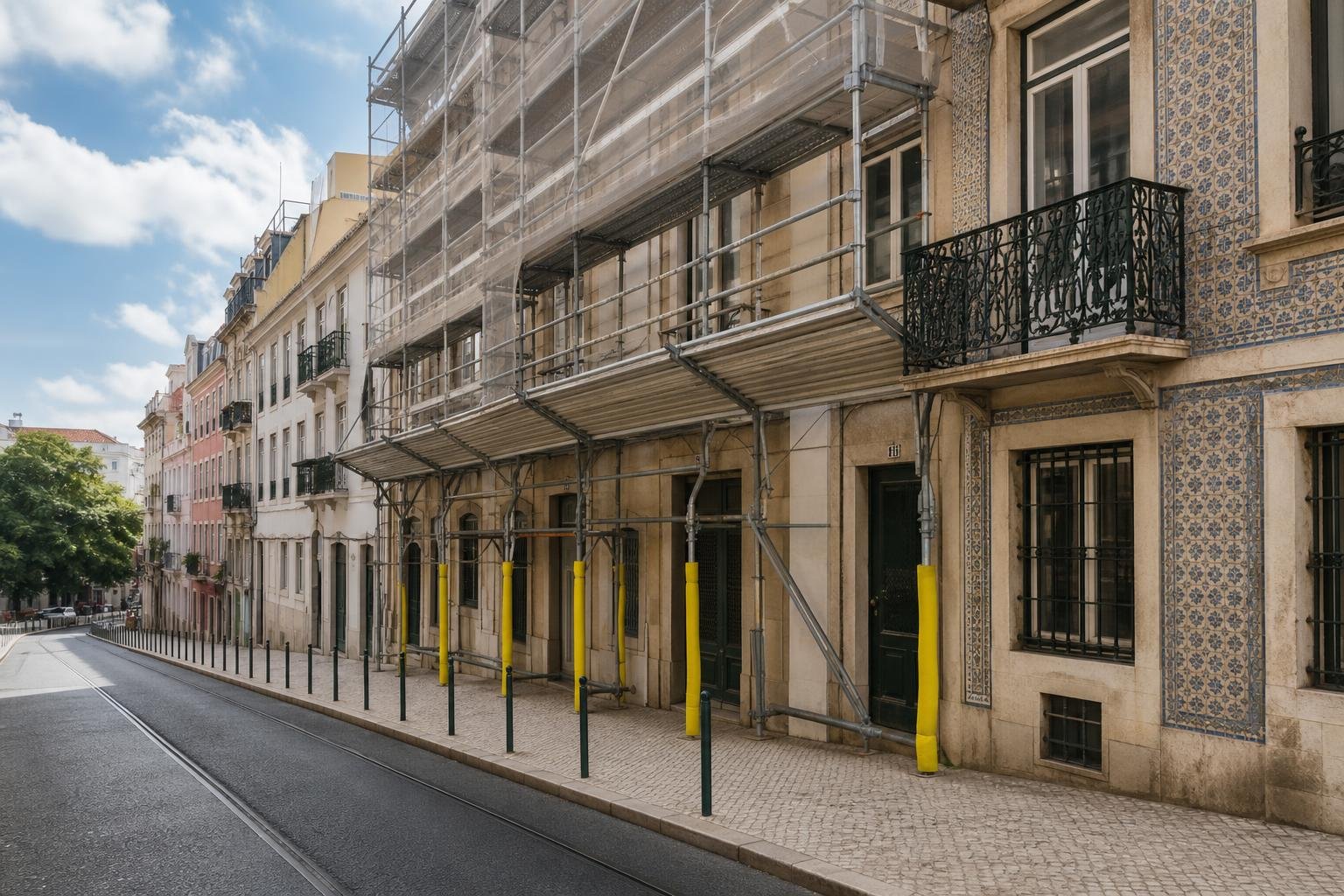
Do not attach films, blinds or brackets to a condominium façade without checking the applicable rules and whether the glazing is compatible. A solution that makes a home permanently too dark is not a good everyday answer; an externally fixed element installed badly can lead to noise, water ingress or disputes. If work is planned, treat external shading for apartments as a façade, fixing and maintenance decision—not simply a summer purchase.
Ventilate according to outdoor temperature, not routine
Opening every window at three in the afternoon may simply bring hotter air indoors. Natural ventilation works best when outdoors is cooler than indoors: often early morning, at night or before dawn. During those periods, open windows on different sides of the home where possible to create an air path. During the hottest hours, reduce hot-air entry and keep solar protection in place.
ADENE identifies shading to limit solar gains and night-time natural ventilation to remove stored heat as common summer-comfort strategies. Read ADENE’s explanation of thermal comfort in existing buildings, then adapt the principle to the real conditions of your flat.
A ceiling or portable fan does not reduce air temperature, but it can improve perceived comfort by moving air over the skin. Position it so that it does not blow continuously onto a vulnerable person, obstruct a door or create a risk near curtains. If you are fitting a ceiling fan as part of renovation, check the fixing, electrical point and clearances to furniture; see our guide to ceiling fans in Lisbon apartments.
Cut internal heat during the critical hours
A refuge room will not perform well if the rest of the apartment continues producing unnecessary heat. Move oven use, tumble drying, ironing and long dishwasher cycles to cooler hours. Keep meals simple, cook smaller quantities, or prepare cold food when it suits the household. Switch off standby devices that do not need to remain on, and avoid clustering chargers and equipment in one corner.
Divide the day into two phases. In the morning, ventilate, cool down the building fabric and do energy-intensive tasks. As the hottest period approaches, close off the refuge room, lower solar protection and reduce unnecessary movement between rooms. A supportive chair, gentle lighting and a small surface for water and a phone make the room genuinely usable without turning it into an improvised station.
If air conditioning is used, keep windows and doors closed in the conditioned room, clean filters according to the manufacturer’s instructions and treat condensate drainage as part of the installation. Do not discharge water onto a balcony in a way that causes dripping onto neighbours, staining or leaks. The aim is to reduce heat gains before asking more of the equipment.
Set up a safety routine for people at higher risk
The room should serve the person, not the other way round. For an older person, someone with a chronic condition or reduced mobility, set out a bottle or easy-to-hold cup of water, contact list, charged phone, glasses, regular medication and a chair with arms. Do not change medication doses or schedules independently: some medicines need particular attention in hot weather, so questions should be discussed with a healthcare professional.
Plan short, regular check-ins with relatives, neighbours or carers, especially if someone lives alone. Confirm that they answer, are alert and are able to drink. Intense thirst, marked weakness, dizziness, persistent headache, confusion, very hot skin or fainting require prompt action and appropriate assessment. The DGS guidance is the appropriate reference for public heat-protection measures.
For babies and children, a cooler room does not replace supervision. Never leave a child in a parked car, even briefly, and do not cover a pram in a way that restricts airflow. At any age, light clothing, shade and suitable hydration belong in the plan, but they should never delay seeking help when warning signs appear.
Turn a summer workaround into a renovation brief
After a heatwave, write down what did not work. Did the chosen room receive too much sun? Was there no socket near the bed? Did the shutter allow heat and light around its edges? Was secure night ventilation impossible? These answers help you rank specific upgrades instead of buying disconnected products every summer.
A renovation can combine external shade, better windows, insulation to opaque elements, controlled ventilation, well-positioned electrical points and more efficient equipment. Sequence matters: first limit solar gains and identify air-leakage or envelope problems; then assess ventilation; only then size cooling equipment if it is still needed. Do not decide only from apartment floor area or an appliance’s advertised output.
Keep drawings, façade photographs and condominium information before moving ahead. In older Lisbon buildings, changing external appearance, drilling into shared elements or fitting technical equipment may require coordination. A well-planned refuge room is a useful first step towards better summer comfort, and it also shows where future work needs the most care.
If your apartment overheats and you want to turn next summer’s observations into a coherent renovation plan, Obra Lisboa can help organise shading, ventilation, electrical and comfort priorities around the constraints of the building.
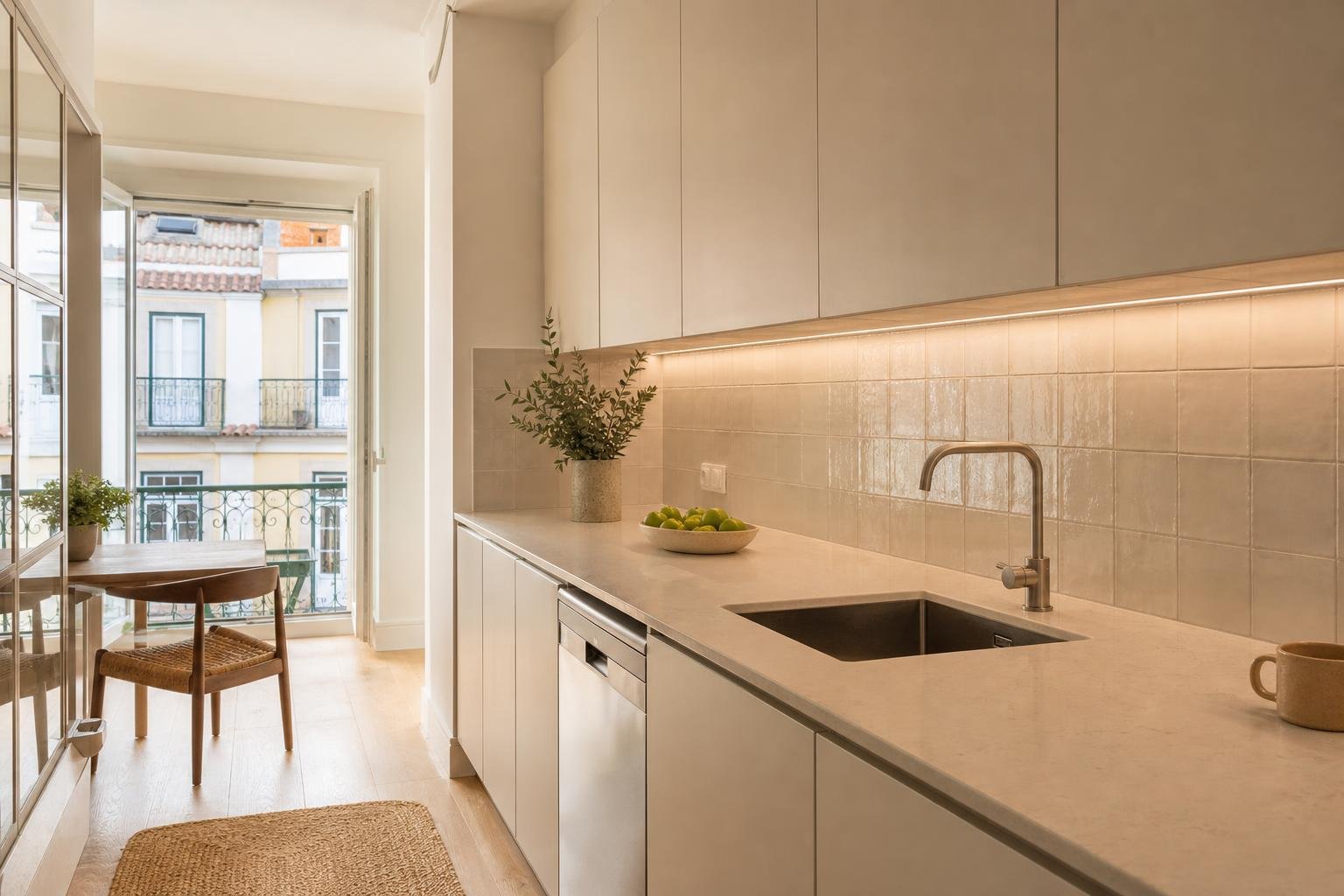
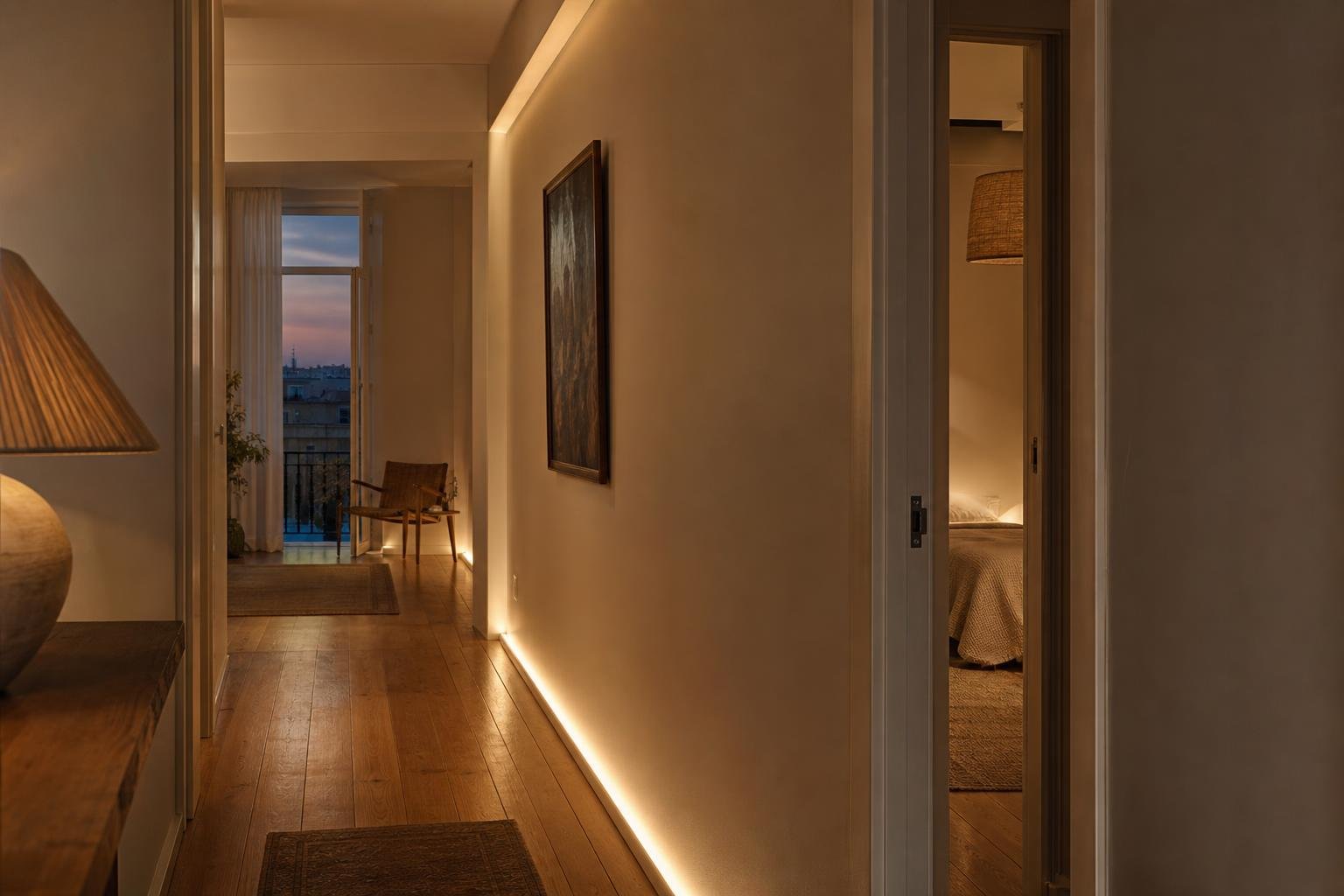
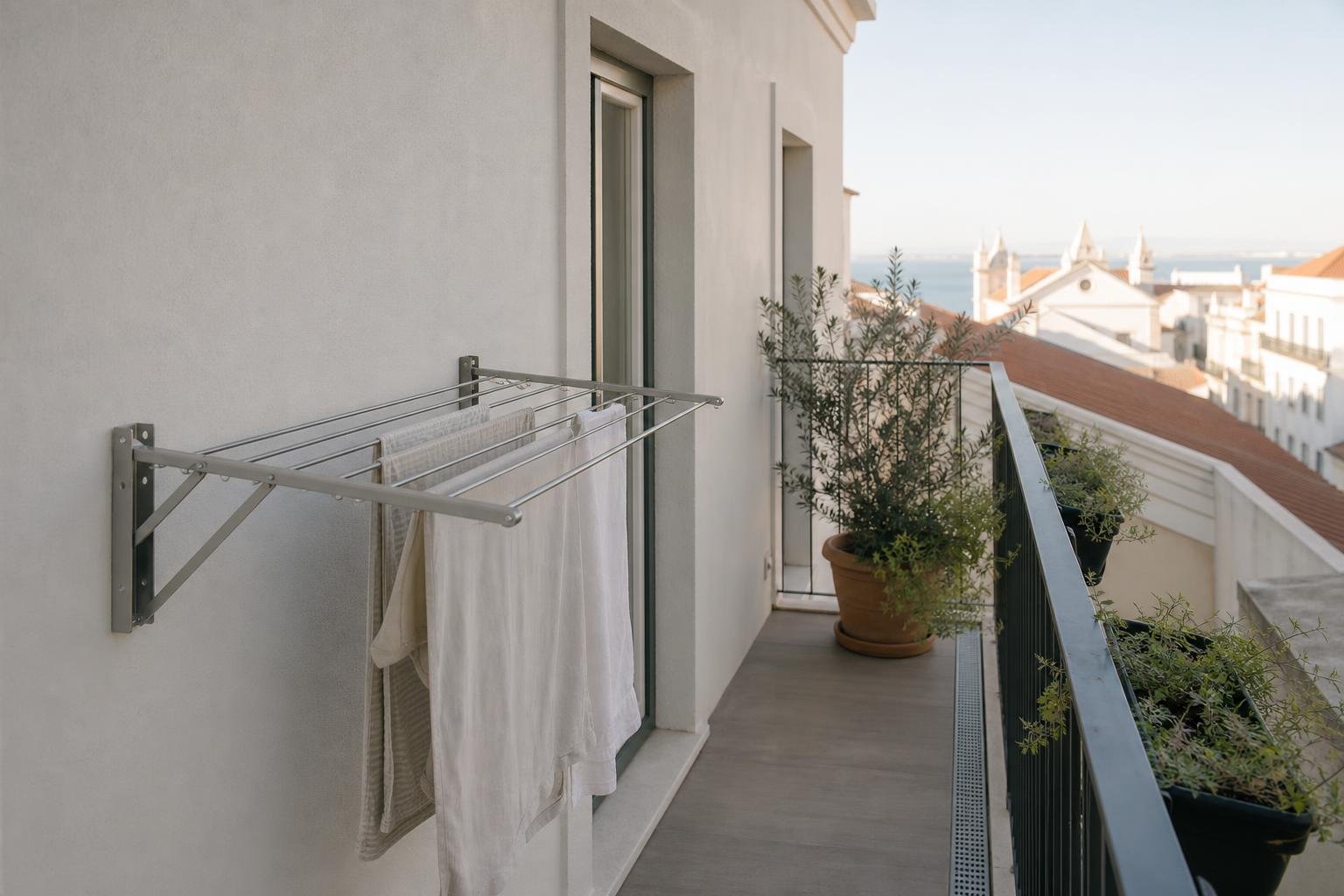
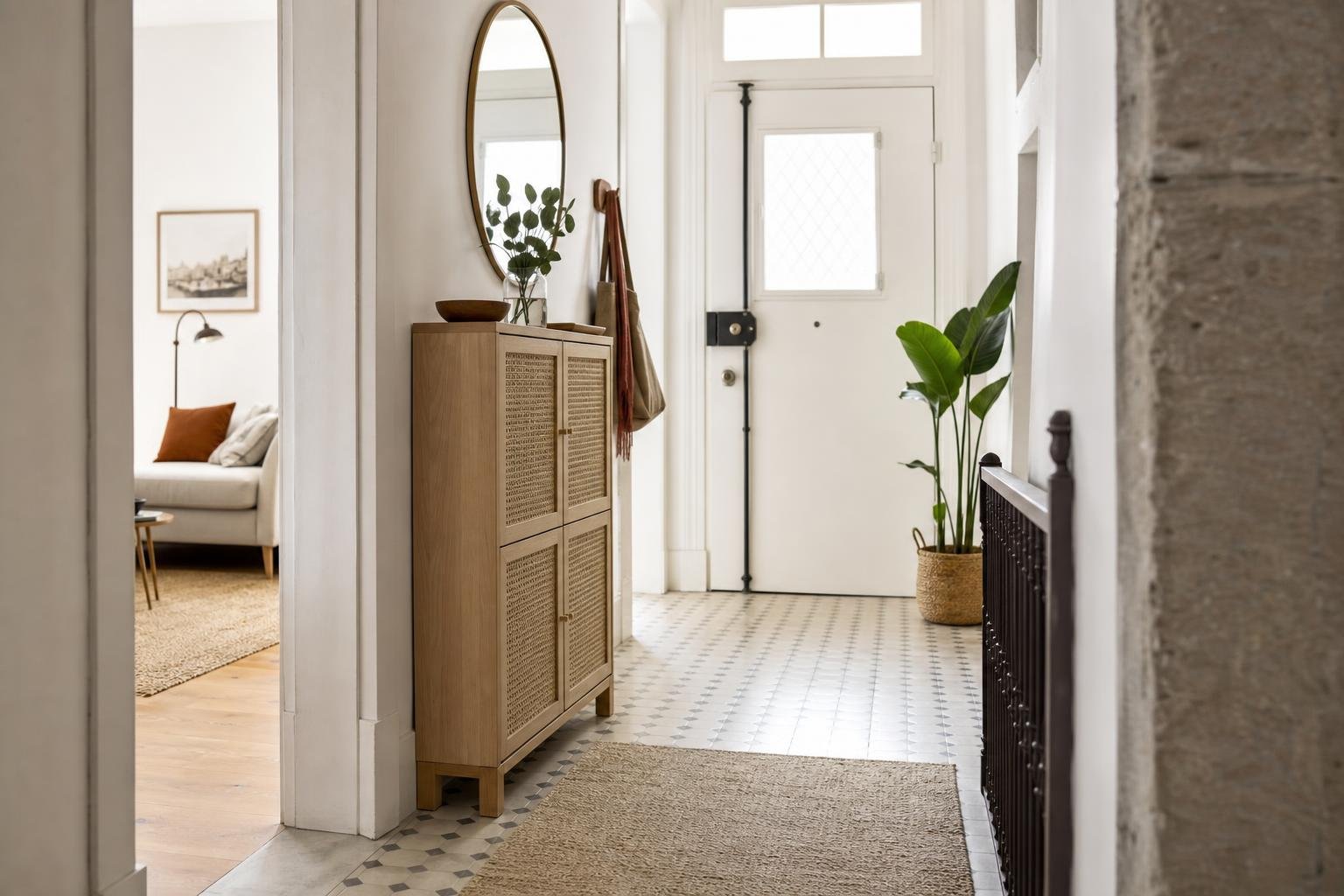
AI-generated editorial image; it does not depict an Obra Lisboa project.

Obra Lisboa