
In an apartment with a dog or cat, the entrance is more than a route between the street and the living room. It is where wet paws, leads, bags, towels, carriers and sometimes sand or fur arrive. Without a defined landing zone, those items travel through the home and cleaning becomes a chain of small improvisations.
A well-planned solution does not mean turning the hall into a utility room. It means deciding on the sequence: where the lead comes off, where a damp towel can be put down, where products stay safely out of reach, and how the route remains clear for shopping bags, prams or suitcases. Portugal’s health authority recommends hygiene after walks and handwashing before and after contact with pets; a simple arrival zone makes that routine easier to maintain. Read the Portuguese health authority’s guide to caring for pets at home
Start with the real route, not with a favourite cabinet
Watch the first thirty seconds after the front door opens. Does the dog run straight towards the sofa? Can the door close without hitting a carrier? Do keys, shoes and bags all land in the same place? Map that route before ordering furniture.
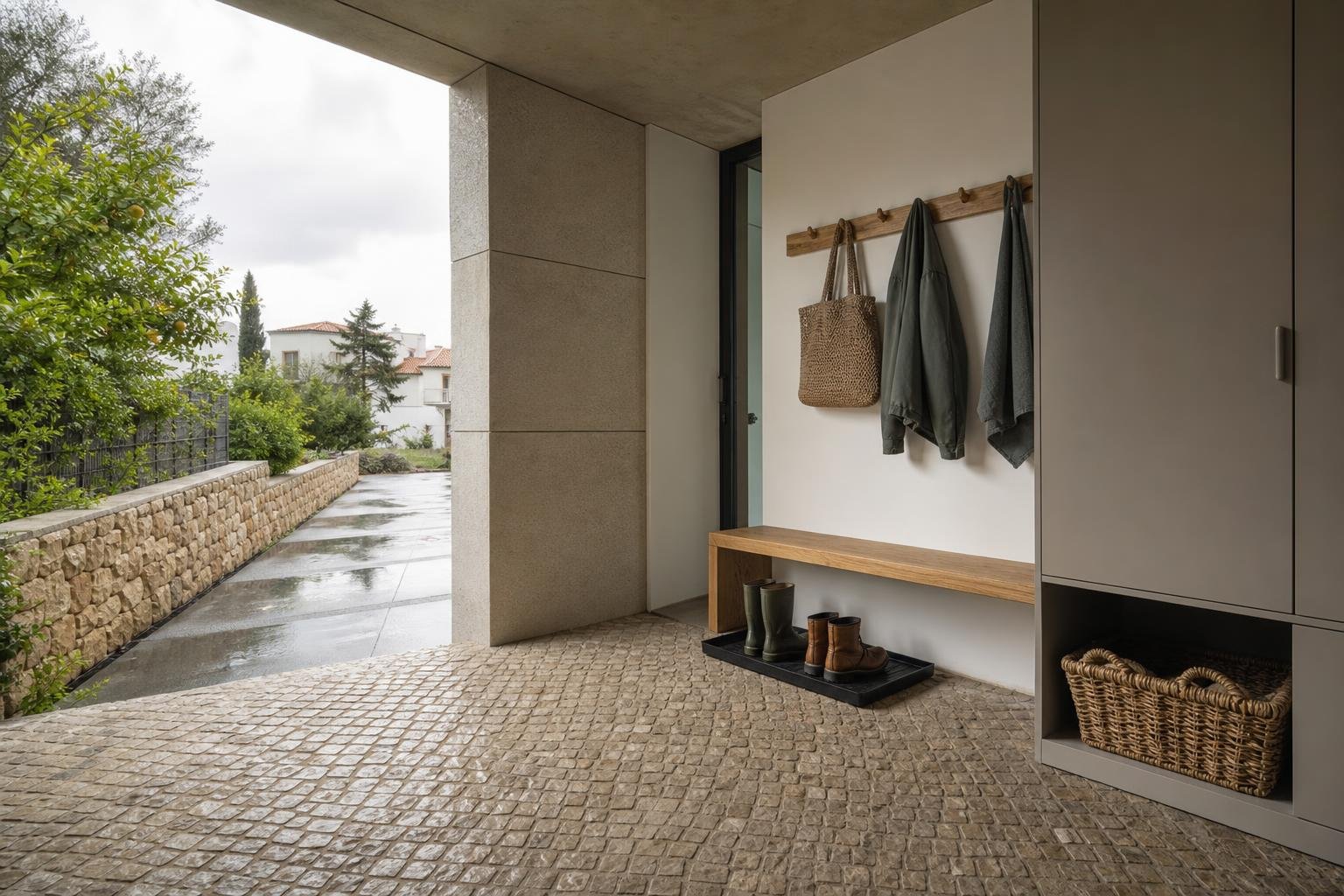
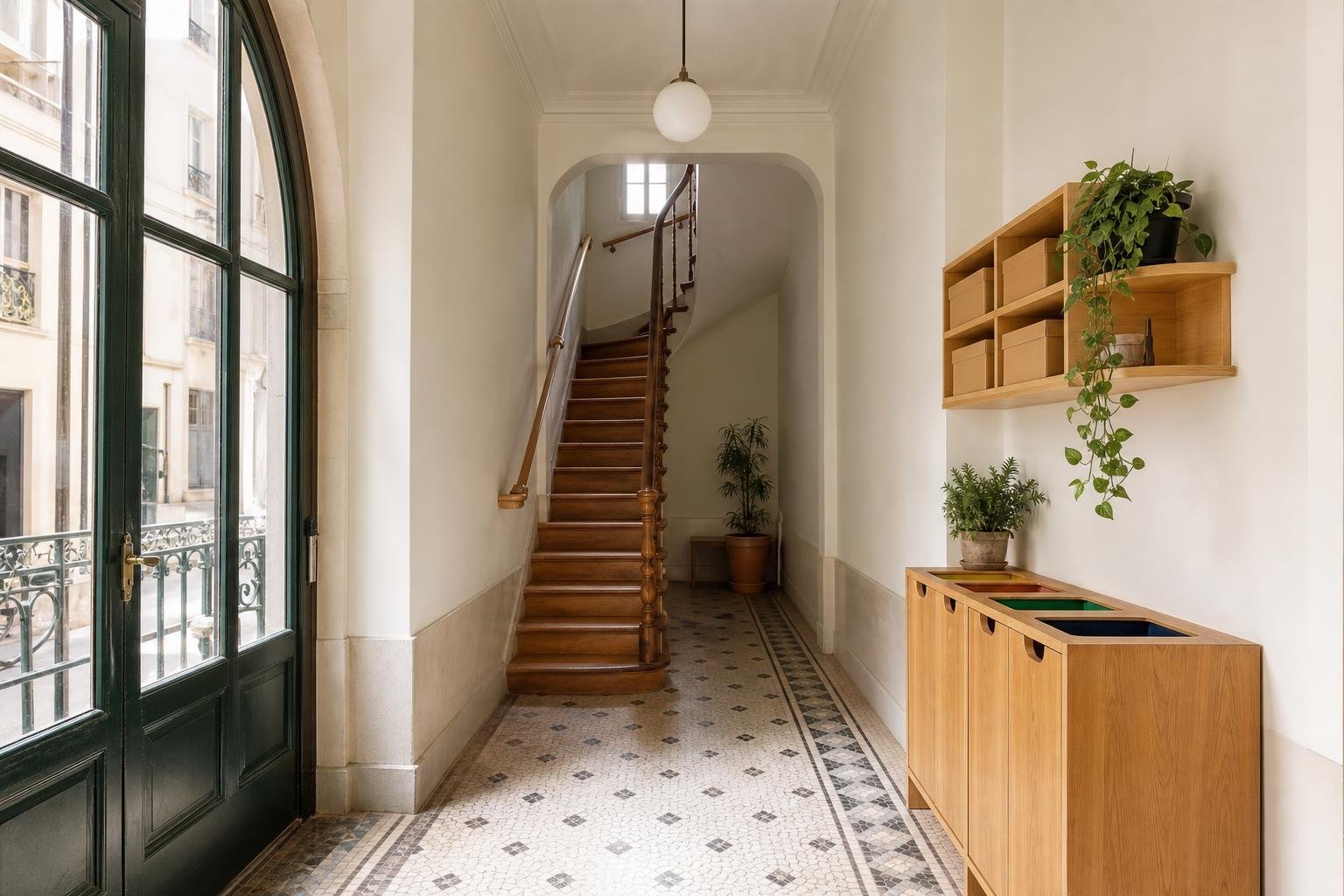
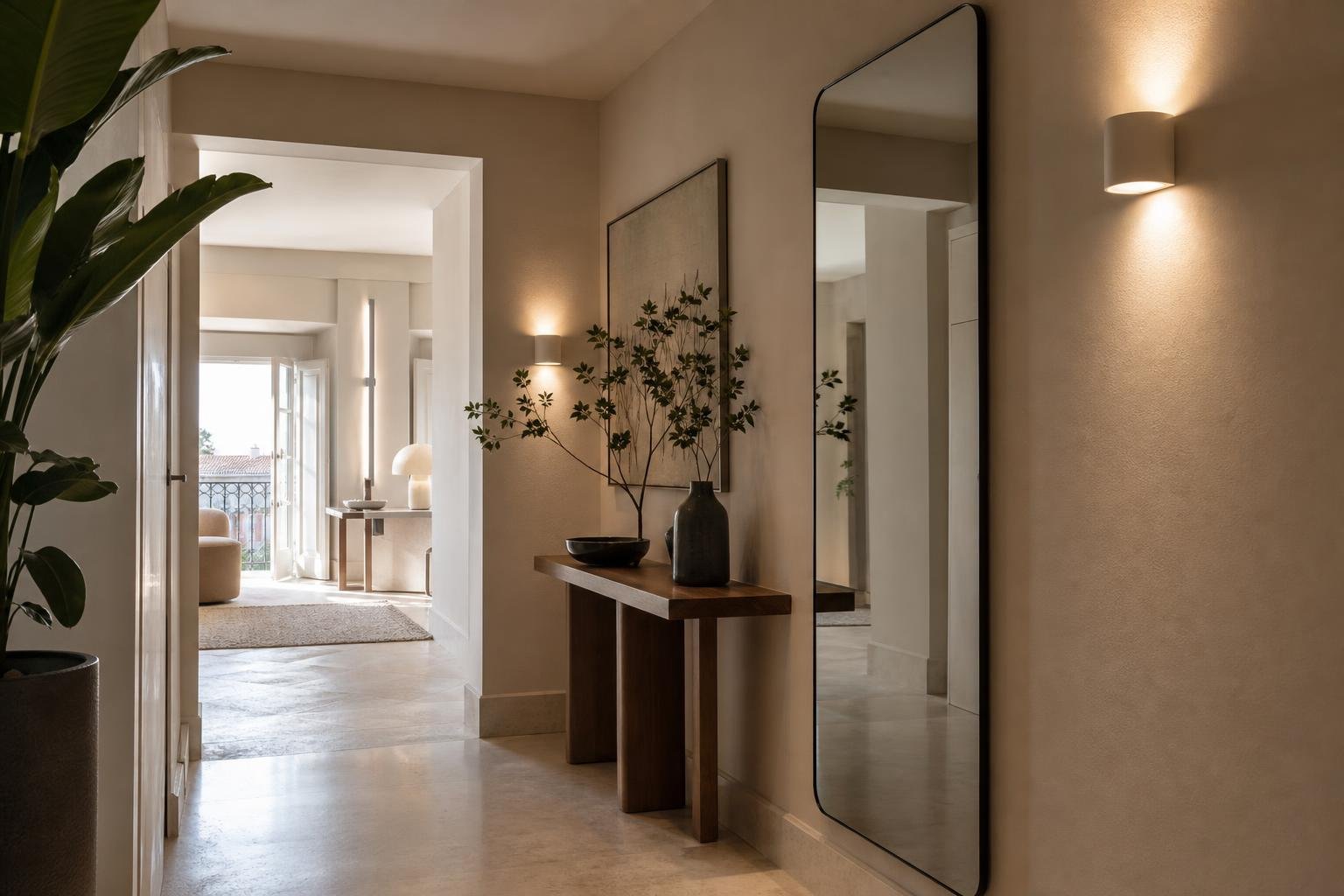
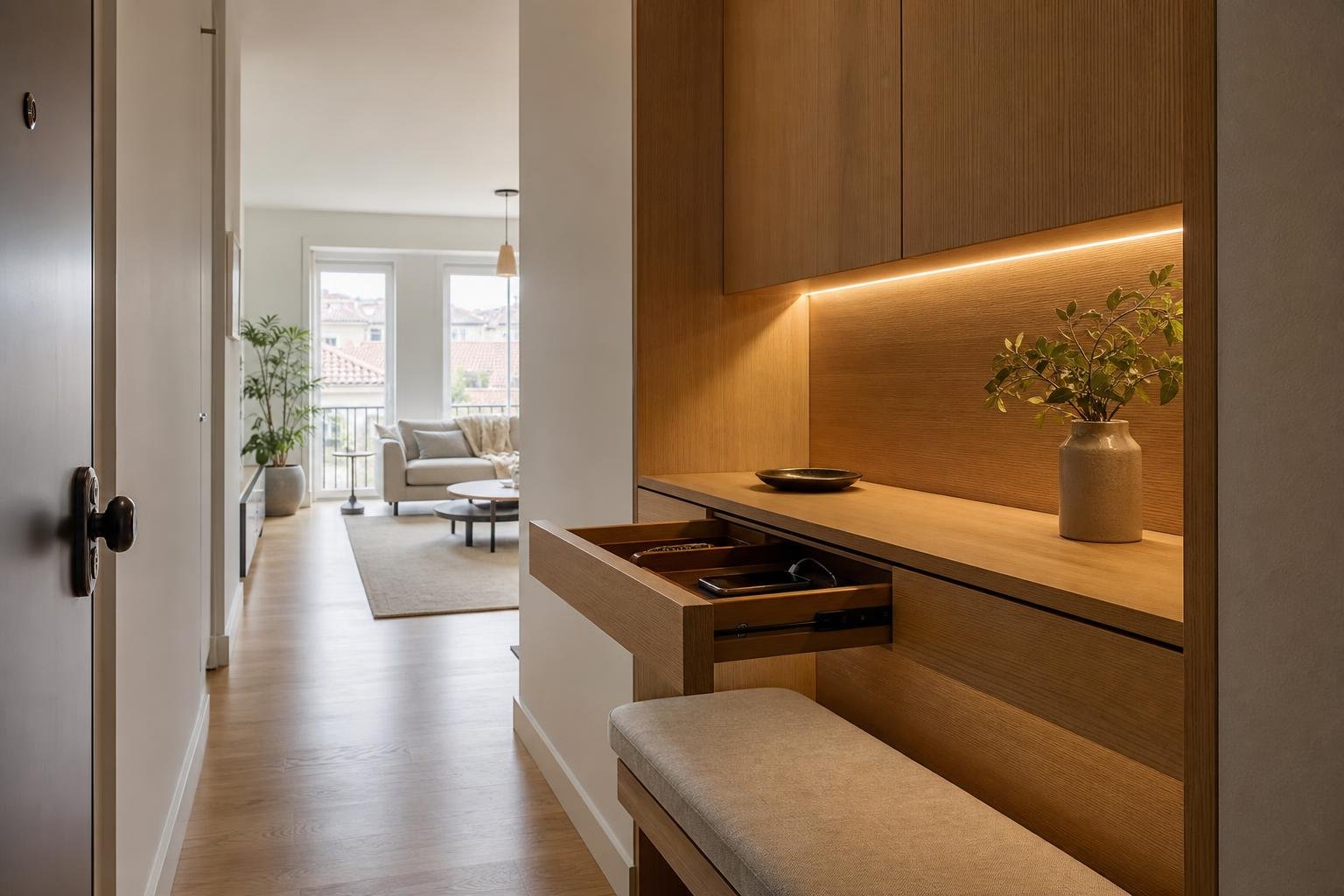
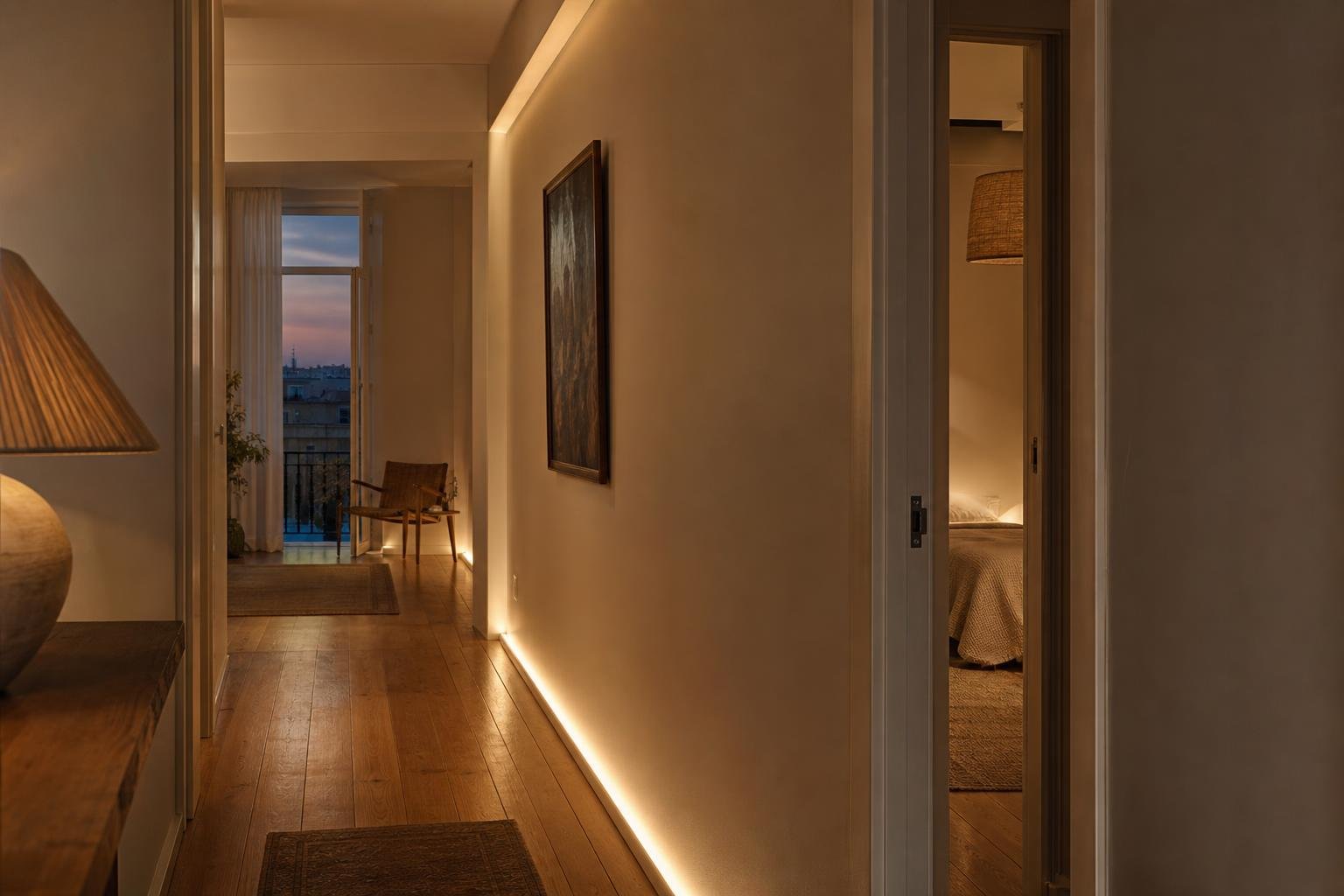
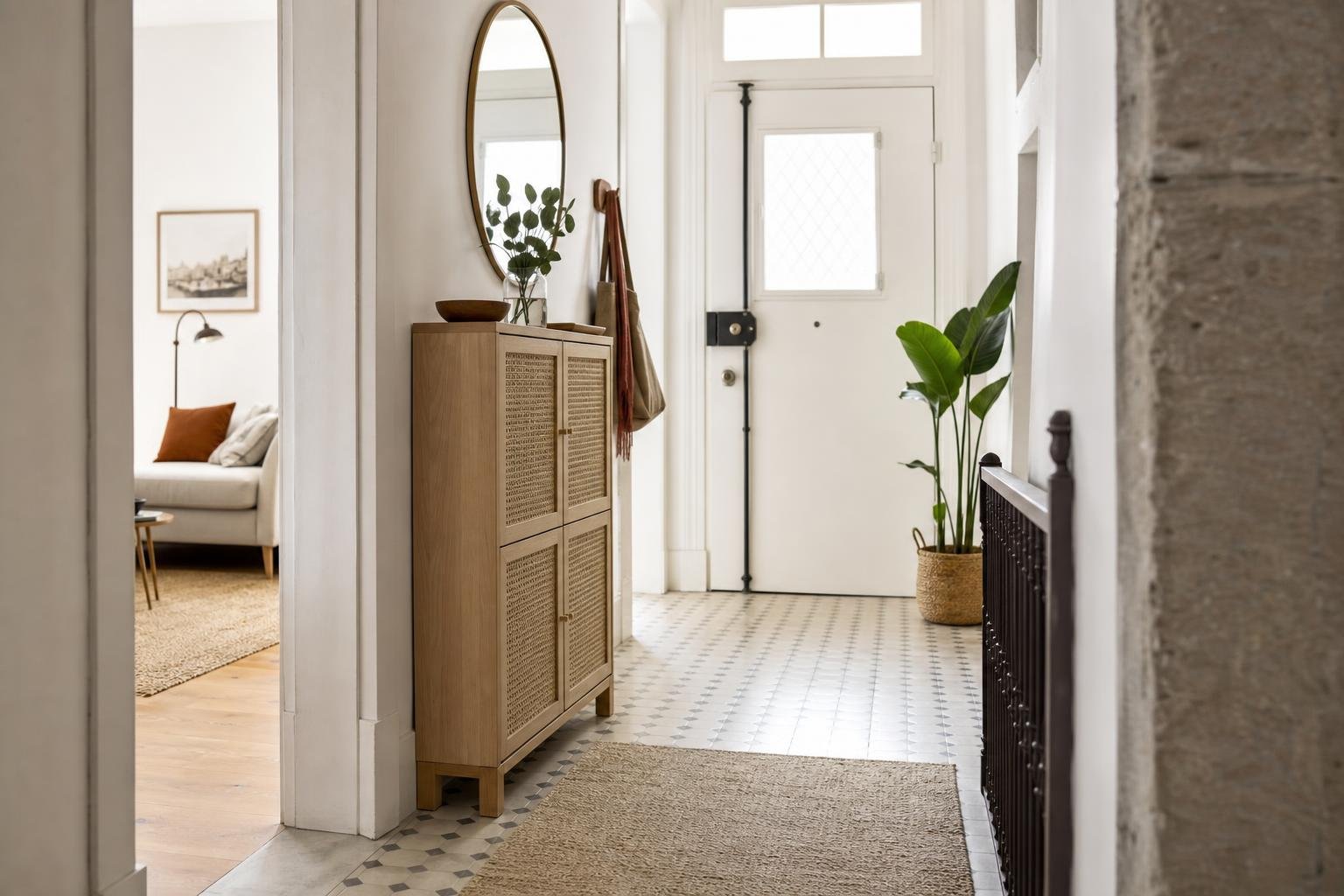
In a narrow hall, a shallow solution is usually more useful than a tall cabinet that projects into the walkway. Allocate one wall for hooks, one closed drawer or basket for accessories, and one easy-clean surface near the floor. If the entrance opens directly onto the living room, create a small visual pause with a low bench, washable mat and closed storage rather than a solid barrier.
Keep the walking route clear and avoid leaving leads or toys on the floor. For broader arrival-zone principles, see our guide to an entrance drop zone.
Create a place for paws, towels and quick cleaning
The cleaning spot should be close to the door, but it does not have to include a tap. In many apartments, a rigid tray or waterproof base, an airy place for a towel and a closed container for wipes or bags are enough. The key point is preventing moisture from reaching timber, skirting boards or floor joints.
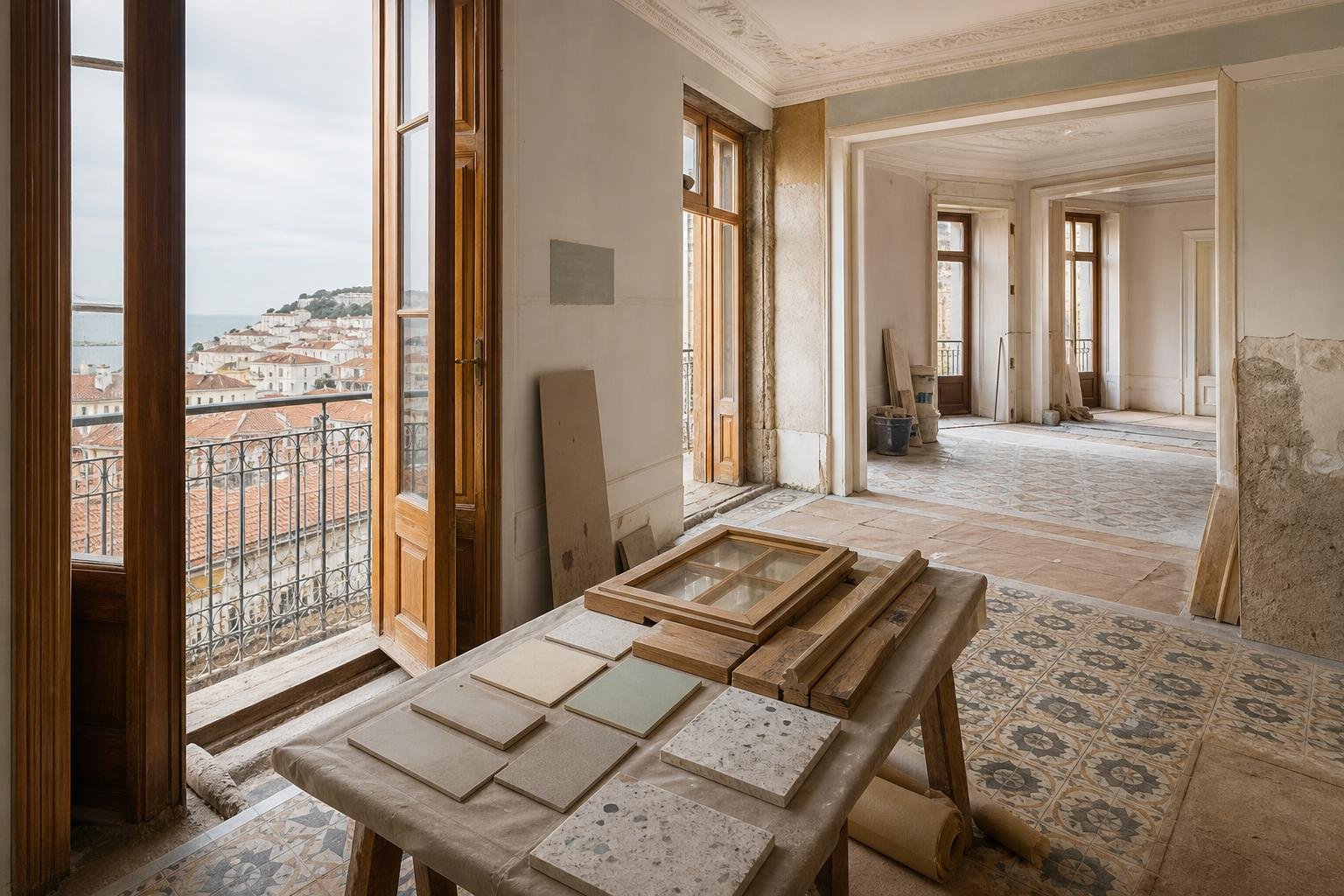
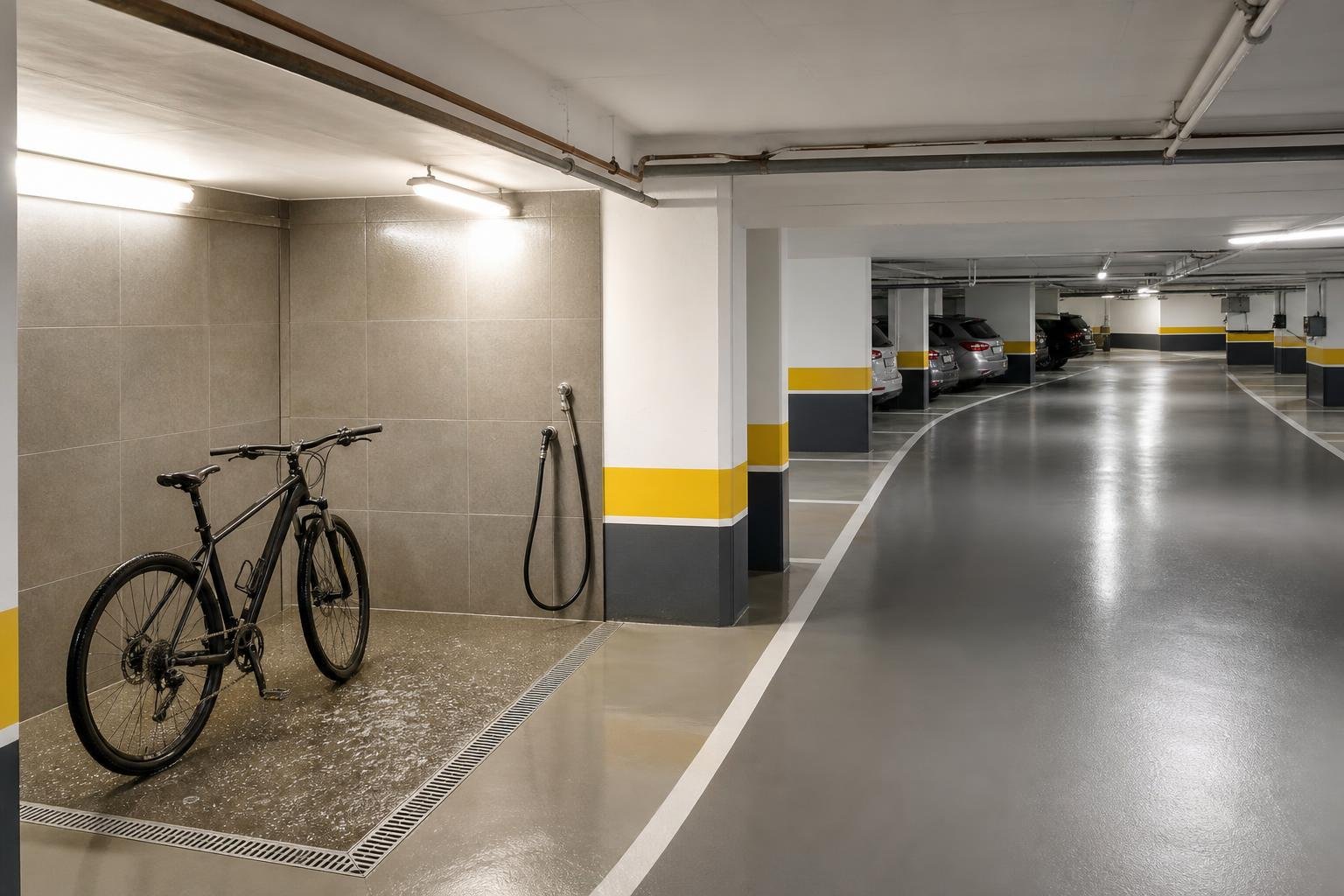
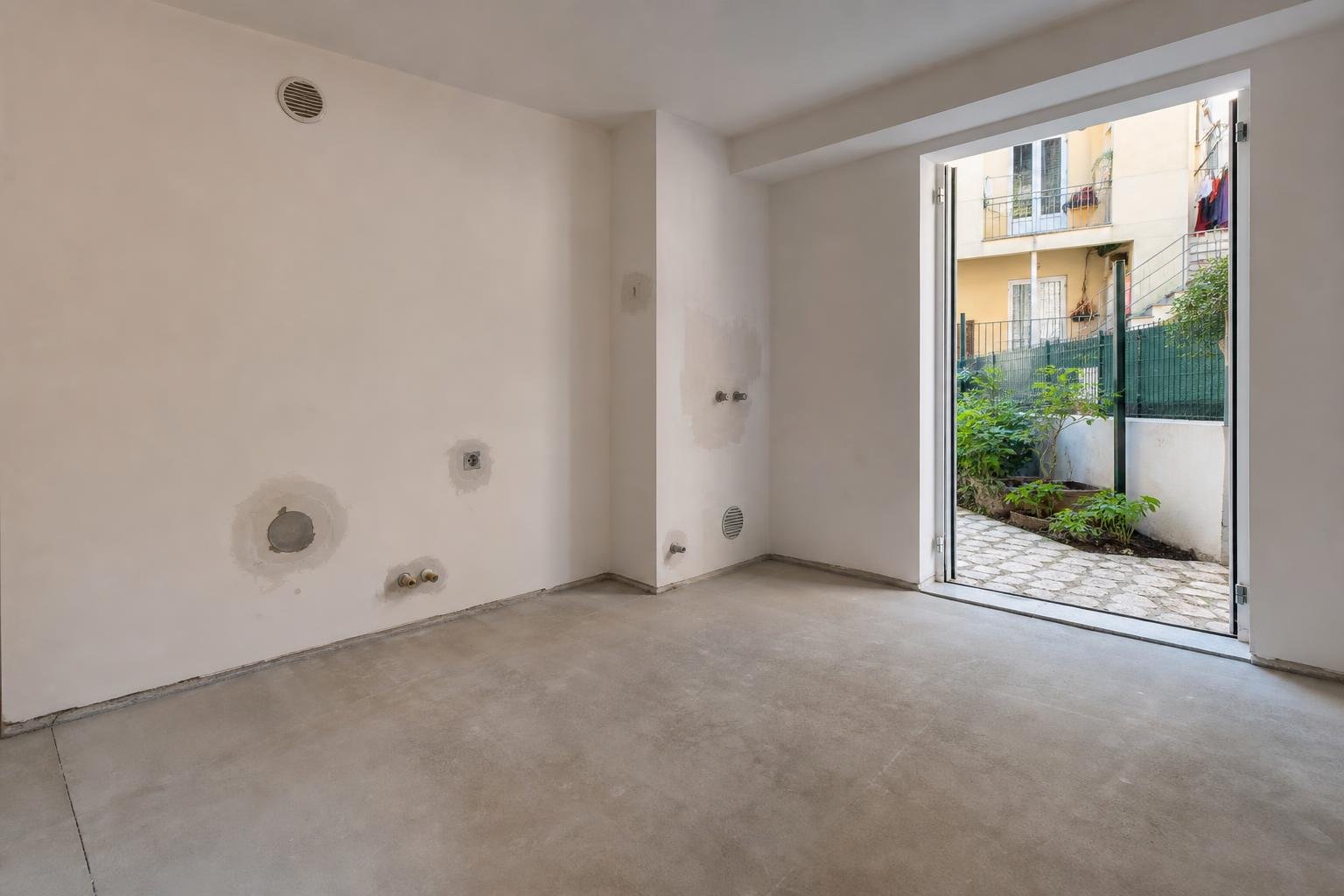
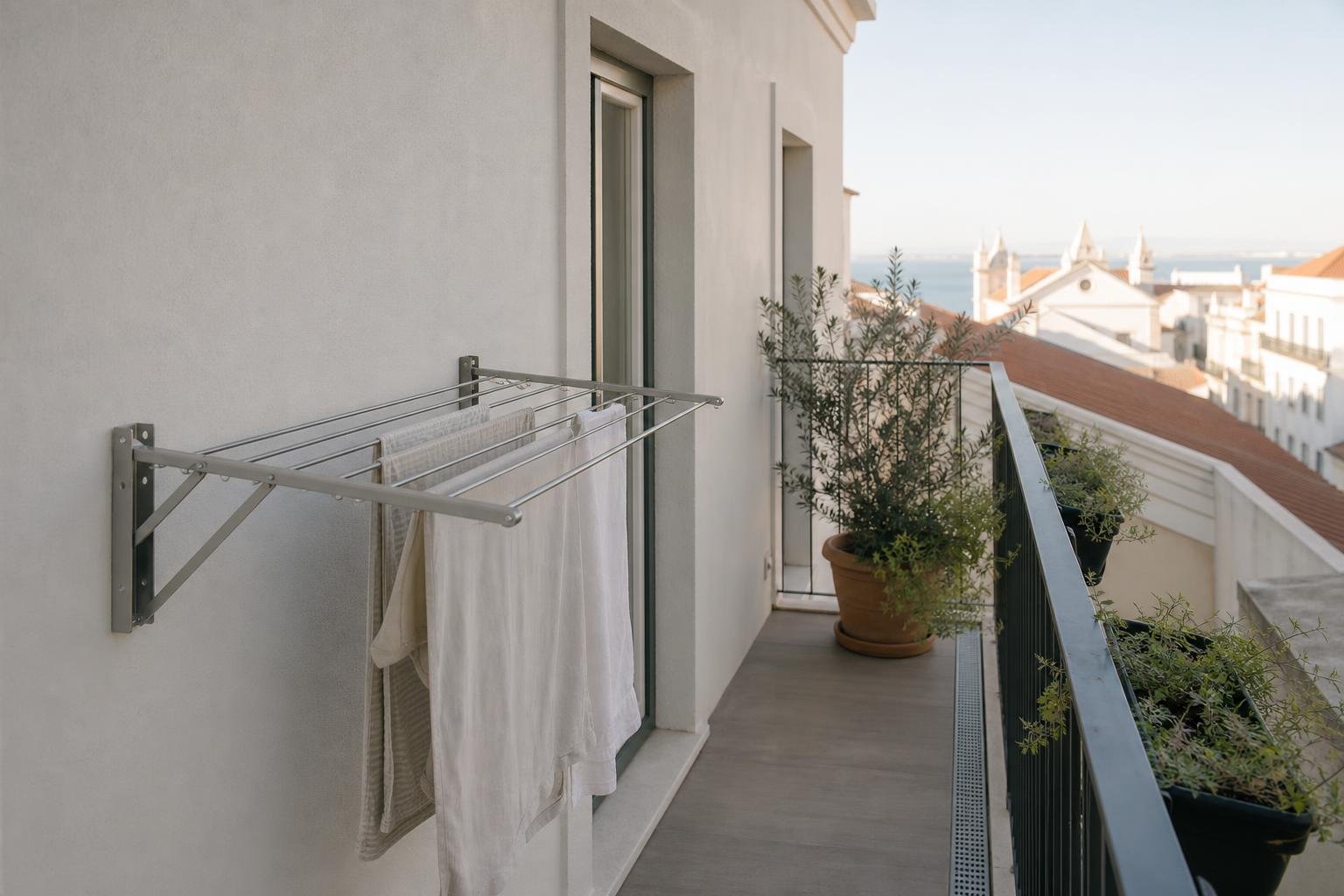
During renovation, a small washable zone may be worthwhile: water-resistant finishes, appropriate skirting and, where the layout allows, a properly planned water point. Do not improvise drainage, and do not wash pets on a balcony without checking drainage, waterproofing and building rules. Where balconies are concerned, water supply and run-off require their own planning; see what to check before adding a balcony water point.
Keep detergents and disinfectants in a closed cupboard, either high up or fitted with a childproof catch. An open shelf at nose height may suit adults, but it is not a good household choice.
Sort accessories by how often they are used
Not every pet item needs to be on display. The daily lead deserves a secure hook at adult height; a long lead, raincoat, spare harness and carrier can be stored less accessibly. This distinction reduces visual clutter and makes leaving the house quicker.
- Daily use: lead, bags, a small towel and keys.
- Weekly use: brush, nail trimmer, shampoo and spare towels.
- Occasional use: carrier, coat, travel blanket and larger toys.
Choose hooks that do not create sharp projections in the route through. A rack behind the door only works if the door can open fully and hanging items will not strike the wall, switch or a person passing by.

Choose materials that tolerate water, fur and regular cleaning
The entrance receives more abrasion than it seems. Sand caught in paws, small stones and frequent wiping punish delicate finishes. Use washable paint or a limited wall finish where contact is most likely; underfoot, prioritise stable, non-slip and easy-clean surfaces, particularly if the pet comes in wet.
Avoid thick mats that take a long time to dry, curl at the edges or trap excessive fur. A low-profile washable entrance mat can capture dirt without becoming an obstacle. The choice should preserve safe movement for everyone in the home, rather than solve only the pet’s routine.
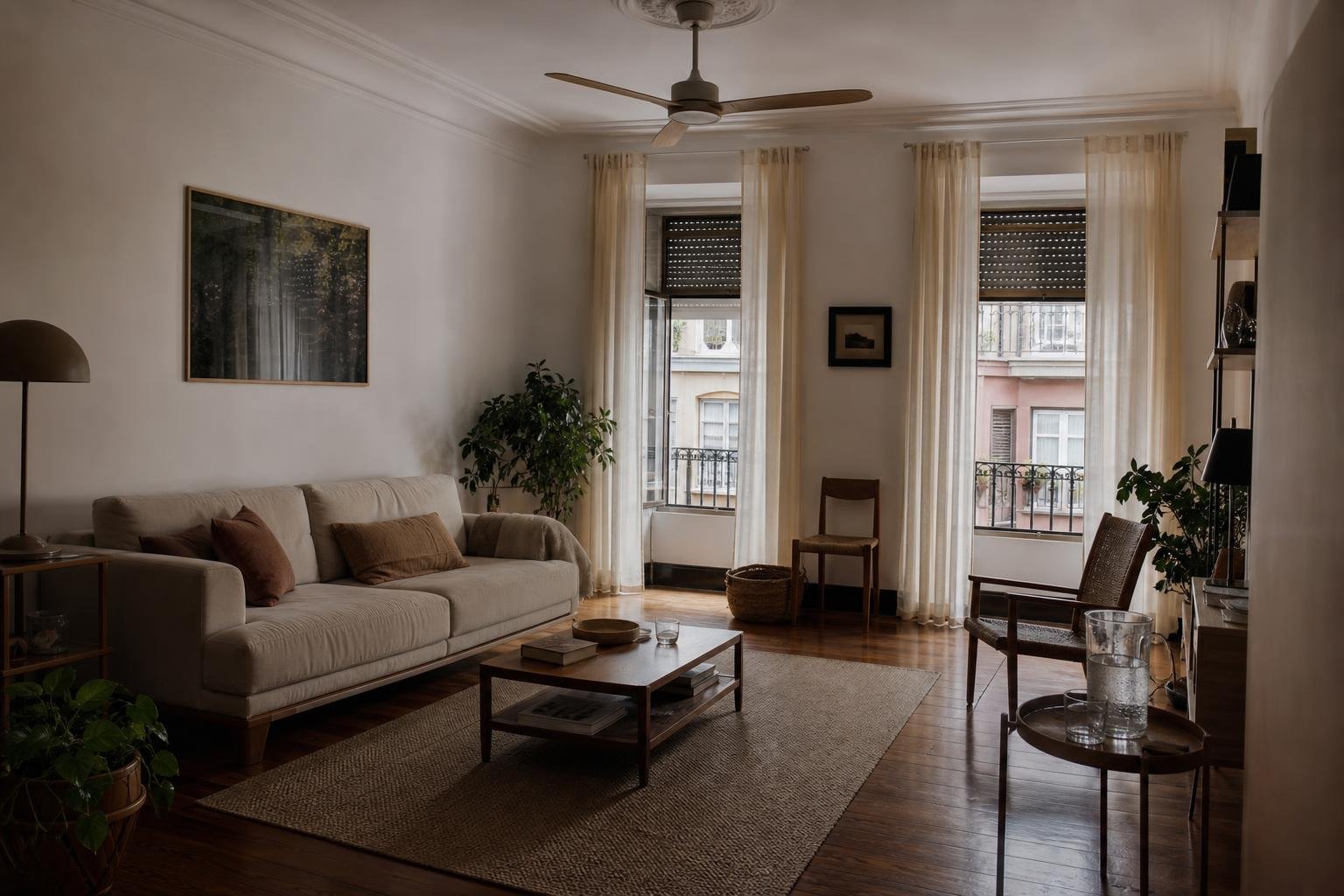
If the apartment has old timber flooring, protect it with a removable layer and do not allow water to sit at joints. Before changing finishes, check the substrate condition and the compatibility of cleaning products as well.
Do not turn the hall into a storage room
An arrival zone stops working when it is asked to hold everything: food, toys, bulk pet food, a carrier, medicines and rubbish. Food should remain dry, sealed and away from splash zones; a carrier can live in a wardrobe or storage room, provided it is easy to retrieve when needed.
Keep only items involved in arriving and leaving by the front door. A divided drawer can hold pet documents, bags and a torch; cleaning products should remain separate from food and medicines. For safer medicine storage, see where to place a home medicine cabinet.
This discipline matters particularly in apartment buildings: pets should not cause nuisance or damage to people, property or shared areas, a principle also set out in Lisbon’s municipal housing rules. Consult Lisbon’s municipal housing management regulation.
Think about the condominium, safety and life beyond the front door
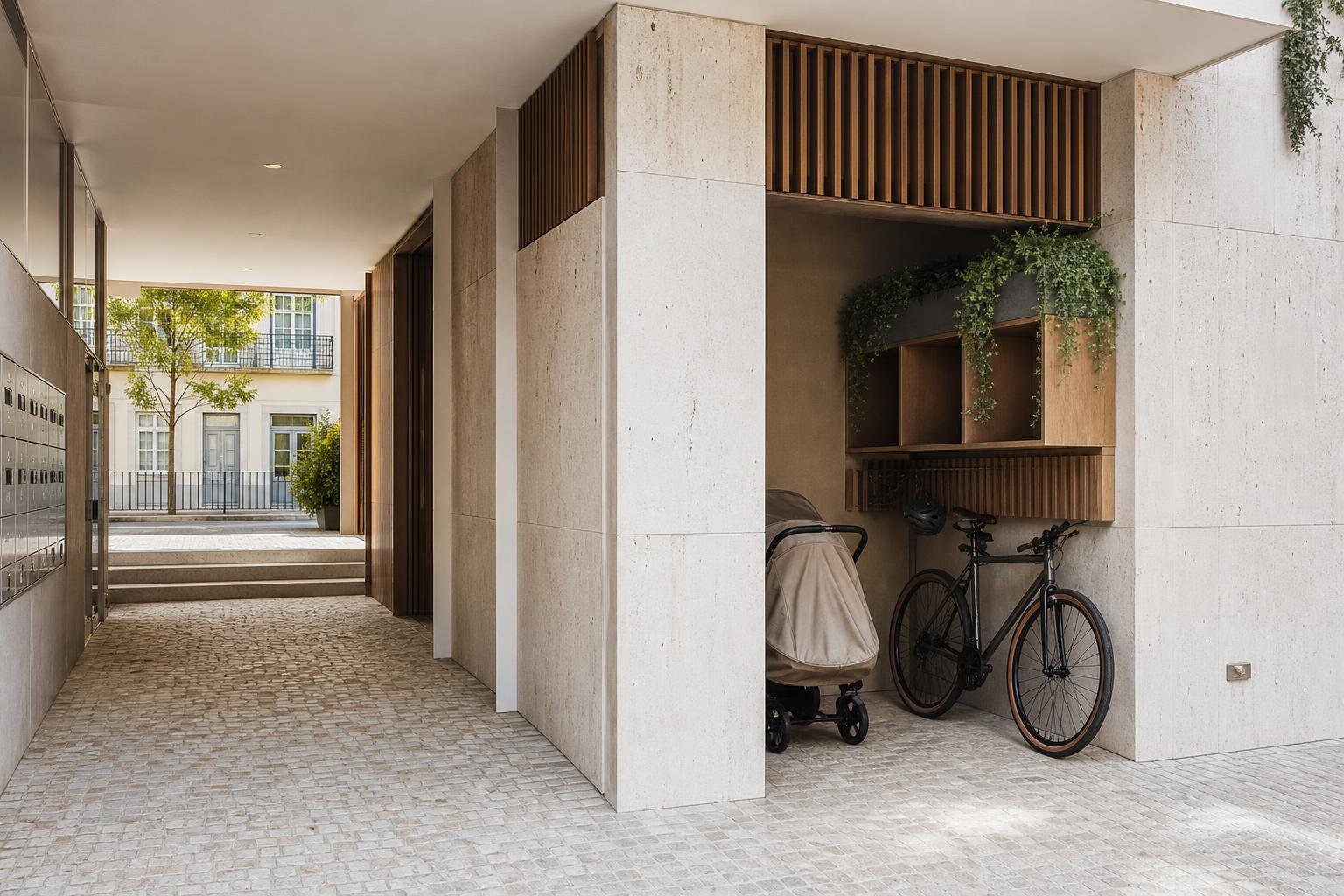
The inside of the apartment is private, but the routine often starts and ends in the landing, lift, stairs or courtyard. Do not leave leads, bowls, shoes or towels in those places, even temporarily. They can obstruct access, create a trip risk and generate avoidable friction with neighbours.
Portuguese rules set general limits for keeping animals in urban buildings and allow condominium regulations to impose a lower limit. This does not prescribe the design of an entrance, but it does underline the need to balance pet ownership, hygiene and responsible use of shared spaces. Read the relevant notice published in the Diário da República.
A short routine is enough: come in, clean up when needed, hang the lead, put away the bags and wash hands. Once each action has a dedicated place, the hall stops being a cluttered threshold and starts protecting the rest of the home.
If you are renovating and want to integrate a practical entrance zone without losing useful floor area, Obra Lisboa can help coordinate circulation, finishes, storage and services from the earliest project decisions.
AI-generated editorial image; it does not depict an Obra Lisboa project.

Obra Lisboa