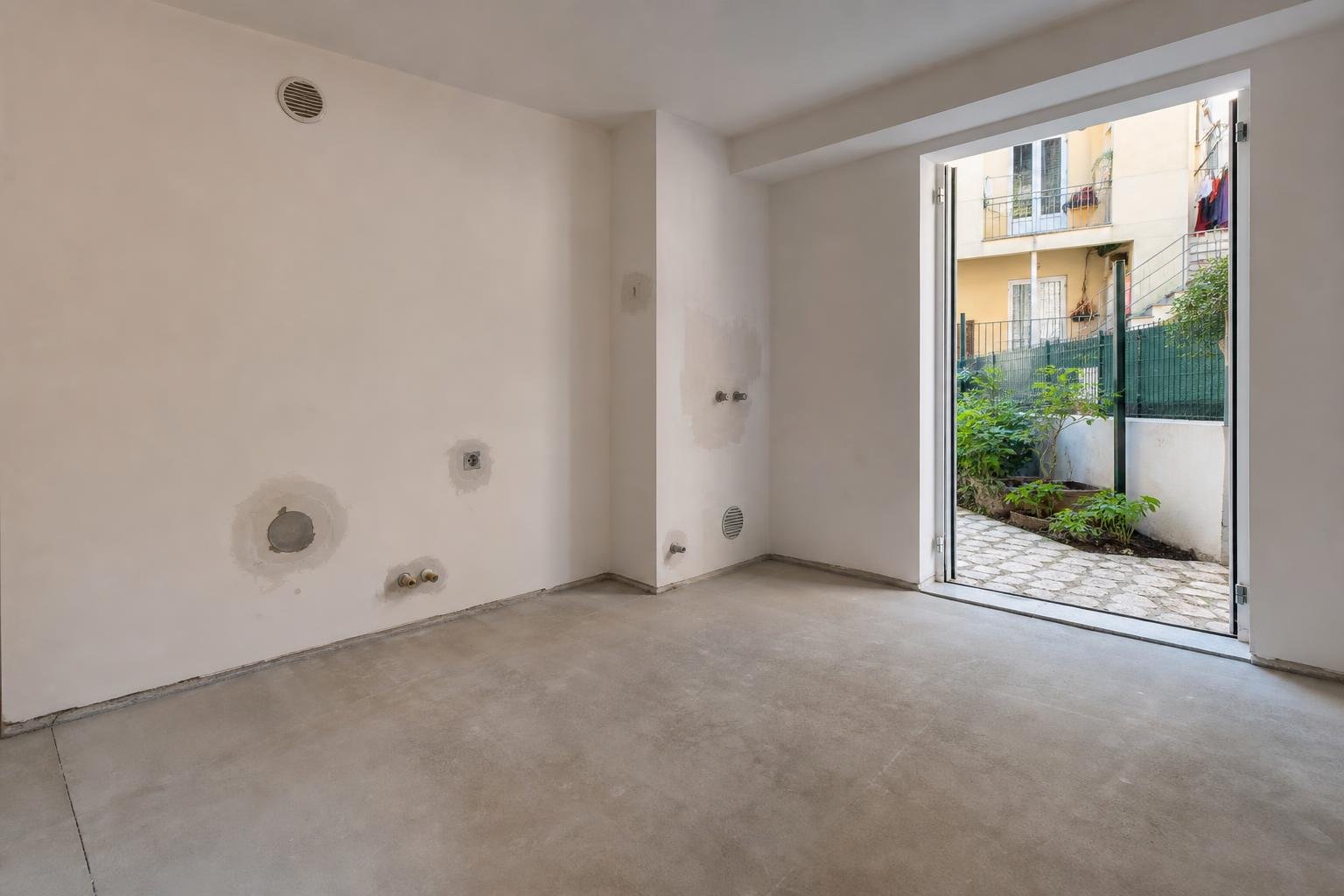

An apartment may look like an opportunity because the kitchen is dated, the bathroom needs rebuilding or the layout needs a rethink. Yet in a Lisbon apartment building, work inside the flat is only one part of the decision. The roof, façades, service risers, lift, storage areas, stairs and shared networks may require investment that will not appear during a short viewing — and will not be covered by an interior renovation quote.
Before making an offer, separate two questions: what do I want to change inside the home? and what commitments may the building already be carrying? This review does not predict returns and does not replace technical or legal advice. It does help you request the right information, set conditions during the purchase process and keep a more realistic contingency.
Start with the building, not the finishes
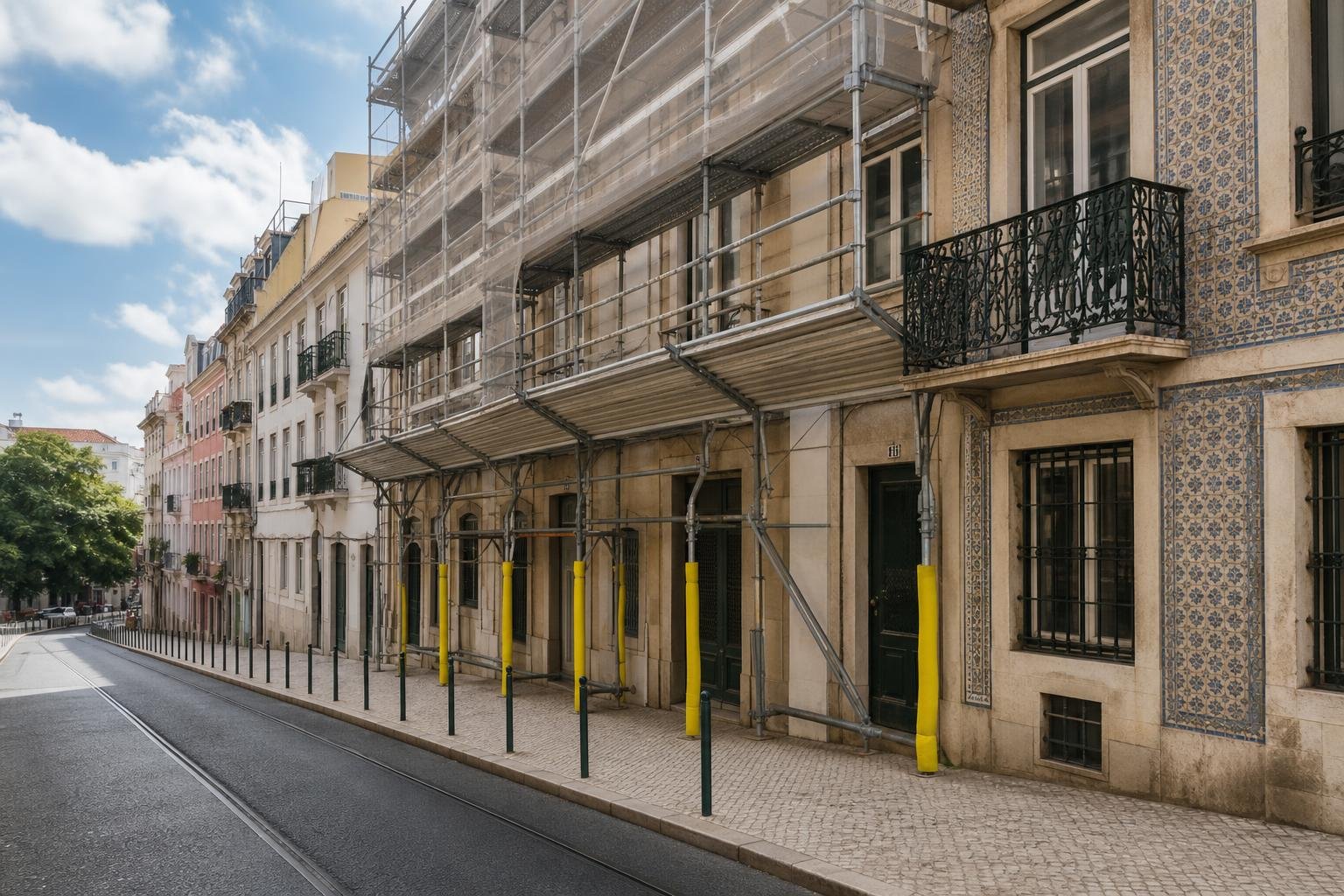
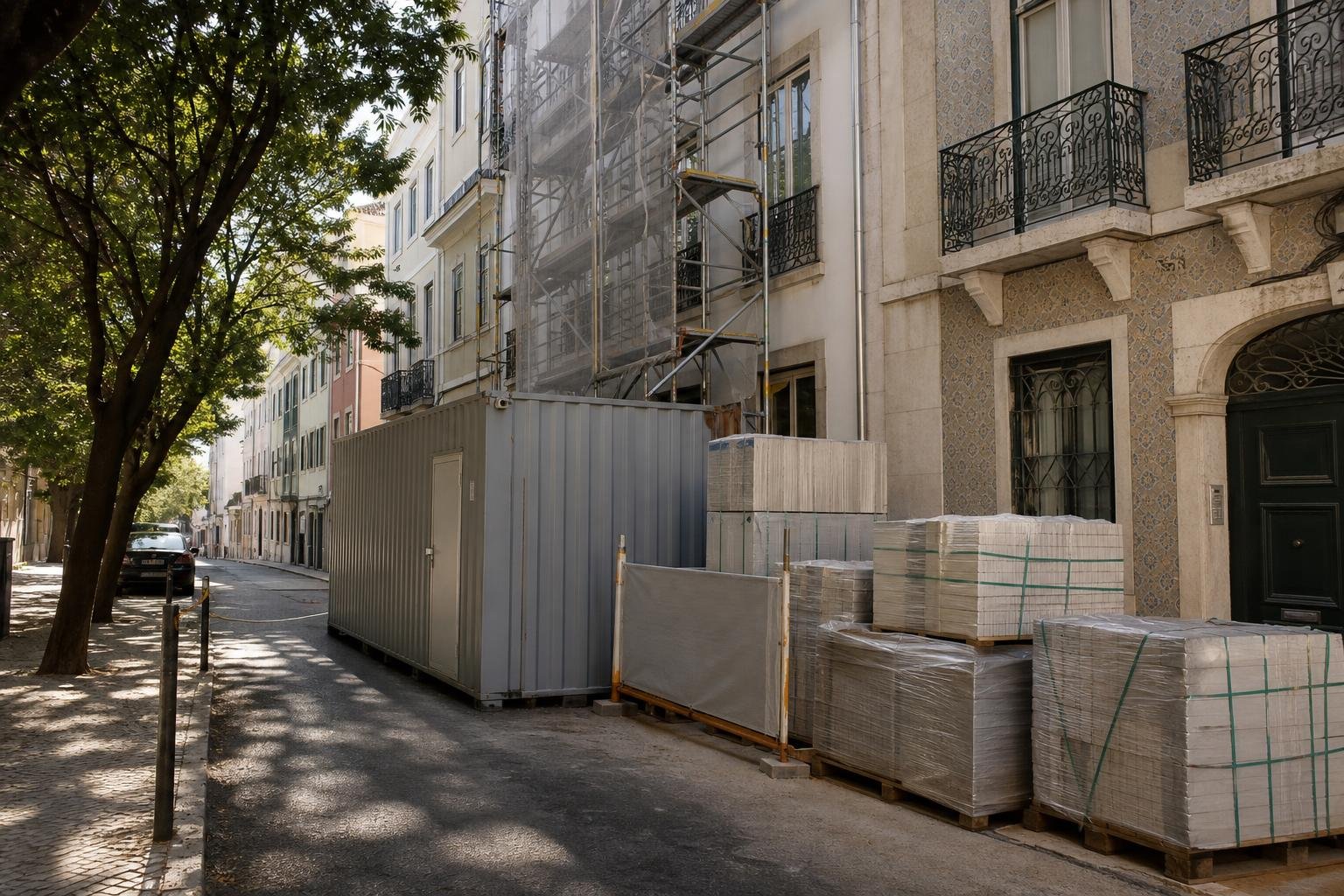
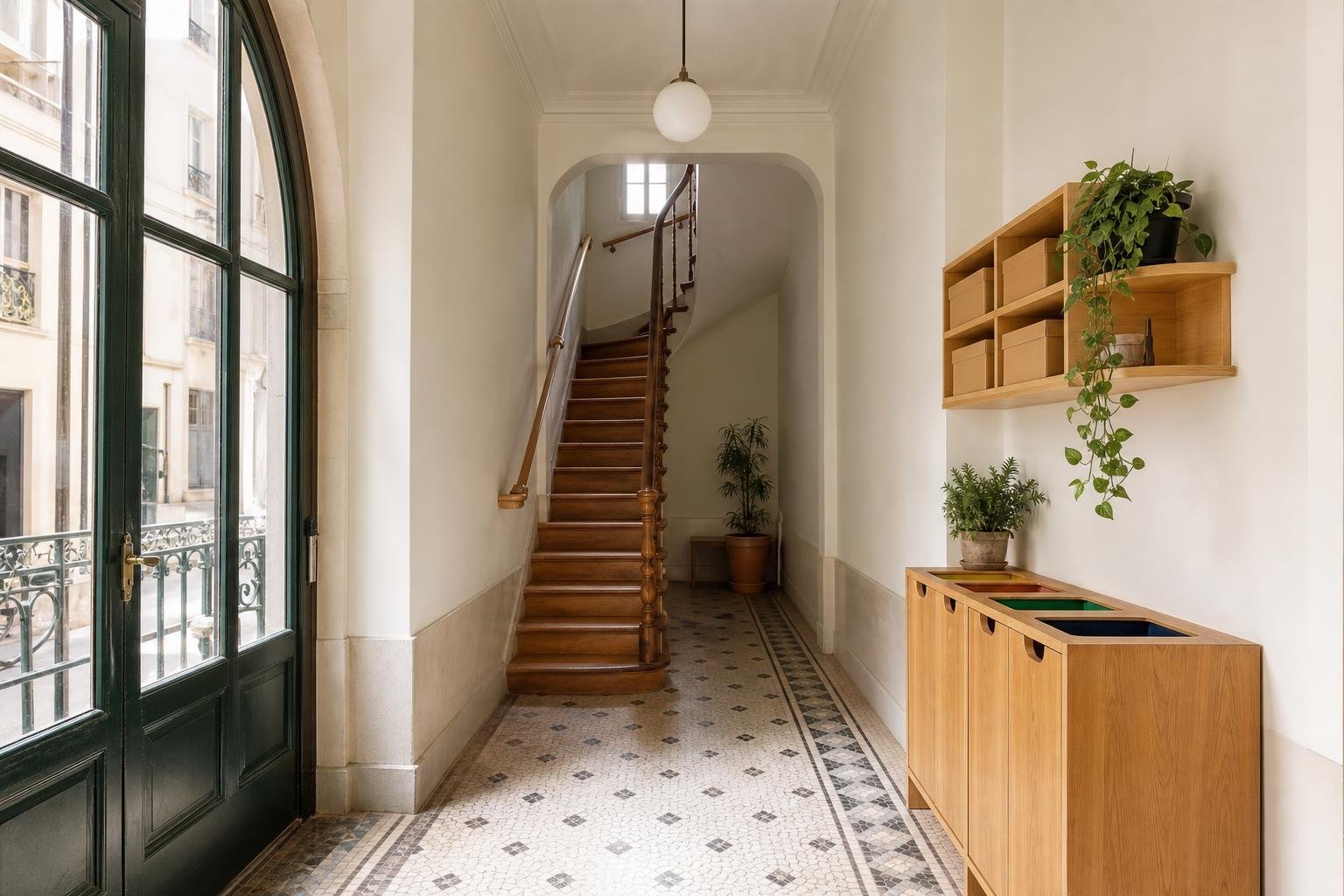
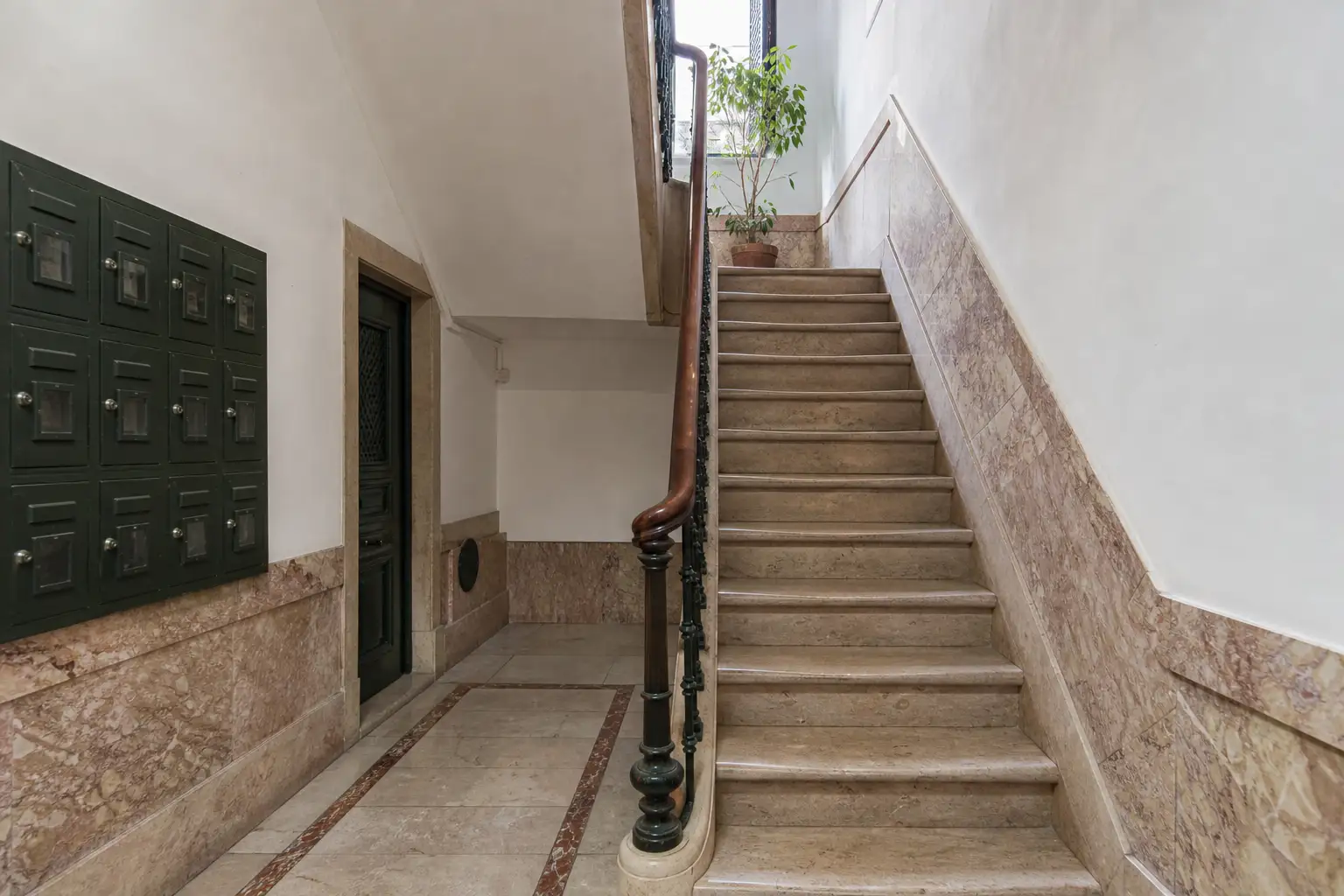
In older areas such as Avenidas Novas, Arroios, Estrela, Alcântara or Benfica, a renovated flat can sit within a building whose shared elements are nearing the end of their service life. View the façade from across the street. Look for patch repairs, cracks, improvised downpipes, corroded railings and staining below balconies. Inside, notice odours in the entrance hall, damp around the top floor, worn stairs and the condition of technical doors.
This is not an attempt to diagnose a building by sight. It is a way to identify warning signs that justify further questions before you settle on an offer. Damp in a living-room wall may originate at the roof; weak water pressure may involve a shared riser; a deteriorated façade is not a decision for one flat owner alone.
To frame the work you are considering, review Lisbon City Council’s guidance on planning certificates and construction viability. In Lisbon, planning rules, constraints and earlier applications can limit changes that looked straightforward in a property listing.
Request minutes, accounts and details of works already discussed
Condominium meeting minutes are often the most revealing purchase document. Ask, where possible, for recent minutes, the approved budget, the most recent accounts, information on unpaid charges and communications about building works. Look for repeated references to leaks, roof repairs, façade painting, replacement of waste or water risers, the lift, garage gates or insurance claims.
A note saying that a decision was “postponed” deserves attention. It may mean the issue has been identified but there is still no agreement, design, quotation or financial capacity to proceed. Ask what has been approved, what is merely under discussion and whether extraordinary contributions have been agreed or anticipated.
Do not assume an urgent shared repair will automatically be resolved by the seller. Confirm in writing how approved charges before completion, and charges decided afterwards, will be handled. The point is to avoid an estimate focused on flooring, windows and the kitchen while overlooking a material shared expense.
Private and shared parts lead to different budgets
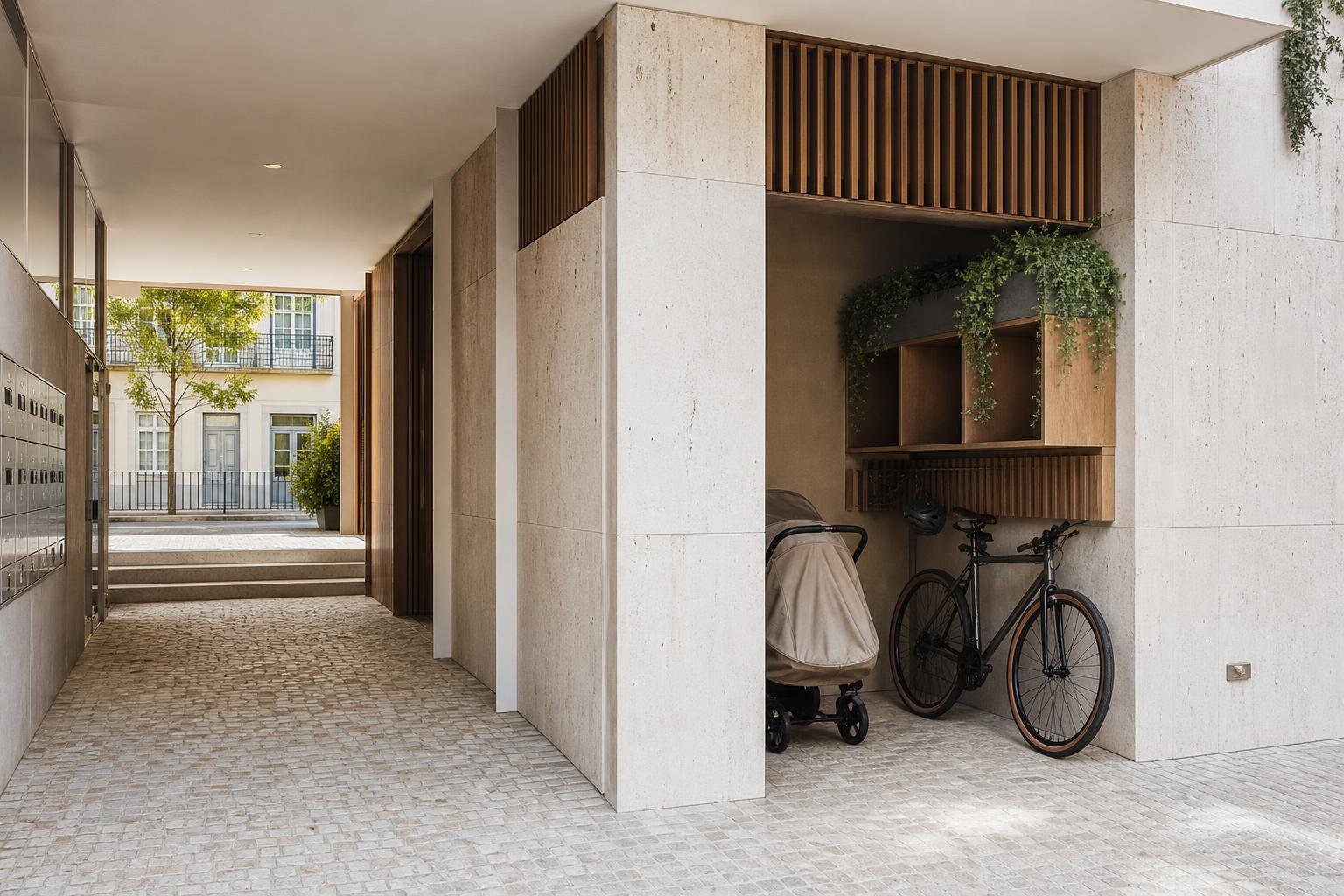
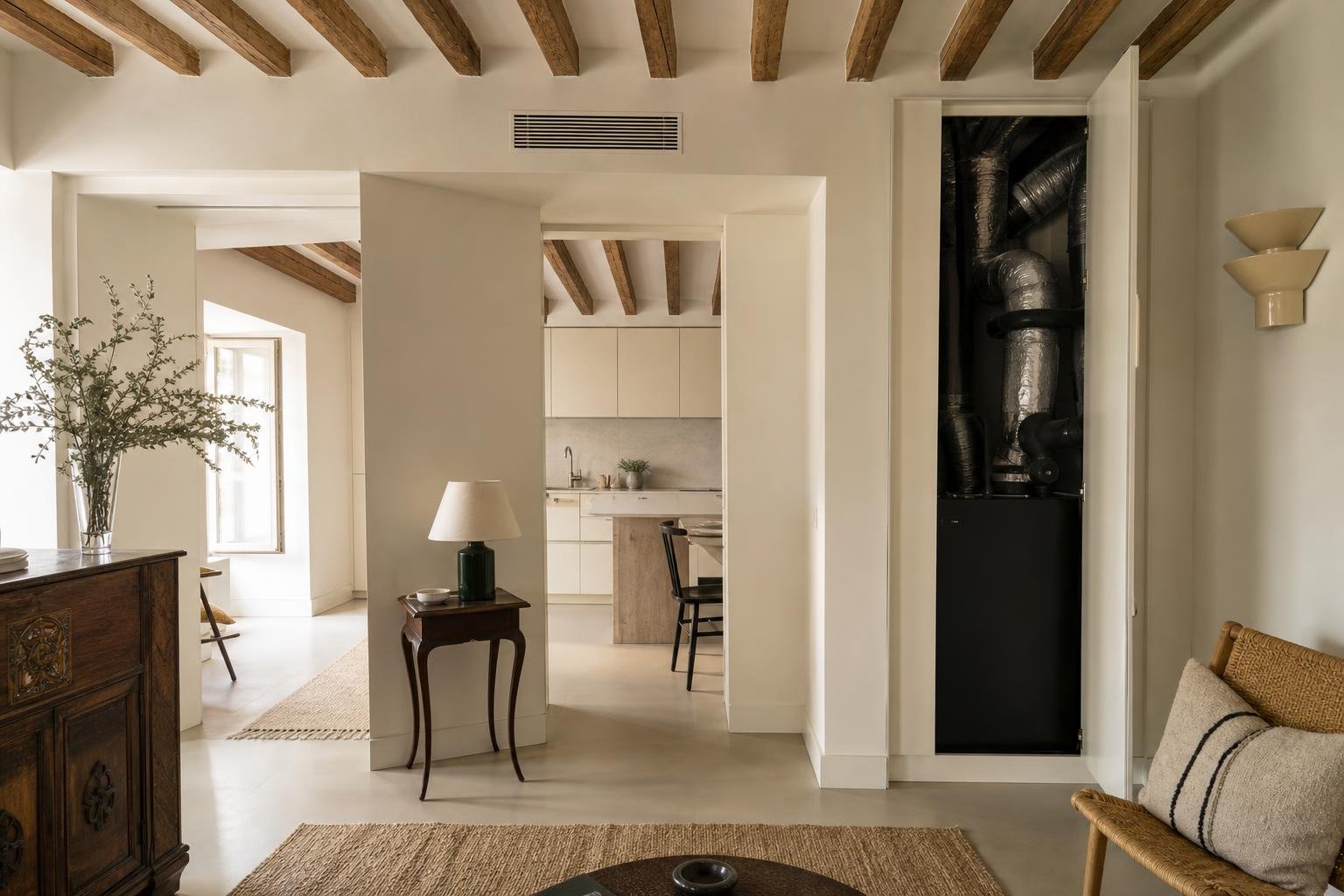
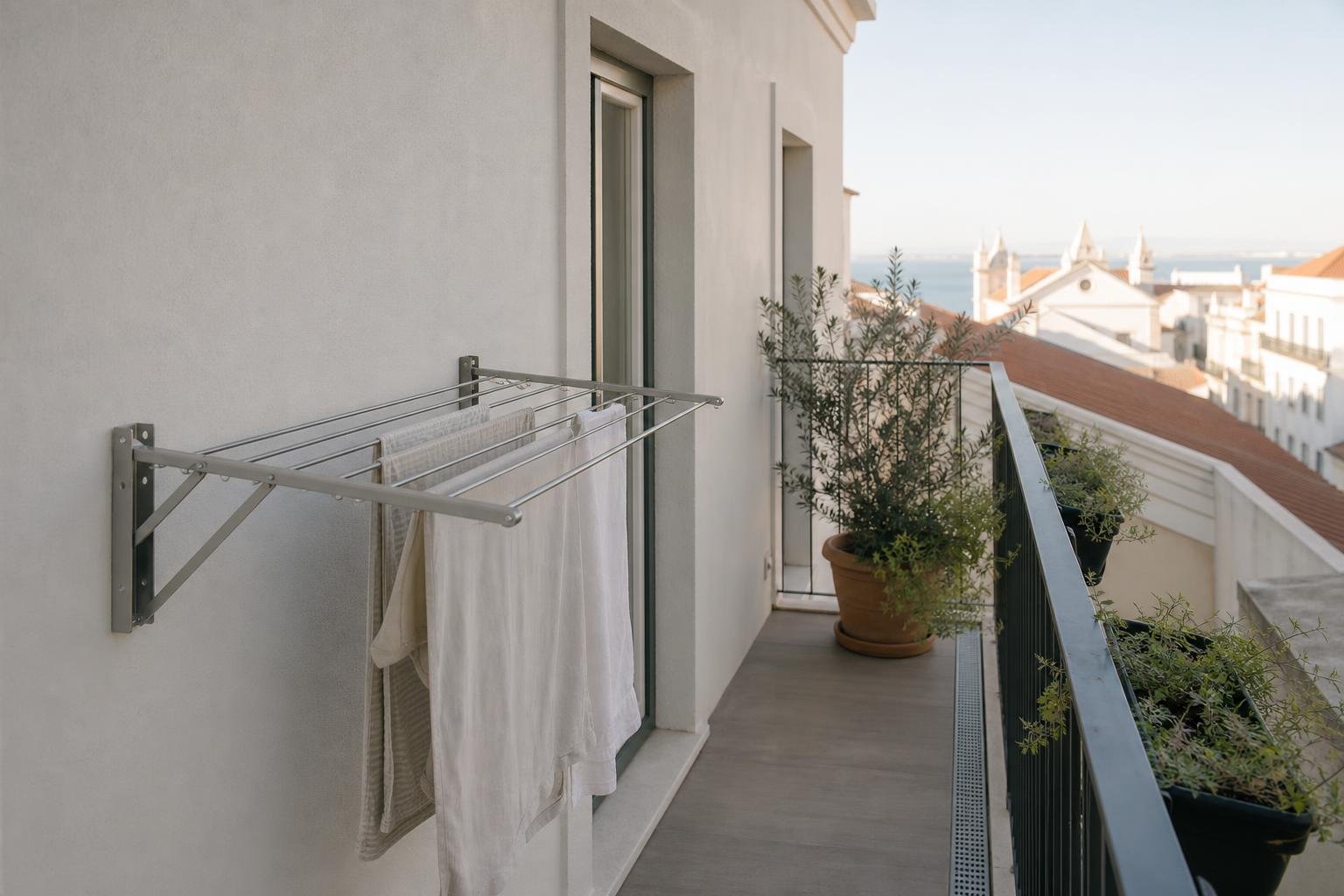
The kitchen, interior finishes and many appliances belong to the flat. The roof, façades, staircases, water and drainage risers and other building infrastructure may require condominium decisions. The boundary is not always obvious: a balcony for exclusive use may include external elements whose alteration affects the building’s appearance and safety.
This distinction matters for both the purchase and your renovation timetable. If you intend to enclose a balcony, alter a wall, replace windows or install an outdoor unit, do not assume the owner’s consent is enough. Review the horizontal-property title, the condominium rules where they exist and relevant resolutions. Lisbon’s documentation on horizontal property shows, for example, that condominiums and prospective purchasers may have standing in planning procedures where the required documents provide for it; see the supporting documents for horizontal-property certification and changes.
Where there is technical uncertainty, obtain a check before ordering materials or committing to a start date.
Use the energy certificate as a priority map
The energy certificate is compulsory when a home is sold or let, and it should not be treated as a box-ticking exercise. ADENE explains that it includes the rating and improvement recommendations; used carefully, it can help distinguish decorative work from measures that may improve comfort, ventilation or the performance of the building envelope. Read ADENE’s guide to the energy certificate.
Compare those recommendations with what you see in the home. Very worn windows, uninsulated shutter boxes, signs of condensation or ageing equipment may justify a different phasing plan. A recommendation, however, is neither a quotation nor a promise of savings. Request measurements, solutions compatible with the building and itemised costs.
For a flat that may later be let, robust materials and straightforward maintenance access are usually more useful than finishes that are difficult to repair. See our guide to preparing an apartment for long-term rental.
Use three budget envelopes, not one total
Structure the decision around three envelopes: purchase and taxes; work inside the flat; building risk and contingency. In the third, do not simply insert a random figure. Record approved interventions, observed defects, the apparent age of shared elements and the quality of the information received. The less documentation there is, the more cautiously you should proceed — not necessarily the more negatively you should judge the property.
Construction costs do not stand still. INE’s 2026 calendar includes regular releases for the new-housing construction cost index; follow the INE statistical calendar to understand market context, without treating a national indicator as an automatic price for your own works.
Request comparable quotations: the same scope, defined materials, clear exclusions, programme, payment conditions and an approach to unforeseen work. Our article on renovation contracts in Lisbon helps turn that comparison into practical points before appointment.
Turn due diligence into a practical offer condition
A well-prepared offer does not need to dramatise risk. It can depend on receiving condominium documents, confirmation that no known extraordinary charges are outstanding, or a further technical visit. The appropriate wording should be set with your estate agent, lawyer and technical adviser, depending on the transaction.
Take a short list to the viewing: are leaks recurrent? when was the roof last repaired? are façade or riser works being discussed? is there a reserve fund and what is it intended for? what works have been completed recently? are there restrictions on windows, enclosed balconies or external equipment? Keep a record of the answers and documents supplied.
The purpose is not to remove every uncertainty. It is to buy knowing which decisions belong to your flat, which depend on the condominium and which should be reflected in the price, programme or contingency available.
Assessing a Lisbon apartment before purchase and renovation? Obra Lisboa can help structure the technical reading of the flat and the intervention plan, so key decisions are clear before work begins.
AI-generated editorial image; it does not depict an Obra Lisboa project.

Obra Lisboa