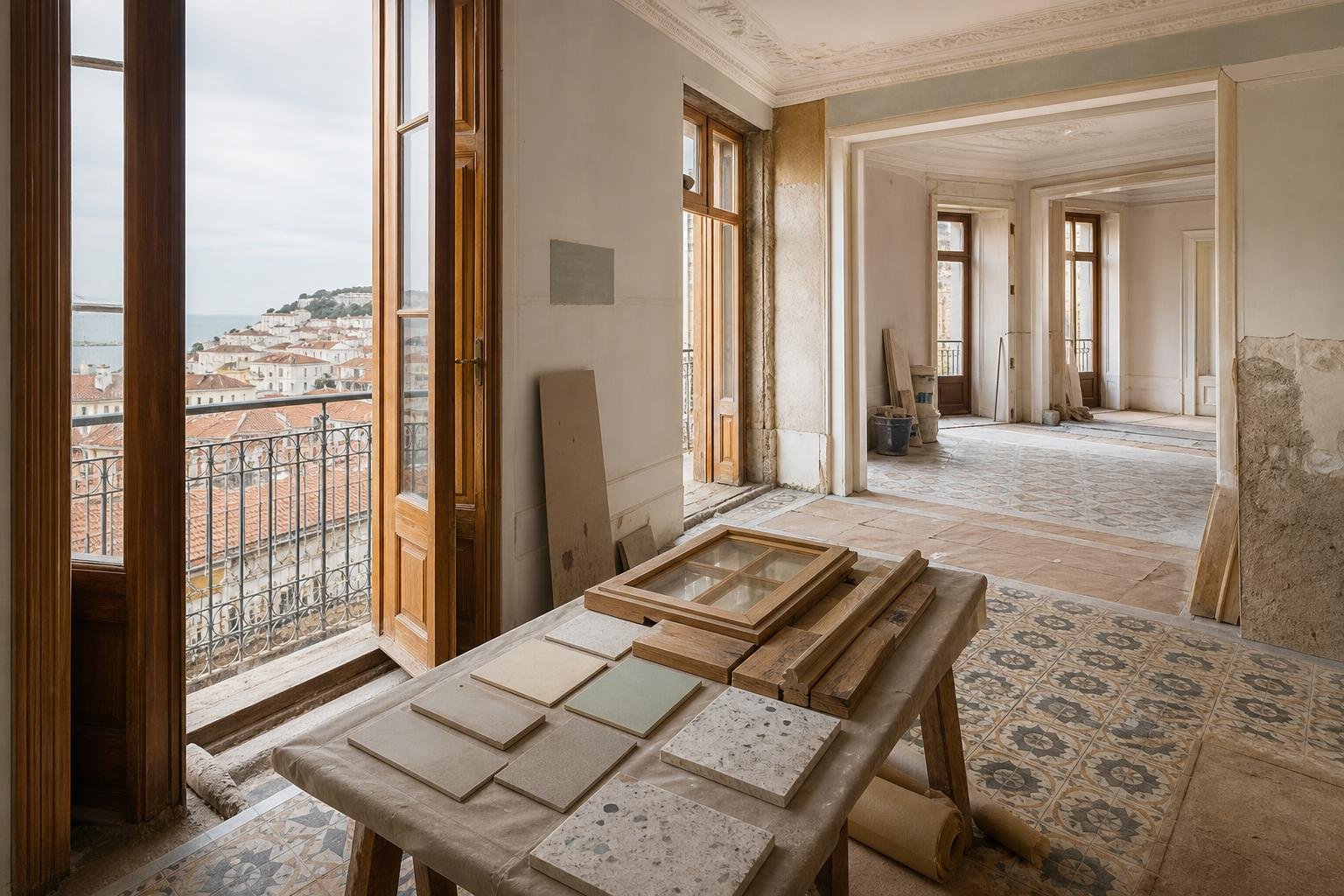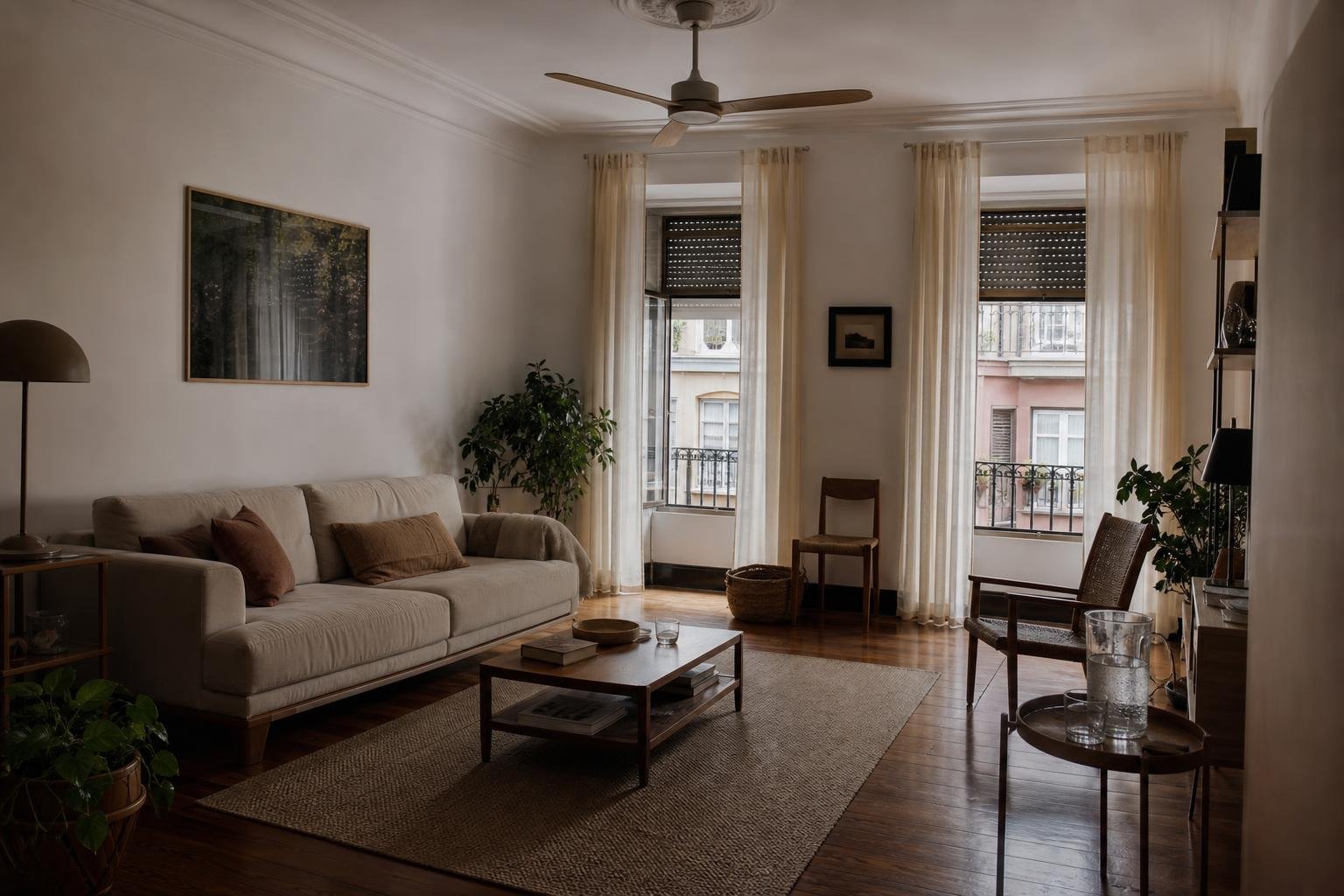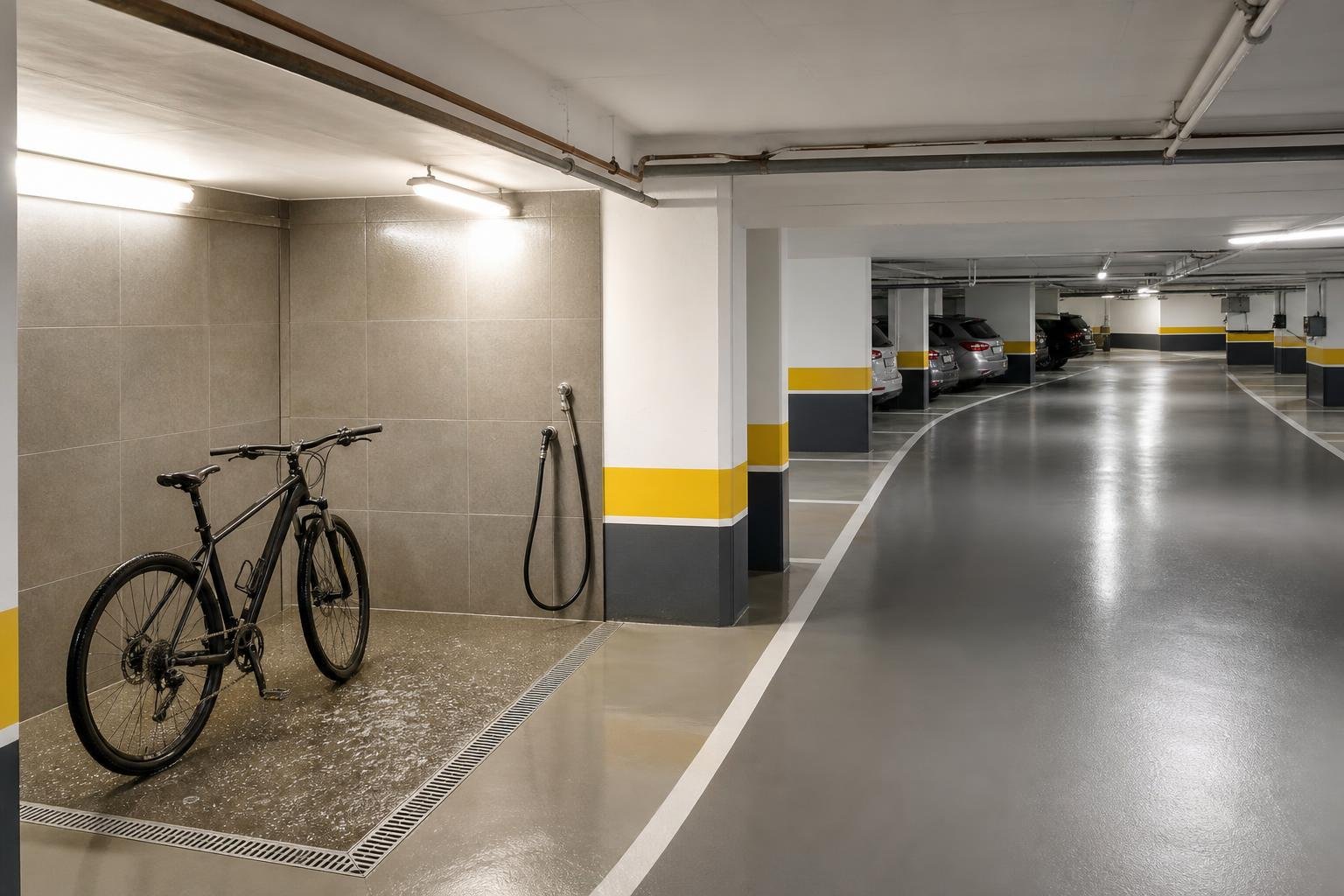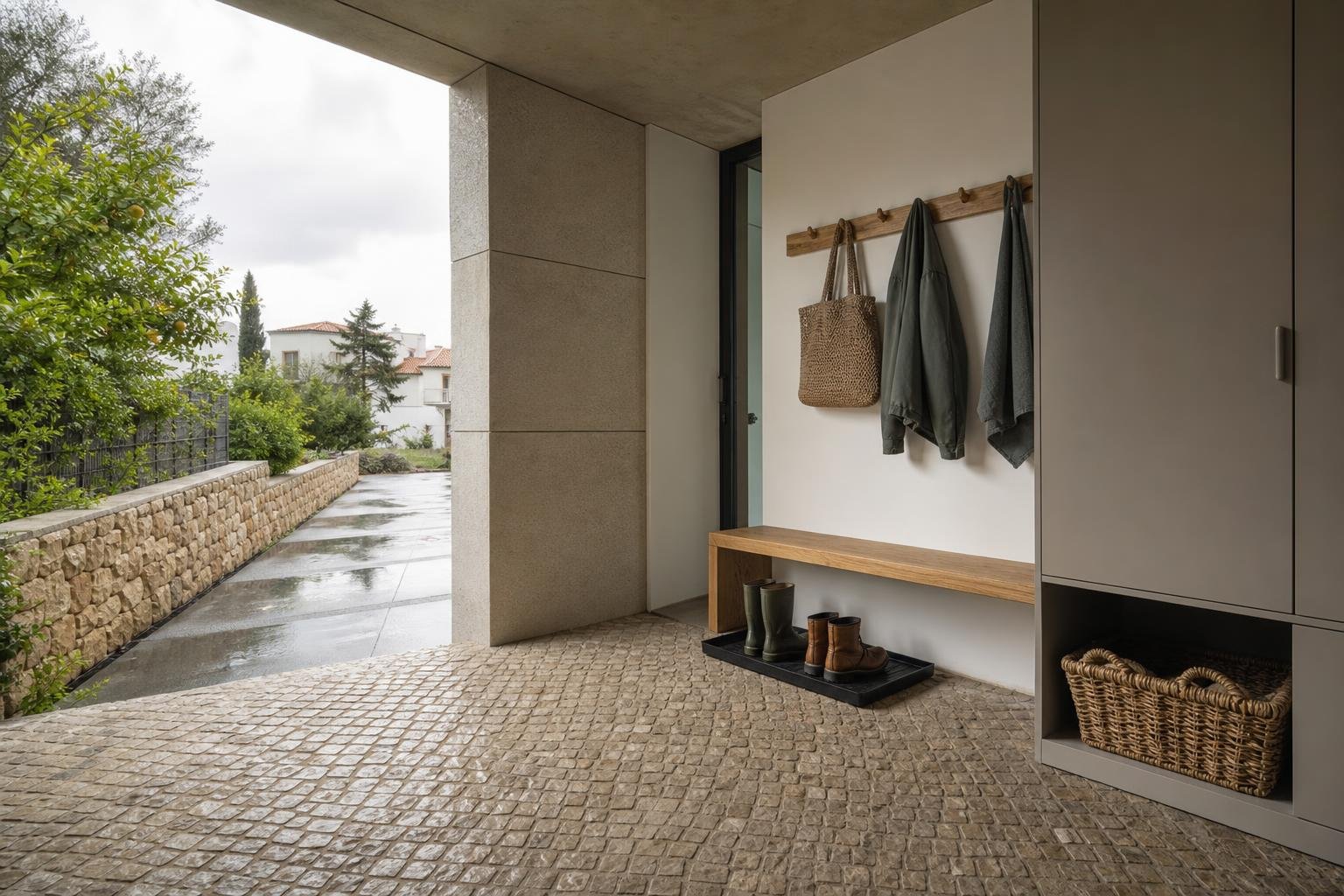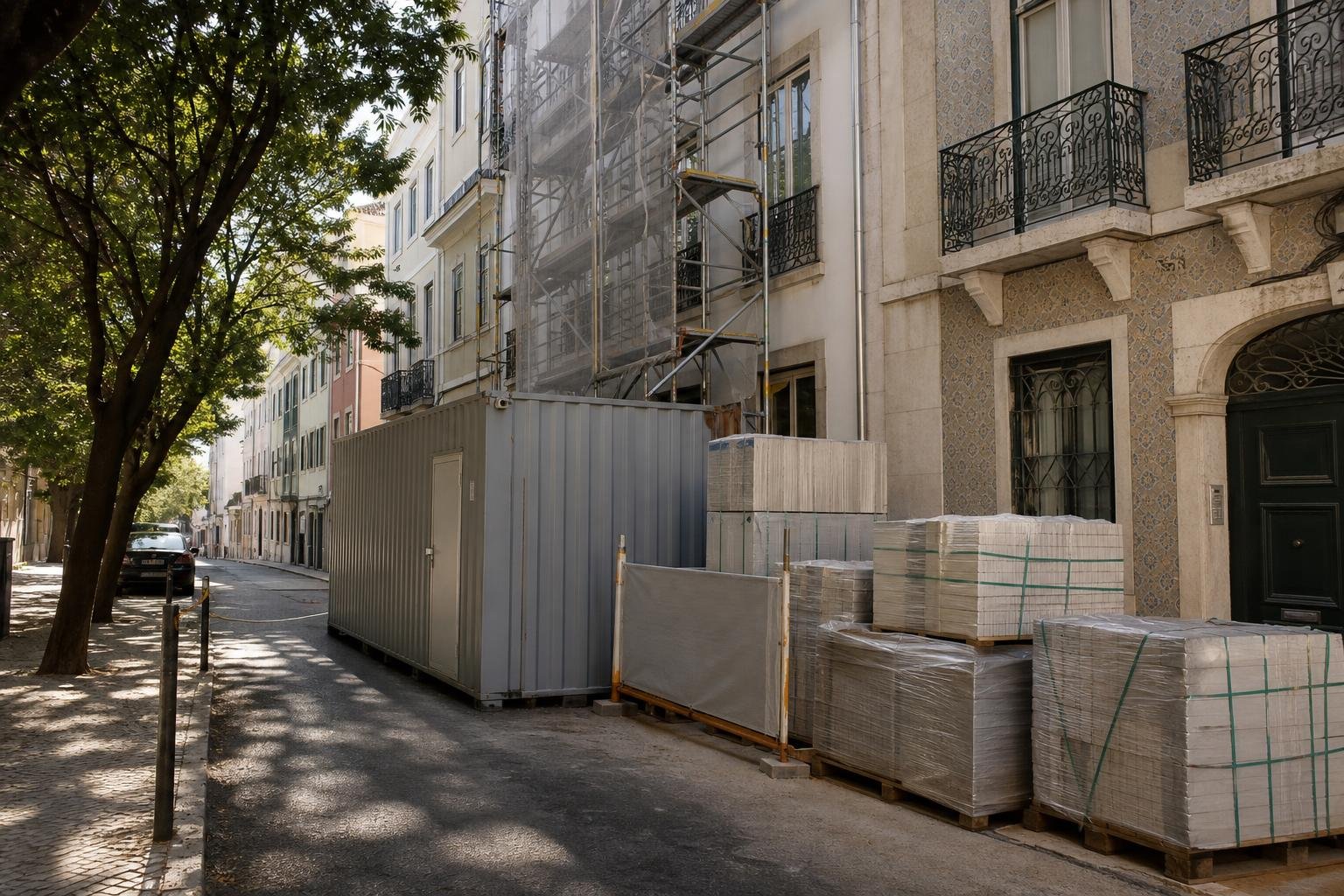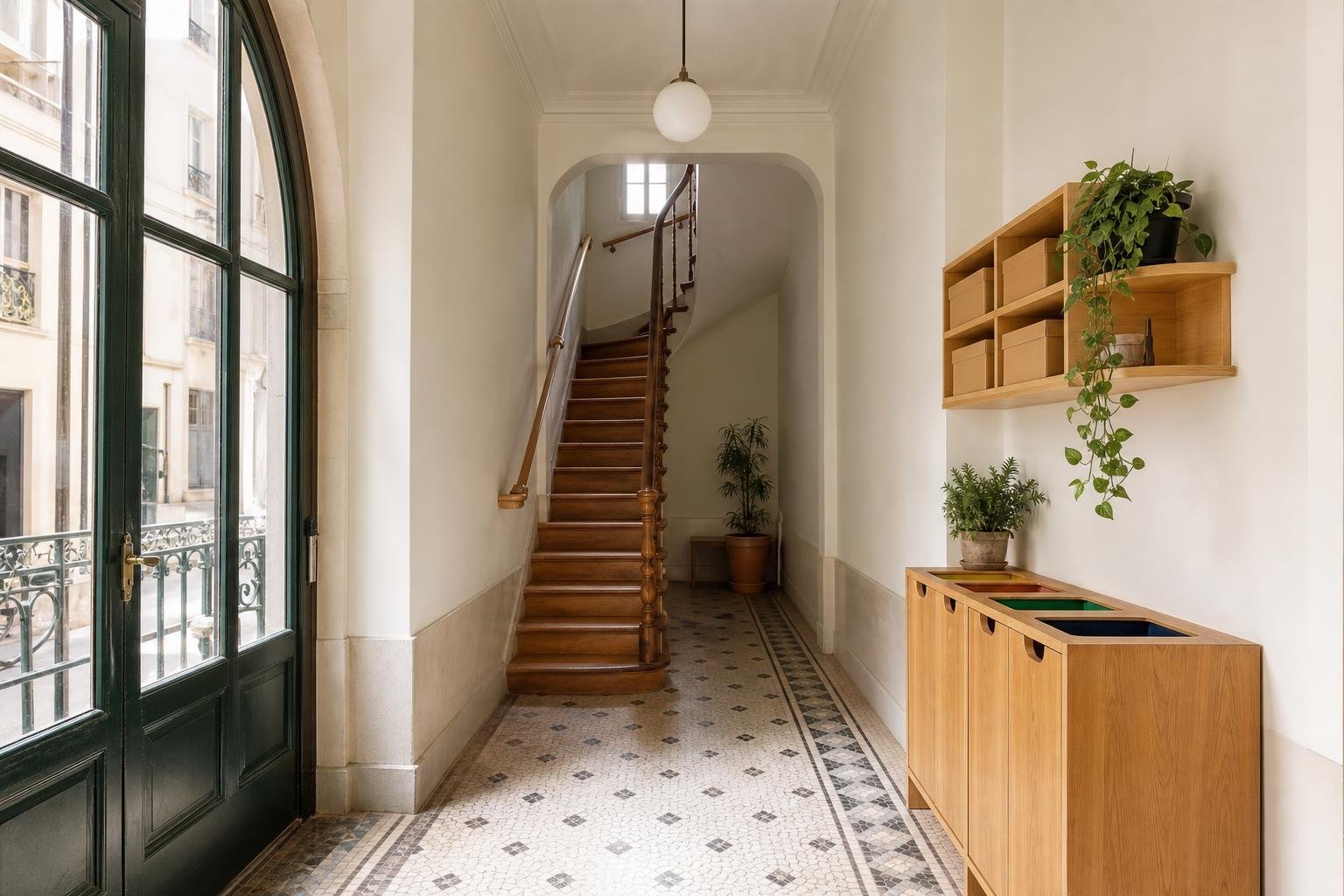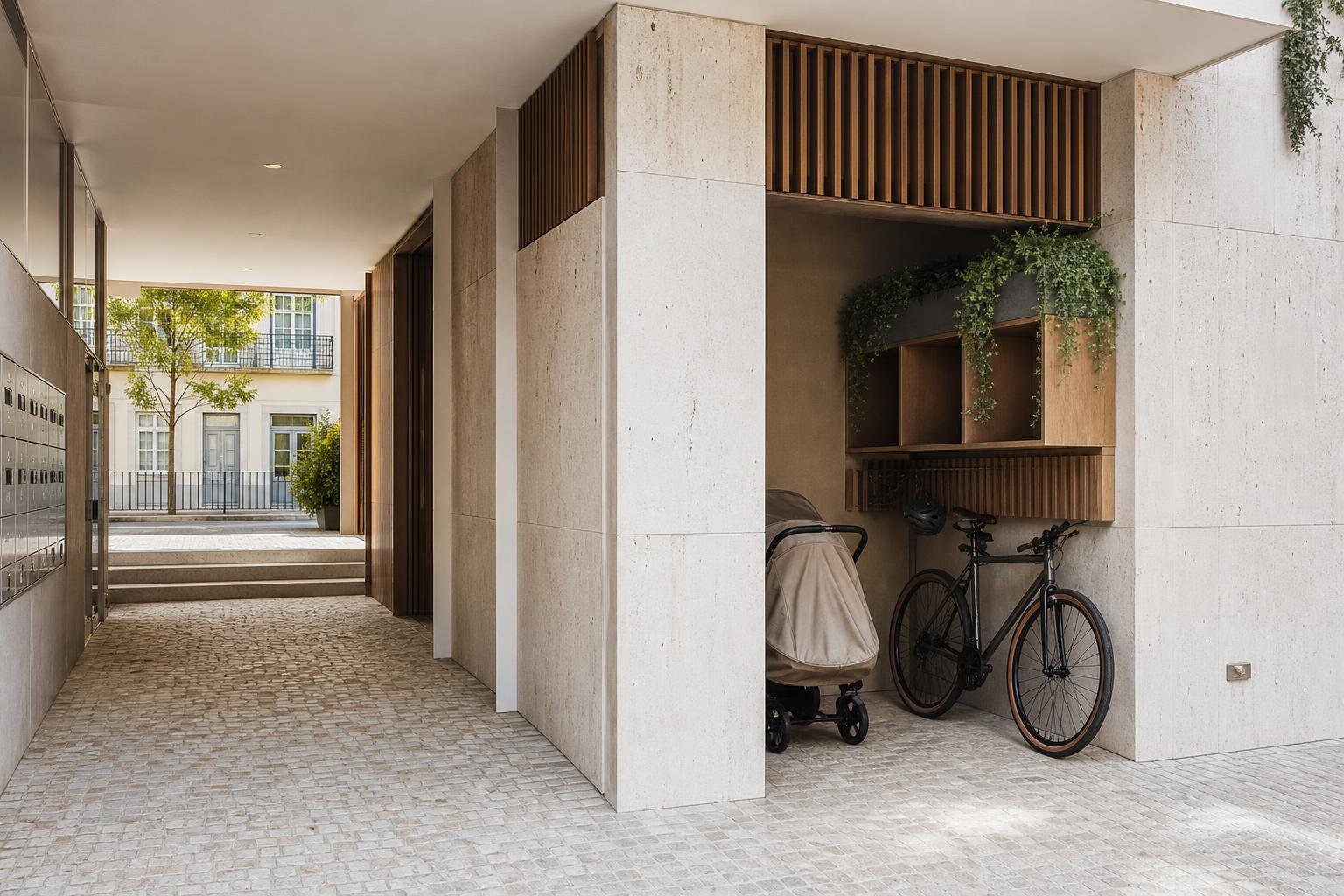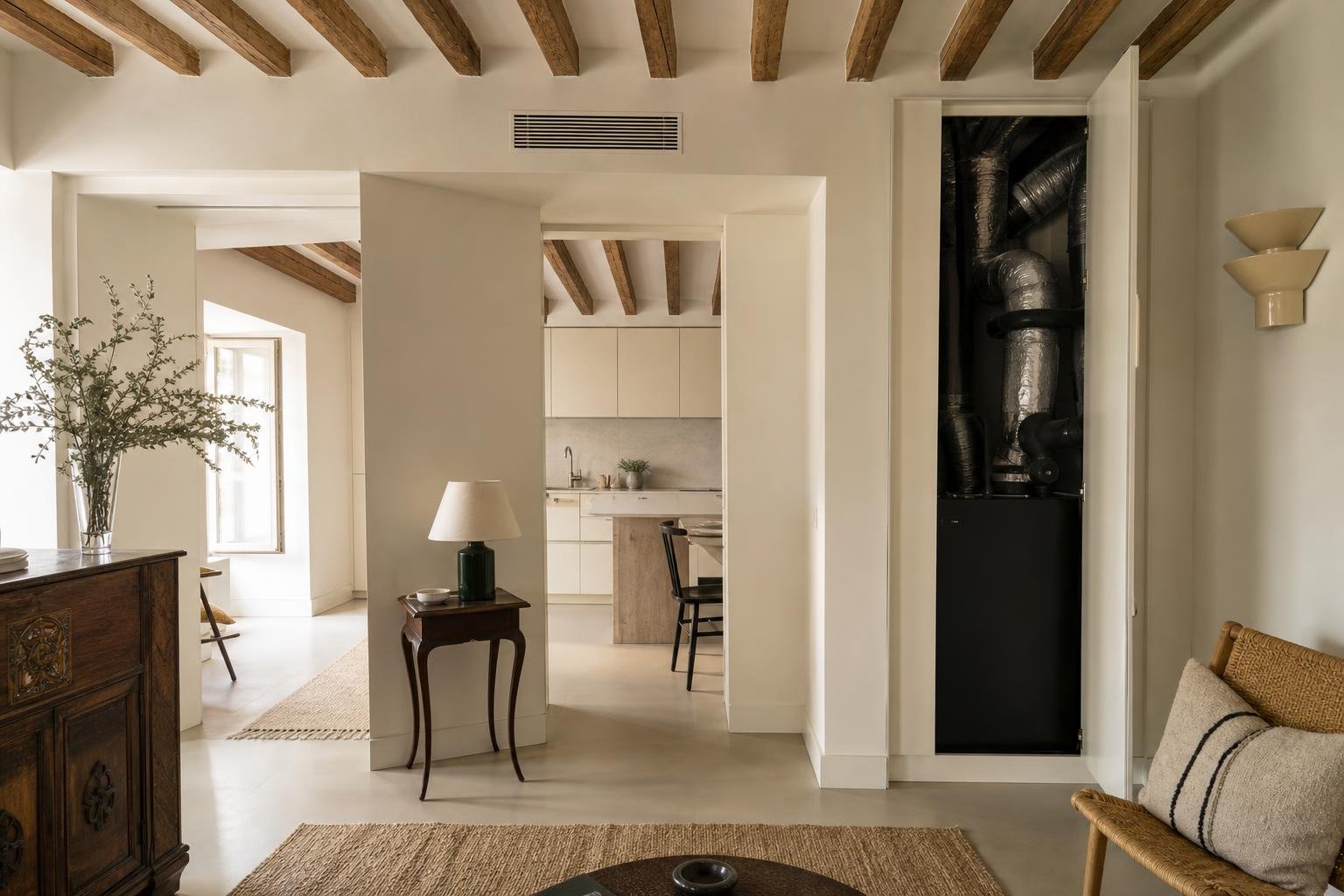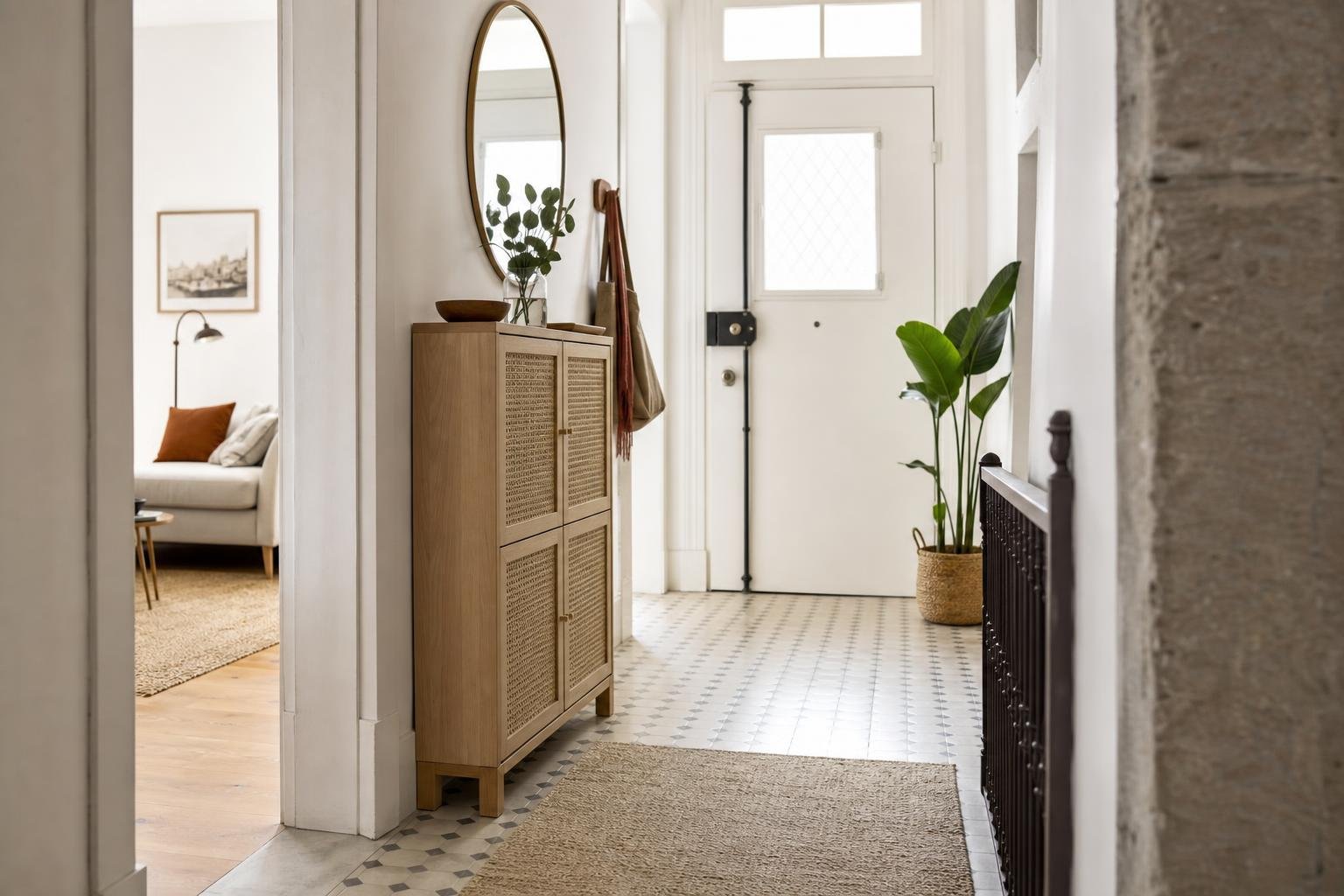

An apartment intended for long-term rental does not need to feel impersonal, nor does it need the most expensive finishes. It does need to withstand daily use, repeated cleaning, tenant changes and minor repairs without requiring walls to be opened or an entire room to be replaced. In Lisbon, where many buildings have ageing services, preparation should begin before choosing paint colours: check the networks, moisture, ventilation, isolation valves and maintenance access.
It helps to treat the work as a set of decisions that prevents future problems. Energy performance should be part of the conversation from the outset: ADENE outlines the role of energy performance in building interventions, while Portugal’s Directorate-General of Health links excessive humidity, condensation and mould to indoor-air quality. The aim is not to make a home “tenant-proof”; it is to make it clear to use, easy to maintain and honest about the comfort it provides.
Start with what will disappear behind finishes
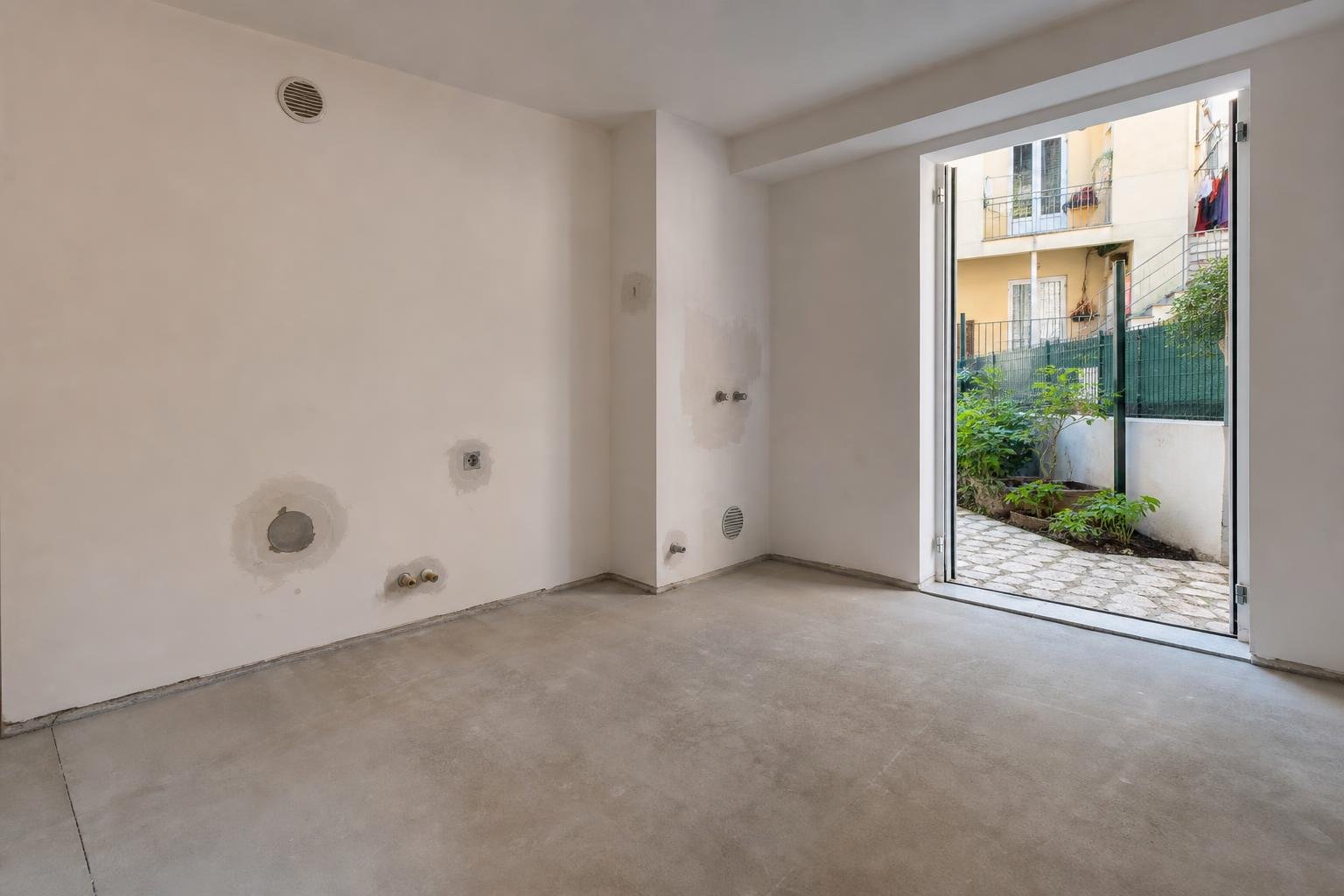
Before selecting flooring, furniture or taps, make a straightforward survey of the items most likely to cause disruptive work after handover: visible and concealed pipework, slow drains, the electrical panel, sockets without earth protection, bathroom ventilation, windows, active cracks and signs of water ingress. In an older apartment, replacing kitchen finishes without reviewing water and waste connections can turn a small fault into expensive dismantling.
Also decide where the water isolation valves, junction boxes, main trap where applicable and points requiring periodic access will be. A well-placed inspection panel in a utility cupboard, or a removable panel beneath a bath, is usually far less conspicuous than repairing tiles months later. For this stage, see our guide to inspection access panels for concealed plumbing.
In multi-flat buildings, establish what belongs to the apartment and what is shared: waste stacks, water risers, shared ventilation or façade elements. This avoids offering an internal solution for a fault whose cause lies outside the flat.
Choose surfaces that accommodate normal life
For a long-term rental, useful resilience does not mean a harsh-looking interior. It means finishes that cope with chairs being moved, luggage, children, occasional moisture, cleaning and minor mishaps without becoming impossible to restore. In high-traffic areas, choose continuous flooring with a repair strategy you understand: quality ceramic tile, repairable timber, or vinyl suitable for the intended use and fitted over a properly levelled subfloor. Do not decide from a catalogue image alone.
On walls, pale shades that are not stark white generally disguise light marks better and make touch-ups easier. A washable, low-sheen paint is often simpler to maintain than a fragile ultra-matt finish or a highly glossy one that reveals every imperfection. In entrance areas, kitchens and corridors, protect exposed corners and choose skirting that can be cleaned without absorbing water.
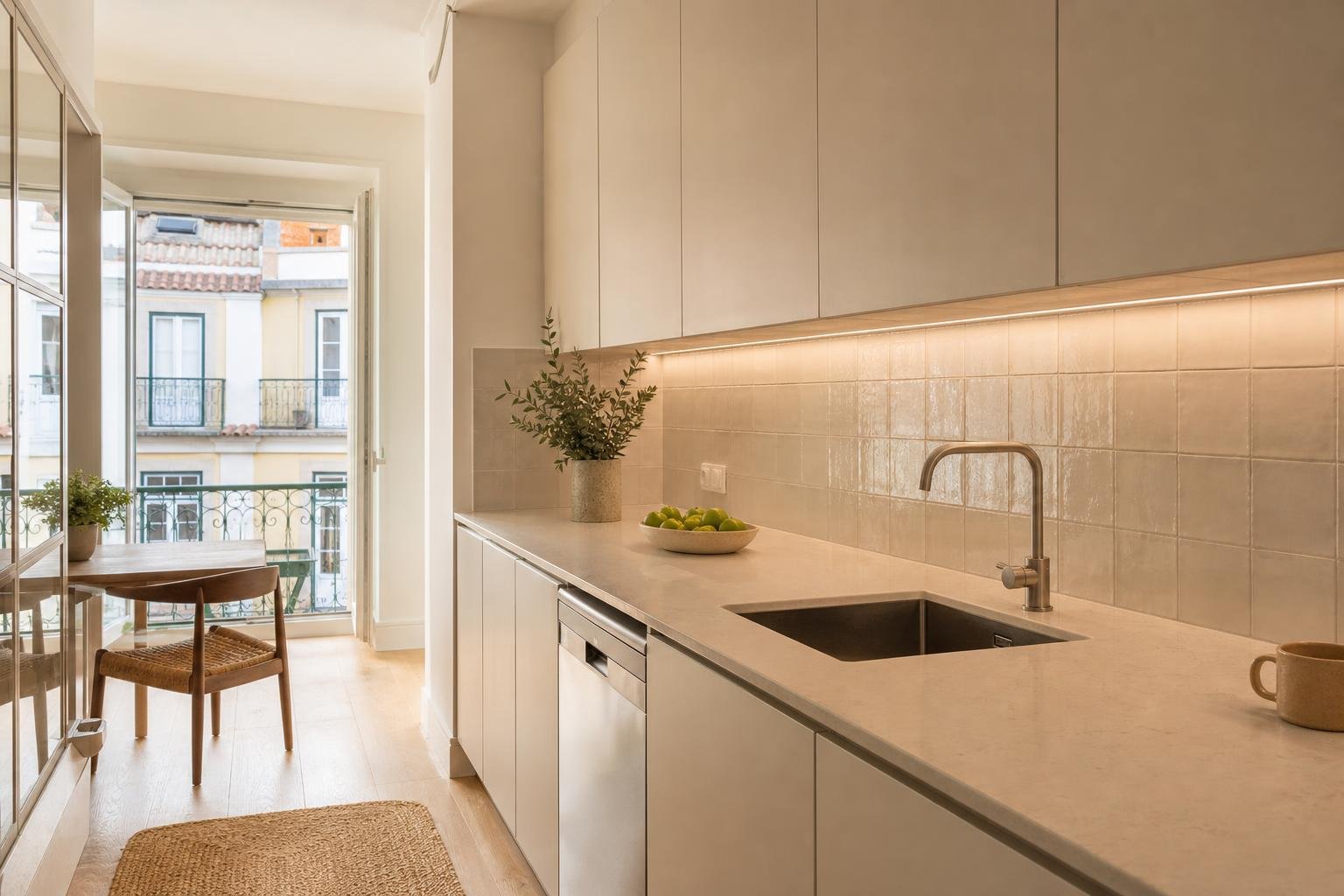
In the kitchen, treat worktops, cabinet fronts and handles as wearing parts. A smooth front with properly sealed edges and replaceable hardware is usually more sensible than a complicated profile with many grooves. Our article on adjustable kitchen legs and plinths explains how these small details protect cabinets from water and make cleaning possible.
Make the kitchen easy to use and repair
A rental kitchen should be intuitive from day one. Set out a logical zone for the fridge, hob, food preparation, washing-up, waste and small appliances; provide enough worktop sockets and avoid permanent extension leads. The room does not need to be filled with appliances, but those that are planned need compatible circuits, ventilation and access.
The cabinet beneath the sink deserves particular attention. It brings together water, cleaning products, isolation valves and often the waste bin. Use a water-resistant base, keep valves reachable without removing shelves and leave enough room to spot a leak. If there is a dishwasher, its connection should be checkable without taking apart the entire kitchen.
Choose a sink deep enough to limit splashing, a straightforward tap with readily available replacement parts and task lighting that does not cast shadows over the worktop. These are modest decisions, but they reduce the wear caused by workarounds. A kitchen lasts longer when it does not force its user to pull, reach around or strain every component.
In the bathroom, prioritise controlled water and access
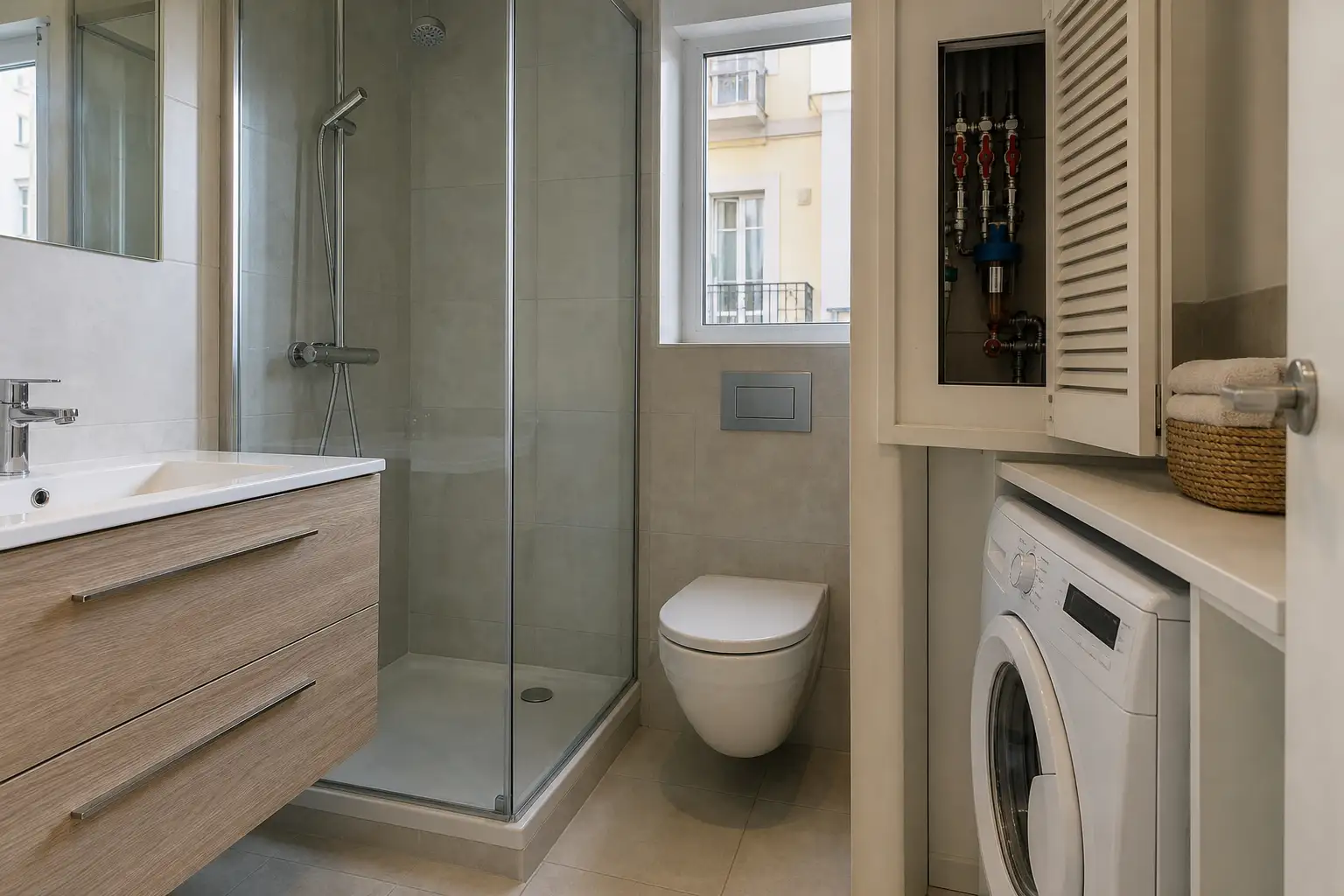
It is easy to devote too much of the budget to a striking shower enclosure or designer tap. In a rental apartment, the priorities should be different: sound waterproofing, correct falls, well-executed joints and components that can be replaced. A simple shower tray with a drain that can be reached for cleaning will often age better than a solution with too many joints that are difficult to inspect.
Choose wall-hung furniture, or units on legs, so that the floor can be cleaned and water can be detected. If fitting a vanity under the basin, protect its interior from condensation and splashes; do not conceal the isolation valve behind fixed panels. A mirror, properly planned lighting and a useful shelf usually add more value than deep niches that demand very precise waterproofing details.
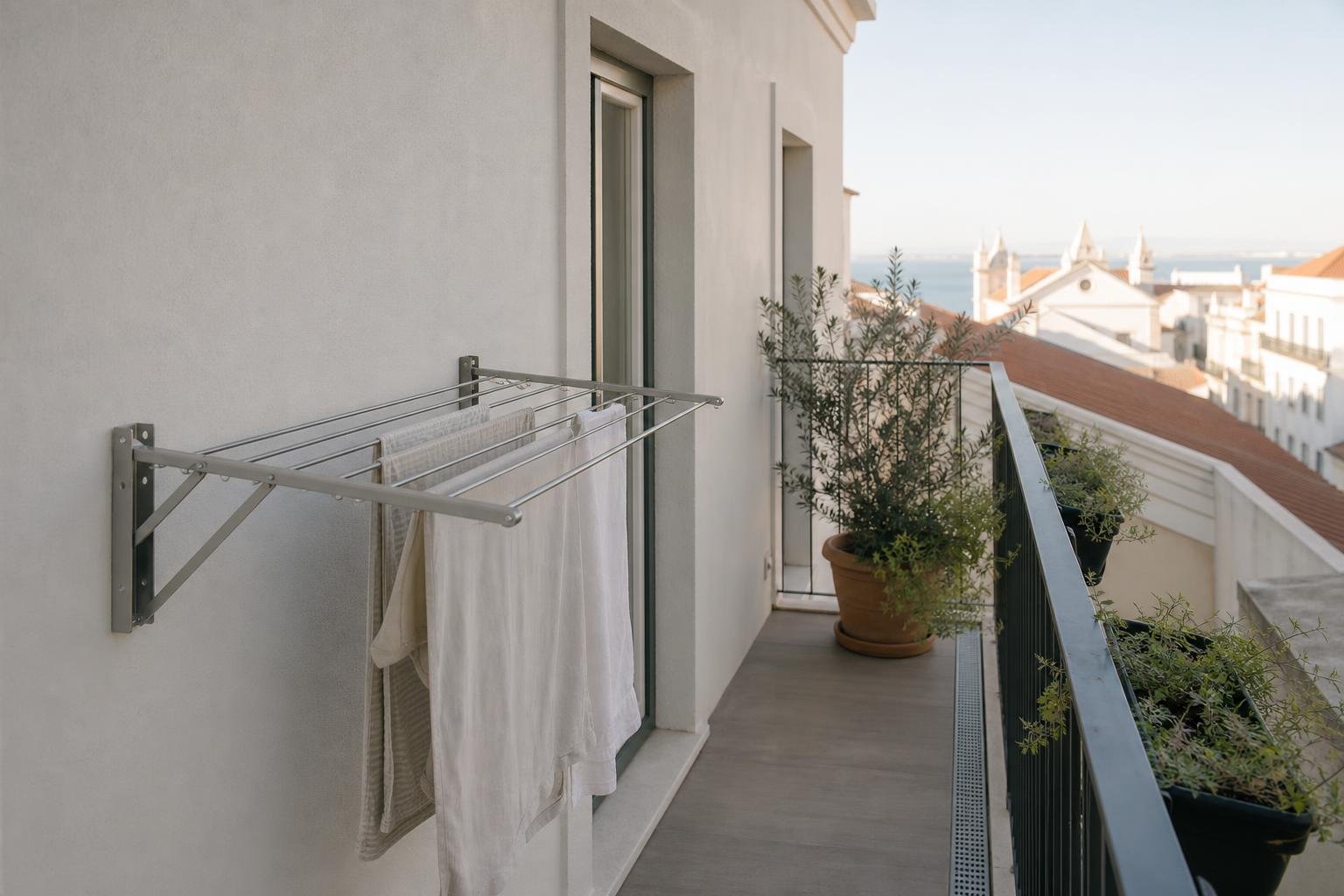
Ventilation is not an optional extra. DGS advises airing a home daily, and during or after bathing, washing and drying clothes; it also identifies the bathroom as a significant source of moisture. Read the DGS general indoor-air recommendations and size extraction according to the room, duct route and actual use.
Lower running costs without creating complicated systems
Reducing running costs benefits both landlord and tenant, but the solution must remain easy to understand. Begin with the building envelope: seal failures around windows, improve roller-shutter boxes where needed, choose appropriate shading and avoid obvious thermal bridges in internal works. Then review equipment and controls: clear thermostats, standard-replacement LED lamps, taps with balanced flow and dual-flush cisterns are more useful than devices nobody knows how to adjust.
The energy certificate should not be treated merely as paperwork for an advert. Its recommendations can help organise improvements by impact, compatibility and construction sequence. Coordinated work avoids, for instance, replacing windows after walls have been repaired and painted, or installing air conditioning before air leakage and solar overheating have been addressed.
Do not promise performance that depends on the habits of each household. Instead, provide concise instructions: how to air the home without leaving it unsecured, where to turn off the water, how to clean filters and who should be contacted when a new stain appears. This protects the property and makes the rental relationship more straightforward.
Leave a home that is easy to hand over, occupy and refresh
The final task is to establish a maintenance standard. Keep records of paint colours, flooring, taps, handles, lamps and equipment; photograph technical elements before walls are closed; label circuit breakers and valves discreetly. A short file kept with the apartment documents makes repairs faster when occupants change or a fault arises.
Also provide storage that does not encourage improvised solutions. A ventilated tall cupboard for cleaning products, space for a broom and vacuum, and a waste area that is easy to wash all matter in daily life. If the apartment is furnished, select pieces with enough clearance from floors and walls to allow cleaning and visual inspection.
Before handover, test doors, latches, sockets, traps, extractor fans, shutters and appliances. This is not about chasing decorative perfection; it is about delivering a coherent whole. A long-term rental apartment that has been prepared properly retains its condition better, creates fewer interruptions and gives its occupants more predictable living conditions.
If you are preparing a Lisbon property for long-term rental, Obra Lisboa can help turn these priorities into a clear, phased scope of work suited to the building.
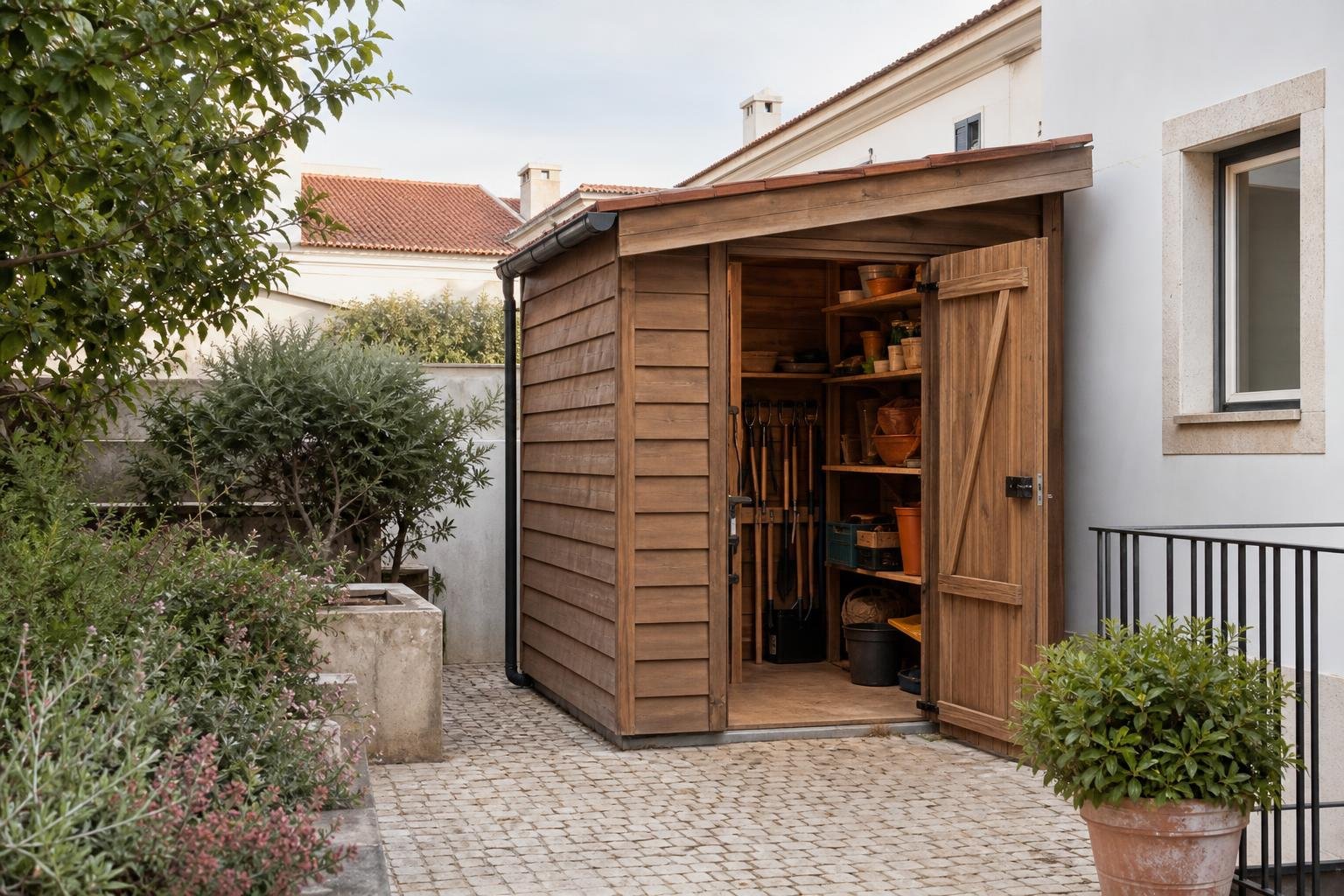
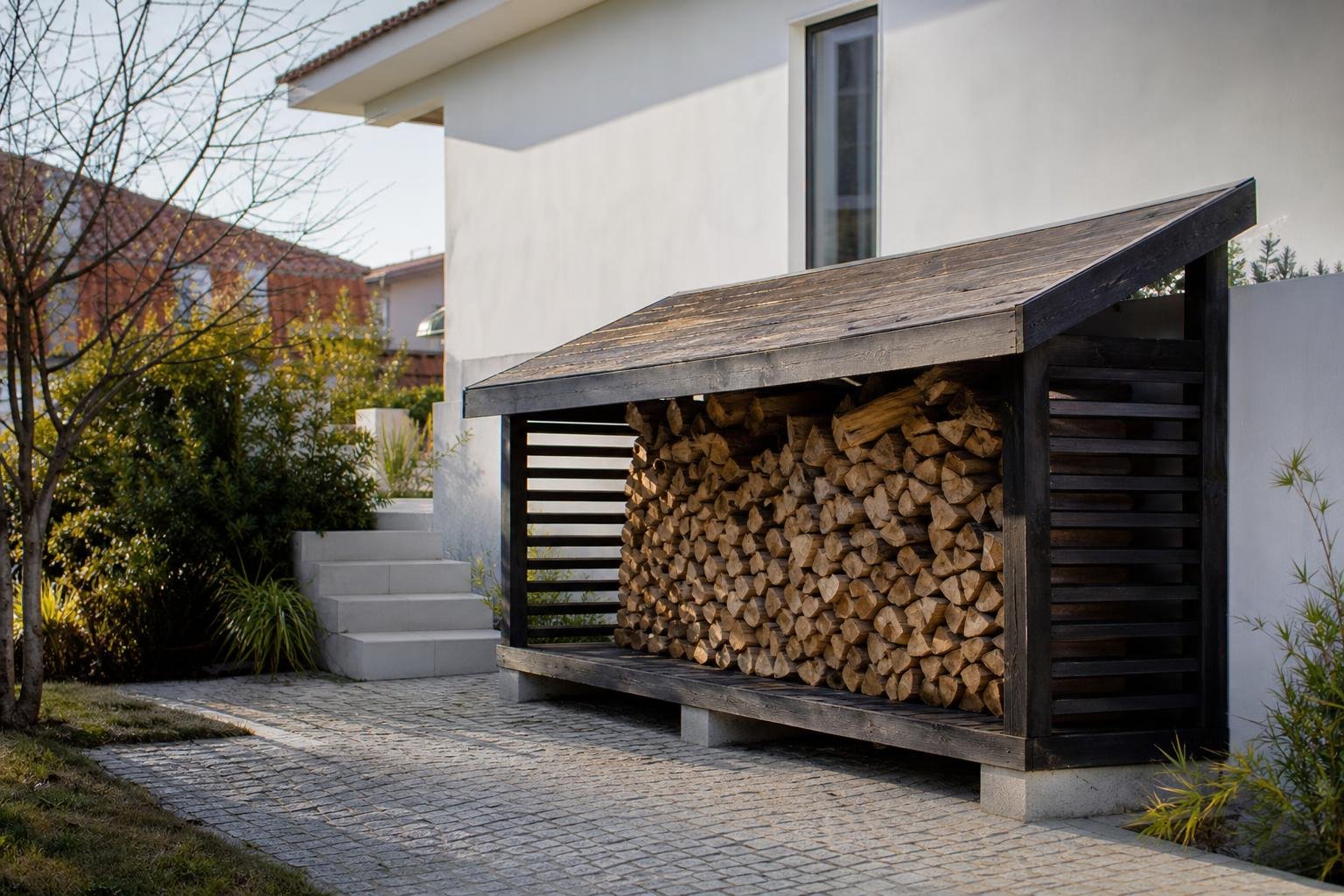
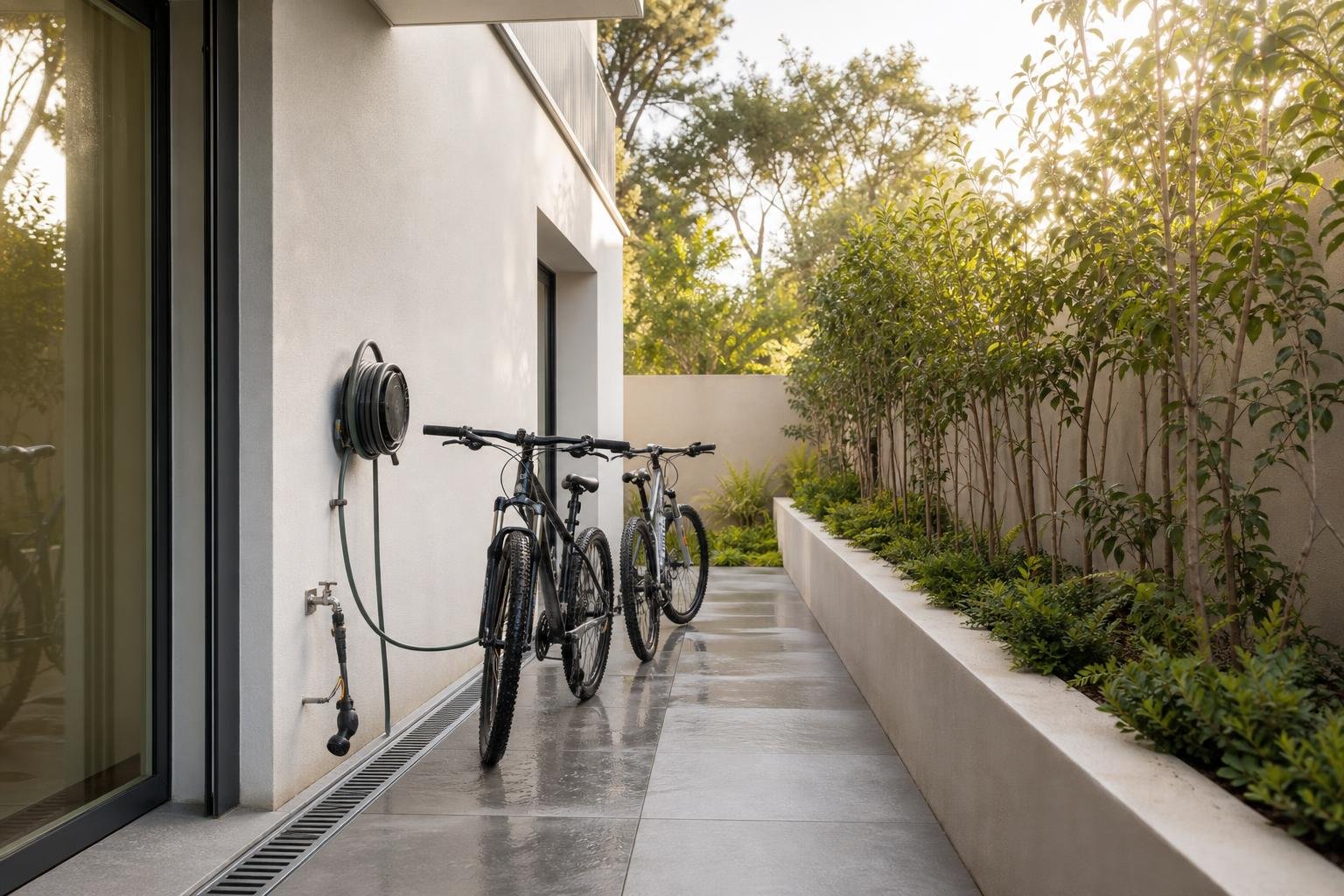
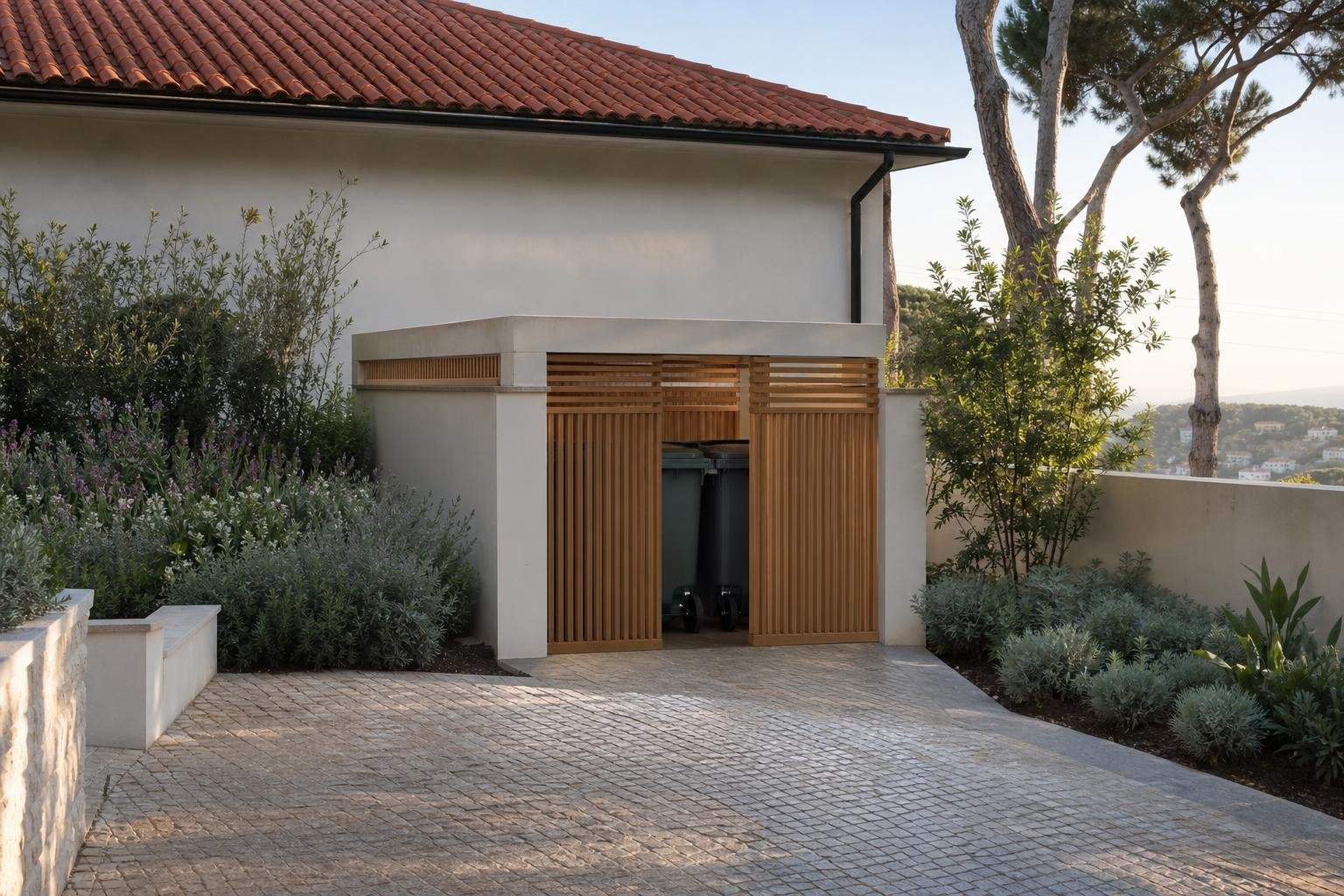
AI-generated editorial image; it does not depict an Obra Lisboa project.

Obra Lisboa