
Replacing a tap or shower can look like a finishing choice. In a renovation, it is really a decision about pipework, comfort and maintenance. An overly restrictive fitting can disappoint in a low-pressure home; an attractive mixer with no access or replaceable parts can turn a minor leak into work on a cabinet or wall. The right choice starts before tiling: check available pressure, hot-water runs, isolation-valve locations and how each water point will actually be used.
There is room to reduce consumption without making the home less pleasant to use. ADENE includes taps, flushing systems, showers, washing equipment and domestic hot water among the elements considered in a building’s water efficiency. Read its overview of AQUA+ and water efficiency at home before comparing products only by appearance or price.
Start with the purpose of each outlet, not the collection
A basin tap is mainly used for hands, face washing and teeth; a kitchen mixer fills containers, washes food and cleans the sink. They do not need the same flow rate or spout shape. In the bathroom, a well-selected aerator can create a full-feeling stream with less water. In the kitchen, efficiency must be balanced with the ability to fill a pan without an unnecessarily long wait.
Make a short schedule before ordering: main basin, guest basin, kitchen sink, shower, bidet if present, utility sink and outdoor taps. Beside each one, note who uses it, whether children or people with reduced mobility use it, whether hot water arrives promptly and whether pressure is already limited. That small exercise prevents the same specification being copied everywhere.
To place this decision within the wider project, review how an energy certificate can become a renovation plan. Avoiding wasted hot water also reduces the energy required to heat it.
Read the flow figure, then test the existing pressure
The manufacturer’s stated flow rate matters, but it is not the whole story. Performance in your home depends on pressure, filters, reducers, old pipework, tight bends and simultaneous use. A shower may feel fine when nobody is using the kitchen tap, then become disappointing as soon as another outlet opens.
Before replacing fittings, ask for dynamic pressure to be checked at the most demanding points, especially in upper-floor flats, older buildings or houses with pipework altered over time. If pressure is low, simply reducing flow may hide an issue that deserves diagnosis. If pressure is excessive, suitable regulation may protect fittings and make daily use more consistent.
The aim is not the lowest possible number. It is a flow rate suited to the task, predictable mixing and no need for someone to leave a tap open longer just to compensate.
At the shower, control temperature before reducing flow
An efficient shower does not work well if temperature swings. People respond by opening the water further, staying in longer or avoiding the fitting altogether. In frequently used bathrooms, assess thermostatic mixers, compatibility with the hot-water system and future cartridge maintenance. Also confirm that the domestic hot-water system can serve the household’s real pattern of use.
Portugal’s regulatory framework for water-efficiency solutions refers to sanitary taps and showers with aerators or emulsifiers and efficient nominal flow. Use the Diário da República publication on water-efficiency requirements as technical context, rather than treating it as a universal shopping list for every home.
In practical terms, choose the shower type first — handset, fixed head or combined set — then compare flow, functions and ease of cleaning. A head that is awkward to remove will lose performance when limescale builds up.

Plan isolation valves where failures actually occur
An accessible isolation valve by the kitchen, bathroom or a specific appliance lets you shut off one area without leaving the entire home without water. It is an inconspicuous detail, but it matters when replacing a tap, repairing a trap leak or servicing a cistern. It should not be hidden behind fixed cabinetry, an appliance with no clearance or an access box without a usable door.
The service regulation published in the Diário da República calls for safety shut-off valves upstream of equipment and kitchen or bathroom areas. Ask the installer to label the valves at handover and explain what each one isolates.
Photograph the installation before walls are closed. Keep images of pipe routes, valves and connections in a home file; they can save considerable time during a repair years later.
Choose materials and finishes with maintenance in mind
Chrome, brushed stainless steel, black and aged brass are not merely decorative choices. Some finishes show limescale and fingerprints more readily; others are difficult to touch up when scratched. Ask whether replacement cartridges, aerators, strainers and handles are available for the selected model. A repairable tap is often a better long-term choice than one that must be replaced entirely after a small failure.
In areas with hard water or intensive use, favour aerators and shower heads that can be removed easily, as well as finishes that tolerate gentle cleaning. Avoid abrasive or acidic products outside the manufacturer’s instructions: they can damage both finish and temperature markings.
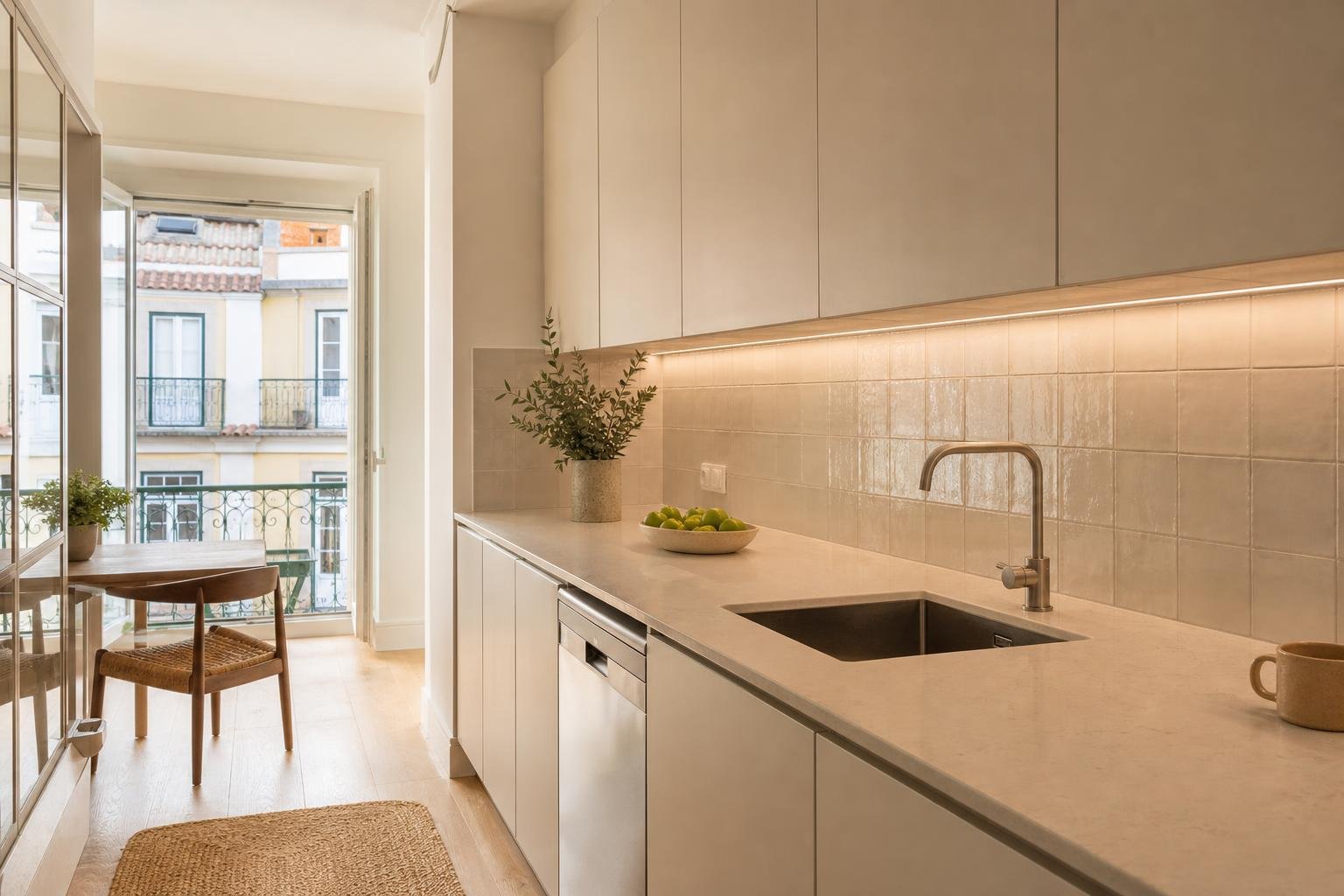
When renovating a kitchen, coordinate this choice with sink, filter and connection positions. A well-organised cabinet starts with genuine access to its components, as covered in our guide to ventilating and protecting the cabinet below the sink.
Finish with a real-use handover check
Before handover, run every outlet on cold and hot. Check for leaks at connections, whether drainage keeps up with flow, whether the stream splashes out of the basin and whether shower temperature remains steady. Test access to valves too, without removing shelves or pulling out appliances.
A leak should be repaired as soon as it is found. The Diário da República regulation on breaks in building water systems notes the duty to arrange repair and makes clear that water lost within the installation still matters to the user.
Keep technical sheets, warranties, finish references and photographs of the valves. They are not unnecessary paperwork: they are the map that makes future maintenance quicker, cleaner and less costly.
A coordinated renovation treats taps, showers, hot water and maintenance access as one system. If you are planning work in Lisbon, Obra Lisboa can help turn these small decisions into a clear, buildable plan.
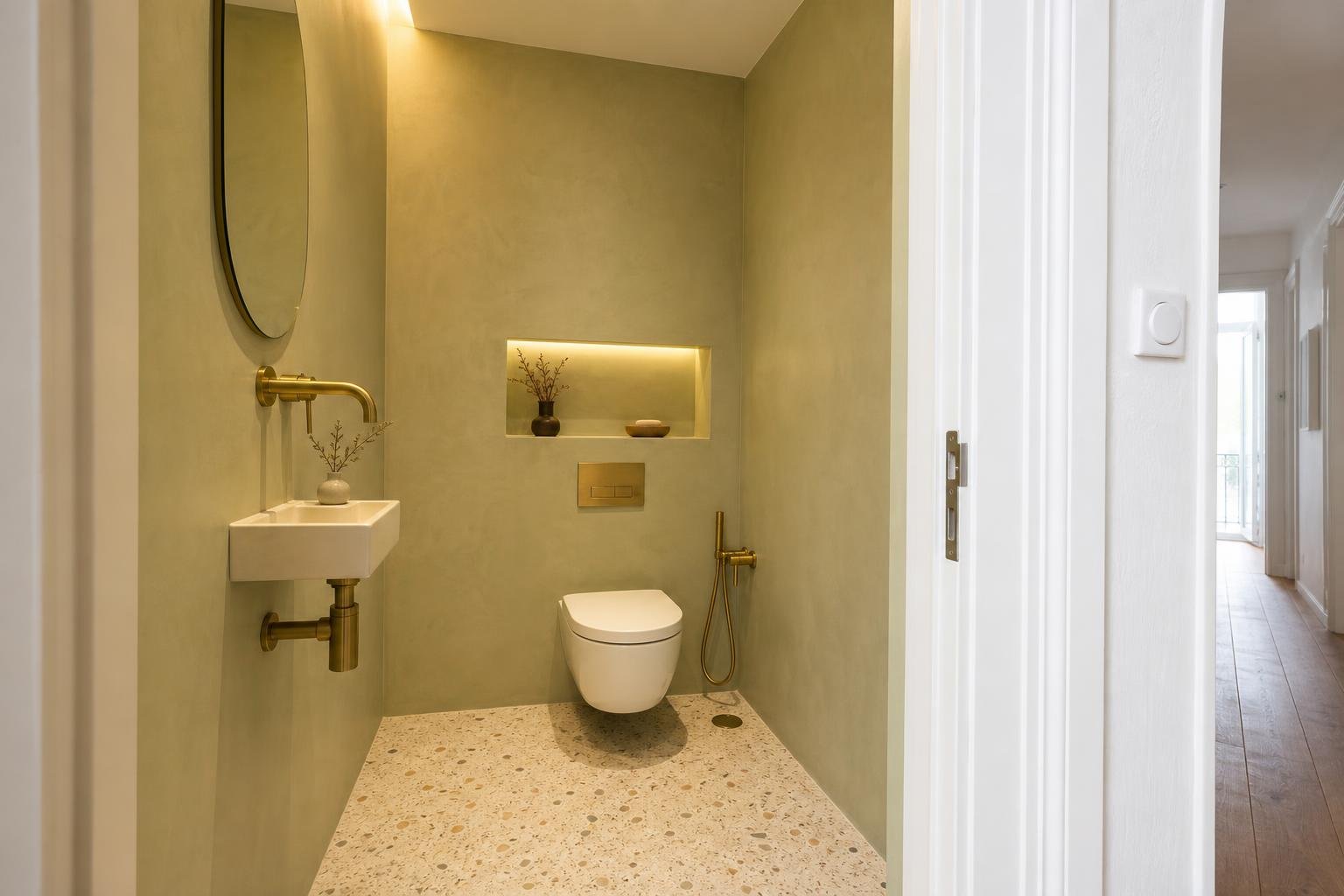
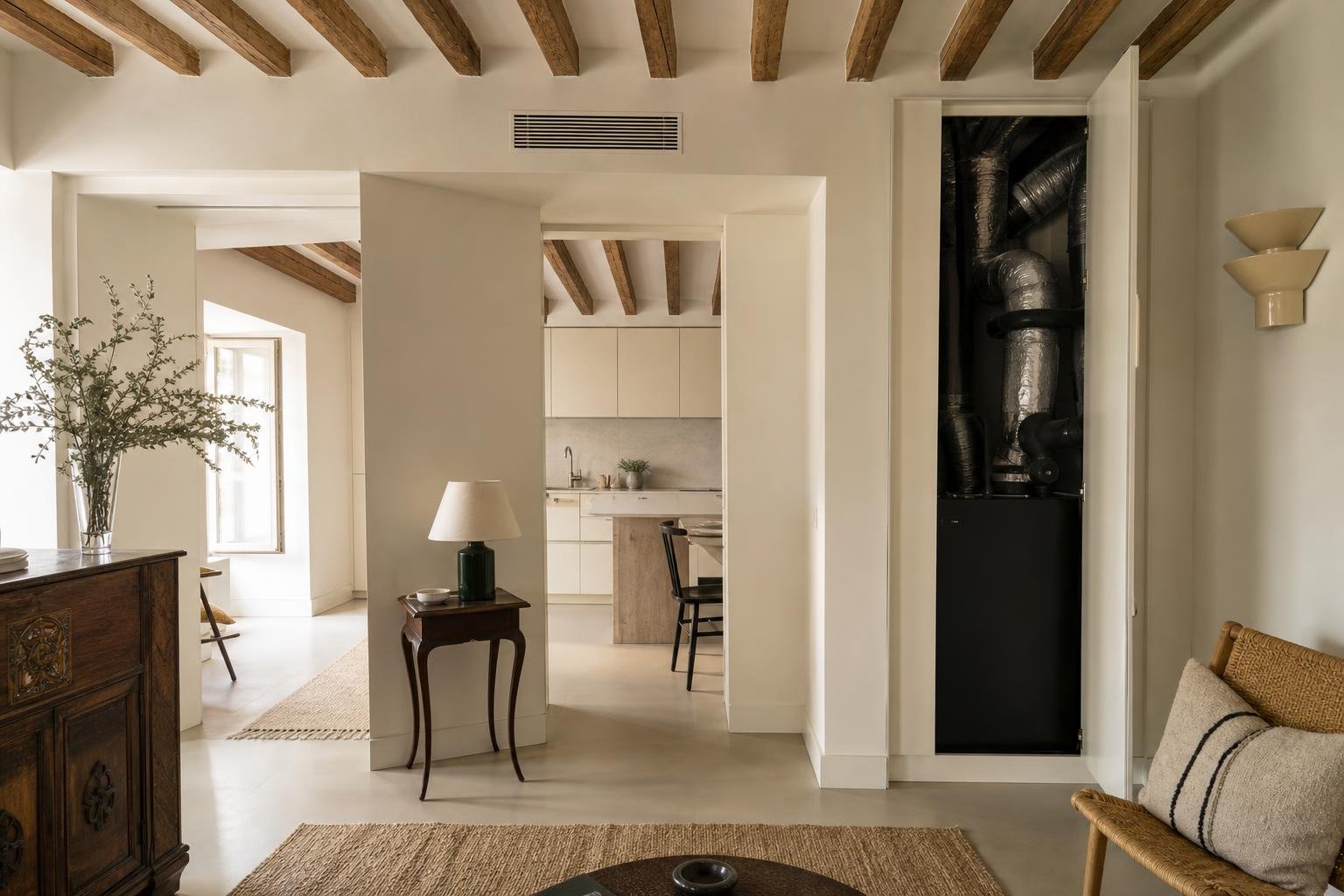
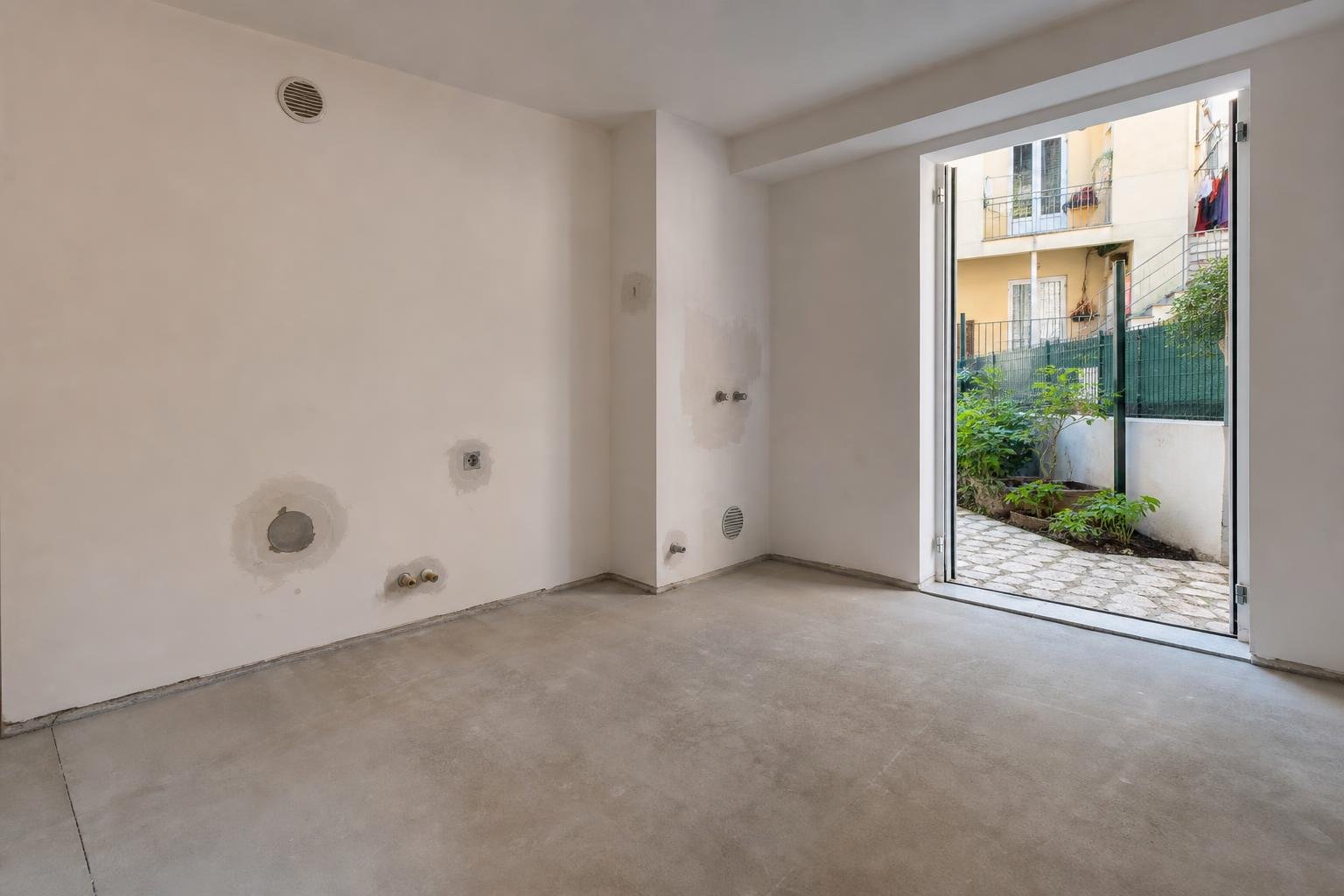
AI-generated editorial image; it does not depict an Obra Lisboa project.

Obra Lisboa