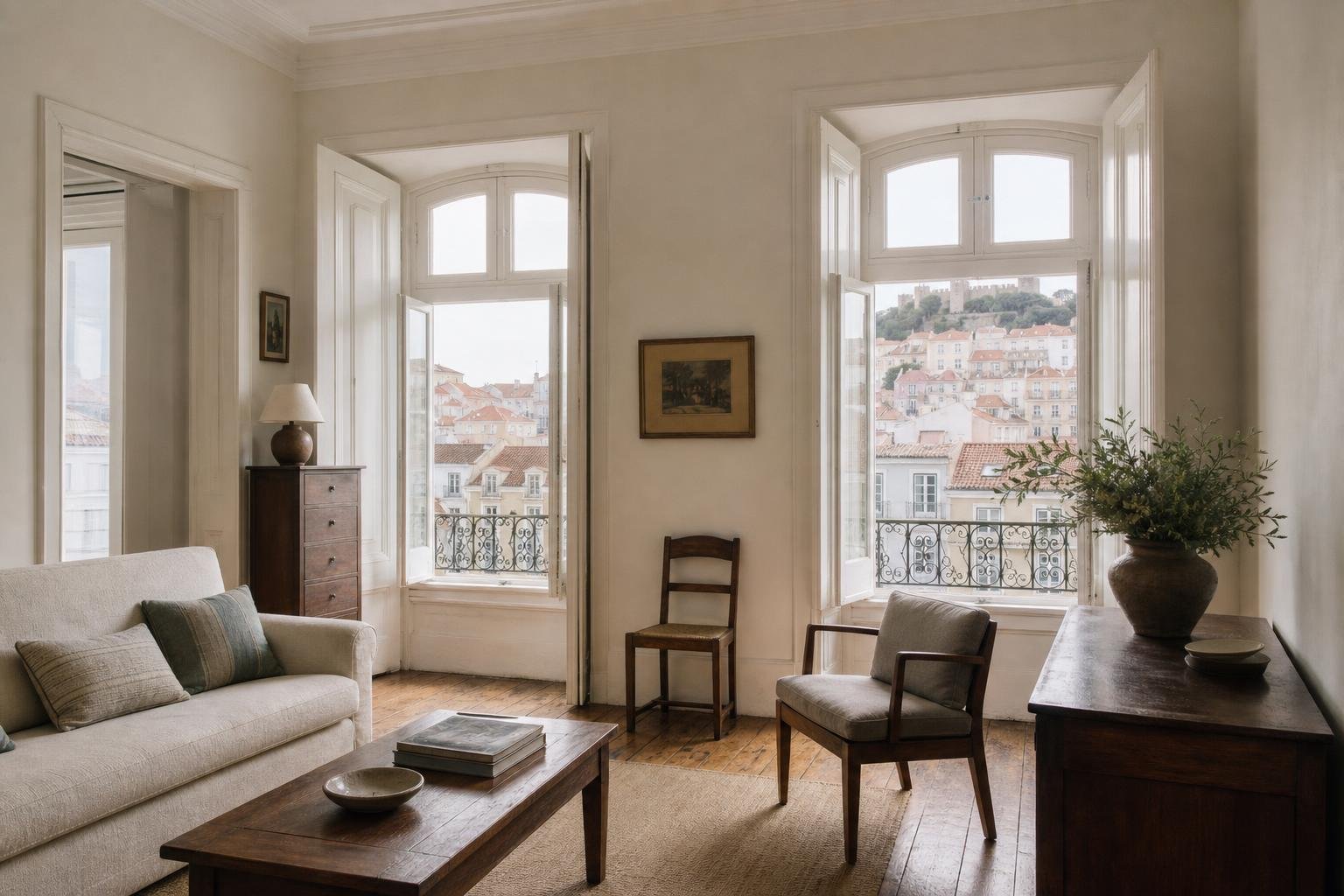

A home left closed for several weeks does not need a dramatic intervention before it can be used again, but it should not be reopened in a rush either. Water left standing in pipes, traps and appliances deserves a methodical check, as do minor leaks, drain odours, stiff valves and hot-water equipment that has been switched off.
In Lisbon, this matters in weekend flats, holiday homes and properties left empty during renovation work. The aim is not to turn the owner into a technician. It is to bring the installation back into service without overlooking signs that call for a plumber or the building’s maintenance team. Portugal’s health authority explains that Legionella can multiply in hot water, low-flow circuits, tanks and scaled fittings, while the relevant exposure is through inhaling aerosols, for example from a shower.
Follow this order before taking long showers, starting appliances or assuming that an unpleasant smell will simply disappear: inspect first, restore water circulation next, then return to normal use.
Inspect the home before turning the water back on
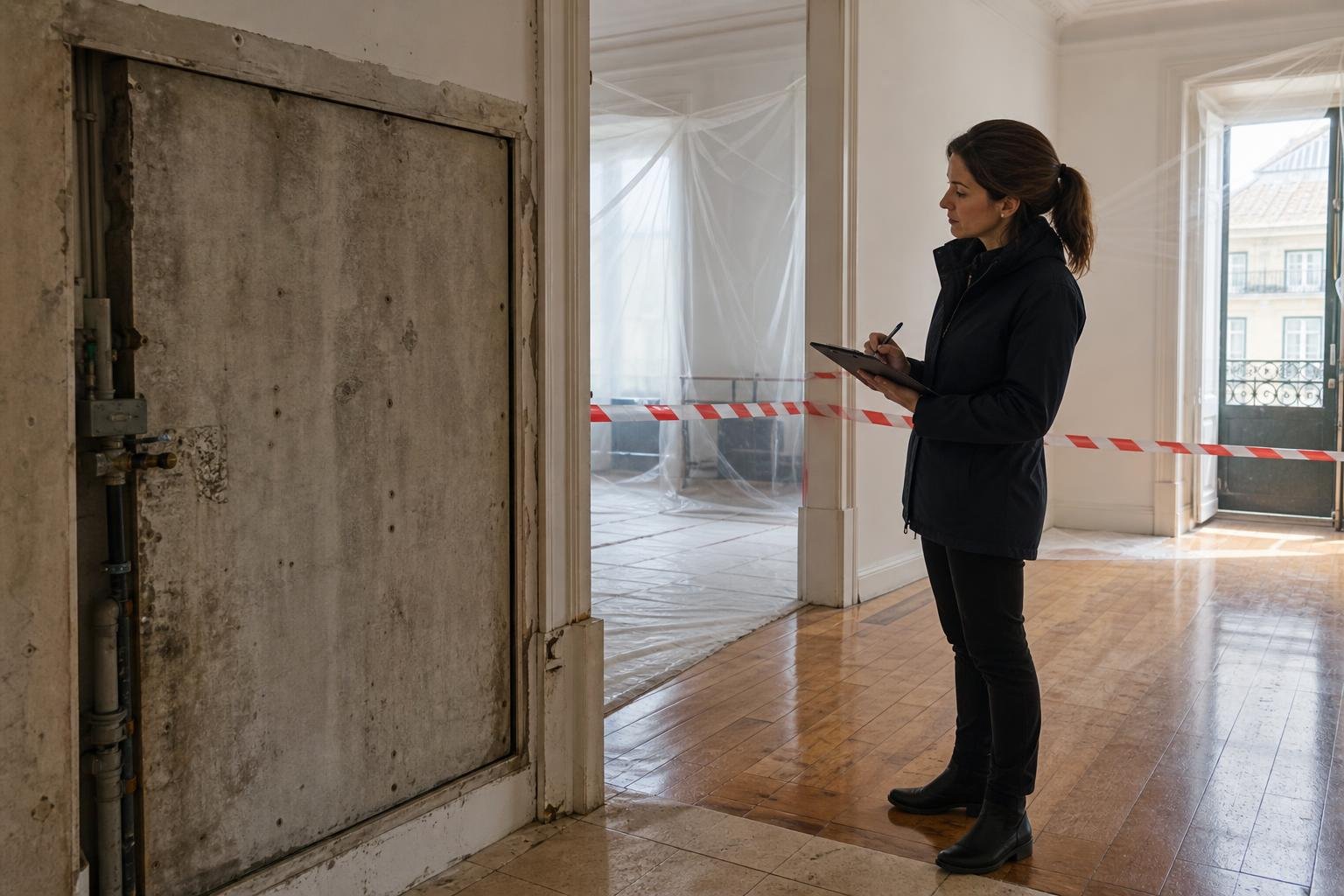
Allow enough time and daylight when you enter. Look for new marks around skirting boards, ceilings, party walls, sink cabinets and washing-machine areas. Check for tide marks, blistered paint, lifted flooring or a strong drain smell. Do not immediately assume the source is inside your flat: in an apartment building, a leak in a shared vertical pipe or a neighbouring unit can appear on your ceiling.
Locate the main stop valve, meters and all water-dependent appliances: cylinder, boiler, heat pump, washing machine, dishwasher and toilet cisterns. Take photographs before touching installations that show damp. They make it easier to compare changes and explain the problem to the professional who may need to repair it.
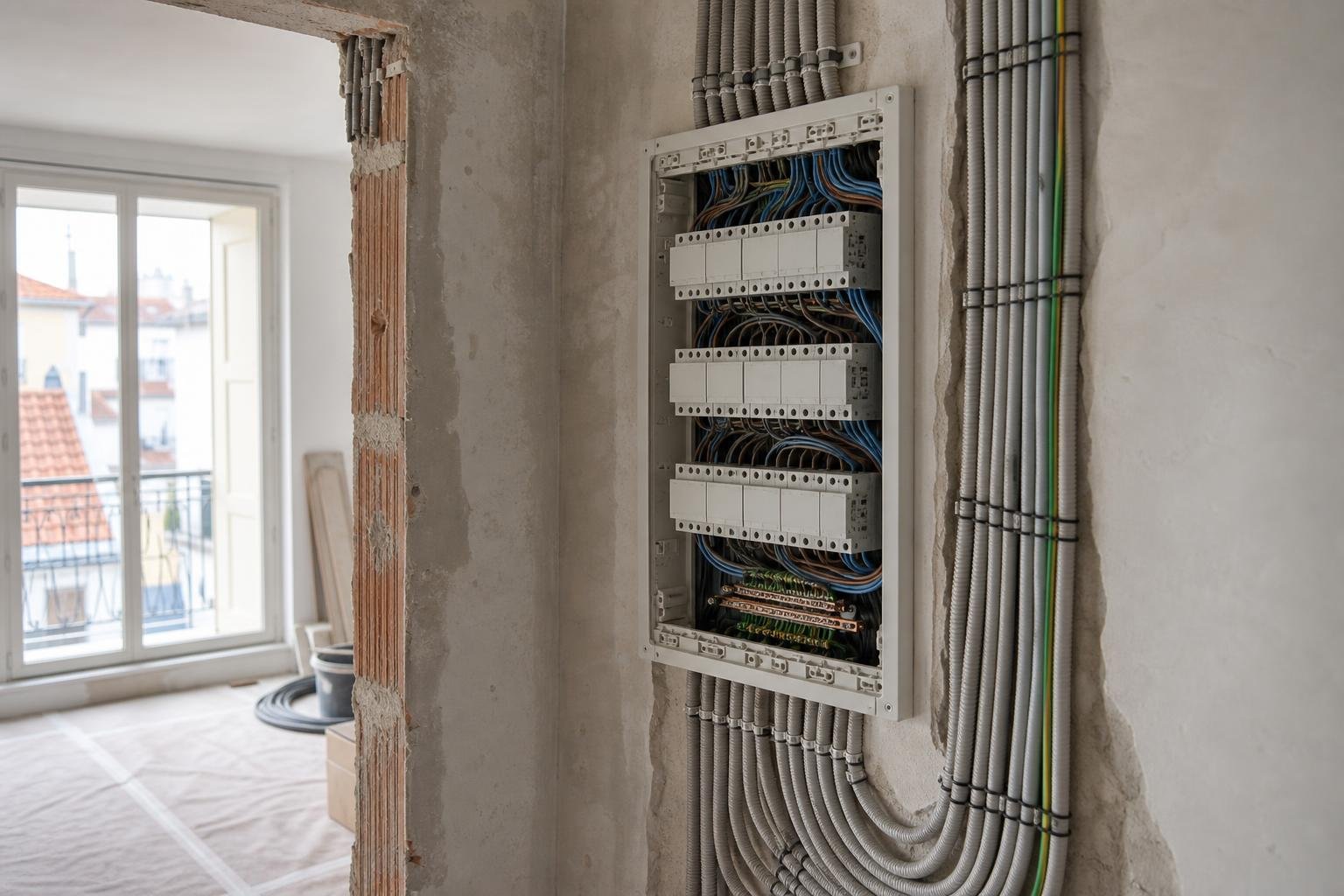
If the property has been without electricity, first ensure that no cables, sockets or extension leads are in contact with water. Do not energise equipment until the source of moisture is understood.
Open the system in stages rather than all at once
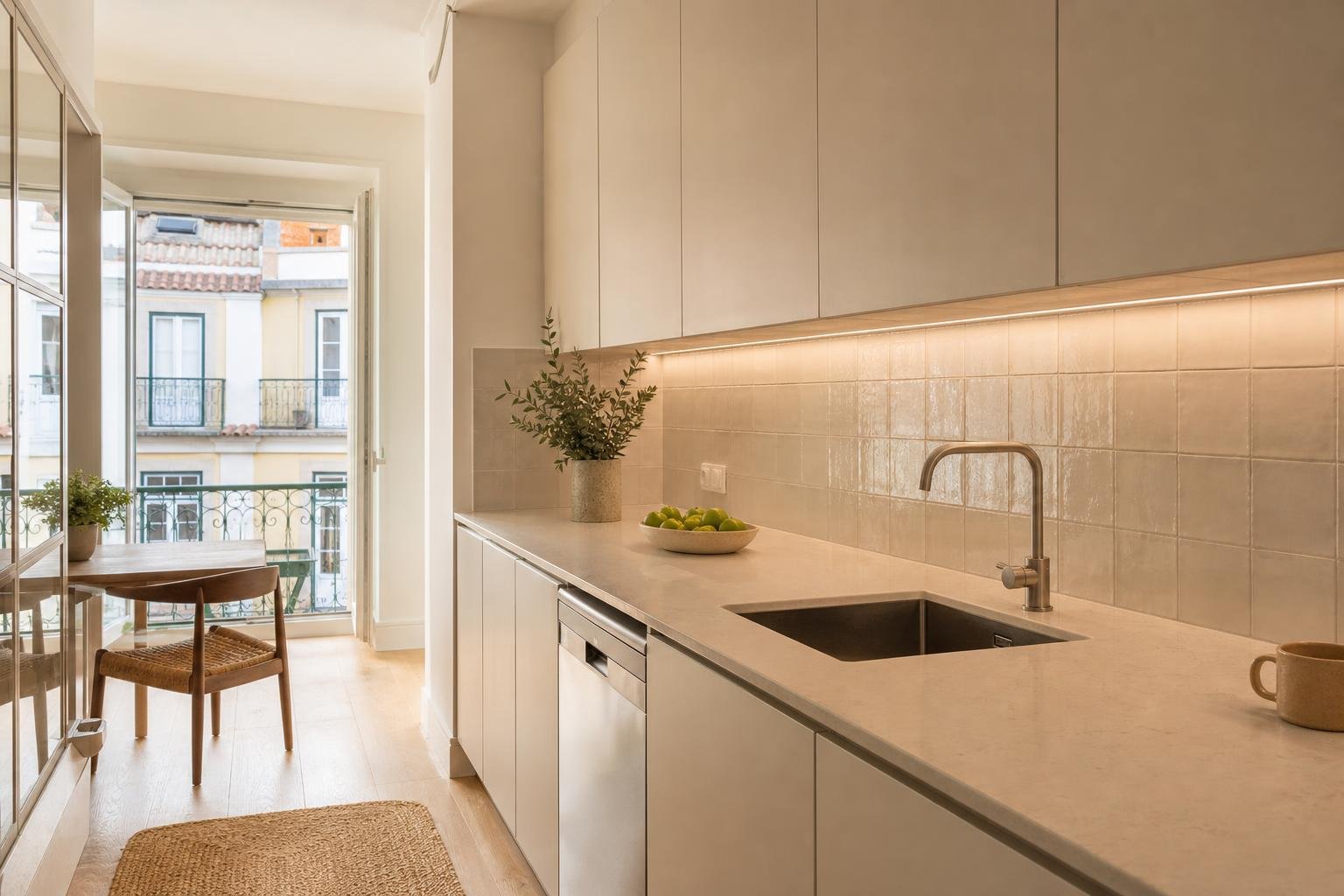
Open the main valve slowly and stay near the meter and visible pipe connections. If the meter continues to record consumption while every tap is closed, that is a reason to investigate. Then work through the home area by area: kitchen, bathrooms, laundry and balcony. Run cold water at each tap for several minutes first, without using loose aerators or hoses that may spray.
This initial flush replaces water that has remained in branch pipes. Do the same at the shower, but avoid putting your face close to the showerhead as water begins to flow. The DGS states that Legionnaires’ disease is associated with inhaling contaminated aerosols rather than drinking water; showers and taps are places where these aerosols can form. Read the DGS guidance on aerosol sources and prevention.
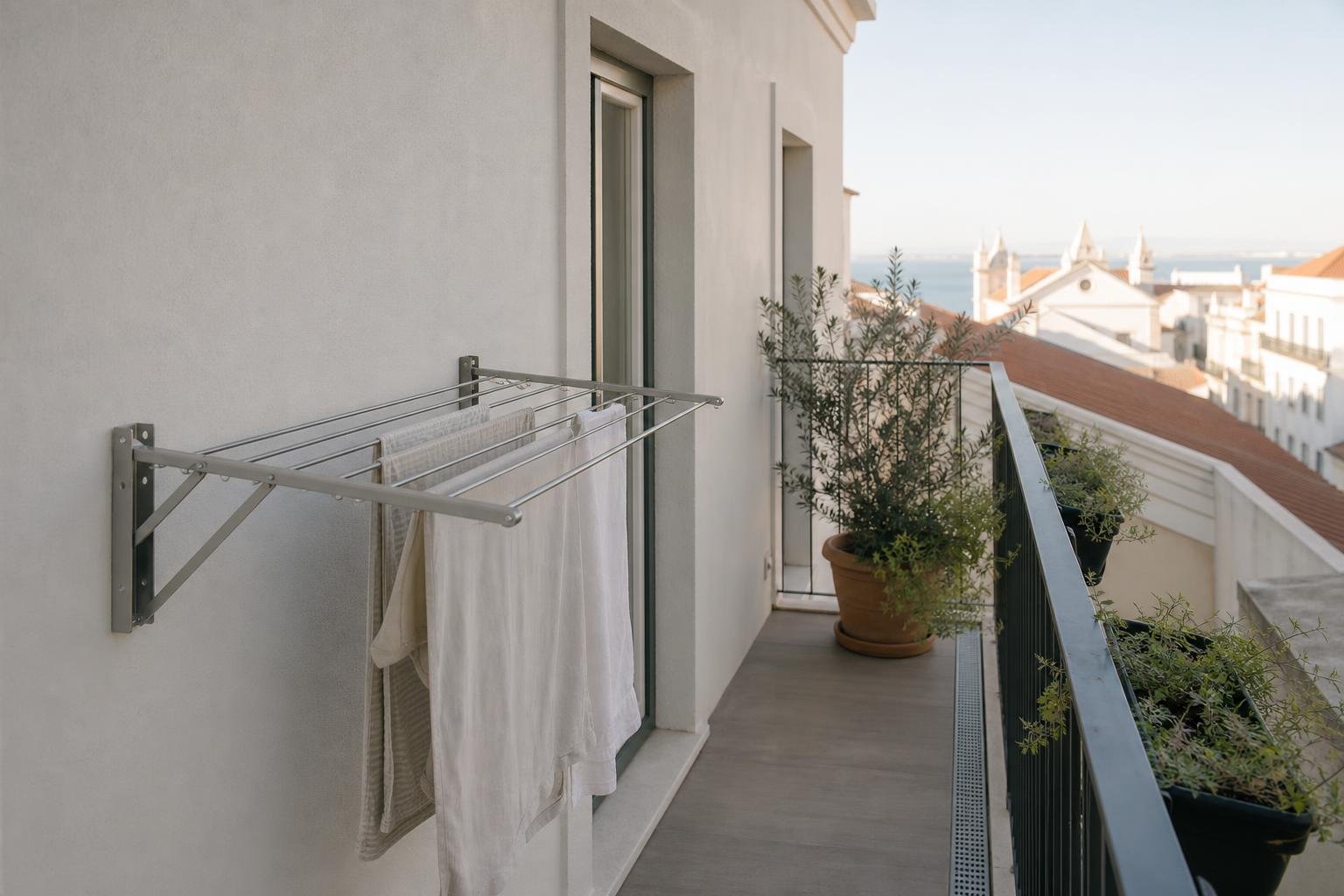
Remember bidets, outdoor taps, under-sink filters and rarely used outlets. Neglected branches are exactly where stagnant water is most likely to remain.
Refill traps and address odours at their source
A drain smell after an absence often means a dry trap rather than a fault in the drainage system. Pour water into every drain: basins, shower, bath, kitchen sink, washing-machine standpipe, balcony outlet and laundry floor drain. The water seal in a trap creates a barrier between the room and the pipework; when it dries out, gases can pass through easily.
If the smell quickly returns, do not cover it with air freshener. There may be a poorly connected trap, a leak, inadequate drainage ventilation or an infrequently used outlet that has dried again. During renovation, it is worth reviewing routes and future access; our guide to inspection access panels for concealed plumbing explains why maintenance access should be planned before walls are closed.
Avoid pouring corrosive products down the drain as an automatic response. They can damage components, conceal the cause and create hazards when a professional later needs to dismantle the trap.

Bring hot water back into service carefully
Before switching on a hot-water appliance, check its manual to establish whether the tank must be full. Energising an electric element with an empty cylinder can cause damage. Open a hot tap and wait until water runs steadily; only then switch on the appliance if the manufacturer’s instructions permit it.
For water-distribution systems, the DGS gives preventive reference values of hot water above 50°C and cold water below 20°C, particularly in large buildings or those partly closed for periods. This does not mean you should alter temperatures without considering the appliance, scald risk or the presence of a mixing valve. Read the DGS prevention and control guidance for water systems, and seek technical advice when a cylinder, heat pump or boiler has been inactive for a long time.
A private home should not improvise a high-temperature “thermal disinfection”. It can cause burns and requires knowledge of the installation, its materials and its safety devices.
Clean outlets that collect scale and biofilm
Once water is circulating, remove and clean tap aerators and the showerhead where their design allows it. Limescale, sediment and dirt reduce flow and make proper cleaning harder. Use products compatible with the finish, and refit components without damaging seals.
If pressure is weak throughout the home, do not assume aerators are to blame. Compare cold and hot water, test more than one room and check that stop valves have been fully reopened. A reduction only on hot water can point to the appliance or a restriction in that circuit; a general reduction may require the meter, filter or building supply to be checked.
Portuguese rules on prevention and control of Legionnaires’ disease focus particularly on systems and establishments within the legal scope, including building water networks in defined settings. You can consult Law no. 52/2018 in the Diário da República. In an ordinary home, the practical principle remains the same: cleaning, regular circulation and sensible maintenance are safer than improvised treatments.
Know when to stop and call a professional
Turn the water off and seek help if you find an active leak, a meter that continues registering use without any demand, water with unusual colour or odour that remains after flushing, sudden low pressure, water backing up through drains, a breaker tripping when hot-water equipment starts, or damp around electrical components.
It is also sensible to arrange a diagnosis when the home has been closed for many months, when there are tanks or complex recirculation systems, when plumbing is very old, or when particularly vulnerable people will be using the property. The DGS emphasises that prevention depends on maintaining and monitoring installations that use water and may generate aerosols; see its page on Legionella and Legionnaires’ disease.
To avoid future problems, label valves, keep a brief record of work carried out and do not conceal important joints behind fixed furniture. A calm restart begins well before the next period away.
Planning a renovation or correcting plumbing that is difficult to maintain? Start with our guide to sewer and plumbing systems before renovation. For project and construction decisions in Lisbon, speak with Obra Lisboa before walls are closed or equipment is ordered.
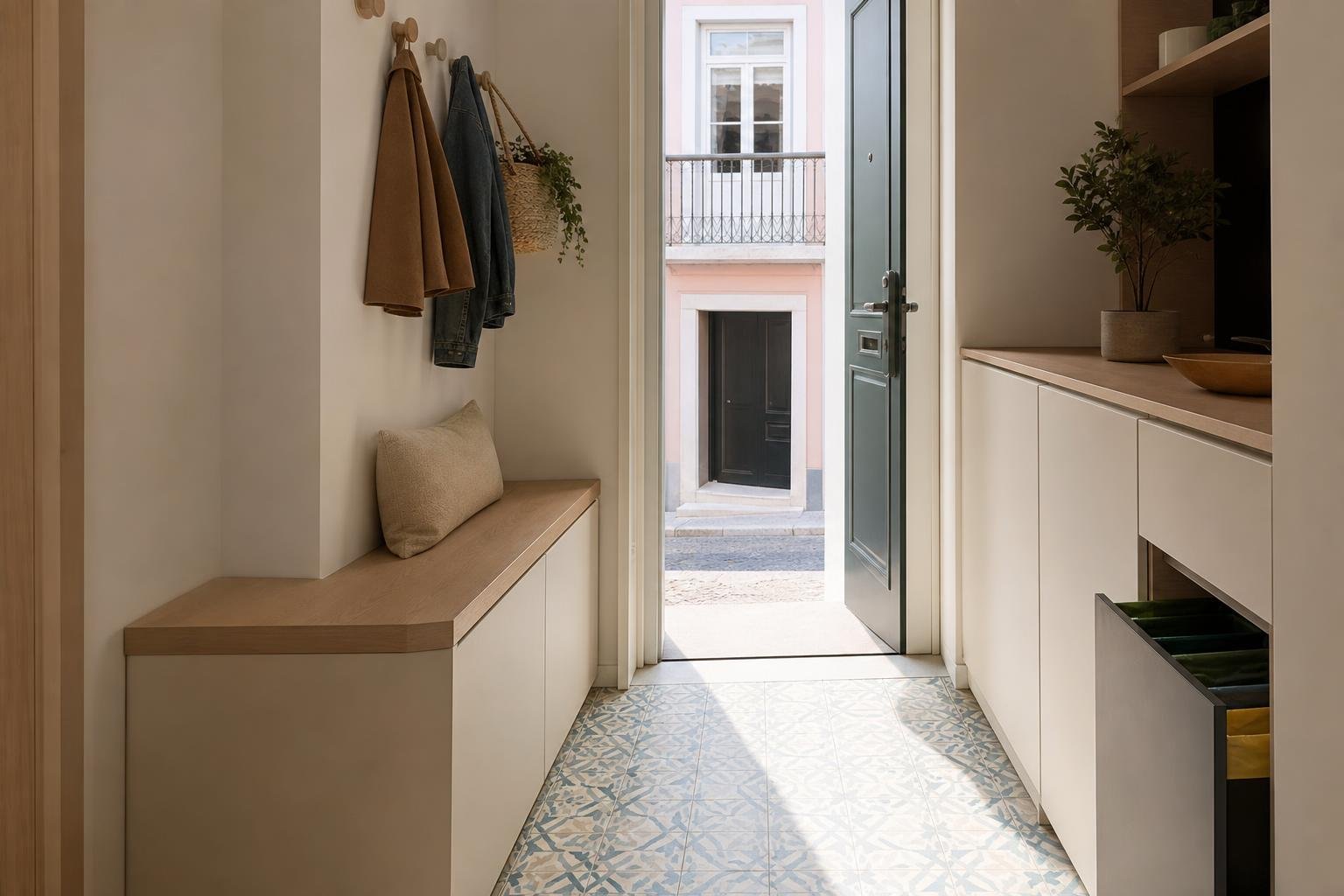
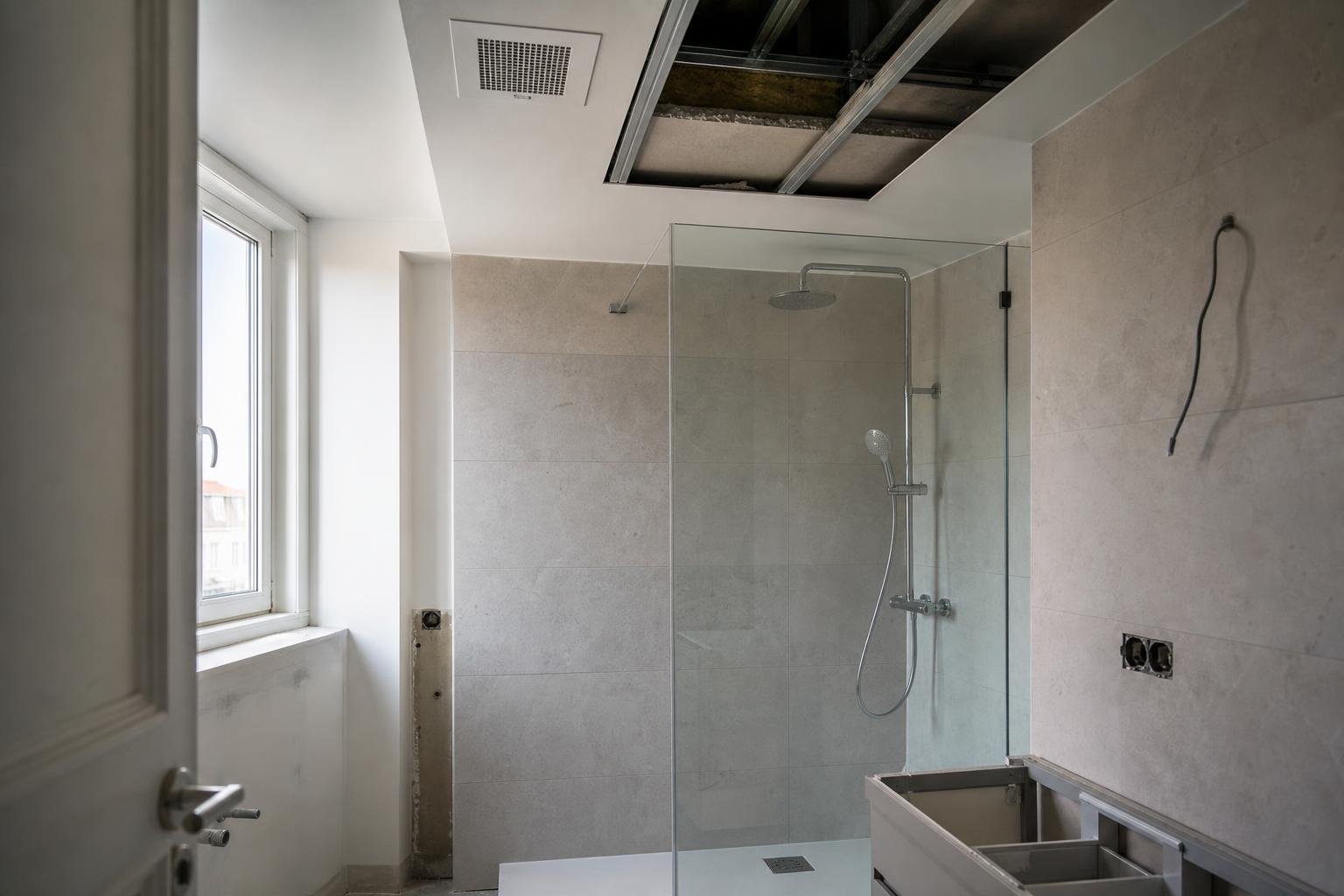
AI-generated editorial image; it does not depict an Obra Lisboa project.

Obra Lisboa