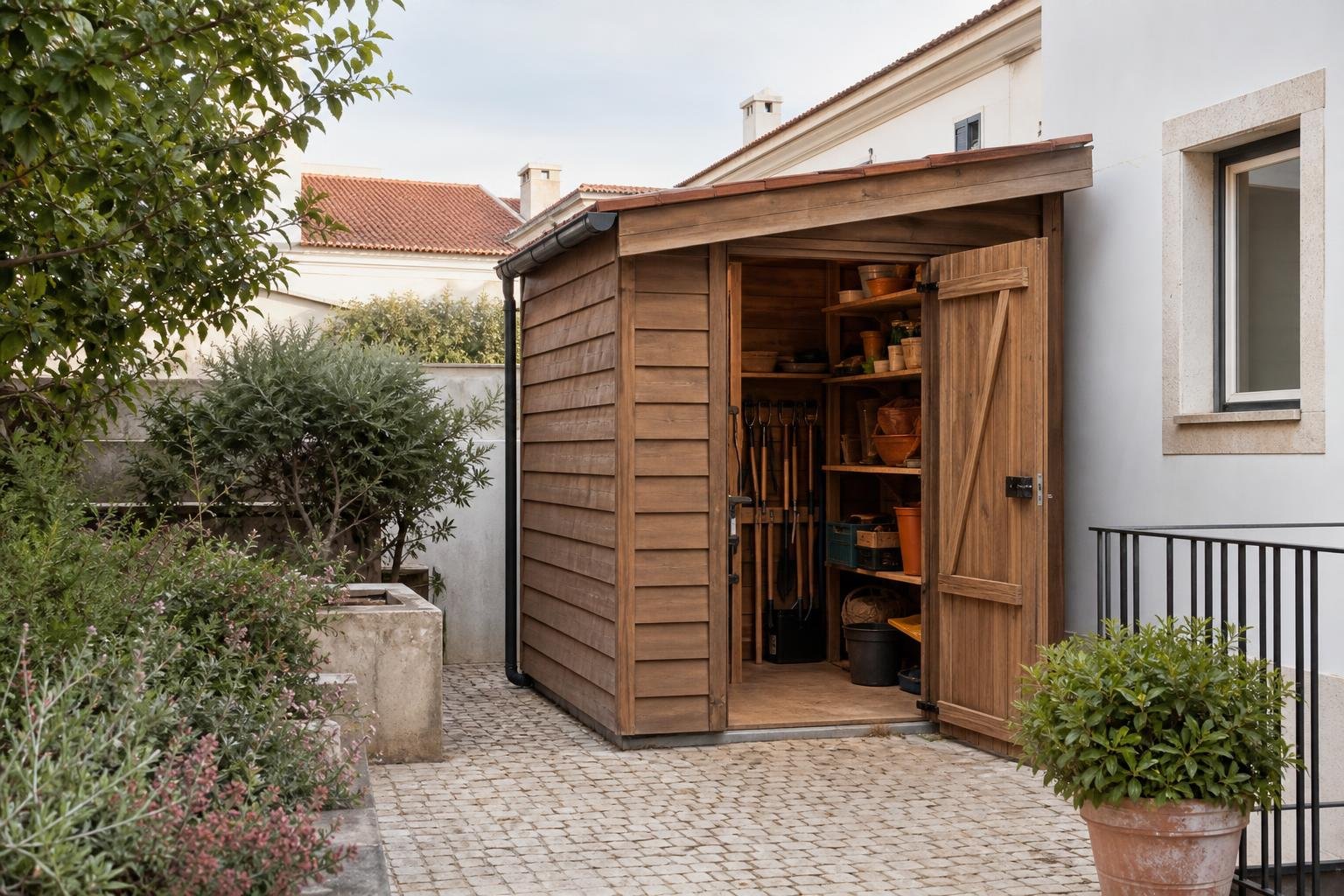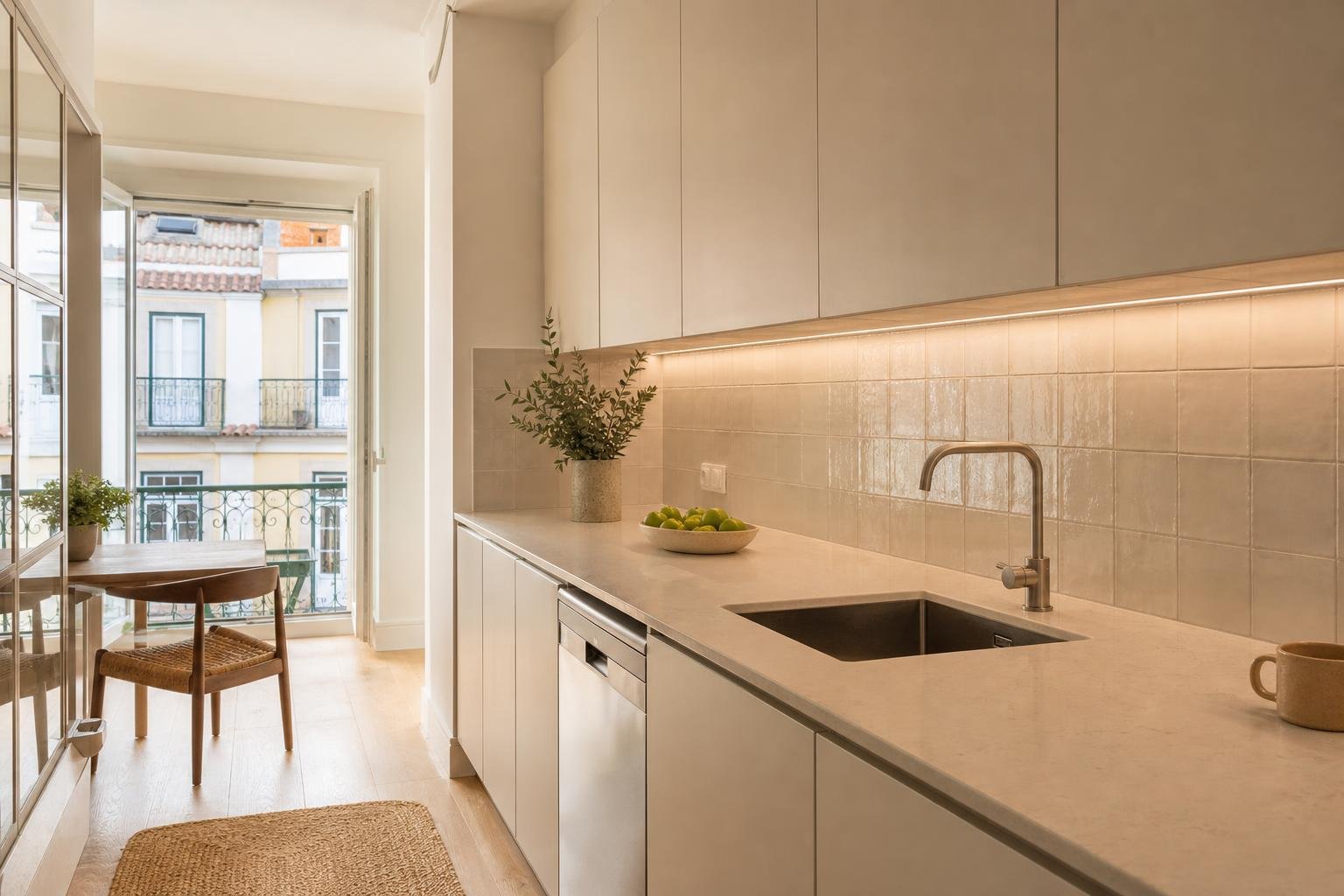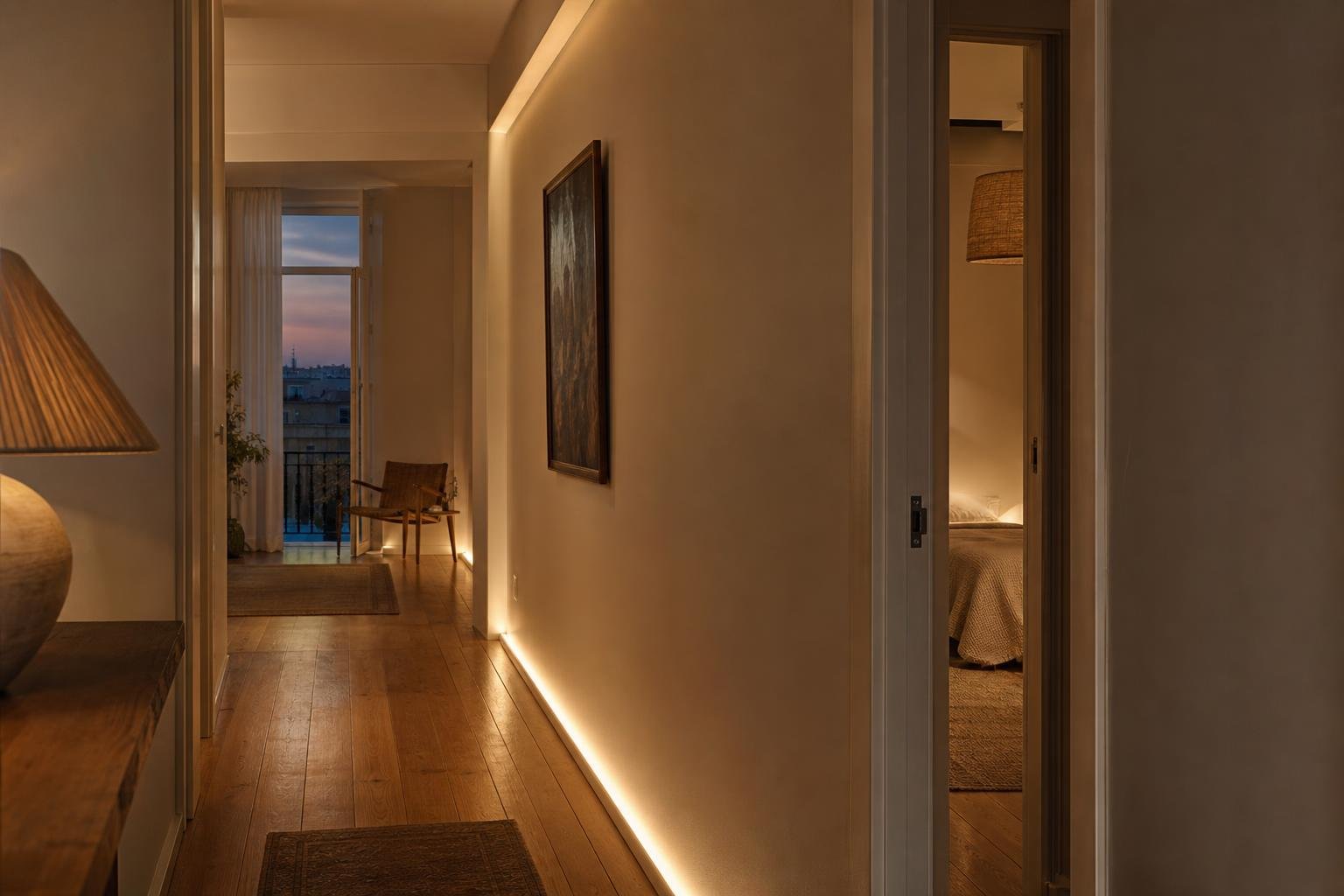

A compact home wine store does not need to be a cold, dark cellar packed with bottles. It can sit in a deep cupboard, under a staircase or in a dry storage room. What matters is not mistaking wine storage for a decorative cabinet beside an oven, a south-facing window or a wall that develops condensation in winter.
In Lisbon, seasonal variation and hot spells make location more important than the first visual idea. IPMA climate normals help explain why an internal area protected from sun and heat sources is usually more stable than an enclosed balcony or conservatory. Review the IPMA Lisbon climate normal before deciding which room offers the best starting point.
This article answers one clear question: how can you create small wine storage at home without introducing overheating, odours, mould or awkward maintenance? The answer starts with the type of collection and ends with a space that is simple to clean, monitor and adjust.
Define the collection before designing the cabinet
A store for 24 bottles that will be opened over the year needs a different solution from a collection kept for several years. Start with a short brief: how many bottles you expect to keep, which formats you buy, whether sparkling wines are included, and whether you need daily access or only occasional access.
Avoid making every bay to suit one bottle size. Sparkling bottles, magnums and broad-shouldered formats need more room and can make a seemingly generous rack impractical. Keep a lower row or an adjustable shelf for unusual formats. If the area is in the kitchen, treat it as an extension of pantry storage, not of the cooking zone.
Before ordering joinery, mark the shelf depth and door swing on the floor. A wine cupboard that requires bottles to be moved just to reach the back soon becomes inconvenient.
Choose the most stable part of the home
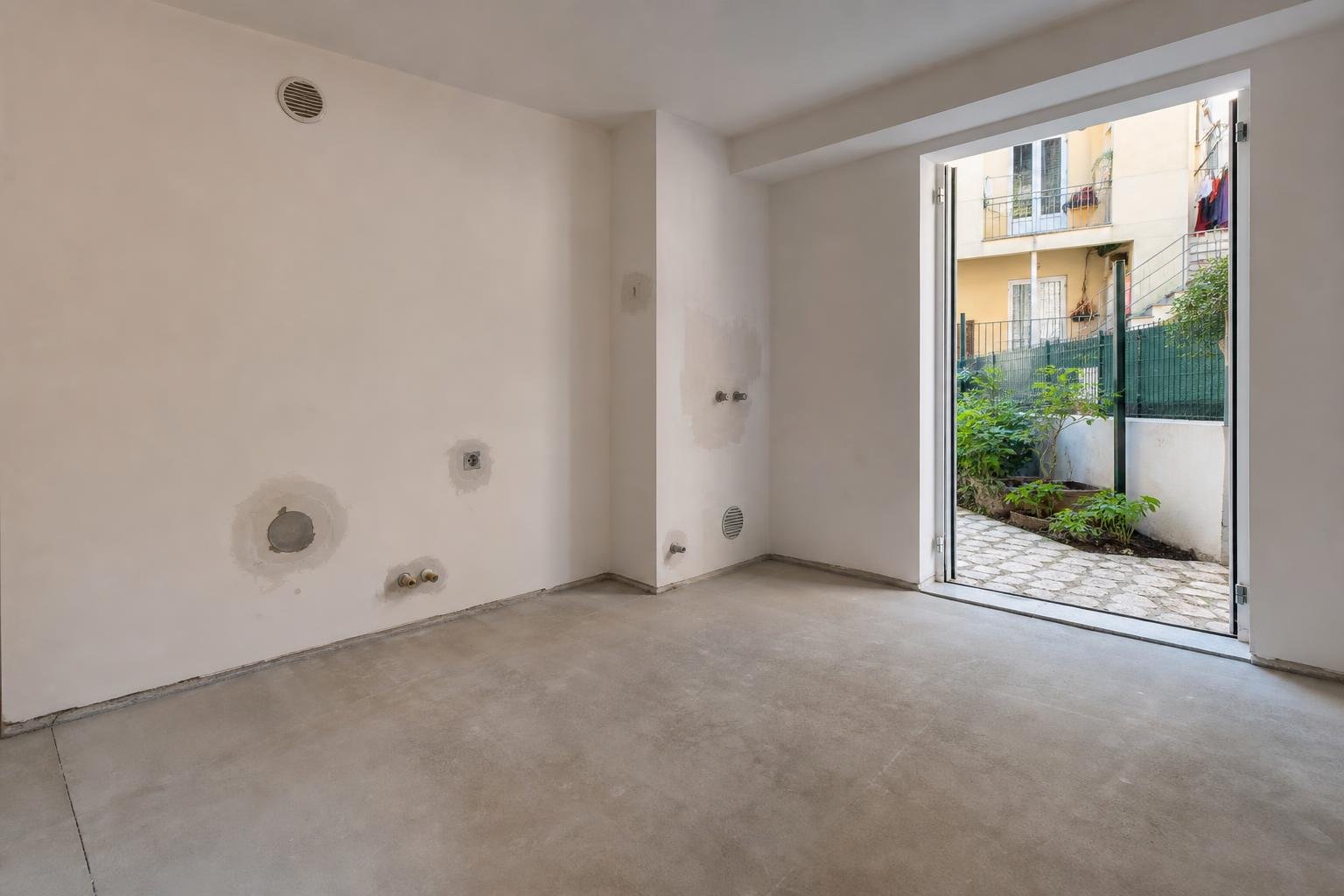
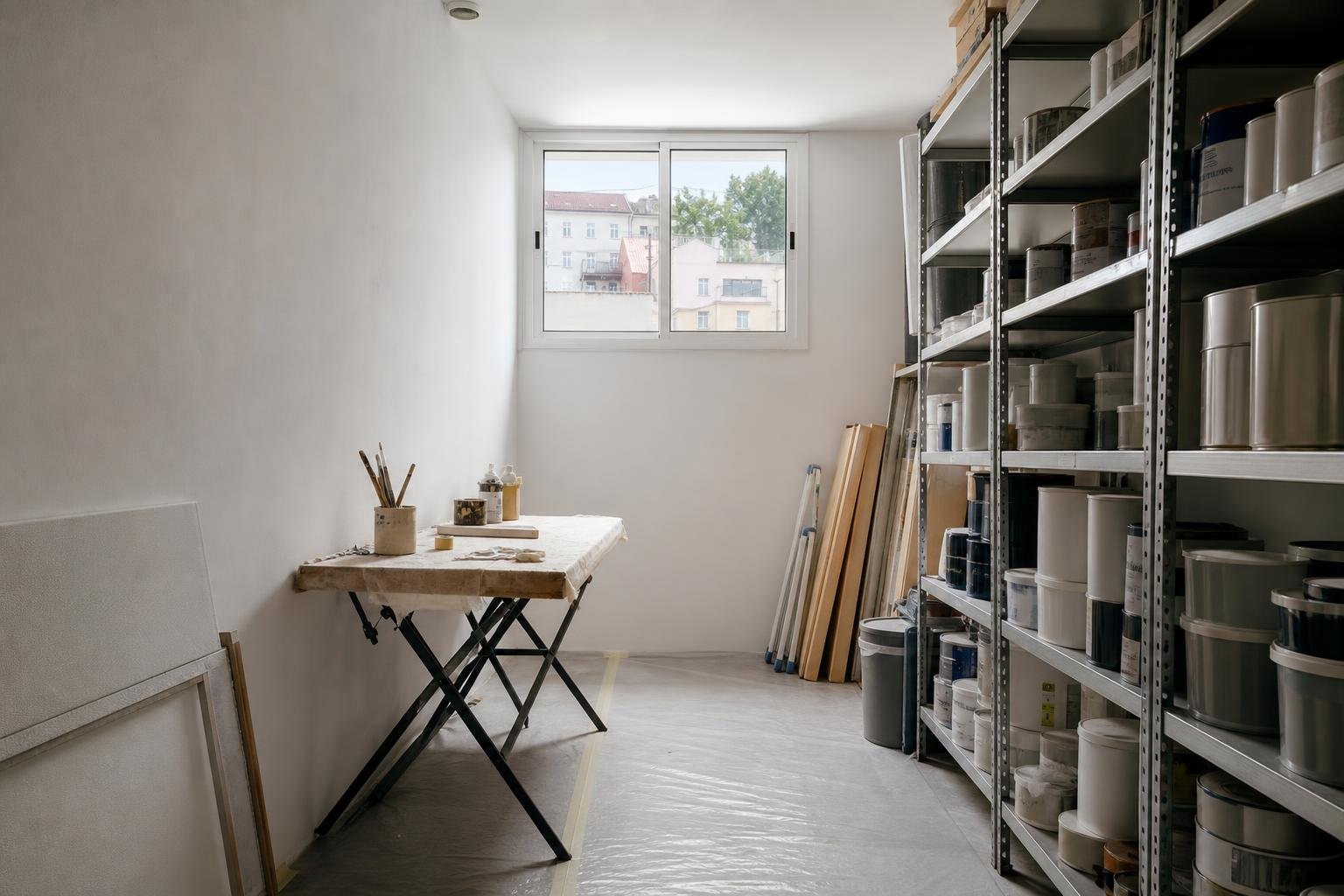
Look for an internal, shaded location away from appliances that release heat or vibration: ovens, refrigerators, washing machines, boilers, heat pumps or technical equipment. In a flat, an internal cupboard beside a party wall can be more predictable than an exposed façade. In a house, a ground-floor room may work well if it is dry and does not receive heat from a poorly insulated roof.
Do not select a basement merely because it is a basement. If there is a persistent smell, water ingress, salt deposits, damaged skirtings or water after rain, resolve the source first. Portugal’s health authority notes that excessive humidity can cause condensation on cold surfaces and encourage mould; concealing that condition behind timber doors will not solve it. See the DGS guidance on indoor air, temperature and humidity.
Stable temperature matters more than extreme cold
For bottles you intend to keep, the practical objective is to limit sharp swings and avoid prolonged heat. A moderate, steady temperature is usually more useful than trying to cool a cupboard that receives afternoon sun. Place a thermometer with maximum and minimum memory in the chosen spot for two to four weeks before enclosing the cabinet; this shows whether the issue is occasional or built into the room.
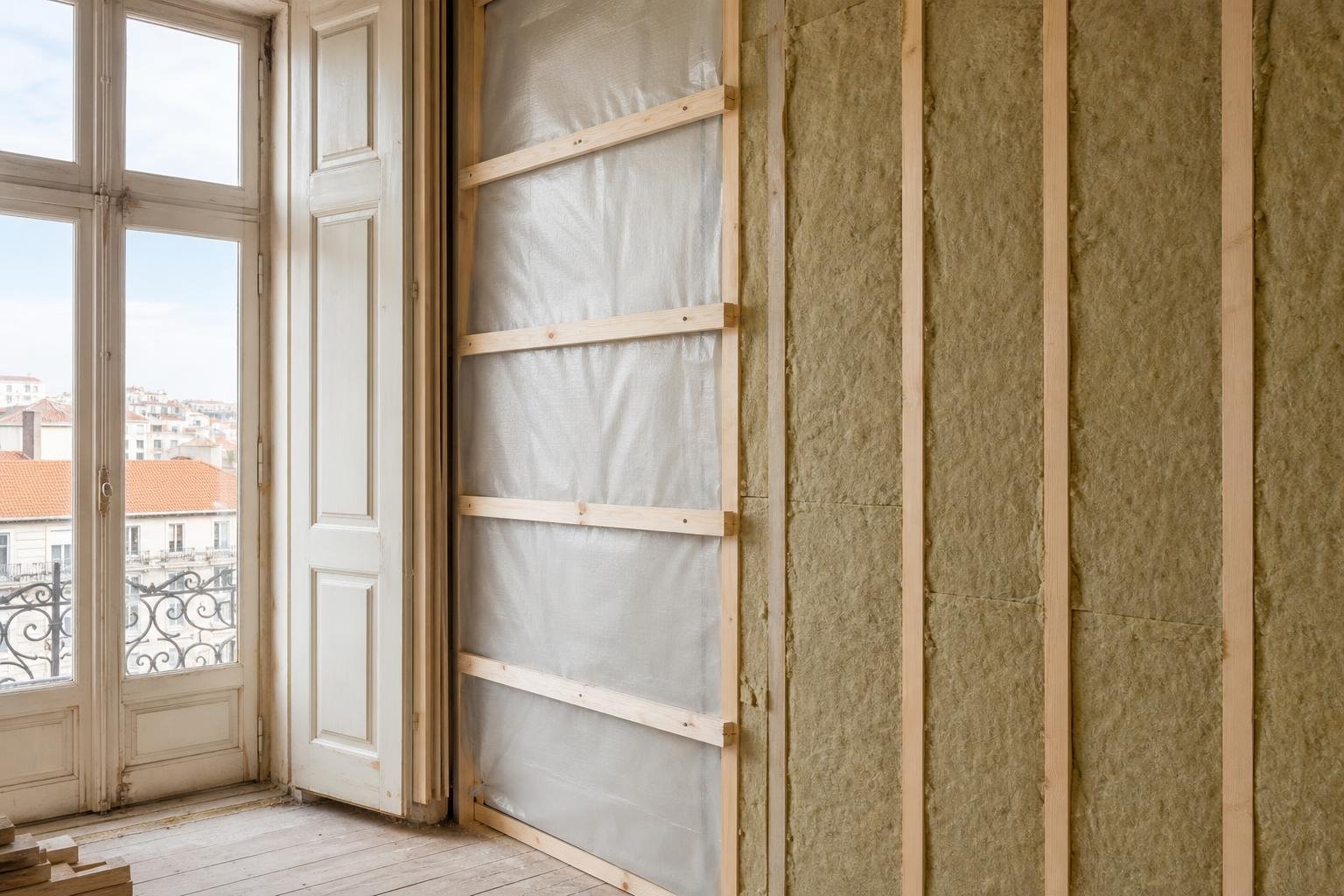
If readings become too high in summer, first reduce heat gain: external shading where appropriate, sealing unwanted gaps, suitable insulation on the warm side and separation from heat-producing equipment. Only then consider dedicated cooling. A poorly sized unit in a lightly insulated enclosure will work harder, create noise and may cause condensation.
The principle is the same as in other comfort upgrades: improve the building fabric and layout first, then choose equipment. For wider renovation choices, read how renovation can help reduce running costs.

Manage humidity without sealing the cupboard completely
Wine does not benefit from a space damp enough to grow mould, nor from a sealed compartment that becomes difficult to stabilise and unpleasant to use. For homes, DGS guidance draws attention to ventilation and moisture sources, including cooking, bathing and drying clothes indoors. A small wine store should not be placed against the coldest wall of a laundry room or bathroom without careful assessment.
Use a simple hygrometer and observe the pattern. Does humidity rise after showers? Only on rainy days? Does it remain high when the home is empty? Those clues help separate day-to-day moisture, insufficient ventilation and possible water ingress. The DGS recommends regular ventilation in homes; in a bottle-storage area, that means allowing air renewal without directing a warm draught over the shelves.
Discreet vents, technical gaps behind joinery or properly planned mechanical ventilation may be better than fully airtight doors. Never cover a stain or musty smell with panels before finding the cause.
Build shelves for weight, access and cleaning
A full bottle weighs more than it seems, and a loaded rack concentrates that weight in a small area. Choose low modules with adequate support, bracing and anchoring where required. In older walls, lightweight partitions or areas containing pipes and cables, the fixing method should be selected only after the substrate has been checked.
Store bottles with natural corks horizontally and keep labels visible without repeatedly turning each bottle. For quick-use drinks and bottles with technical closures, orientation may depend on the producer and the available layout, but the arrangement should still allow a visual inventory. Leave a small gap between rows, choose a base that tolerates cleaning and retain access to the back of the cabinet.
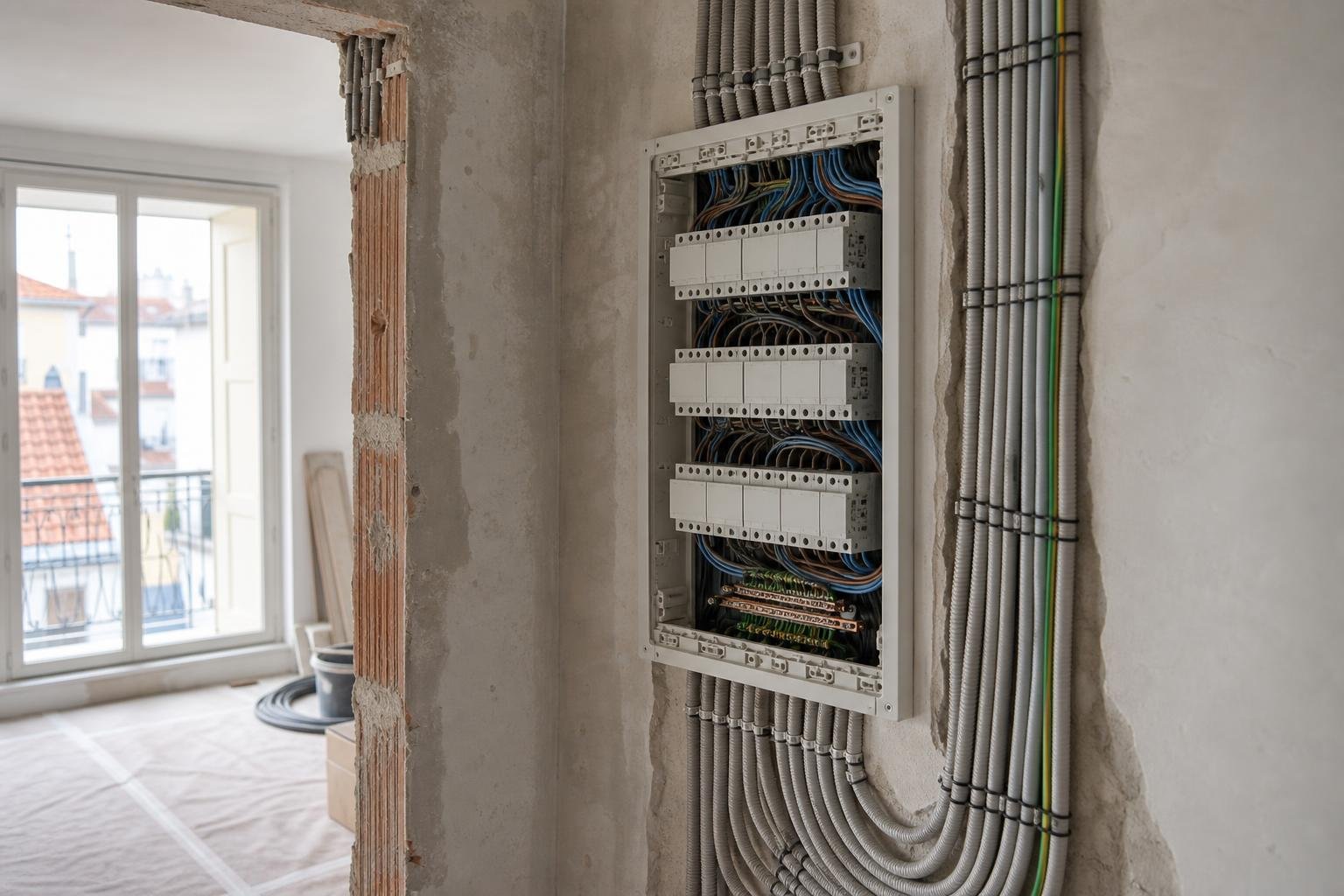
If you add lighting, use low-heat fittings, an accessible switch and no lamps continuously aimed at bottles. The same care with circuits, positions and access used in planning sockets and switches before walls are closed prevents improvised alterations after the joinery is installed.
Check building rules and future maintenance before closing up
A self-contained internal cabinet rarely needs the same preparation as altering walls, ventilation, electrics or façades. But a wine store that requires new openings, ducts, changes to common elements or major alterations to installations is no longer simply furniture. In a Lisbon apartment building, also check condominium rules, delivery routes and any effect on walls or technical cupboards.
Municipal information explains that alteration works subject to prior communication require their own drawings and documentation; classification always depends on the specific work and property. Review Lisbon City Council’s guidance on building works and prior communication before assuming an intervention is exempt.
Finally, set a short routine: clean dust from vents, check for water marks, confirm hygrometer readings and review less-used bottles. Compact wine storage works best when it remains part of the home rather than becoming a forgotten cupboard.
If you want to incorporate compact wine storage into a renovation, Obra Lisboa can help coordinate storage, insulation, ventilation, electrics and finishes before walls are closed or joinery is ordered.
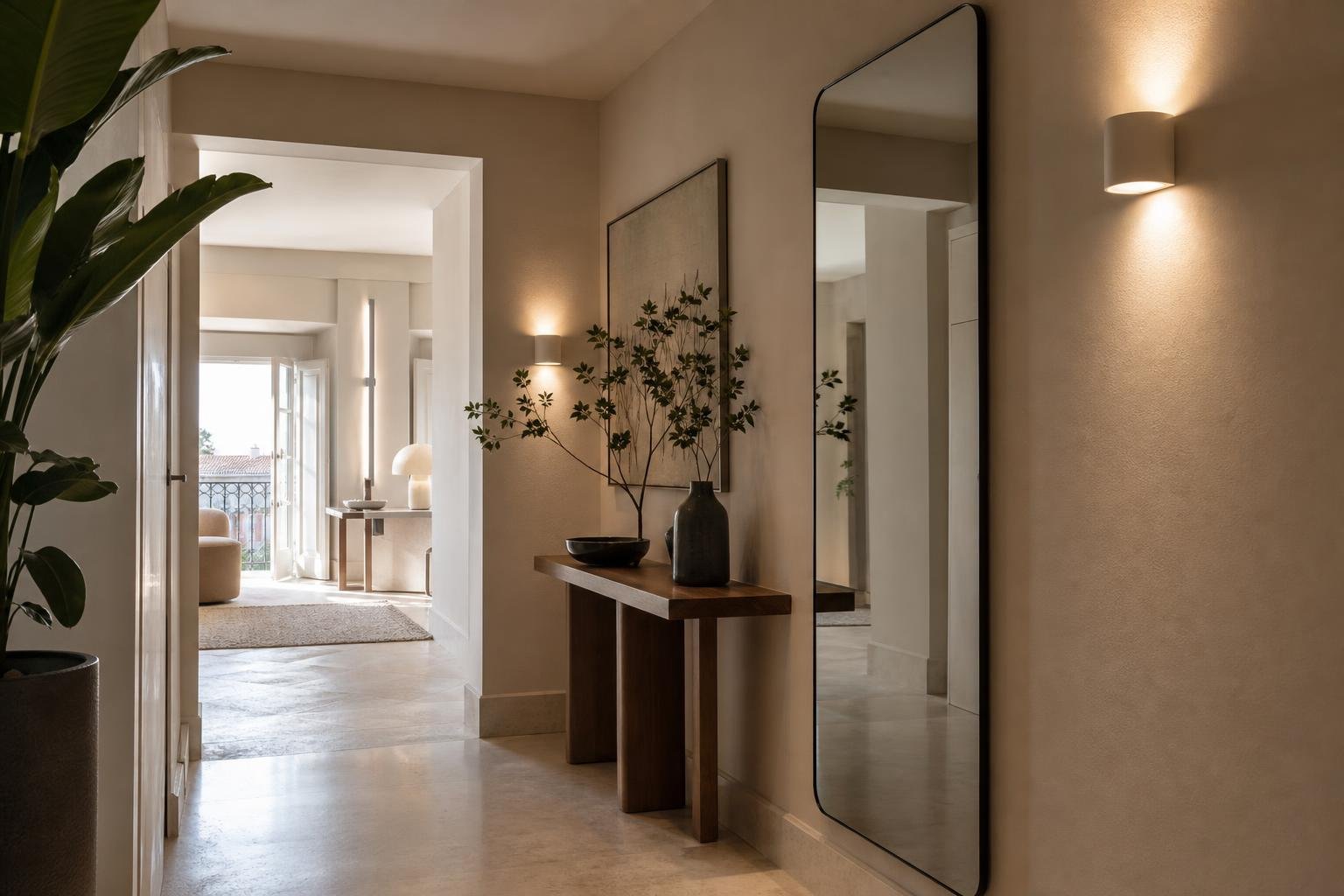
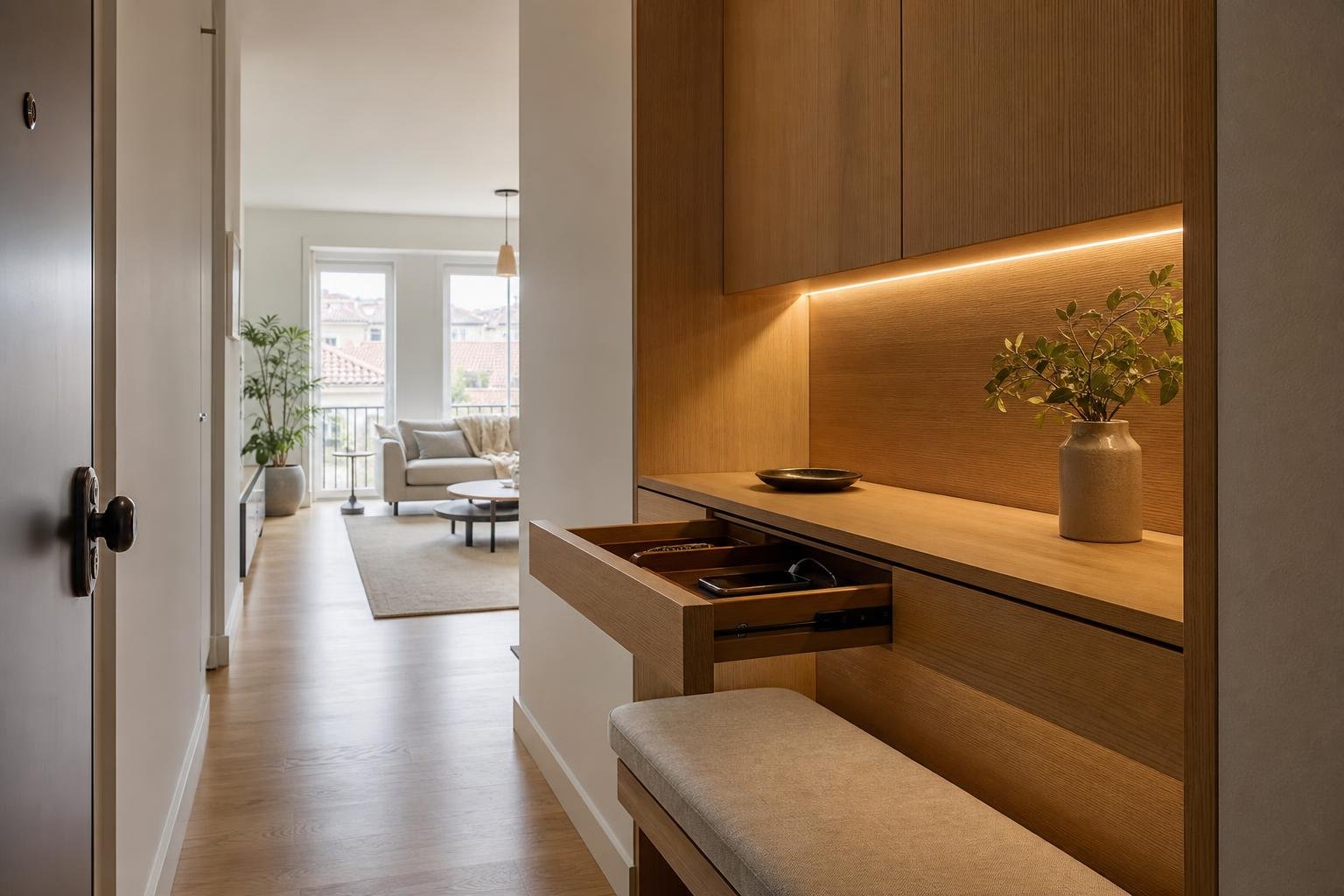
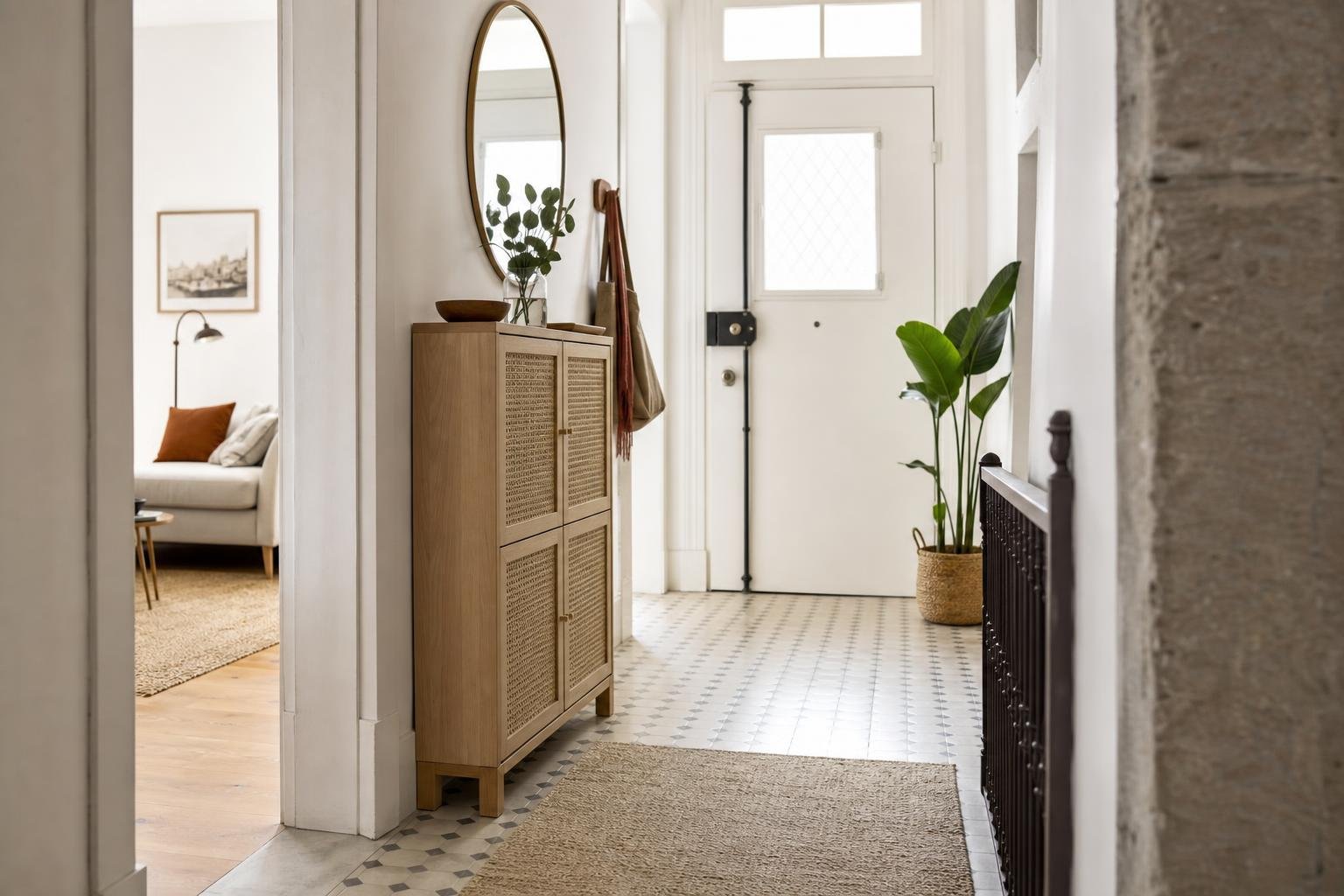
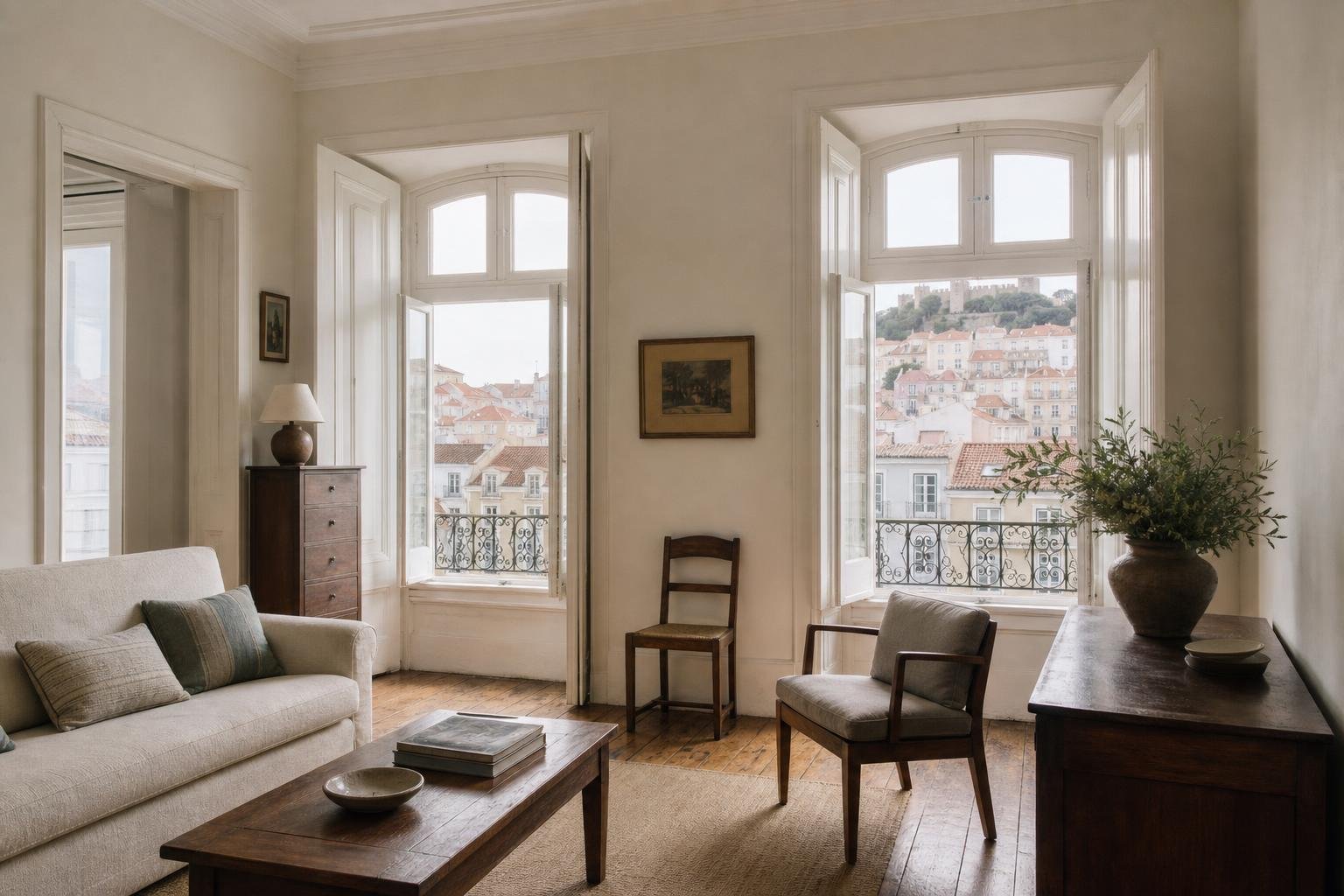
AI-generated editorial image; it does not depict an Obra Lisboa project.

Obra Lisboa