In a north-facing bedroom, first establish whether discomfort comes from heat loss, condensation or water ingress; adding insulation or replacing a window without that diagnosis can simply move the problem elsewhere. In Lisbon, a room may receive little direct winter sun while cool nights and moisture produced indoors make cold surfaces prone to condensation. The priority is to keep the wall and window warmer, remove moisture at the right times and retain controlled fresh-air renewal.
The IPMA 1991–2020 climate normals help put Lisbon's cooler periods into context, but outdoor climate alone does not diagnose a stain in one bedroom. In an older building, an under-protected external wall, a draughty frame and moisture-producing routines can matter more than orientation on its own.
Contents
- Why north-facing bedrooms need closer attention
- How to check the room before ordering work
- What helps without turning the room into a sealed box
- When windows, walls or ceilings need work
- Heating the room without increasing condensation
- When to call a professional and how to prepare
Why north-facing bedrooms need closer attention
A north-facing aspect does not automatically mean defective construction. It means less direct solar gain in winter, leaving less room to offset losses through walls, window frames, shutter boxes or air gaps. If the room also has a wind-exposed external wall, furniture pushed against it and limited air movement, discomfort becomes more likely.
Separate these three signs:
- Even coldness: the room cools quickly and improves when heated; this can point to fabric heat loss or air leakage.
- Water on glazing and mould in corners: indoor moisture is condensing on cold surfaces.
- A local stain, blistered paint or worsening after rain: there may be water ingress, a crack or an external defect, which a dehumidifier will not solve.
The DGS explains that excess moisture can condense on cold surfaces and support mould growth. It also notes that people, pets, cooking, cleaning and indoor laundry affect indoor air quality. Read the DGS guidance on indoor air before assuming every mould mark is a paint problem.
How to check the room before ordering work
Watch the room for one or two cool weeks, preferably without changing every routine at once. Record where moisture appears, when condensation forms and whether the mark changes after rain. Photograph the same locations: wall-to-ceiling junctions, corners behind wardrobes, window edges, sill and lower wall.
- Temporarily move the bed and wardrobe away from the external wall to see whether the mark improves.
- Check whether the window closes tightly and whether draughts are felt at reveals, shutter boxes or the sill.
- Check whether the wall feels damp only in rainy periods; that pattern warrants inspection of the façade, roof or seals.
- Compare the perceived temperature by the window, in the middle of the room and at the affected corner. You do not need to turn the home into a laboratory; the aim is to locate the issue.
Do not cover an active mark with boards, wallpaper or a new wardrobe. Do not install internal insulation over a wall with unresolved water ingress. Stop the water first; then assess the thermal solution.
What helps without turning the room into a sealed box
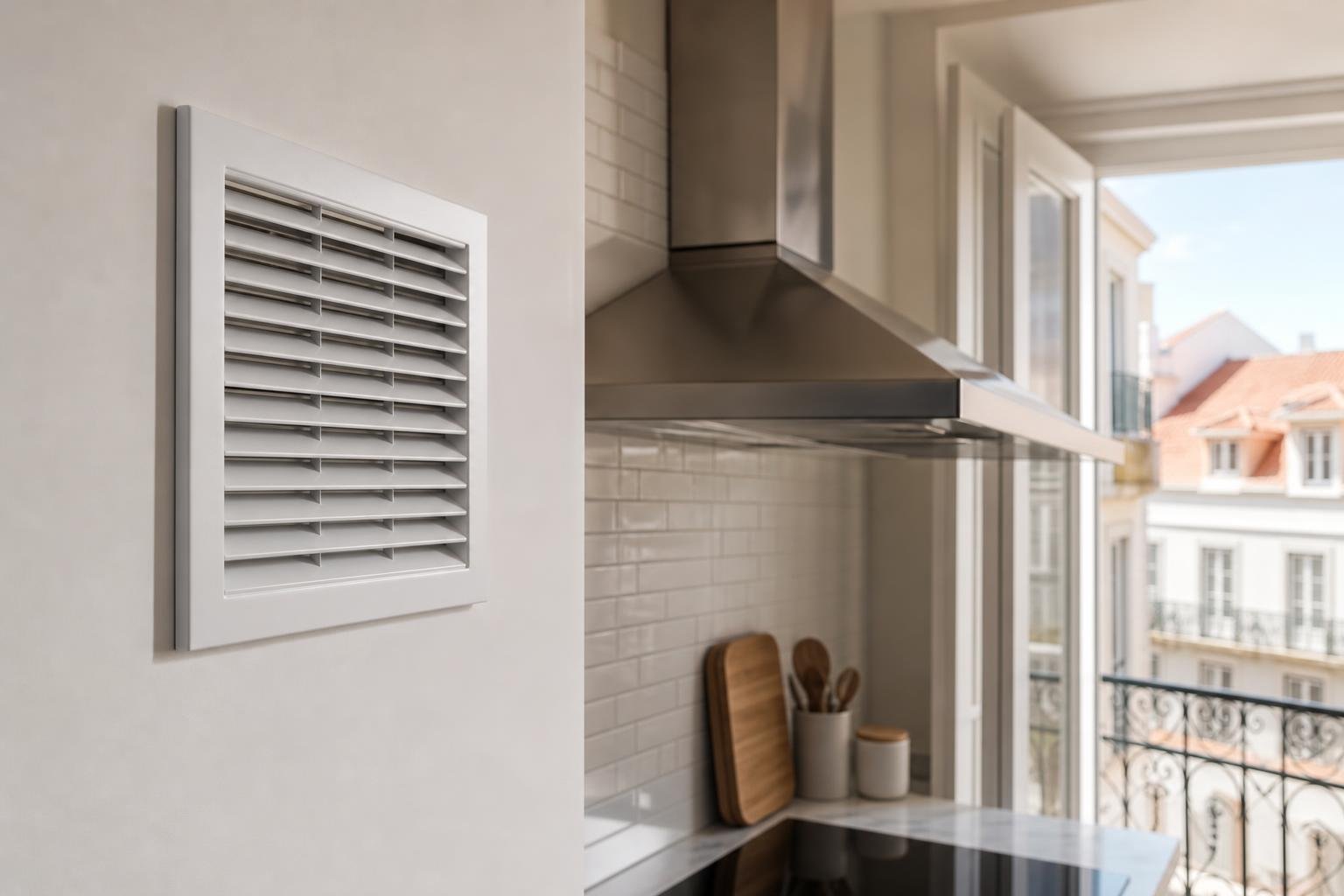
Low-impact measures should address unwanted air leakage and necessary air renewal at the same time. Sealing a gap around a window is different from blocking a designed vent or keeping the room permanently closed.
- Adjust hardware, replace worn seals and repair perimeter joints where the source of draughts has been confirmed.
- Use curtains that cover the opening at night, without covering radiators or preventing daily window opening.
- Keep wardrobes, headboards and storage units clear of the external wall so air can circulate.
- Ventilate briefly and effectively, especially after bathing, cooking and drying laundry. The ADENE heating guide recommends regular cross-ventilation for 3–5 minutes or direct ventilation for 5–10 minutes, and warns against leaving windows slightly open for long periods.
If the room is used by someone with allergies or respiratory problems, moisture control and ventilation belong in the daily comfort plan. Cleaning only the visible surface does not remove the cause.
| Main sign | First action | What not to do |
|---|---|---|
| Misted windows in the morning | Ventilate briefly and remove moisture sources | Leave the window slightly open all day |
| Mould behind a wardrobe | Move furniture away and assess cold wall or leak | Paint over it before drying and diagnosing |
| Mark after rain | Check roof, façade, window frame and seals | Apply internal insulation to a damp substrate |
| Draught by window | Adjust closing and repair local seals | Block air inlets without checking ventilation |

When windows, walls or ceilings need work
A larger intervention should answer an identified cause. If the frame is old, leaks air and leaves the glass very cold, replacement can improve comfort, noise control and condensation management, provided it includes correct installation, sealing and a ventilation strategy. A poorly installed new window can introduce leaks or leave thermal bridges at the reveals.
Internal insulation can be appropriate where external work is not possible, but it needs design attention to continuity, junctions and the risk of condensation within the build-up. In flats, visible changes to façades or common elements require prior checks with the condominium and, where applicable, the council.
An energy certificate is a useful starting point for prioritising investment. ADENE identifies insulation, efficient windows and ventilation among measures that can improve comfort and energy use. A broad recommendation is not, however, an execution design for a wall affected by moisture.
If the issue is on the top floor, connect this diagnosis to the roof. For summer conditions, see our guide to light-coloured roofs in Lisbon; in winter, roof insulation continuity and weather-tightness still matter.
Heating the room without increasing condensation
Moderate heating raises surface temperatures and improves comfort, but it does not replace ventilation. In its general indoor-air recommendations, DGS advises airing the home for at least ten minutes each day and while cooking, cleaning, washing or drying clothes indoors, or bathing. The same guidance calls for proper exhaust arrangements for combustion gases.
Avoid drying laundry in the bedroom, using unvented combustion heaters or placing the bed against a wall that remains damp. A dehumidifier can help restore conditions after a humid period, but it cannot fix water ingress, a serious thermal bridge or a poorly sealed window.
If the bedroom is the only occupied room at night, set heating around actual use and keep the door in a position that does not eliminate air movement completely. For choices about heating a single space, see how to heat one room without wasting energy.
When to call a professional and how to prepare
Request a technical diagnosis where there is rain-related ingress, recurring mould after cleaning and ventilation, fast deterioration of plaster, persistent damp odours, water around a window or a plan to add internal insulation. Bring dated photographs, a simple room plan, orientation, previous interventions and information on what happens in neighbouring flats.
Where the solution involves a window, external wall, shutter box, mechanical ventilation or façade changes, define the full package of work first. That is safer than replacing one item and later finding that a joint repair, vent or thermal-bridge treatment was missing.
A well-prepared renovation can combine substrate repair, window improvement, ventilation and finishes without needlessly reducing bedroom space. Obra Lisboa can help organise that scope, compare compatible solutions and plan renovation delivery.
Key takeaways
- Tell apart condensation, draughts and water ingress before selecting insulation or paint.
- Ventilate briefly and effectively after moisture-producing activities; do not leave a window slightly open for hours.
- Keep furniture away from cold external walls and do not hide an active mark behind finishes.
- Window and insulation work need installation details and a clear ventilation strategy.
If the room remains cold, damp or mouldy after routine changes, collect photographs and notes on the symptoms before asking for quotes. Contact Obra Lisboa to structure a renovation that addresses the cause, ventilation and finishes as one coordinated decision.
Sources and further reading
- DGS guidance on indoor air
- general indoor-air recommendations
- ADENE heating guide
- ADENE identifies insulation, efficient windows and ventilation
- IPMA 1991–2020 climate normals
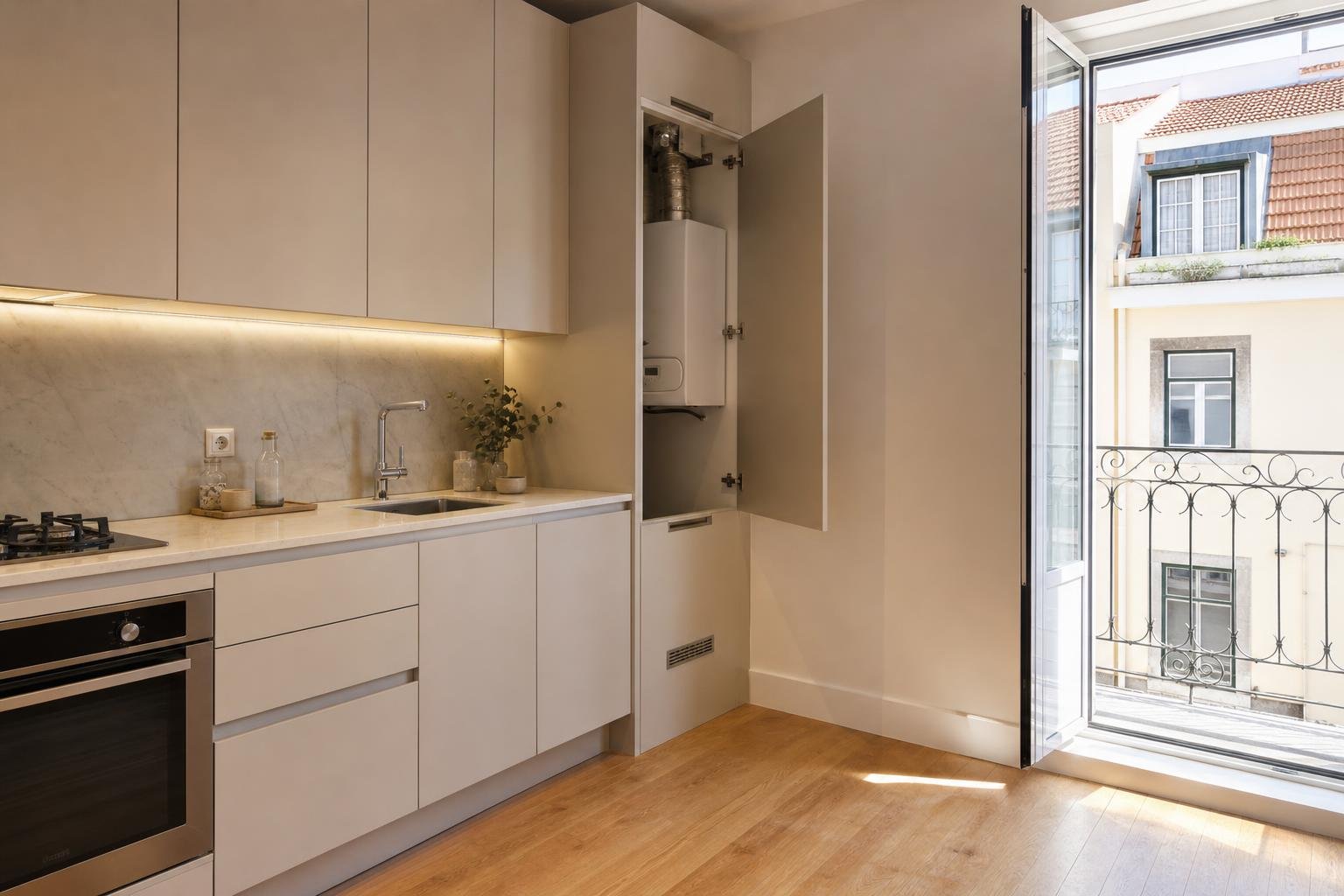
Editorial image; it does not depict an Obra Lisboa project.

Obra Lisboa